
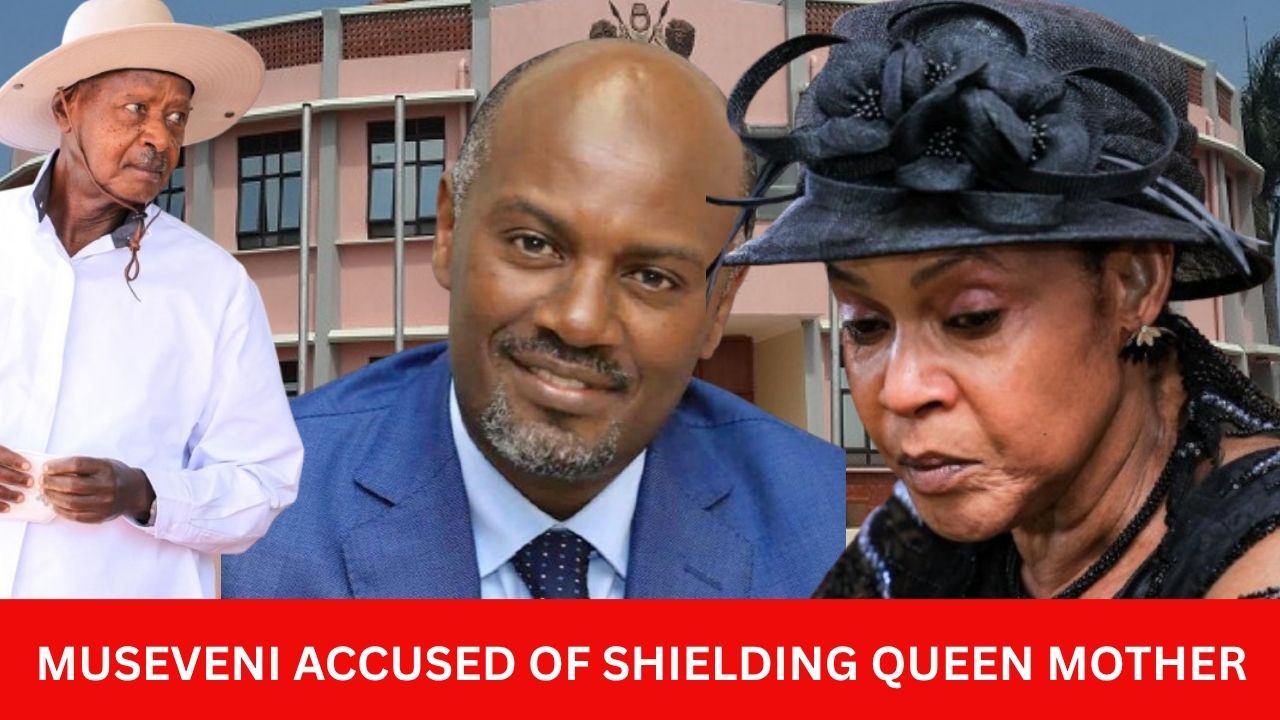
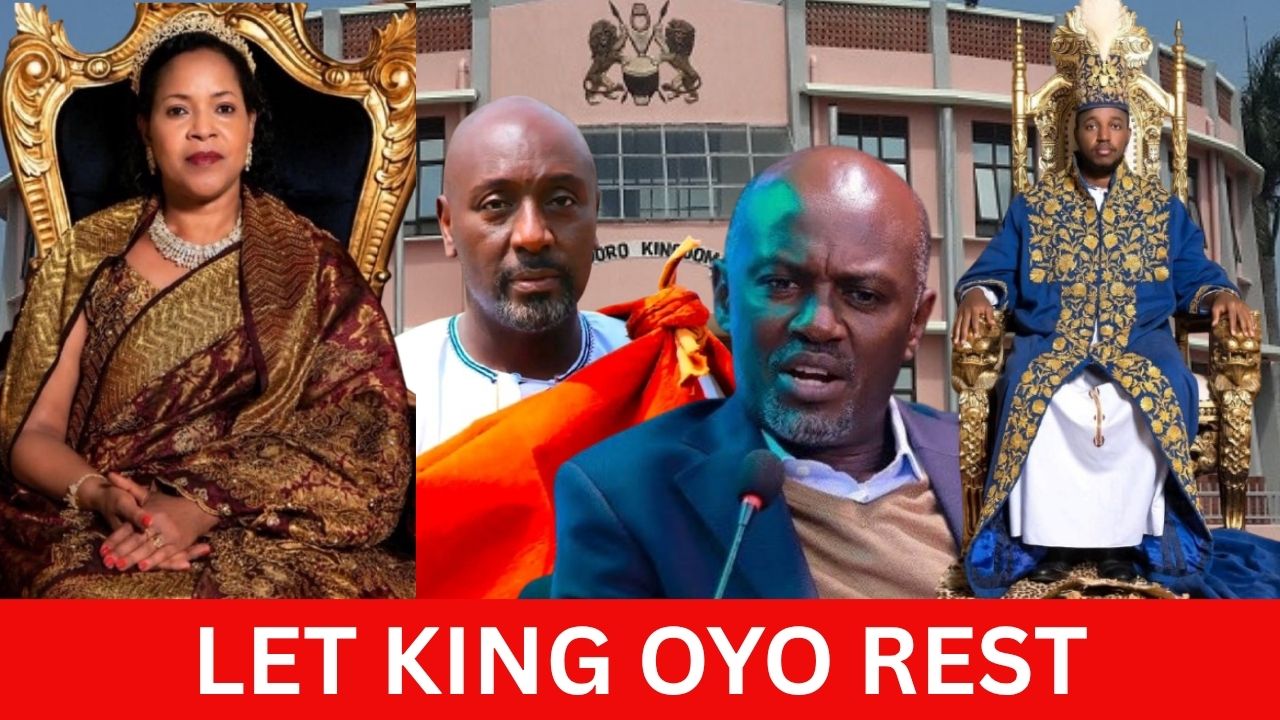






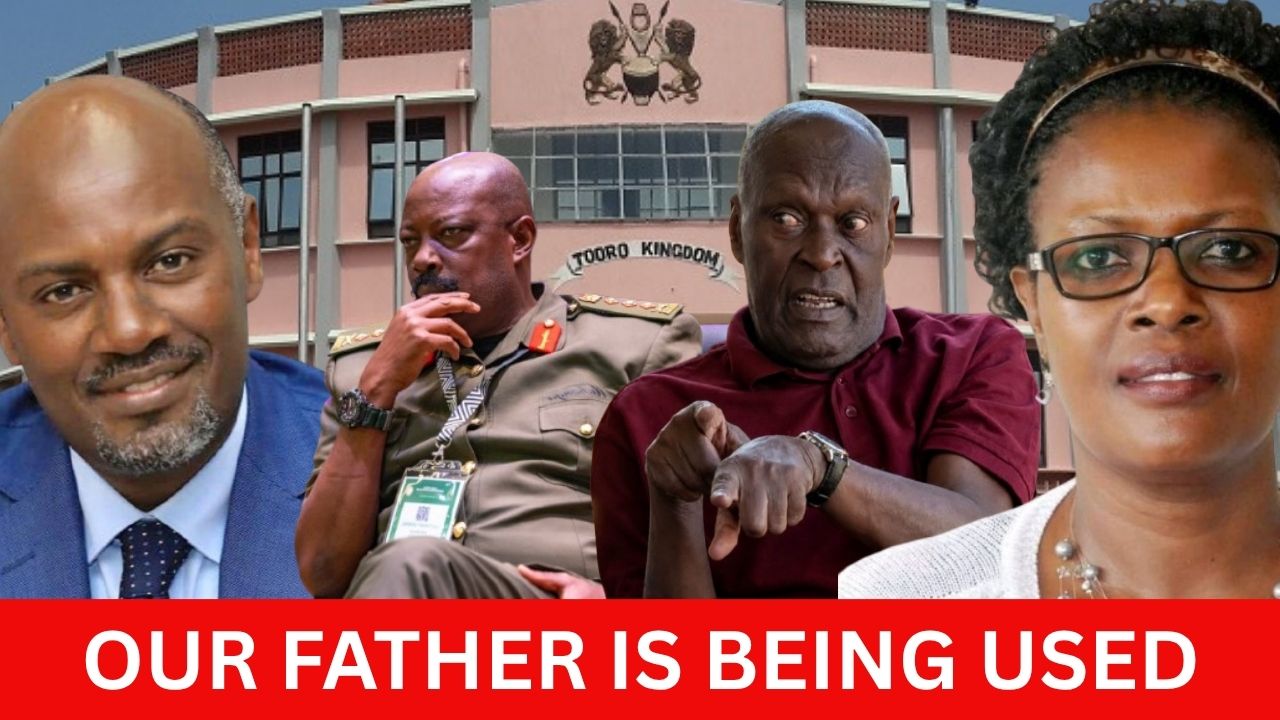
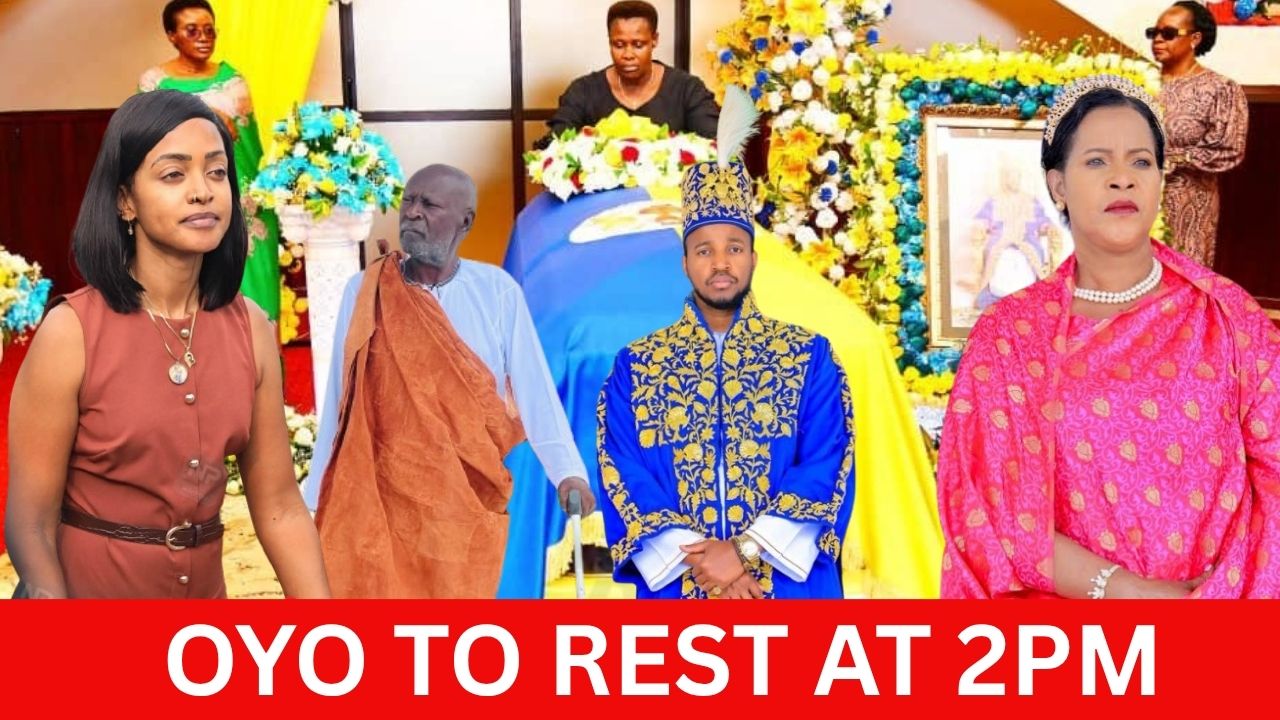




The Attorney General has thrown a spanner in the works of those seeking to install a new king in Tooro, arguing that the late Omukama Oyo Nyimba Kabamba Iguru Rukidi IV’s will carries significant legal weight in determining who should succeed him.
In a three-page legal opinion dated September 12, 2026, addressed to President Yoweri Museveni, the Attorney General was asked to advise on the succession question following the death of King Oyo.
The opinion comes at a critical moment for the Tooro Kingdom, where rival positions have emerged over who should occupy the throne following the death of the 34-year-old monarch on August 27 in the United States.
At the centre of the controversy is a will made by the late king, in which he is understood to have provided for succession to the Tooro throne.
The Attorney General’s advice places emphasis on the Constitution, the Institution of Traditional or Cultural Leaders Act and the customs and traditions governing succession in Tooro.
According to the opinion, Article 246 of the Constitution recognises an institution of a traditional or cultural leader where such an institution exists in accordance with the culture, customs and traditions or wishes and aspirations of the people to whom it applies.
The Attorney General also cited the Institution of Traditional or Cultural Leaders Act, particularly provisions governing the establishment and succession of traditional institutions.
The legal opinion could significantly complicate moves surrounding the reported selection of Prince Edward Kijanangoma as the next Omukama, amid objections from sections of the royal family and those who maintain that King Oyo’s wishes must first be respected.
Oyo’s Will
A key section of the Attorney General’s advice concerns the late king’s will. The opinion states that the law recognises that, in ascending to the throne, allegiance is principally derived from birth and subsequently by descent.
It further notes that where there is a direct descendant of the king by birth, that person would ordinarily be expected to ascend to the throne in accordance with the applicable culture and customs. The Attorney General referred specifically to King Oyo’s will, dated September 14, 2022.
In the will, the late king is quoted as declaring: “I hereby declare and direct that if at the date of my death I am survived by a son, I will have recognised my biological son, I appoint him as my heir to the kingdom of Tooro.”
The will further provided for circumstances in which the king would not be succeeded by a son.
The Attorney General cited another provision in which King Oyo stated that if he died without a son able to succeed him, the duties of succession would fall on another designated royal figure.
The legal advice therefore appears to elevate the significance of the document at a time when the identity and legitimacy of the person to succeed King Oyo have become the subject of intense debate.
The opinion also refers to a provision under the will naming Prince Komwiswa in the event that the king had no son able to succeed him, with Omusuuga Charles Kamurasi identified in the will as heir and successor under the relevant circumstances. This has profound implications for the current succession debate.
Courts May Have Final Say
The Attorney General’s opinion is particularly significant because it addresses what should happen where there is a disagreement over the traditional institution and succession.
The opinion cites Section 15(1) of the Institution of Traditional or Cultural Leaders Act, 2011, which provides that any conflict or dispute within a traditional or cultural institution should be determined by a council of elders or a representative body, according to the law.
However, the Attorney General’s discussion of the late king’s will also opens the possibility of judicial determination where the validity or interpretation of the document becomes contested.
This means that if parties dispute the authenticity, validity or interpretation of King Oyo’s will, the disagreement cannot necessarily be settled simply by a political or administrative declaration. Instead, the courts could ultimately be asked to determine the legal effect of the document. That prospect has added another dimension to the already bitter succession dispute.
The Question Of Oyo’s Son
Prof V. Baryamureeba, commenting on the Attorney General’s advice, described the situation as effectively settled in favour of following the late king’s wishes.
“This is a done deal,” Baryamureeba said. He argued that King Oyo’s son should be subjected to a DNA test if necessary to establish his biological relationship to the late monarch.
“They can also go to court to challenge the will,” he said, adding that he believed such challenges would not succeed.
Baryamureeba said the people of Tooro and Uganda had emerged as the biggest winners because the dispute was now being considered within the framework of the Constitution.
He also credited President Museveni, saying the President was demonstrating that Uganda is governed by constitutional principles.
“Remember the first statement that President Museveni issued and the Musuuga rubbished it. It still stands. King Oyo has an heir to the throne of Tooro,” he said.
His remarks appear to refer to earlier statements by the President concerning succession following King Oyo’s death.
‘Installation Is Null And Void’
Baryamureeba went further, arguing that any decision to install a successor without first resolving the legal questions surrounding the late king’s will would be vulnerable to challenge.
“Approval by organs of Tooro without following the law is null and void,” he said.
He compared the situation to cases where decisions taken by public institutions have subsequently been invalidated for failure to comply with constitutional or statutory requirements.
“The same fate that befell the approved Ministers by Parliament with dual citizenship is the same fate that has befallen Prince Kijanangoma. As of now his alleged installation is null and void,” Baryamureeba said.
The statement reflects the increasingly polarised nature of the succession debate, with rival camps relying on different interpretations of custom, royal authority and national law.
Tooro Constitution Question
Another critical issue raised in the Attorney General’s opinion is the status of the Tooro Kingdom Constitution.
The opinion notes that the Tooro Kingdom promulgated its Constitution in 1999 and suspended it in 2013 following disagreements over provisions of the document.
According to the legal advice, the suspension followed a process involving the Kingdom Council and subsequent developments.
The Attorney General states that King Oyo later established a committee to review the Constitution, but at the time of his demise the Constitution had not been reviewed or re-enacted. “Thus the Constitution remains suspended,” the opinion states.
This observation could prove crucial. The succession controversy has involved arguments over the powers of kingdom organs, the role of the Omusuuga, the Rukurato and other traditional institutions.
But if the kingdom’s Constitution remains suspended, questions arise over which instruments can lawfully be relied upon in settling the succession.
The Attorney General appears to have placed the emphasis on the national Constitution, the Traditional or Cultural Leaders Act and established Tooro customs and traditions.
Traditional Customs Still Matter
The opinion does not dismiss Tooro customs. Instead, it recognises that traditional leadership is constitutionally protected where it exists in accordance with the culture, customs and traditions of the people.
The Attorney General cited Section 4 of the Institution of Traditional or Cultural Leaders Act, which provides that a person may be installed as a traditional or cultural leader in an area of Uganda if the person derives allegiance from birth or descent in accordance with the customs, usage and consent of the people.
This means that succession remains deeply connected to the traditional laws of the Babiito dynasty.
However, the legal advice suggests that customary succession cannot simply be separated from Uganda’s constitutional and statutory framework.
The result is a delicate balance: Tooro’s cultural traditions remain important, but decisions concerning the institution must operate within the law.
A New Battle Looms
The Attorney General’s opinion is therefore unlikely to end the succession dispute immediately. Instead, it could move the battle to another arena.
If the parties agree on the authenticity and meaning of King Oyo’s will, the document could become a central instrument in determining succession. But if one side challenges it, the courts could be called upon to determine its legal validity and effect.
That possibility has raised the stakes surrounding the reported selection of Prince Kijanangoma.
The dispute now involves not only competing members of the royal family but also questions concerning the suspended Tooro Constitution, customary law, the Traditional or Cultural Leaders Act and the legal status of the late king’s testamentary wishes.
For the Babiito royal family, the coming days could therefore determine whether the succession is settled through consensus among the royals or becomes a protracted legal battle.
But beneath the humour lies a serious constitutional and cultural question.
King Oyo’s death has opened a succession vacuum in one of Uganda’s most prominent traditional institutions.
The Attorney General’s opinion now makes clear that the vacuum cannot be filled simply by ignoring the late king’s recorded wishes or bypassing the applicable legal framework.
Whether the will ultimately determines the next Omukama, whether its provisions are challenged in court, or whether the royal family reaches a negotiated settlement remains to be seen.
What is clear, however, is that the succession of King Oyo has moved beyond a purely internal royal disagreement. It is now a question involving Uganda’s Constitution, an Act of Parliament, customary law, the suspended Tooro Constitution and, potentially, the courts.
And with the Attorney General having placed King Oyo’s will at the centre of the legal discussion, those seeking to determine Tooro’s next king face a formidable question: Can the late monarch’s final wishes be set aside without first answering the legal questions surrounding them?
Author Profile
- Mr. Stephen Kasozi Muwambi is a seasoned crime investigative writer, majoring in judicial-based stories. His two decades’ experience as a senior investigative journalist has made him one of the best to reckon on in Uganda. He can also be reached via [email protected]
Latest entries
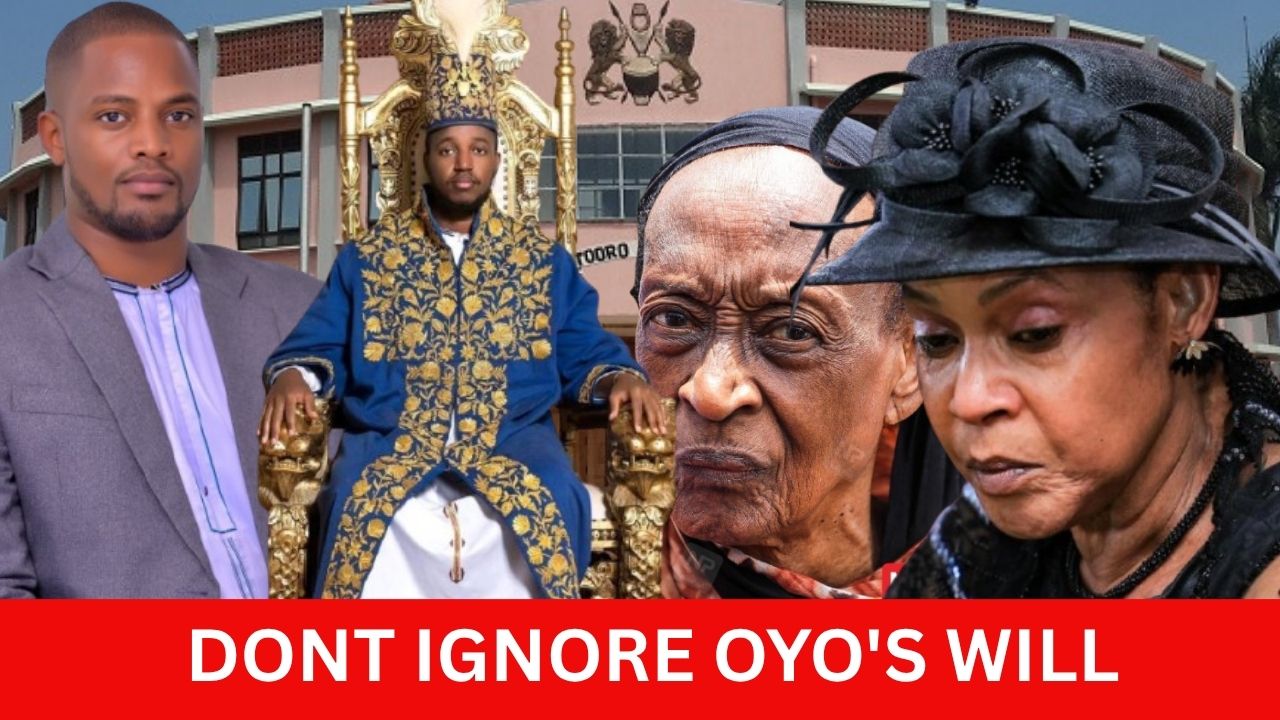 FeaturedSeptember 13, 2026OYO SUCCESSION BATTLE DEEPENS: Attorney General Legal Opinion Says The Late King’s Wishes Cannot Simply Be Ignored, While Any Dispute Over The Will Or Succession Must Be Determined Through Lawful Processes
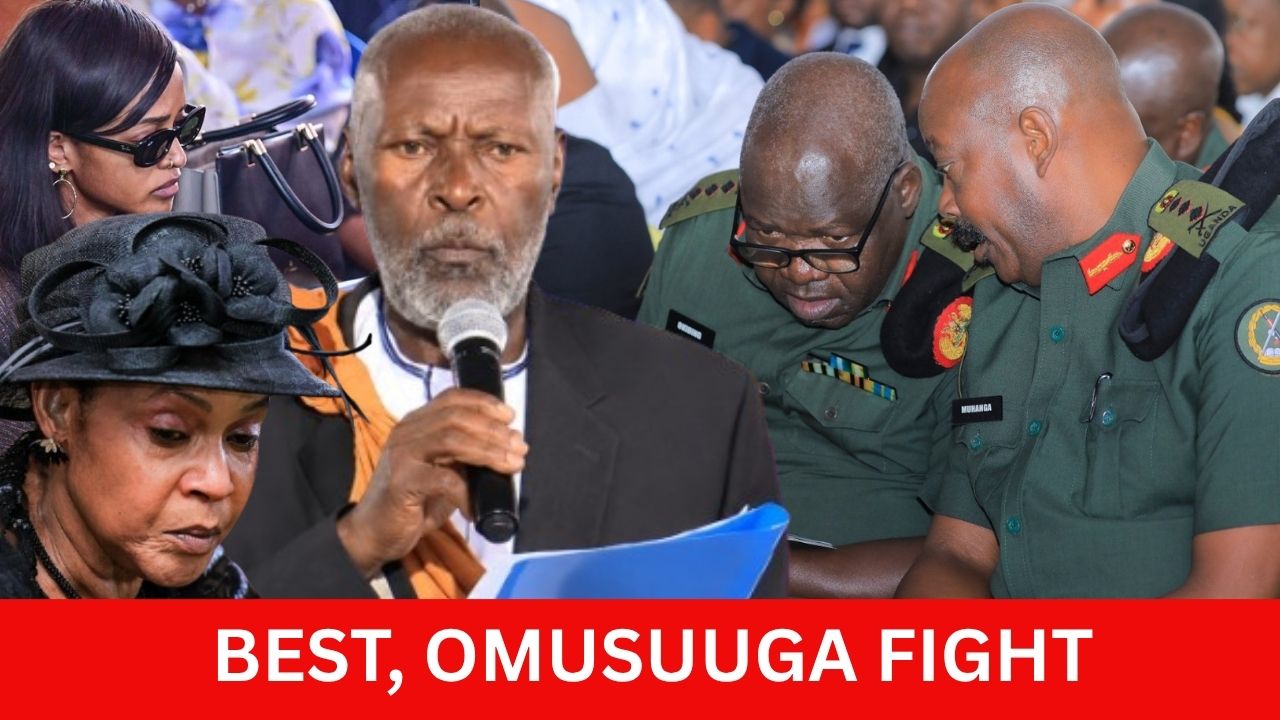 FeaturedSeptember 12, 2026TOTAL SHAME AS BEST KEMIGISA, OMUSUUGA FIGHT FOR OYO BODY: Burial Disrupted As Royals Clashed Over Succession, Cultural Rites And Kijjanangoma’s Reported Introduction Before Oyo’s Wishes
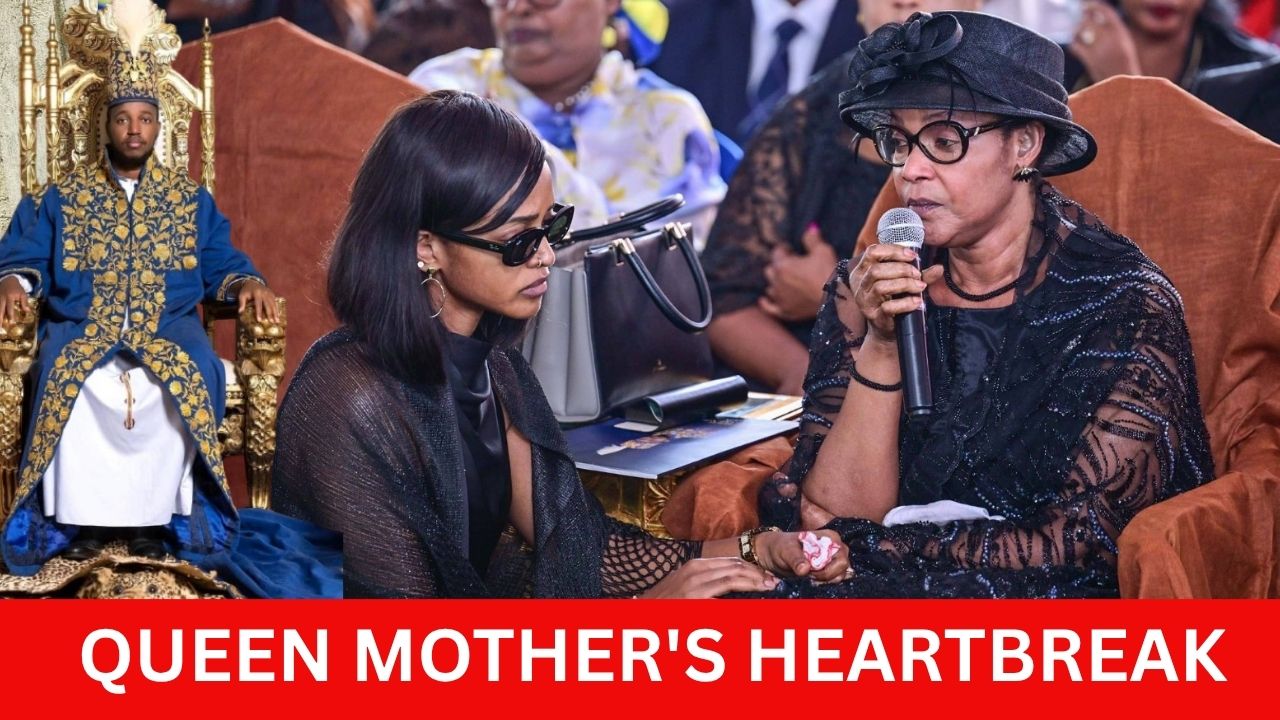 FeaturedSeptember 12, 2026KING OYO BURIED AS TOORO OPENS NEW SUCCESSION CHAPTER! Tears, Tradition And Succession Drama As Mourners Bid Farewell To The 34-Year-Old Monarch At Karambi Royal Tombs
 FeaturedSeptember 11, 2026OUTCRY AS M7 GIVES CITY SQUARE TO TYCOON BULWADDA TO BUILD ECO-FRIENDLY ARCADE: Proposal Promises An Eco-Friendly Complex, But City Residents Fear Kampala Could Lose One Of Its Few Remaining Open Public Spaces