











Uganda’s Parliament has renewed its call for a nationwide effort to eliminate malaria, with Deputy Speaker Thomas Tayebwa urging every Ugandan to play an active role in combating one of the country’s deadliest diseases.
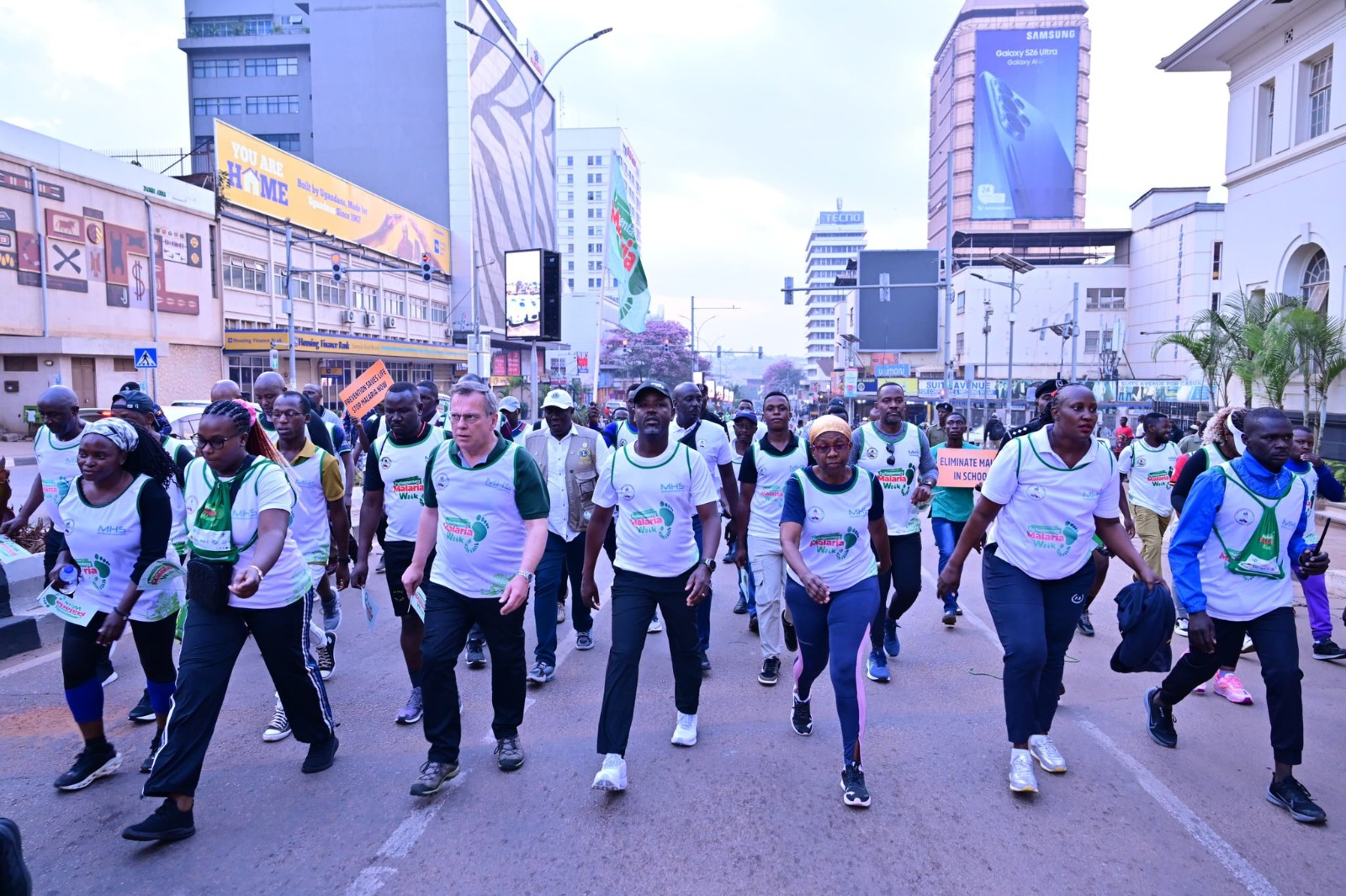
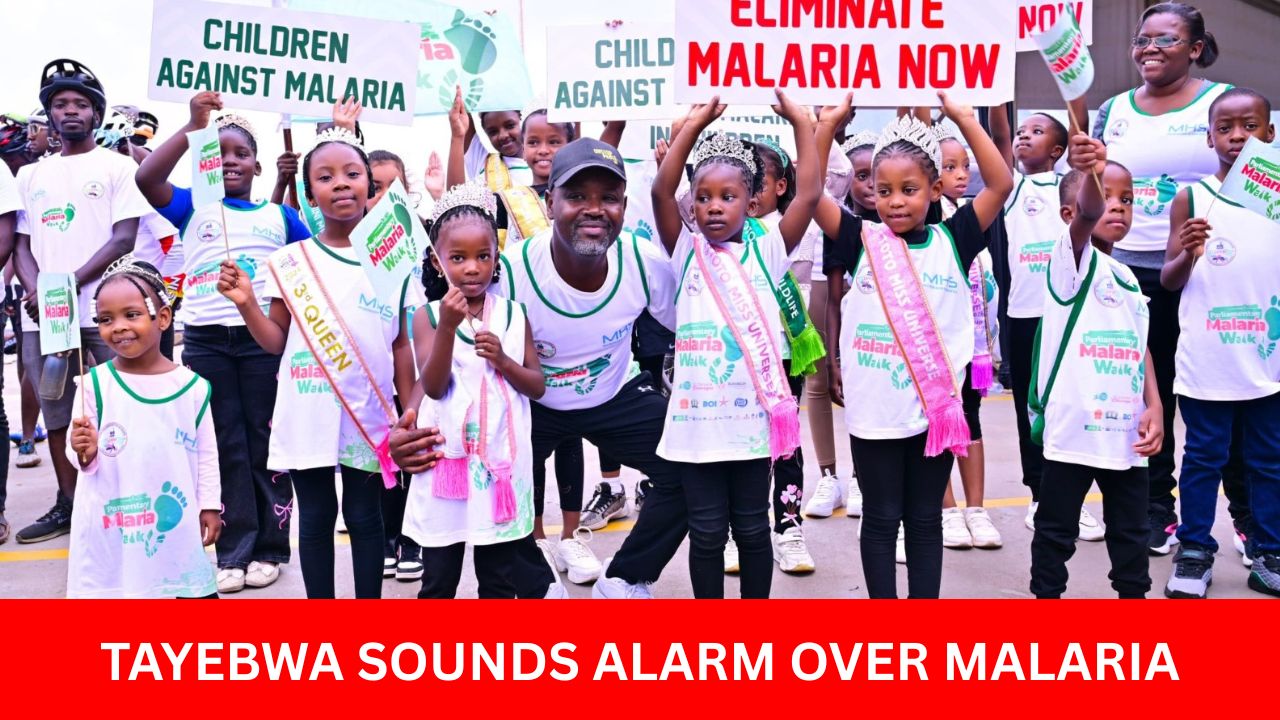
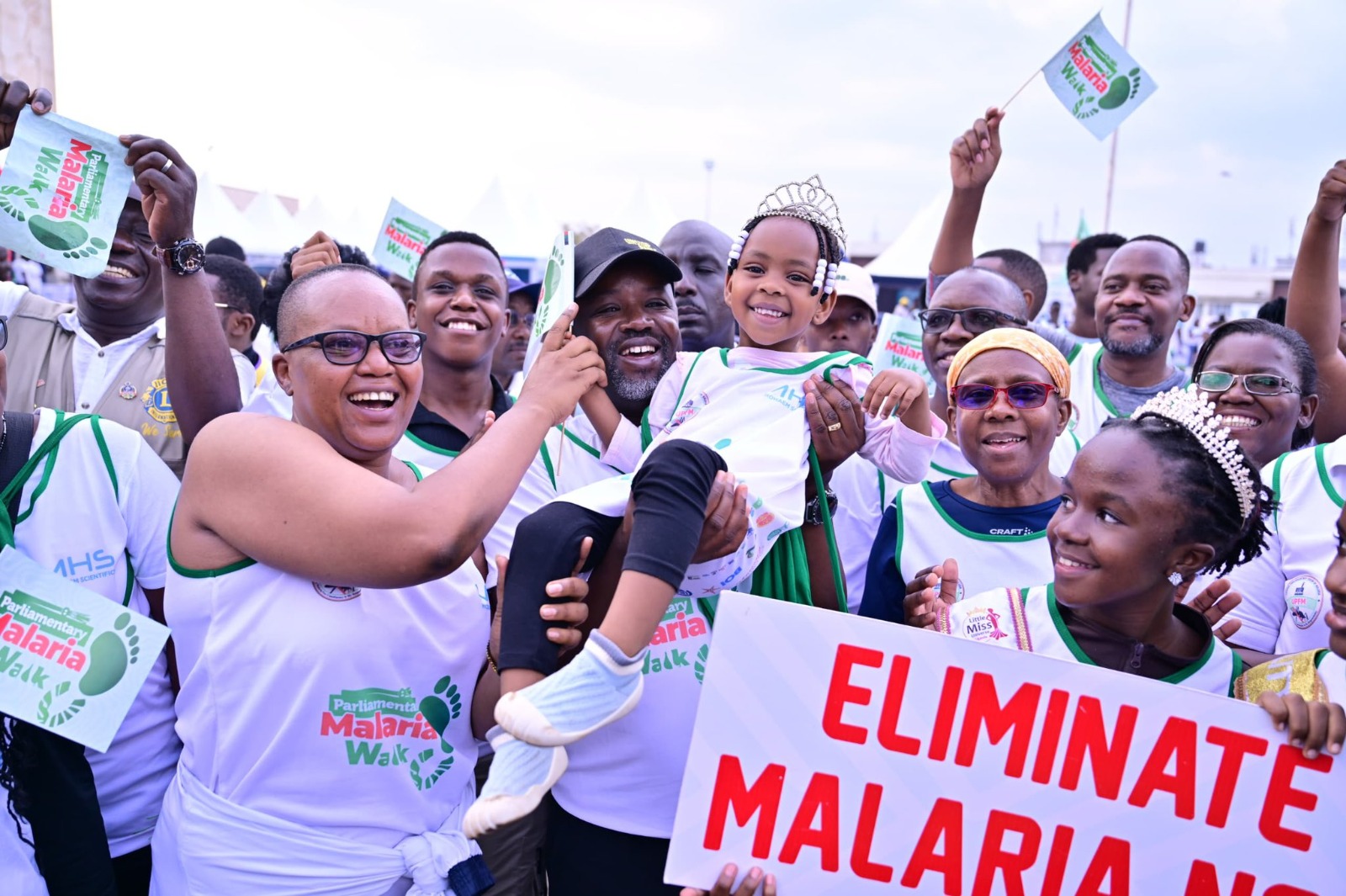
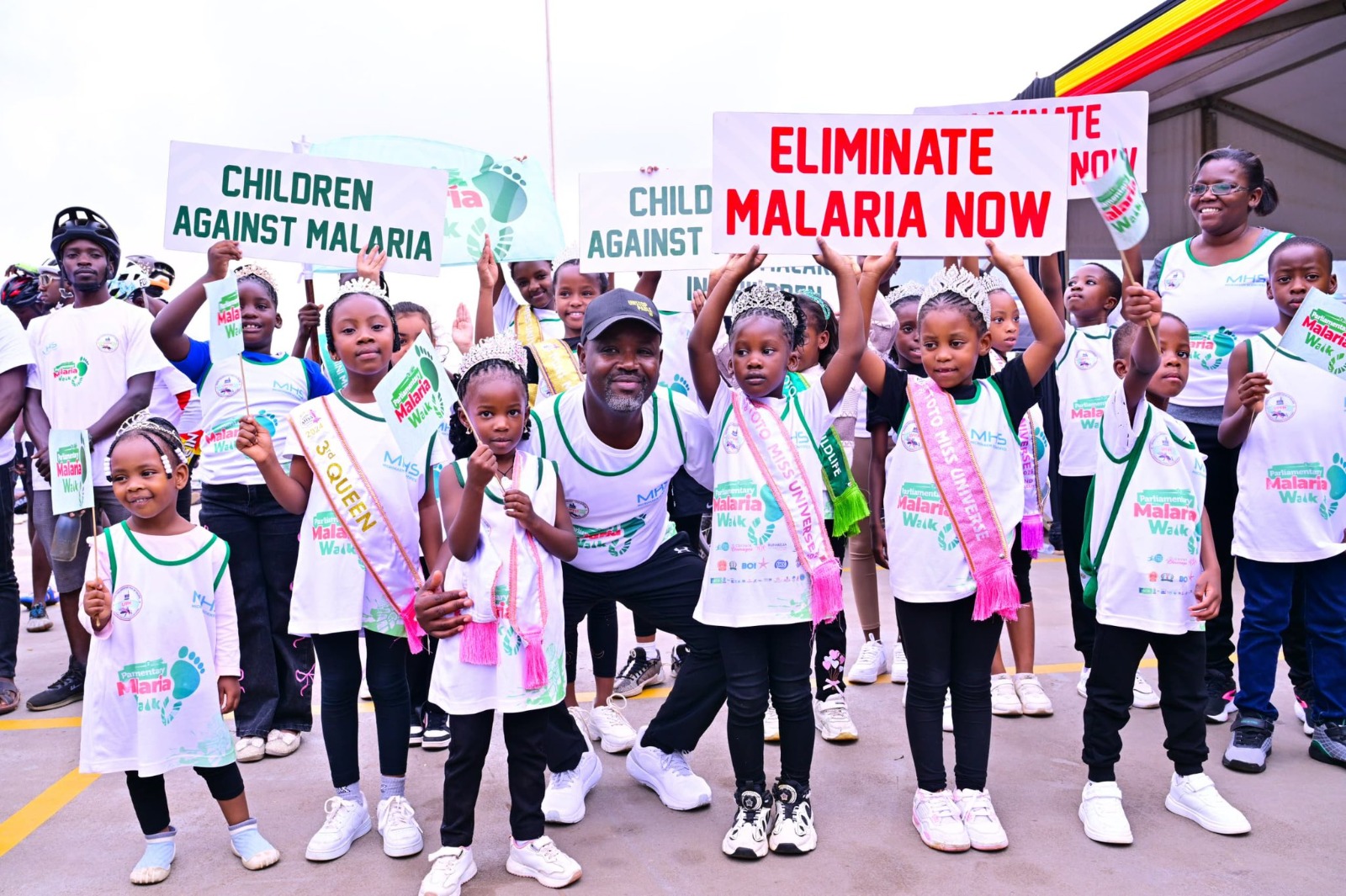
The call came during the Annual 5-kilometre Parliamentary Malaria Walk held at Parliament on Sunday, bringing together legislators, government officials, diplomats, health workers, development partners, the Children’s Parliament and hundreds of citizens in a symbolic demonstration of unity against malaria.
Leading the event alongside Government Chief Whip Jane Ruth Aceng, State Minister for Investment Aminah Zawedde Mukalazi, Belgian Ambassador Hugues Chantry and fellow Members of Parliament, Tayebwa said defeating malaria requires more than government intervention—it demands collective responsibility from every Ugandan.
“This walk is a call to action,” Tayebwa said. “We want every Ugandan to understand that ending malaria is everyone’s responsibility. No one plans to contract malaria, yet it continues to claim lives every day, particularly among young children and pregnant women, while placing an enormous burden on families and our health system.”
His remarks come at a time when malaria remains one of Uganda’s leading causes of illness and death, despite years of government campaigns promoting insecticide-treated mosquito nets, indoor residual spraying, early diagnosis and prompt treatment.
United Against a Common Enemy
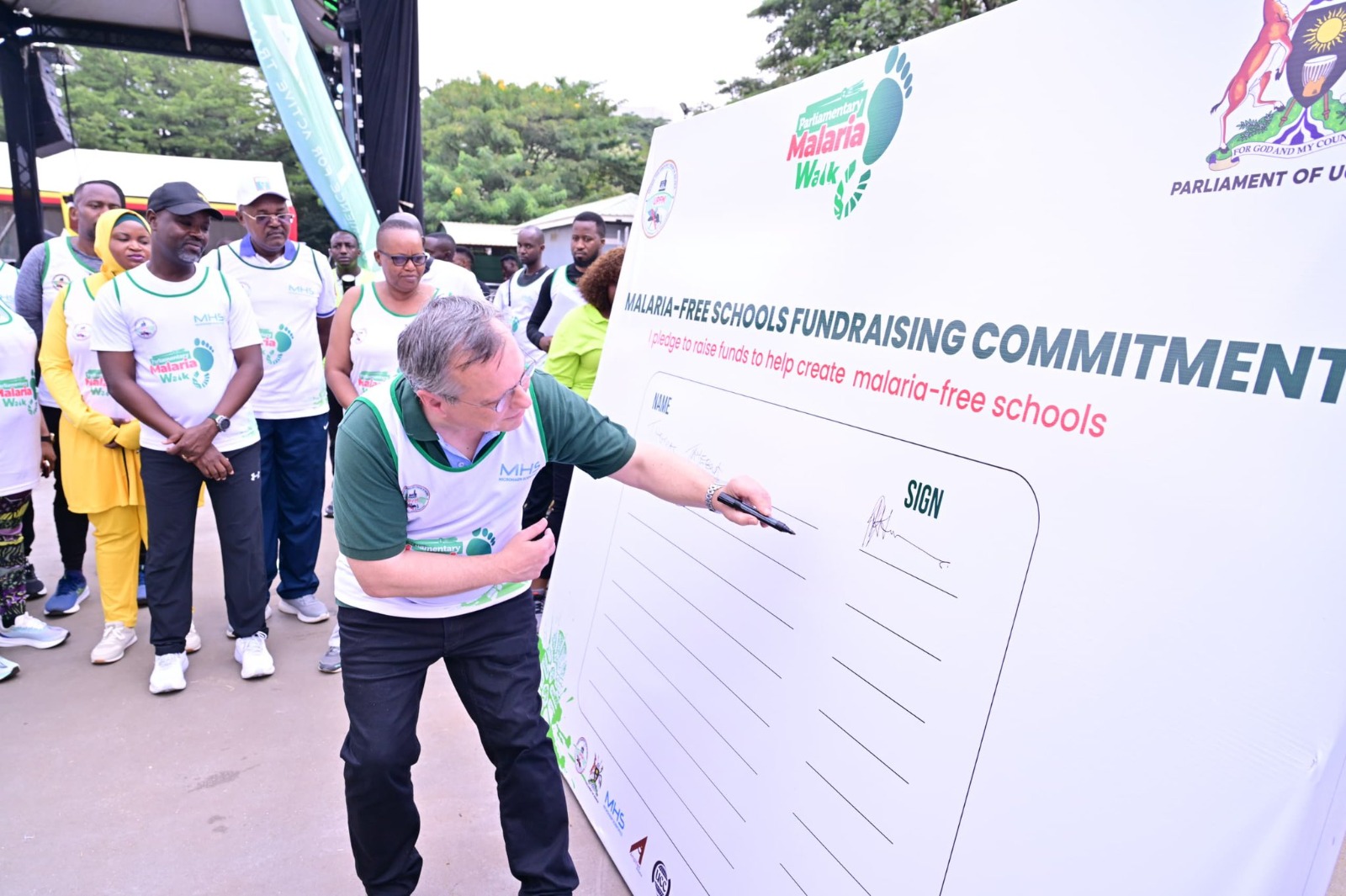 The annual Parliamentary Malaria Walk has become one of Parliament’s flagship public health advocacy events, designed to mobilize political leaders and communities in the fight against the mosquito-borne disease.
Sunday’s walk attracted an impressive turnout from across society, underscoring the growing recognition that malaria remains not just a health issue but also an economic and development challenge.
Among those participating were Members of Parliament from across the political divide, officials from the Ministry of Health, representatives of development agencies, medical professionals, schoolchildren represented through the Children’s Parliament and members of the diplomatic community.
The participation of Ambassador Chantry highlighted the importance of international partnerships in supporting Uganda’s malaria elimination efforts.
Climate Change Emerging as New Challenge
While Uganda has made progress in reducing malaria-related deaths over the years, Tayebwa warned that emerging global challenges threaten to reverse these gains.
He noted that scientists are increasingly warning that climate change is likely to complicate malaria control efforts by expanding mosquito breeding grounds and altering disease transmission patterns.
“Scientists are now warning that climate change will make the fight against malaria even more complex, making it imperative that we intensify our efforts,” he said.
Health experts have long cautioned that changing rainfall patterns, rising temperatures and flooding can increase mosquito populations and expose new communities to malaria transmission.These environmental changes mean that traditional malaria control strategies must continue evolving alongside investments in research, surveillance and public awareness.
Parliament’s Commitment
Tayebwa reaffirmed Parliament’s commitment to ensuring that adequate resources are allocated to the health sector to strengthen Uganda’s fight against malaria.

“As Parliament, we have continued to champion increased investment in the fight against malaria through advocacy, awareness campaigns and stronger support for our health facilities,” he said.
He noted that Parliament’s sustained advocacy has contributed to increased funding for recruiting additional health workers across the country.”I am encouraged that these efforts have contributed to additional funding for recruiting more health workers, thereby strengthening our capacity to respond to and prevent diseases.”
The recruitment of additional health workers is expected to improve access to diagnosis and treatment, particularly in rural communities where health facilities often struggle with staffing shortages.Health professionals have repeatedly emphasized that early diagnosis and timely treatment remain among the most effective ways of preventing severe malaria and reducing deaths.
Boost for Local Manufacturing
Tayebwa also welcomed Uganda’s growing capacity to manufacture essential medical products locally, describing it as an important milestone in strengthening the country’s healthcare system.

“It is equally encouraging to see Uganda now producing its own malaria rapid diagnostic test kits, which reduces our dependence on imports and strengthens our local capacity to fight the disease,” he said.
Local production of rapid diagnostic test kits is expected to improve the availability of testing supplies, reduce procurement costs and shorten delivery timelines for health facilities nationwide.The development also aligns with Uganda’s broader ambition of expanding pharmaceutical and medical manufacturing as part of efforts to improve healthcare resilience.
Remembering Sunshine Murungi Bethel
Perhaps the most emotional moment of Tayebwa’s address came when he reflected on the tragic death of 14-year-old Sunshine Murungi Bethel, a student of Gayaza High School who reportedly succumbed to malaria.
The Deputy Speaker said the teenager’s death serves as a painful reminder that malaria can strike anyone regardless of age or social status.”I also reflected on the heartbreaking story of Sunshine Murungi Bethel, the 14-year-old Gayaza student whose life was tragically cut short by malaria,” Tayebwa said.
“Her death is a painful reminder that malaria does not discriminate. It can affect anyone, which is why we must act with greater urgency to tackle this challenge.”The story resonated strongly with participants, reinforcing the human cost of a disease that continues to affect thousands of Ugandan families every year.
Health experts have consistently warned that although children under five years and pregnant women remain the most vulnerable, older children and adults are also at risk if preventive measures are neglected.
Importance of Partnerships
Tayebwa praised development partners for their continued support in Uganda’s malaria control programmes.
“I thank our many partners for joining us in the walk and for their commitment to standing with us in the fight against malaria,” he said.
Uganda’s malaria response has for years benefited from partnerships involving government agencies, international donors, research institutions, civil society organizations and the private sector.
These collaborations have supported the distribution of millions of long-lasting insecticide-treated mosquito nets, indoor spraying campaigns, improved access to medicines and community health education.
Appreciation for Speaker’s Support
The Deputy Speaker also expressed gratitude to the Speaker of Parliament for backing initiatives aimed at connecting Parliament with communities while promoting important national causes.
“In a special way I thank the Rt. Hon. Speaker for the kind support to this cause and commitment to taking Parliament to the people,” Tayebwa said.
He noted that Parliament’s involvement in public health campaigns demonstrates that legislators have a role beyond making laws—they can also mobilize citizens around issues that directly affect national wellbeing.
The Road Ahead
Despite notable progress over recent years, Uganda continues to face a significant malaria burden, particularly in rural and high-transmission districts.
Health authorities continue to encourage Ugandans to sleep under insecticide-treated mosquito nets every night, eliminate stagnant water where mosquitoes breed, seek early testing whenever fever develops and complete prescribed malaria treatment.
The Parliamentary Malaria Walk served not only as a symbolic exercise but also as a reminder that eliminating malaria will require sustained political commitment, adequate financing, scientific innovation and active participation by communities.
For Tayebwa, the message was clear: malaria is preventable, and with collective action from government, Parliament, development partners and ordinary citizens, Uganda can move closer to a future where no family loses a loved one to a disease that can be prevented, diagnosed and treated. The challenge, he said, is ensuring that every Ugandan becomes part of that mission before more lives are needlessly lost.
Author Profile
- Charles Gazza Kodili is a seasoned journalist with over 20 years of experience in the media industry. He holds a Bachelor of Arts degree in Mass Communication. He’s currently the Chief Editor at the Investigator.
Charles can also be reached via; Tel: +256 774 108978
Email: [email protected]
Latest entries
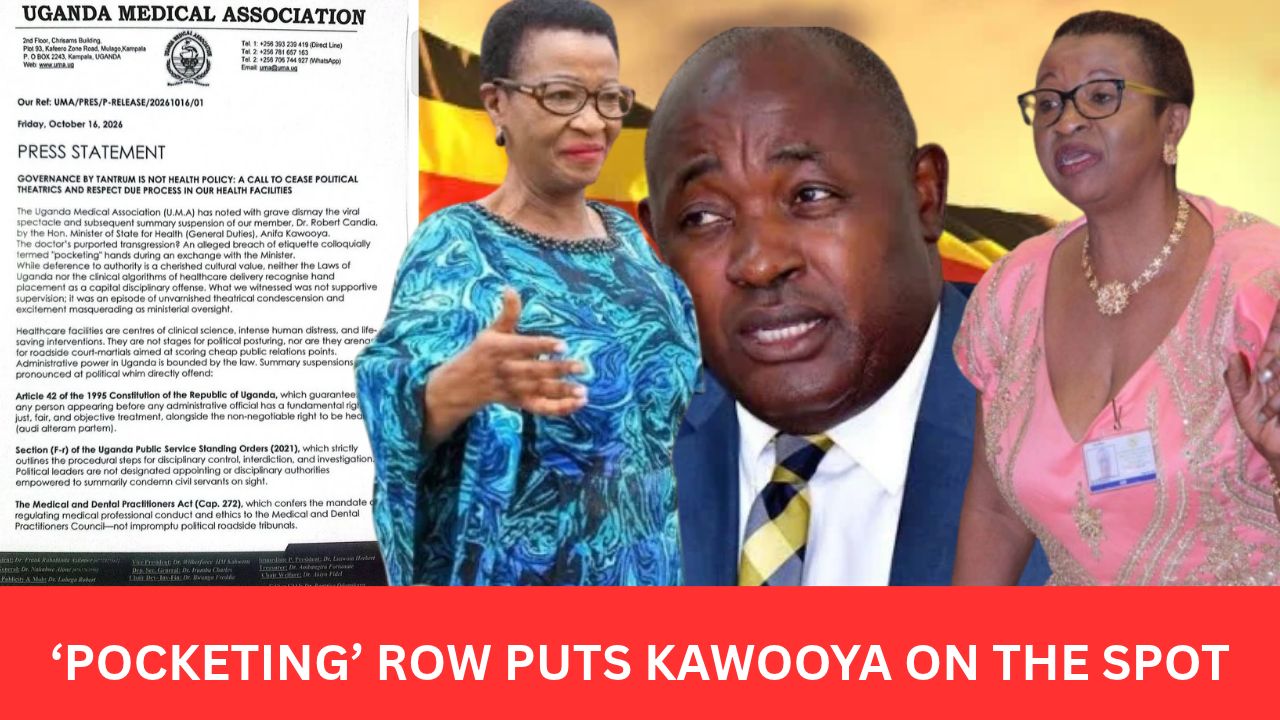 FeaturedOctober 16, 2026KAWOOYA UNDER FIRE AS MINISTRY DENIES DR CANDIA SUSPENSION: Health Ministry Says Arua Doctor Remains In Office After Minister Reportedly Ordered Him To Hand Over For “Pocketing”
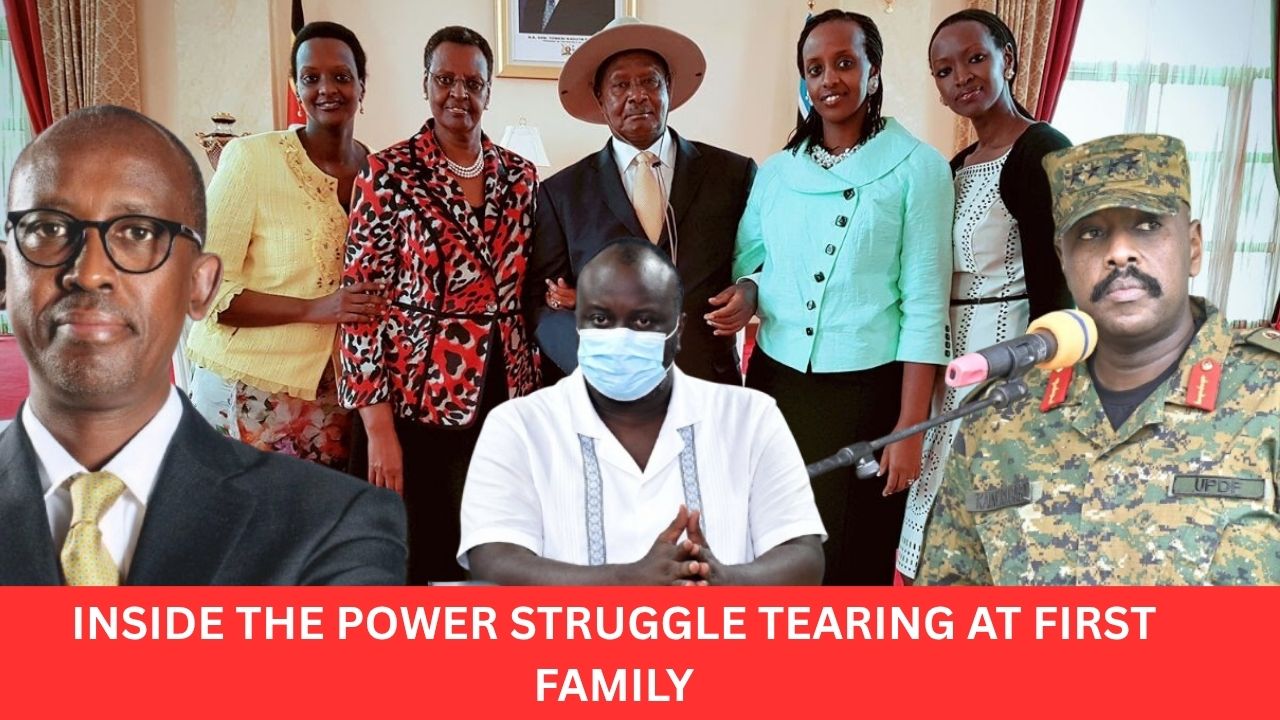 FeaturedOctober 14, 2026MATHEW BAGONZA BAIL DEAL DEALS A BLOW TO CDF GEN. MUHOOZI: Rwabwogo’s Camp Sees Relief After Weeks Of Confrontation, As Reported First Family Tensions Raise Questions About The CDF’s Fight With His Brother-In-Law
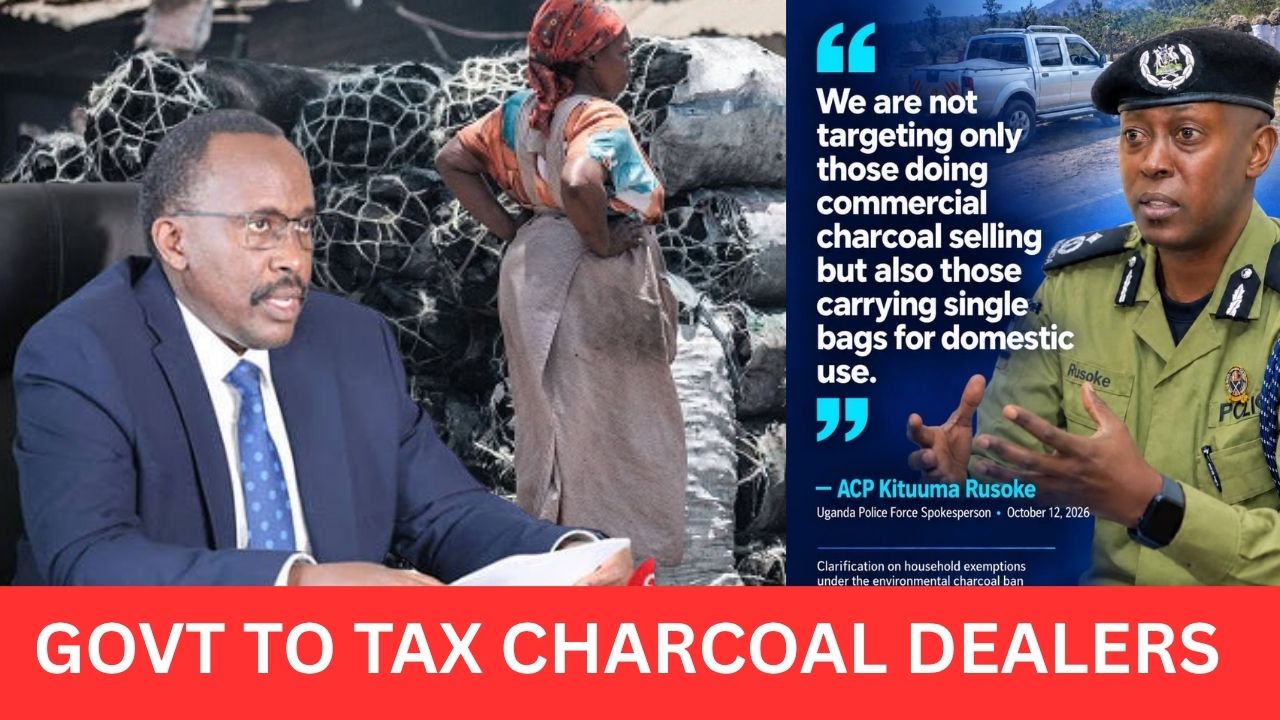 FeaturedOctober 14, 2026GOVERNMENT TO CASH IN ON CHARCOAL TRADE: Government Plans To Formalise The Charcoal Business Through Trade Licences, Taxation And Strict Monitoring Of Producers And Dealers
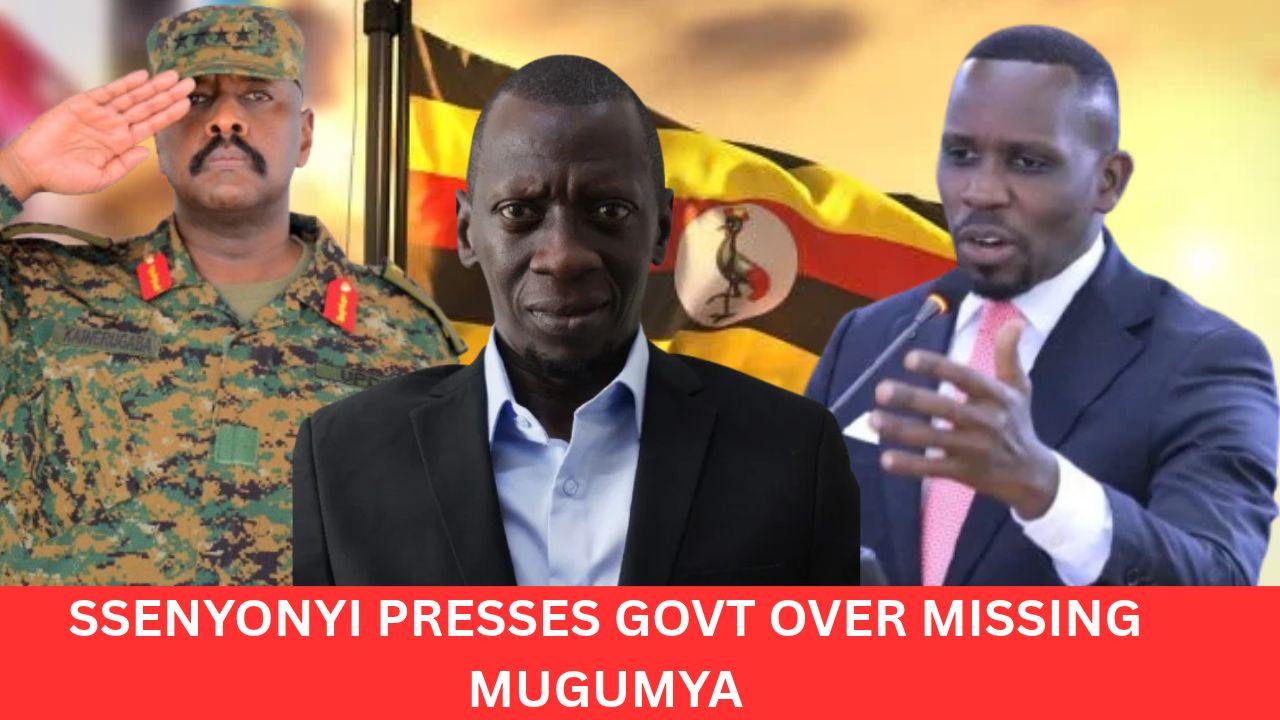 FeaturedOctober 13, 2026‘PRODUCE SAM MUGUMYA NOW’ — SSENYONYI: LoP Tells Parliament Families Of Missing Ugandans Deserve Answers, Freedom And Justice As He Challenges Government Over The Opposition Activist’s Fate