









Kitara Kingdom has been plunged into a fresh leadership dispute after Chief Prince (Okwiri) Eng. Fred Mugenyi Rucunya ordered Prime Minister Andrew Kirungi Byakutaga to vacate office, while Byakutaga insists that only the living Omukama who appointed him has the authority to remove him.
The latest confrontation has revived a long-running contest over who exercises executive authority in the kingdom when Omukama Solomon Gafabusa Iguru I is unable to actively preside over its affairs.
Rucunya, speaking for the Babiito ruling clan, has given Byakutaga until October 15, 2026, to leave office and hand over kingdom property. Byakutaga, however, has rejected the basis of the demand, arguing that the King remains alive and that the authority to appoint or dismiss the Prime Minister remains with him.
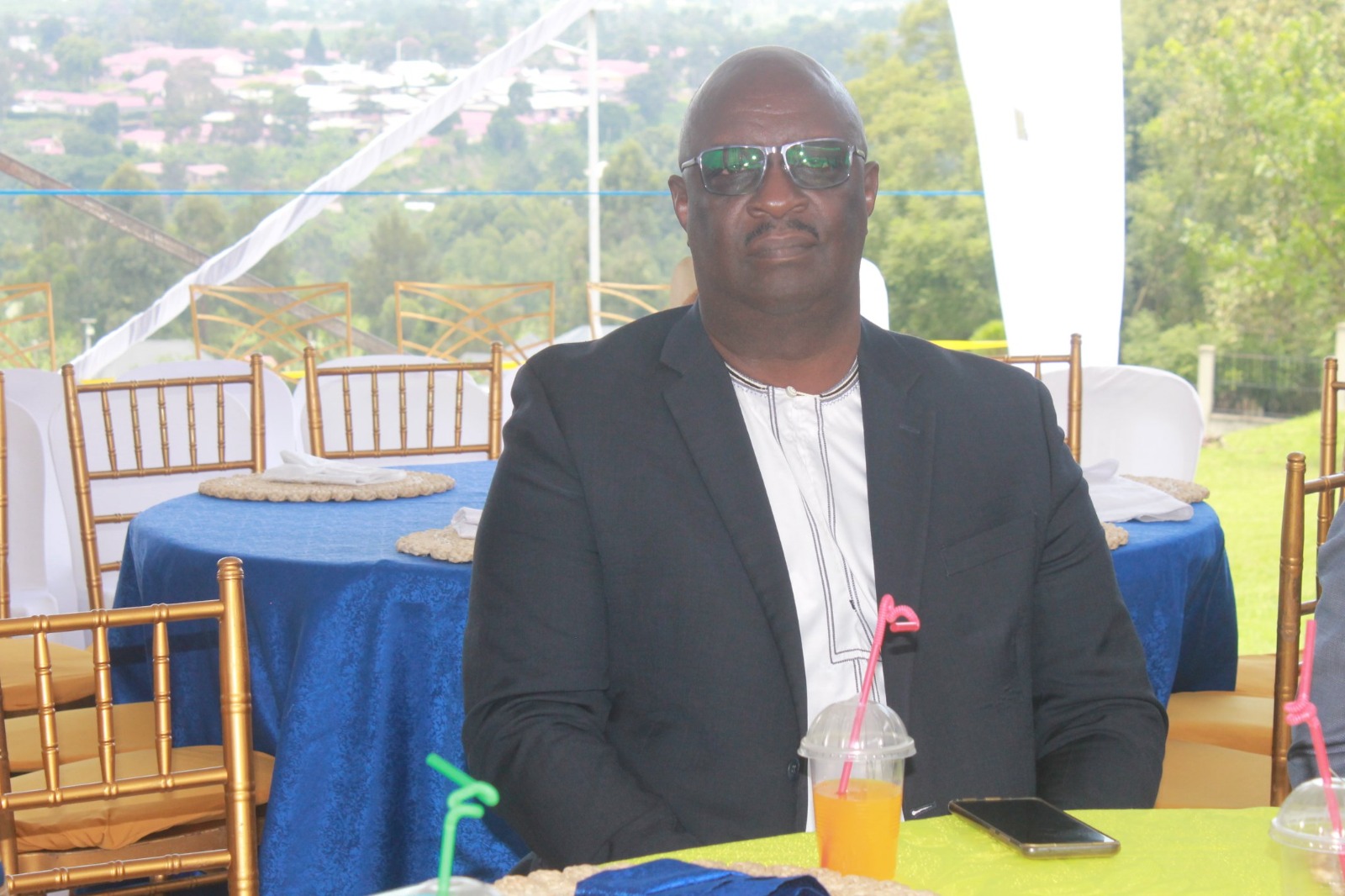 Okwiri issues October ultimatum
In a statement issued in his capacity as Okwiri, Rucunya described Byakutaga’s continued occupation of the Prime Minister’s office as illegal.
He said the Prime Minister’s original term had expired and that the subsequent extension had also run its course.
Rucunya further argued that the Babiito ruling clan does not recognise the authority of the Royal Commission to extend the Prime Minister’s tenure.
According to the Okwiri, an emergency meeting of Babiito clan leaders considered the matter and resolved that Byakutaga should vacate office.
He said the kingdom had also gone for a prolonged period without a functioning Rukurato, the kingdom’s parliament, and Cabinet, which he said had affected administration and development.
The statement gave Byakutaga until October 15 to peacefully hand over the office and kingdom property.
Rucunya also warned government agencies, development partners, organisations and individuals against conducting official kingdom business through Byakutaga without first establishing his authority to transact on behalf of Bunyoro-Kitara Kingdom.
“This is not a personal fight against Mr. Byakutaga,” Rucunya said in the statement, arguing that the dispute was about protecting the institution of Obukama, respecting kingdom structures and restoring proper administration.
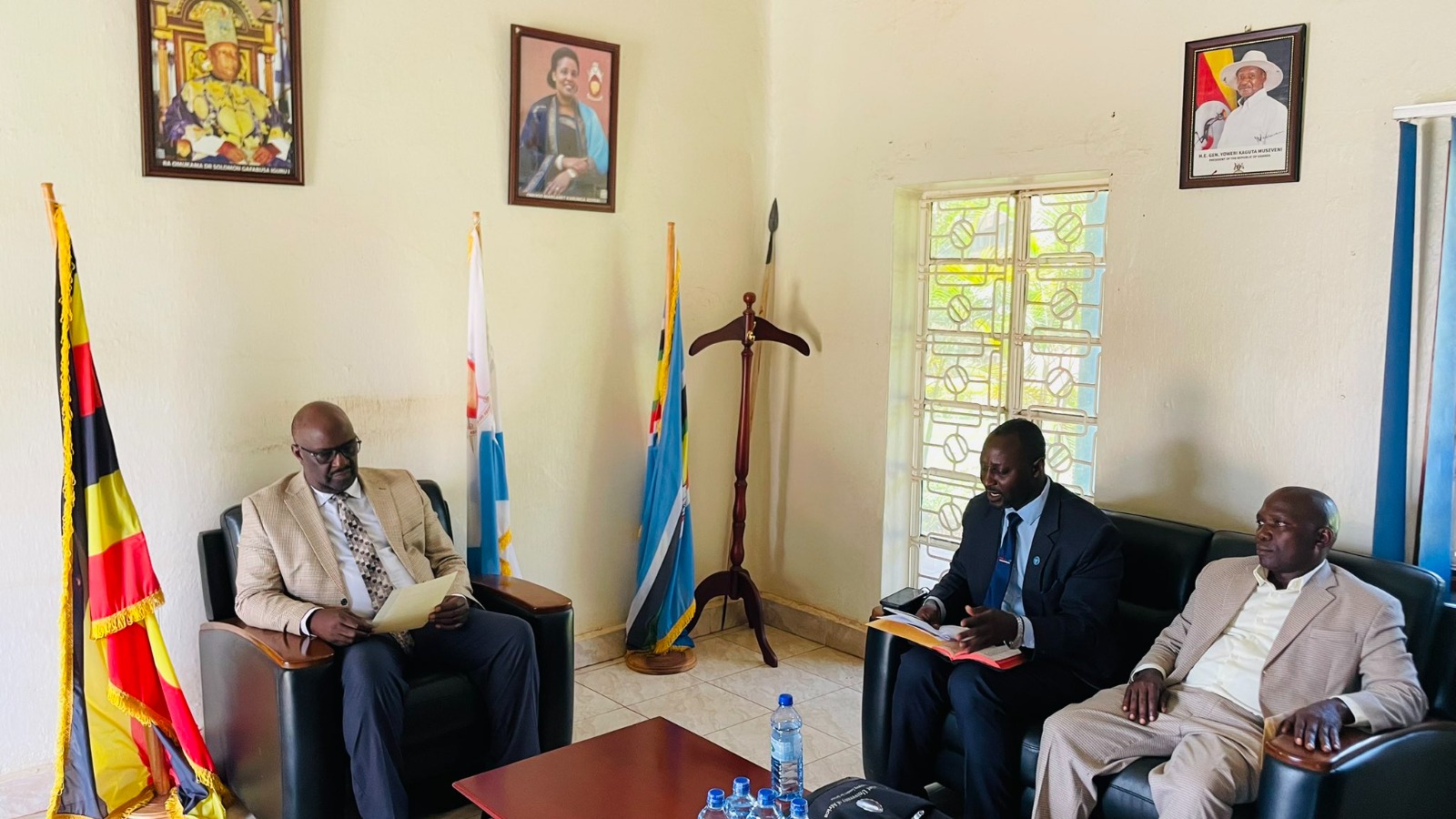 The Okwiri (The Omusuuga of Bunyoro) appealed to Banyoro to remain peaceful and united, saying differences over leadership should be resolved through lawful and culturally appropriate means.
His position is consistent with remarks he made publicly in Hoima, where he maintained that Byakutaga’s tenure had expired and that the Royal Commission had no authority to extend it.
Byakutaga: King is alive
But Byakutaga has mounted a strong defence of his tenure, putting the authority of the Omukama at the centre of his argument.
In his response, Byakutaga said the Omukama was alive and therefore remained the only person with the authority to appoint or dismiss a Prime Minister appointed by him.
His statement challenges the central premise of Rucunya’s intervention — that the Okwiri, as head of the Babiito ruling clan, can take over management of kingdom affairs when the Omukama is indisposed.
Byakutaga argued that he was appointed by the Omukama while the King was in good health and that the two had a long-standing relationship.
“The Omukama is ALIVE. As long as he lives, only he can appoint and sack the Prime Minister,” Byakutaga said.
The Prime Minister further referred to the recent intervention of the Tooro Kingdom Musuuga, saying Rucunya had been reminded of the limits of his authority.
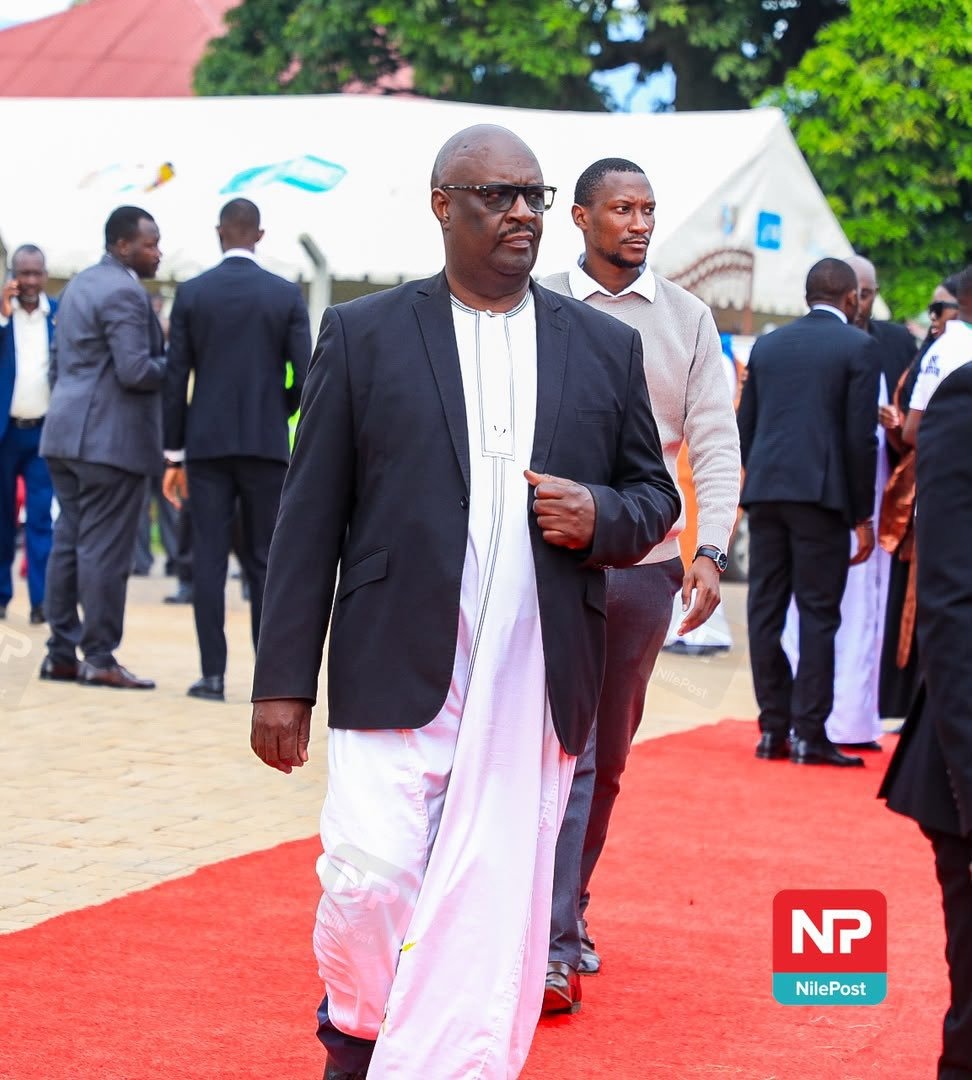 He argued that if another kingdom’s royal official had initially made a similar decision regarding a Prime Minister but later reconsidered it after being reminded of the constitutional or cultural limits of that office, the same principle should apply in Bunyoro.
The dispute therefore goes beyond the personality of Byakutaga and Rucunya. At its heart is a contest over the interpretation of the powers of the Omukama, Okwiri, Babiito ruling clan and Royal Commission.
The Royal Commission question
One of the biggest flashpoints is the Royal Commission’s decision to extend Byakutaga’s tenure. Byakutaga was appointed Prime Minister by Omukama Solomon Gafabusa Rukirabasaija Agutamba Iguru I on January 15, 2018.
His initial term expired in October 2023 and was subsequently extended to June 30, 2024. A June 27, 2024 letter from the Royal Commission granted another one-year extension, a decision Rucunya disputes.
Rucunya argues that the commission exceeded its powers by extending the tenure. Byakutaga’s camp, however, has continued to maintain that kingdom leadership cannot be altered through unilateral action by the ruling clan or the Okwiri. The disagreement has previously produced rival administrative structures.
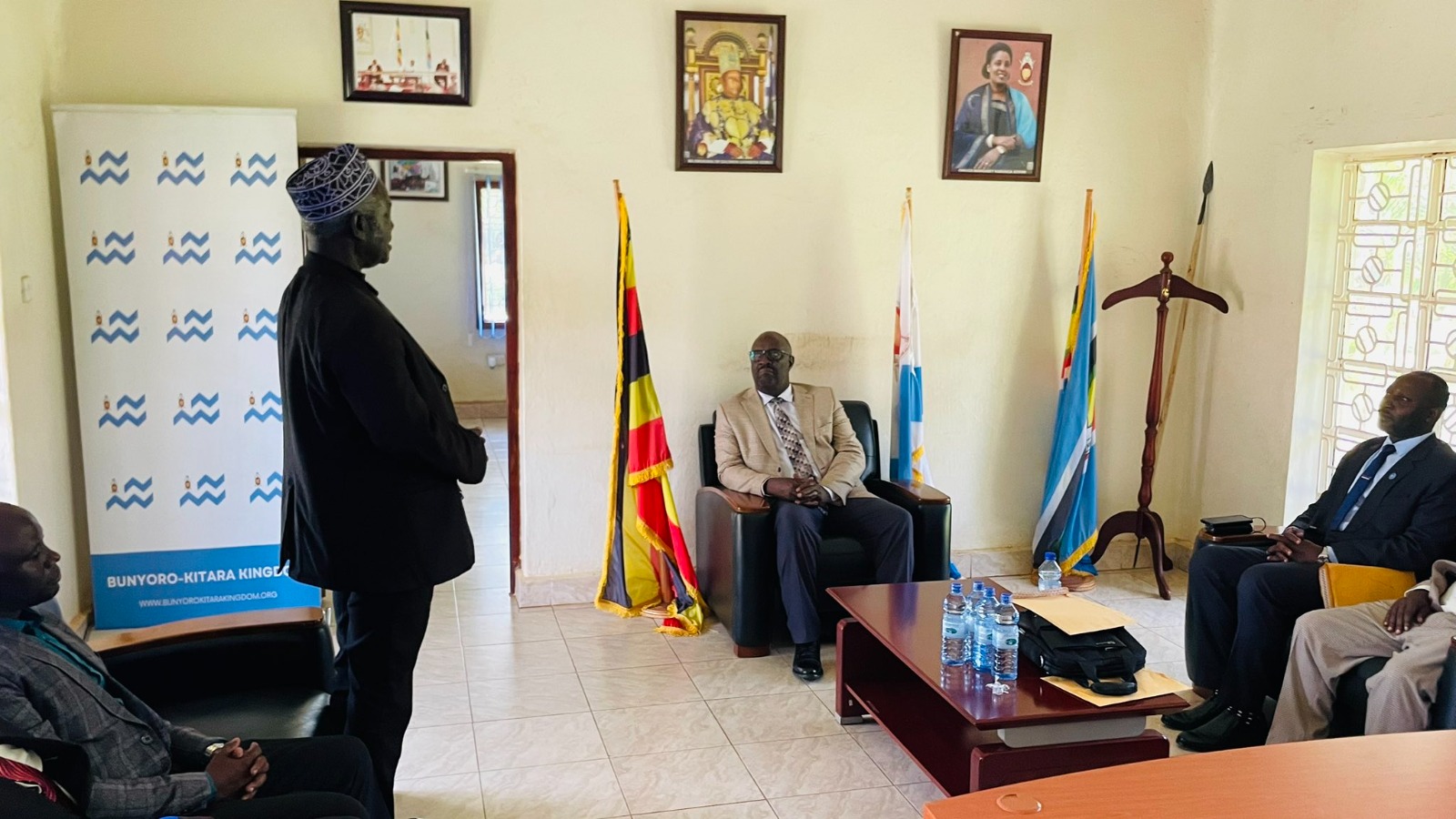
In September 2024, the Babiito-backed Okwiri faction swore in an interim Cabinet headed by Dr Baltazar Kyamanywa Kasirivu Atwooki. Byakutaga rejected the arrangement as illegal and said only the Omukama had the authority to appoint or dismiss kingdom officials.
The rival Cabinet could not take control of the kingdom offices after security was deployed at the administration premises, deepening the institutional standoff.
 ‘Who gives you the power?’
Byakutaga has now turned the question back to Rucunya: if the Prime Minister was appointed by the Omukama, where does the Okwiri derive the authority to remove him?
He also challenged the argument that decisions by the Babiito alone can constitute decisions of the entire kingdom.
Bunyoro has about 72 clans, he noted, arguing that the different clans are represented through the Rukurato.
His argument is that the ruling clan’s traditional role cannot automatically be translated into the power to appoint or dismiss a Prime Minister.
“How then does it become the role of the Babiito Clan to appoint and sack the PM?” he asked.
Rucunya, however, maintains that the Babiito, as the ruling clan, have a special responsibility to safeguard the institution of the Omukama and manage kingdom affairs where the King is unable to do so. That competing interpretation has become the central fault line in the dispute.
 Subjects caught in the middle
The leadership crisis has also generated concern among kingdom subjects who fear that prolonged institutional paralysis could undermine Bunyoro’s cultural and development programmes.
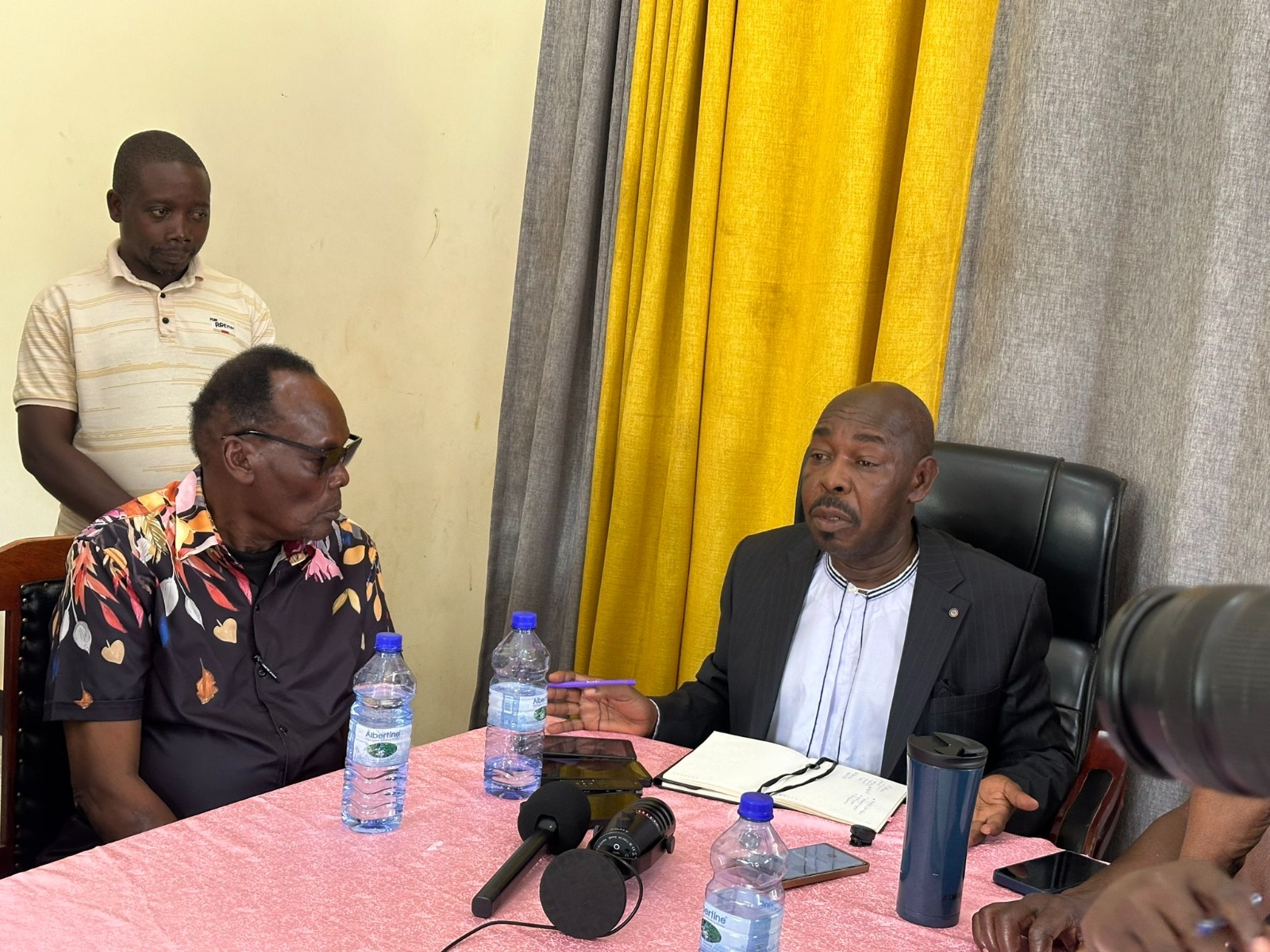
Ochaki Orimi Nyabongo, a member of the Babiito ruling clan and former Rukurato representative, told reporters recently that the absence of a functioning Cabinet and other institutions was affecting the kingdom’s development.
He argued that, according to Bunyoro’s cultural norms, the Okwiri assumes responsibility for managing kingdom affairs when the Omukama is unable to do so.
Other subjects, however, have rallied behind the principle that the authority of an appointed Prime Minister should not be altered without the express involvement of the Omukama.
This divide has created two competing narratives: one side says the kingdom must be administered through its traditional structures while the other insists that the authority of the King cannot be transferred simply because he is indisposed.
 Accountability allegations surface
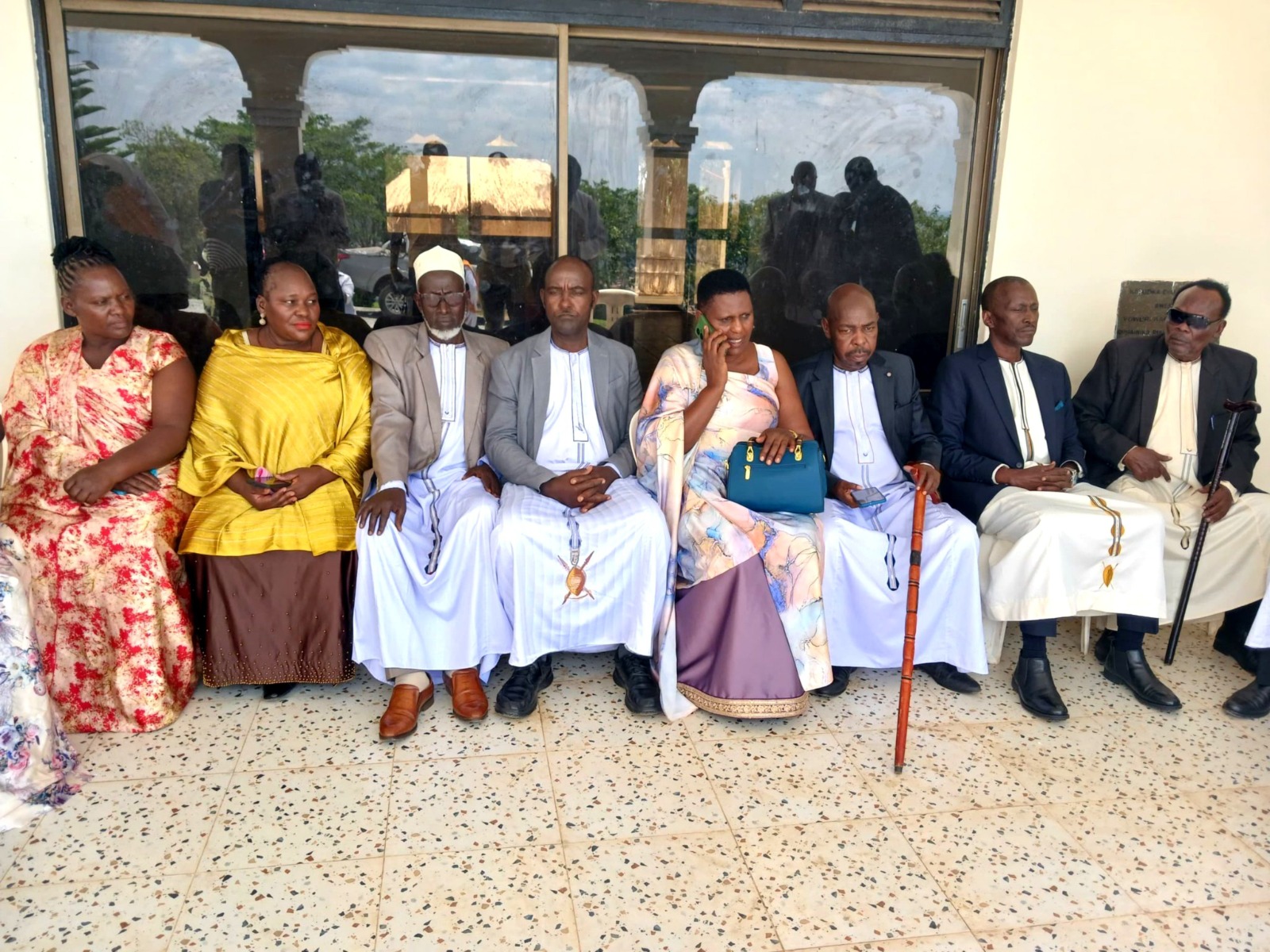
The confrontation has also become personal, with Byakutaga accusing Rucunya of having a responsibility to account for kingdom property allegedly disposed of during an earlier administration.
Byakutaga said allegations surrounding the sale of kingdom property should first be addressed before Rucunya demands accountability from others.
The allegations have not been independently established in the material available for this article, but their introduction shows how the dispute has moved beyond questions of tenure into accusations over the management of kingdom assets.
Rucunya, meanwhile, has criticised the current administration for operating without a functioning Cabinet and Rukurato.
The two sides therefore accuse each other of undermining the kingdom’s institutional order, although they disagree fundamentally on who has the lawful or cultural authority to restore that order.
Government asked to intervene
Byakutaga has urged Rucunya to continue engaging the central government through Prime Minister Robinah Nabbanja.
He referred to a June 2026 stakeholder meeting chaired by Nabbanja that brought together ministers, MPs, religious leaders, cultural leaders and other prominent figures from Bunyoro.
According to Byakutaga, the meeting sought legal guidance from the Attorney General and Solicitor General on how to address the vacant Cabinet and Rukurato.
He argued that the Prime Minister needs those institutions to function effectively but cannot simply appoint them without the required authority.
The dispute has also attracted attention because Bunyoro is preparing for major economic and cultural opportunities, including activities linked to the hosting of AFCON matches in Hoima.
Byakutaga urged the competing factions to concentrate on development, including the renovation of Gasani, the King’s burial grounds, rather than allowing disagreements over leadership, proposed cultural leaders’ stipends and other resources to fracture the kingdom.
A battle over institutions
The latest confrontation has left Bunyoro facing a difficult institutional question: who speaks for the kingdom when the Omukama is alive but unable to actively exercise his responsibilities?
For Rucunya, the answer lies in the traditional authority of the Okwiri and Babiito ruling clan.
For Byakutaga, the answer is unequivocal: the powers remain with the living Omukama, who appointed him.
That fundamental disagreement has survived previous attempts at reconciliation and produced rival appointments, disputed extensions and competing claims to authority.
Rucunya has now set October 15 as the deadline for Byakutaga to leave office. Byakutaga, in turn, says the Okwiri has no authority to sack him.
The standoff therefore remains unresolved, leaving Banyoro watching closely to see whether the two factions can find a negotiated solution or whether the kingdom will again witness competing administrations.
For now, both sides publicly invoke the same objective — protecting Bunyoro-Kitara Kingdom — but differ sharply over who has the authority to determine how that protection should be exercised.
Author Profile
- Mr. Stephen Kasozi Muwambi is a seasoned crime investigative writer, majoring in judicial-based stories. His two decades’ experience as a senior investigative journalist has made him one of the best to reckon on in Uganda. He can also be reached via [email protected]
Latest entries
 FeaturedSeptember 17, 2026CITY SQUARE ROW: LAWYERS TELL MUSEVENI — ‘DON’T GIVE AWAY PUBLIC LAND’ Lawyers Demand Transparency, Public Consultation And Protection Of Land Held In Trust For Ugandans
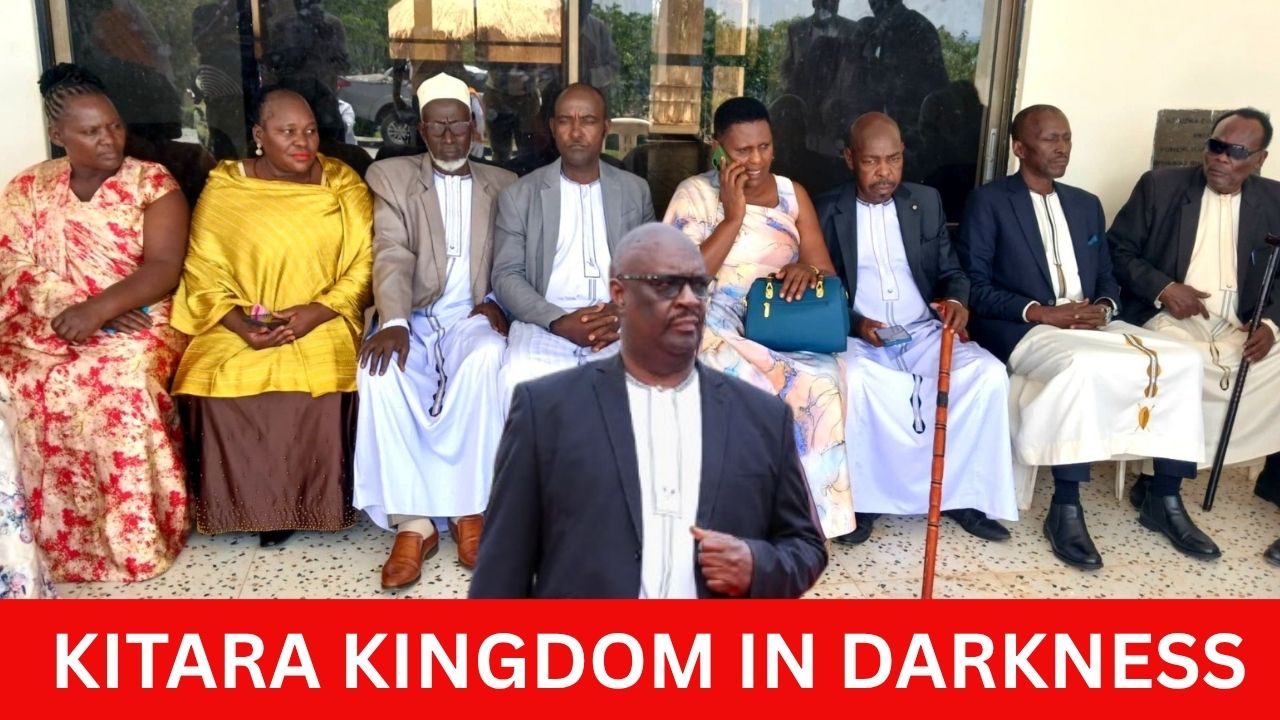 FeaturedSeptember 17, 2026“ONLY THE OMUKAMA CAN SACK ME” — BYAKUTAGA ROARS: Besieged Kitara Kingdom Prime Minister Rejects The Ultimatum, Saying The Omukama Is Alive And Remains The Only Authority With Powers To Appoint Or Dismiss Him
 FeaturedSeptember 17, 2026BAAGALALIWO FAMILY PROPERTY FIGHT RETURNS: Family Feud Escalates As Beneficiaries Challenge Foundation, Natural Foods Industries Share Changes And Ownership Of Multi-Billion-Shilling Properties
 FeaturedSeptember 16, 2026QUEEN MOTHER GIVES WAY: Queen Mother Best Kemigisa Quits Palace As Tooro Elders Including Omusuuga And Prime Minister Prepare For Coronation Of New King