



















A growing number of prominent Ugandans are questioning the government’s handling of extradition proceedings against former Uganda People’s Defence Forces (UPDF) officer Lt. Michael Mpeirwe Katungi, arguing that while the allegations against him are grave, Uganda must first uphold its Constitution, protect the rights of its citizens and ensure due process before surrendering him to the United States.
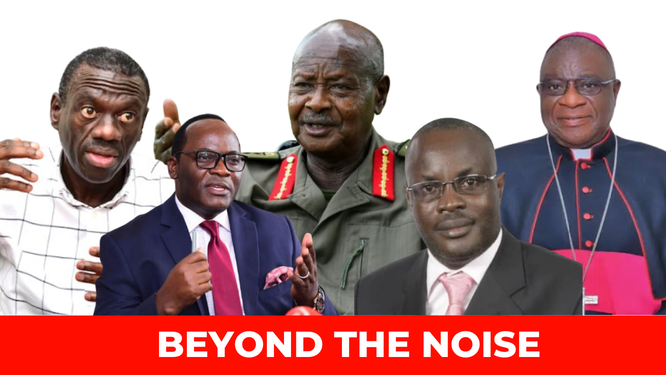
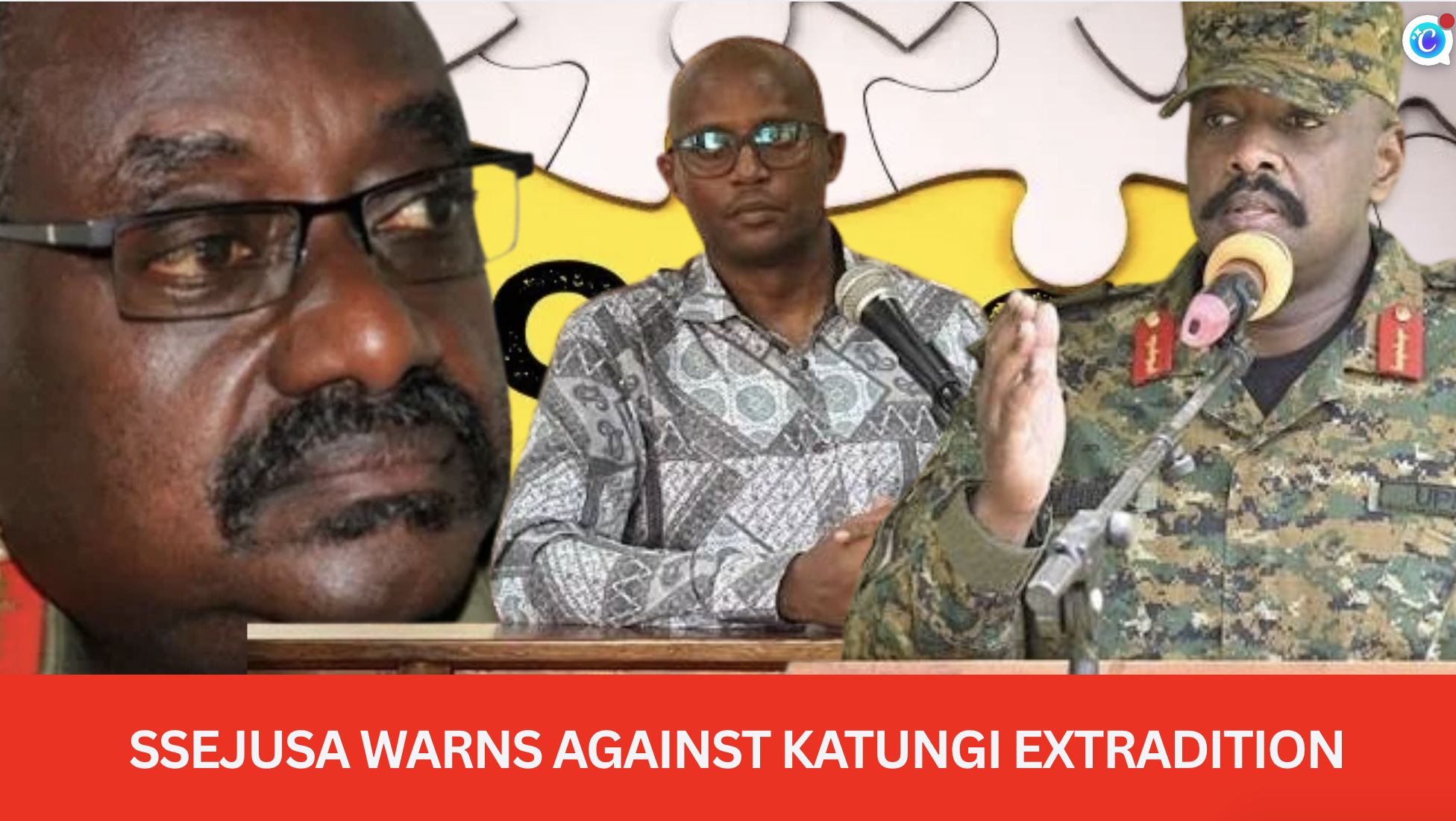
Leading the calls are retired intelligence chief Gen. David Ssejusa (Tinyefuza), businessman and rancher Barnabas Taremwa Bwaniaga, Pan-African activist Dan Nkusi, and legal practitioner Frank Kanduho, who have each raised concerns over the legal foundation, constitutional implications and procedural integrity of the extradition request.
Katungi, a former African Union policy adviser and commissioner in the Patriotic League of Uganda (PLU), is wanted by United States prosecutors over allegations that he participated in an international conspiracy involving cocaine trafficking, the supply of military-grade weapons and providing material support to Mexico’s Cartel de Jalisco Nueva Generación (CJNG), which Washington designated a Foreign Terrorist Organisation in February 2025.
The allegations remain before American courts and Katungi has not been convicted of any offence.
Rather than disputing the seriousness of the accusations, those speaking out insist that Uganda’s courts must first determine whether the extradition complies with the Constitution, the Extradition Act and international legal obligations.
Ssejusa Questions Reciprocity
Retired Gen. David Ssejusa was among the first prominent Ugandans to publicly oppose the extradition.
He argued that Uganda should exercise extreme caution before surrendering one of its nationals to a foreign jurisdiction, particularly where there is no reciprocal arrangement compelling the United States to extradite its own citizens to Uganda under similar circumstances.
“It is a shame to extradite our national to the U.S. when the U.S. can never extradite an American to Uganda,” Ssejusa said in a public statement, describing such an arrangement as unequal and inconsistent with the principle of sovereign equality among nations.His remarks ignited a wider national debate on reciprocity, sovereignty and Uganda’s obligations under international law.
Bwaniaga Raises Constitutional Questions
Businessman and commercial farmer Barnabas Taremwa Bwaniaga later expanded the debate through an open letter in which he argued that the case extends far beyond the fate of one individual.According to Bwaniaga, the proceedings raise fundamental constitutional questions touching on the integrity of Uganda’s legal institutions and the limits of executive authority.
He questioned whether the appropriate government offices initiated the extradition request and suggested that if powers reserved for the Attorney General or other legally mandated authorities were exercised by the wrong institutions, the legality of the entire process could be compromised.
Bwaniaga also questioned the legal framework governing extradition between Uganda and the United States, noting the absence of a bilateral extradition treaty.He urged government to obtain stronger assurances of reciprocal treatment before approving the transfer of any Ugandan citizen to face trial abroad.
Dan Nkusi Calls for Judicial Scrutiny
Pan-African commentator Dan Nkusi has similarly described the case as a defining test of Uganda’s sovereignty.
Nkusi argued that while international cooperation against organised crime remains important, African states should subject requests from powerful foreign governments to rigorous constitutional scrutiny before surrendering their citizens.
He maintained that Ugandan courts should conduct a comprehensive judicial review of the American request and satisfy themselves that sufficient evidence exists to justify extradition under Ugandan law.According to Nkusi, the case presents a delicate balance between international cooperation and the constitutional duty of the Ugandan state to protect its citizens.
Lawyers Highlight Procedural Concerns
Legal practitioner Frank Kanduho has also questioned several aspects of the extradition proceedings after reviewing documents filed in court.
In his legal commentary, Kanduho argues that questions remain regarding the authority of officials pursuing the application, the legal basis upon which the proceedings were initiated and whether Uganda’s existing legal framework adequately supports extradition to the United States in the absence of a bilateral treaty.
He further contends that procedural requirements under Uganda’s anti-narcotics legislation and extradition laws deserve closer judicial examination before any decision is taken.According to Kanduho, any inconsistencies contained in affidavits supporting the American request should be carefully scrutinised by the courts.
Questions Over Terrorism Charge
Another issue repeatedly raised by commentators concerns Count Three of the American indictment, which alleges that Katungi provided material support to the CJNG cartel.Critics argue that much of the alleged conduct is said to have occurred before the United States formally designated the cartel as a Foreign Terrorist Organisation in February 2025.
They contend that Uganda’s Constitution protects individuals against retrospective criminal liability and that this constitutional issue should be resolved before extradition is considered.According to those raising the concern, Uganda risks exposing itself to constitutional challenges if a citizen is surrendered before domestic courts determine whether the extradition complies with Uganda’s supreme law.
Constitutional Petition Filed
Attention has also shifted to Constitutional Petition No. 0014 of 2026, reportedly filed by Katungi challenging the legality of the extradition process.
Although legal experts note that filing a constitutional petition does not automatically suspend criminal or extradition proceedings, several commentators have urged government to temporarily halt the process until the Constitutional Court determines the legal questions raised.
They argue that allowing constitutional issues to be resolved first would reinforce public confidence in Uganda’s justice system and ensure that all constitutional safeguards are respected.
Independence of the Judiciary
Those opposing the current process have also called on government officials to refrain from statements suggesting that extradition is inevitable.Instead, they argue, the matter should be left entirely to the courts, which must determine the case solely on the basis of evidence, the Constitution and applicable law.
Beyond the legal technicalities, supporters of Katungi contend that the proceedings raise broader questions about the rule of law, judicial independence and Uganda’s engagement with international partners on criminal justice matters.
Supporters of the extradition, however, maintain that international cooperation remains essential in combating transnational organised crime, narcotics trafficking and terrorism financing, arguing that Uganda has obligations under various international conventions to consider requests from foreign governments.
Those questioning the current process insist they are not opposed to international cooperation. Rather, they argue that such cooperation must operate within Uganda’s constitutional framework and should never compromise due process, national sovereignty or the rights guaranteed to Ugandan citizens.
As Buganda Road Chief Magistrate’s Court prepares to continue hearing the extradition application, the debate continues to intensify.
What began as an extradition case involving allegations of international drug trafficking has evolved into a wider national conversation about constitutional governance, judicial independence and Uganda’s place within the international criminal justice system.Whether the courts ultimately approve or reject the American request, legal analysts believe the Katungi proceedings are likely to establish an important precedent for how Uganda handles future extradition requests involving its own citizens and how it balances international cooperation with constitutional protections.
Author Profile
- Charles Gazza Kodili is a seasoned journalist with over 20 years of experience in the media industry. He holds a Bachelor of Arts degree in Mass Communication. He’s currently the Chief Editor at the Investigator.
Charles can also be reached via; Tel: +256 774 108978
Email: [email protected]
Latest entries
 NewsSeptember 5, 2026THE INSIDE STORY: TOORO THRONE IN TURMOIL! Who Is Kamurasi? What Happened To Oyo’s Reported Son? Why Did Mwenda Announce The Decision? What Does the Custom Say About Succession?
 NewsSeptember 4, 2026MUSEVENI REVEALS OYO’S CANCER BATTLE: President Says Queen Mother Best Kemigisa Told Him About The King’s Aggressive Cancer In November 2025 As Oyo’s Body Returns Home
 NewsSeptember 4, 2026KING OYO’S BODY BACK HOME: President Museveni Receives The Remains Of King Oyo At Entebbe As Queen Mother Best Kemigisa And Royal Family Members Begin The Monarch’s Final Journey Home
 NewsSeptember 3, 2026TOORO UNITY PLEA AS KING OYO RETURNS: Prime Minister Rwomiire Tells Batooro to Reject Division, Silence Speculation and Give Their Fallen King a Dignified Farewell