




















In the heart of East Africa, where the sun blesses the fertile lands of Uganda, the most critical resource flows not from the sky alone, but from the taps maintained by the steadfast efforts of National Water and Sewerage Corporation.
This clean and clear water is the very lifeblood of the nation, an indispensable force for survival and the cornerstone of all sustainable development. Yet, this access, which many may take for granted, remains a desperate challenge in parts of the world, leading to devastating consequences like malnutrition, severe dehydration, and in the most tragic cases, loss of life.
This is where the silent, critical role of water quality management becomes a hero’s tale. It is this rigorous process that ensures the safety and cleanliness of every drop used for drinking, cooking, and sanitation by Ugandan families.
With effective water quality management, the National Water and Sewerage Corporation acts as a powerful shield, preventing the spread of ancient water borne diseases like typhoid, dysentery and cholera among others, making water truly safe for consumption and neutralizing the high health risks posed by invisible toxins that find their way into water sources through industrial processes and poor management of toxic wastes.
The consumption of clean and safe water directly elevates the hygiene and sanitation of entire communities, guaranteeing that the water used in homes is safe. National Water has regional testing laboratories in the regions of Uganda, Mbarara (West), Gulu (North), and Mbale (East) and in the central laboratory in Bugolobi. It is a simple equation: unsafe water bridges room for diseases, while treated water builds a foundation for community health and sanitation.
This is not a passive endeavor; it is an active, ongoing mission. The process involves meticulous testing, expert treating, constant monitoring, and vigilant protecting of the precious water sources that serve the nation. It is absolutely mandatory that this regular water quality monitoring continues relentlessly. This is how the National Water and Sewerage Corporation and other institutions make informed, decisive decisions to provide clean water that meets the highest national compliance standards.
This diligence is a vital safety measure, a non-negotiable commitment to promoting the good health and perfect wellbeing of every citizen. This protection is especially crucial for the most vulnerable among us, the children, elderly, and expectant women who are most at risk and must be guarded against consuming unsafe water.
Therefore, every time a water quality test is conducted, it is an act of profound care. It is a process to identify and eliminate the pollutants that cause disease, ensuring a stronger, healthier Uganda. This unwavering commitment upholds the fundamental truth that clean and safe drinking water is not a privilege but a fundamental right for every Ugandan.
Author Profile

- Mr. Jacko David Waluluka is another unique entertainment and general investigative news writer, a field he has diligently covered for over fifteen years. He’s also the Chief Administrator at The Investigator. He can easily be reached via [email protected]
Latest entries
 BusinessOctober 28, 2026`KWAATA SENTE` TAKES DIGITAL LENDING TO THE NEXT LEVEL! Centenary Bank, Airtel Money And gnuGrid Launch Instant Mobile Loans Of Up To Shs500,000 Without A Bank Account Or Internet
 FeaturedOctober 27, 2026THE NEW ERA OF DSTV STARTS NOW: DStv Unveils New Package Line-Up As Multichoice Promises More Channels, Affordable Sports And Greater Value For Ugandan Subscribers From November 5
 FeaturedOctober 27, 2026WHY CABINET STOPPED CITY SQUARE PLAN: Sense Into Executive`s Reversal of The Proposed Commercial Redevelopment Of the Constitution Square. Preserving The Historic Kampala Landmark As a Protected Heritage Site is Key
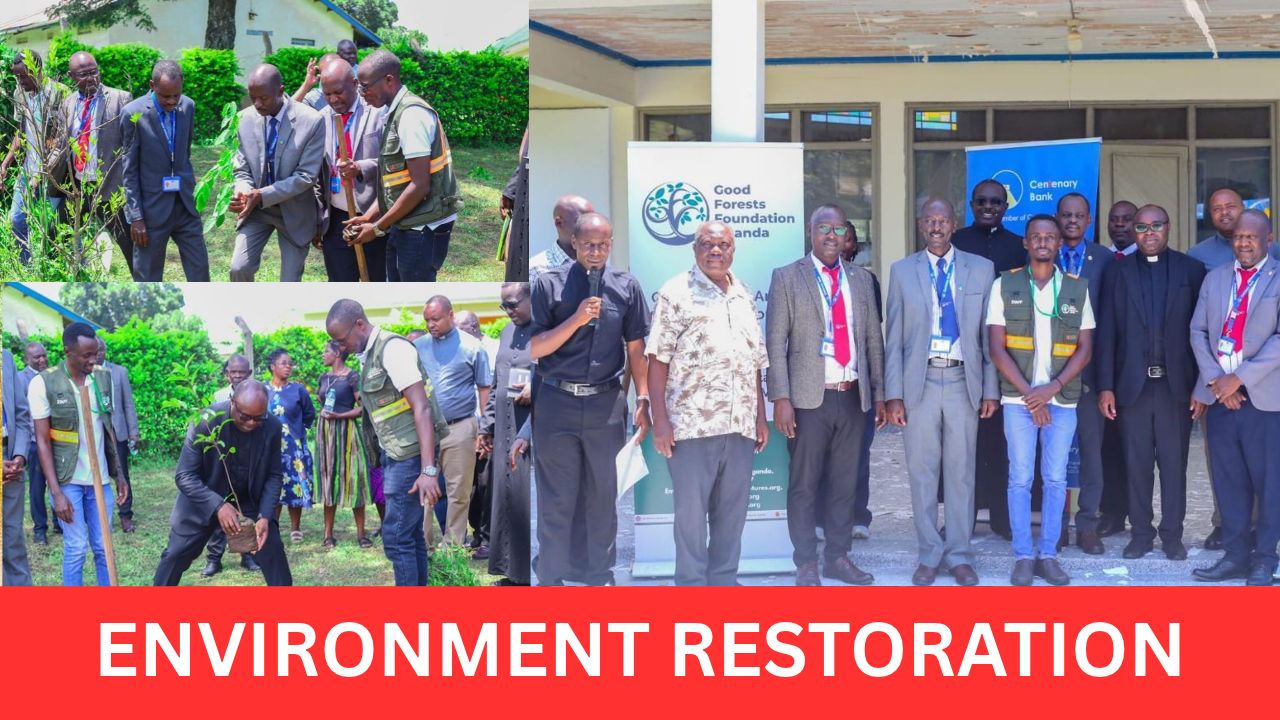 BusinessOctober 22, 2026CENTENARY BANK, CHURCH JOIN TREE-PLANTING DRIVE: Centenary Bank, Kabale Diocese and Good Forests Foundation Uganda Have Partnered To Plant 12,000 Trees In Kanungu As Part Of A Five-Year Campaign To Establish 500,000 Trees Across Catholic Dioceses