














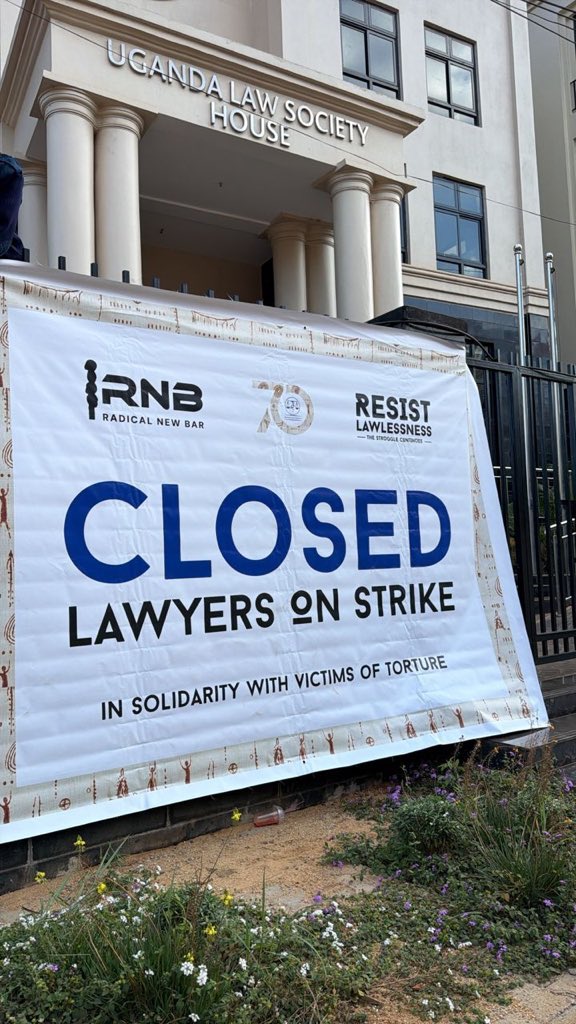
The Uganda Law Society (ULS) has announced sweeping new measures aimed at protecting advocates from what it describes as increasing threats to the independence of the legal profession, including arrests, abductions, military prosecutions and harassment.
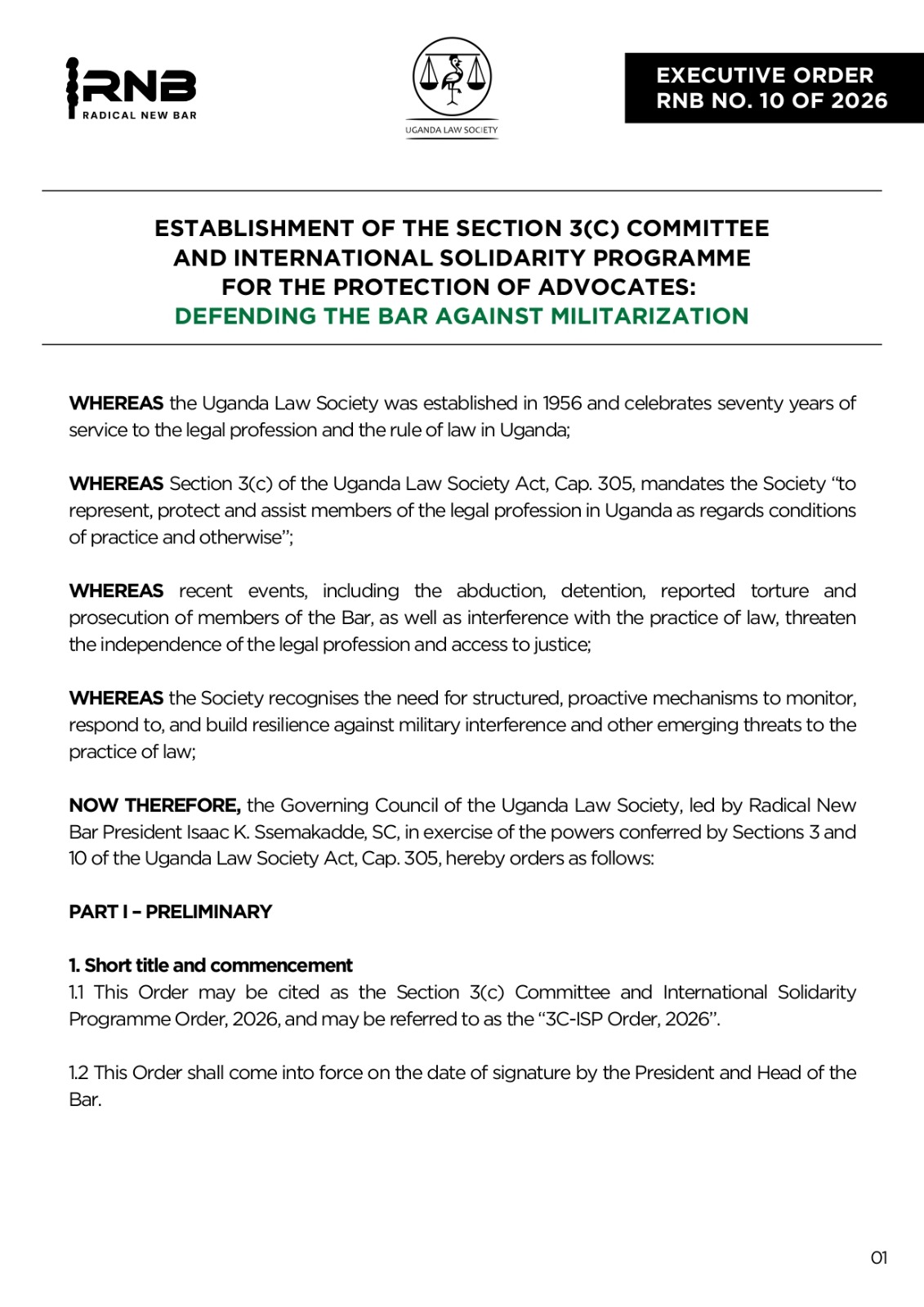
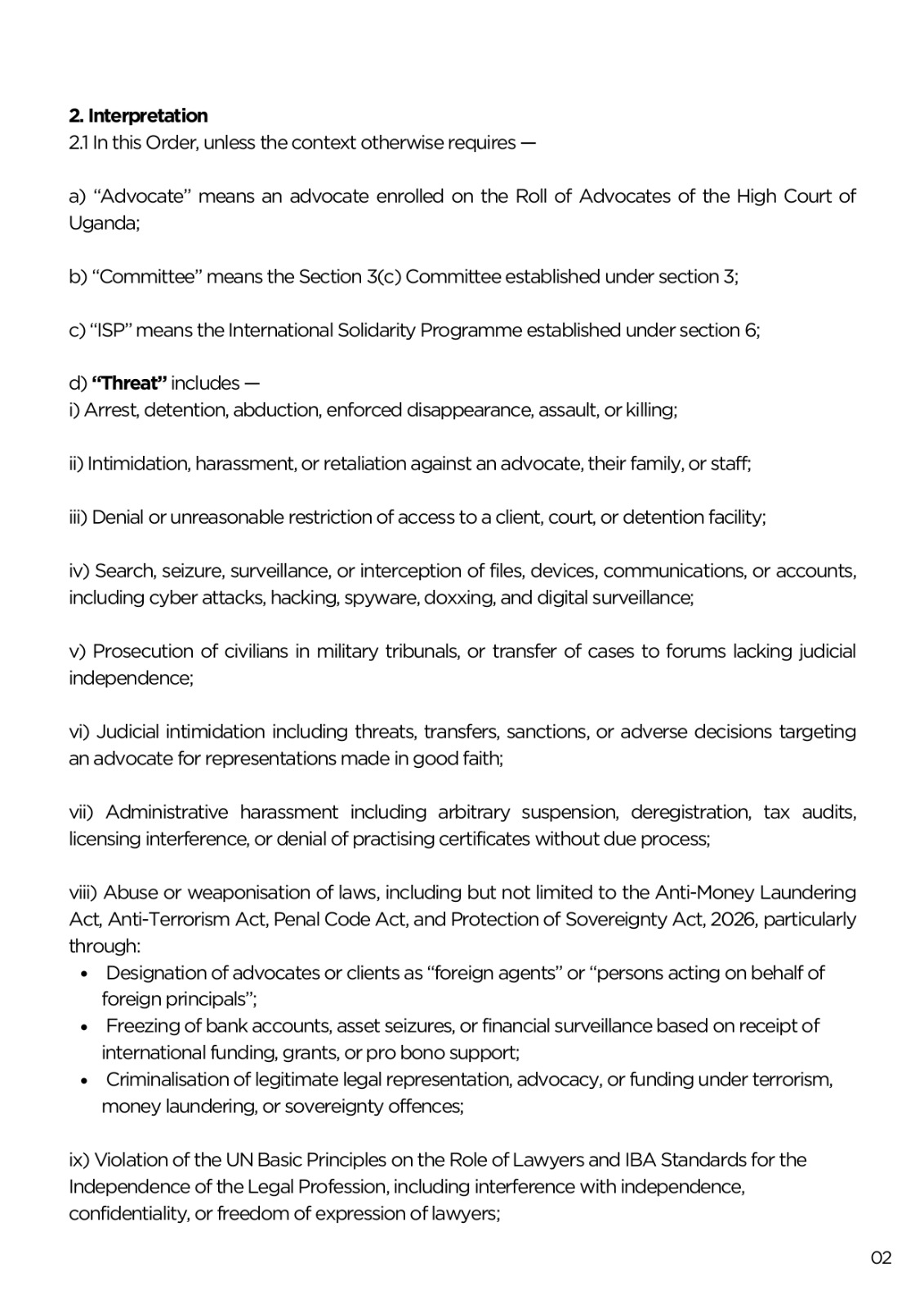
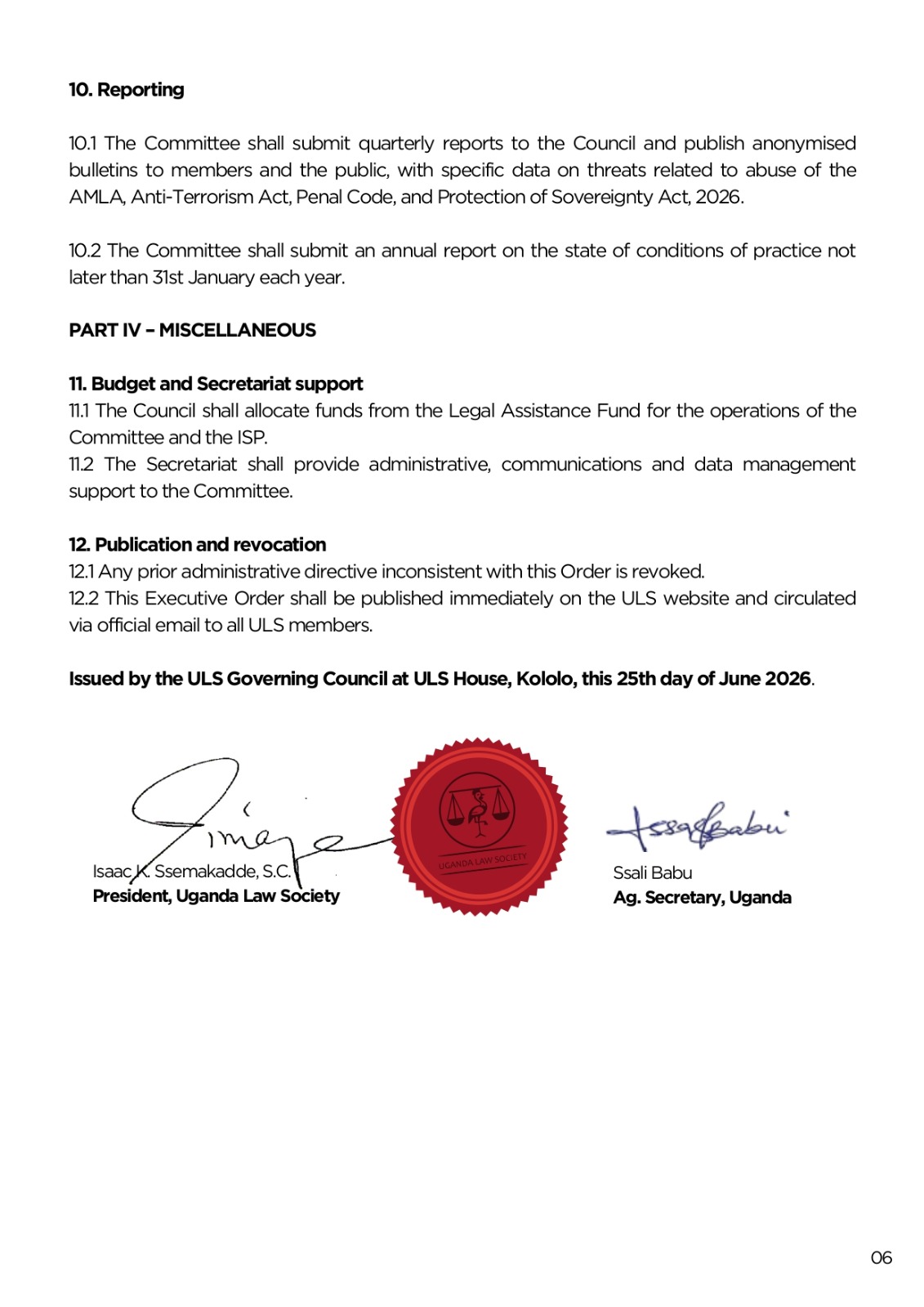
Through Executive Order RNB No. 10 of 2026, signed by Uganda Law Society President Isaac K. Ssemakadde, SC, the Society has established a Section 3(c) Committee and an International Solidarity Programme (ISP) to coordinate legal, institutional and international responses to threats against lawyers.

The order, titled “Defending the Bar Against Militarization,” is one of the most comprehensive policy documents issued by the Society in recent years and comes amid growing tensions between sections of the legal fraternity and state security agencies.In the executive order, Ssemakadde said the Uganda Law Society was acting within its statutory mandate under Section 3(c) of the Uganda Law Society Act to protect advocates and preserve the rule of law.
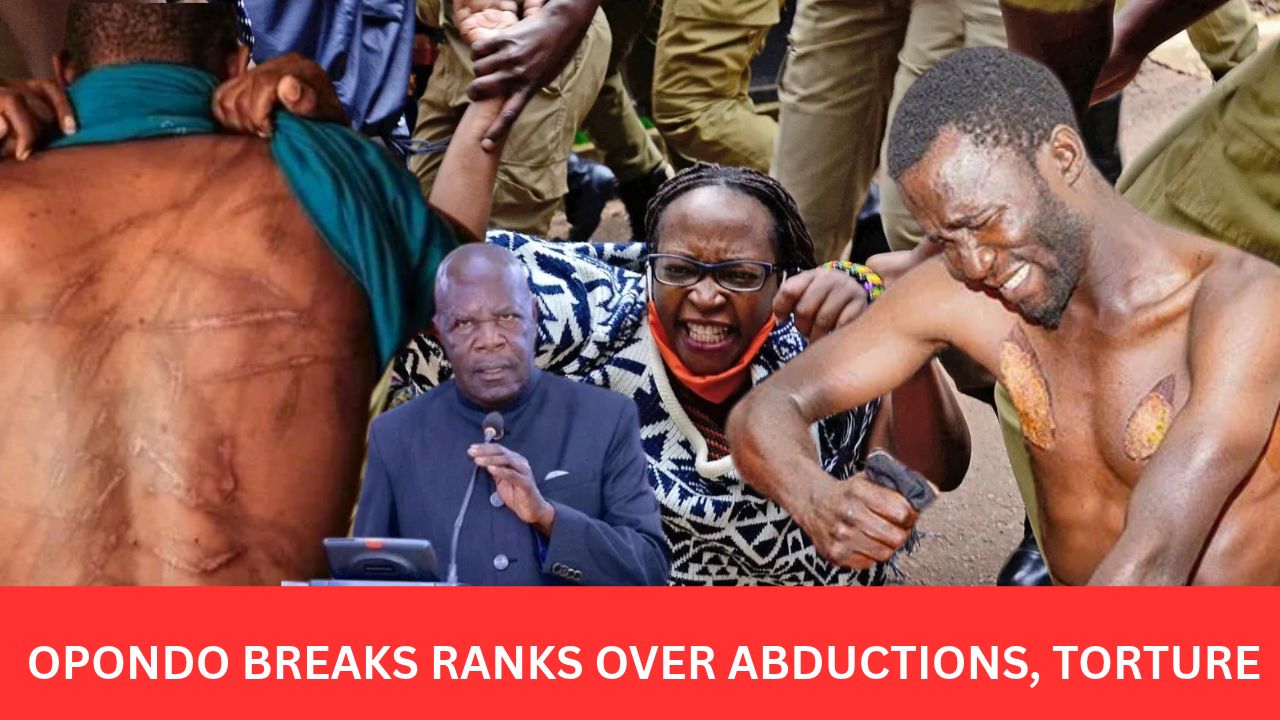
“The Uganda Law Society recognises the need for structured, proactive mechanisms to monitor, respond to and build resilience against military interference and other emerging threats to the practice of law,” Ssemakadde states in the order.He notes that recent incidents involving the “abduction, detention, reported torture and prosecution of members of the Bar, as well as interference with the practice of law,” have threatened both the independence of advocates and access to justice.
BROAD DEFINITION OF THREATS
The new order adopts an unusually broad interpretation of what constitutes a threat to lawyers. Besides arrests, detention and enforced disappearances, the committee will also monitor judicial intimidation, surveillance of advocates, denial of access to clients, searches of law offices, interception of communications, cyber-attacks and administrative harassment.
The document further identifies the misuse of laws such as anti-money laundering, anti-terrorism legislation and the recently enacted Protection of Sovereignty Act as potential tools that could be weaponised against lawyers and their clients.
According to the order, concerns include freezing bank accounts, asset seizures, criminalising legal representation, restricting international funding and branding advocates or their clients as foreign agents.The Society also says it will monitor cases where civilians are tried before military tribunals or where judicial independence is perceived to be under threat.
EMERGENCY RESPONSE MECHANISM
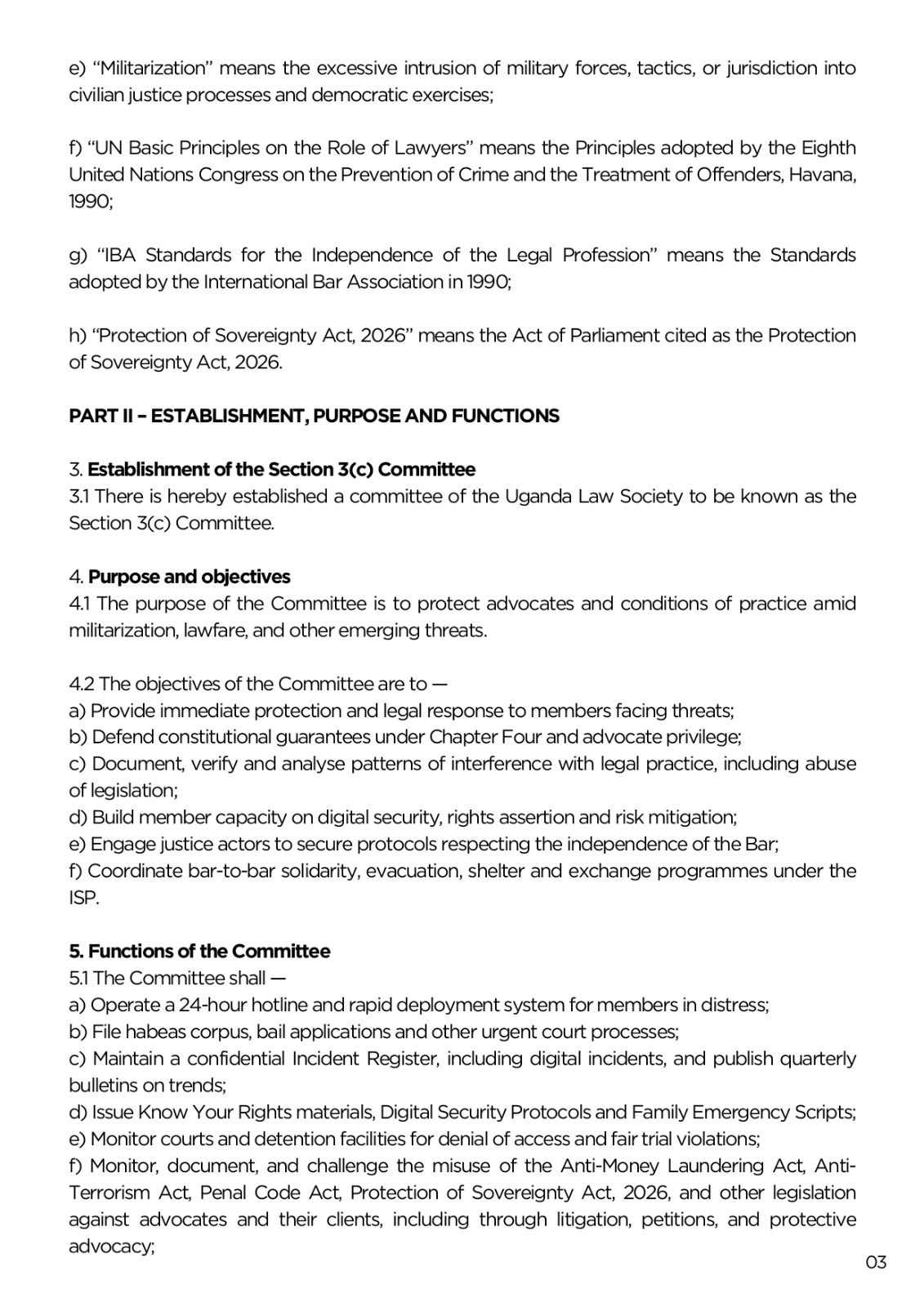
At the centre of the new framework is the Section 3(c) Committee, which will serve as the Uganda Law Society’s rapid response unit.
Its functions include operating a 24-hour emergency hotline, coordinating habeas corpus applications, filing urgent bail applications, documenting attacks on advocates and publishing quarterly reports on emerging trends affecting legal practice.The committee will also issue “Know Your Rights” materials, digital security guidelines and emergency response protocols for advocates and their families.
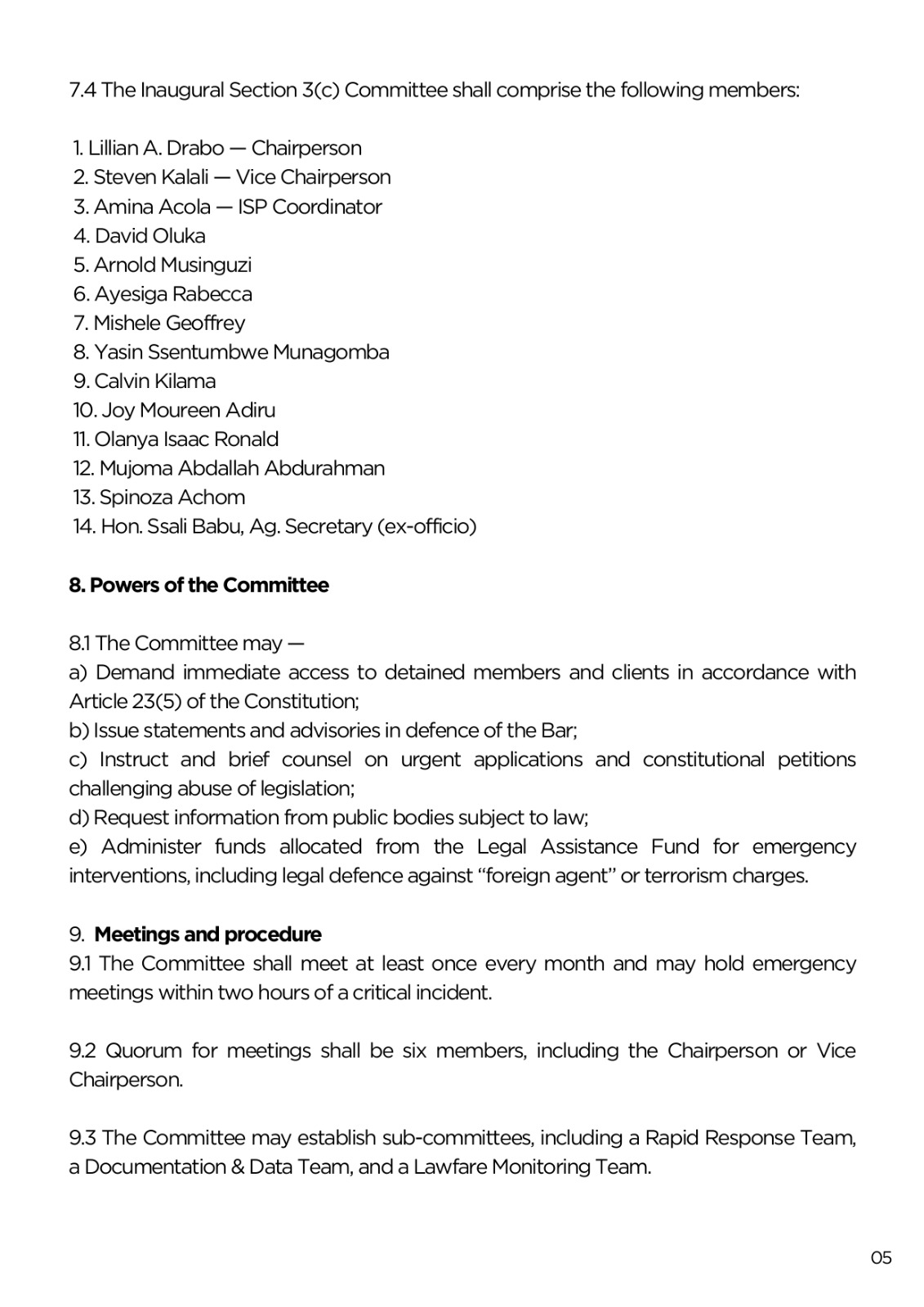
In addition, it will monitor detention facilities and courts where lawyers are denied access to clients or where fair trial rights may have been compromised.The committee is empowered to issue public statements defending the legal profession, brief lawyers handling constitutional petitions and seek information from public institutions where necessary.
INTERNATIONAL SOLIDARITY
Another key feature of the order is the establishment of the International Solidarity Programme.The programme will coordinate relationships with foreign bar associations, international legal organisations and United Nations human rights mechanisms.
According to the executive order, the programme will help organise temporary relocation and emergency shelter for advocates facing imminent danger while mobilising international legal support for lawyers under pressure.It will also coordinate exchange programmes, secondments and international advocacy while documenting threats against lawyers for submission to global human rights bodies.
COMMITTEE LEADERSHIP
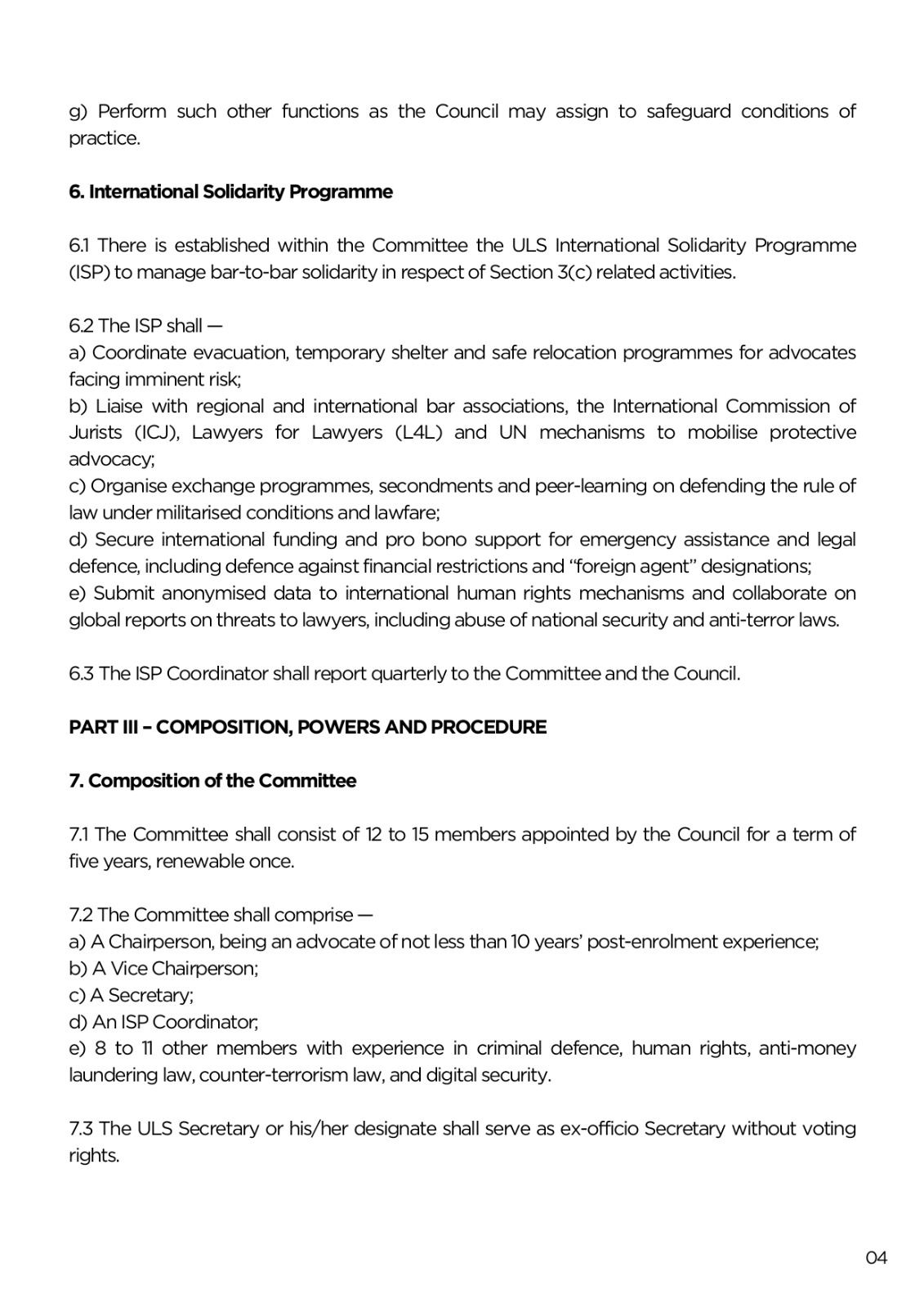
The inaugural committee will be chaired by Lillian A. Drabo, with Steven Kalali serving as Vice Chairperson and Amina Acola as International Solidarity Programme Coordinator.The committee also includes experienced advocates drawn from criminal defence, human rights practice, anti-money laundering law and digital security.It will serve five-year renewable terms and report regularly to the Uganda Law Society Council.
IMPLICATIONS FOR THE LEGAL PROFESSION
Legal observers say the executive order significantly expands the Uganda Law Society’s institutional capacity to respond to attacks on advocates.Previously, responses to arrests or intimidation of lawyers were often coordinated on an ad hoc basis through individual members or emergency meetings.
The new structure instead creates a permanent mechanism capable of rapidly deploying legal teams, documenting incidents and coordinating both domestic and international support.For practicing advocates, the committee could provide quicker access to legal representation during arrests, improve coordination during emergencies and strengthen institutional backing when lawyers face intimidation while representing clients in politically sensitive cases.
The establishment of an incident register also means the Society intends to build long-term evidence documenting patterns of interference with legal practice.Such documentation could influence constitutional litigation, policy advocacy and future law reform efforts.
POSSIBLE FRICTION WITH GOVERNMENT
The executive order is also likely to generate debate within legal and political circles.
By explicitly referring to militarization, lawfare and alleged abuse of national security legislation, the document places the Society on a potentially confrontational path with state institutions responsible for security and law enforcement.Government agencies have previously maintained that security operations and criminal prosecutions are conducted within the law and are necessary to preserve public order and national security.
However, the Uganda Law Society argues that advocates must be able to represent clients without fear of intimidation or retaliation.
Ssemakadde maintains that protecting lawyers ultimately protects the constitutional right of every Ugandan to legal representation and a fair hearing.”The purpose of the Committee is to protect advocates and conditions of practice amid militarization, lawfare and other emerging threats,” the executive order states.
STRENGTHENING INSTITUTIONAL INDEPENDENCE
Beyond responding to emergencies, the new framework reflects the Uganda Law Society’s broader effort to reinforce the institutional independence of the legal profession.
By creating permanent structures for documentation, litigation, digital security, international cooperation and emergency intervention, the Society appears intent on ensuring that attacks against individual advocates become matters of institutional concern rather than isolated incidents.
The initiative also signals a growing emphasis on preparedness, with lawyers encouraged to strengthen digital security, understand emergency legal procedures and rely on coordinated institutional support where their work exposes them to heightened risks.Whether the initiative will ease tensions between the Bar and state institutions or deepen existing disagreements remains to be seen.
What is clear, however, is that the Uganda Law Society has positioned the defence of advocates’ independence as one of its central priorities, arguing that safeguarding lawyers is essential to preserving the rule of law, access to justice and constitutional governance in Uganda.
Author Profile
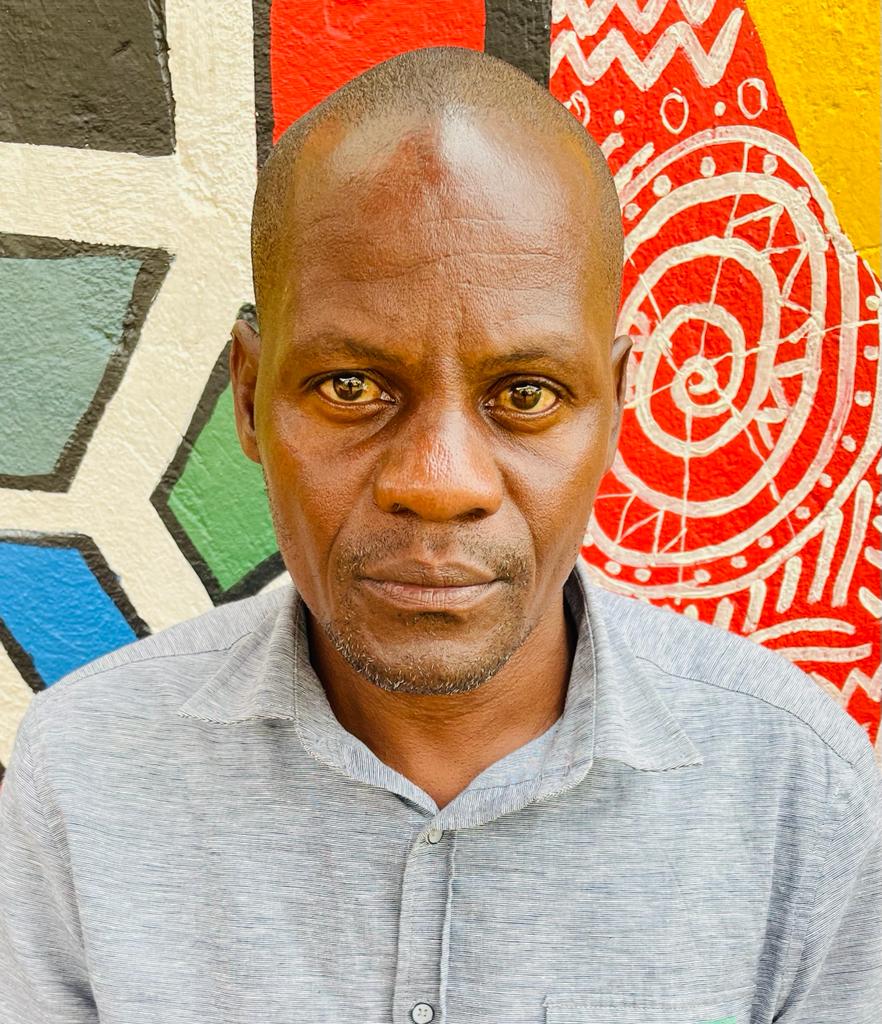
- Mr. Stephen Kasozi Muwambi is a seasoned crime investigative writer, majoring in judicial-based stories. His two decades’ experience as a senior investigative journalist has made him one of the best to reckon on in Uganda. He can also be reached via [email protected]
Latest entries
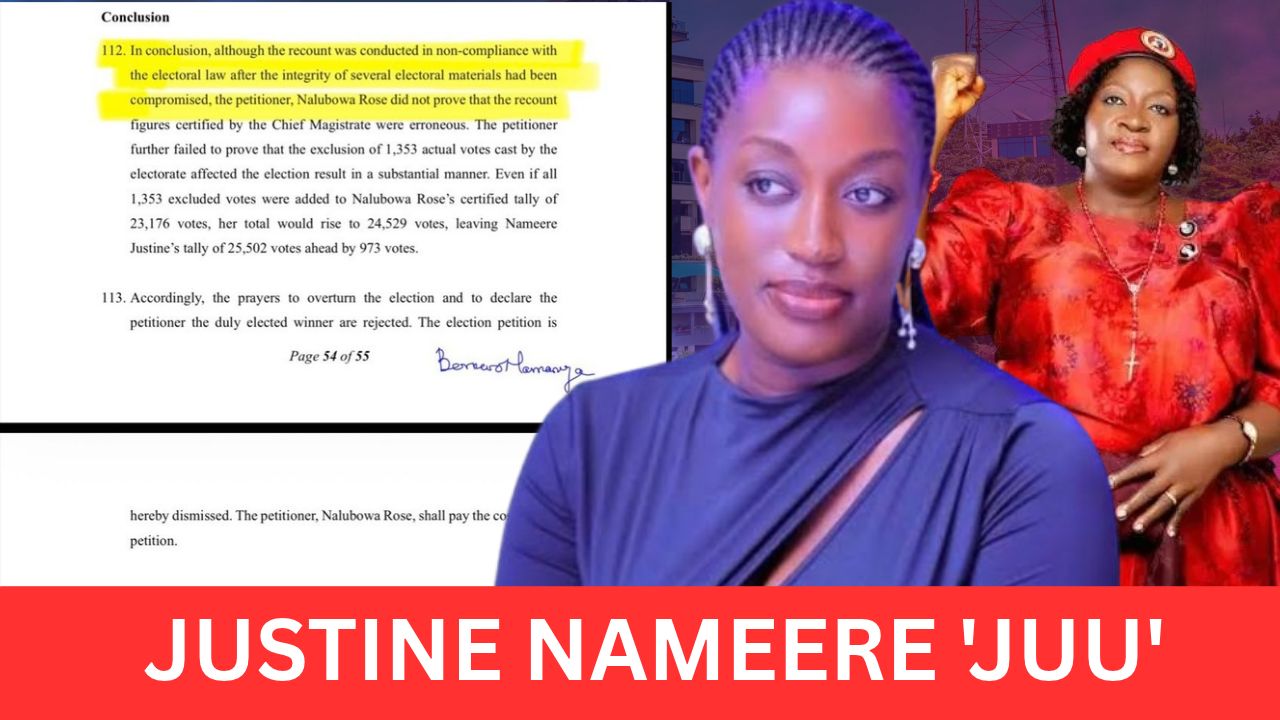 FeaturedOctober 21, 2026NAMEERE RETAINS MASAKA CITY SEAT: High Court Dismisses Nalubowa’s Election Petition, Ruling That Recount Irregularities Did Not Substantially Alter The Final Result
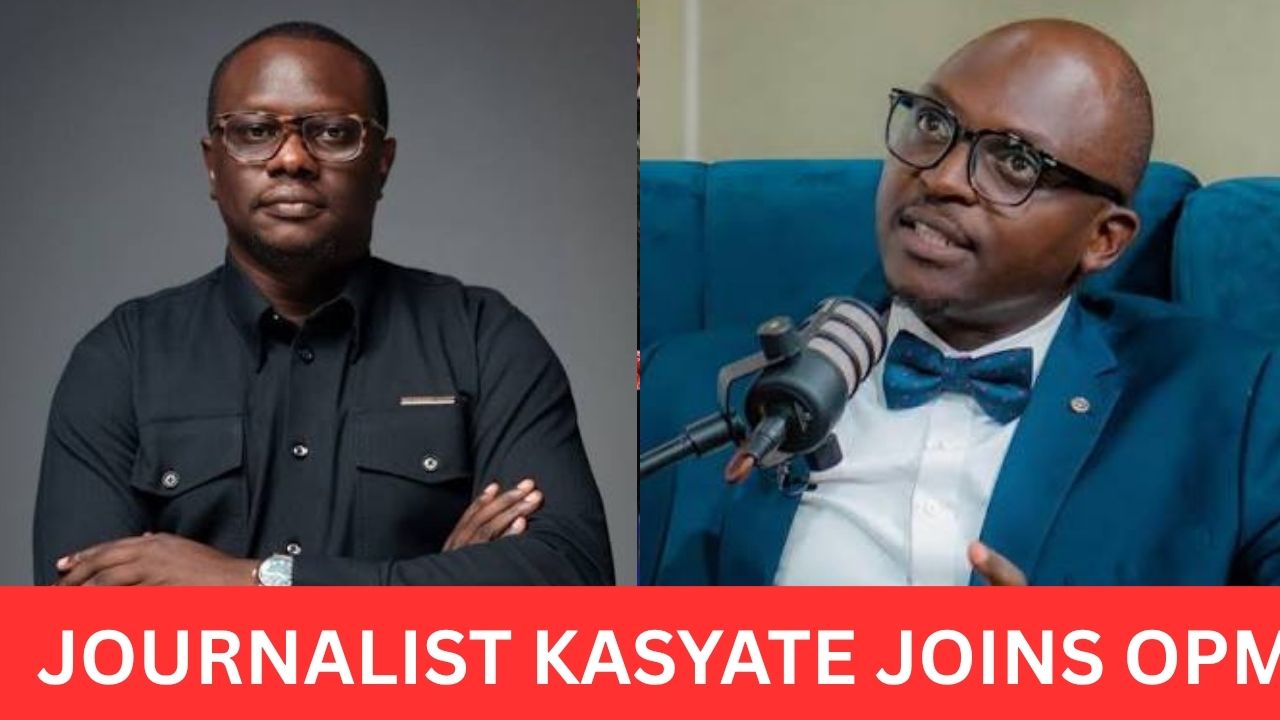 FeaturedOctober 20, 2026VETERAN JOURNALIST KASYATE JOINS OPM: Simon Kasyate Moves Back Into Government Communications After Years In Journalism, Corporate Affairs And Public Relations, Including A Senior Role At KCCA
 FeaturedOctober 19, 2026BILLIONS LOST, INVESTORS DUPED, GOLD TRADE UNDER SCRUTINY: A City Pastor’s Arrest Over An Alleged Shs2.9b Fraud Involving American Investors Adds To A String Of High-Profile Gold Scams Threatening Uganda’s Investment Reputation
 FeaturedOctober 17, 2026THREE VETO POWERS THREATEN OTUNNU’S UN BID: With Three Of The Five Permanent Members Reportedly Against Him, Otunnu Must Win Over Powerful Opponents Or Risk Seeing His Campaign Collapse Before The Final Selection