



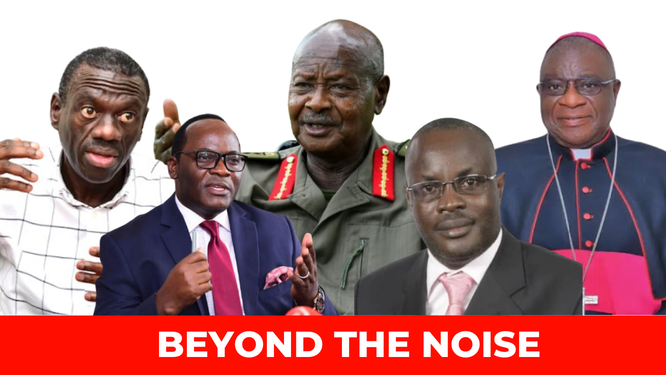

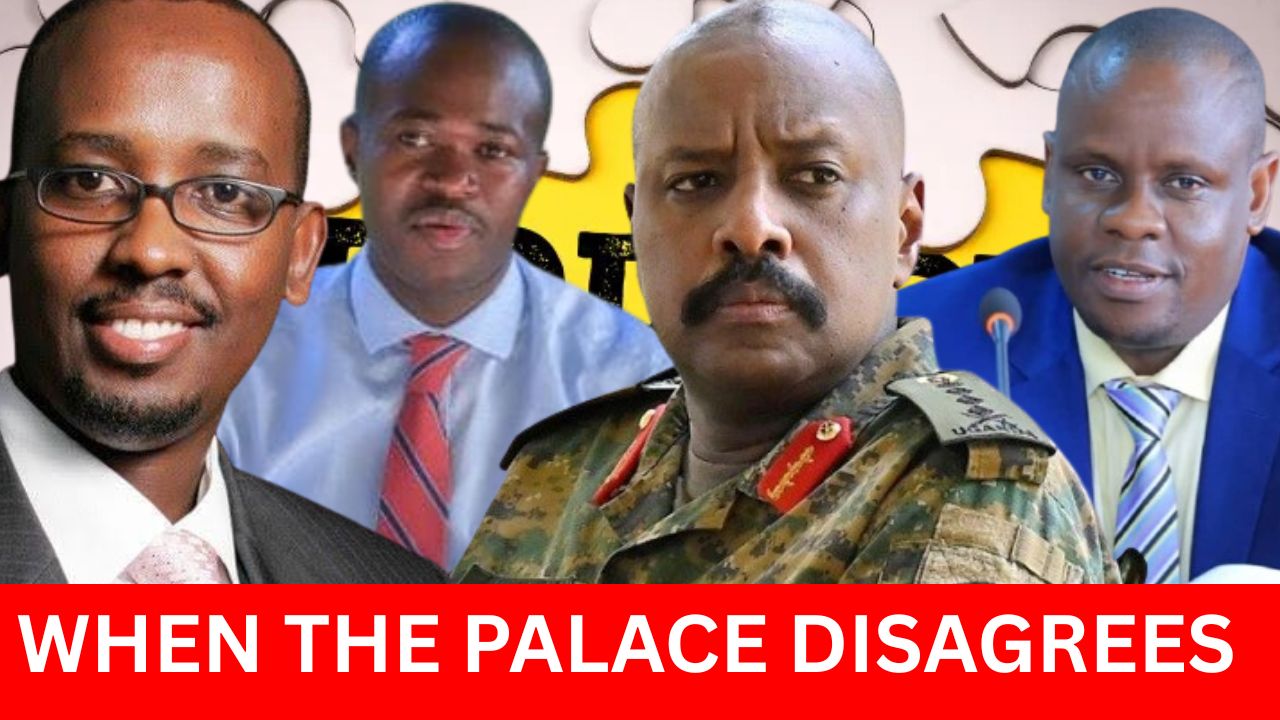
President Yoweri Museveni’s son-in-law, Odrek Rwabwogo, has once again thrust himself into Uganda’s governance debate, delivering a message that many interpret as a direct challenge to the country’s entrenched culture of impunity and corruption. His remarks, calling on Ugandans to speak out fearlessly against abuse of power and violations of the rule of law, have reignited debate about whether differing schools of thought are emerging within the First Family and its political establishment.
While Rwabwogo insists that patriotism requires citizens to hold leaders accountable, his views have drawn swift criticism from senior Patriotic League of Uganda (PLU) official Daudi Kabanda, who argues that such public pronouncements only hand ammunition to the ruling party’s opponents.
The exchange has fuelled perceptions of what political observers describe as a “divided palace”—not necessarily over loyalty to President Museveni, but over how Uganda should confront corruption, abuse of office and declining public trust in institutions.
Rwabwogo’s Call for Courage
Rwabwogo argued that suppressing civic dissent is counterproductive to national development.”People should not fear speaking against impunity or violations of the rule of law. A country develops when citizens freely express themselves and leaders are willing to listen.”
His latest intervention follows an earlier video in which he warned that torture, political killings, election malpractice and the militarisation of politics constitute greater threats to Uganda’s future than foreign enemies or natural disasters.
In that message, Rwabwogo suggested that the greatest danger to Uganda lies not outside its borders but within its institutions if injustice is allowed to flourish unchecked.
Coming from someone who belongs to the First Family through marriage and has often been viewed as an influential voice in policy circles, the remarks carried far greater political weight than those of an ordinary commentator.
The Corruption Question
Rwabwogo’s intervention also arrives at a time when corruption has become one of the country’s most contentious political issues.
In recent weeks, several government officials have faced allegations of abuse of office, procurement irregularities and misuse of public funds. Public frustration has equally grown over delayed infrastructure projects, questionable compensation claims and recurring scandals involving local governments.
His message therefore resonated with many Ugandans who increasingly believe that corruption has become institutionalised despite repeated presidential directives against it.
Political analysts note that Rwabwogo appears to be framing corruption not merely as theft of public resources but as a broader governance crisis involving abuse of authority, weak institutions and shrinking civic space.
Kabanda Fires Back
However, Daudi Kabanda, a senior official in the Patriotic League of Uganda (PLU), rejected Rwabwogo’s approach.
Kabanda argued that individuals occupying influential positions around the Presidency should avoid making statements that appear to undermine government institutions or embolden opposition narratives.
According to Kabanda, public criticism from insiders risks creating confusion among government supporters and gives opponents an opportunity to portray the ruling establishment as divided.
He maintained that corruption should certainly be fought but through existing state institutions rather than public campaigns that may damage confidence in government.
Kabanda further argued that those with direct access to the President should raise their concerns internally instead of airing them in public forums.
Two Different Philosophies
The disagreement illustrates two contrasting philosophies within Uganda’s broader political establishment.Rwabwogo appears to believe that accountability begins with honest public conversations and that citizens should never fear demanding better governance.
Kabanda, meanwhile, represents a school of thought that prioritises protecting institutional cohesion and believes public criticism from insiders weakens the government politically.
Neither side disputes that corruption exists.
The disagreement instead centres on how it should be confronted.Should influential figures publicly challenge abuse of power in order to pressure institutions into reform?
Or should disagreements remain behind closed doors to preserve unity?
Museveni’s Long Anti-Corruption Record
President Museveni himself has consistently declared corruption one of Uganda’s biggest obstacles to development.Over the years, he has repeatedly criticised public officials accused of stealing government resources and has occasionally ordered investigations into major scandals.
Yet critics argue that despite strong presidential rhetoric, implementation has often fallen short.Several high-profile investigations have dragged on for years while convictions remain relatively rare.
This gap between official commitments and actual enforcement has contributed to growing public scepticism.Rwabwogo’s remarks appear to echo concerns increasingly shared by ordinary Ugandans—that fighting corruption requires stronger institutions rather than speeches alone.
Signals from Within
Although there is no evidence that Rwabwogo’s views represent official government policy, his repeated interventions suggest that governance reforms are increasingly being debated even among individuals closely associated with the Presidency.
That is politically significant.
Unlike opposition politicians whose criticism is often dismissed as partisan, Rwabwogo speaks from within circles traditionally viewed as close to the centre of power.His comments therefore attract unusual attention because they cannot easily be portrayed as politically motivated attacks against the government.
Public Perception Matters
Whether intended or not, the public exchange between Rwabwogo and Kabanda reinforces perceptions that influential voices around the Presidency increasingly differ on how Uganda should address governance challenges.
For many citizens, the debate reflects broader frustrations about corruption, accountability and the pace of institutional reform.
Others see it as evidence that even those closest to power recognise the need for more open discussion about governance.
Beyond Personal Differences
Ultimately, the debate is larger than the personalities involved.It raises fundamental questions about the relationship between patriotism and criticism.
Can one support the government while openly criticising its shortcomings?Does speaking against impunity strengthen or weaken the state?Rwabwogo appears convinced that silence enables corruption to flourish.
Kabanda believes public criticism from insiders risks destabilising confidence in government.
A Palace Speaking in Different Voices
Whether these differing views amount to genuine ideological divisions or simply reflect healthy internal debate remains open to interpretation.
What is clear, however, is that Rwabwogo’s remarks have reopened a national conversation about accountability, civic participation and the rule of law.
At a time when corruption continues to dominate public discourse, the contrasting messages from two influential figures linked to the country’s power structure have created the image of a palace speaking in different voices.If anything, the exchange demonstrates that Uganda’s anti-corruption debate is no longer confined to opposition politics or civil society. It is now being waged, publicly, by figures operating from within the very establishment that has governed the country for nearly four decades.
Author Profile
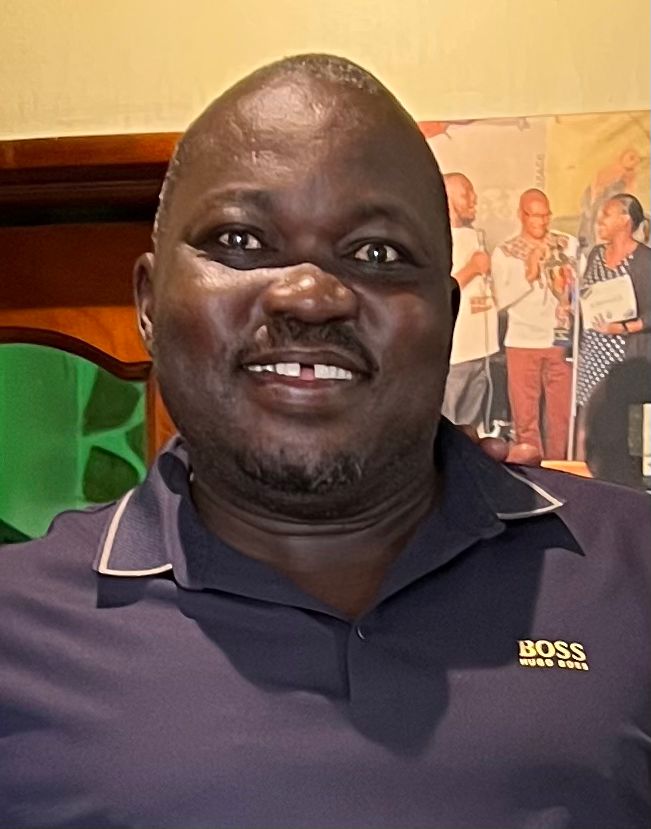
- Charles Gazza Kodili is a seasoned journalist with over 20 years of experience in the media industry. He holds a Bachelor of Arts degree in Mass Communication. He’s currently the Chief Editor at the Investigator.
Charles can also be reached via; Tel: +256 774 108978
Email: [email protected]
Latest entries
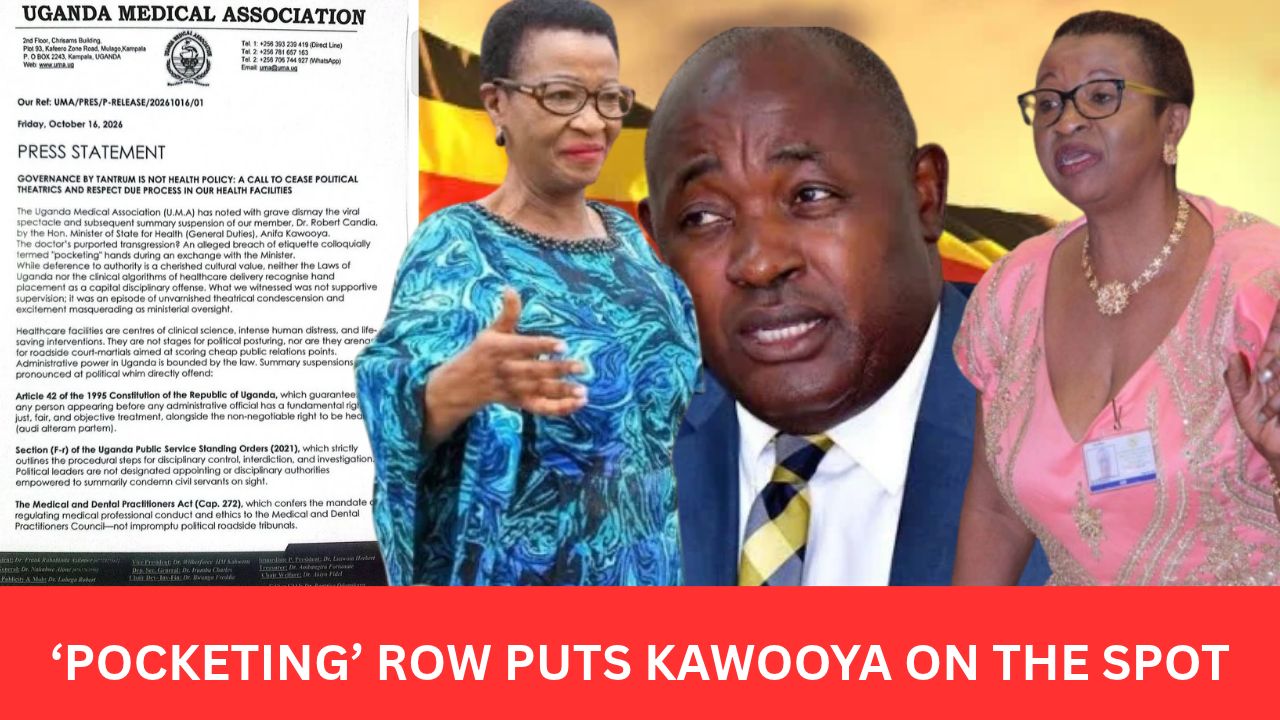 FeaturedOctober 16, 2026KAWOOYA UNDER FIRE AS MINISTRY DENIES DR CANDIA SUSPENSION: Health Ministry Says Arua Doctor Remains In Office After Minister Reportedly Ordered Him To Hand Over For “Pocketing”
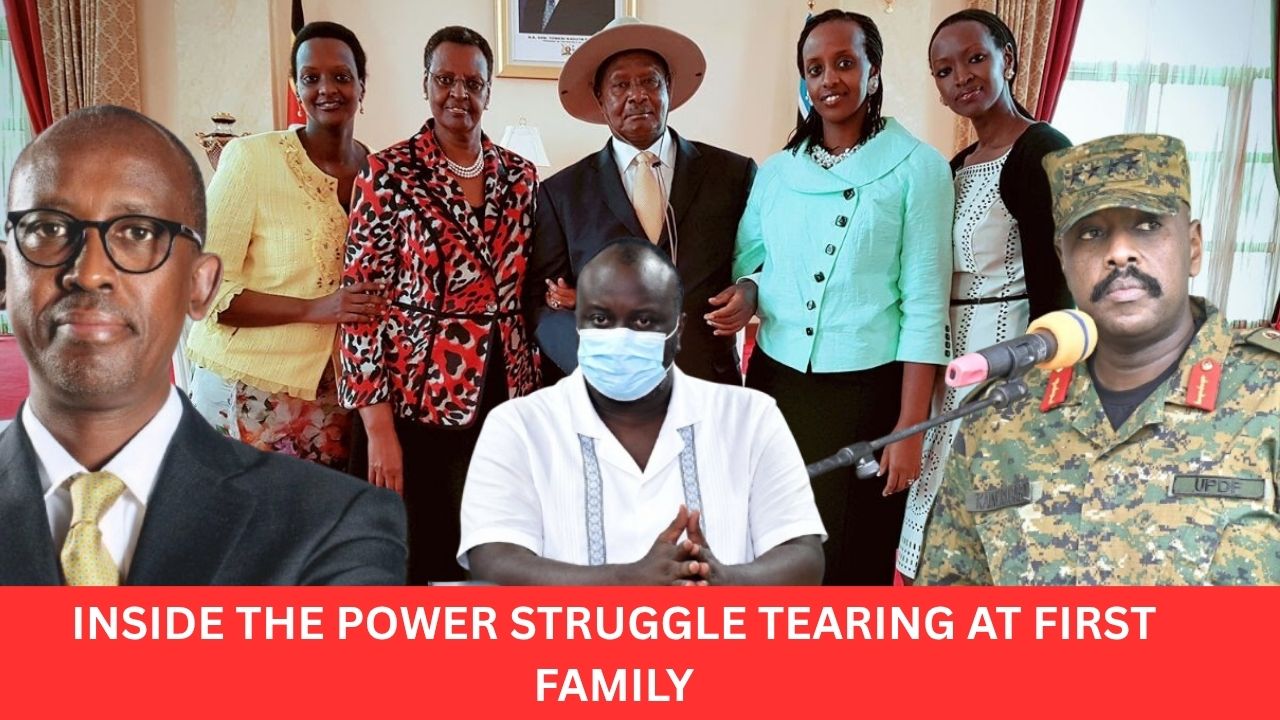 FeaturedOctober 14, 2026MATHEW BAGONZA BAIL DEAL DEALS A BLOW TO CDF GEN. MUHOOZI: Rwabwogo’s Camp Sees Relief After Weeks Of Confrontation, As Reported First Family Tensions Raise Questions About The CDF’s Fight With His Brother-In-Law
 FeaturedOctober 14, 2026GOVERNMENT TO CASH IN ON CHARCOAL TRADE: Government Plans To Formalise The Charcoal Business Through Trade Licences, Taxation And Strict Monitoring Of Producers And Dealers
 FeaturedOctober 13, 2026‘PRODUCE SAM MUGUMYA NOW’ — SSENYONYI: LoP Tells Parliament Families Of Missing Ugandans Deserve Answers, Freedom And Justice As He Challenges Government Over The Opposition Activist’s Fate

I believe odrek makes a good case . as for Kab and a, best to click ignore and move on