











Uganda’s Deputy Mufti, Muhammad Haruna Bukenya, has been summoned to appear before court to face criminal charges over allegations that he and businessman Elias Muzamiru Lubega obtained $288,000 (about Shs1.2 billion) from a businessman under the pretext of selling him three kilogrammes of gold.
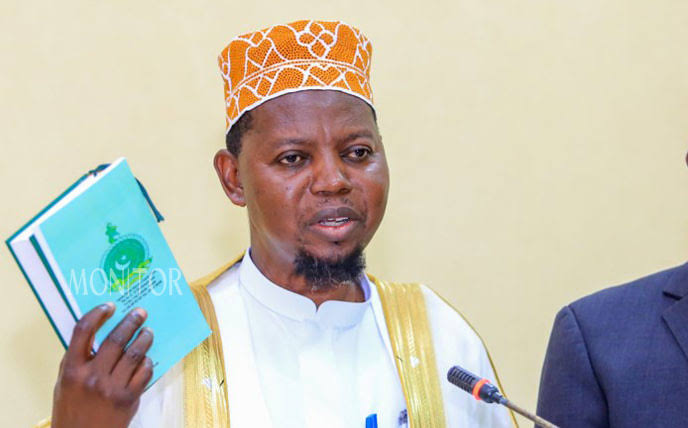 The criminal summons issued by Kampala City Hall Court marks a significant development in the gold scam allegations involving the senior Islamic leader and his business associate, who are accused of participating in a transaction that allegedly left the complainant, Muhammad Kwaido, counting losses.
The case raises fresh questions about the use of prominent religious and business figures in high-value gold transactions, a sector that has repeatedly attracted fraud allegations in Uganda, particularly where prospective buyers are promised access to precious minerals for lucrative international markets.
Bukenya and Lubega are expected to answer the allegations through the judicial process. During the latest court proceedings, the prosecution told court that it could not make disclosures because the case file had been called by the Director of Public Prosecutions (DPP), following a complaint reportedly lodged by the Deputy Mufti.
Senior Magistrate Edgar Karakire subsequently adjourned the matter to November 25, 2026, allowing the case to return to court after the developments surrounding the file are addressed.
The summons places a senior figure in Uganda’s Muslim leadership at the centre of a criminal case involving a substantial sum of money and an alleged gold supply agreement.

How the alleged gold deal unfolded
According to the allegations presented in court, Kwaido parted with $288,000 after being led to believe that he was purchasing three kilogrammes of gold.
The central question in the case is whether the money was obtained through a genuine commercial arrangement that subsequently failed or through a fraudulent representation intended to induce the complainant to release his money.
The prosecution will have to establish the circumstances under which the money changed hands, the representations allegedly made to Kwaido, the role each accused played in the transaction and whether the elements of the offences charged can be proved.
The involvement of two defendants also raises questions about the nature of their relationship in the transaction, including who negotiated the deal, who received or controlled the money and what arrangements, if any, were made to deliver the gold.
These questions will be central to determining individual criminal responsibility as the proceedings progress.
The three-kilogramme quantity cited in the allegations is particularly important because gold transactions of this scale can involve substantial sums, often depending on purity, prevailing international prices and the terms agreed between the parties.
However, the amount allegedly paid does not, on its own, establish whether the transaction was fraudulent. That determination rests on the evidence presented before court.
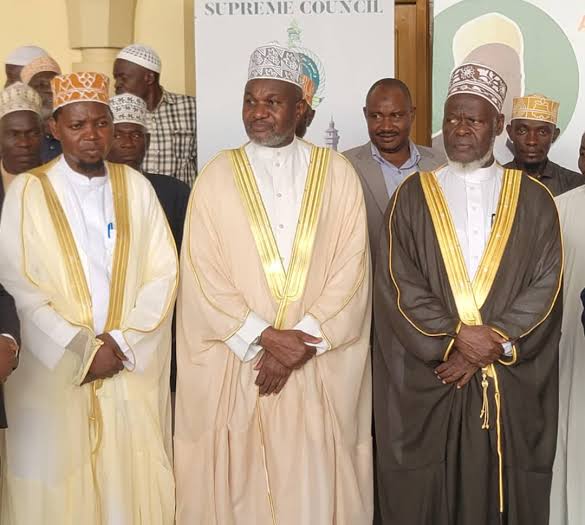
DPP recalls file as case takes a new turn
The latest proceedings took an unexpected turn when the prosecution informed court that it was unable to make disclosures because the file had been called by the DPP.
The development followed a complaint reportedly made by Bukenya, although the precise grounds of that complaint and the DPP’s reasons for calling the file were not established in the information presented during the proceedings.
The DPP, who exercises constitutional authority over public prosecutions in Uganda, plays a central role in decisions concerning criminal proceedings. The handling of the file could therefore prove significant to the next phase of the case.
It remains unclear from the proceedings outlined so far whether the file was recalled for further review, consideration of the complaint or another prosecutorial purpose. Such details would need to be established through official clarification rather than speculation.
Magistrate Karakire adjourned the case to November 25, 2026.
The adjournment means that the allegations remain before the judicial system, with the next hearing expected to provide an opportunity for further procedural developments.
For Kwaido, the case presents an opportunity to pursue accountability through the courts over the money he allegedly paid. For the accused, the proceedings offer an opportunity to challenge the allegations and present their defence in accordance with the law.
The court will ultimately have to consider the evidence and arguments presented by both sides before reaching any determination on criminal liability.
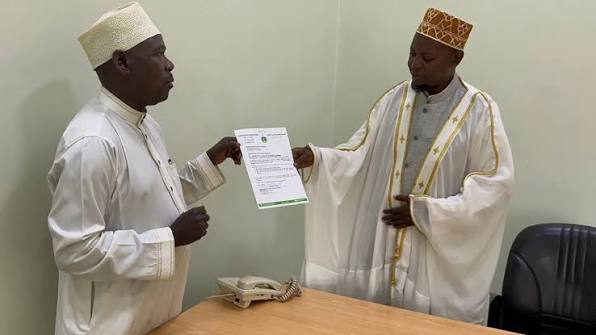
Police statement traces alleged deal from mosque to refinery
An earlier investigation published by The Investigatoron September 14, 2026, provides further background to the allegations and describes how the proposed gold transaction allegedly moved between several locations before the money was transferred.
According to the publication, the allegations were based on a statement to police by Muhammad Ibrahim Abdullahi, a Nigerian national and diplomatic officer serving at the Nigerian High Commission in Kampala. His account describes how prospective buyers were allegedly introduced to people presented as gold dealers through the Deputy Mufti.
Abdullahi reportedly told police that the prospective buyers initially sought assistance in sourcing genuine gold and were introduced to individuals represented as legitimate sellers. The negotiations allegedly began at Old Kampala Mosque before moving to a restaurant near Gaddafi Mosque and later to a facility identified as Nureen Enterprises, where the purported gold was presented for testing.
The account identifies Kwaido as the person who allegedly lost the $288,000. Abdullahi reportedly said the three bars were presented as genuine gold, but subsequent examination revealed that they were counterfeit, allegedly consisting of steel or another base metal coated with gold.
The publication also reported that the payment was arranged through a cryptocurrency transaction involving USDT, a digital token designed to maintain a value linked to the US dollar. This is an important aspect of the investigation because investigators would need to establish the recipient of the funds and trace the transaction records to determine who ultimately benefited from the payment.
These details remain allegations contained in a police account reported by The Investigator. They have not, merely by being reported, established the criminal responsibility of any individual.
Prosecutor confirms why the file was recalled
The latest court proceedings have provided a separate, formal account of the case’s procedural status. State prosecutor Miriam Akite told court that the prosecution could not provide the requested disclosures because the DPP had called for the file following a complaint lodged by the Deputy Mufti.
“We cannot disclose because the Mufti lodged a complaint and the file was called by the DPP,” Akite was quoted as saying in court.
The prosecution subsequently sought criminal summons against Bukenya, and Magistrate Karakire granted the request. The case was adjourned to November 25, 2026, for mention.
The charge sheet lists two counts: obtaining money by false pretence, contrary to Section 285 of the Penal Code Act, and conspiracy to commit a felony, contrary to Section 363. The prosecution alleges that Bukenya, Lubega and other people who remain at large acted together in obtaining the money.
Lubega has already appeared in court and was granted bail. The criminal summons against Bukenya requires him to appear and answer the charges; it is not a finding of guilt.
The next proceedings will be important in establishing how the prosecution intends to proceed following the DPP’s recall of the file and whether the defence will receive the disclosures it has requested.
For now, the case places the alleged gold transaction, the movement of the money and the relationships between the people involved under judicial scrutiny. The decisive question remains whether the prosecution can substantiate its allegations with admissible evidence and prove the charges against each accused beyond reasonable doubt.
Author Profile
- Charles Gazza Kodili is a seasoned journalist with over 20 years of experience in the media industry. He holds a Bachelor of Arts degree in Mass Communication. He’s currently the Chief Editor at the Investigator.
Charles can also be reached via; Tel: +256 774 108978
Email: [email protected]
Latest entries
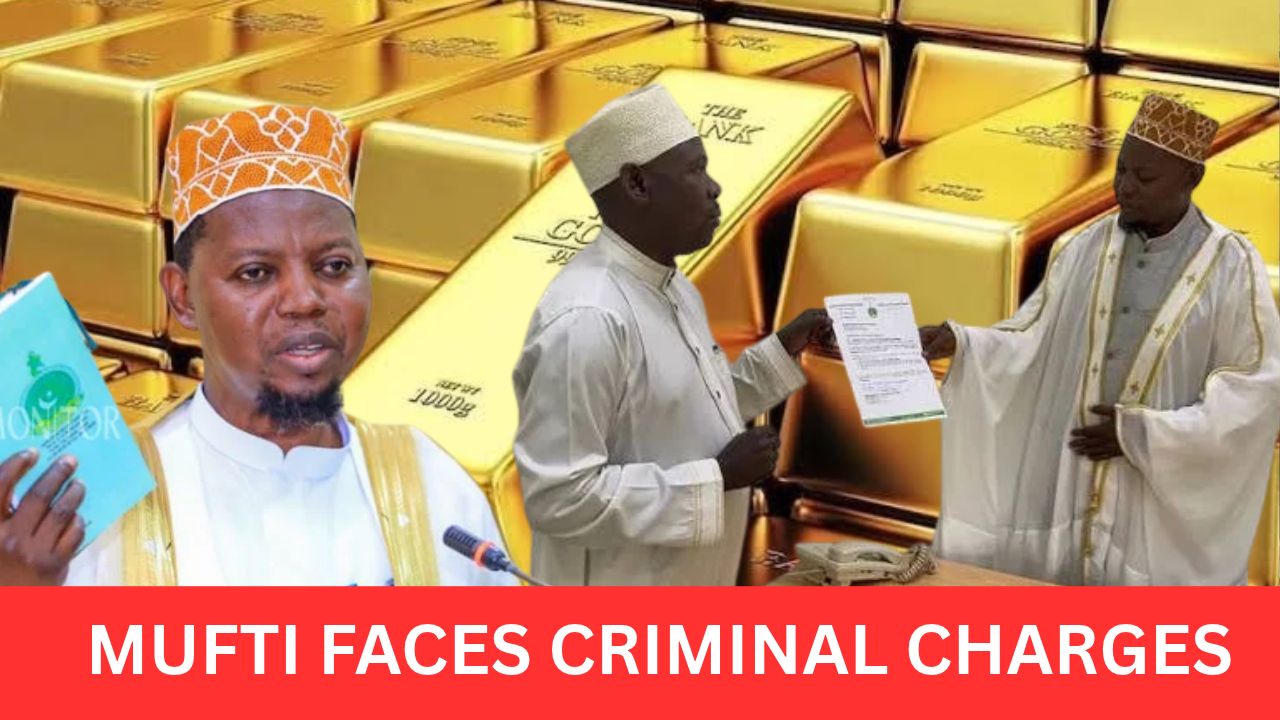 CrimeOctober 22, 2026MUFTI SUMMONED OVER SHS1.2BN GOLD SCAM: Kampala City Hall Court Has Summoned Deputy Mufti, Muhammad Haruna Bukenya, And Businessman Elias Muzamiru Lubega Over Allegations Of Obtaining $288,000 From Muhammad Kwaido In A Deal Involving Three Kilogrammes Of Gold
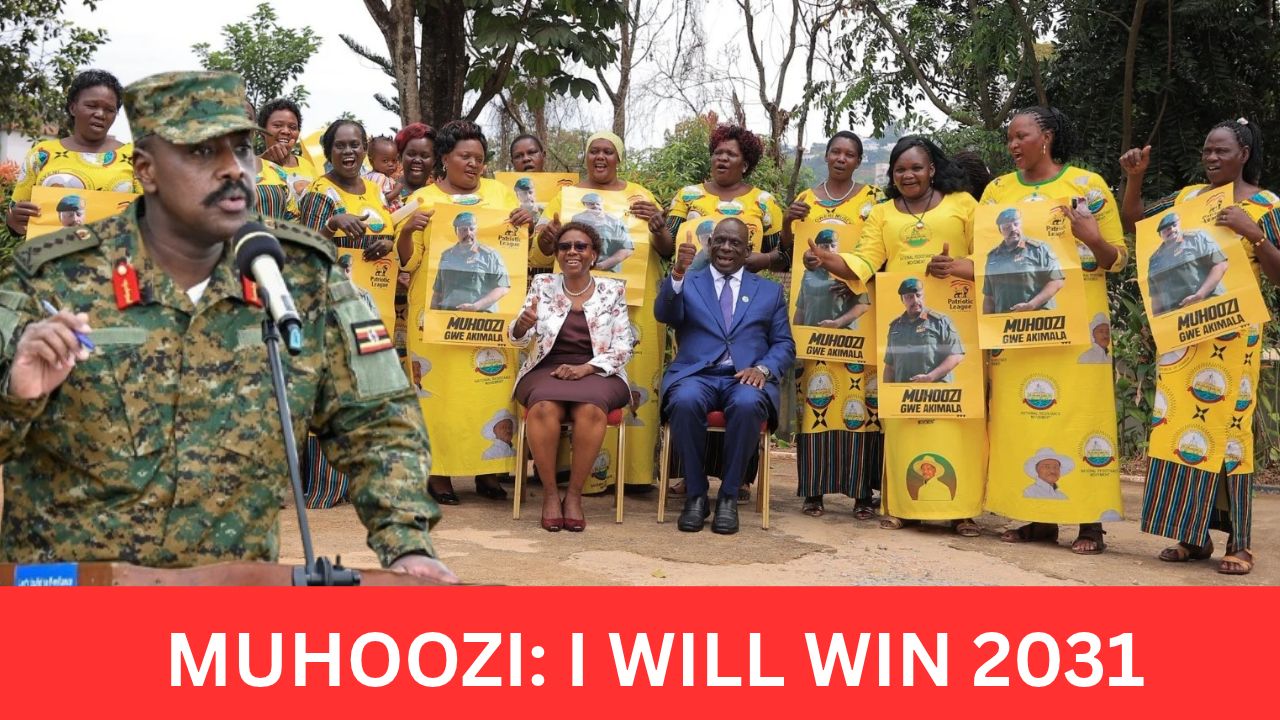 FeaturedOctober 22, 2026MUHOOZI: WE SHALL WIN IN 2031: CDF Gen Muhoozi Kainerugaba Says Millions Of Ugandans, Particularly The Youth, Are Backing His “Quiet And Patient Revolution” As His PLU Movement Builds Momentum For The 2031 Presidential Race
 FeaturedOctober 22, 2026‘I HAVE FORGIVEN BIRUNGI’: Gen Muhoozi Kainerugaba Says Maj Gen James Birungi Deserved A Severe Sentence For Crimes Against The Army And Ugandans But Chose Forgiveness Guided By His Christian Faith
 FeaturedOctober 21, 2026WANGADYA, COMMISSIONERS FACE AXED: Parliament Endorses COSASE Recommendation To Replace The Chairperson And Commissioners After Months Of Bitter Internal Disputes