


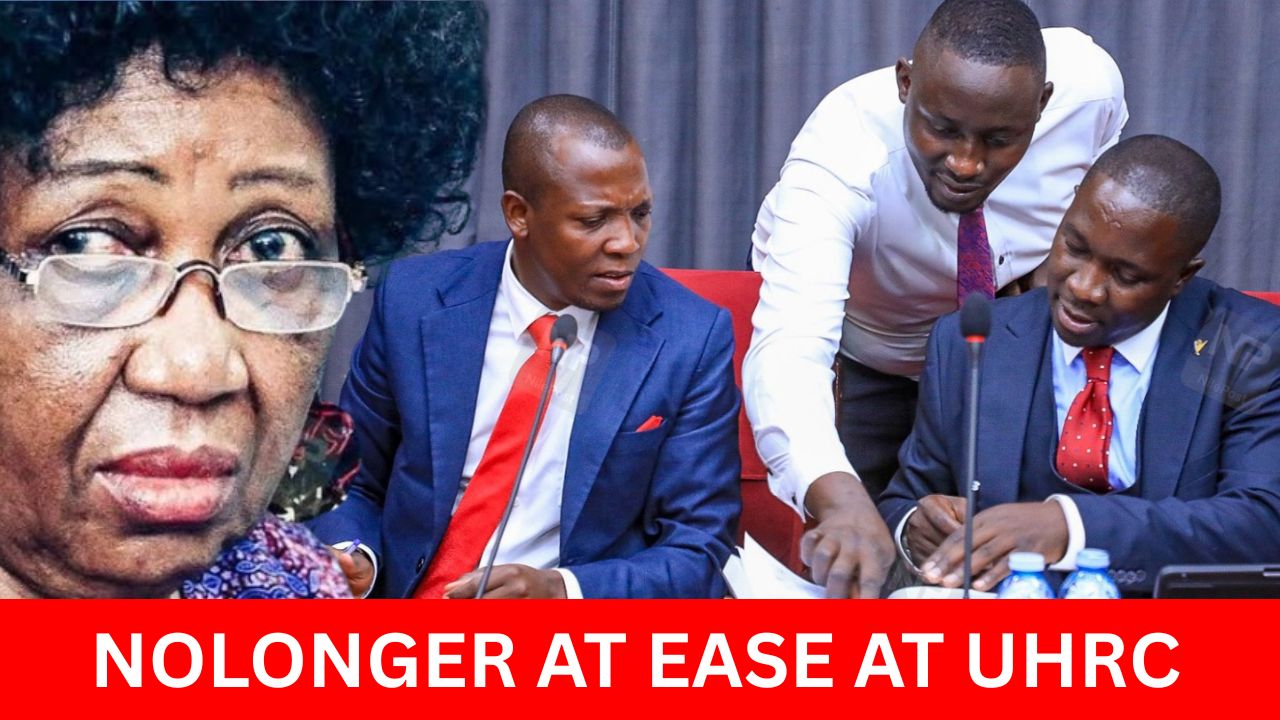
Uganda Human Rights Commission Chairperson Mariam Fauzat Wangadya has told Parliament that she remains in office after President Yoweri Kaguta Museveni rejected her resignation, putting to rest reports that she had stepped down from the leadership of the country’s human rights body.
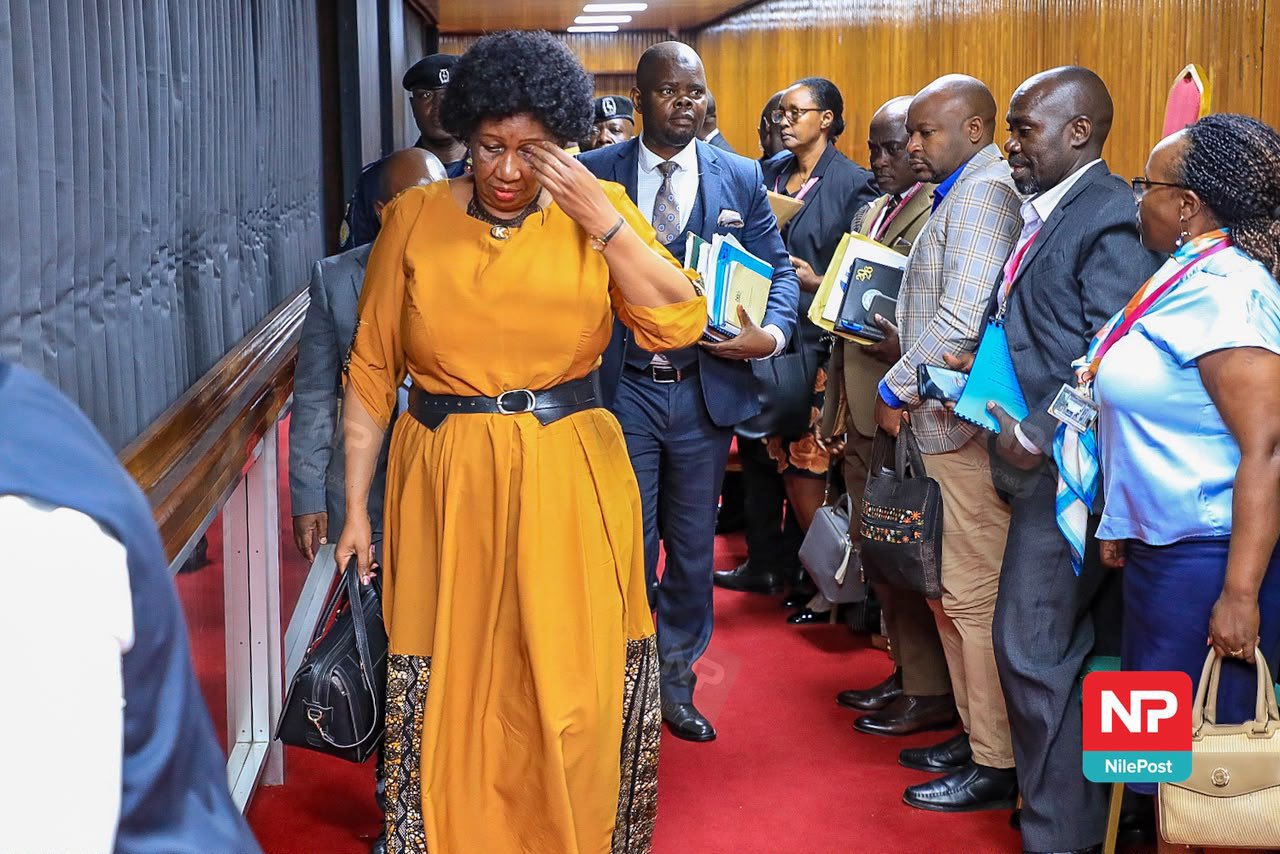
Wangadya made the revelation while appearing before the Committee on Commissions, Statutory Authorities and State Enterprises (COSASE), where she was summoned to account for the operations and performance of the Uganda Human Rights Commission.
The committee questioned Wangadya about her status following reports that she had resigned from the commission.
In response, Wangadya told the legislators that she had indeed written to President Museveni tendering her resignation but that the President did not accept it.
“My resignation was rejected,” Wangadya told the committee, making it clear that she remains the substantive Chairperson of the Uganda Human Rights Commission.
The revelation brought the question of Wangadya’s leadership to the centre of the parliamentary proceedings, with MPs also turning their attention to wider concerns about the performance of the commission and its handling of human rights complaints.
COSASE Questions Five-Year Delay in Human Rights Cases
Beyond the question of Wangadya’s resignation, COSASE raised serious concerns about delays in the determination of complaints filed before the Uganda Human Rights Commission.
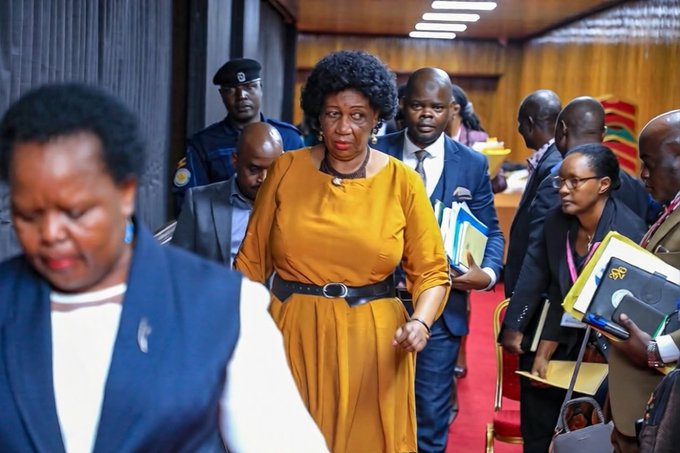
Members of the committee questioned why victims of alleged human rights violations can wait for years before their complaints are heard and determined.
The committee was particularly concerned about reports of cases taking as long as five years before reaching the hearing stage. For an institution established to protect and promote human rights, prolonged delays in handling complaints raise questions about access to justice and the effectiveness of mechanisms available to victims of violations.
The concerns come at a time when the commission is expected to provide an avenue through which individuals who believe their rights have been violated can seek redress.
The committee sought explanations for the delays and questioned whether inadequate funding could fully account for the commission’s challenges.
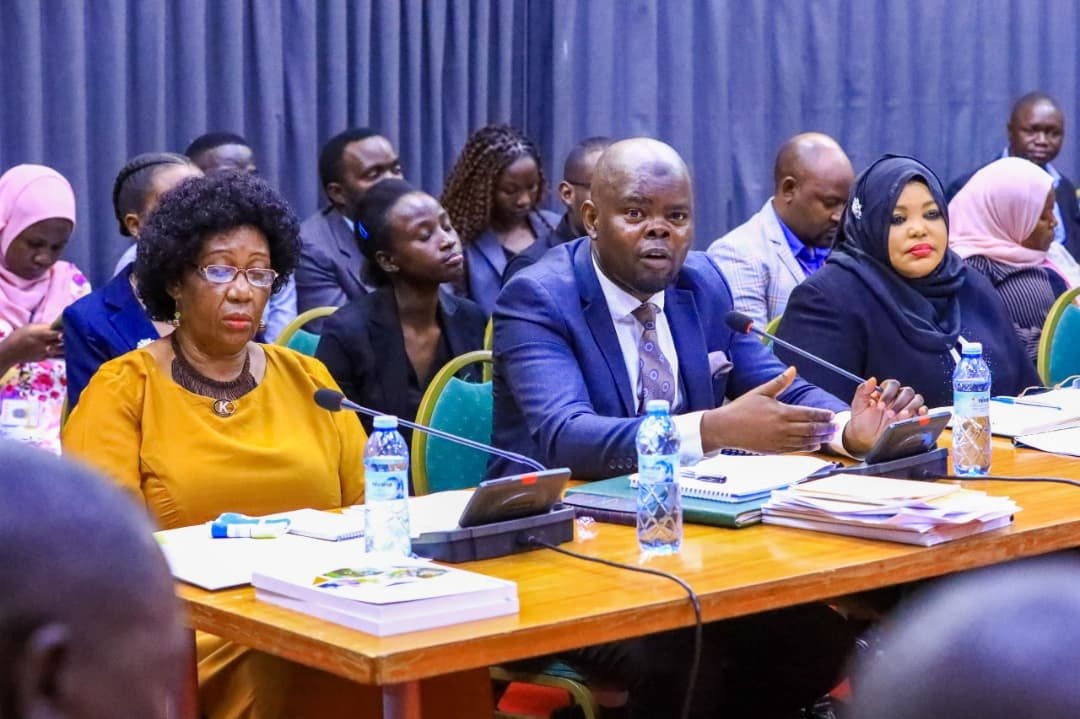
MPs Probe Five-Month Gap Without a Commission Meeting
COSASE also questioned reports that the Uganda Human Rights Commission had gone for approximately five months without holding a meeting.
The issue raised concerns about the commission’s ability to effectively discharge its constitutional mandate when its leadership and commissioners are unable to meet regularly.The committee sought to understand what had caused the apparent breakdown and whether disagreements among commissioners had contributed to the situation.
The questions also shifted towards responsibility, with MPs seeking to establish which officials should account for the institutional gaps being raised before the committee.
The inquiry put the internal functioning of the commission under intense scrutiny, with the committee examining not only financial and administrative issues but also the relationship among the commissioners.
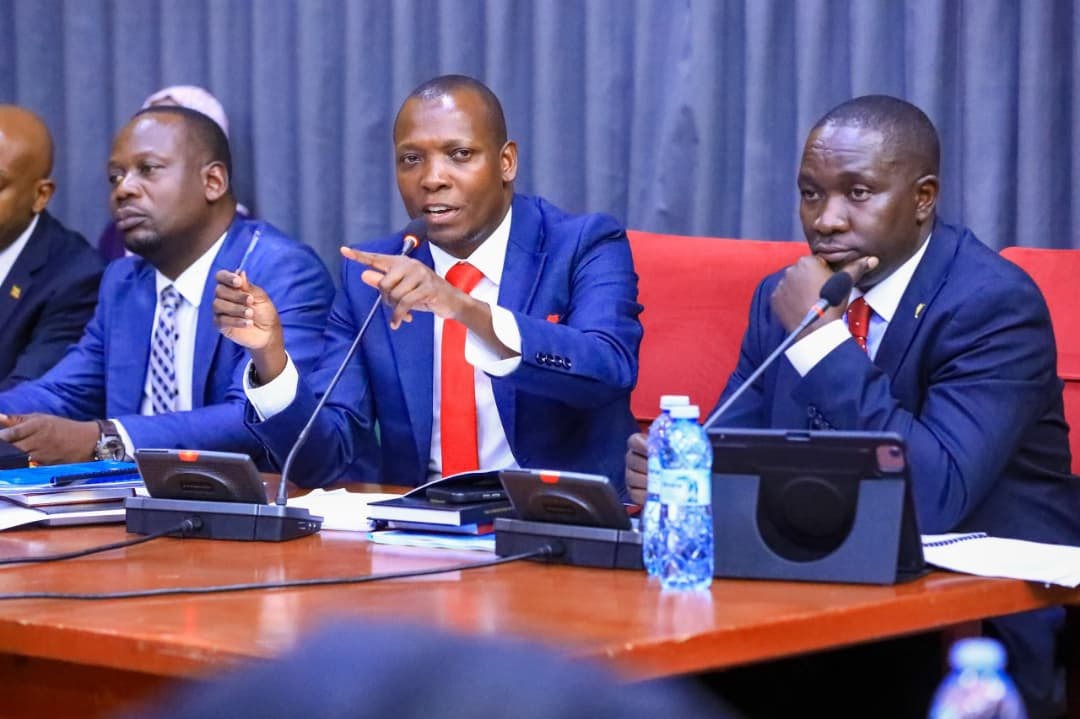
Rwabukurukuru Raises Questions Over Working Relationships
One of the most striking revelations before COSASE came from Jacklet Atuhaire Rwabukurukuru, one of the commissioners at the Uganda Human Rights Commission.
Rwabukurukuru told Parliament that Wangadya prefers working only with Commissioner Crispin Kaheru. Her account pointed to possible divisions within the commission’s leadership and raised questions about whether strained working relationships among commissioners could be affecting the institution’s ability to perform its functions.
The allegation introduces another layer to the committee’s inquiry because the effectiveness of a commission depends heavily on cooperation among its members.
If commissioners are unable to work collectively, decisions on complaints, institutional policy and other matters could potentially be affected.
Rwabukurukuru’s testimony therefore placed the internal relationships within the UHRC under the spotlight as COSASE sought to establish the reasons behind the reported operational difficulties.
Wangadya Remains at the Helm
Despite the controversy surrounding her reported resignation, Wangadya told the committee that she remains the substantive chairperson.
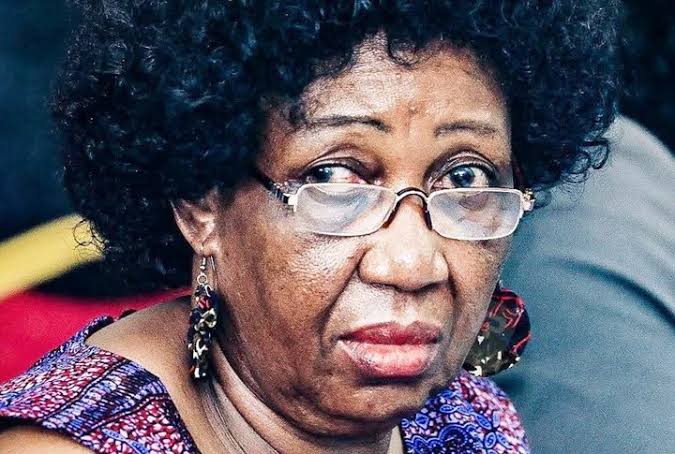
Her clarification means that, unless there is another formal development, she continues to head the commission and remains responsible for providing leadership at the institution.
The issue of her resignation had generated uncertainty over the commission’s leadership, particularly given the wider questions being raised about its operations.
By telling COSASE that the President rejected her resignation, Wangadya effectively clarified that she did not leave office despite having attempted to do so.
The disclosure also raises questions about what prompted her decision to resign in the first place, although the material presented before the committee did not provide a detailed explanation of the circumstances surrounding the resignation.
Funding Versus Leadership Challenges
COSASE’s interrogation also touched on the perennial question of funding and whether resource constraints are responsible for some of the commission’s difficulties.
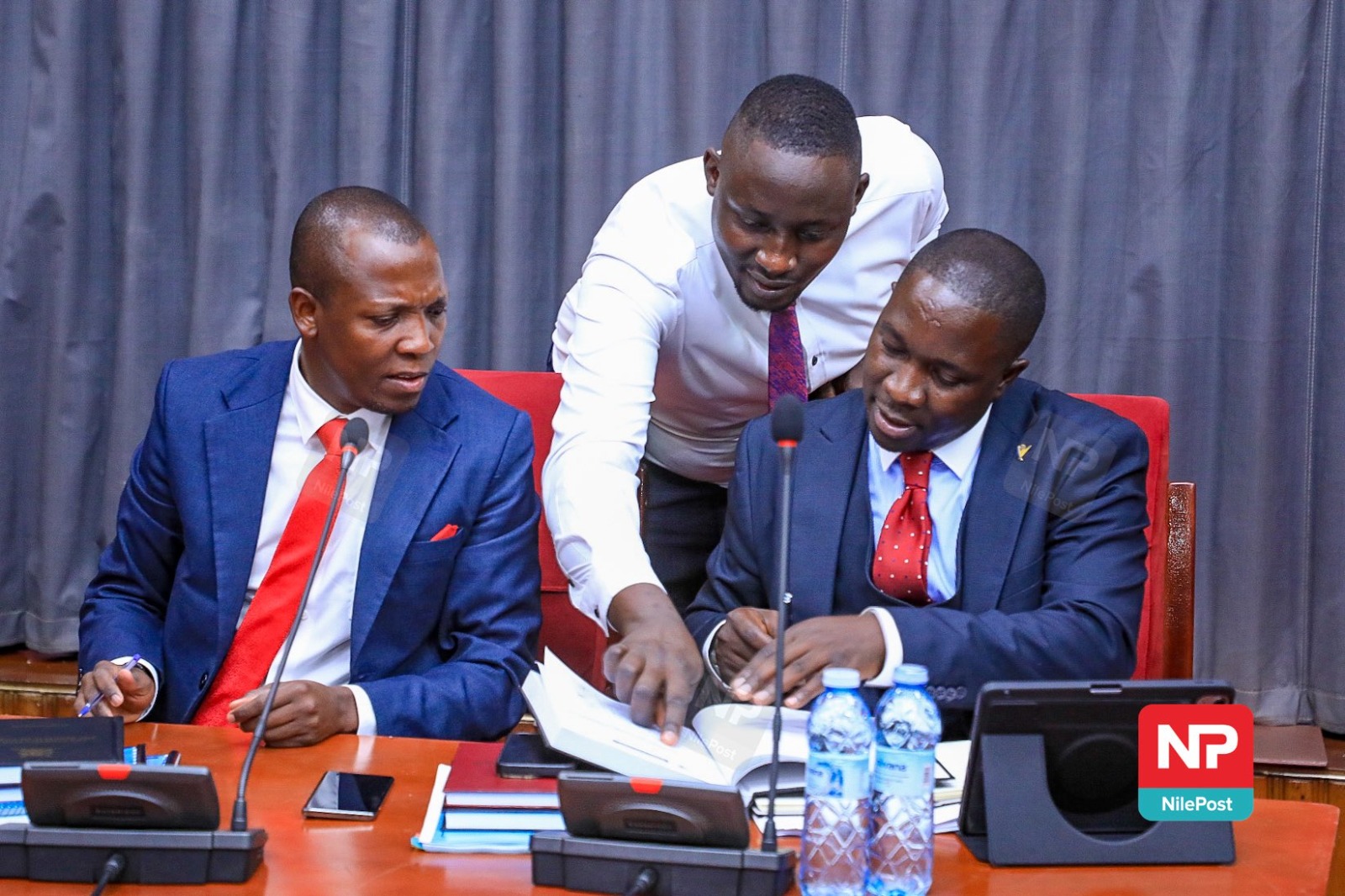
Human rights institutions require adequate resources to investigate complaints, visit places of detention, conduct hearings and provide remedies to victims.
However, MPs questioned whether funding alone could explain the delays and operational challenges being experienced at the commission. The committee also raised concerns over the frequency of visits to detention facilities.
Such visits are a key part of the human rights commission’s mandate because they allow officials to assess conditions in places where people are deprived of their liberty and investigate allegations of abuse.
The limited visits, including to military detention facilities, consequently became another area of concern before COSASE.
Detention Facilities Under Scrutiny
The committee’s questions on detention facilities are particularly significant because detainees are among the groups whose rights can be vulnerable to abuse.
Regular monitoring of detention centres allows human rights institutions to identify violations, assess conditions and make recommendations to authorities.
COSASE therefore sought explanations from the UHRC leadership over the extent of its visits to detention facilities and whether limitations had prevented the commission from fully executing this responsibility.
The questions extended beyond ordinary prisons and included military detention facilities, raising broader concerns about access to places where allegations of human rights violations may arise.
Who Should Take Responsibility?
As the hearing progressed, the question of accountability became increasingly central.
COSASE sought to establish who among the commissioners should take responsibility for the reported gaps, including delays in hearing complaints, limited institutional meetings and challenges in the commission’s operations.
The testimony from Rwabukurukuru also suggested that interpersonal and leadership tensions could be contributing to the problems.
For Parliament, the central issue is whether the commission is adequately performing its constitutional responsibility to protect and promote human rights.
The committee’s inquiry could therefore have implications for the future administration of the UHRC and the relationship among its commissioners.
A Commission Under Parliamentary Spotlight
Wangadya’s appearance before COSASE has exposed a combination of leadership, administrative and institutional concerns at the Uganda Human Rights Commission.
At the centre of the hearing was her revelation that she had resigned but that President Museveni rejected the resignation.
“My resignation was rejected,” Wangadya told the committee, confirming that she remains in office.
But the committee did not stop at the leadership question. MPs also examined the reported five-year delays in hearing human rights complaints, the five-month period without a commission meeting, limited detention-facility visits and disagreements among commissioners.
Rwabukurukuru’s claim that Wangadya prefers working with Crispin Kaheru further exposed the apparent tensions within the institution.
The testimony now leaves COSASE with the task of examining whether the problems facing the UHRC are primarily financial, administrative, leadership-related or a combination of several factors.
For victims waiting for their complaints to be heard, however, the most immediate concern remains access to timely justice.
A five-year wait for a human rights hearing can be an agonising period for a person seeking redress for an alleged violation.
The parliamentary scrutiny therefore places renewed pressure on the commission to demonstrate that it can effectively discharge its mandate, resolve internal differences and ensure that complaints are handled without unnecessary delays.
As COSASE continues its inquiry, Wangadya remains the substantive chairperson of the Uganda Human Rights Commission, having told Parliament that her attempt to resign was rejected.
The committee’s proceedings have nevertheless opened a much wider debate about the leadership and effectiveness of one of Uganda’s key institutions for the protection of human rights.
Author Profile
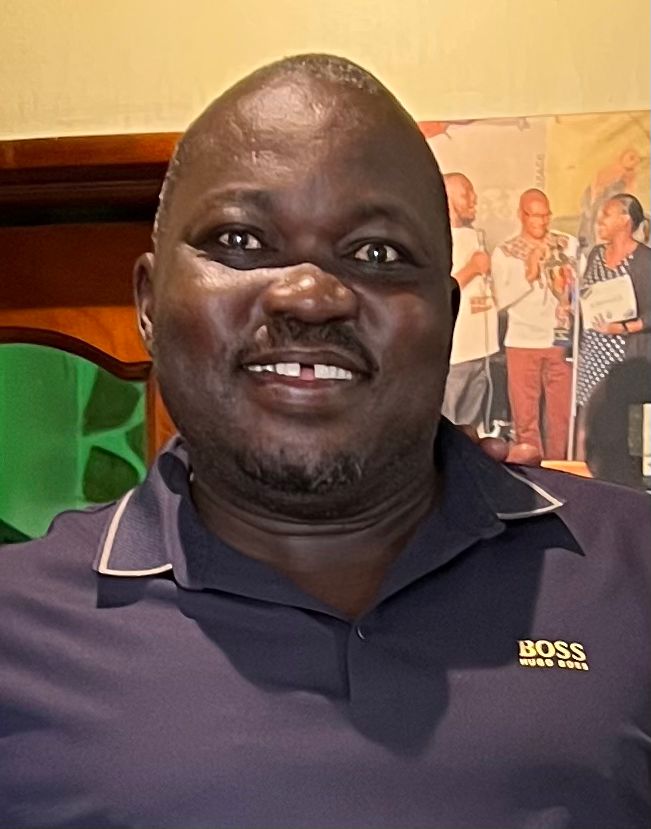
- Charles Gazza Kodili is a seasoned journalist with over 20 years of experience in the media industry. He holds a Bachelor of Arts degree in Mass Communication. He’s currently the Chief Editor at the Investigator.
Charles can also be reached via; Tel: +256 774 108978
Email: [email protected]
Latest entries
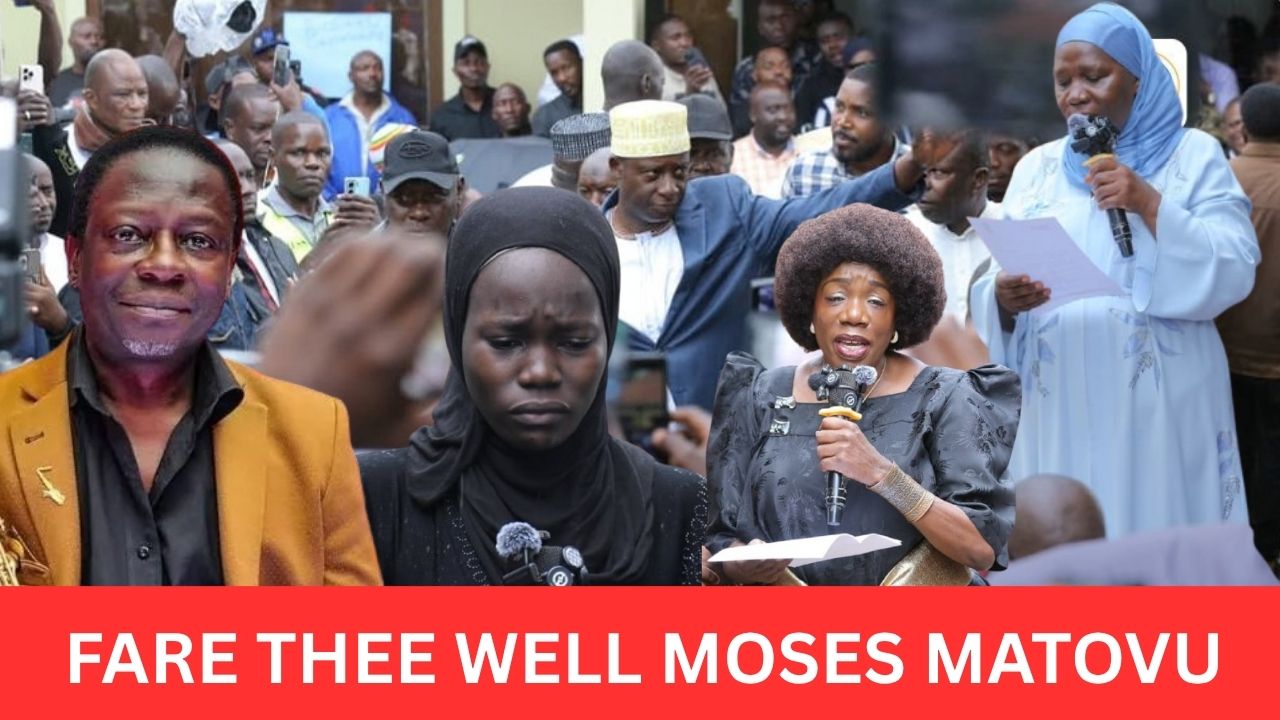 FeaturedSeptember 25, 2026SAIL WELL MOSES MATOVU: Thousands Of Mourners Gather In Kyanja to Honour Afrigo Band Surviving Founder, Prince Kassim Nakibinge Calls for Justice as Gen. Muhoozi Contributes UGX15m
 FeaturedSeptember 24, 2026NSSF SAVERS HIT JACKPOT: Government Declares Record 22.53% Interest As Fund Revenue Soars To Sh6.51 Trillion, Triggering Celebrations Among Millions Of Members
 FeaturedSeptember 24, 2026OYO’S TEXAS SON BLOCKED! MUSUUGA: WE WON’T ACCEPT HIM: Tooro Throne War Explodes Over Baby Oyo As Kamurasi Rejects Secret Return, Demands Royal Regalia Back
 crime NewSeptember 24, 2026MATOVU’S LOVE-NEST DEATH! Afrigo Boss Allegedly Killed by Rival at Girlfriend’s One-Room House, He Had Just Dropped Beauty Queen Rose Tumusiime Before the Deadly Encounter