










In Shakespeare’s Rome, Brutus helped bring down Julius Caesar in the name of saving the republic from dictatorship. In Uganda’s unfolding succession drama, Andrew Mwenda’s increasingly dramatic warnings about alleged plots against Gen Muhoozi Kainerugaba raise a provocative question: Is the CDF being protected from his enemies, or is someone helping to manufacture them?
“Et tu, Brute?” — “You too, Brutus?” Those immortal words, attributed to Julius Caesar in William Shakespeare’s tragedy, capture the agony of betrayal by a trusted friend. Caesar could understand the hostility of his political enemies. What he could not easily comprehend was that one of the men participating in his downfall was Brutus, someone he considered a friend and ally.
In politics, however, friendship is not always a guarantee of loyalty, and loyalty is not always what it appears to be. Sometimes, the most effective weapon against a powerful man is not an enemy standing outside his palace but a trusted associate whispering into his ear.
That is the question now hanging over the increasingly combustible political atmosphere surrounding Chief of Defence Forces (CDF) Gen Muhoozi Kainerugaba, the man widely perceived as President Museveni’s potential successor, and Andrew Mwenda, the outspoken veteran journalist and political commentator who has cultivated a close relationship with him.
Is Mwenda merely warning Muhoozi about genuine security threats, or could his interventions, however well-intentioned, be reinforcing the very suspicions that isolate the CDF from other members of the ruling establishment? And, in a more uncomfortable interpretation, could the people who fear Muhoozi’s eventual dominance be benefiting from the counsel of a man he trusts?
These are questions, not established facts. There is no verified evidence that Mwenda is deliberately working to undermine Muhoozi or that members of the ruling establishment have recruited him for such a purpose. But the political theatre unfolding around the CDF invites an examination of how power, fear, friendship and succession struggles can become dangerously intertwined.
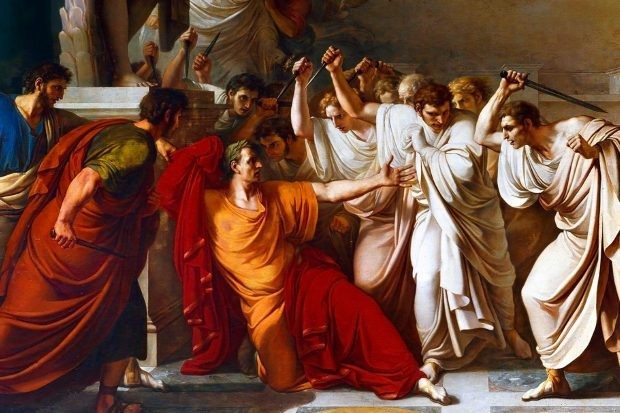
The Brutus analogy
Julius Caesar did not fall because he lacked military victories, political influence or loyal followers. He fell because his extraordinary concentration of power frightened sections of Rome’s political elite.
Some senators feared that Caesar’s elevation to perpetual dictatorship would extinguish the republican institutions through which they exercised influence. Others had personal grievances, political ambitions and reasons to resent his supremacy.
Brutus became the moral centre of the conspiracy because his participation gave the assassins a veneer of republican virtue. If even Brutus believed Caesar had become too powerful, the conspirators could portray their actions as a defence of Rome rather than a struggle for power.
Yet the assassination did not restore the republic to stability. It unleashed further civil wars and ultimately helped pave the way for imperial rule under Augustus. That is the great irony of political conspiracies: those who claim to be saving a system can end up destroying it.
Uganda’s circumstances are different, and there is no basis for equating the current confrontation with Caesar’s assassination. Nevertheless, the analogy offers a useful lens through which to examine the politics of succession.
Muhoozi occupies an unusually sensitive position. He is the serving military chief, the son of the President and a political figure whose supporters openly discuss his future presidential ambitions. His position gives him influence, but it also places him at the centre of competing interests within the establishment.
Those who support his rise may want to accelerate it. Those who fear his dominance may prefer to contain it. Others may simply wish to preserve their own influence regardless of who eventually occupies State House. In such an environment, a trusted adviser can become more consequential than an open opponent. The danger is that an adviser who constantly warns a powerful man about betrayal may eventually convince him that betrayal is everywhere.
Mwenda and the Elwelu affair
The latest episode began with the public confrontation between Muhoozi and retired Lt Gen Peter Elwelu, a former Deputy Chief of Defence Forces whose military career was closely associated with some of Uganda’s most controversial security operations.
In a post attributed to Mwenda on X, he has alleged that Elwelu had been planning to kill Muhoozi and had recruited a militia whose members were briefed that eliminating the CDF would enable Elwelu to take over Uganda. Mwenda further claimed that the retired general was hiding in the swamps of Teso. These are grave allegations. They should be treated as allegations until independently established by credible evidence and tested through lawful proceedings.
Muhoozi, meanwhile, announced that security forces had seized additional guns and ammunition allegedly hidden at different locations, arrested Elwelu’s driver and impounded a vehicle he said the fugitive had been using. He also warned that anyone assisting Elwelu would face serious consequences.
In another message, Muhoozi said he has instructed soldiers not to kill Elwelu but to bring him to him alive because he wanted to talk to him. That declaration presents two competing images of the CDF. One is of a commander determined to dismantle what he describes as treachery. The other is of a powerful military chief personally intervening in a matter involving a retired senior officer, raising questions about due process, institutional discipline and the appropriate handling of criminal allegations.
The public has yet to see sufficient independently verified evidence to settle every claim circulating around the dispute. The distinction between an intelligence allegation, a military assertion and a fact established in court is therefore essential. But the political implications extend beyond the fate of one retired general.
Elwelu is not an ordinary figure in Uganda’s military history. He rose through the ranks, commanded Ugandan troops deployed to Somalia and later became associated with the November 2016 raid on the Rwenzururu royal palace in Kasese, in which more than 150 people were reported killed.
His defenders may emphasise his military service, while critics point to the deaths in Kasese and his human rights record. In May 2024, the United States imposed sanctions on him over alleged human rights abuses. His retirement did not erase that history, nor did it eliminate his right to due process.
The present confrontation therefore combines a serious security allegation, a controversial military legacy and a succession environment in which almost every dramatic development can acquire a political meaning. That is precisely why caution is necessary.

The danger of becoming Caesar’s Brutus
The provocative question is not whether Mwenda is literally Brutus. It is whether the role he is playing in this unfolding drama could produce consequences contrary to Muhoozi’s interests. A trusted friend who repeatedly supplies alarming intelligence, interprets disagreements as conspiracies and identifies supposed enemies may believe he is protecting the person he advises.
But if the advice encourages that person to distrust family members, alienate senior colleagues and treat political disagreement as evidence of treason, the adviser may inadvertently help create the isolation that makes the leader vulnerable. This is the Brutus paradox. Brutus believed Caesar’s power posed a danger to Rome. His intervention, however, did not save the republic from the consequences of concentrated power. It plunged Rome into a more destructive struggle.
In Uganda’s case, one cannot responsibly conclude that Mwenda has a hidden assignment to destroy Muhoozi. Nor is there evidence establishing that the CDF is deliberately being manipulated by an organised inner-circle conspiracy. But it is reasonable to ask whether the language of betrayal is becoming too dominant in the political conversation surrounding the military chief.
When every former colleague is potentially a traitor, every disagreement becomes a security threat and every independent voice is treated as an enemy, the leader risks losing the very relationships that could protect him from poor decisions. The most dangerous adviser is not necessarily the one who openly opposes a leader. It may be the one whose loyalty is so unquestioned that the leader stops questioning the advice.
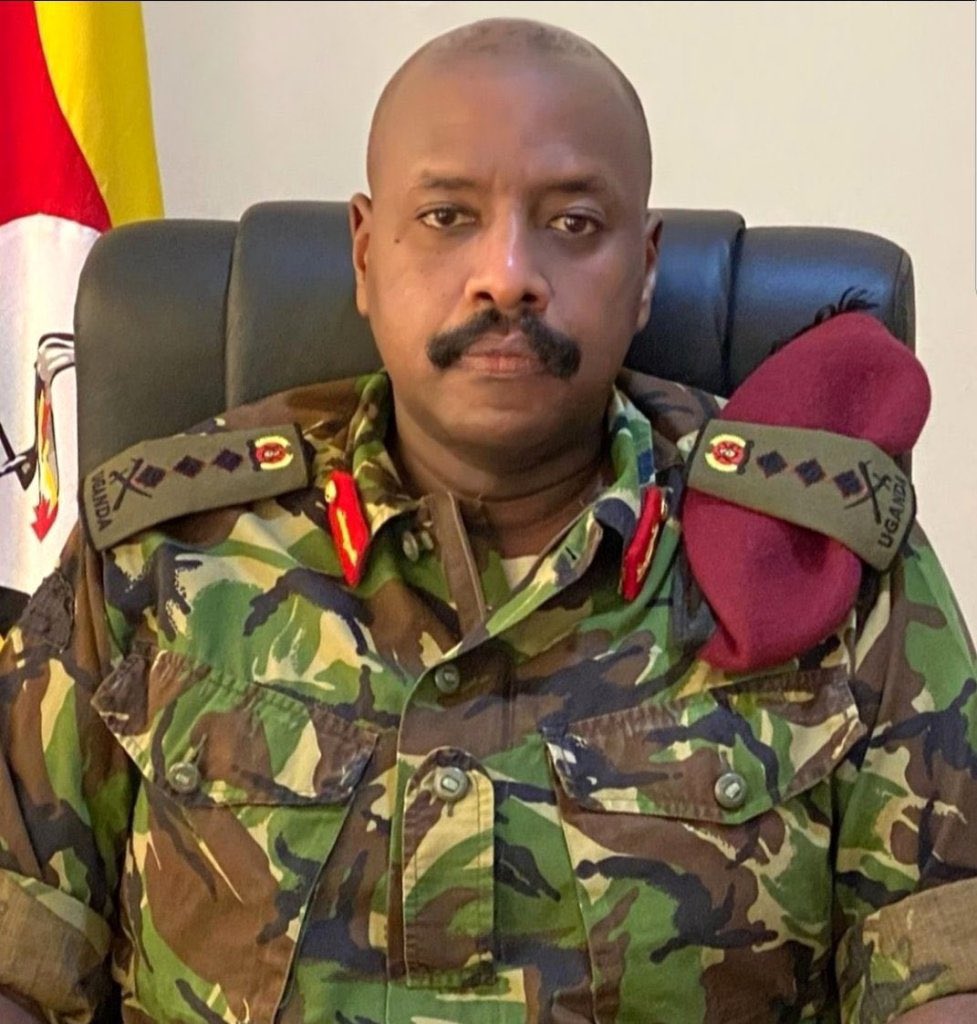
Besiita politics and the fear of a powerful heir
Every succession project creates its own anxieties. The closer a potential heir comes to power, the more nervous the people around him can become.
The people who helped build the incumbent’s political system may welcome the prospect of continuity while fearing that the successor will eventually dismantle the networks that made his rise possible. This is where the metaphor of the Basiita — members of the inner circle of President Museveni who operate close to the centre of power — becomes politically useful.
Imagine a group of influential insiders who believe Muhoozi, if allowed to accumulate too much power, could become an Ugandan Caesar: a ruler whose authority eventually overwhelms the interests of those who helped elevate him. Their dilemma would be straightforward. They may want Muhoozi to succeed Museveni, but not necessarily to become powerful enough to govern without their consent.
They might support his succession in principle while quietly worrying about what his presidency would mean for their positions, businesses, political influence and access to State House. Such fears are not unique to Uganda. Political heirs frequently discover that the people who celebrate their rise are not always comfortable with their independence.
The temptation, therefore, would be to manage the heir: influence his perceptions, control the information reaching him and encourage decisions that make him dependent on a small circle of trusted advisers. But this remains a political hypothesis, not a proven account of what is happening around Muhoozi. There is no independently established evidence that a group of insiders is orchestrating the Elwelu confrontation to undermine the CDF.
The point is that succession politics rewards suspicion, and suspicion can be cultivated without a grand conspiracy. A leader can be weakened simply by being encouraged to fight too many battles simultaneously.
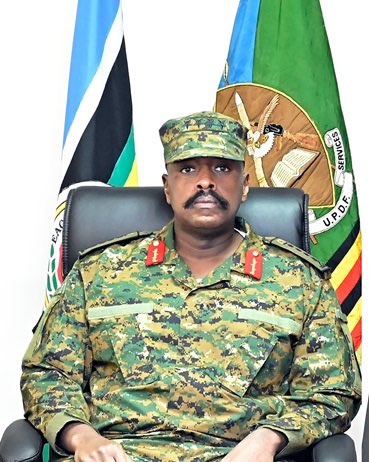
The Besigye militia narrative: intelligence or political ammunition?
Mwenda’s reported references to Dr Kizza Besigye provide another illustration of the power of security narratives in Uganda’s political history. In the account supplied in the current controversy, Besigye allegedly wanted to overthrow President Museveni, recruited a militia and arranged training in the Mombasa area.
The account further alleges that Besigye travelled to Switzerland with his close political allies Salaamu Musumba, Obedi Lutale and others to purchase arms from a dealer identified as Orlando.
These claims require documentary corroboration and independent verification before they can be presented as established facts. Their significance here is the political function such allegations can perform when introduced into a succession debate.
The allegation of a militia is not merely an accusation against an individual. It can transform political opposition into a question of national security. Once a political opponent is portrayed as someone preparing armed violence, ordinary questions about democratic competition, accountability and political legitimacy can be pushed aside. That is why the provenance of intelligence matters. Who supplied the information? What documents, witnesses or physical evidence support it? Was it independently investigated? Were the allegations tested in court? What did the accused say in response?
These questions are not signs of sympathy for political violence. They are the minimum requirements of responsible public discourse. In the current confrontation, the same discipline should apply to claims that Elwelu recruited a militia to kill Muhoozi. If the allegations are true, the public deserves credible evidence and a lawful investigation. If they are exaggerated, misunderstood or false, the consequences of acting on them could be equally serious. The danger arises when allegations become political weapons before they become established facts.

Political intelligence
The irony is that political intelligence does not always mean understanding the game being played. Sometimes it means recognising when one is being drawn into a game whose rules and objectives have been set by someone else.
If Muhoozi believes that every threat reported to him requires an immediate confrontation, he risks allowing other people’s allegations to dictate his priorities. If he treats every former military colleague as a potential enemy, he may gradually lose the institutional relationships needed to manage a complicated security environment.
If he interprets political distance as proof of conspiracy, he could find himself increasingly dependent on the very few people who assure him that they alone understand the danger. And if those advisers are wrong, the consequences will not be borne by them alone. They will be borne by the institution he commands, the political movement associated with his name and, ultimately, the country.
That is why the declaration that Elwelu must be brought alive deserves more than a dramatic reading. It should be accompanied by a clear commitment to lawful custody, independent investigation and transparent proceedings. A commander who wants to establish his authority does not need to demonstrate that he can personally settle every dispute. Sometimes, the strongest demonstration of authority is allowing institutions to do their work without fear or favour.
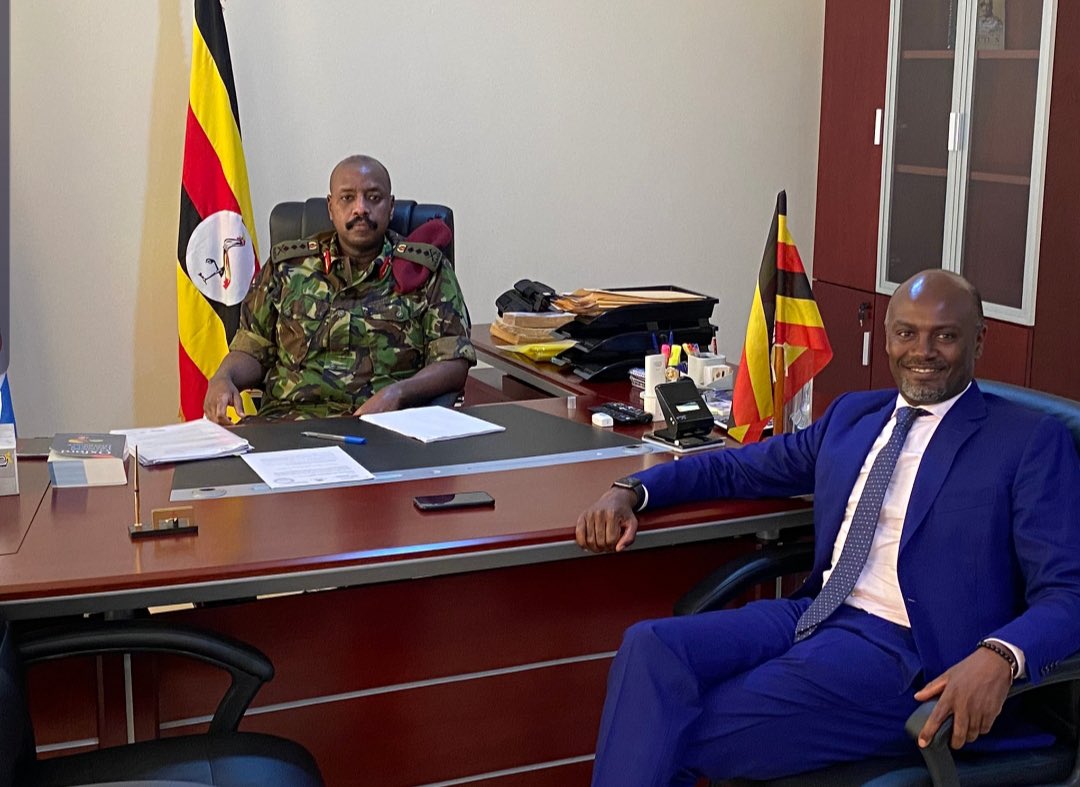
Has Muhoozi been separated from his own family?
Another concern raised in the political speculation is the possibility that Muhoozi could become increasingly isolated from people within the first family, including Odrek Rwabwogo, who is married to his sister Patience Museveni.
There is, however, no verified evidence presented here establishing that Mwenda or any other individual has deliberately engineered a rupture between them. Political differences, family disagreements and competing interests should not automatically be interpreted as evidence of a coordinated plot. Nevertheless, the broader principle is worth considering.
In politics, isolation is rarely achieved in a single dramatic act. It can happen incrementally, as a leader becomes suspicious of one associate, quarrels with another and eventually concludes that only a narrow circle can be trusted. The process can be self-reinforcing. The more isolated the leader becomes, the more dependent he is on the people who remain close to him. The more dependent he becomes, the harder it is to challenge their advice.
That is how a relationship built on friendship can evolve into a system of informational dependence. The friend becomes the interpreter of events. The interpreter becomes the gatekeeper of information. The gatekeeper gradually shapes the leader’s understanding of who is loyal and who is dangerous. There is no need to imagine a secret meeting in a dark room for this process to occur. It can emerge from personal loyalties, shared anxieties and the ordinary incentives of life around power.

The real lesson of Caesar’s death
Caesar’s assassination is often remembered as a story of betrayal. But it is also a story of political miscalculation. The conspirators believed that removing one man would resolve their fears about the future of Rome. Instead, they triggered a struggle that devastated the republic they claimed to defend.
Brutus discovered that noble intentions, even when sincerely held, do not guarantee wise political outcomes. The lesson for Muhoozi is not that Mwenda is a traitor, that Elwelu is innocent or that an inner-circle conspiracy has been established. None of those conclusions follows from the information available.
It is that power attracts competing interests, and those interests do not always announce themselves honestly. The CDF must therefore distinguish between evidence and interpretation, between a credible security threat and a politically convenient accusation, and between a friend who offers sound advice and one whose certainty may exceed the available facts. He must also recognise that the military institution he commands cannot become an instrument for resolving personal suspicions or succession rivalries.
Elwelu, for his part, must answer any credible criminal allegations through lawful processes. His controversial history does not make him guilty of every new accusation, just as his retirement does not place him beyond investigation. Mwenda, meanwhile, has the freedom to scrutinise security threats and offer political analysis. But with that freedom comes a responsibility to distinguish what he can substantiate from what he merely suspects. The stakes are too high for social media declarations to substitute for evidence.

Who benefits if Muhoozi loses trust in everyone?
This is the question at the heart of the Brutus metaphor. If Muhoozi becomes embroiled in confrontations with former commanders, estranged from influential relatives and increasingly suspicious of political colleagues, who benefits from that environment?
The answer cannot responsibly be supplied without evidence. Different actors may benefit from different developments, and some may simply be responding to events rather than orchestrating them. But the question deserves attention because political power is rarely exercised in a vacuum. Every conflict changes the balance of influence, sometimes in ways that favour people who did not initiate it.
A leader consumed by internal battles has less time to build alliances, articulate a national programme or establish the institutional credibility required for higher office. A leader who appears unpredictable can frighten potential allies.
And a leader who allows personal loyalty to replace verifiable evidence may eventually discover that the people closest to him have become indispensable precisely because he has alienated everyone else. That is the ultimate danger of the Brutus script: the possibility that a man who believes he is defending himself against betrayal is being encouraged, deliberately or otherwise, to make decisions that deepen his vulnerability.
Whether Mwenda’s interventions are helping or hurting Muhoozi can only be judged by examining their substance, accuracy and consequences. Friendship alone cannot settle the question. Nor should every inconvenient adviser be suspected of conspiracy. Sometimes a friend is simply wrong. Sometimes a warning is justified. And sometimes political actors interpret the same events differently because they have different interests. The responsibility of leadership is to test those interpretations rather than surrender to the most dramatic one.
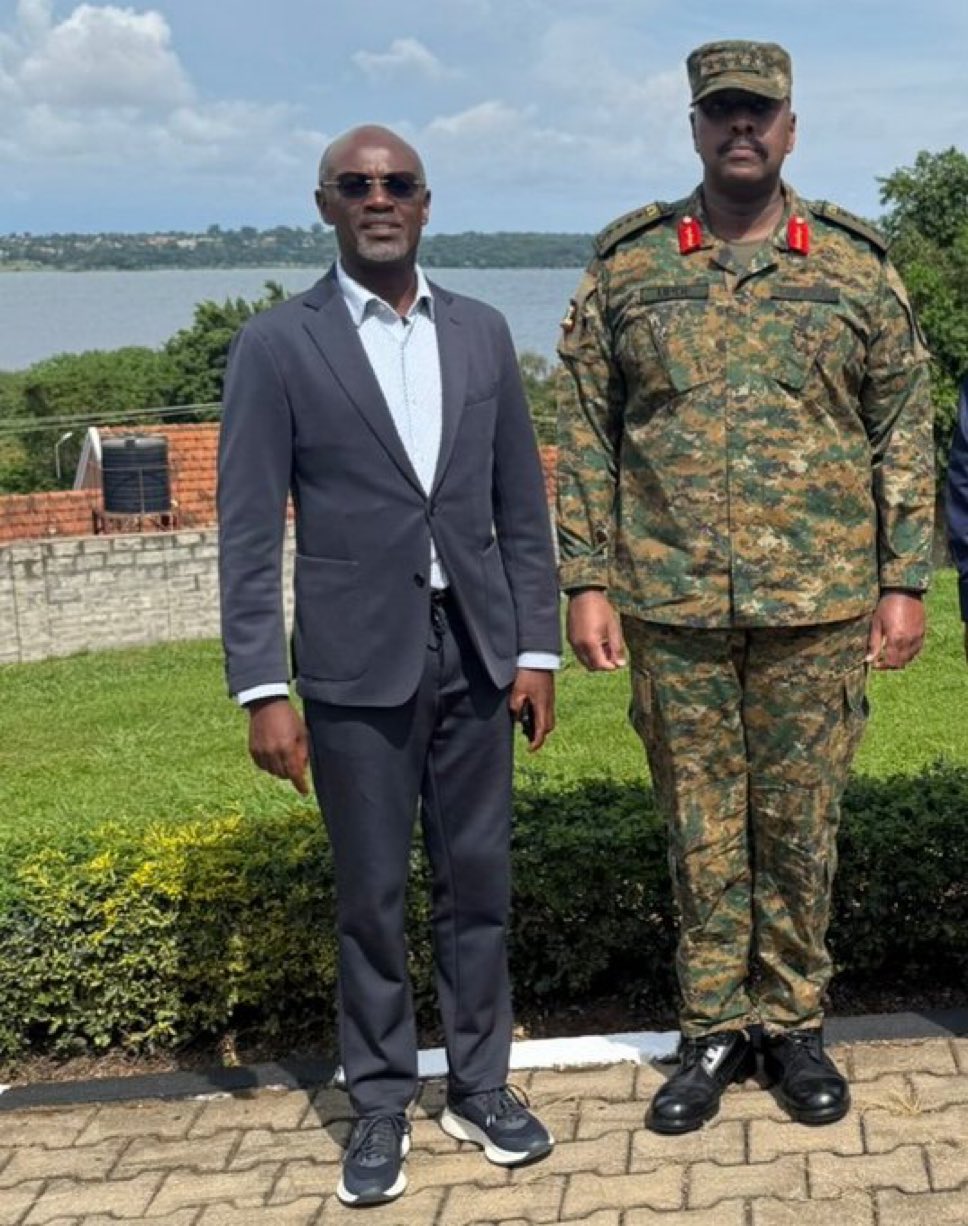
Enter Iago: The trusted friend who poisons the mind
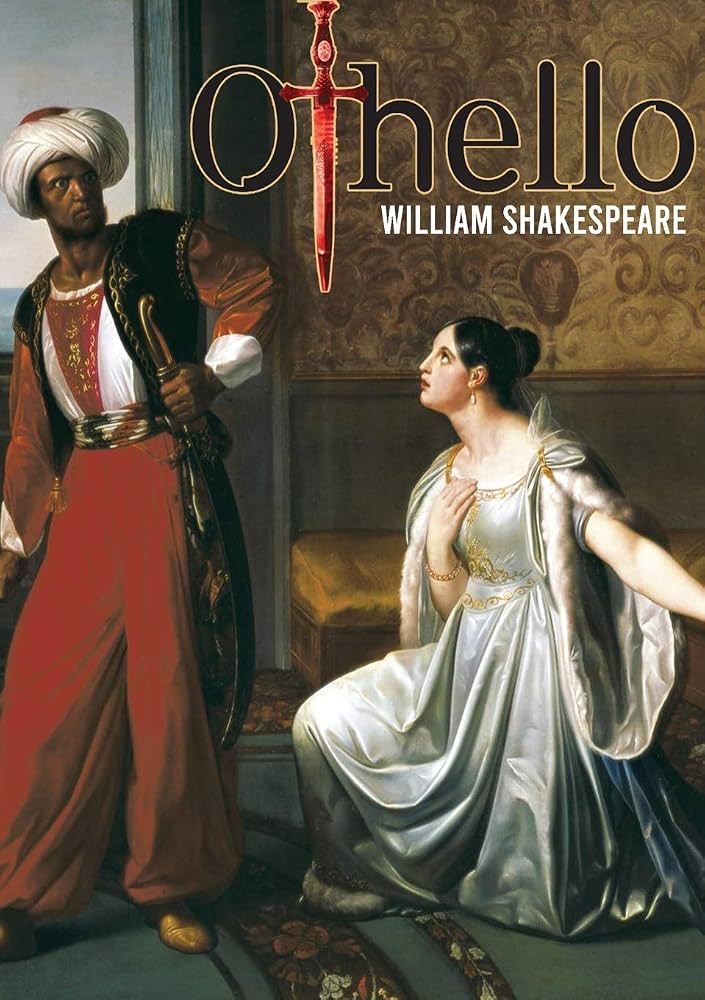
If Brutus provides the analogy of a friend who betrays a powerful leader in the name of saving the republic, William Shakespeare’s Othello offers an even more sinister character for Uganda’s unfolding political theatre: Iago.
Iago does not confront Othello, the Moor of Venice, through open warfare. He does something more calculated. He exploits Othello’s trust, feeds him carefully constructed suspicions and manipulates his interpretation of events until the general becomes convinced that his beloved wife, Desdemona, has betrayed him.
Othello possesses military authority, enjoys social standing and trusts Iago as an experienced subordinate and confidant. Yet that trust becomes the instrument of his destruction. Iago does not need to defeat Othello on the battlefield. He merely needs to control the story Othello believes about the people closest to him. By planting doubts about Desdemona’s fidelity and presenting insinuations as evidence, Iago turns Othello against his innocent wife. Tragically, Othello kills Desdemona, only to discover the deception after the damage has been done.
The tragedy is not simply that Iago lies. It is that Othello comes to treat the lies as truth because they are delivered by someone he trusts. This is where the Iago analogy becomes particularly relevant to the political speculation surrounding Gen Muhoozi Kainerugaba and Andrew Mwenda.
The question is not whether Mwenda is Iago; there is no established evidence that he is deliberately manipulating Muhoozi. Rather, the literary parallel invites us to consider what happens when a powerful man increasingly depends on a trusted associate to interpret the intentions of everyone around him.
What if the warnings intended to protect a leader instead deepen his suspicions? What if allegations about colleagues, former commanders or relatives begin to shape his relationships before the evidence has been independently tested? What if the trusted adviser becomes the principal narrator of who is loyal, who is dangerous and who must be confronted? These are the ingredients of an Iago-like political tragedy, whether the process results from deliberate manipulation, genuine but mistaken suspicions or the ordinary distortions of life around power.
In Shakespeare’s play, Iago understands that Othello’s trust is the gateway through which suspicion can enter. In politics, the equivalent danger arises when a leader allows one person’s interpretation of events to become the unquestioned account of reality. The adviser need not invent every allegation. Sometimes, selecting which facts to emphasise, which rumours to repeat and which relationships to portray as threatening can be enough to influence a leader’s decisions. And once suspicion takes hold, the leader may begin to supply the rest of the plot himself.
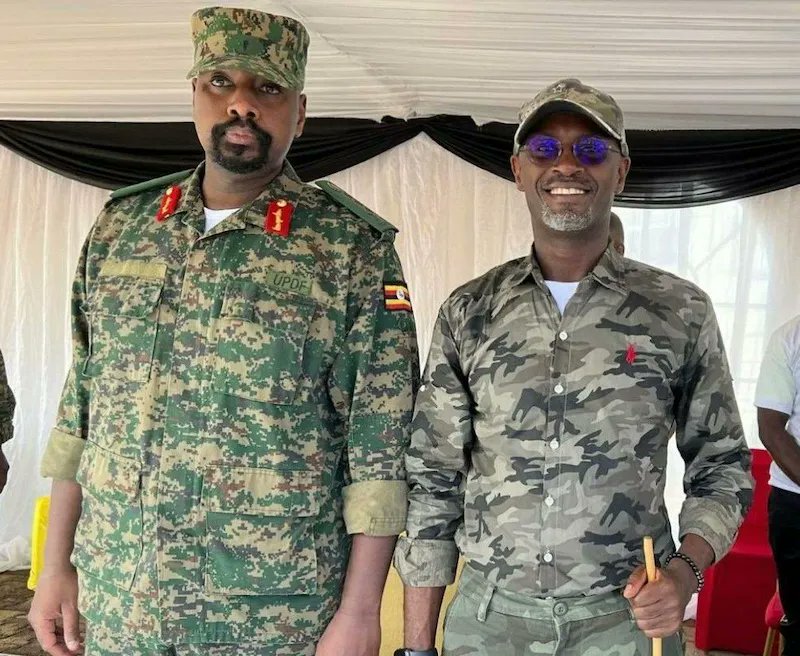
From Desdemona to the inner circle
Othello’s tragedy also demonstrates the collateral damage that follows when a leader acts on untested suspicions. Desdemona becomes the victim of a deception she did not create and could not successfully overcome. In political life, the equivalent casualties may be family relationships, professional alliances, institutional credibility and the confidence of people who might otherwise have remained loyal.
That is why the reported possibility of Muhoozi becoming estranged from influential members of the first family, including his brother-in-law Odrek Rwabwogo, must be approached carefully. There is no verified evidence here establishing that Mwenda engineered such a separation. But the wider question of how suspicion can erode relationships remains pertinent.
A leader surrounded by competing interests needs advisers who challenge his assumptions, test allegations and distinguish between genuine threats and ordinary disagreements. He does not benefit from an atmosphere in which every disagreement is interpreted as evidence of betrayal. The difference between a responsible adviser and a Shakespearean Iago is not simply the language each uses. It is the relationship each has with evidence, uncertainty and the leader’s independence of judgement.
Brutus and Iago: Two routes to a leader’s downfall
Brutus and Iago represent different forms of betrayal. Brutus participates in Caesar’s assassination because he believes Caesar’s concentration of power threatens Rome, although personal and political considerations also complicate his motives. Iago, meanwhile, manipulates Othello through calculated deception and jealousy.
One presents betrayal as a sacrifice for the public good. The other disguises malice behind the appearance of loyal service. Applied to the Muhoozi controversy, these are literary warnings, not findings about Mwenda’s intentions or the existence of an organised conspiracy.
The Brutus question is whether people around a potential successor might fear his eventual power and seek to constrain him. The Iago question is whether a trusted adviser’s warnings, if inaccurate or selectively presented, could cause the successor to damage his own relationships and judgement. Both analogies lead to the same institutional lesson: a powerful leader should never confuse personal trust with proof, or the confidence of an adviser with the reliability of the information being supplied.
Beware the friend who knows every enemy
In Shakespeare’s tragedy, Caesar’s trust in Brutus becomes part of the tragedy of his final moments. In Uganda’s succession drama, the comparison serves as a warning rather than a verdict. Muhoozi may face genuine security threats. Elwelu may have questions to answer. Mwenda may sincerely believe that his warnings are necessary. The ruling establishment may contain competing interests. None of these possibilities, standing alone, proves that a coordinated plot exists.
But one principle remains: a leader can survive criticism from his enemies more easily than he can survive a distorted understanding of reality supplied by his trusted friends. If Muhoozi is to secure his political future, he must avoid becoming a prisoner of suspicion. He needs evidence, independent institutional advice, reliable relationships and the confidence to distinguish disagreement from treachery.
If Mwenda is genuinely acting in Muhoozi’s interests, his greatest service would be to insist on facts, due process and measured judgement rather than allow every allegation to become another chapter in a drama of betrayal. And if members of the inner circle fear that Muhoozi could become a Caesar, the answer is not to manufacture enemies or manipulate the heir. It is to build institutions strong enough to constrain power whoever eventually occupies State House.
For, as Rome learned too late, removing or weakening a powerful man does not automatically save a republic. Sometimes, the people who claim to be protecting the system merely prepare the ground for a greater crisis. And sometimes, the most consequential question is not whether Brutus is holding a dagger. It is whether Caesar has begun to believe that everyone around him is.
Author Profile

- Charles Gazza Kodili is a seasoned journalist with over 20 years of experience in the media industry. He holds a Bachelor of Arts degree in Mass Communication. He’s currently the Chief Editor at the Investigator.
Charles can also be reached via; Tel: +256 774 108978
Email: [email protected]
Latest entries
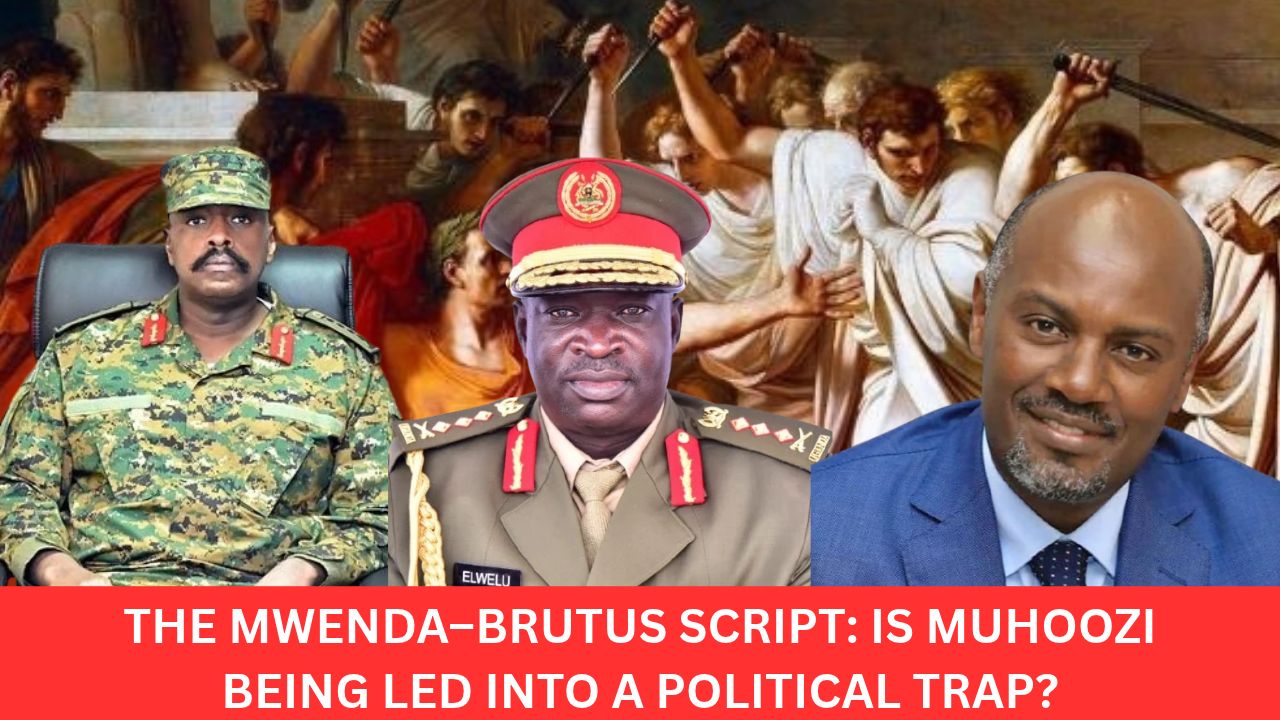 FeaturedOctober 29, 2026IS M9 PLAYING BRUTUS TO MK’S CAESAR? As The CDF Battles Explosive Allegations about Retired Lt Gen Peter Elwelu, Shakespeare’s Tales of Betrayal, Trust, Succession, Arise! The Dangers of Advisers Who Shape a Leader’s Perception of His Enemies
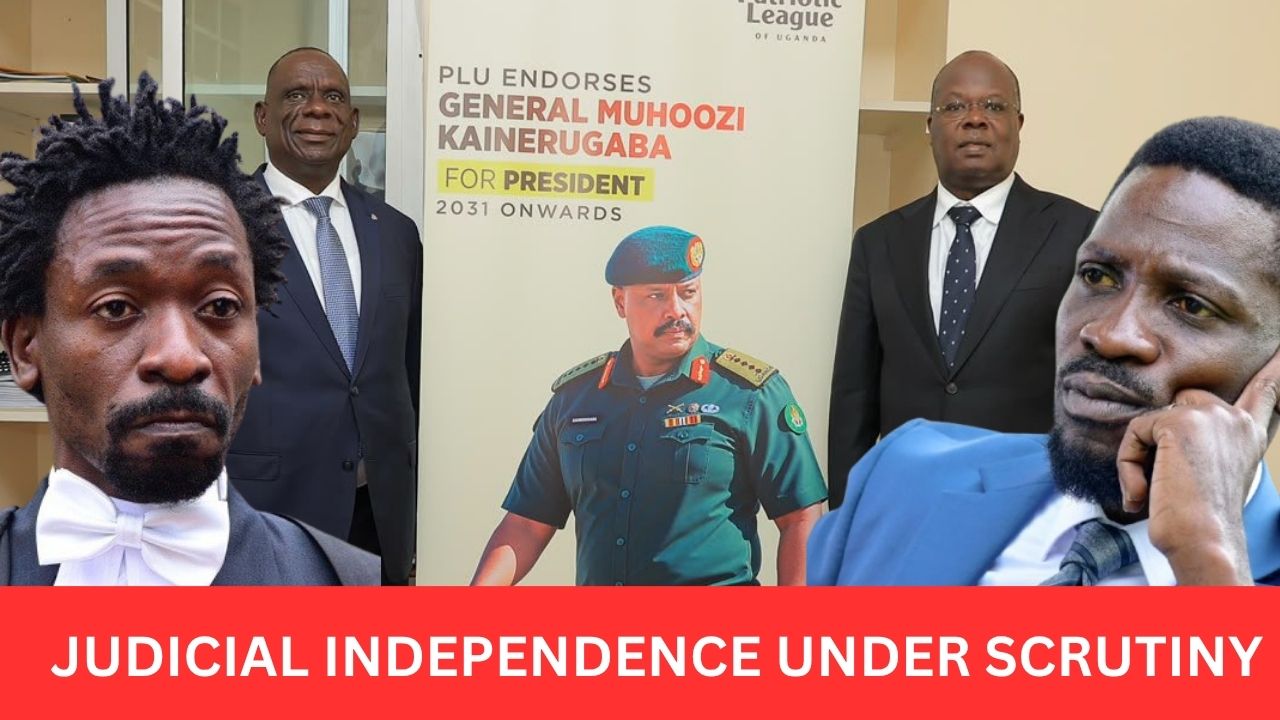 FeaturedOctober 28, 2026WHY JUSTICE SINGIZA IS UNDER FIRE FOR ENDORSING MUHOOZI: From The Kakwenza And Besigye Cases To The Rules Governing Judicial Conduct, We Examine Singiza’s Controversial Career, The Law On Political Activity And The Implications For Public Confidence In Uganda’s Judiciary
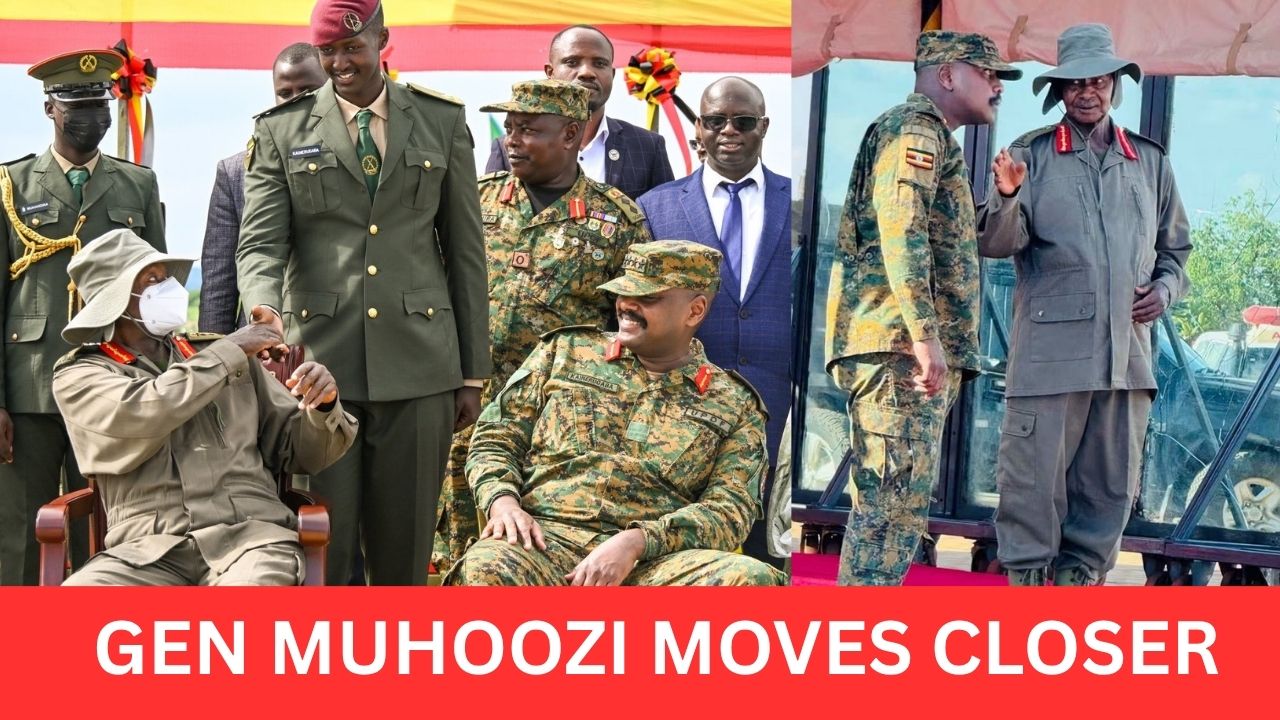 FeaturedOctober 28, 2026HOW MUSEVENI’S CEC MOVE COULD HAND MUHOOZI THE NRM MANTLE: A Succession Paper Presented Before the Executive and the Endorsement of Gen Muhoozi Intensify Speculation that M7 is Preparing His Son For State House
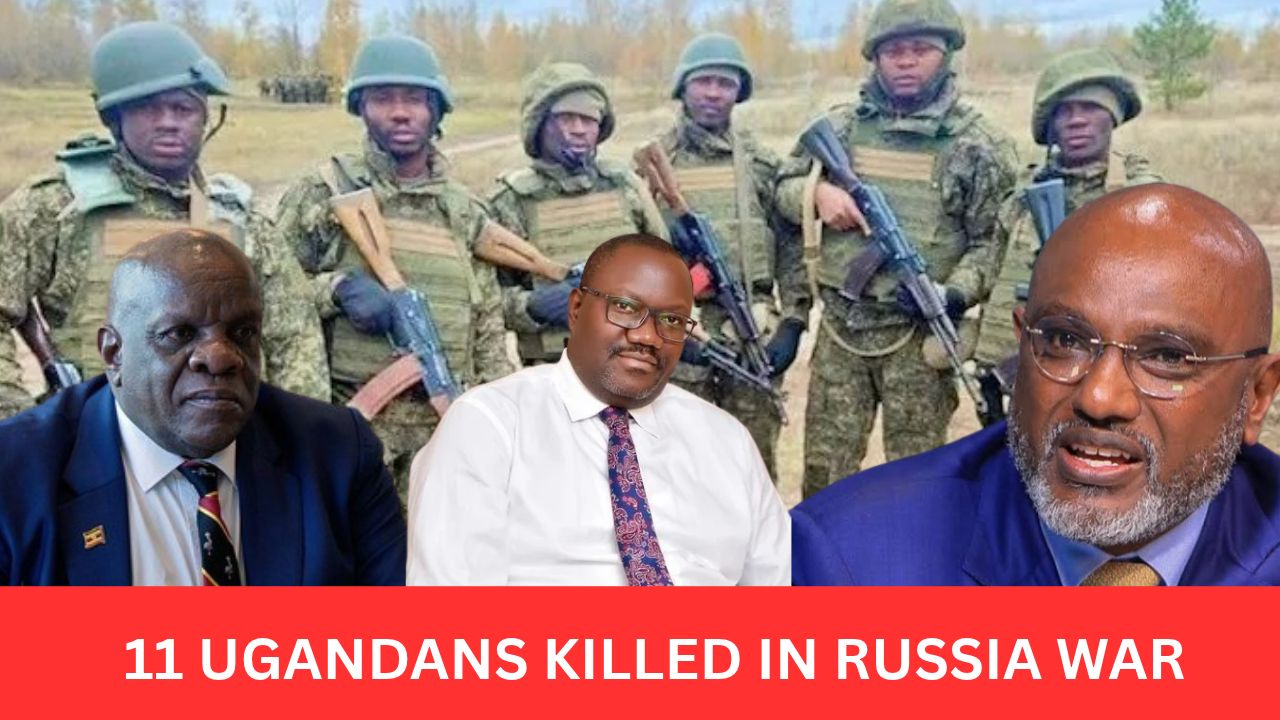 FeaturedOctober 27, 2026SAD AS RUSSIA WAR CLAIMS 11 UGANDAN LIVES: A Diplomatic Letter Reveals the Fate of Ugandans Unwillingly Recruited into the Russian Military, With Another 16 Missing And Five Still Serving! Families Struggle to Trace Their Loved Ones