



By Fredrick ES Mutengeesa
Opinion: Nations are not undone in a single dramatic moment. They are gradually weakened when their moral foundations are treated as instruments of convenience. Uganda today stands at such a crossroads. The recent controversy surrounding a postponed Mass offered for political detainees, including Dr. Kizza Besigye, has once again exposed an unsettling fragility in our civic culture, we oscillate between demanding prophetic courage from the Church and condemning it whenever its discernment fails to align with our partisan appetites.
The public theatre that followed was telling. Accusations of capitulation competed with allegations of state overreach. Yet, beneath the surface lay, a deeper and more strategic question arises. What is the rightful place of moral institutions in the architecture of a modern state? And perhaps more importantly, what kind of nation are we constructing when we alternately weaponise and vilify those institutions?
The Strategic Value of Moral Institutions
Uganda’s formation was neither purely political nor purely territorial. It was civilisational. Institutions such as the Catholic Church, the Church of Uganda, and traditional polities like the Buganda Kingdom were not peripheral actors. They were incubators of literacy, conscience, diplomacy, and leadership formation. They shaped the moral grammar of the state long before constitutions were drafted. To reduce such institutions to mere registrable entities before the Uganda Registration Services Bureau is legally defensible, yet symbolically profound. It signals a shift from reverence to routine administration. There is nothing unlawful about regulation.
However, when moral institutions lose their gravitas and are treated as ordinary interest groups, the state inadvertently impoverishes its own ethical compass. The strategic direction of any country depends not merely on economic growth or security apparatuses, but on the vitality of its moral intermediaries. Those entities capable of speaking uncomfortable truths to both rulers and crowds.
The Peril of Precedent and the Tyranny of Selective Outrage
It is intellectually insufficient to lament perceived state pressure upon the Church while ignoring previous episodes where public agitation coerced ecclesiastical decisions. When Mathias Mpuuga prepared for a thanksgiving service amid intense political turbulence, sections of society mounted a vociferous campaign against the Church’s involvement.
The pressure was not subtle. It was orchestrated, emotional, and unrelenting. Representation was delegated. The precedent was set. We must be candid. Societies that legitimise mob interference cannot credibly protest institutional interference. The logic is identical; only the source of pressure differs. Edmund Burke once warned thus; “The only thing necessary for the triumph of evil is for good men to do nothing.” Yet, he might well have added that the triumph of disorder requires good men to act without principle. Selective outrage corrodes legitimacy. If we defend autonomy only when it favours our cause, we are not defending principle. We are defending preference.
The Instrumentalisation of Faith
There is also a sobering spiritual dimension. In moments of national distress, prayer services become symbolic rallying points. But faith must never be reduced to political theatre. It is neither a tactical lever, nor a revolutionary shortcut. The great civil rights leader Martin Luther King Jr. understood this delicate balance. He mobilised the Church not as a partisan weapon, but as a moral conscience.
Luther`s words resonate across continents. “Injustice anywhere is a threat to justice everywhere.” Crucially, he did not ask the Church to echo every political slogan. He asked it to illuminate the moral law above politics. Similarly, Desmond Tutu reminded the world thus; “If you are neutral in situations of injustice, you have chosen the side of the oppressor.”
Yet, Archbishop Tutu’s courage was rooted in spiritual integrity, not populist impulse. He defended the autonomy of the pulpit precisely because its credibility depended upon independence from factional manipulation. Uganda must ask herself; Are we strengthening that independence, or are we eroding it through relentless politicisation?
Religion and Power: A Necessary Tension
It is tempting to declare, cynically, that religion ultimately bows to politics. History offers examples where this appears true. Yet, history also shows that when politics becomes unmoored from moral restraint, its excesses multiply. Consider the quiet influence of faith communities in transitional societies, how they mediate, reconcile, and humanise.
Even where they lack coercive authority, they possess moral capital. And moral capital, once squandered, is not easily replenished. A state confident in its legitimacy does not fear prayer. A Church confident in its mission does not fear scrutiny. The tension between altar and statehouse is not inherently destructive. It becomes destructive only when one seeks to dominate or instrumentalise the other.
The Strategic Imperative for Uganda
If Uganda is to chart a stable and dignified future, three strategic recalibrations are imperative. One, Institutional Respect Over Political Expediency: Religious and cultural institutions must not be reduced to platforms for temporary political mobilisation. Their long-term credibility is a national asset. Two, Consistency in Civic Engagement: Citizens must resist the temptation to pressure institutions today and demand their protection tomorrow. Ethical consistency is the bedrock of mature democracies.
And three, Reaffirmation of Moral Leadership: The Church must guard its prophetic voice with prudence and courage, speaking truth to power without succumbing to partisan choreography. As Nelson Mandela wisely observed, “A nation should not be judged by how it treats its highest citizens, but its lowest ones.” How we treat detainees, dissenters, and even institutions with which we disagree reveals the calibre of our democracy.
A Call to National Maturity
Uganda’s destiny cannot be secured through outrage cycles. It requires moral steadiness, institutional dignity, and leadership capable of transcending factional impulses. Let us therefore elevate the discourse. Let us resist the seduction of mob energy masquerading as civic engagement. Let us protect the sanctity of institutions even when their decisions unsettle us.
For tomorrow, when we seek the Church’s mediation in moments of national fracture, its authority must remain intact. When we seek moral clarity in turbulent times, its voice must not be compromised by memories of having been bullied into submission. The strategic direction of this country will not be determined solely by elections, security deployments, or economic metrics. It will be determined by whether we preserve the moral ecosystems that sustain justice, dignity, and restraint.
Lest I Forget
If Uganda is to rise into a future worthy of its history, then the altar must neither be commandeered by the crowd nor intimidated by the throne. It must stand—calm, principled, and resolute—reminding both citizen and ruler alike that power without conscience is perilous, and that nations endure only when their moral foundations remain unshaken.
Author Profile

Latest entries
 FeaturedOctober 7, 2026FROM POLICY TO PROSPERITY: Uganda’s Tenfold Growth In A Rapidly Changing Global Economy, The Growth Requires A New Era Of Value Addition, Private Investment And Technology-Driven Productivity
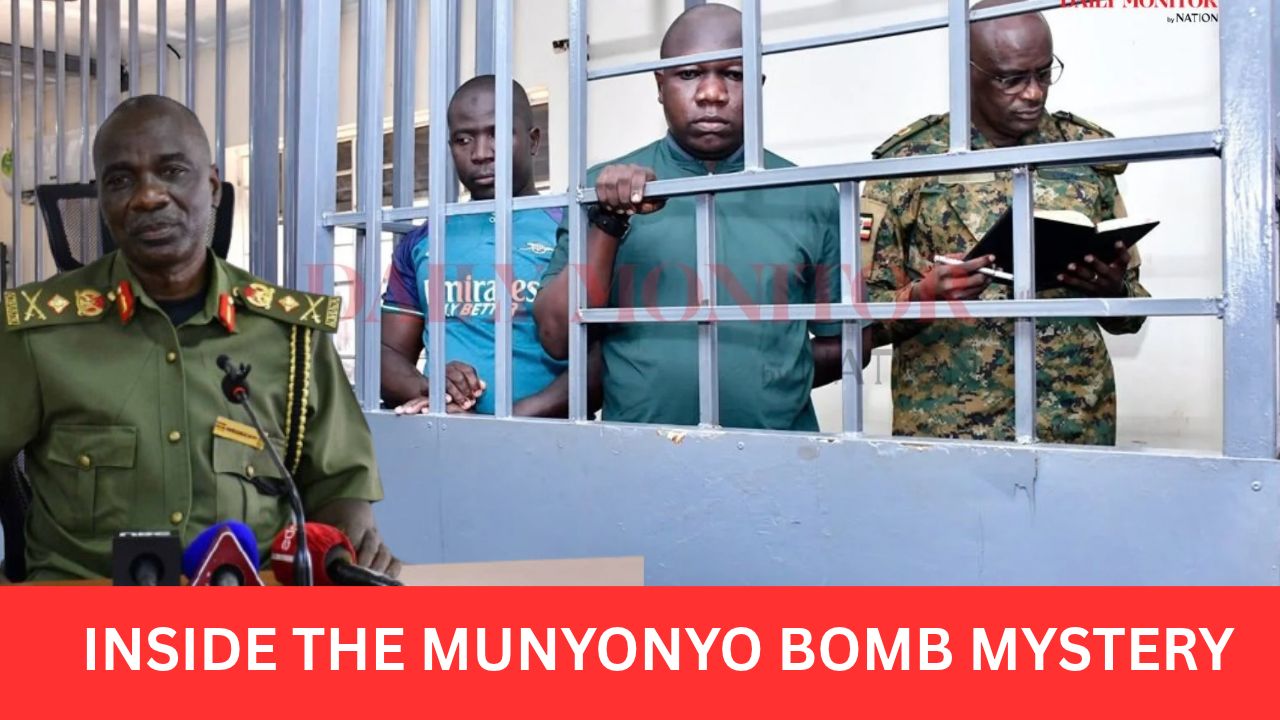 FeaturedOctober 5, 2026ADF RECRUITS ADMIT MURDER AS CMI SCANDAL DEEPENS: Court Hears How Munyonyo And Kalerwe Operations Unfolded As Investigators Trace The Alleged Terror Plots Up The Intelligence Chain
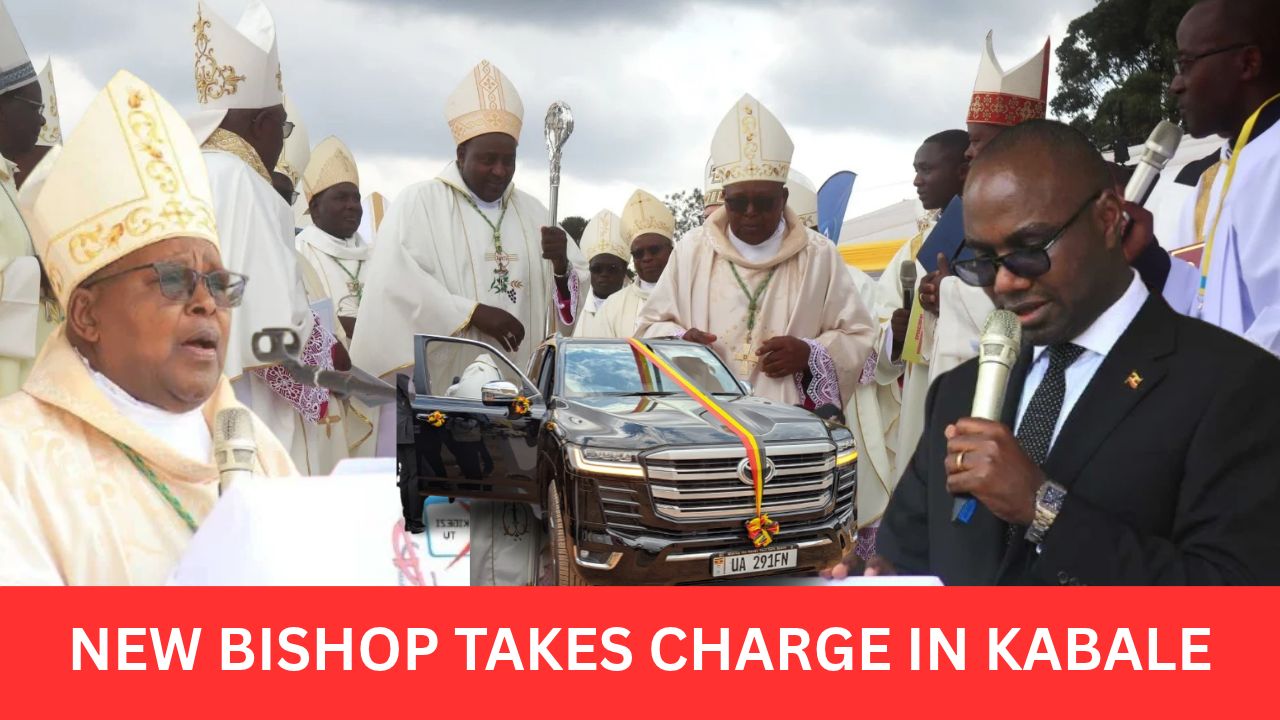 FeaturedOctober 3, 2026MUSEVENI GIFTS NEW KABALE BISHOP LAND CRUISER: Finance Minister Henry Musasizi, Representing President Museveni, Handed The New Bishop A Brand-New Land Cruiser And Praised Bishop Emeritus Callist Rubaramira For His Service
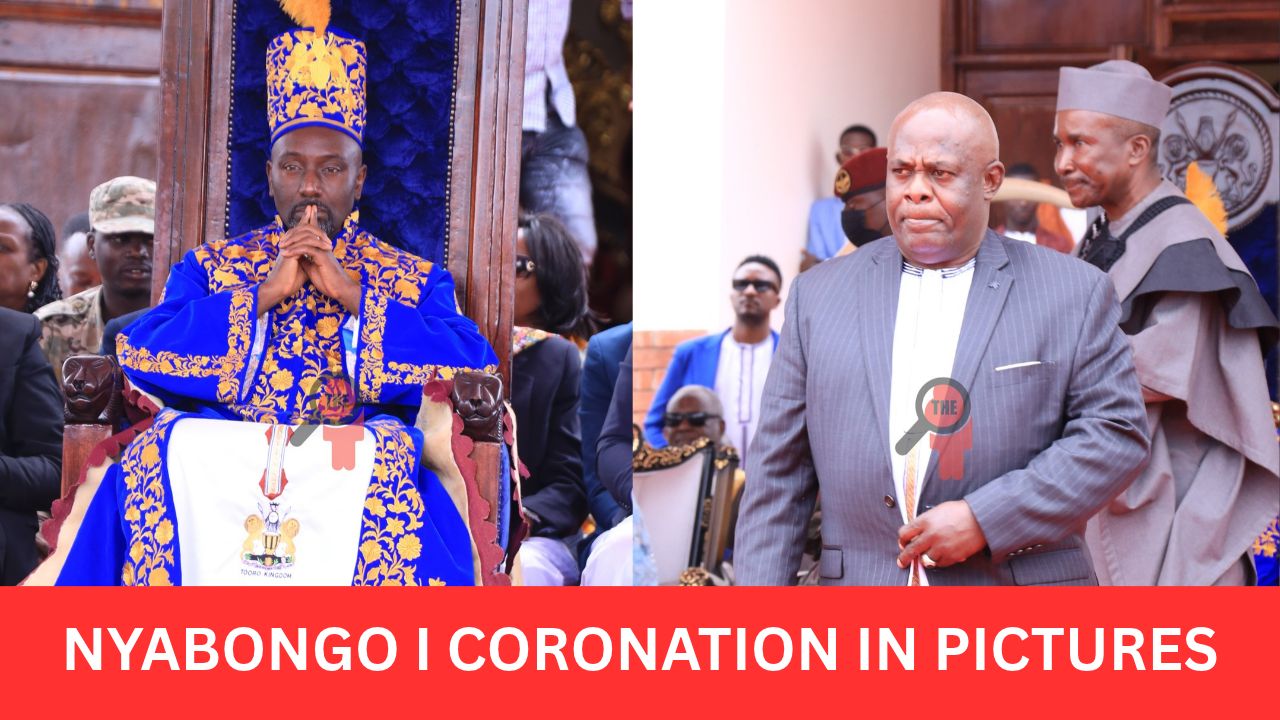 FeaturedOctober 3, 2026THE CROWN, THE KING, THE GLORY! If You Missed The Historic Coronation? The Investigator Brings You The Grand Ceremony In Pictures — From The Royal Procession And Cultural Performances To The Distinguished Guests And The Crowning Of Tooro’s New King

Very good i like it