

















For many Ugandans, losing a government job is not just the loss of a salary. It can feel like being marched to the guillotine.The harsh reality quickly sets in. The talk about a booming economy full of opportunities suddenly sounds distant. The advice often given to young people to become “job creators instead of job seekers” appears much easier to preach than to practice.
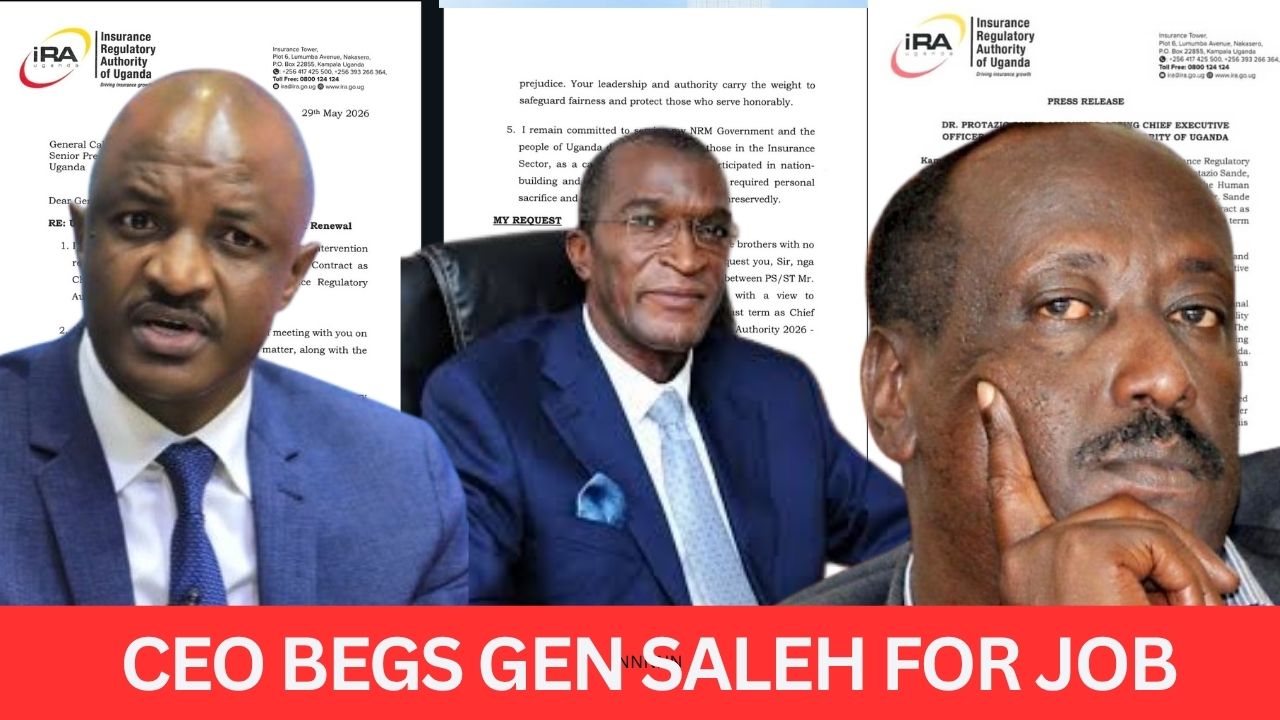
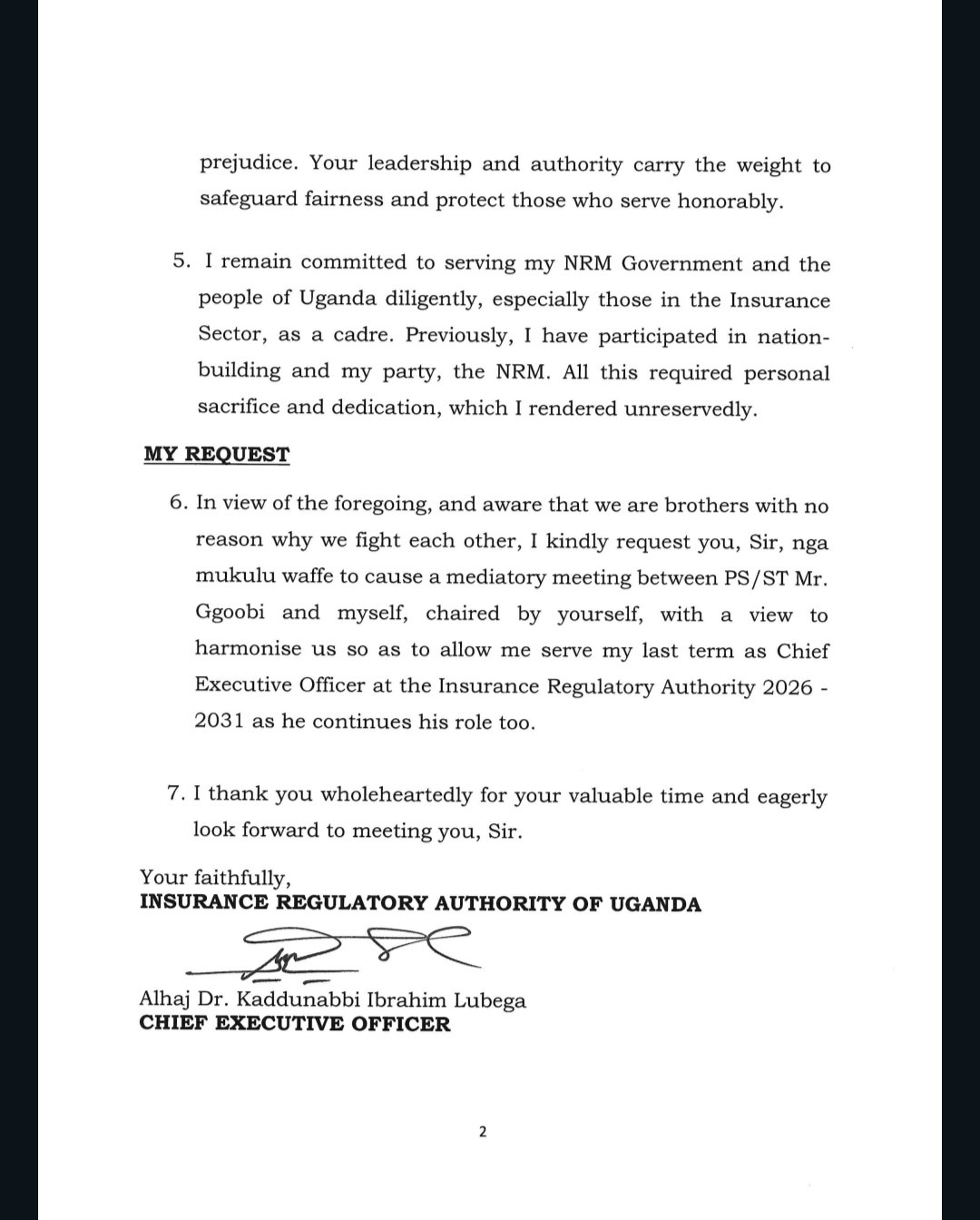
This painful reality appears to be staring one of Uganda’s top government executives in the face.A confidential letter allegedly written by t Kaddunabbi Ibrahim Lubega the outgoing Chief Executive Officer of the Insurance Regulatory Authority (IRA) to Senior Presidential Advisor Gen. Caleb Akandwanaho, commonly known as Salim Saleh, has surfaced, revealing a desperate fight to save his job as the clock ticks towards the expiry of his contract.
The letter, dated May 29, 2026, paints a picture of a man battling uncertainty, political intrigue and fears about his future after years at the helm of one of Uganda’s most important regulatory agencies.
“MY CONTRACT IS EXPIRING”
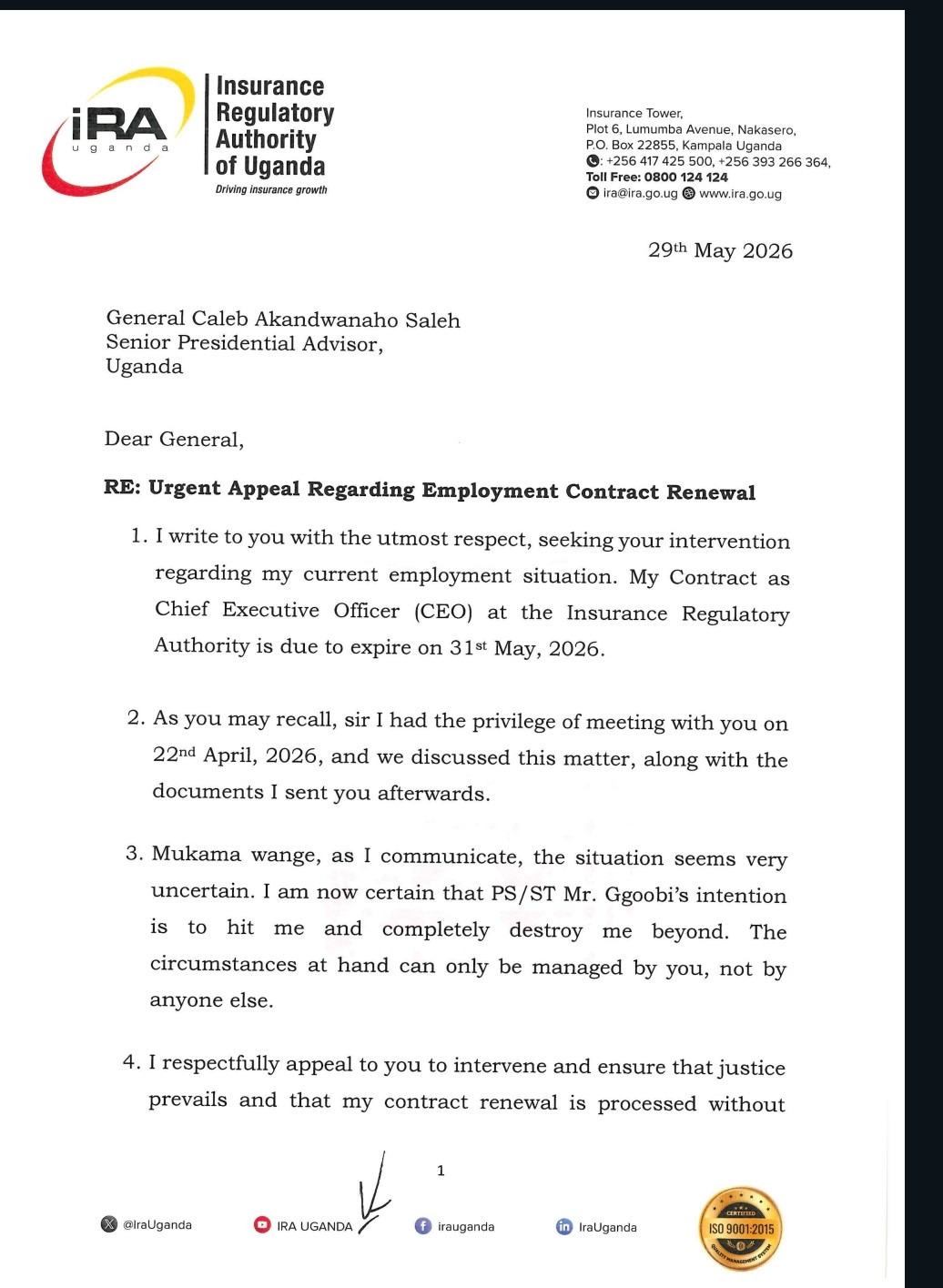
In the letter, the CEO informs Gen. Saleh that his contract as head of the Insurance Regulatory Authority was due to expire on May 31, 2026.The executive reminds Saleh that the two had previously met on April 22 to discuss the matter and that supporting documents had been submitted afterwards.
But it is the tone of the letter that has raised eyebrows. Rather than expressing confidence that the renewal process would be handled routinely, the CEO sounds alarmed and deeply worried about what he describes as forces working against him.The letter suggests that all is not well behind the scenes at one of the country’s most powerful financial sector institutions.
“THEY WANT TO DESTROY ME”
The most explosive section of the letter is where the CEO accuses a senior government official of allegedly orchestrating efforts to block his contract renewal.”I am now certain that PS/ST Mr. Ggoobi’s intention is to hit me and completely destroy me beyond,” the letter states.
The reference appears to be directed at the Permanent Secretary and Secretary to the Treasury, one of the most influential officials in government due to his control over public finances and appointments affecting key state institutions.The CEO further claims that only Gen. Saleh can help him navigate the circumstances.”The circumstances at hand can only be managed by you, not by anyone else,” he writes.
The dramatic language has shocked many observers who say it is rare for the head of a major government agency to openly appeal to a presidential advisor while accusing another senior official of trying to sabotage his career.
FEAR OF LIFE AFTER OFFICE
Sources familiar with government circles say contract renewal battles often become intense because of the enormous personal and professional consequences attached to losing such positions.Beyond the prestige and influence, top government jobs come with substantial benefits, access and networks that can disappear overnight once a contract expires.One former public servant who spoke on condition of anonymity said many officials experience sleepless nights whenever their contracts approach expiration.”People think these executives are untouchable. But when renewal time comes, everyone becomes vulnerable. The uncertainty is frightening,” the source said.For many public officials, leaving office means returning to a competitive private sector where opportunities are limited and younger professionals are constantly emerging.
THE REALITY OF JOB LOSSES
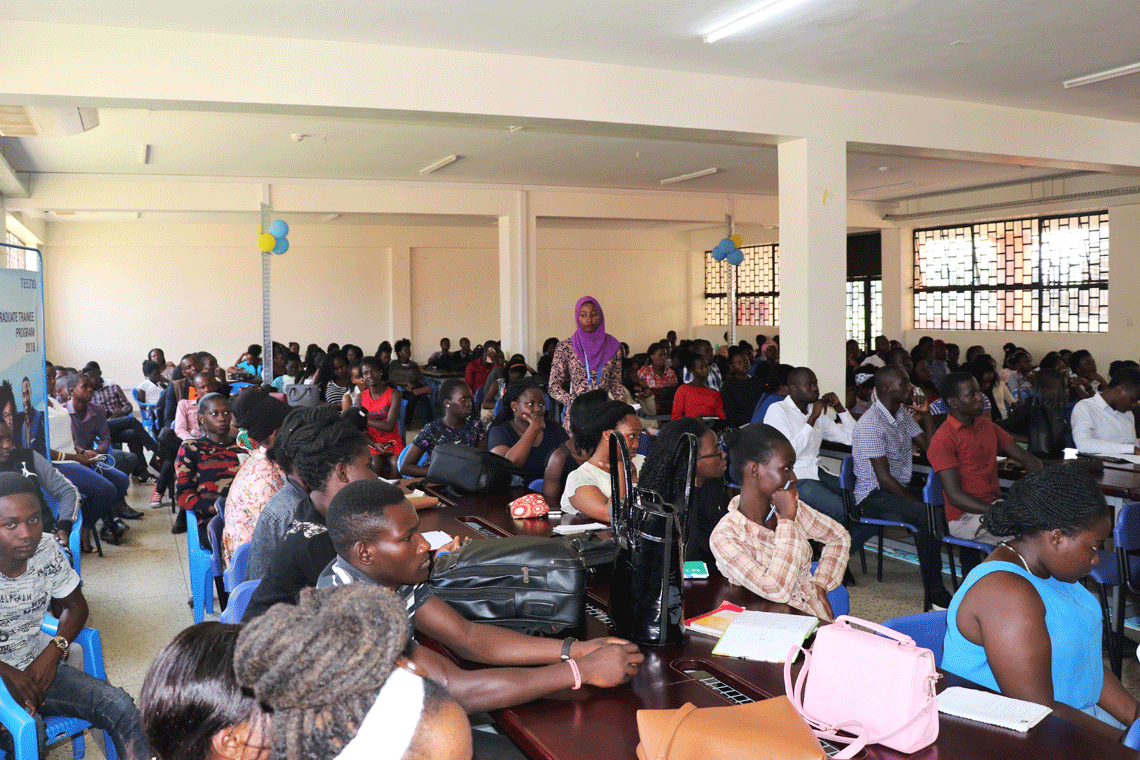
The letter has reignited debate about employment insecurity in Uganda. Economists have long argued that while the country continues to record economic growth, formal employment opportunities remain scarce.Every year thousands of graduates leave universities hoping to secure jobs, yet only a small fraction find stable employment. The result is a labour market where even highly educated professionals and senior executives fear unemployment.”When you lose a government job, reality hits hard,” said one labour expert.”You suddenly realize that finding another position at the same level is extremely difficult. The market is not as welcoming as people imagine.”This explains why many officials fight fiercely to retain their positions once contract renewal periods arrive.
SALEH’S INFLUENCE
Gen. Saleh has for decades been regarded as one of the most influential figures within Uganda’s power structure. Known for his extensive networks across government, business and security circles, many officials view him as someone capable of intervening when bureaucratic battles threaten careers.The CEO’s decision to write directly to him demonstrates the level of confidence some government officials place in his ability to influence outcomes. Political analysts say the appeal also reflects the high stakes involved.”When someone reaches out at that level, it suggests they believe normal administrative channels are no longer working in their favour,” one analyst observed.
QUESTIONS REMAIN
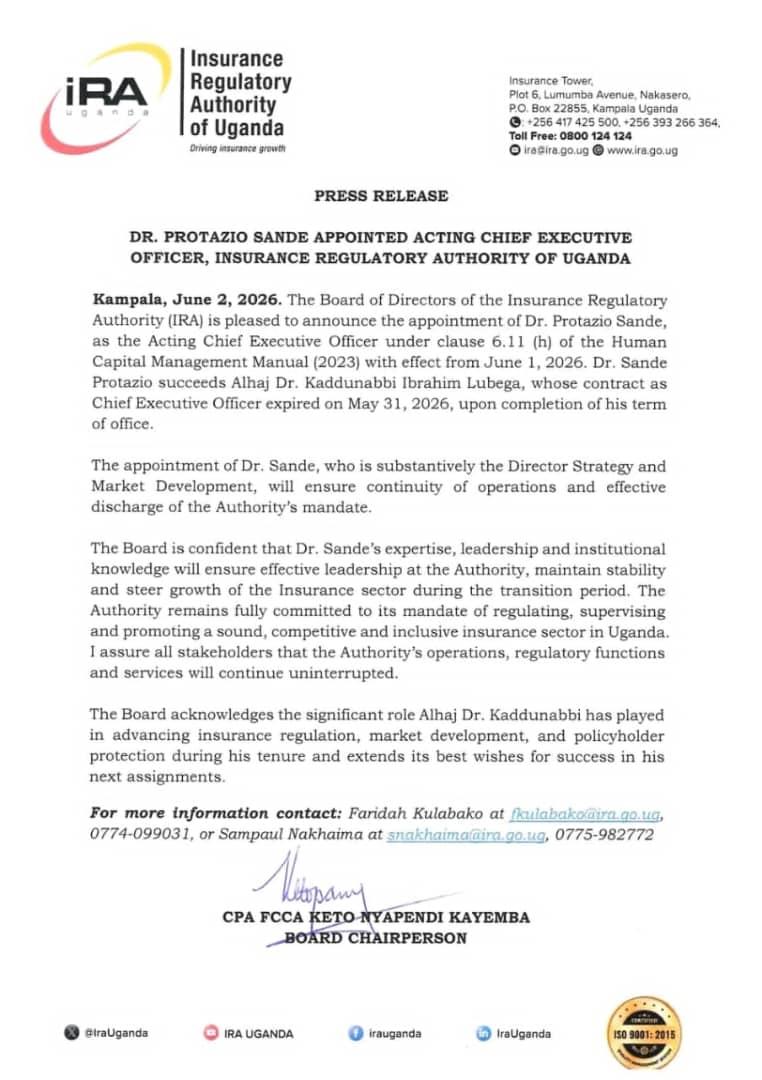
The emergence of the letter has now raised several questions. Was the CEO’s contract ultimately renewed?Were there indeed disagreements between him and senior officials overseeing government agencies? And what evidence exists to support the allegations made in the letter?Neither the Ministry of Finance nor officials connected to the matter had publicly commented at the time of publication. However, a letter confirming the appointment of Dr. Protazio Sande as Acting Chief Executive Officer, effective June 1, 2026 has been seen by this publication.
A LESSON IN POWER AND SURVIVAL
Perhaps the biggest lesson from the saga is that no position is permanent. Whether one is a fresh university graduate looking for a first job or a chief executive running a multimillion-shilling government institution, employment insecurity remains a reality.The letter offers a rare glimpse into the fears that exist behind the polished titles, official vehicles and executive offices. It reveals that even those occupying the highest positions can find themselves pleading for intervention when their careers appear threatened.As the battle over the IRA boss’s future unfolds, many Ugandans will see a reflection of their own struggles in the story.Because in a country where jobs remain hard to find, losing one can feel like standing before the guillotine — uncertain of what comes next, hoping someone, somewhere, can save the day.
BOARD MOVES ON, APPOINTS NEW BOSS
While the outgoing CEO’s emotional appeal painted a picture of a man fighting for his professional survival, events moved swiftly after his contract expired.In a press statement issued on June 2, 2026, the Board of Directors of the Insurance Regulatory Authority announced the appointment of Dr. Protazio Sande as Acting Chief Executive Officer with effect from June 1, 2026.The statement confirmed that Alhaj Dr. Kaddunabbi Ibrahim Lubega’s contract as CEO officially expired on May 31, 2026, upon completion of his term of office.
The Board said Dr. Sande, who has been serving as Director for Strategy and Market Development, was appointed to ensure continuity of operations and effective discharge of the Authority’s mandate.”The appointment of Dr. Sande will ensure continuity of operations and effective discharge of the Authority’s mandate,” the statement noted.Board Chairman CPA Kato Nyapendi Kayemba expressed confidence in the new acting CEO, citing his expertise, leadership experience and institutional knowledge as critical assets during the transition period.
The Board also sought to reassure stakeholders that the regulator’s operations, supervisory functions and services would continue uninterrupted despite the leadership change.In what appeared to be a diplomatic farewell message, the Board acknowledged the contribution made by Dr. Kaddunabbi during his tenure.”The Board acknowledges the significant role Alhaj Dr. Kaddunabbi has played in advancing insurance regulation, market development and policyholder protection during his tenure and extends its best wishes for success in his next assignments,” the statement said.
The announcement effectively closed the chapter on Dr. Kaddunabbi’s bid for another term and suggests that the intervention he sought from Gen. Salim Saleh may not have changed the final outcome.For observers, the development underscores the brutal reality of public service. One day an official occupies a corner office, commands authority and influences national policy; the next day a successor is appointed and the institution moves on.The leaked letter and the Board’s announcement now tell two sides of the same story — a desperate fight to keep a coveted government position and an institution determined to proceed with a leadership transition after the expiry of a contract.
Author Profile

- Mr. Stephen Kasozi Muwambi is a seasoned crime investigative writer, majoring in judicial-based stories. His two decades’ experience as a senior investigative journalist has made him one of the best to reckon on in Uganda. He can also be reached via [email protected]
Latest entries
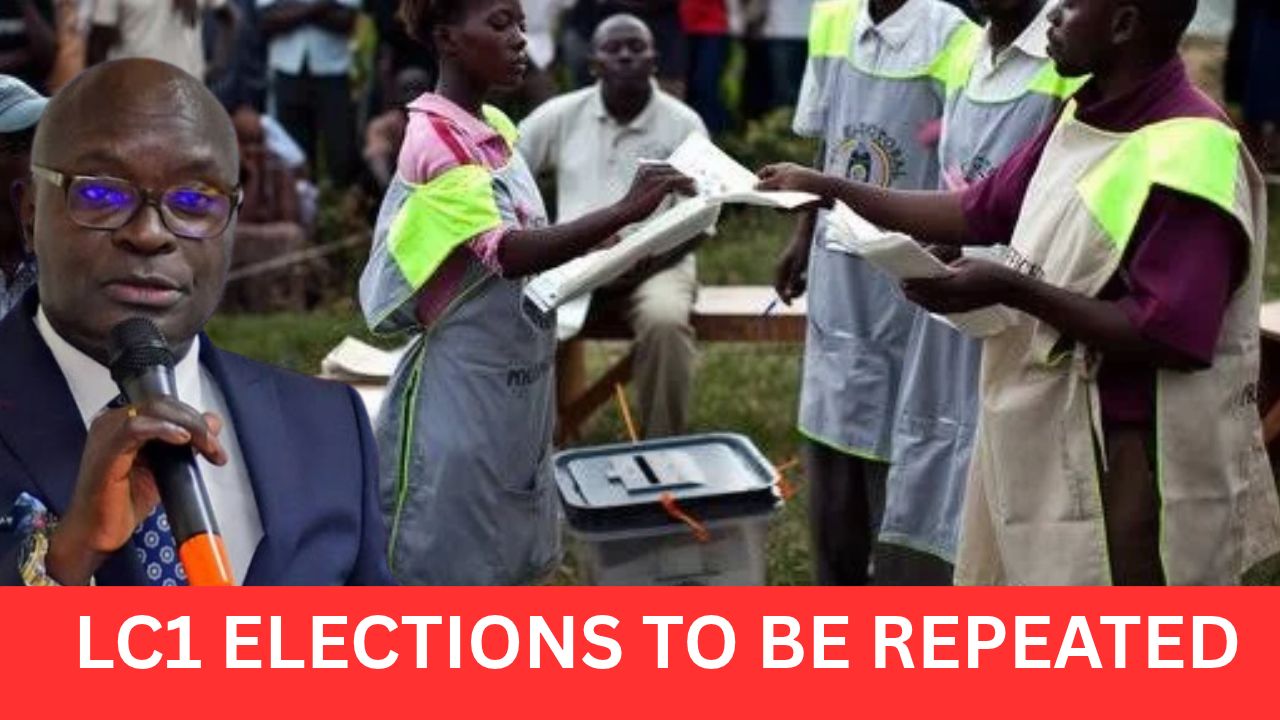 FeaturedOctober 8, 2026INTO WHY EC ORDERED FRESH LC1 POLLS IN 54 VILLAGES: Justice Simon Byabakama Cites Complaints, Disputed Results and Irregularities as the Commission Orders for Fresh Voting in the Affected Villages
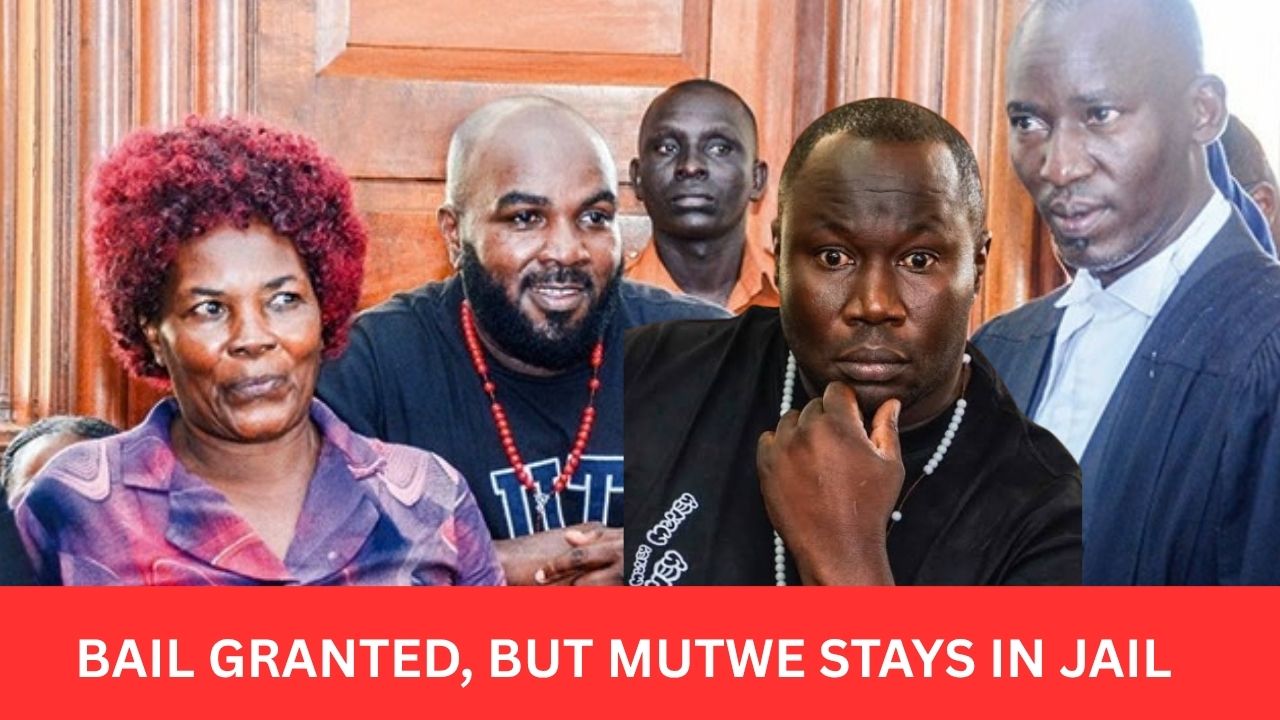 FeaturedOctober 7, 2026EDDIE MUTWE WINS BAIL, BUT REMAINS IN LUZIRA: Bobi Wine’s NUP Bodyguard’s Freedom Blocked By Second Case As Court Orders Sh5m Cash Bail And Sh50m Surety Bond
 FeaturedOctober 6, 2026WITNESS, NOT SUSPECT: In A Dramatic Twist, The DPP Has Cleared Mose Matovu’s Female Companion Of Prosecution. Investigators Will Now Rely On Tumusiime’s Testimony As The State Tightens Its Case Against Nsamba
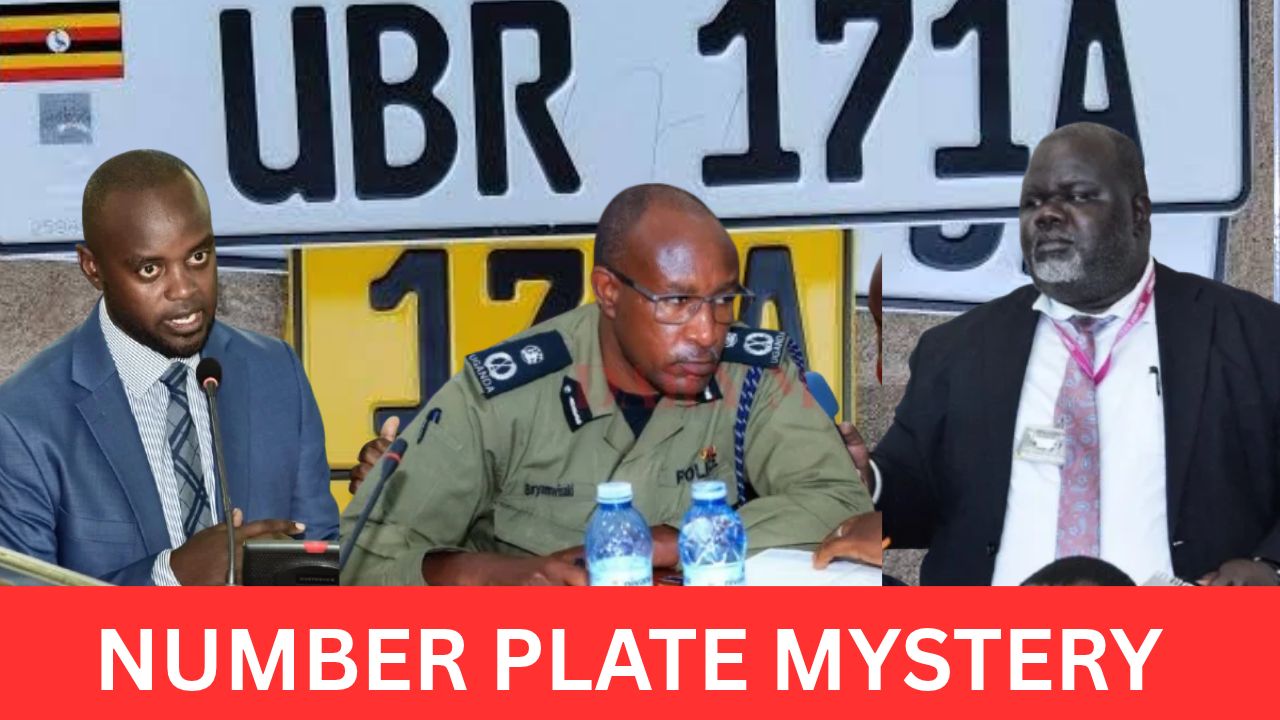 FeaturedOctober 5, 2026INSIDE THE DIGITAL PLATES SCANDAL: Why Angry MPs Sent Ministry Officials To Coolers As Investigations Closes In On A Top Minister Whose Arrest Is Imminent