
















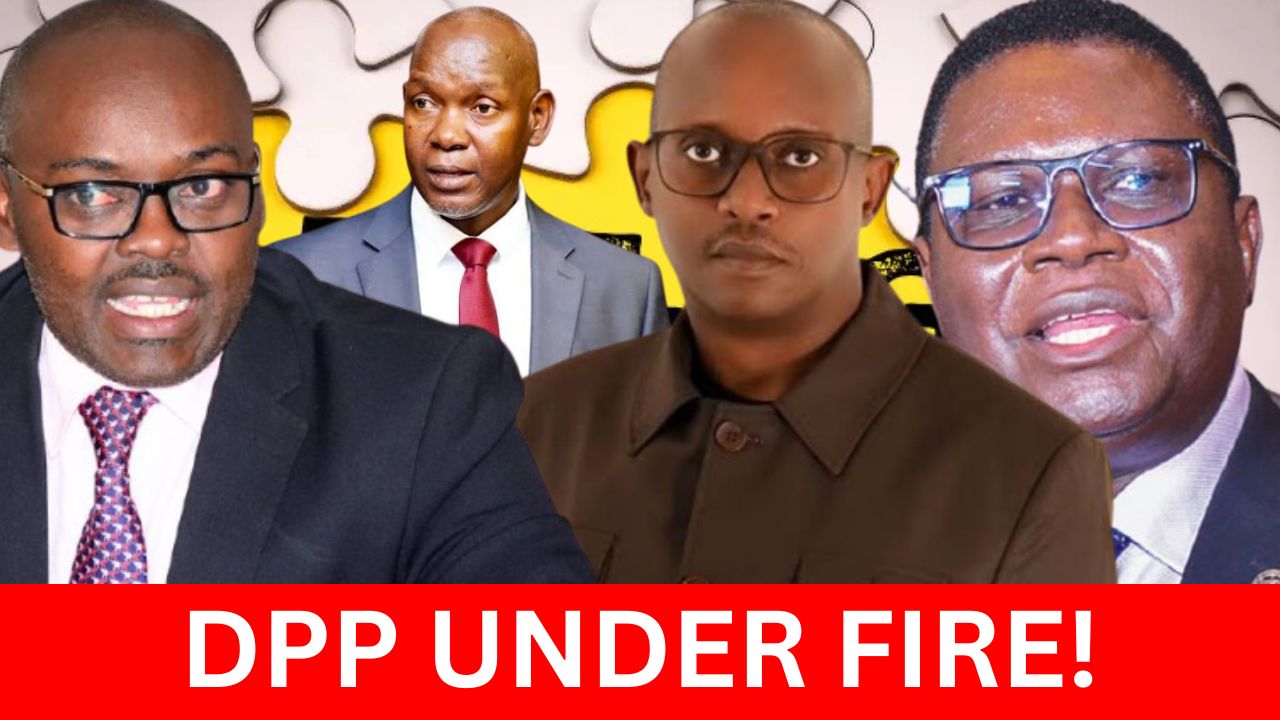
The high-profile extradition case involving Ugandan businessman and diplomat Michael Mpeirwe Katungi has taken a dramatic new turn after his lawyers raised what they describe as serious constitutional and procedural irregularities that could derail efforts to surrender him to the United States.
Katungi, who is wanted by U.S. authorities over allegations of narcotics trafficking, firearms offences and providing material support to an organisation designated by the United States as a terrorist group, has mounted an aggressive legal challenge against the proceedings before Ugandan courts.
Beyond contesting the allegations, his legal team has petitioned the Constitutional Court seeking to halt the extradition process, arguing that several procedural defects render the proceedings unconstitutional and unlawful.
The constitutional petition, filed as Constitutional Petition No. 0014 of 2026, asks the court to determine whether the extradition process complies with Uganda’s Constitution before any decision is made to surrender Katungi to U.S. authorities.
Lawyers close to the matter told The Investigatorthat the Constitutional Court challenge raises questions that go beyond Katungi’s individual case and could shape how Uganda handles future extradition requests involving its citizens.
Questions over the chronology
Among the issues attracting the greatest scrutiny is the sequence in which court documents were prepared and filed. Court records indicate that the Director of Public Prosecutions sought a warrant of arrest before the Buganda Road Chief Magistrate’s Court following a request dated June 16, 2026. Katungi was subsequently arrested on June 27 and later presented before court.
However, defence lawyers argue that the chronology of the supporting documents raises significant procedural concerns.According to documents seen by The Investigator, the supporting affidavitbears the date of June 29 while the accompanying Notice of Motionis dated June 30.
The defence argues that the sequence appears irregular because, under ordinary court practice, a supporting affidavit accompanies or follows the principal application rather than preceding it.City lawyer Oscar Owakubarireho says the apparent inconsistency deserves careful judicial examination.
“Both the DPP and the Magistrate understand court procedure. A supporting affidavit should ordinarily accompany the substantive application. Where there are inconsistencies in chronology, the court must satisfy itself that the process complied with the law,” he said.
The prosecution has not publicly responded to the specific procedural concerns raised by the defence.
Affidavit under scrutiny
Another issue being raised concerns the affidavit supporting the extradition request.
The affidavit is sworn by Michael D. Stanton, identified in the court documents as a United States federal law enforcement officer holding the rank of Special Agent.
Katungi’s lawyers argue that questions remain over whether the affidavit satisfies the legal requirements applicable in Uganda for documents relied upon in extradition proceedings.According to the defence, affidavits intended for use before Ugandan courts must comply with the country’s laws governing the commissioning and admissibility of sworn documents.
“We have not verified whether the affidavit complies with Uganda’s legal requirements governing affidavits relied upon in our courts,” one member of the defence team argued.Lawyers contend that if the affidavit is found to be defective, it could affect the admissibility of some of the evidence relied upon by the prosecution.
Legal experts contacted by The Investigator, however, note that extradition proceedings often involve foreign judicial documents transmitted through diplomatic channels, and the court will ultimately determine whether the documents satisfy the requirements of Uganda’s Extradition Act.
Attorney General’s role questioned
The defence has also questioned why the extradition request was reportedly signed on behalf of the Attorney General instead of being personally executed by the Attorney General.Sources familiar with the proceedings claim the Attorney General had been consulted on the matter before the application was filed.
Lawyers now argue that the court should clarify whether all statutory requirements relating to authorization of the extradition request were complied with.Neither the Attorney General’s Chambers nor the Director of Public Prosecutions has publicly commented on the issue.
Constitutional challenge
The Constitutional Court petition forms the centrepiece of Katungi’s legal strategy.His lawyers argue that allowing extradition proceedings to continue before determination of the constitutional questions could prejudice his constitutional rights.
The petition seeks declarations regarding the legality of several aspects of the extradition process and asks the Constitutional Court to pronounce itself before any surrender order can be executed.
Constitutional lawyers say the petition could become one of Uganda’s most significant extradition cases because it raises broader questions about due process, constitutional safeguards and the protection afforded to Ugandan citizens facing prosecution abroad.
Questions over treaty arrangements
The defence has also questioned the legal framework under which Uganda is processing the American request.Unlike some countries, Uganda and the United States do not operate under a stand-alone bilateral extradition treaty.
Instead, prosecutors rely on Uganda’s Extradition Act together with international obligations and diplomatic arrangements to process such requests.
According to court records, the United States transmitted its request through diplomatic channels before Uganda’s Attorney General’s Chambers and the Ministry of Justice processed the application under the country’s extradition laws and international obligations, including the 1988 United Nations Convention against Illicit Traffic in Narcotic Drugs and Psychotropic Substances.
Whether that legal framework is sufficient is likely to become one of the issues the court will determine.
Serious allegations from Washington
The legal battle comes against the backdrop of serious allegations contained in a U.S. indictment.
American prosecutors accuse Katungi of participating in an international conspiracy involving cocaine trafficking, procurement of military-grade weapons and providing material support to Mexico’s Cartel de Jalisco Nueva Generación (CJNG), which the United States has designated as a Foreign Terrorist Organisation.
The indictment alleges that Katungi, a former military officer who later worked in security logistics and policy advisory roles, helped facilitate procurement of weapons using fraudulent end-user certificates.
Investigators claim the conspiracy involved meetings in London during April 2024 and plans for an arms transaction reportedly valued at approximately 58 million U.S. dollars.
The charges include conspiracy to distribute cocaine destined for the United States, conspiracy to possess machine guns and destructive devices in furtherance of drug trafficking, and conspiracy to provide material support to a designated foreign terrorist organisation.Katungi denies wrongdoing and is contesting both the allegations and the extradition process.
Proceedings before Buganda Road Court
The extradition proceedings commenced before the Buganda Road Chief Magistrate’s Court after the Director of Public Prosecutions presented the request on behalf of the United States Government.
State Attorneys informed the court that the application satisfies Uganda’s legal requirements for extradition.Katungi’s lawyers opposed the proceedings, arguing that they had not been supplied with all the documents upon which the State intended to rely and also sought his release on bail.
Chief Magistrate Ritah Neumbe Kidasa declined to grant bail at the preliminary stage, holding that the arrest warrant had been lawfully issued to secure Katungi’s attendance while directing both parties to file their substantive pleadings before the hearing.
The matter remains pending.
Public debate
The case has also generated heated public discussion, particularly after opposition legislator and senior advocate Medard Ssegona joined Katungi’s defence team.Some social media users questioned why a prominent opposition lawyer would represent an individual perceived to have close links with government circles.
Others defended Ssegona, arguing that legal representation is a professional obligation rather than a political endorsement.Several commentators compared the legal profession to medicine, arguing that advocates, like doctors, have a duty to serve clients irrespective of political affiliation.
Lawyers interviewed by The Investigator similarly noted that every accused person is entitled to legal representation under Uganda’s Constitution and that accepting instructions does not imply endorsement of a client’s alleged conduct.
Far-reaching implications
Beyond Katungi’s personal circumstances, the case is expected to become an important test of Uganda’s extradition jurisprudence.
If the Constitutional Court agrees to hear and determine the constitutional questions before the extradition proceedings continue, its decision could clarify how Uganda balances international cooperation in combating transnational crime with constitutional protections available to its citizens.
Conversely, should the courts find that the extradition request fully complies with Uganda’s laws, the ruling could strengthen future cooperation between Kampala and foreign governments seeking suspects accused of international crimes.
For now, however, the spotlight remains fixed on whether the procedural objections raised by the defence amount to technical issues capable of correction or fundamental defects significant enough to halt one of the country’s most closely watched extradition proceedings.
As both the Constitutional Court and the Buganda Road Chief Magistrate’s Court prepare to consider the competing arguments, the outcome is likely to establish an important precedent for Uganda’s handling of future international extradition requests.
Part Two: The Investigator will examine how Michael Katungi allegedly became linked to an international network accused of trafficking cocaine and military-grade weapons across several continents, tracing the events that ultimately resulted in the U.S. indictment and extradition request.
Author Profile

- Charles Gazza Kodili is a seasoned journalist with over 20 years of experience in the media industry. He holds a Bachelor of Arts degree in Mass Communication. He’s currently the Chief Editor at the Investigator.
Charles can also be reached via; Tel: +256 774 108978
Email: [email protected]
Latest entries
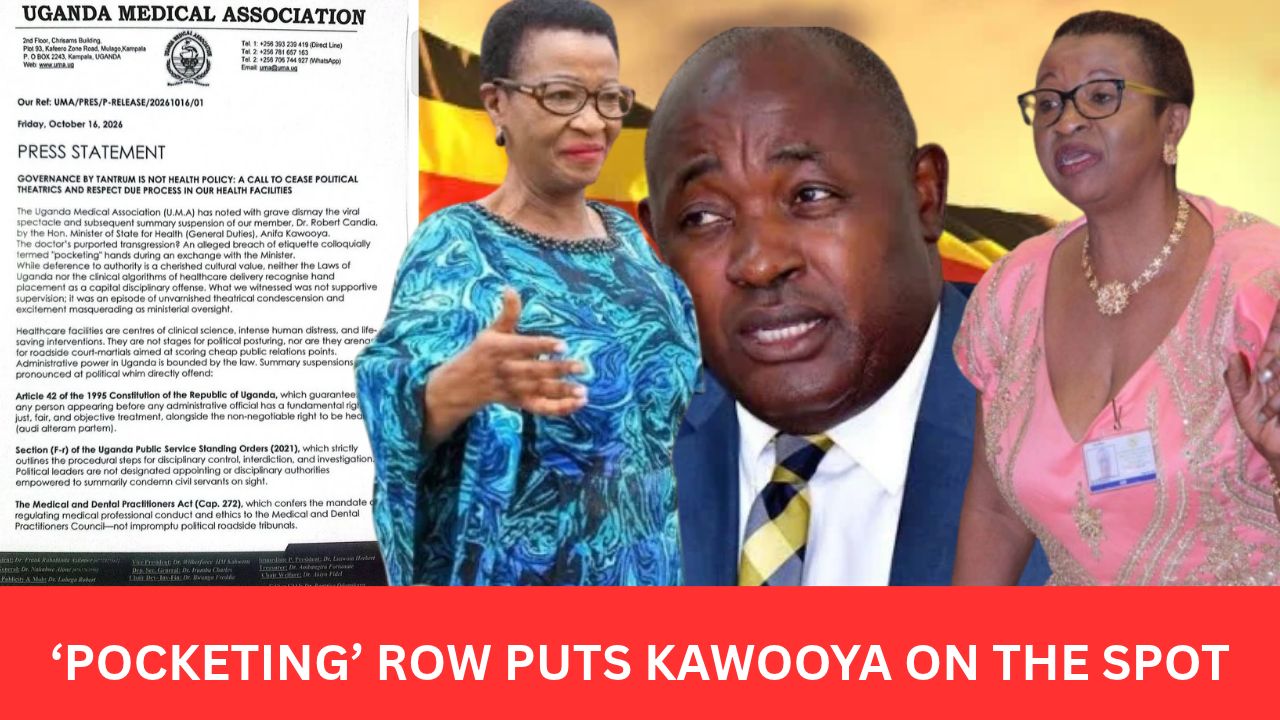 FeaturedOctober 16, 2026KAWOOYA UNDER FIRE AS MINISTRY DENIES DR CANDIA SUSPENSION: Health Ministry Says Arua Doctor Remains In Office After Minister Reportedly Ordered Him To Hand Over For “Pocketing”
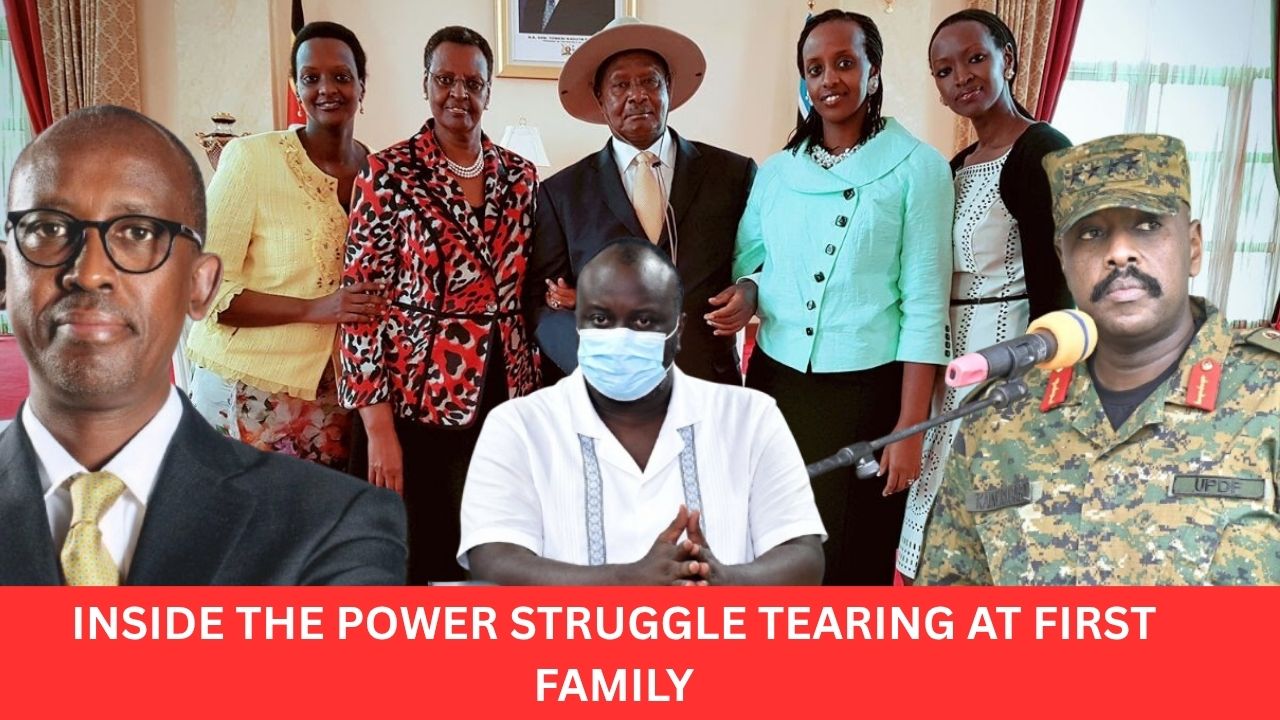 FeaturedOctober 14, 2026MATHEW BAGONZA BAIL DEAL DEALS A BLOW TO CDF GEN. MUHOOZI: Rwabwogo’s Camp Sees Relief After Weeks Of Confrontation, As Reported First Family Tensions Raise Questions About The CDF’s Fight With His Brother-In-Law
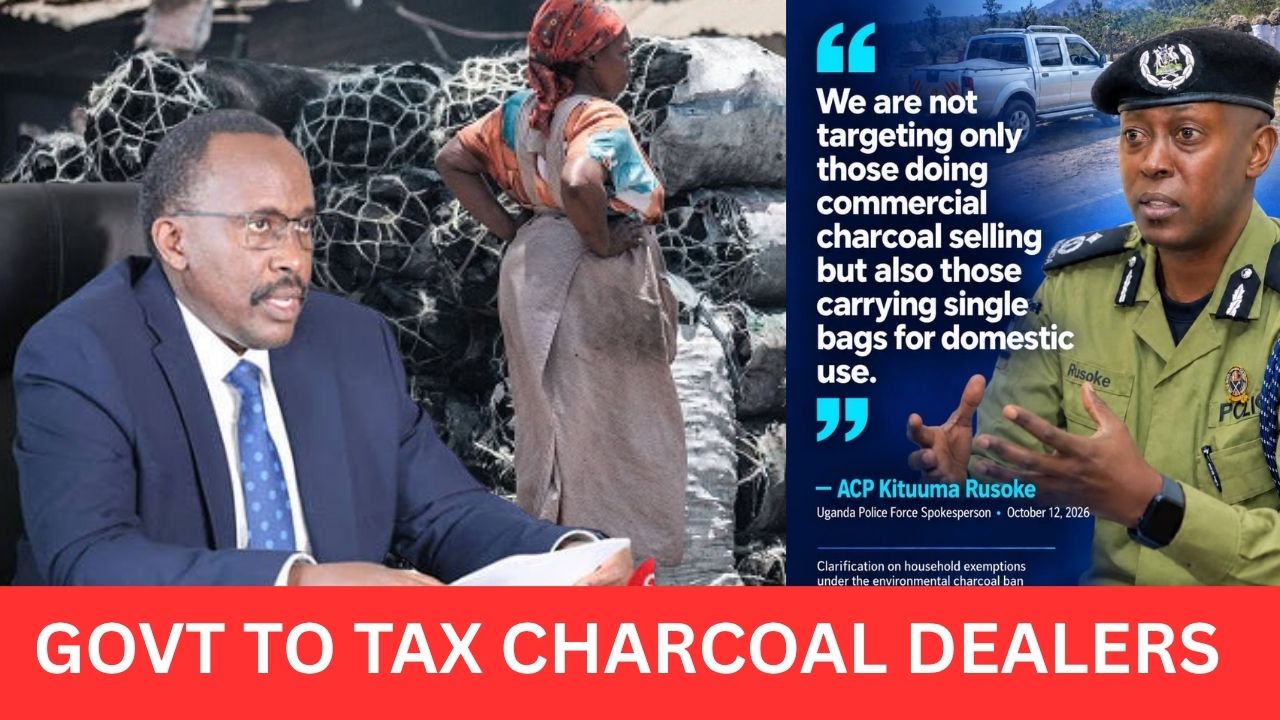 FeaturedOctober 14, 2026GOVERNMENT TO CASH IN ON CHARCOAL TRADE: Government Plans To Formalise The Charcoal Business Through Trade Licences, Taxation And Strict Monitoring Of Producers And Dealers
 FeaturedOctober 13, 2026‘PRODUCE SAM MUGUMYA NOW’ — SSENYONYI: LoP Tells Parliament Families Of Missing Ugandans Deserve Answers, Freedom And Justice As He Challenges Government Over The Opposition Activist’s Fate