























Uganda is facing a growing fuel crisis as petroleum dealers across the country begin shutting down operations, citing unsustainable fuel prices and shrinking profit margins.A nationwide survey conducted by The Investigator has revealed that dozens of fuel stations in major towns and trading centres are either operating on limited stock or have temporarily closed their doors as the cost of replenishing fuel supplies continues to rise.The crisis is triggering anxiety among motorists, transport operators, businesses and ordinary consumers who fear that the situation could worsen in the coming weeks.
Dealers Throw In The Towel
In Kigumba, Kiryandongo District, fuel station operator Bashir Munir says he had no option but to suspend operations.“We can no longer afford to do business under the current circumstances. The cost of acquiring fuel has become extremely high and the margins are no longer sustainable. We have decided to temporarily close until the situation stabilises,” Munir told The Investigator.His decision reflects a growing trend among small and medium-sized fuel dealers who say they are struggling to stay afloat amid rapidly rising wholesale fuel prices.Many operators complain that every new delivery arrives at a higher cost than the previous one, making it nearly impossible to predict prices or maintain profitable operations.
Stations Prepare To Close
In Jinja-Njeru, another fuel dealer, Phoebe Lunkose, says her station may soon join the growing list of closures.“We cannot pretend that everything is normal. We are buying fuel at much higher prices than before. Passing all the costs to customers is difficult because they are already struggling. Once our current stock runs out, we shall temporarily close and wait for the market to return to normal,” she said.Lunkose noted that many customers are reducing fuel purchases, with some motorists opting to buy smaller quantities while others are leaving their vehicles parked altogether.According to dealers, reduced customer demand combined with expensive supplies has created a dangerous business environment.
Gulu Feels The Heat
Northern Uganda has been particularly affected by the fuel price surge. Gilbert Lubangakene, a fuel dealer in Gulu City, says his business has reached breaking point.“At first we increased prices to reflect the higher costs, but customers complained. Now it has become difficult even to restock. We have decided to close temporarily because continuing operations would only increase our losses,” he explained.A survey of fuel stations in Gulu revealed that petrol prices have climbed to as high as Shs10,000 per litre, while diesel is selling for about Shs9,500 per litre.These prices are among the highest recorded in recent years and have significantly affected transportation and business operations throughout the region.
Transport Costs Shoot Up
The fuel crisis is already rippling through Uganda’s economy. Taxi operators, truck drivers and boda-boda riders say their earnings are being eroded by the rising cost of fuel.Several transport operators interviewed by The Investigator warned that passenger fares and cargo transportation charges are likely to increase if fuel prices remain elevated.In Kampala, some drivers reported spending nearly twice as much on fuel compared to previous months.“This situation is becoming unbearable,” said one taxi operator. “If fuel prices continue rising, we shall have no choice but to increase transport fares.”Higher transport costs are expected to push up prices of essential commodities, affecting households already grappling with the high cost of living.
Kampala Stations Remain Open
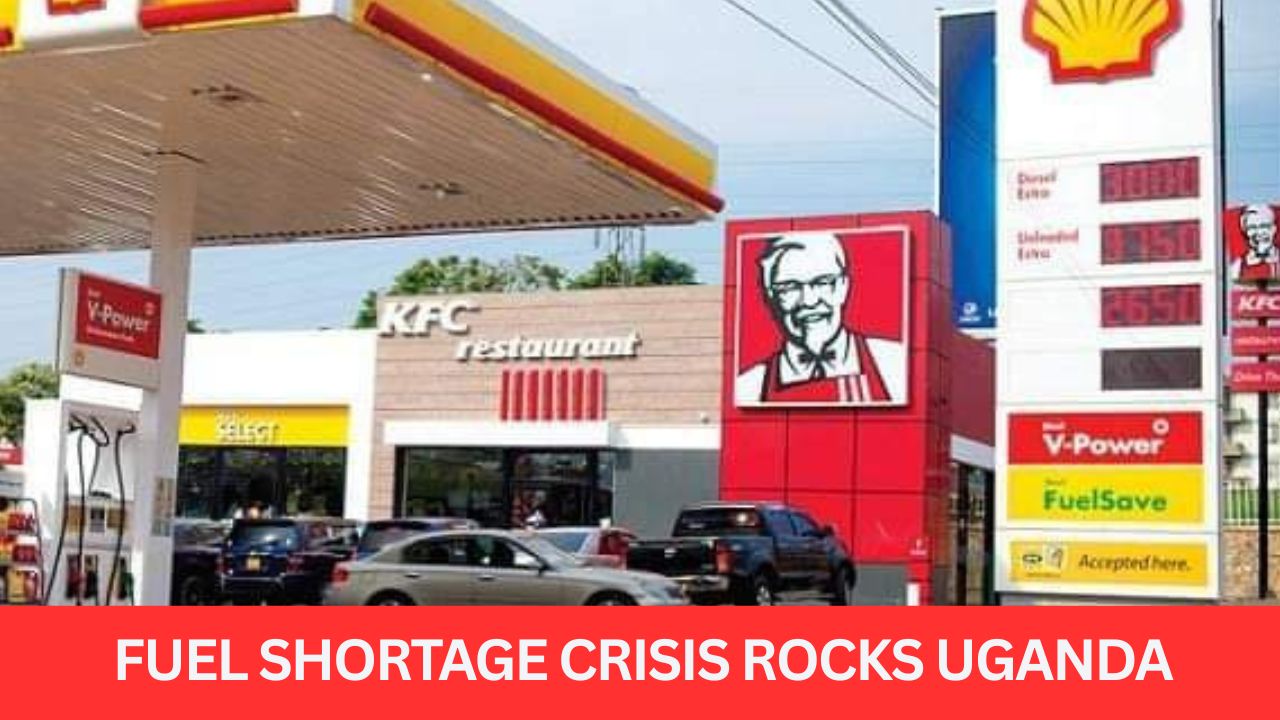
While smaller dealers in upcountry districts are struggling, larger fuel companies in Kampala continue to operate, although prices have also risen significantly.Major fuel retailers, including stations operated by Shell, are currently selling petrol at approximately Shs6,500 per litre while diesel is retailing at about Shs6,200 per litre.Although these prices are lower than those reported in Gulu and other remote locations, consumers say they are still feeling the pressure.Motorists interviewed in Kampala described the situation as one of the most challenging periods for fuel consumers in recent years.Some have begun reducing unnecessary travel, while others are turning to public transport to minimise fuel expenses.
Government Seeks To Calm Fears
Despite growing concerns across the country, government officials insist that Uganda’s fuel supply remains stable. Last month, the Ministry of Energy and Mineral Development assured Ugandans that there was no immediate threat to national fuel stocks.Speaking during a press briefing at the Uganda Media Centre, Permanent Secretary Eng. Irene Bateebe acknowledged that international developments were exerting pressure on fuel markets.According to Bateebe, instability in the Middle East and disruptions associated with the Strait of Hormuz have significantly affected global oil supply chains.The Strait of Hormuz is one of the world’s most important oil transit routes, with millions of barrels of crude oil passing through the waterway every day. Any disruption in the area immediately affects global energy markets.
Middle East Tensions Blamed
Energy experts say geopolitical tensions in the Middle East have caused international oil prices to rise sharply.The uncertainty has increased freight charges, shipping expenses and insurance costs for petroleum products being transported around the world.
These additional costs are eventually passed on to consumers.Industry analysts warn that countries such as Uganda, which rely heavily on imported petroleum products, are especially vulnerable to global market disruptions.“Uganda imports all its refined petroleum products. Any shock in the international market automatically affects local pump prices,” said an energy analyst familiar with regional fuel markets.
Fears Of Worse Days Ahead
As fuel dealers continue to close their stations and motorists grapple with rising prices, concerns are mounting that the crisis could deepen if global oil market instability persists.Business owners fear that prolonged fuel shortages or further price increases could slow economic activity, disrupt supply chains and increase inflation.For ordinary Ugandans, the impact is already being felt in transport fares, commodity prices and household budgets.Many are now watching developments closely, hoping that international tensions ease and fuel prices begin to fall.Until then, the country’s fuel sector remains under immense pressure, with both dealers and consumers bracing for uncertain days ahead.
By Investigative Desk
Author Profile

- Mr. Stephen Kasozi Muwambi is a seasoned crime investigative writer, majoring in judicial-based stories. His two decades’ experience as a senior investigative journalist has made him one of the best to reckon on in Uganda. He can also be reached via [email protected]
Latest entries
 FeaturedOctober 8, 2026INTO WHY EC ORDERED FRESH LC1 POLLS IN 54 VILLAGES: Justice Simon Byabakama Cites Complaints, Disputed Results and Irregularities as the Commission Orders for Fresh Voting in the Affected Villages
 FeaturedOctober 7, 2026EDDIE MUTWE WINS BAIL, BUT REMAINS IN LUZIRA: Bobi Wine’s NUP Bodyguard’s Freedom Blocked By Second Case As Court Orders Sh5m Cash Bail And Sh50m Surety Bond
 FeaturedOctober 6, 2026WITNESS, NOT SUSPECT: In A Dramatic Twist, The DPP Has Cleared Mose Matovu’s Female Companion Of Prosecution. Investigators Will Now Rely On Tumusiime’s Testimony As The State Tightens Its Case Against Nsamba
 FeaturedOctober 5, 2026INSIDE THE DIGITAL PLATES SCANDAL: Why Angry MPs Sent Ministry Officials To Coolers As Investigations Closes In On A Top Minister Whose Arrest Is Imminent