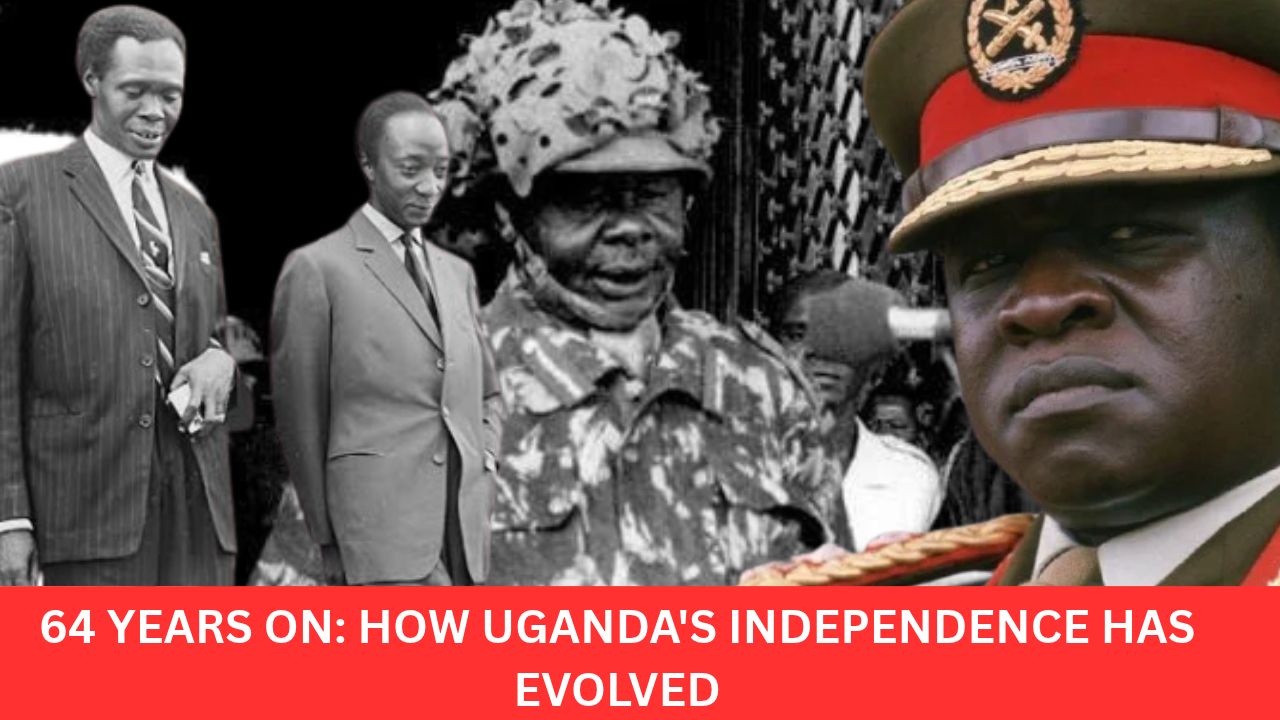








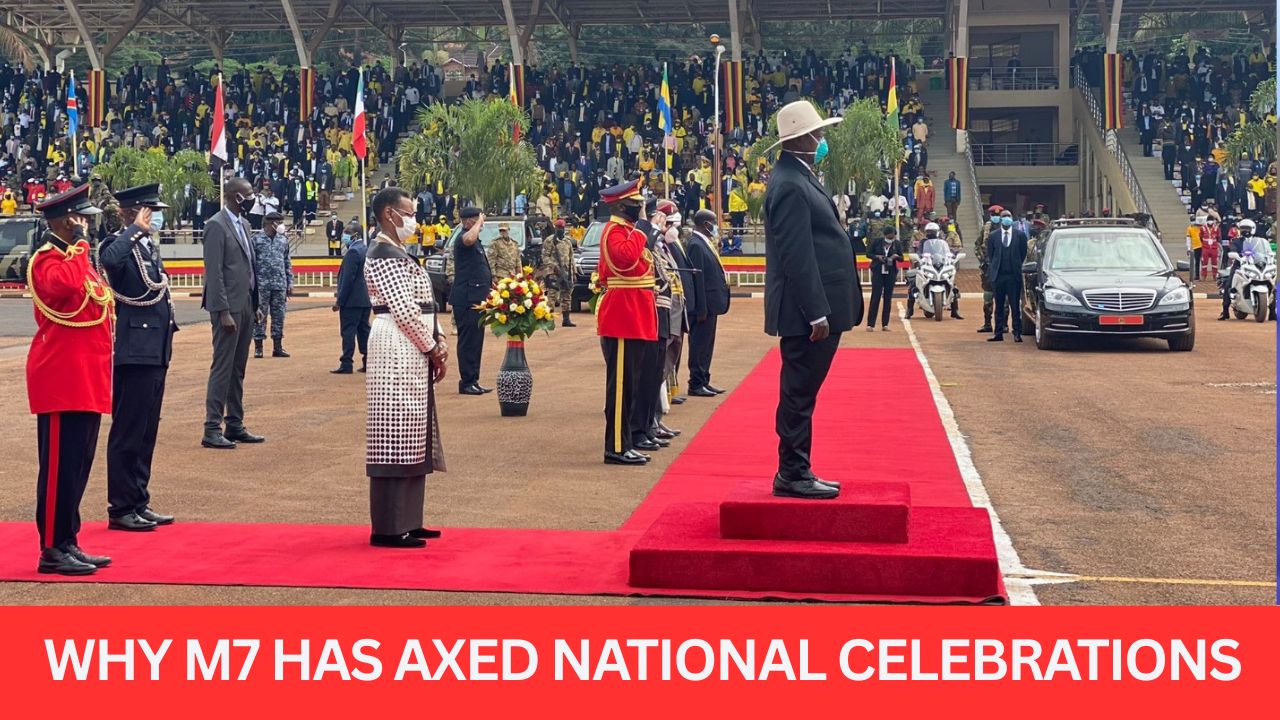
In a dramatic cost-cutting move that has sparked nationwide debate, the government has announced that it will stop spending public funds on organizing major national celebrations beginning in the 2026/27 financial year.The decision means that large-scale commemorations such as International Women’s Day, Labour Day, Heroes Day, and Independence Day will no longer receive government funding, marking a significant shift in how Uganda observes its national events.
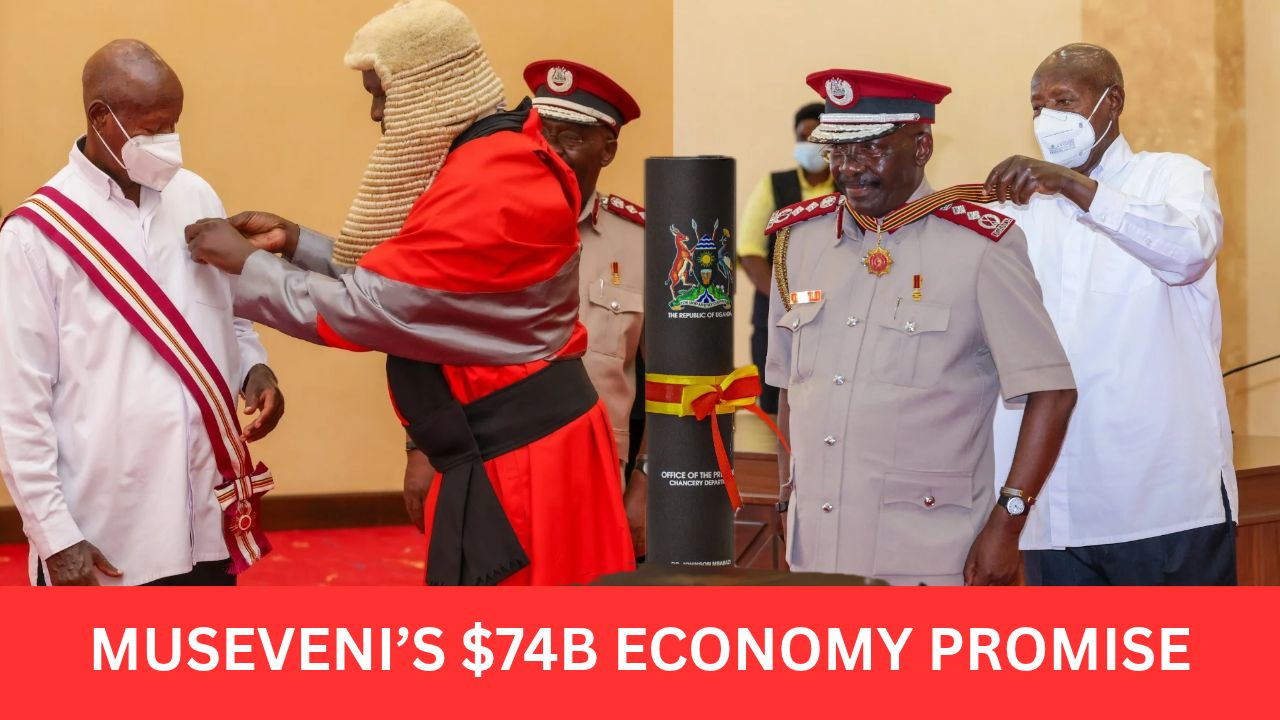
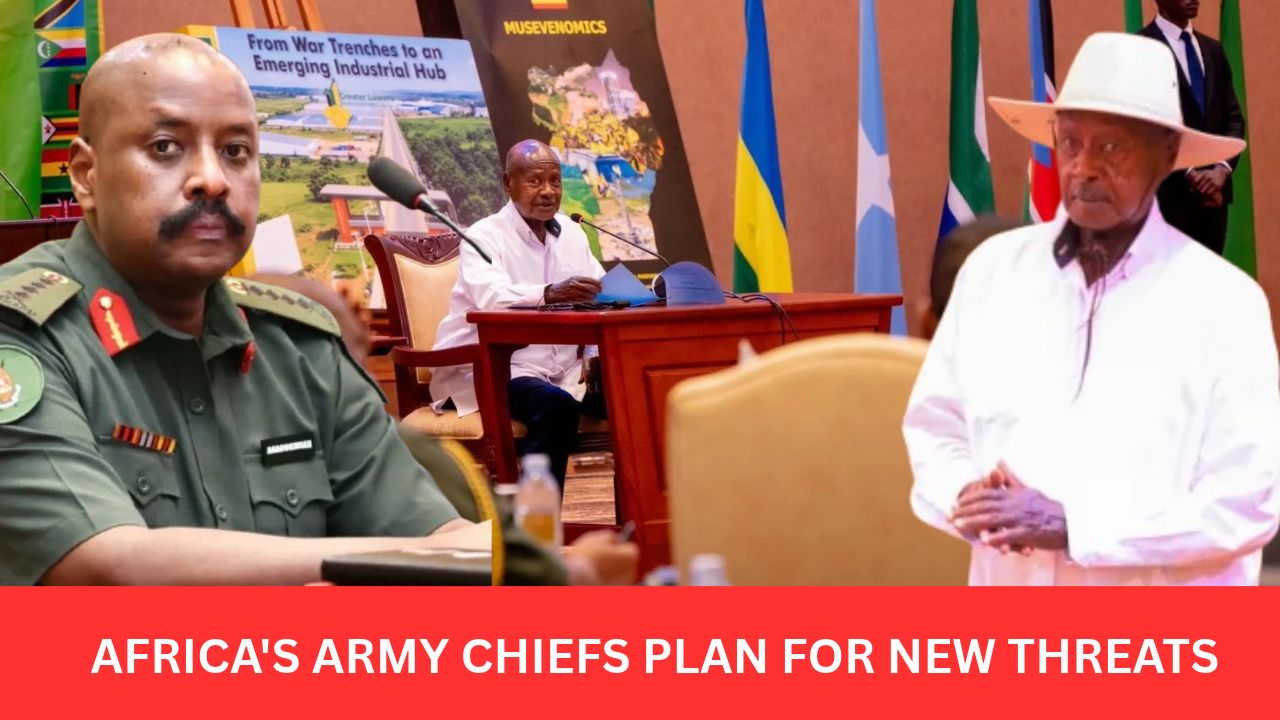
The announcement was made by the Permanent Secretary and Secretary to the Treasury, Dr. Ramathan Ggoobi, during discussions on government expenditure rationalization.According to Dr. Ggoobi, the move is aimed at reducing public spending and redirecting resources to sectors considered more critical to economic transformation.Instead of travelling to various districts to preside over public functions, President Yoweri Kaguta Museveni will deliver his national addresses from State House through radio and television broadcasts.The money saved, government officials say, will be channelled towards priority programmes under the government’s Agricultural Transformation, Mining, Science and Technology (ATMS) agenda and other development enablers.
End Of An Era
For decades, national celebrations have been among the biggest public events on Uganda’s calendar.Every year, thousands of citizens, government officials, politicians, religious leaders, students and cultural groups gather in different districts to mark important national occasions. The events often involve elaborate preparations, security deployments, transportation, accommodation, entertainment and media coverage.These celebrations have traditionally been viewed as opportunities for government to interact directly with citizens while showcasing development achievements.
However, critics have long questioned whether the huge expenditure involved delivers value for money, especially at a time when government faces increasing demands in health, education, infrastructure and job creation.Dr. Ggoobi argued that the country can no longer afford costly ceremonies when there are pressing development priorities competing for limited resources.”Effective next financial year, government will not spend money on organizing public functions related to public holidays such as Women’s Day, Labour Day, Independence Day and others. Resources will instead be directed to priority areas that can generate economic growth and improve service delivery,” he said.
Mukula Applauds Move
Among the first leaders to publicly support the decision was veteran politician Captain Mike Mukula. Mukula described the arrangement as practical and cost-effective, saying modern communication technology makes it possible for the President to reach millions of Ugandans without the enormous costs associated with organizing physical gatherings.”Addressing the nation through radio and television is a commendable and cost-effective initiative,” Mukula said.”It significantly reduces expenses associated with large public gatherings, allowing more resources to be directed toward critical sectors of the economy. Efficient governance means maximizing impact while minimizing costs.”According to supporters of the move, millions of shillings spent on logistics, tents, fuel, allowances and security operations can instead be redirected to sectors that directly affect citizens’ livelihoods.
But Will Government Really Save Money?
Not everyone is convinced. Political commentator Barigye Namara questioned whether the measure will result in actual savings if budgets for State House and presidential activities remain unchanged.”Thanks for the measures, but will the State House budget reduce given that a lot of funds would have been spent on travel and protection of the President during public functions?” Namara asked.He called for a comparison between the current financial year’s budget and the incoming 2026/27 budget to determine whether the announced savings are genuine or merely cosmetic.His concerns reflect a broader public sentiment that government should provide detailed figures showing how much money has been spent on national celebrations over the years and how much exactly will be saved under the new arrangement.
Calls For Deeper Cuts
For many Ugandans, cancelling public celebrations is only a small step in a much larger conversation about government expenditure.Political analyst Yosamu Katumusiime welcomed the decision but argued that government must go further by reducing administrative costs.”Good development, but not enough,” he said.”Reduce administrative expenditure. Reduce RDCs and make them regional. Reduce Parliament to one MP per district. Reduce the government fleet to only essential vehicles. Run government like a business.”Similar views were echoed by several commentators who argued that some of the biggest expenditure pressures stem not from national celebrations but from maintaining a large political structure.Many citizens have increasingly questioned the growing number of Members of Parliament, ministers, presidential advisers and government agencies, arguing that rationalization should start at the top.
Universities Need Funding
Education advocates also joined the debate. Dr. Mesharch Katusiime said government should use the opportunity to tackle larger sources of waste while investing more resources in higher education.”Good start, but government should tackle larger sources of waste. Invest in infrastructure at universities,” he said.”A country cannot build a knowledge economy when universities lack facilities to support learning and innovation.”His comments reflect growing concern over deteriorating infrastructure in public universities and the need to strengthen research, innovation and skills development if Uganda is to compete in a modern economy.
Long Overdue, Say Others
For another section of the public, the announcement is long overdue. Edson Thembo Bathong argued that government has for years maintained expensive political and administrative structures that contribute little to economic growth.”This is long overdue,” he said. “We must think about money being spent on huge numbers of politicians, advisers and unnecessary administrative units. Restructuring is needed in political structures.”Such views have become increasingly common as citizens face rising living costs, unemployment and pressure on household incomes.Many Ugandans believe government must demonstrate fiscal discipline before asking citizens to make economic sacrifices.
President’s Age Becomes Talking Point
Beyond the financial implications, some observers have linked the decision to President Museveni’s advancing age.Social commentator Allan Ssenyonga suggested that reducing travel commitments may also be intended to lessen the physical demands on the Head of State.”There is also the fact that the President is getting old,” he remarked.”Mzee no longer has the energy to travel extensively and officiate at all these events. It is easier to address the nation from State House.”Although government has framed the decision purely as a cost-saving measure, such comments have fueled speculation about whether logistical convenience and age-related considerations also played a role.
The Bigger Test Ahead
As Uganda enters a new era of austerity, the real test will be whether the money saved is actually redirected to priority sectors and whether citizens notice improvements in service delivery.For now, the announcement has opened a broader national conversation about government spending, accountability and the size of the public administration.While supporters view the move as a bold step toward fiscal discipline, critics argue that cancelling ceremonies alone will not solve Uganda’s spending challenges.What many Ugandans appear to agree on is that if government is serious about cutting costs, the conversation cannot end with Women’s Day, Labour Day or Independence Day celebrations.The spotlight is now turning to Parliament, ministries, government agencies, presidential advisers and the wider political establishment, where citizens believe the biggest savings may still be hiding.
By Investigative Desk
Author Profile
- Mr. Stephen Kasozi Muwambi is a seasoned crime investigative writer, majoring in judicial-based stories. His two decades’ experience as a senior investigative journalist has made him one of the best to reckon on in Uganda. He can also be reached via [email protected]
Latest entries
 FeaturedOctober 8, 2026INTO WHY EC ORDERED FRESH LC1 POLLS IN 54 VILLAGES: Justice Simon Byabakama Cites Complaints, Disputed Results and Irregularities as the Commission Orders for Fresh Voting in the Affected Villages
 FeaturedOctober 7, 2026EDDIE MUTWE WINS BAIL, BUT REMAINS IN LUZIRA: Bobi Wine’s NUP Bodyguard’s Freedom Blocked By Second Case As Court Orders Sh5m Cash Bail And Sh50m Surety Bond
 FeaturedOctober 6, 2026WITNESS, NOT SUSPECT: In A Dramatic Twist, The DPP Has Cleared Mose Matovu’s Female Companion Of Prosecution. Investigators Will Now Rely On Tumusiime’s Testimony As The State Tightens Its Case Against Nsamba
 FeaturedOctober 5, 2026INSIDE THE DIGITAL PLATES SCANDAL: Why Angry MPs Sent Ministry Officials To Coolers As Investigations Closes In On A Top Minister Whose Arrest Is Imminent