


















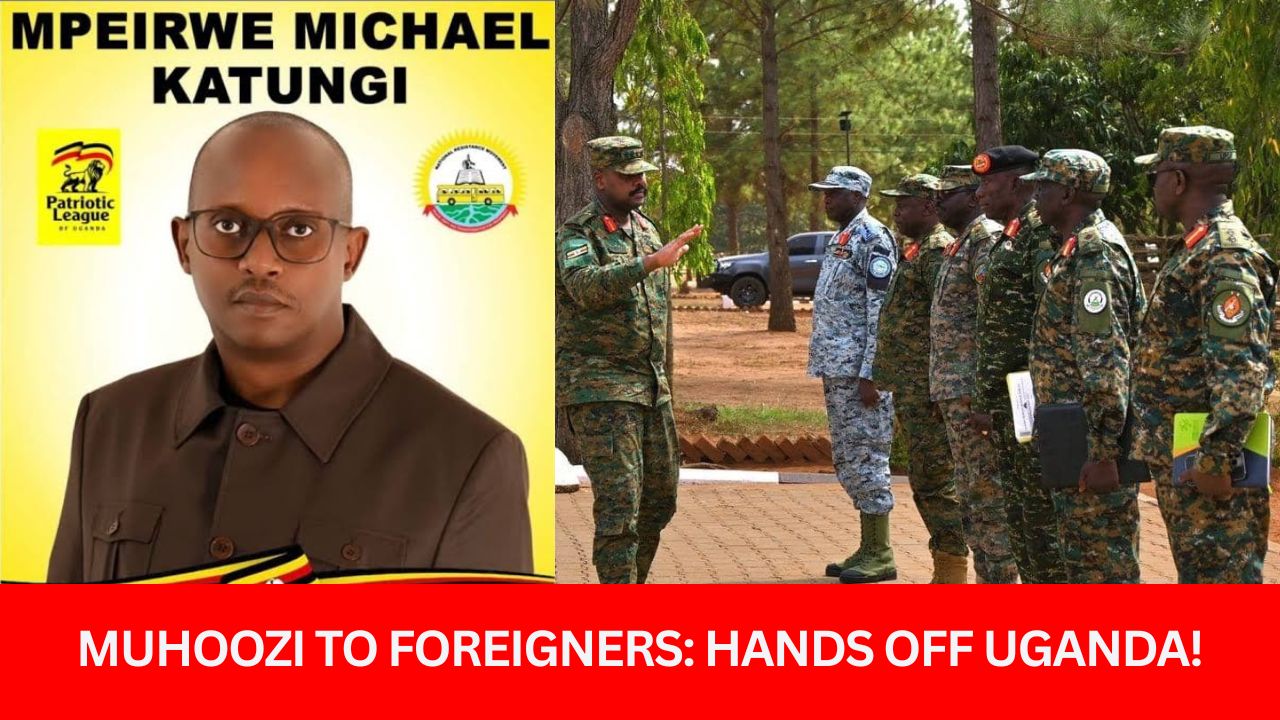
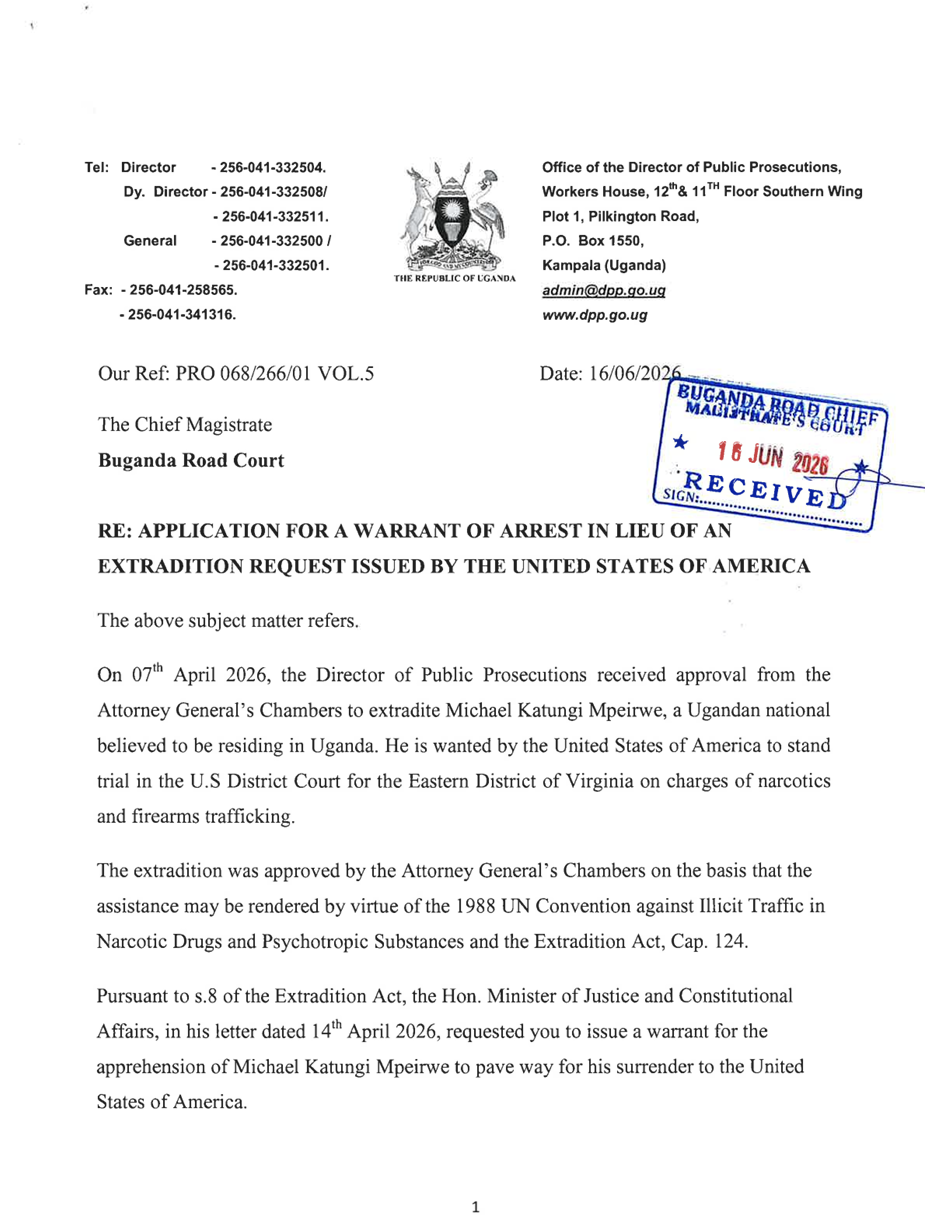
The battle over the proposed extradition of Ugandan businessman Michael Mpeirwe Katungi to the United States has exploded into a full-blown sovereignty showdown after Chief of Defence Forces (CDF) General Muhoozi Kainerugaba vowed that Uganda will not tolerate foreign interference in its internal affairs.
Although Gen Muhoozi did not mention Katungi by name during Thursday’s historic pass-out ceremony of more than 10,000 UPDF recruits at Kaweweta Basic Military Training School, his warning came at a time when the controversial extradition case has become one of the country’s hottest legal and political debates.
Speaking before President Yoweri Museveni, the Commander-in-Chief, Gen Muhoozi declared that Uganda’s peace and stability would not be compromised by external interests.”We shall not allow foreign interests to determine our national narrative,” Gen Muhoozi declared.
The fiery army commander warned that Uganda remained alert to what he described as “agents of foreign interests” and “neocolonialist sympathizers” allegedly working to undermine the country’s independence.
“We are very aware of the insidious machinations of negative elements against our country, but the good news is that we will not permit their shenanigans,” he said.Although he did not identify any country, organisation or individual, his remarks have immediately fuelled debate over the ongoing efforts by the United States to extradite Katungi to face criminal charges.
Legal Storm
Katungi is wanted in the United States over allegations relating to narcotics trafficking, firearms offences and allegedly providing support to an organisation designated by U.S. authorities as a terrorist group.
However, his lawyers and supporters insist the extradition request is riddled with constitutional and procedural defects that should prevent Uganda from surrendering one of its citizens.
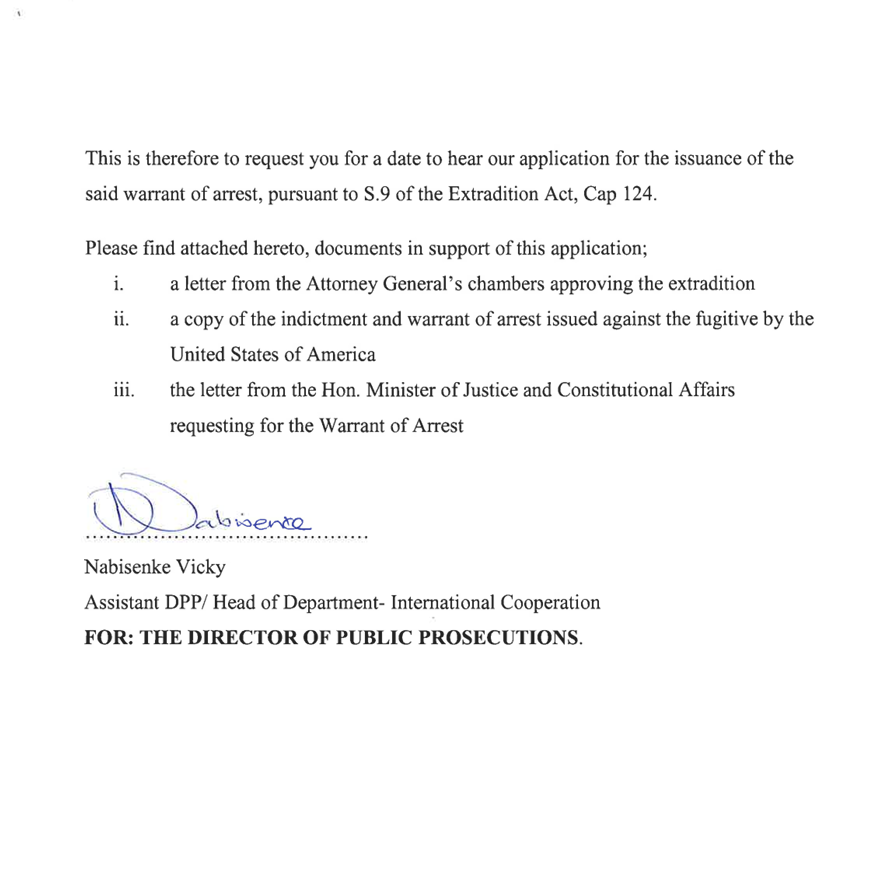
The businessman has already petitioned Uganda’s Constitutional Court under Constitutional Petition No. 0014 of 2026, challenging the legality of the entire extradition process.The petition argues that until the Constitutional Court determines the legality of the proceedings, any attempt to extradite him could violate Uganda’s Constitution.
Who Started The Case?
One of the biggest questions being raised concerns which government institution was legally authorised to commence extradition proceedings.
According to legal arguments contained in documents before court, critics contend that the Director of Public Prosecutions allegedly initiated aspects of the process before the legally mandated procedures had been followed.
The legal brief further argues that responsibility for commencing extradition proceedings rests with the appropriate executive authority, and questions whether the correct office handled the request.If the Constitutional Court agrees with that interpretation, lawyers argue that actions taken so far could be declared legally defective.
Questions Over The Minister’s Role
The controversy does not end there. Lawyers challenging the extradition also argue that because much of the American case relates to narcotics offences, Ugandan law governing international cooperation on drug crimes may assign responsibility differently from how the current proceedings were initiated.
According to the legal submissions, the Government should urgently review whether the correct legal authority approved the request before any Ugandan citizen is surrendered to another country.
Firearms Charge Under Scrutiny
Another issue likely to dominate the courtroom concerns the firearms charges.
The legal challenge argues that Uganda may not have a treaty or domestic legal framework permitting extradition to the United States on those specific offences. If that position is upheld by court, lawyers say those counts could fall away entirely.
Is There An Extradition Treaty?
Perhaps the most explosive claim emerging from the legal battle is the argument that there is uncertainty over the legal framework governing extradition between Uganda and the United States.
The legal team contends that government must clearly establish the legal basis upon which a Ugandan citizen can be surrendered before any extradition is approved.Without that legal foundation, they argue, the entire exercise risks being struck down.
Retrospective Justice?
Another constitutional issue centres on one of the American charges alleging support for the Cartel de Jalisco Nueva Generación (CJNG).
According to the legal challenge, the alleged conduct occurred between 2021 and 2024.However, the documents argue that the organisation was only designated by the United States as a Foreign Terrorist Organization in February 2025.
Katungi’s lawyers argue that Uganda’s Constitution prohibits retrospective criminal punishment, meaning a person cannot lawfully be punished for conduct that was not criminal at the time it allegedly occurred. Whether that argument succeeds will ultimately be determined by the Constitutional Court.
Sharp Attack On American Affidavit
Supporters of Katungi have also launched a blistering attack on the affidavit filed by an American official in support of the extradition request.
They allege the affidavit contains numerous legal and procedural weaknesses, including questions over the deponent’s authority to represent the United States in Ugandan proceedings.The submissions further argue that the affidavit fails to demonstrate the legal basis upon which the United States seeks extradition, and questions whether all statutory requirements were complied with.
The legal team also points to what it describes as inconsistencies in personal details contained in supporting documents, arguing that such discrepancies raise additional questions requiring judicial scrutiny.These claims remain allegations made by Katungi’s legal team and have yet to be determined by court.
Reciprocity Question
Another issue generating heated discussion is reciprocity. According to documents before court, lawyers argue that the United States has not guaranteed that it would extradite individuals to Uganda under similar circumstances.The submissions contend that Uganda should carefully consider whether surrendering one of its citizens without reciprocal commitments serves the country’s national interests.
Judiciary Urged To Decide First
The legal challenge also urges government to pause all extradition proceedings until the Constitutional Court has ruled on the constitutional questions raised.
Lawyers argue that allowing the constitutional process to conclude first would protect judicial independence and ensure any final decision complies fully with Uganda’s Constitution.They further caution public officials against making statements that appear to presume the outcome of ongoing judicial proceedings.
Sovereignty At The Centre
While the courtroom battle focuses on technical legal arguments, Gen Muhoozi’s remarks have injected a broader political dimension into the debate. His insistence that Uganda will not permit foreign interests to dictate national affairs is already being interpreted by many observers as reinforcing the government’s long-standing position that Uganda must jealously guard its sovereignty.
Whether his comments were connected to the Katungi case or reflected a broader security message remains open to interpretation. What is beyond dispute is that the extradition case has become far more than a criminal proceeding.It now touches on constitutional law, diplomatic relations, judicial independence, national sovereignty and the limits of international legal cooperation.
High-Stakes Showdown
As the Constitutional Court prepares to examine the legality of the extradition process, both government and Katungi’s legal team face a defining legal contest.If the court agrees with the constitutional objections, Uganda could be forced to rethink not only this case but also how future extradition requests from foreign governments are handled.
If, however, the court dismisses the petition, the path could be cleared for the businessman to be surrendered to the United States to answer the charges against him.For now, the battle lines have been drawn. On one side stands Washington, seeking Katungi’s extradition.
On the other stands a growing legal campaign arguing that Uganda’s Constitution, sovereignty and judicial independence must come first.With Gen Muhoozi’s forceful warning against foreign interference echoing from Kaweweta, the Katungi case has become one of the most politically sensitive legal battles Uganda has witnessed in recent years—and one whose outcome could shape the country’s approach to international justice for years to come.
Author Profile

- Charles Gazza Kodili is a seasoned journalist with over 20 years of experience in the media industry. He holds a Bachelor of Arts degree in Mass Communication. He’s currently the Chief Editor at the Investigator.
Charles can also be reached via; Tel: +256 774 108978
Email: [email protected]
Latest entries
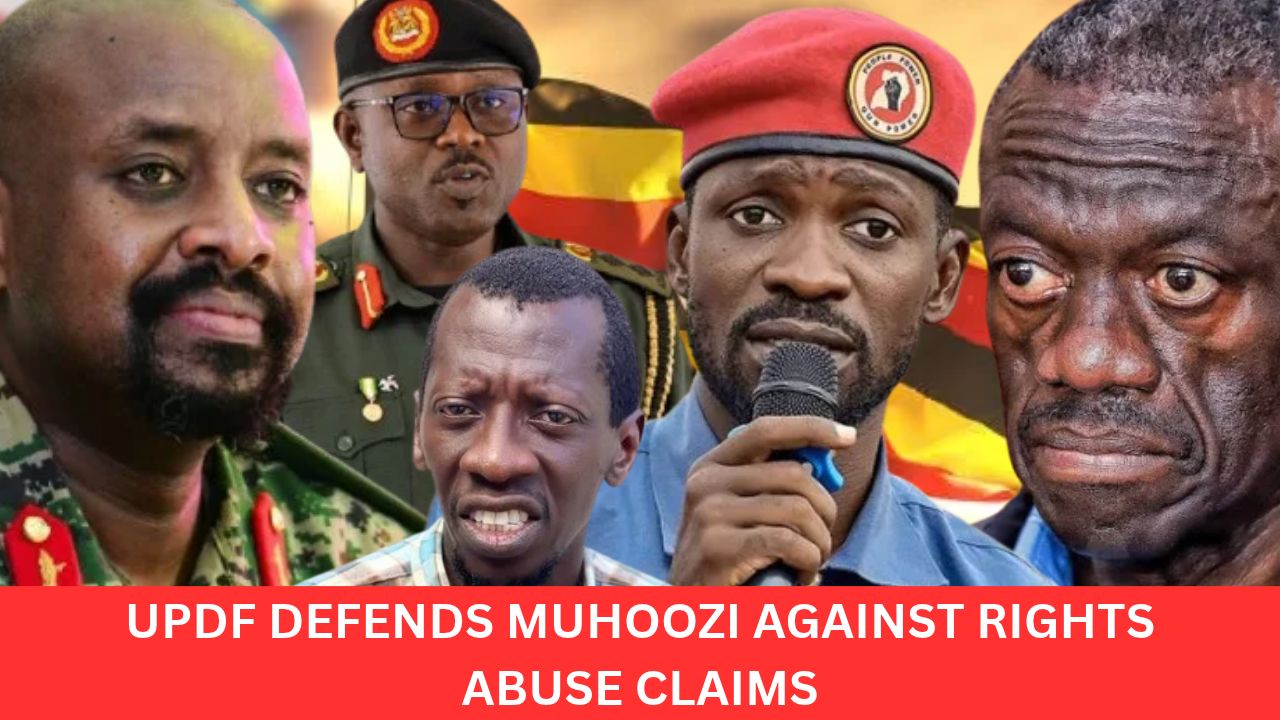 FeaturedOctober 10, 2026MUHOOZI UNDER FIRE OVER DEATH THREATS New York Times article puts Muhoozi’s human rights record under fresh scrutiny as UPDF cries foul
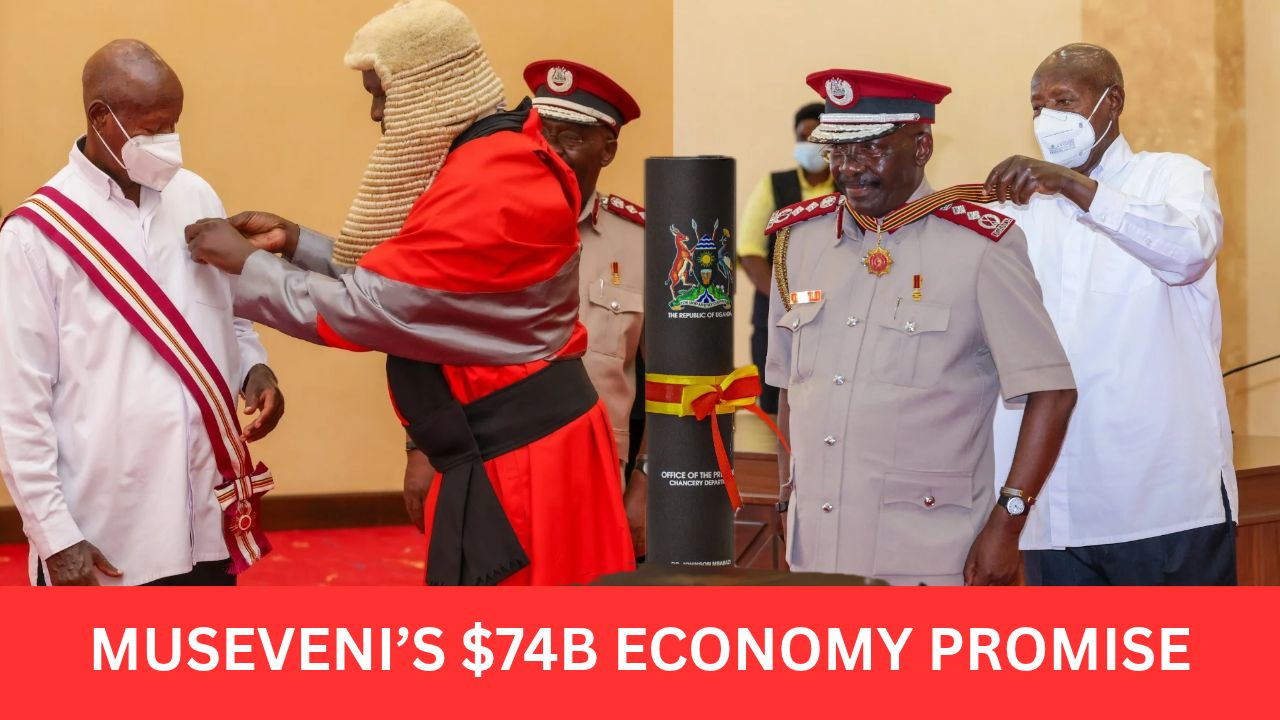 FeaturedOctober 9, 2026UGANDA ECONOMY TO HIT $73.96B: President Museveni Cites Decades Of Economic Growth As He Receives A Top National Honour During The 64th Independence Anniversary Celebrations At State House, Entebbe
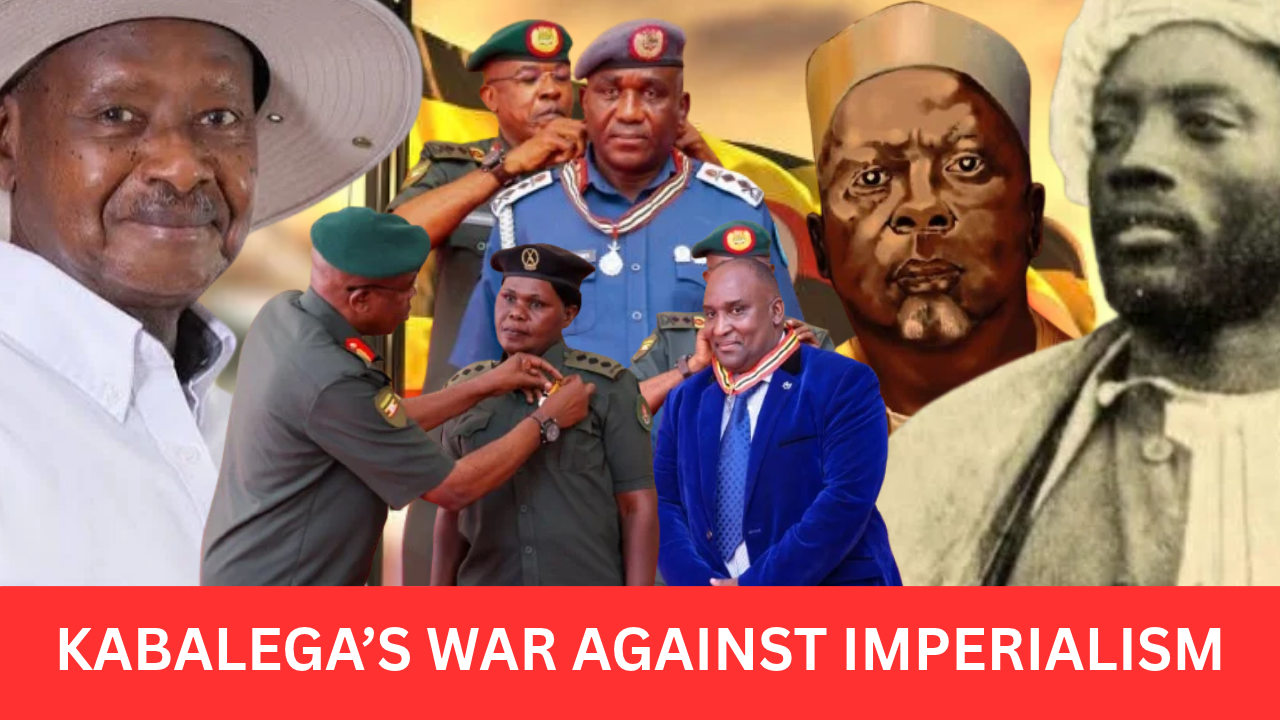 FeaturedOctober 9, 2026KABALEGA: THE KING WHO FOUGHT THE BRITISH: From Battles Against Sir Samuel Baker To Uganda’s Independence In 1962, The Bunyoro King Became A Symbol Of Resistance Against Foreign Domination
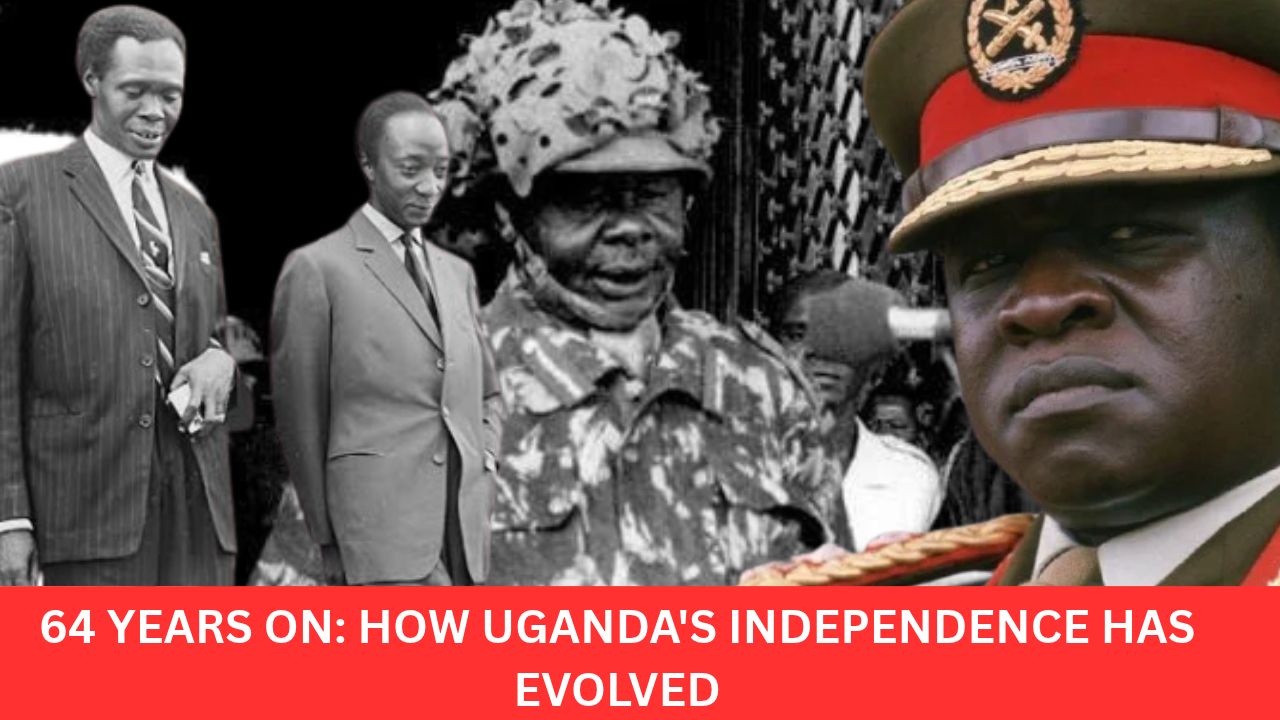 FeaturedOctober 8, 2026UGANDA AT 64: From Obote Receiving the Instruments of Power in 1962 to Museveni Receiving a National Medal in 2026, Uganda’s Independence Story Remains Unfinished. We Journey With You the Thorney 6+ Decades of Uhuru