


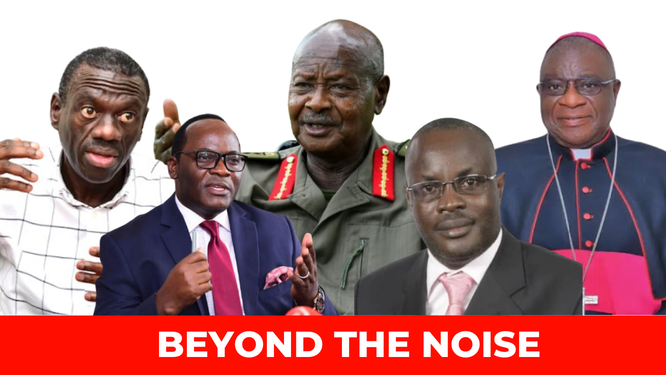

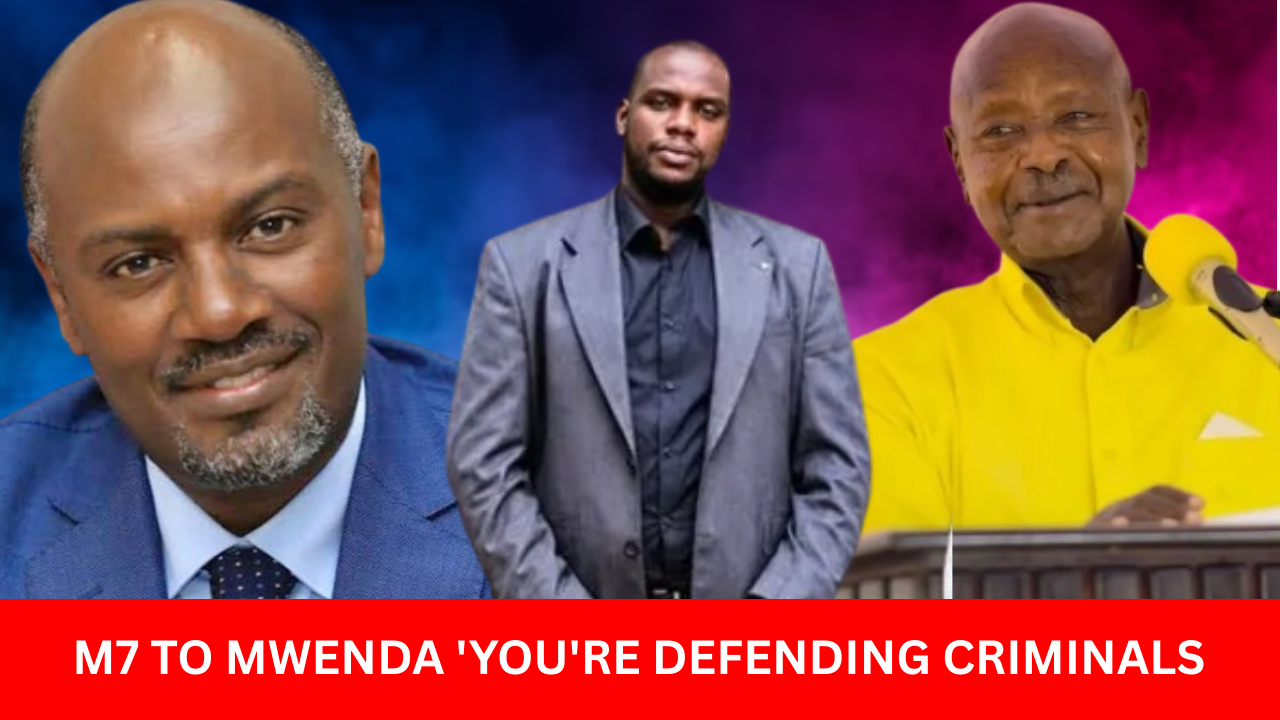
President Yoweri Museveni has issued one of his lengthiest and most personal responses to veteran journalist Andrew Mwenda, accusing him of diverting national attention from corruption and alleged criminality within Uganda’s security agencies by focusing on a controversial young man, Stephen Nuwagaba.
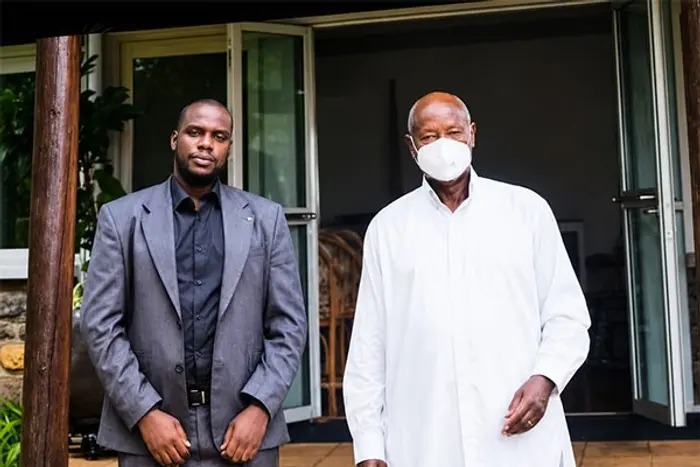
In a detailed statement addressed to “the People of Uganda, especially the Bazzukulu,” Museveni defended his decision to shelter and support Nuwagaba, whom he described as a torture victim rescued from individuals allegedly linked to the country’s security services.
The President used the statement not only to rebut Mwenda’s recent allegations but also to revisit Uganda’s liberation struggle, condemn torture, explain his philosophy on intelligence gathering, and accuse corrupt officials within government institutions of frustrating his administration’s anti-corruption efforts.
Museveni: “The Real Problem Is Not Nuwagaba”
Museveni dismissed suggestions that Stephen Nuwagaba had infiltrated or exercised undue influence over State House and security agencies.Instead, he argued that the country’s greatest threat lies in corrupt and compromised officials who allegedly shield criminal networks from accountability.
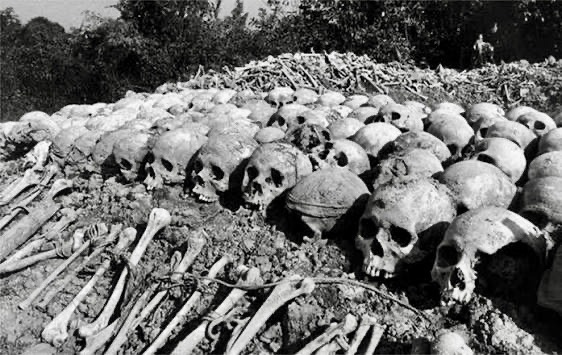
According to the President, Nuwagaba first came to his attention after allegedly suffering severe torture, physical injuries and psychological trauma.”He came to me as a fugitive, a victim of torture and maiming, whom some elements in the security services were trying to silence, including threatening him with death,” Museveni wrote.
The President revealed that he personally facilitated Nuwagaba’s treatment in hospitals both within Uganda and abroad, saying the young man spent months recovering under his care.
Museveni acknowledged that Nuwagaba may have personal shortcomings, including allegations of dishonesty and impersonation, but insisted these issues should not distract the country from investigating claims of torture and abuse by security personnel.
“If he has got problems like lying, he will account for those. However, the evil schemes of Mwenda are always seeking to disorient the focus of the country to trivialities or covering up crime.”
Condemnation of Torture
A central theme of Museveni’s response was an unequivocal denunciation of torture. Drawing on Uganda’s history under former President Idi Amin and the violence experienced during the Luwero Bush War, Museveni argued that torture contradicts the ideals upon which the National Resistance Movement (NRM) was founded.
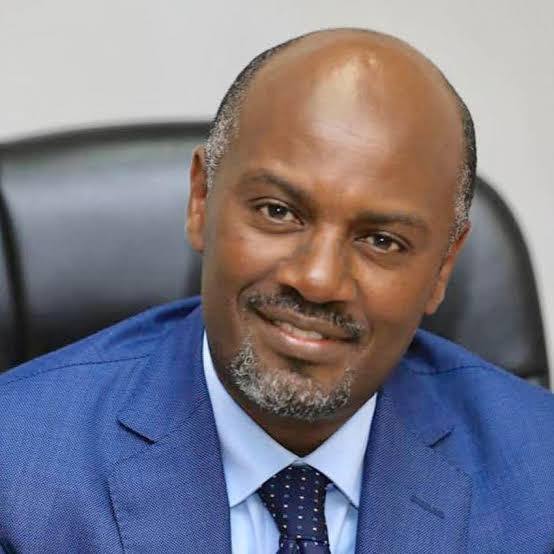
He recalled the execution of FRONASA members by Amin’s government in 1973 and the atrocities committed in the Luwero Triangle during the 1981–1986 guerrilla war.
The President maintained that neither FRONASA, the National Resistance Army (NRA), nor today’s Uganda People’s Defence Forces (UPDF) should resort to torture or extrajudicial killings.
“In the last 56 years I have been fighting, I have never tortured or ordered anybody to torture an opponent,” he wrote.
Museveni distinguished between what he described as revolutionary “disciplinary punishment” during the liberation struggle and acts of torture, insisting that physical abuse and permanent injury were never acceptable methods of extracting information.
Intelligence Lessons From the Bush War
The President also devoted a substantial section of his statement to disputing Mwenda’s reported characterization of intelligence operations during the bush war.Museveni argued that from the earliest days of the insurgency, the NRA relied on both human intelligence (HUMINT) and signals intelligence (SIGINT), not merely informal community networks.
He cited operations against Kabamba and Masindi barracks in the early 1980s, describing how civilian informants and intercepted military communications enabled successful attacks against the Uganda National Liberation Army (UNLA).
According to Museveni, the same intelligence principles remain relevant today, although he expressed concern that some security personnel have allegedly become corrupt or compromised.
Accuses Corrupt Officials of Blocking Information
The President further argued that informal whistle-blowers have increasingly become necessary because formal government structures sometimes fail to report corruption.
 He cited complaints surrounding the Parish Development Model (PDM), alleged bribery in government recruitment, corruption in road projects and previous allegations involving individuals within State House.
Museveni claimed such networks have also played important roles in exposing corruption and supporting security operations.
He therefore rejected attempts to portray Nuwagaba as Uganda’s principal security concern.”The main problem of Uganda is not Nuwagaba seizing State House and the security forces, but criminals… ensuring information does not reach leaders like the President.”
Background to Mwenda’s Allegations
The President’s remarks follow weeks of public commentary by journalist Andrew Mwenda regarding Stephen Nuwagaba.
Mwenda has questioned Nuwagaba’s credibility, publicly alleging that the young man falsely presented himself as an influential State House operative with extensive access to senior government officials and security institutions. He has also questioned why Nuwagaba appeared to enjoy unusual proximity to the Presidency and other centres of power.
In his latest statement, Museveni portrayed those criticisms as a deliberate attempt to shift attention away from allegations of torture and abuse.
The President also revived earlier disagreements with Mwenda, recalling previous public exchanges over Uganda’s emerging pharmaceutical industry, where Mwenda sharply criticised local innovators, including Prof. Patrick Ogwang’s associates Magoola and Senfuka, and questioned government support for some locally promoted scientific initiatives.
Museveni suggested those earlier disputes reflected what he described as a pattern of attacks against national initiatives before turning attention to the current controversy involving Nuwagaba.
Social Media Reacts
Museveni’s statement quickly generated intense debate across Ugandan social media platforms.
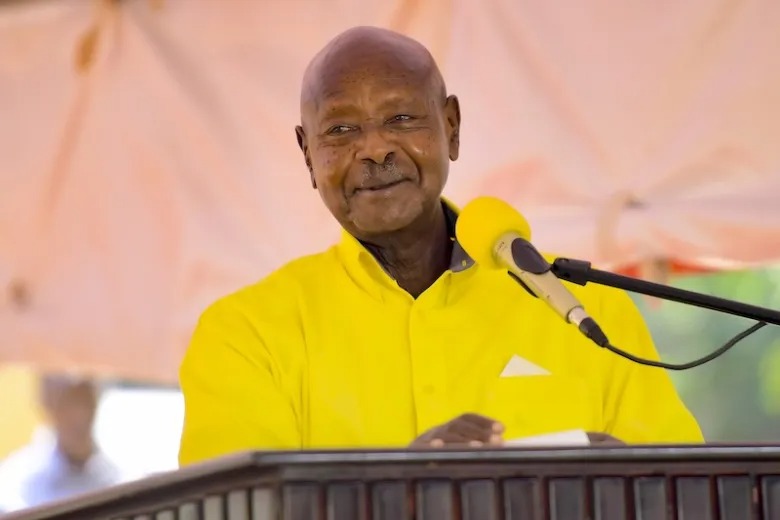
Supporters of the President argued that the statement demonstrated a willingness to confront abuses committed by rogue security personnel and welcomed his strong condemnation of torture regardless of who commits it.
Others praised Museveni for publicly acknowledging that corruption and impunity continue to undermine government institutions despite repeated reform efforts.
Critics, however, questioned why allegations of torture and corruption had persisted for years if the President had long been aware of the problem. Some argued that the statement effectively confirmed longstanding concerns raised by opposition politicians and human rights organisations about abuses within sections of Uganda’s security apparatus.
Others focused on the President’s extensive historical narrative, saying it illustrated his continued reliance on liberation-war experiences to explain present-day governance challenges.
Several users also debated the President’s unusually direct criticism of Mwenda, noting that the journalist has often been regarded as one of Museveni’s closest public defenders despite periodic disagreements.
A Rare Public Rift
The exchange represents one of the sharpest public disagreements between Museveni and Mwenda in recent years.While the two have frequently shared similar views on national policy, they have occasionally clashed over governance, economic management and the conduct of state institutions.
Museveni’s latest statement elevates that disagreement, framing the dispute not merely as a difference of opinion but as a contest over accountability, the integrity of Uganda’s security services and the country’s anti-corruption agenda.
Whether the President’s intervention settles the controversy surrounding Stephen Nuwagaba remains uncertain. However, it has reignited national debate over torture allegations, intelligence operations, corruption and the relationship between investigative journalism and political power in Uganda.
M7 Letter Verbatim
The People of Uganda, especially the Bazzukulu. Kopango. Iriyo maber. Apoyo kwir maber recently.
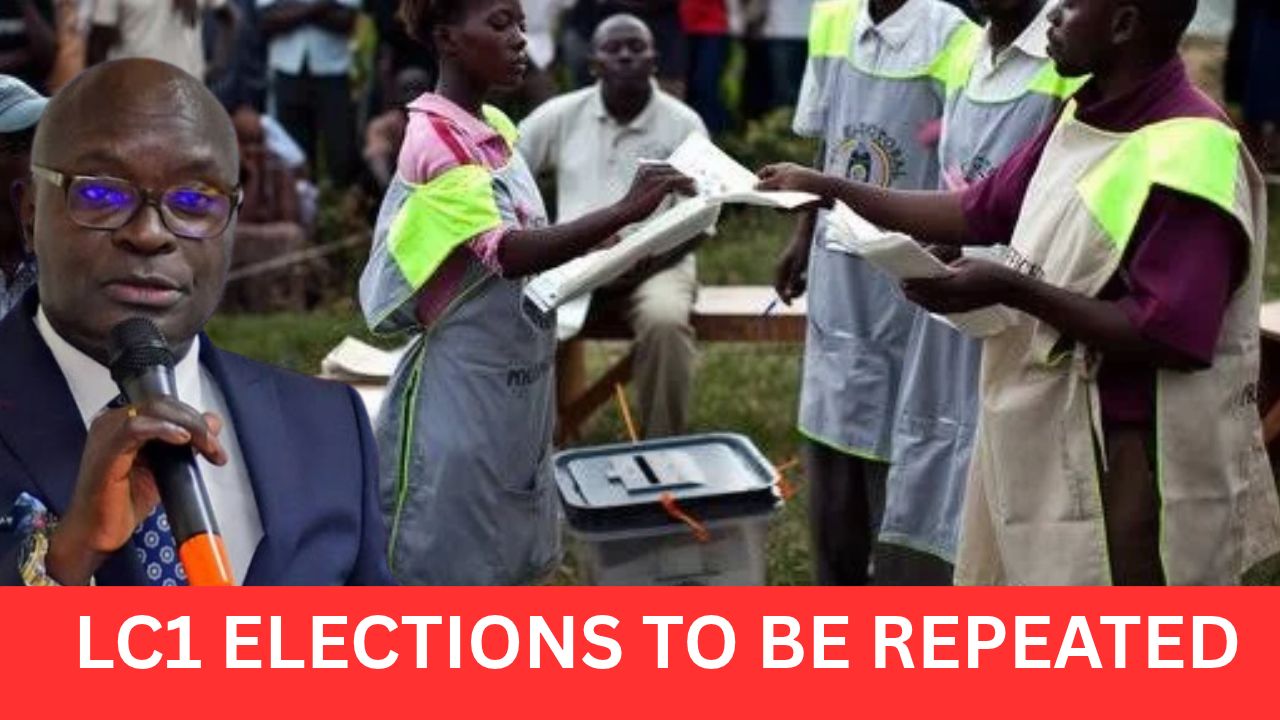
Having thanked Ugandans for voting very well in the recent LC-1 elections, we shall get time to say more about this issue later.
However, for today, I want to inform the Ugandans that the great journalist Andrew Mwenda is back with his schemes. Having failed to destroy our promising pharmaceutical industry by calling our innovators Magoola and Senfuka con-men, and declaring me senile, he has now discovered a new national emergency in Uganda. This is the young man known as Nuwagaba Stephen.
This young man has laid “siege” on State House and the Security Agencies. There is big danger to the country. Since I am not dead, and I am still able to use my pen to defend the Ugandan and African Revolutions, I will tell you about Nuwagaba.
Nuwagaba is a young man in his mid-twenties who came to me as a fugitive, a victim of torture and maiming, whom some elements in the Security Services were trying to silence, including threatening with death.
He has actually been a patient on account of torture and maiming (okumuzya), and trauma because of the torture, for many of the months he has been under my care! I
Author Profile
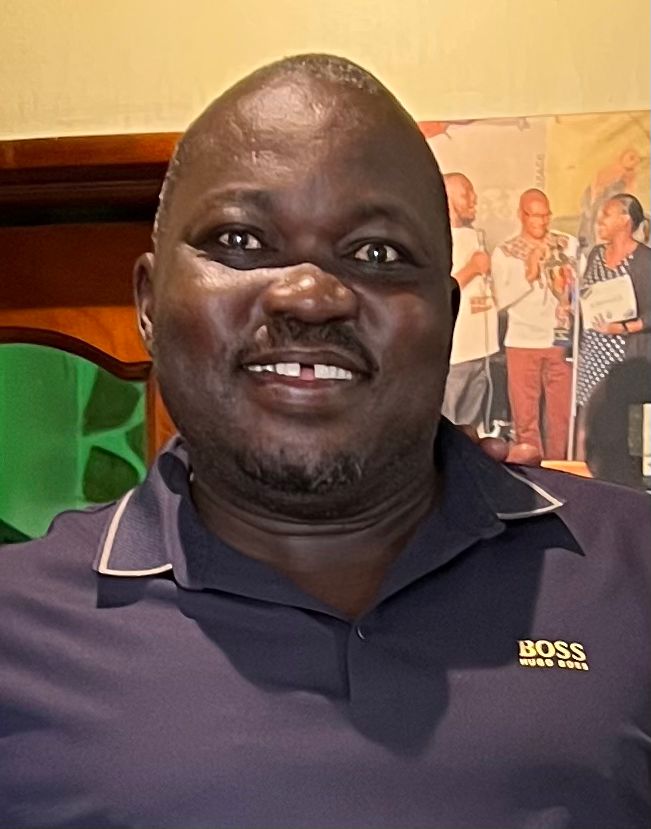
- Charles Gazza Kodili is a seasoned journalist with over 20 years of experience in the media industry. He holds a Bachelor of Arts degree in Mass Communication. He’s currently the Chief Editor at the Investigator.
Charles can also be reached via; Tel: +256 774 108978
Email: [email protected]
Latest entries
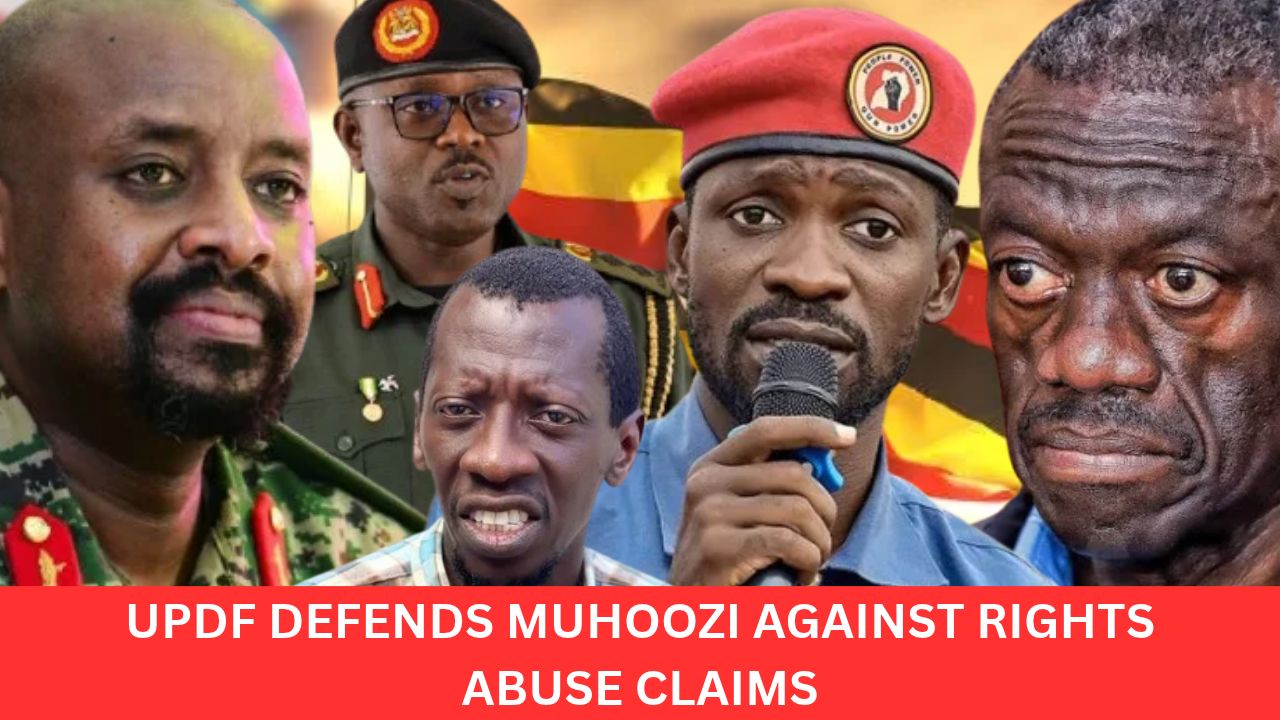 FeaturedOctober 10, 2026MUHOOZI UNDER FIRE OVER DEATH THREATS New York Times article puts Muhoozi’s human rights record under fresh scrutiny as UPDF cries foul
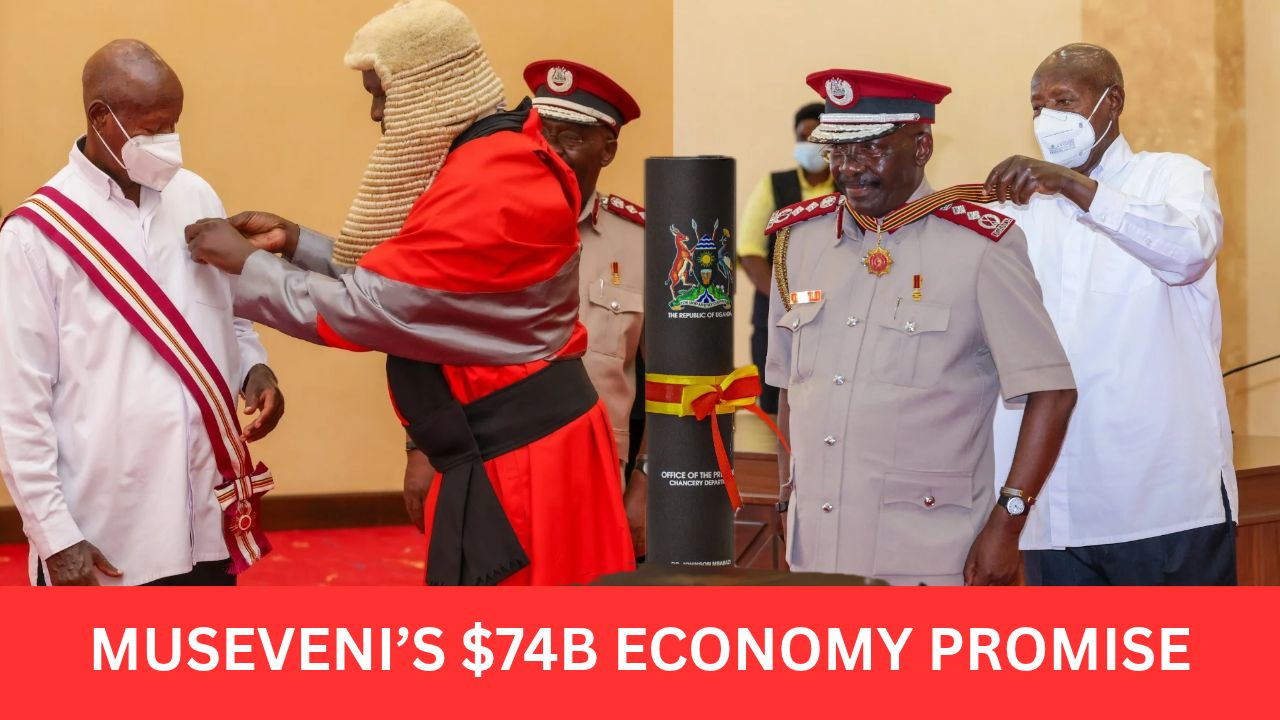 FeaturedOctober 9, 2026UGANDA ECONOMY TO HIT $73.96B: President Museveni Cites Decades Of Economic Growth As He Receives A Top National Honour During The 64th Independence Anniversary Celebrations At State House, Entebbe
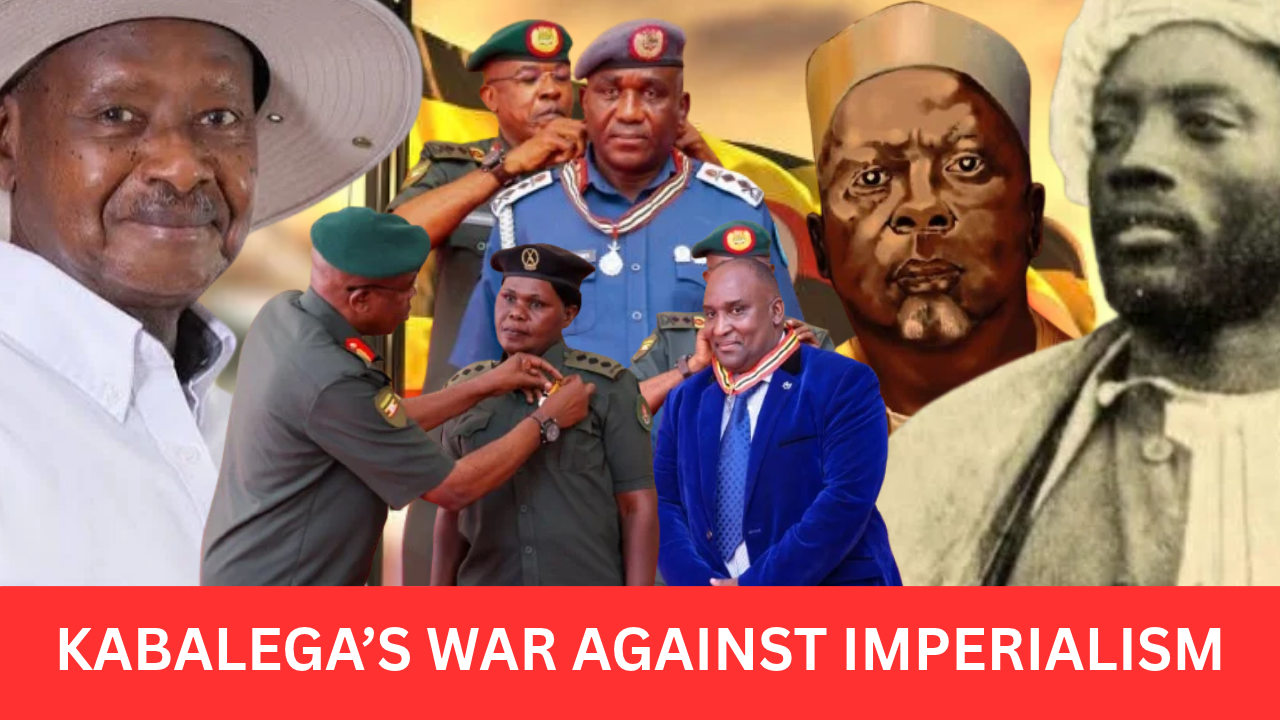 FeaturedOctober 9, 2026KABALEGA: THE KING WHO FOUGHT THE BRITISH: From Battles Against Sir Samuel Baker To Uganda’s Independence In 1962, The Bunyoro King Became A Symbol Of Resistance Against Foreign Domination
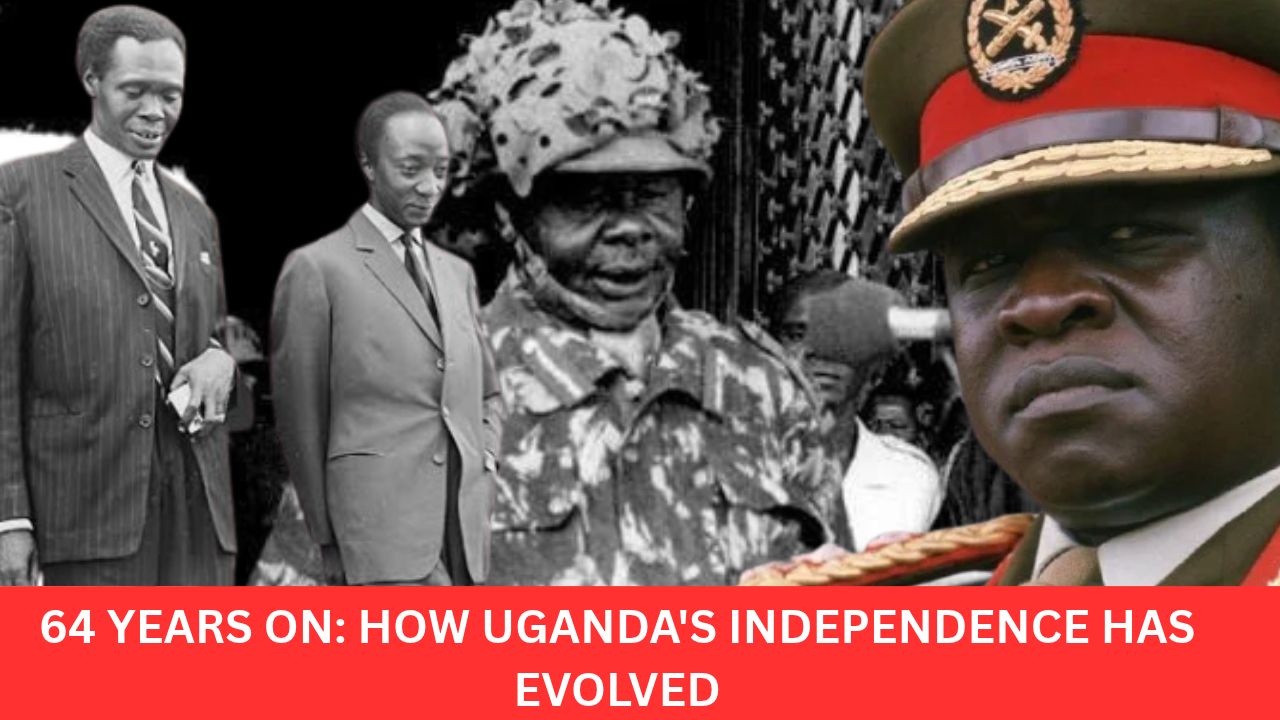 FeaturedOctober 8, 2026UGANDA AT 64: From Obote Receiving the Instruments of Power in 1962 to Museveni Receiving a National Medal in 2026, Uganda’s Independence Story Remains Unfinished. We Journey With You the Thorney 6+ Decades of Uhuru

Why publish half the speech
Long live president Museven you are the best parent
Thanks for your kindness and parental love
👍♥️👍