
















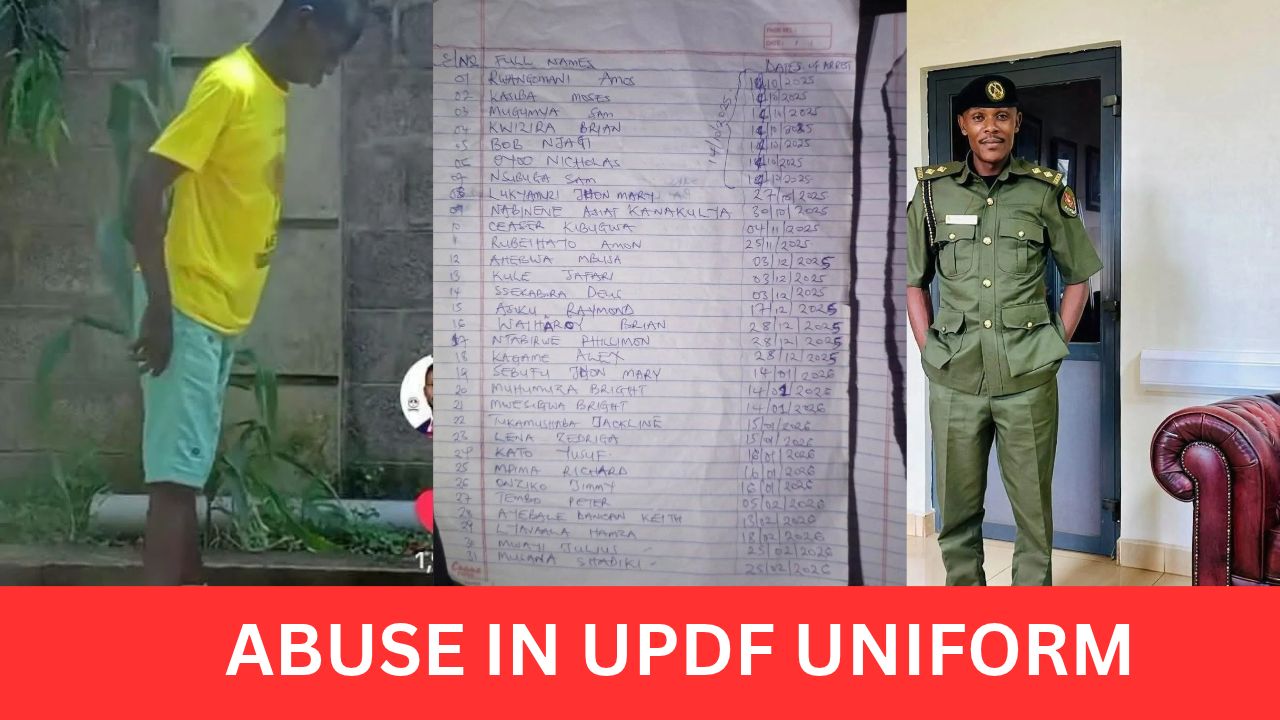
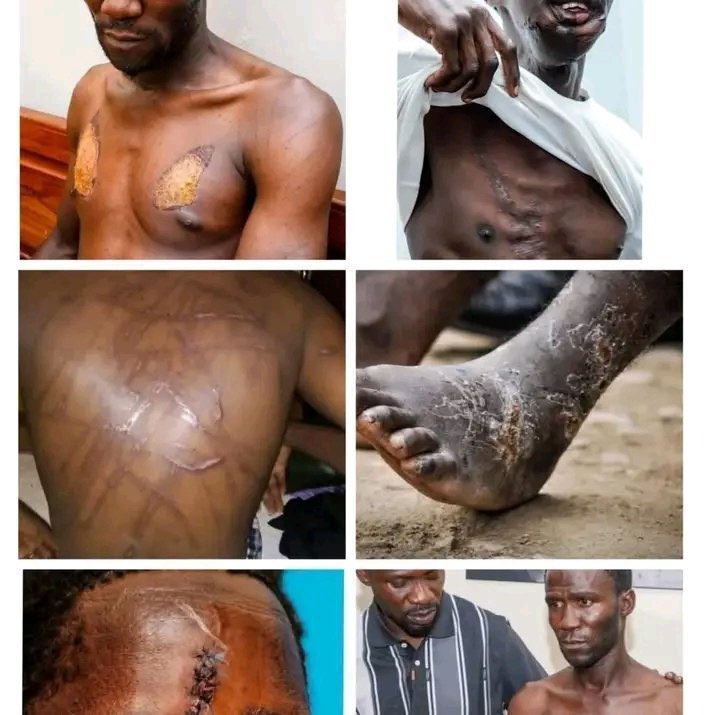
A disturbing pattern of torture allegations involving people in military or security custody has again placed Uganda’s security forces under intense public scrutiny, following the circulation of videos showing civilians allegedly subjected to brutal treatment by men in uniform.
The latest debate has revived memories of the 2023 torture of Nelson Omon, a civilian in northern Uganda who was accused of stealing a motorcycle and was beaten by soldiers at Lagot in Kitgum district.
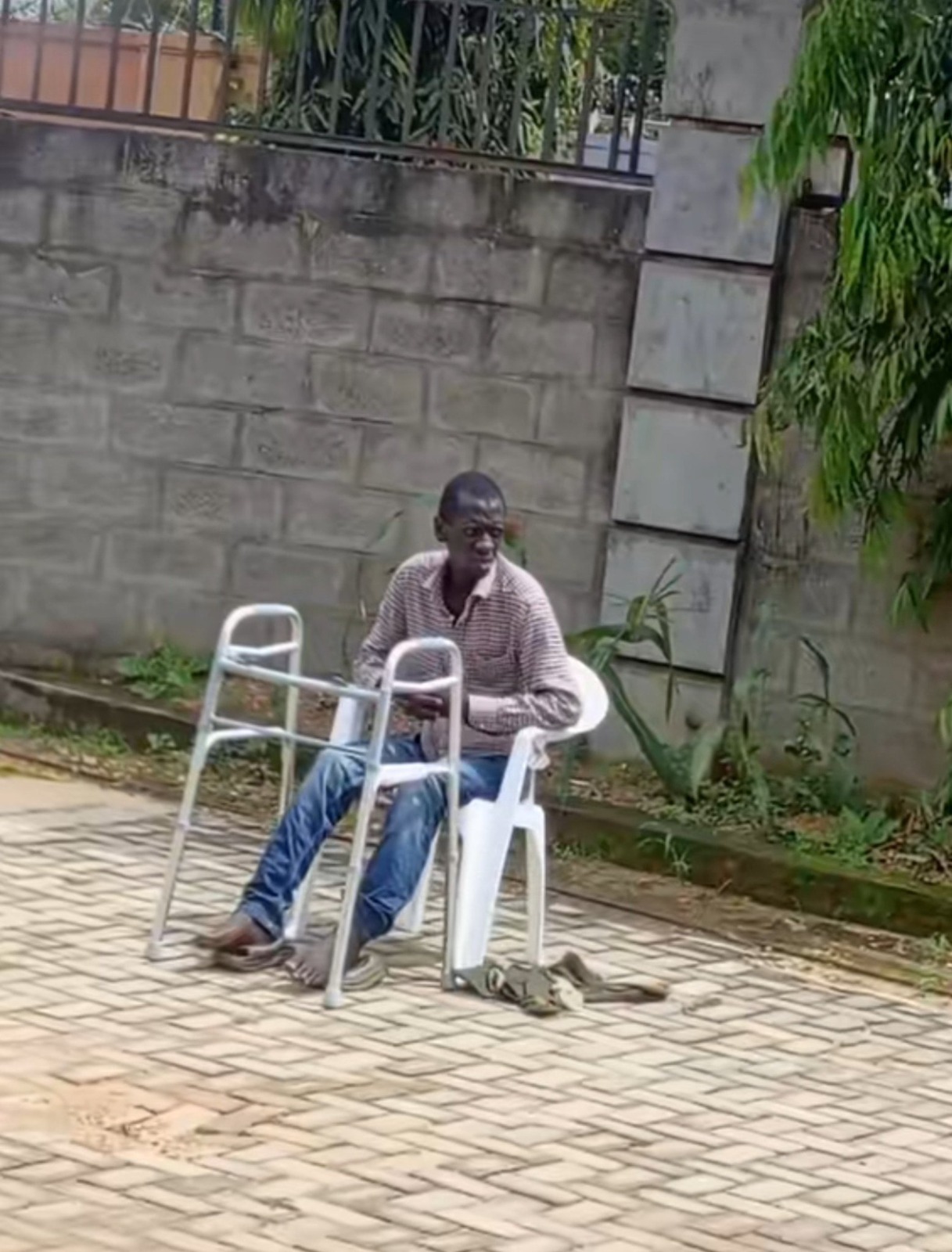 The incident is particularly significant because it did not end as an unverified social-media allegation. Four Uganda Peoples’ Defence Forces (UPDF) soldiers were subsequently convicted by a military court, dismissed from the army and sentenced to one year in prison.
The renewed circulation of footage relating to Omon, alongside fresh allegations involving political activists and opposition figures, has therefore reopened a broader question: how far has Uganda come in eliminating torture from the conduct of security personnel dealing with civilians?
 The Uganda Constitution is unequivocal. Article 24 provides that no person shall be subjected to torture or cruel, inhuman or degrading treatment or punishment. Article 44 makes freedom from torture a non-derogable right, meaning it cannot be suspended even in circumstances in which other rights may be restricted.
Uganda also enacted the Prevention and Prohibition of Torture Act in 2012, specifically criminalising torture and giving effect to the country’s obligations under the United Nations Convention Against Torture.
The Omon case
The case of Omon Nelson remains one of the clearest examples of how a video recording can expose abuse that might otherwise have remained hidden.
 On December 10, 2023, Omon was allegedly taken to Lagot military detach in Mucwini Sub-county, Kitgum district, after being accused of stealing a motorcycle.
A video circulated on social media showing men in military uniform repeatedly beating the restrained civilian with sticks.
The footage generated widespread outrage and prompted the UPDF to arrest soldiers allegedly involved.
 Five soldiers were initially charged. They included Corporal Richard Burton Odong, Private Sunday Mugu Acel, Private Martin Henry Omara, Private Morris Omara and Private Dennis Ogwang. Two civilians, including the Mucwini Sub-county GISO Simon Obonyo and LCIII chairman Christopher Ongee, were also implicated in the wider incident.
The military subsequently held a public court-martial hearing at Lagot. Four soldiers — Odong Richard Burton, Mongu Acel Sunday, Ogwang Denis and Omara Martin Henry — were found guilty. They were dismissed with disgrace from the UPDF and sentenced to one year in prison at Lira Government Prison.
Private Omara Morish was acquitted after the court found that he was not involved in the offence.
The case demonstrated that accountability mechanisms can be activated when evidence is available and allegations are formally investigated.
But it also raised a disturbing question: how many incidents of abuse never reach the public because there is no camera recording them? That question has become central to the current debate.
 The law leaves no room for torture
Uganda’s Prevention and Prohibition of Torture Act defines torture broadly as the intentional infliction of severe physical or mental pain or suffering for purposes including obtaining information or a confession, punishment, intimidation or coercion.
The law specifically identifies systematic beating, striking with truncheons, being tied or forced into stressful positions, threats, secret detention, sleep deprivation and other forms of physical and psychological abuse among acts that can constitute torture.
The legislation also makes an important point about military discipline and orders.
 An order from a superior officer, public authority, political instability, a state of war or a public emergency is not a defence to a charge of torture.
In other words, wearing a uniform does not create an exemption from the law. Nor does suspicion of criminal conduct give a soldier or police officer the authority to punish a suspect.
A person accused of stealing a motorcycle, participating in a political activity or committing any other offence remains entitled to due process.
The proper response to suspected crime is investigation, arrest where legally justified, presentation before a competent court and prosecution supported by evidence. Punishment by beating is not a substitute for justice.
 Fresh allegations
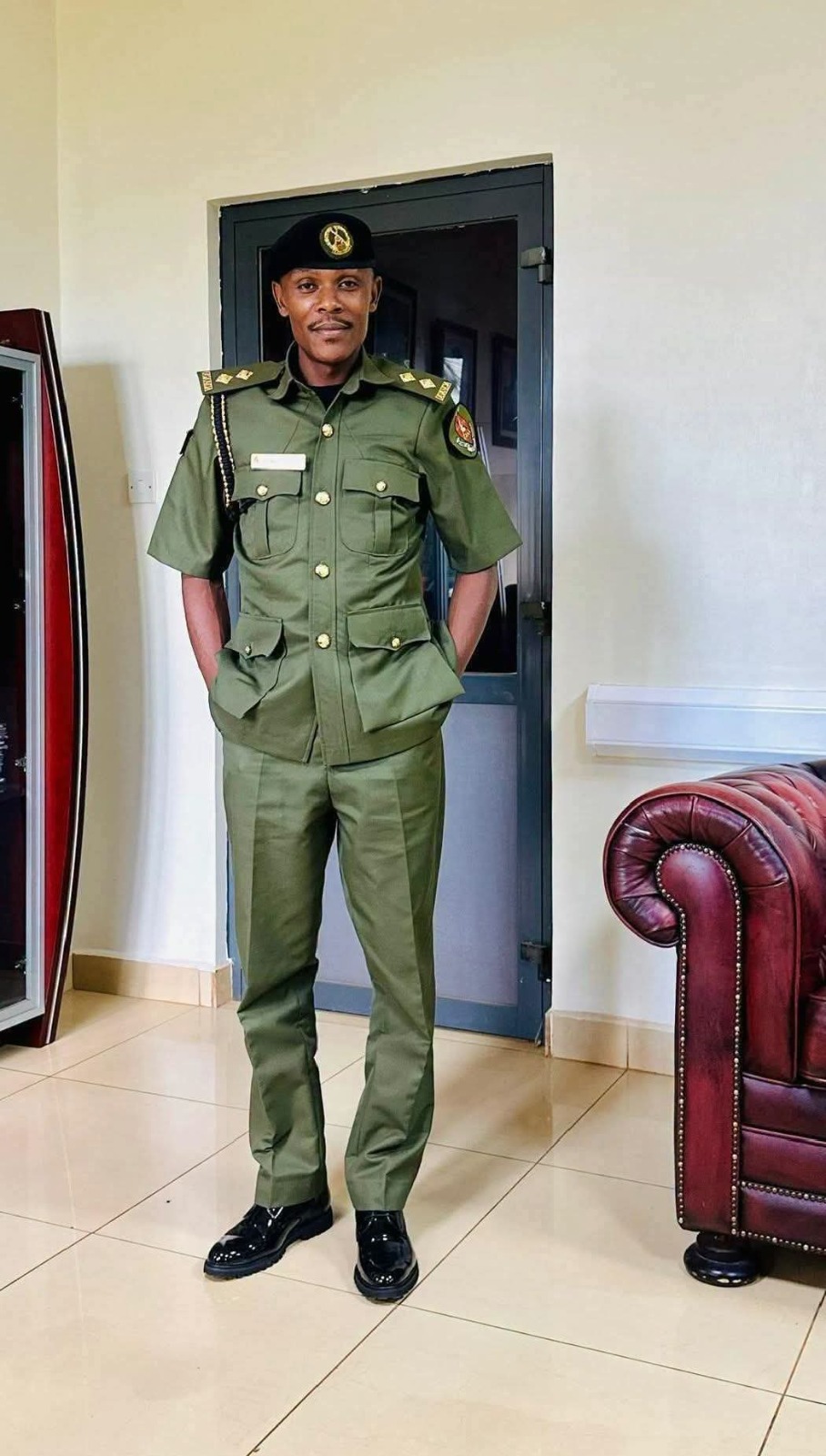
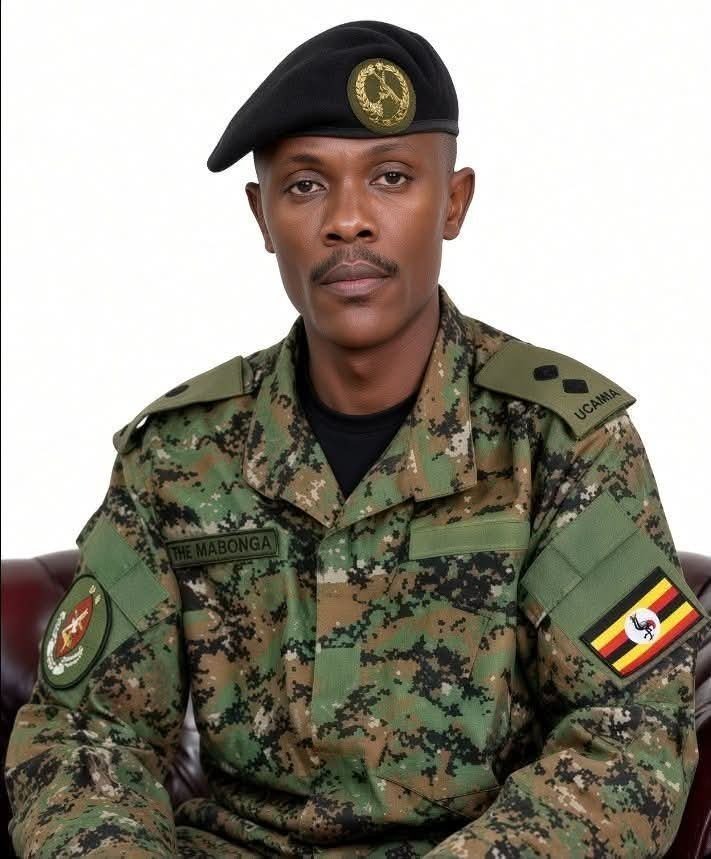
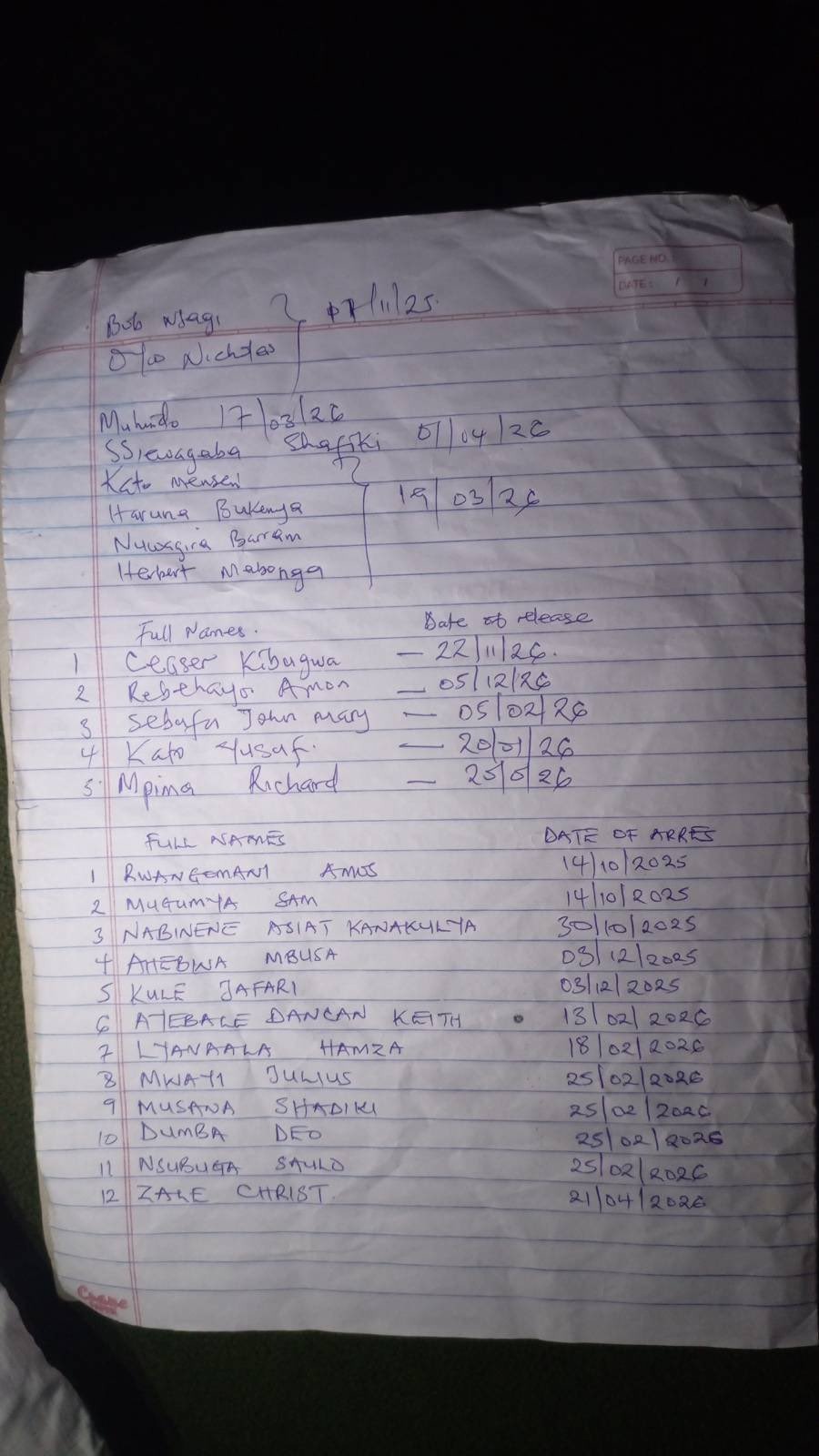
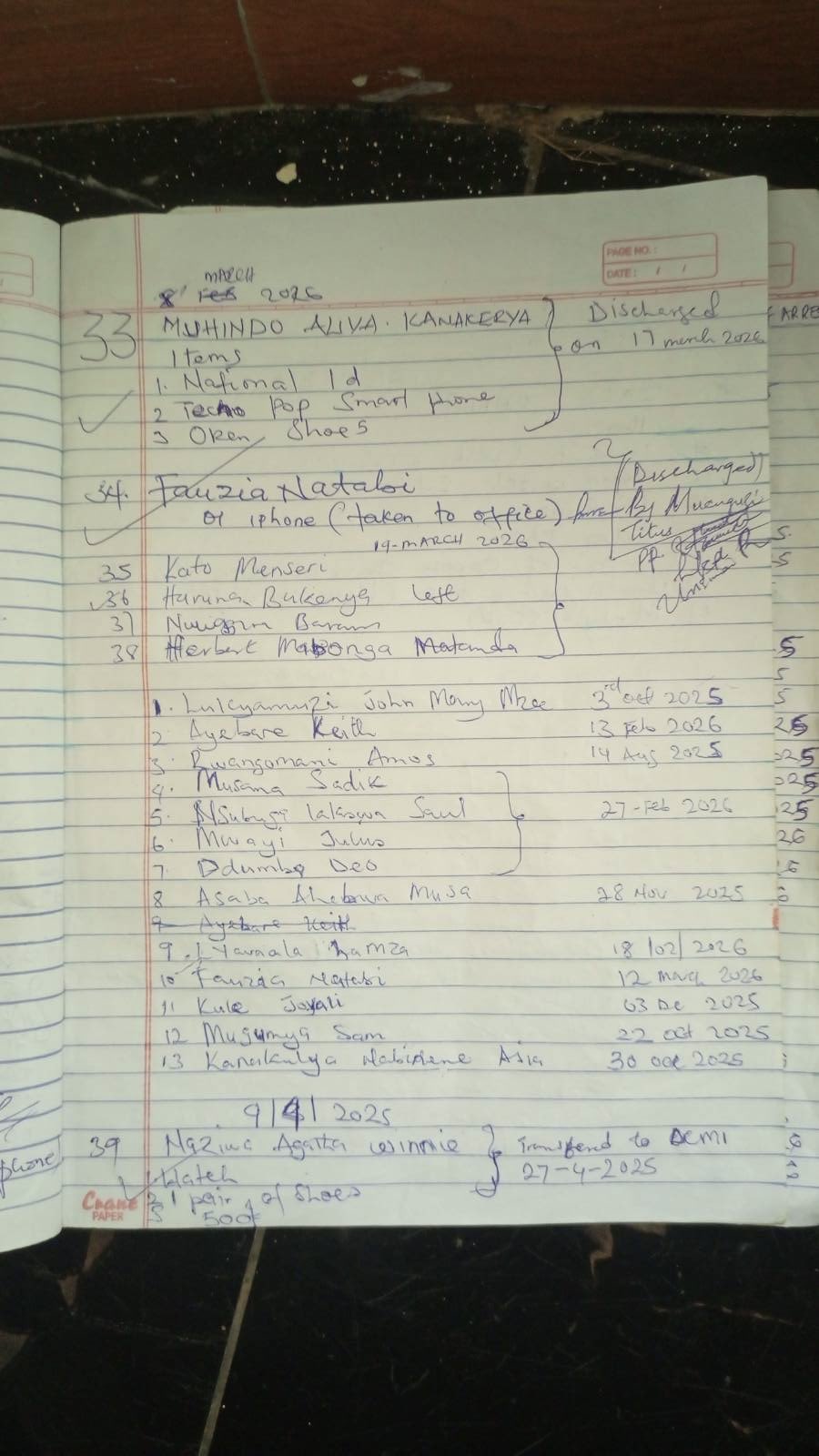
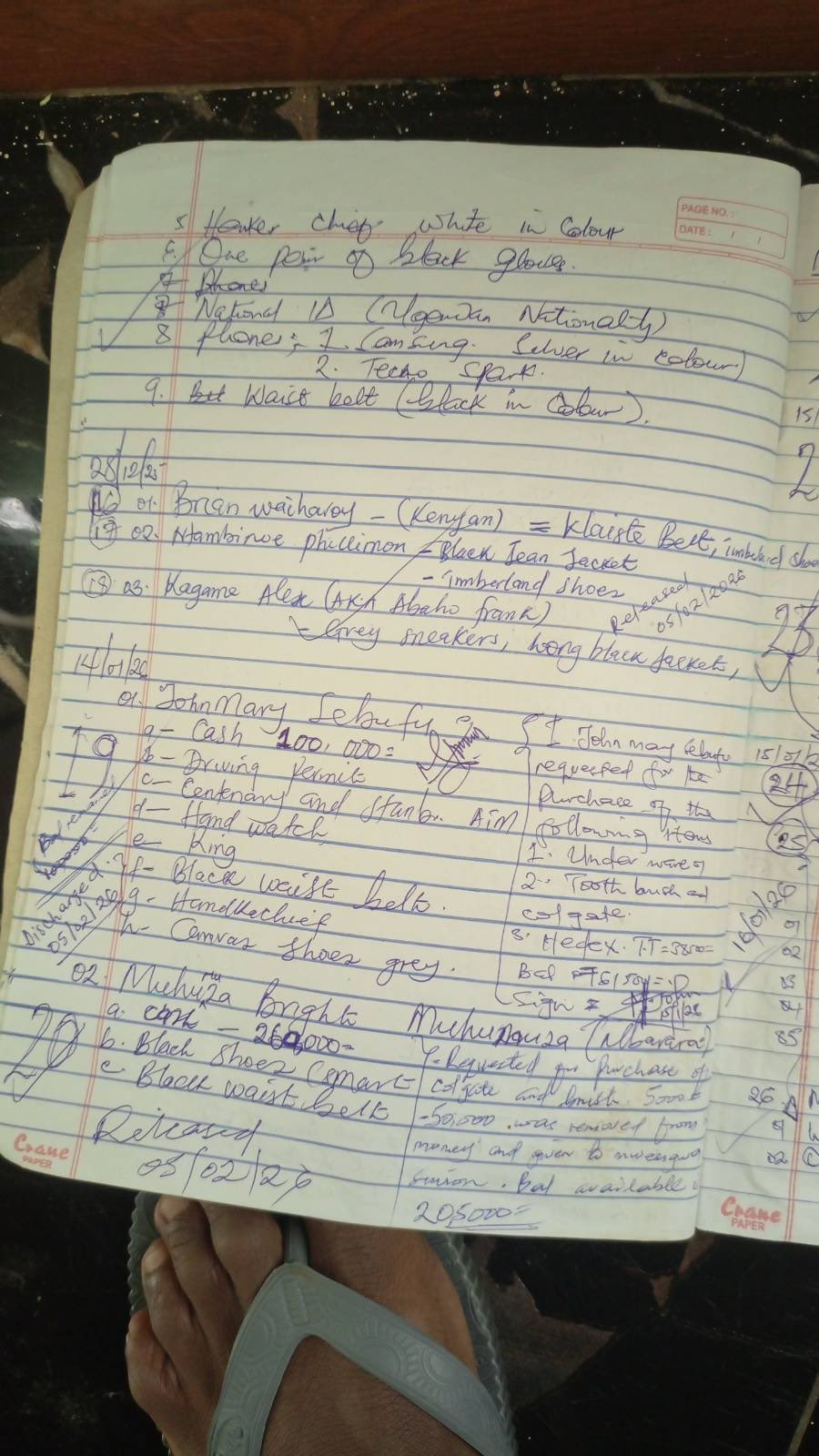
The Omon case has resurfaced amid new allegations concerning political detainees and activists. On September 30, 2026, former UPDF intelligence officer Lt Herbert Matanda Mabonga publicly alleged that security agencies operated detention facilities where people were subjected to torture, arbitrary detention and other abuses.
Lt Mabonga also released footage that he claimed was recorded inside a military safe house.
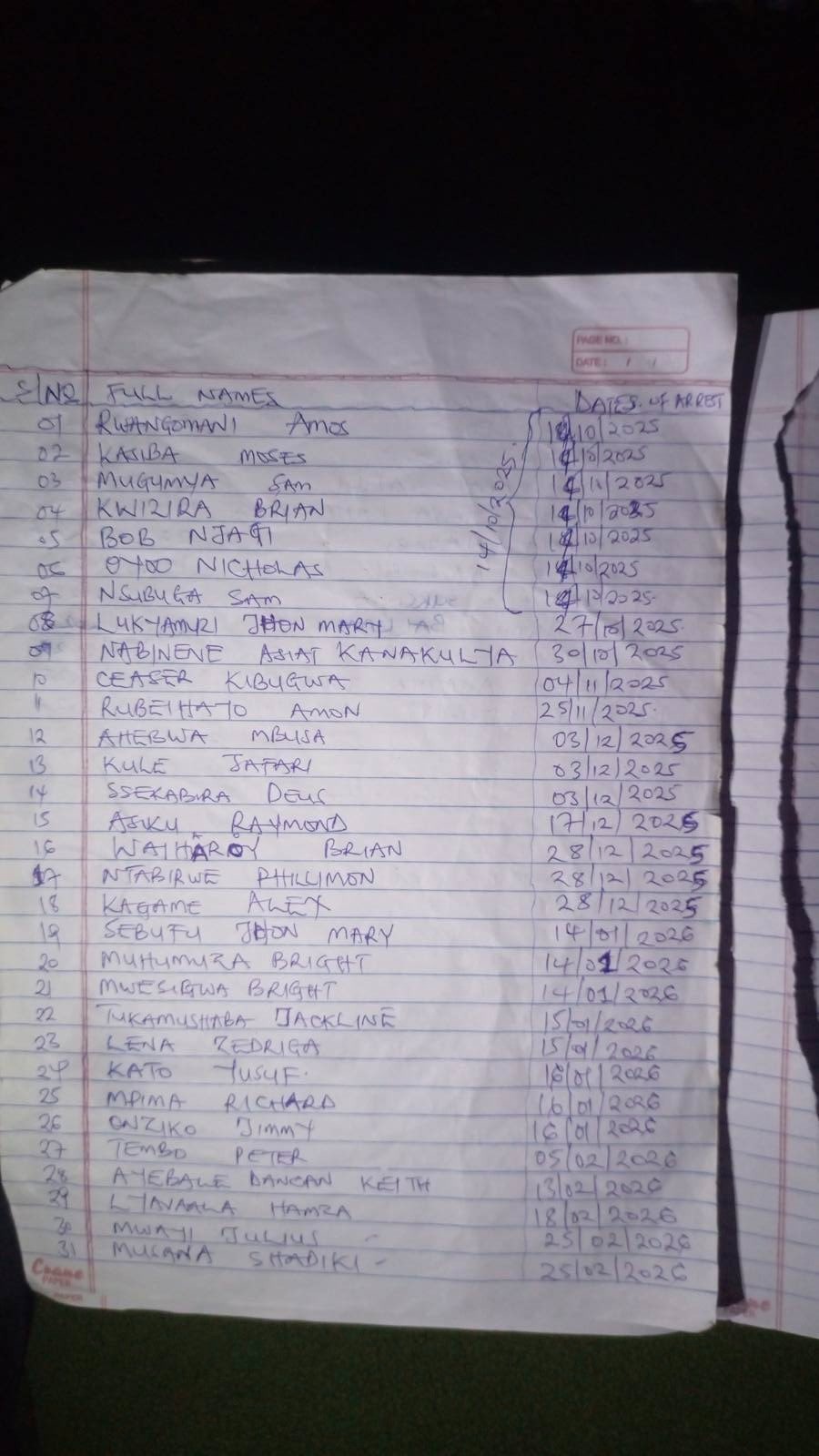
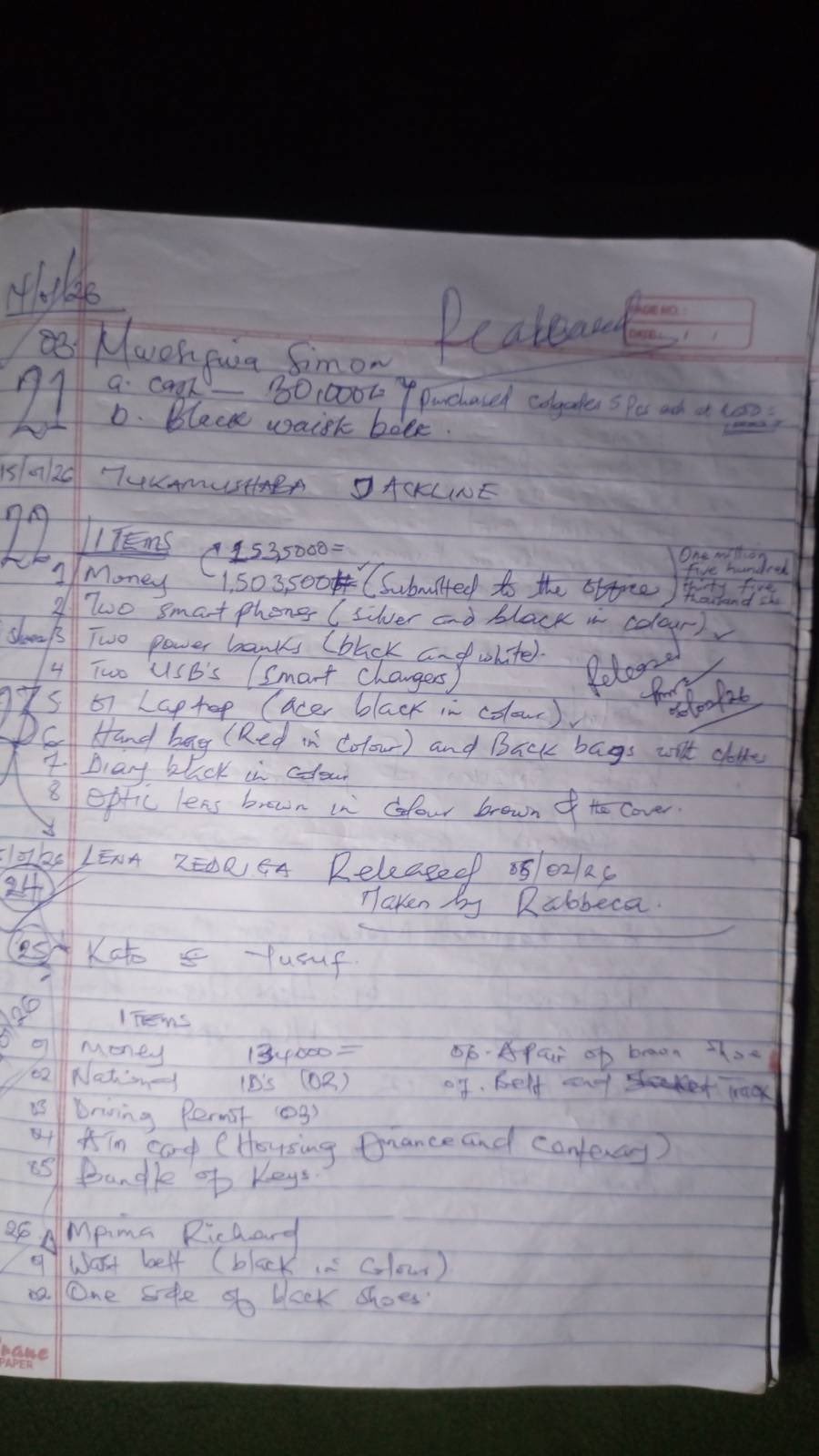 Some of the footage appeared to show opposition activist Sam Mugumya struggling to walk, while another clip appeared to show former Butambala MP Muhammad Muwanga Kivumbi receiving medical attention.
The location and circumstances of the recordings have not been independently verified, and the UPDF had not publicly responded to the allegations at the time of reporting. Those limitations are important.
The footage by itself does not establish when or where it was recorded, who caused any injuries seen, or the circumstances under which the people shown were detained.
But the allegations have nonetheless intensified calls for independent investigation, particularly because they involve claims of detention by security personnel.
Kivumbi has separately alleged that after his detention he was blindfolded, taken to an unidentified location and beaten. Human Rights Watch reported in August 2026 that he described being kicked and beaten until his head bled and that a person who saw him after his release reported scars on his head, arms, legs and back.
These are allegations, not findings of a court, and should be investigated through appropriate legal mechanisms.
A long history of torture allegations
The controversy does not begin with Omon or the current videos. For years, human rights organisations have documented allegations of torture, arbitrary detention and abuse by different Ugandan security agencies.
Human Rights Watch has previously reported allegations involving military intelligence, police and other security agencies, including claims that detainees were held in unofficial detention locations commonly referred to as “safe houses.”
In a 2022 report, Human Rights Watch said it had interviewed former detainees, witnesses, officials, activists and others about alleged enforced disappearances and torture between 2019 and 2021.
 The organisation reported allegations that some people were detained in unauthorised locations, military barracks and safe houses and subjected to beatings and other forms of abuse. It also cited a 2020 Parliamentary Committee on Human Rights investigation which confirmed allegations that government security agencies were detaining and abusing people in safe houses. The issue has therefore persisted across different periods and has involved allegations against multiple security institutions.
It would be inaccurate to treat every allegation as proof of institutional responsibility. Equally, isolated convictions should not be used to suggest that every allegation is baseless.
The appropriate response is investigation, evidence and accountability.
When the uniform becomes a shield
The greatest danger in cases of alleged torture is not merely the physical injury inflicted on an individual. It is the possibility that the uniform itself becomes a shield against accountability. The state gives security officers extraordinary powers because they are entrusted with protecting citizens, maintaining public order and enforcing the law. Those powers carry corresponding responsibilities.
When a civilian is accused of theft, the officer’s responsibility is to secure the suspect and hand him over to the lawful criminal justice process.
 When a political activist is accused of an offence, the same principle applies.
The suspect does not lose his constitutional rights simply because security officers believe he has committed a crime.
Indeed, the 2012 torture law specifically provides that information or confessions obtained through torture are inadmissible in proceedings against the person tortured.
Cameras are changing the accountability debate
One striking feature of recent torture controversies is the role played by mobile phones. The Omon incident became public because somebody recorded the beating.
The recent allegations surrounding Mugumya and Kivumbi have similarly been amplified by video footage.
This has created a new form of evidence that can potentially expose abuses that previously occurred behind closed doors. But video evidence also requires verification.
A recording can show what happened in front of the camera, but not necessarily what happened before or after it.
That is why independent investigations remain essential. Activists have nevertheless argued that the widespread availability of smartphones makes secrecy increasingly difficult for security agencies.
 The challenge for the state is to ensure that officers know that evidence of misconduct can be independently scrutinised and that credible allegations will be investigated.
Uganda Law Society condemns abuse
The Uganda Law Society has also entered the debate, condemning the assault shown in the Omon footage.
The lawyers’ body said the incident involving an alleged motorcycle thief violated human rights and the principles of justice and dignity, stressing that suspects are entitled to the presumption of innocence.
ULS called for the identification and prosecution of those responsible. That position reflects a basic principle of criminal justice: accusation is not conviction. A suspect can be arrested.
A suspect can be investigated. A suspect can be prosecuted. But punishment must follow lawful judicial process.
The responsibility of commanders
The question of accountability does not end with the individual who holds the stick. Where torture is established, investigations should establish who participated, who ordered the abuse, who knew about it, who failed to prevent it and whether commanders took appropriate action after becoming aware of it.
Uganda’s torture legislation recognises the significance of official authority and expressly addresses responsibility within chains of command.
The Omon case showed one possible response: the UPDF arrested, tried and dismissed soldiers found responsible.
That action is important because it demonstrates that torture is not an authorised military practice.
But a credible system of accountability requires consistency.
The public should be able to see that the same standards apply whether the victim is a suspected thief, a political activist, a journalist, a protester or an ordinary citizen.
Justice cannot be delivered with a stick
The images from Lagot remain powerful precisely because the victim was not being tried in a courtroom. He was being punished by men who had accused him of stealing.
That distinction is at the heart of the torture debate. A disciplined force exists to uphold law and order, not to replace courts.
Uganda’s Constitution guarantees freedom from torture. Parliament criminalised torture. Uganda ratified the UN Convention Against Torture. The UPDF has itself prosecuted soldiers over torture.
The remaining challenge is ensuring that these commitments are reflected consistently wherever Ugandans come into contact with armed state personnel.
The Nelson Omon case provides a documented warning. The latest allegations provide another test.
For Uganda’s security institutions, the issue is not simply how to respond when a video goes viral. It is how to ensure that no civilian has to depend on a camera, a whistleblower or a social-media campaign before the law protects him from abuse. The uniform should represent the authority of the state. It should never become a licence to punish outside the law.
Author Profile

Latest entries
 NewsOctober 22, 2026FUEL PRICES, DOLLAR RATES TEST PUBLIC CONFIDENCE: Rising Fuel Costs And Currency Market Pressures Are Exposing The Economic Consequences Of Eroding Confidence, With Businesses And Households Bearing The Burden
 FeaturedOctober 19, 2026CRUCIFIX CRUSHES PRIEST TO DEATH: Father Patricio Alfredo Sánchez Molinari Dies After A Massive Wooden Cross Falls On His Head During A Livestreamed Mass In Ecuador
 UncategorizedOctober 14, 2026POPE TESTS POSITIVE OF CANCER: Man of God Leo XIV’s Lung Cancer Highlights Growing Number Of Nonsmokers Diagnosed With The Disease And Younger People Too
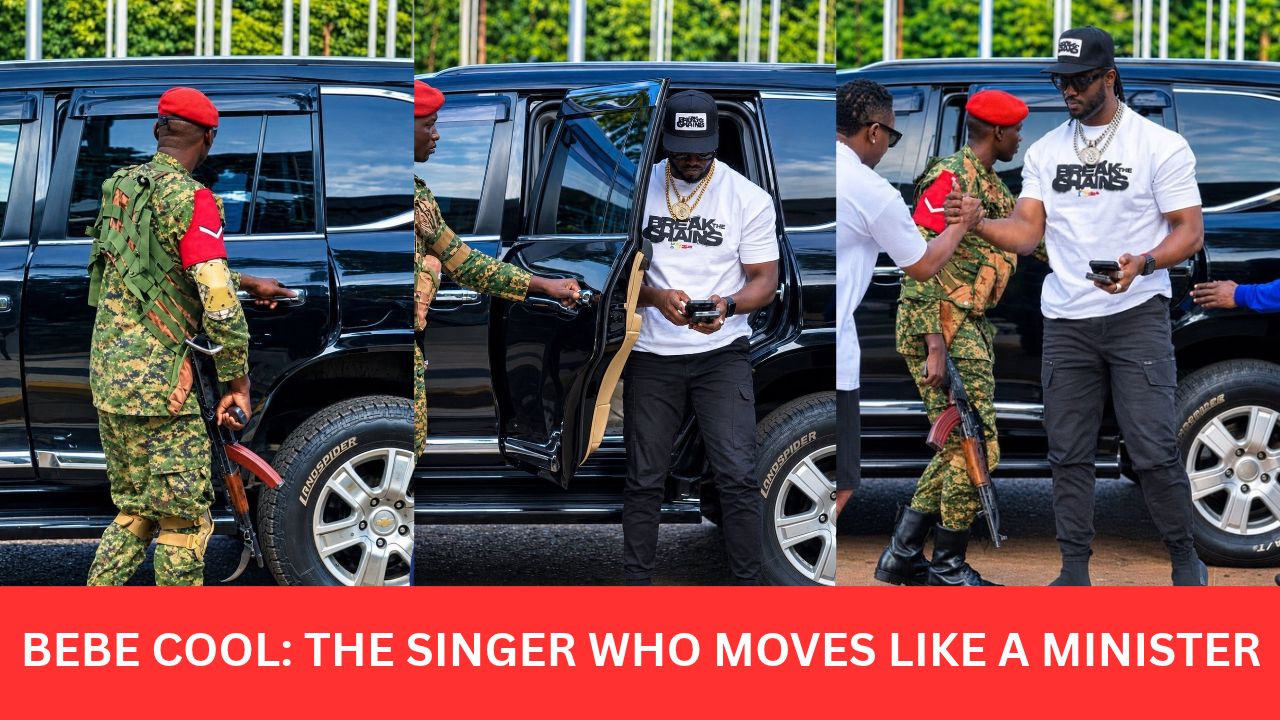 FeaturedOctober 12, 2026WHO GAVE BEBE COOL THE MILITARY ESCORT? The Singer’s Reported Military Police Protection Has Triggered Questions About Who Authorised The Deployment, Why It Is Necessary And Whether The Arrangement Is Linked To Official Duties