





















Uganda plans to introduce a digital music monitoring system by December 2026 to track songs played in bars, radio and television stations, and other public spaces, in a move aimed at strengthening copyright enforcement and ensuring musicians and other creatives receive royalties from the use of their work.
The system, which Justice and Constitutional Affairs Minister Norbert Mao says is being developed by the State House engineering team, is expected to automatically record music played in public venues, providing a technological basis for determining how creative works are used and supporting the collection and distribution of royalties to their rightful owners.
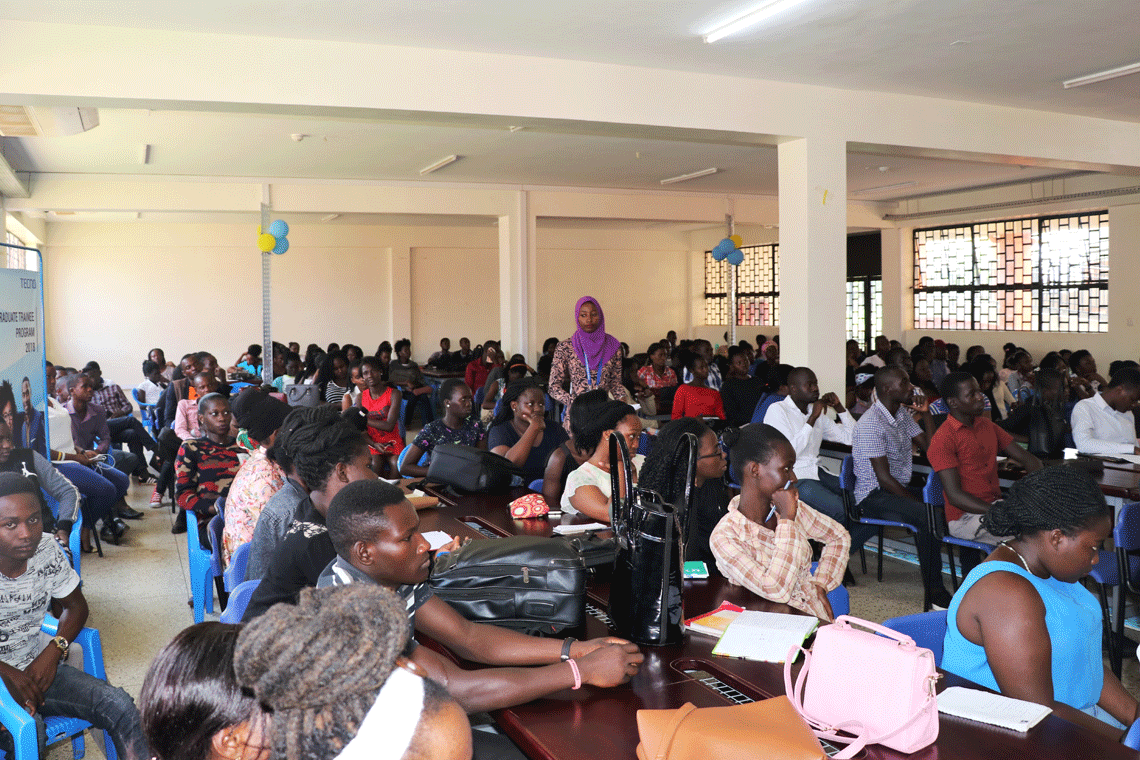
Mao announced the plan during a symposium on copyright and related rights management in Munyonyo, Kampala, where government officials, intellectual property experts, music executives and other players in the creative industry examined how Uganda and the wider African continent can turn creative talent into sustainable economic opportunities.

The proposed system comes amid longstanding concerns among musicians and other rights holders that their work generates revenue for broadcasters, entertainment venues and businesses while the creators themselves struggle to secure adequate compensation.
For many Ugandan musicians, the challenge has not necessarily been a shortage of audiences or demand for their music, but the difficulty of tracking its use, enforcing licensing requirements and ensuring that royalties are collected and distributed transparently.
Mao said the government wanted creators to receive fair financial returns from their work, arguing that intellectual property protection should be central to efforts to develop the creative economy.
The proposed digital monitoring platform could provide a more systematic way of identifying music played in public spaces, potentially reducing reliance on manual reporting and improving the information available to organisations responsible for collecting royalties.
However, its effectiveness will depend on how the system is implemented, how accurately it identifies musical works, how it integrates with existing copyright management structures and whether the revenue collected reaches the artists, composers, performers and other rights holders entitled to it.

Creatives demand stronger copyright enforcement
The symposium, held under the theme, “Empowering Creativity Through Harnessing Intellectual Property for Sustainable Development in Africa,” brought renewed attention to the gap between the economic value of creative works and the income many artists receive from them.
The Director General of the African Regional Intellectual Property Organisation (ARIPO), Bemanya Twebaze, called for stronger systems that allow creators to benefit financially from their intellectual property.
Twebaze observed that copyright has an important economic dimension, but weaknesses in licensing and monitoring continue to undermine efforts to ensure that artists receive fair compensation.
He said many creatives still lack effective platforms through which they can earn from their music at national, regional and international levels, limiting their ability to benefit from works that may circulate widely beyond their immediate markets.
 The challenge is particularly significant in an era when music can be broadcast across multiple radio and television stations, played in entertainment venues and distributed digitally to audiences in different countries.
Without reliable monitoring, proper licensing and transparent royalty accounting, creators can find it difficult to establish where their works are being used, who should pay for that use and how much they are owed.
Twebaze’s call points to the need for copyright systems that operate beyond the passage of legislation, with practical mechanisms for registering works, identifying rights holders, monitoring usage and enforcing payment obligations.
For Uganda, strengthening those mechanisms could help establish a more dependable environment for musicians and other creatives while improving confidence among investors who finance recordings, performances and other creative productions.
Creative industry contributes to the economy
Director of Creatives at Operation Wealth Creation (OWC) Sylvia Owori said fully operationalising Uganda’s copyright management system would help curb infringement and improve the protection of intellectual property across the creative industry.
Owori said the creative sector contributes approximately three per cent of Uganda’s Gross Domestic Product (GDP), highlighting its existing economic importance and its potential to generate greater value if artists’ rights are adequately protected.
Her remarks place copyright enforcement within a broader debate about employment, investment and economic development.

The creative industry supports a range of livelihoods beyond performers themselves, including songwriters, producers, sound engineers, studio operators, dancers, event organisers, promoters, photographers and other professionals who contribute to the production and distribution of cultural content.
When copyright protection is weak, the effects can extend across this network. Artists may struggle to recover recording costs, producers may find it difficult to attract financing, and investors may become reluctant to support new talent when there is no reliable way to earn returns from successful productions.
Owori’s argument is that better protection of intellectual property, combined with stronger organisation within the sector, could help address these constraints and unlock more of the industry’s economic potential.
A fully functioning copyright management system would also need to make it easier for creatives to understand their rights, register their works and establish clear ownership arrangements. Such measures could reduce disputes and improve the industry’s capacity to negotiate licensing agreements with commercial users of music and other creative content.
The proposed digital monitoring system could form part of this broader framework, although technology alone cannot resolve weaknesses in licensing, rights ownership, enforcement and royalty distribution.
Ragga Dee raises tax compliance concerns

Musician Daniel Kazibwe, popularly known as Ragga Dee, called on the government to strengthen enforcement mechanisms to address tax avoidance and improve accountability within Uganda’s creative industry.
Kazibwe urged authorities to make greater use of technology to monitor compliance with copyright laws and ensure that businesses operating in the sector meet their legal obligations.
His intervention added another dimension to the debate, highlighting the relationship between copyright enforcement, revenue collection and accountability among the different players who profit from creative works.
For artists, the absence of effective monitoring can make it difficult to determine whether their music is being used lawfully and whether the necessary payments are being made. For government, weak compliance mechanisms can complicate efforts to establish an accountable and properly regulated industry.
The digital music monitoring system proposed by Mao could help address some of these challenges by generating information about music usage in licensed establishments and other public spaces.
However, the effectiveness of such a system will depend on whether monitoring data can be linked to licensing records, payment obligations and reliable mechanisms for distributing royalties.
Ragga Dee’s call also underscores the importance of ensuring that enforcement measures apply fairly across the industry, rather than placing the burden disproportionately on individual performers or smaller businesses.
For a sector with numerous informal operators, the government faces the challenge of improving compliance while creating an environment in which legitimate creative businesses can grow.
Investors want returns from music
Music executive Emma Carlos said investors commit substantial resources to the music industry but frequently struggle to obtain adequate financial returns from their investments.

Investments in music can involve recording studios, production equipment, artist development, marketing, distribution and the promotion of performances. These costs can accumulate long before a song generates significant revenue.
Carlos expressed hope that the symposium would help address the challenges by strengthening copyright protection and creating opportunities for investors to earn from the music they support.
His concerns illustrate why copyright is important not only to performers but also to the wider business ecosystem that finances and commercialises creative works.
When a song becomes popular, it can generate value through radio and television broadcasts, public performances and other forms of commercial use. Without reliable licensing and royalty collection, however, the financial benefits may not adequately reach those who created or financed the work.
A stronger copyright framework could help clarify the rights of artists, producers, composers and investors, allowing them to negotiate agreements that define how revenue is shared.
It could also encourage greater investment in emerging talent by reducing uncertainty over whether creative works can generate sustainable income.
For Uganda’s music industry, which has developed a strong audience at home and among Ugandans abroad, the challenge is to build financial structures that convert popularity into dependable earnings for the people responsible for producing the music.
Beyond legislation: The implementation challenge

The proposed December 2026 rollout raises questions about how Uganda intends to translate its copyright ambitions into a functioning system that benefits creatives.
First, the monitoring technology will need to identify songs accurately and distinguish between different works, versions and recordings. Errors in identification could result in royalties being attributed to the wrong rights holders or legitimate claims being overlooked.
Second, the government and relevant copyright management organisations will need clear procedures for collecting, auditing and distributing royalties. Artists must be able to understand how their earnings are calculated, challenge discrepancies and establish whether payments have been made.
Third, public venues and broadcasters will need clarity about their licensing obligations, the information they must provide and how the monitoring system will operate alongside existing arrangements.
Transparency will be particularly important. A system that records music usage but fails to provide reliable royalty accounting would not, by itself, resolve the grievances raised by creatives.
The government will also need to explain how the system will be governed, how its records will be audited and how rights holders can access information about the use of their work.
These practical questions will determine whether the initiative becomes a meaningful reform or another technological intervention whose benefits fail to reach its intended beneficiaries.
The symposium’s emphasis on sustainable development suggests that participants view intellectual property as more than a legal issue. It is also a question of economic opportunity, cultural recognition and the ability of African creators to compete in international markets.
 African creativity and global recognition
Mao also called for greater recognition and representation of African voices on the international stage, broadening the symposium’s focus beyond the domestic collection of royalties.
African music, film, literature, fashion and other creative products have audiences that extend far beyond their countries of origin. Yet the ability of creators to benefit financially from that reach depends partly on effective rights management and the capacity to secure compensation when their works are used in different markets.
Twebaze’s emphasis on national, regional and international earning opportunities similarly highlights the need for copyright systems that can work across borders.
For Ugandan artists, stronger regional cooperation could help improve the administration of rights when their music is broadcast or performed outside the country. It could also support efforts to establish more dependable partnerships with international rights management organisations.
However, international recognition must be accompanied by practical arrangements that allow creators to retain ownership of their work, negotiate fair commercial agreements and receive the revenue they are entitled to.
 The symposium therefore comes at a critical moment for Uganda’s creative economy. The proposed digital monitoring system offers the prospect of improving the tracking of music usage, while the concerns raised by industry participants reveal the wider institutional reforms required to make copyright protection effective.
If implemented transparently and supported by enforceable licensing arrangements, the initiative could help narrow the gap between the commercial use of music and the financial rewards received by its creators.
For artists, the ultimate test will not simply be whether the system is launched by December 2026, but whether it leads to better royalty payments, stronger protection against infringement and greater confidence that their creative work can provide a sustainable livelihood.
For investors, broadcasters, entertainment venues and government, the challenge will be to establish a fair and accountable system in which the use of creative works is properly recognised and compensated.
The central message from the symposium was that Uganda’s creative industry cannot realise its full economic potential if those who produce its music and other cultural works remain unable to benefit fairly from their intellectual property.
Author Profile

- Mr. Jacko David Waluluka is another unique entertainment and general investigative news writer, a field he has diligently covered for over fifteen years. He’s also the Chief Administrator at The Investigator. He can easily be reached via [email protected]
Latest entries
 EnvironmentOctober 19, 2026GOVT TO TRACK MUSIC USE: Government Will Deploy A Digital System By December 2026 To Monitor Music Played In Bars, On Radio, TV And Other Public Spaces And Help Artists Claim Royalties
 BusinessOctober 17, 2026UGX204M FOR UGANDA FOOTBALL: Centenary Bank Signs Landmark UPL Partnership. The Bank Will Provide Cash, Media Support And Player Prizes, While GonzaPay Becomes The League’s Official Digital Ticketing Partner
 BusinessOctober 17, 202612,000 TREES FOR BUSOGA: Centenary Bank, Church Launch Tree-Growing Drive In Jinja Diocese. The Initiative Will Establish And Manage 12,000 Trees In Jinja Diocese, With Communities Providing Land And Helping Protect The Growing Forests
 FeaturedOctober 16, 2026SOFTWARE BATTLE ROCKS CHiNT, IT EXPERT ARRESTED: Abdul Ssebiina, Described As A Key Developer Of ChiNT’s Operational Software, Was Reportedly Detained At Jinja Road Police Before Being Transferred To The Special Investigations Unit In Kireka