


















President Yoweri Kaguta Museveni appears to be recalibrating Uganda’s mineral investment strategy, placing greater emphasis on indigenous investors taking the lead in exploiting the country’s vast mineral resources, creating jobs and establishing industries that can sustain long-term economic growth.
The emerging shift signals a renewed government push to ensure that Uganda derives greater economic benefits from its mineral wealth instead of relying predominantly on foreign-based investors to extract and export raw minerals.
The President communicated this position during a meeting at State House, Entebbe, with a delegation of local investors and key players in the mining industry, led by the Minister of State for Energy and Mineral Development (Minerals), Phiona Nyamutoro.
The discussions centred on mineral development, investment opportunities and, more importantly, the need to prioritise value addition so that Uganda retains a greater share of the wealth generated from its natural resources.
Museveni challenged stakeholders to look beyond extracting minerals and exporting them in their raw form, arguing that the country’s mineral endowment should be transformed into productive economic assets capable of generating employment, stimulating industrialisation and improving household incomes.
He emphasised the importance of investing in mineral processing, manufacturing and other activities along the mineral value chain, noting that the real economic benefits of mining come when resources are converted into finished or semi-finished products.
The President’s message underscores the government’s broader ambition to move Uganda from a resource-exporting economy towards one that develops domestic industrial capacity and retains more value from its natural resources.
For Uganda, this means moving beyond simply digging minerals out of the ground to establishing processing facilities, manufacturing industries and supporting businesses that can create sustainable employment opportunities.
The emphasis on indigenous investment is particularly significant because it could give local entrepreneurs a greater stake in an industry that has traditionally attracted considerable foreign interest.
By encouraging Ugandan investors to participate more actively, the government hopes to strengthen domestic ownership, build local technical capacity and ensure that mineral wealth contributes more directly to the country’s economic transformation.
The underlying message is clear: Uganda’s minerals should not merely generate export earnings but should also become the foundation for jobs, industries and lasting economic assets.
Nyamutoro takes the value-addition message to Kigezi
Following the engagement at State House, Minister Nyamutoro intensified efforts to sensitise local leaders, miners and investors about the country’s mining laws and the importance of responsible mineral development.
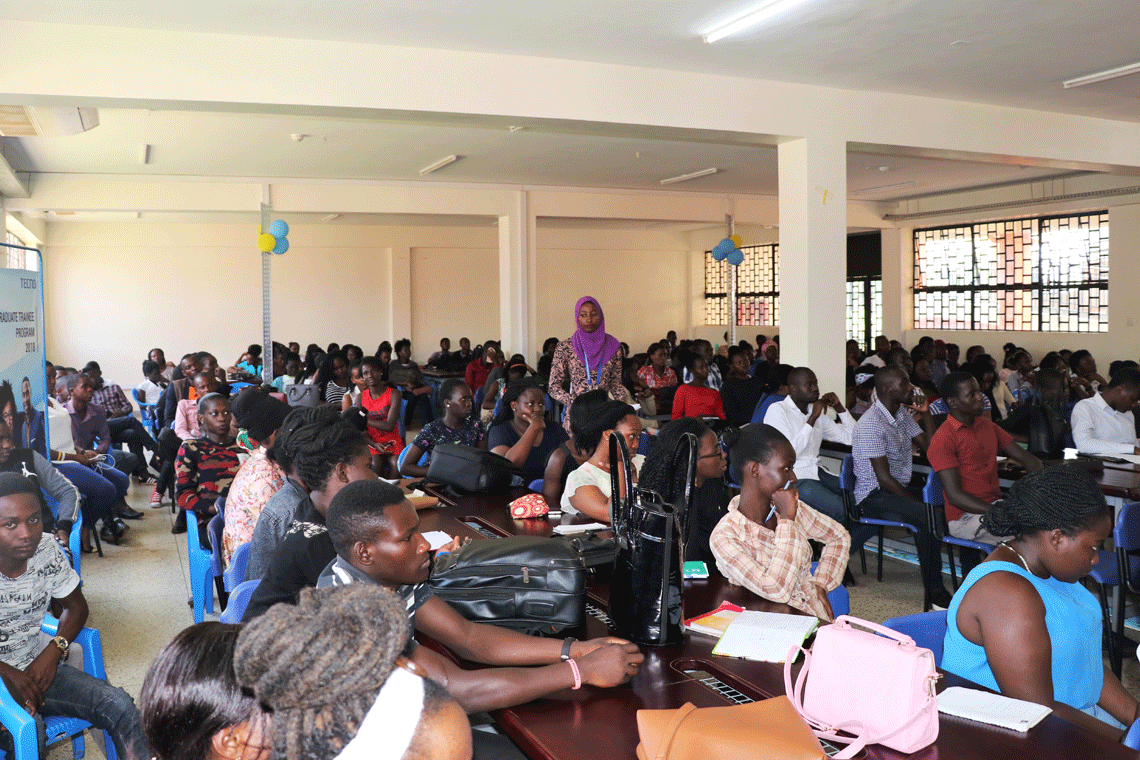
On November 17, she launched a sensitisation workshop for district leaders and miners in the Kigezi sub-region on Uganda’s mining and minerals legal framework.
The workshop, organised through the Directorate of Geological Survey and Mines under the Department of Mines, was conducted under the theme: Promoting Compliance, Safety, Transparency and Accountability in the Mining Sector.
It brought together stakeholders from Kabale, Rubanda, Kisoro, Rukiga, Kanungu and Rukungiri districts.
The engagement was intended to improve awareness of the legal and regulatory requirements governing mineral exploration, licensing, extraction and trading, while addressing some of the challenges affecting mining activities in the region.
Nyamutoro reminded participants that although individuals and communities can own land, all minerals beneath the surface belong to the Republic of Uganda.
She explained that applicants seeking mining licences must provide evidence of land rights, while licence holders are expected to negotiate with landowners to purchase or lease the land required for their operations. However, the law also provides for compulsory acquisition where land is required for strategic government interests, subject to the applicable legal provisions.
The clarification is important in a country where disputes between landowners, mining licence holders and local communities have sometimes complicated mineral exploration and extraction.
The minister also challenged miners and prospective investors to abandon the traditional practice of exporting raw minerals without adding value locally.
She encouraged artisanal and small-scale miners to organise themselves into cooperatives and work collectively, enabling them to access better markets and sell their minerals to licensed processors.
Rather than requiring individual miners to establish expensive processing factories, Nyamutoro advocated collective organisation and partnerships with established investors who have the capacity to undertake value addition.
Such an approach, she argued, could improve the organisation of the mining sector, strengthen accountability and enable small-scale miners to benefit from a more structured mineral value chain.
Government moves towards lifting gold licensing restrictions
The government’s renewed interest in developing the mineral sector also comes amid efforts to review restrictions affecting gold mining and investment.
Ministry officials indicated that applications submitted by prospective investors were being reviewed ahead of the anticipated lifting of restrictions on gold mining activities.
The officials also highlighted the removal of royalties on gold as a measure intended to support trade, encourage investment and improve the competitiveness of Uganda’s gold sector.
The anticipated changes could open up opportunities for both local and foreign investors, particularly if accompanied by a transparent licensing framework and stronger regulation of mineral extraction and trading. Gold remains one of Uganda’s most commercially significant minerals, attracting thousands of miners, traders and other players across the country.
However, much of the sector is dominated by artisanal and small-scale mining operations, which provide livelihoods to communities but also face challenges relating to informality, safety, access to finance and limited processing capacity.
The government’s challenge will therefore be to ensure that the anticipated policy changes translate into responsible investment, better working conditions and greater economic returns for mining communities.
How local communities stand to benefit
Gold mining has become an important source of employment and household income in several parts of Uganda, particularly in areas where formal employment opportunities are limited and agricultural earnings are often unpredictable.
Districts such as Buhweju, Mubende, Busia, Kassanda, Moroto and Amudat have experienced significant artisanal and small-scale mining activity.
The sector supports direct employment for miners, including women and young people, while creating indirect economic opportunities for traders, transport operators, food vendors, equipment suppliers and other service providers.
For many households, mining provides an alternative source of income and an opportunity to participate in commercial activities beyond subsistence agriculture. The economic benefits extend beyond the individuals working underground or at mining sites.
Money earned through mining circulates within local communities, supporting small businesses, markets and other commercial activities.
As mining operations expand, demand for accommodation, transport, food, equipment and other services can stimulate local enterprise and create additional employment opportunities.
Larger mining investments and associated infrastructure projects can also contribute to improvements in roads, water access and technical skills, particularly where companies establish meaningful community development programmes.
However, these benefits are not automatic. They depend on effective regulation, responsible investment, environmental protection and mechanisms that ensure host communities receive a fair share of the economic opportunities generated by mining.
Gold and Uganda’s economic security
Beyond household incomes and local economic activity, gold also has strategic importance for Uganda’s broader economic management.
The Bank of Uganda’s gold acquisition initiatives have brought the mineral into sharper focus as a potential component of the country’s foreign exchange reserves. Gold purchases can help diversify reserve holdings and provide an additional buffer against external economic shocks, although the benefits depend on sound management, transparent procurement and appropriate valuation.
The formalisation of artisanal mining could also strengthen financial inclusion by encouraging miners to operate through recognised structures, access financial services and participate in regulated mineral markets.
In addition, formalisation creates opportunities for government agencies to promote safer extraction technologies, improve occupational health standards and reduce harmful environmental practices associated with poorly regulated mining.
For communities, the transition from informal mining towards organised and regulated operations could mean better access to markets, more predictable incomes and improved protection against exploitation by middlemen. Nevertheless, the government must balance the drive for increased mineral production with the need to protect land, water resources and the livelihoods of communities surrounding mining areas.
The bigger test for indigenous investors
Museveni’s renewed emphasis on local participation presents an opportunity for Ugandan entrepreneurs to take a more prominent role in an industry with considerable potential for economic transformation.
However, encouraging indigenous investment will require more than political declarations. Local investors need access to affordable financing, modern technology, geological information, technical expertise and predictable regulatory processes.
Mineral processing and manufacturing are capital-intensive undertakings, often requiring substantial investment before commercial returns can be realised.
Government support through appropriate financing mechanisms, infrastructure development, skills training and transparent licensing could therefore be critical in helping domestic investors compete effectively. There is also a need to ensure that local participation does not become a preserve of a few politically connected individuals, but creates opportunities for genuine Ugandan entrepreneurs, cooperatives and communities.
The government will ultimately be judged by the extent to which its mineral investment policy translates into tangible economic benefits.
For now, the message emerging from Museveni’s engagement with local investors and Nyamutoro’s subsequent sensitisation campaign is that Uganda wants to move from simply extracting its mineral wealth to building an economy around it. The real measure of success will not be the volume of gold, iron ore or other minerals extracted, but the number of jobs created, industries established, businesses supported and lasting economic assets built for Ugandans.
Author Profile

- Mr. Jacko David Waluluka is another unique entertainment and general investigative news writer, a field he has diligently covered for over fifteen years. He’s also the Chief Administrator at The Investigator. He can easily be reached via [email protected]
Latest entries
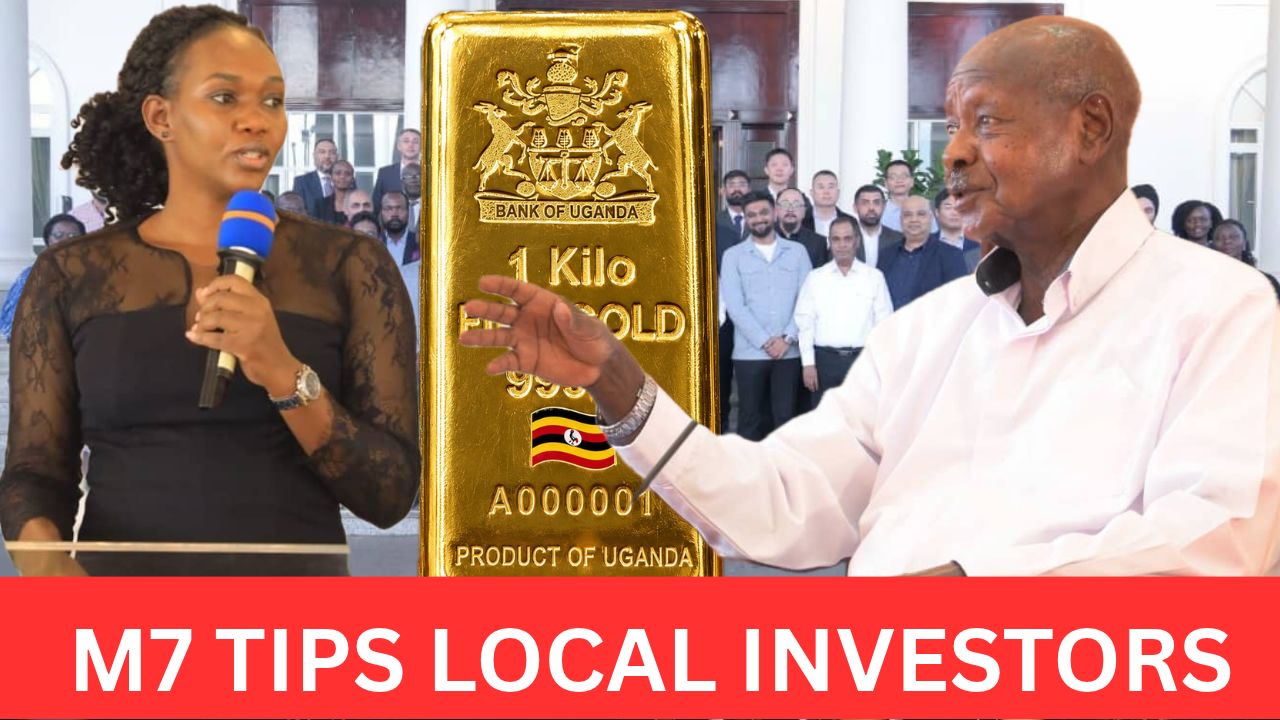 FeaturedNovember 23, 2026MUSEVENI TURNS TO UGANDANS TO CONTROL MINERAL WEALTH: President shifts focus towards indigenous investors, challenging them to transform Uganda’s gold and other mineral resources into factories, jobs and lasting economic assets
 EntertainmentNovember 23, 2026MOTHERHOOD VS SHOWBIZ: SHEEBAH’S DRESSING STIRS STORM: While Admirers Award The Singer Full Marks For Confidence And Style, Critics Question Whether Her Revealing Performance Costume Sets The Right Example For Children, Reigniting Uganda’s Debate About Female Celebrities And Motherhood
 FeaturedNovember 12, 2026GEN. Muhoozi Promotes CID Boss AIGP Maj Tom Magambo to Acting LT. Colonel Citing his Dedicated Service to Uganda
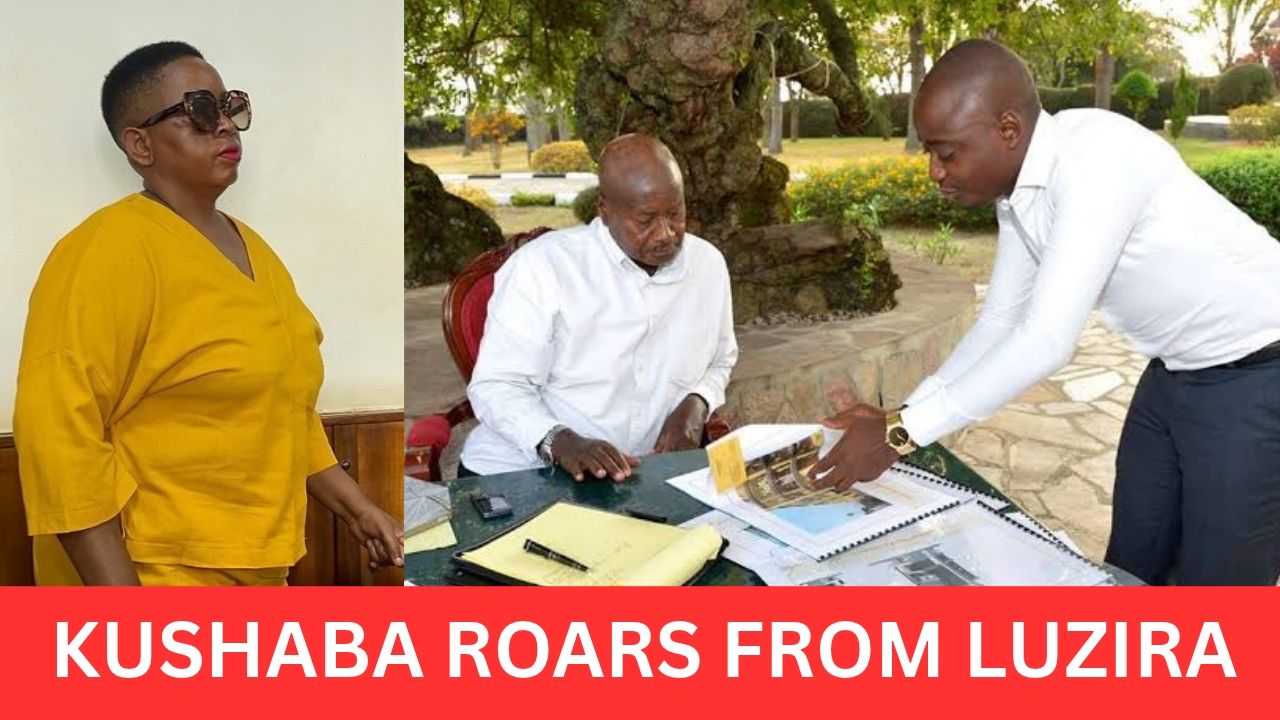 FeaturedNovember 11, 2026KUSHABA ROARS FROM LUZIRA AS SHE AWAITS BAIL HEARING: Former Owino Market Chairperson Suzan Kushaba tells The Investigator She is Not Broken by Incarceration, Saying Books, Meditation and Faith are Keeping Her Upbeat