










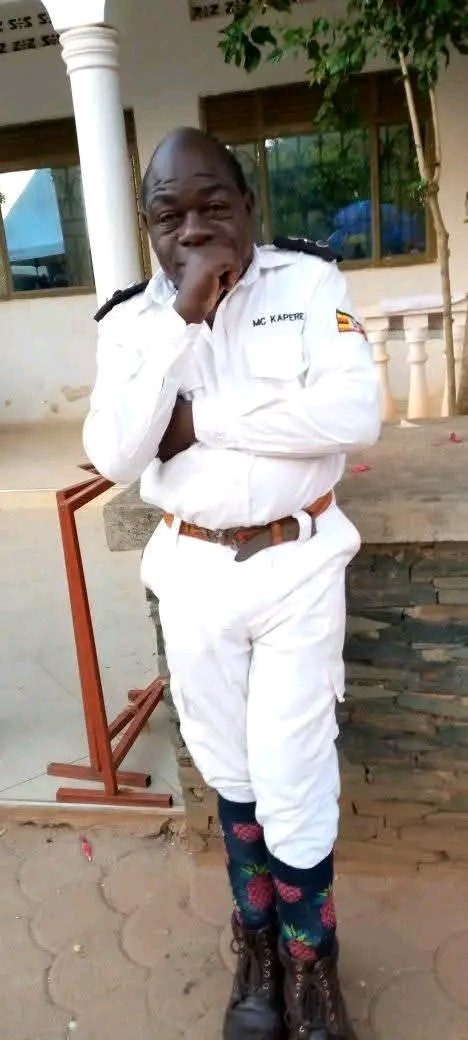
Uganda’s entertainment industry has lost one of its distinctive comic voices following the death of comedian Yokana Mbuuse, popularly known as Kapere Lufotose, whose humour, unusual stage personality and memorable performances endeared him to audiences across the country.
Known to his close friends as Taata Twamp, Kapere was more than an entertainer. He was a friend, husband, father, patriot and gifted performer whose ability to make people laugh became his most recognisable contribution to public life.
 His death has brought an end to a life in which comedy was not merely a profession but a way of connecting with people, confronting everyday realities and bringing moments of happiness to audiences from different walks of life.
For many Ugandans, Kapere will be remembered for the hilarious moments he created, the characters he portrayed and the infectious humour that made him stand out in an entertainment industry crowded with performers.
But beyond the laughter was a man whose personal relationships, sincerity and commitment to his country earned him admiration among those who knew him closely.
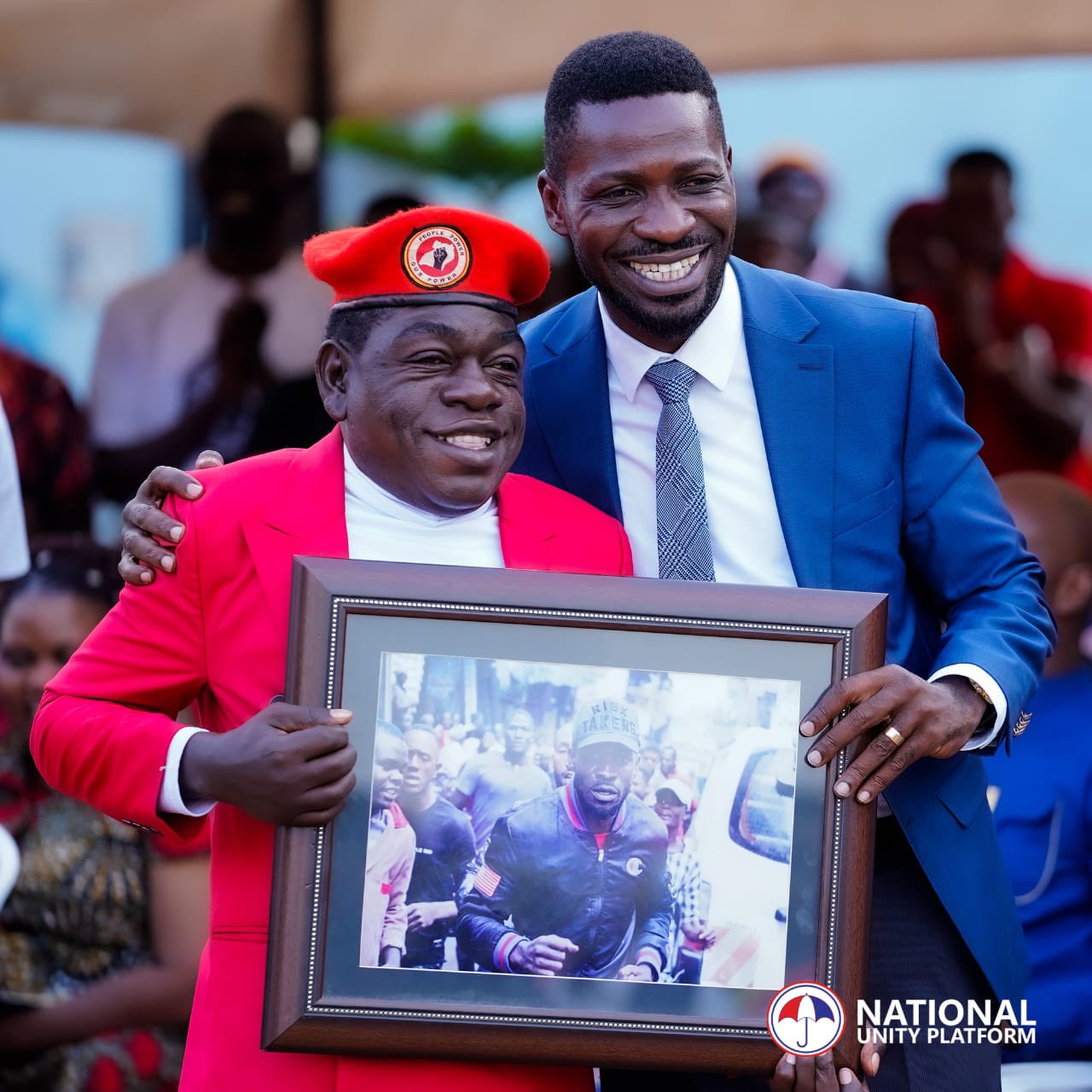
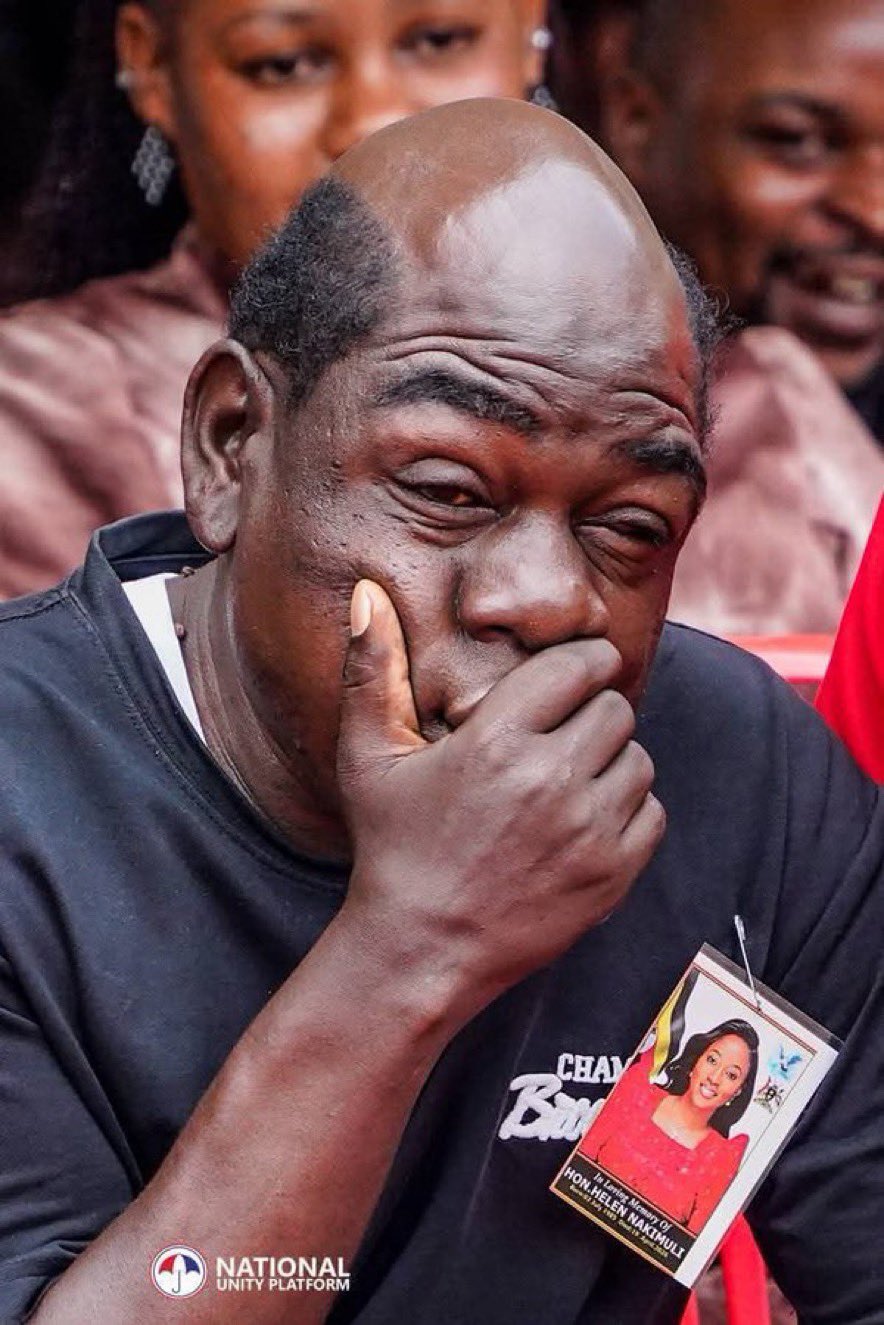
Among those mourning him is National Unity Platform (NUP) president and musician Robert Kyagulanyi Ssentamu, popularly known as Bobi Wine, who paid an emotional tribute to his departed friend, describing him as a beautiful soul whose presence touched many lives.
In a moving eulogy, Bobi Wine reflected on their friendship, celebrating Kapere’s character, generosity, patriotism and ability to use his artistic talent for the good of the country.
His tribute offered a glimpse into the man behind the comic persona and explained why his death has left such a deep void among friends, colleagues and admirers.
From a difficult childhood to national comedy stardom
Kapere’s journey to national recognition was anything but straightforward. Behind the laughter and the colourful personality was a man who had endured rejection, health challenges, poverty and difficult childhood experiences before finding his place in Uganda’s entertainment industry.
Born Mbuuse Yokana, Kapere reportedly lost his mother during infancy and was largely raised by his grandparents in Nansana. His childhood was marked by struggles, including rejection by his father, whom he said had difficulty accepting him because of his physical appearance and hearing impairment.
 In an emotional account during a January 2025 appearance on NTV’s Mwasuze Mutya programme, Kapere opened up about some of the painful experiences he endured growing up, including feeling unwanted by his own father.
His education was also interrupted by health challenges. A severe hernia reportedly affected his ability to participate in physical activities, eventually forcing him out of school around Primary Four.
With limited educational opportunities, he had to find alternative ways of surviving. He worked at construction sites, taking on menial jobs to earn a living.
His fortunes began changing after he received medical assistance through Mukisa Foundation in Lungujja, following the intervention of a friend identified as Bashir.
After recovering, Kapere learned to make key holders, reportedly producing about 150 pieces a day. He also worked as a gatekeeper at the foundation.
Few could have imagined that the man struggling to make ends meet would eventually become one of Uganda’s most recognisable comedy personalities.
Yet, his life would demonstrate how an individual can turn circumstances that once appeared to be disadvantages into opportunities.
In a 2013 interview with Daily Monitor, Kapere famously embraced the very appearance that had exposed him to ridicule and rejection.
“I am ugly and proud to be so,” he declared, explaining that his appearance had helped him find fame, friendships and a decent livelihood.
Rather than spend his life apologising for how he looked, Kapere made it part of his identity. He understood that audiences responded to his authenticity, facial expressions and willingness to laugh at himself. That confidence became the foundation of his comedy career.
The taxi driver who discovered a star
Kapere’s entry into the entertainment industry was largely accidental, a story that illustrates how an unexpected encounter can change someone’s destiny.
 According to his account, he was walking through town one afternoon when he came across a crowd gathered around a comedian shooting a commercial. He stopped, watched and laughed before continuing with his journey.
However, on his way back, a taxi driver approached him with an observation that would change his life. The driver reportedly told him that he was sitting on gold, referring to his distinctive appearance and suggesting that he could make money from comedy.
Kapere initially struggled to understand what the man meant by gold. The driver explained that his face had the potential to attract audiences and directed him to meet comedian Allan Mujuni, popularly known as Amooti Omubalanguzi, at Jenina’s Bar in Nakulabye.
Although the encounter was initially intimidating, Amooti gave him an opportunity to perform at a comedy show that Thursday. It was his first experience on stage.
Kapere later recalled being confused when the audience burst into laughter as he appeared before them. He initially wondered what was happening until Amooti explained that the audience was responding to his appearance and comic presence. Instead of taking offence, Kapere embraced the opportunity.
His breakthrough came through a comedy skit titled Lufotose, which satirised a public feud involving a prominent city businessman and a leading Kadongo Kamu musician.
The skit resonated with audiences and helped establish his stage identity as Kapere Lufotose.
It was the beginning of a career that would take him from small comedy performances to national recognition.
Amarula Family and the moments that made Uganda laugh
Kapere’s biggest breakthrough came through his association with the Amarula Family, a comedy outfit that helped popularise Luganda-language comedy through live performances, television productions and comedy skits.
Working alongside Amooti Omubalanguzi and Nicholas Mpiirwe, popularly known as Messe Bontwe, Kapere became part of a group that entertained audiences with relatable humour drawn from everyday Ugandan life. The Amarula Family became particularly popular because of its ability to turn ordinary situations, social behaviour, relationships and community experiences into comedy. Kapere brought something different to the group.
 His facial expressions, body movements, unusual dancing style, comic timing and distinctive delivery made him instantly recognisable. He did not need elaborate costumes or complicated dialogue to attract attention. Sometimes, a simple facial expression or movement was enough to send an audience into uncontrollable laughter.
His performances demonstrated that comedy is not always about what an entertainer says, but also how he communicates it.
Kapere understood the art of physical comedy. He could exaggerate an ordinary gesture, turn an awkward situation into an entertaining scene and use his appearance to create characters that audiences remembered long after the performance ended.
His stage persona was particularly appealing because he appeared comfortable in his own skin. The very features that society had once used to judge him became his greatest entertainment asset.
For viewers who followed his performances, the name Kapere became synonymous with unexpected laughter, exaggerated expressions and comic surprises.
His popularity also extended beyond theatre halls and television screens as short comedy clips circulated on social media, introducing his humour to younger audiences.
Among his memorable appearances was his role in Bobi Wine’s music video Mr. Money. In the video, Kapere portrayed a wealthy man, dressed in a kanzu and cap, using his apparent riches, car keys and land titles to impress a woman.
The character was a humorous commentary on the tendency by some men to use money and material possessions to attract romantic partners.
Kapere’s performance brought the character to life, using exaggerated gestures and comic expressions to underline the message.
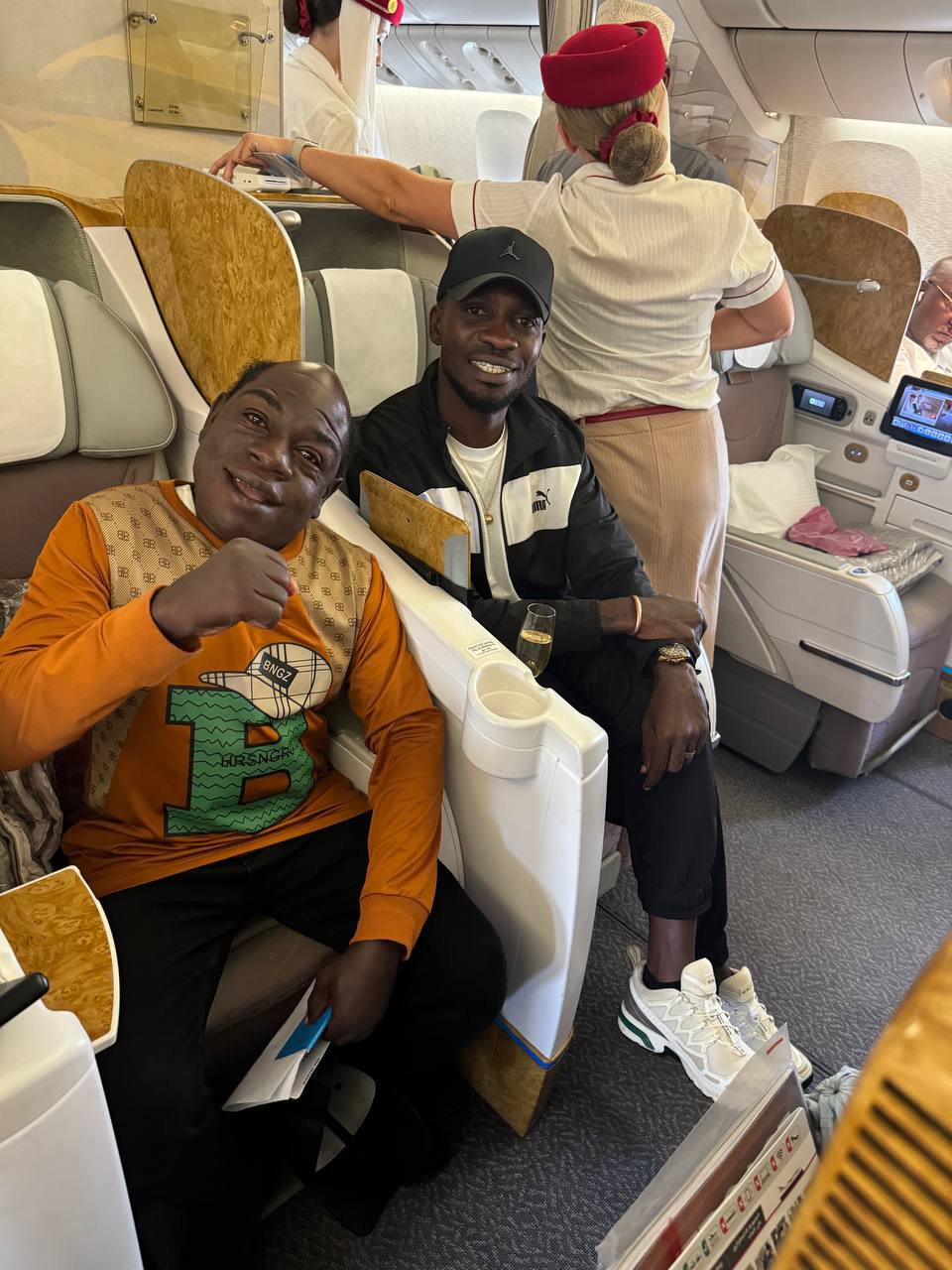
It was also a demonstration of the friendship and professional relationship he shared with Bobi Wine, which would become particularly evident in the emotional tribute following his death.
Beyond his established television and stage appearances, Kapere continued sharing comedy content on TikTok, ensuring that his audience remained connected to him even as the entertainment industry changed.
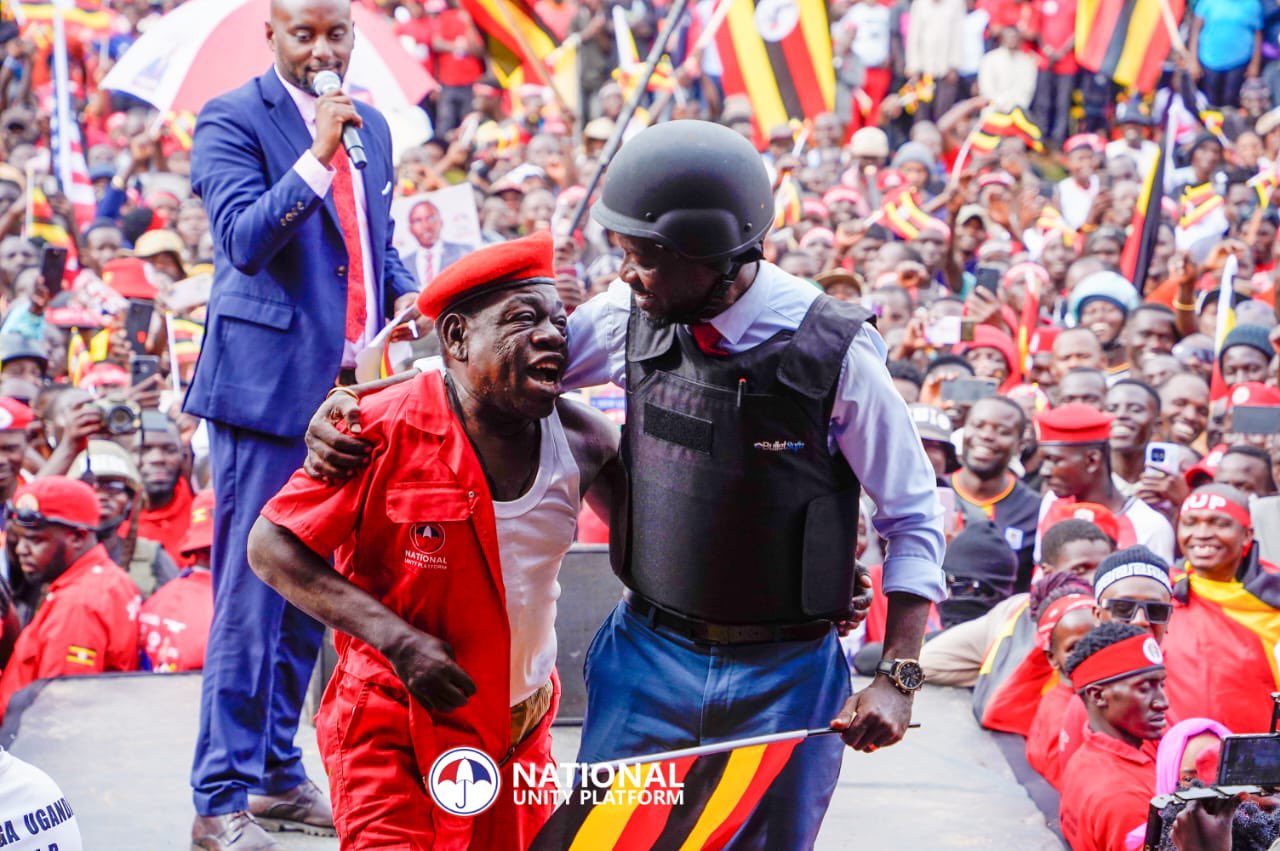 His performances provided a reminder that laughter can cut across social, economic and political boundaries.
Beyond comedy: The husband, father and family man
Away from the stage, Kapere was a family man whose greatest responsibilities were to his wife and children.
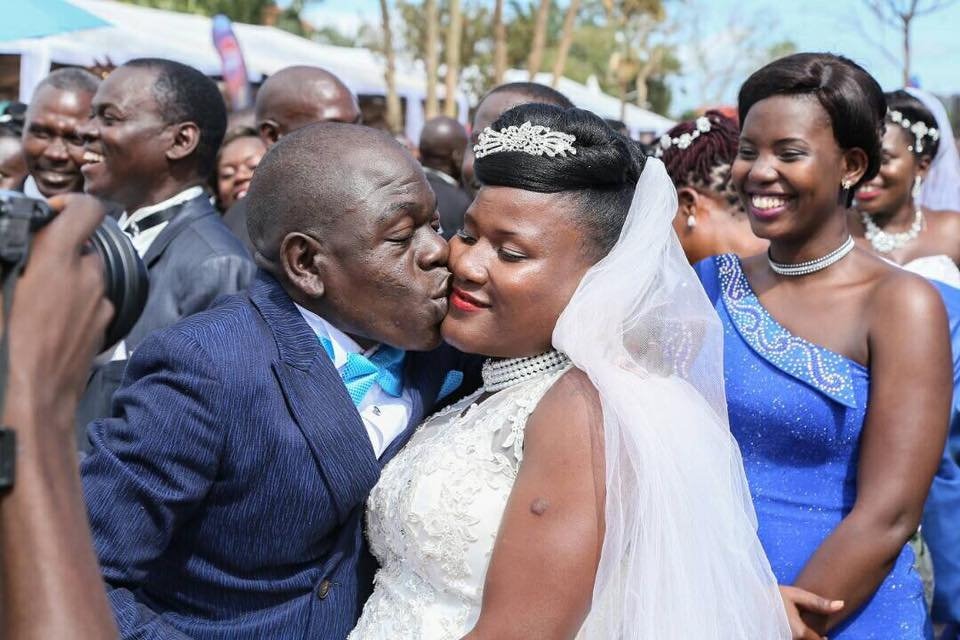
He was married to Lydia Nakandi, popularly known as Mama Trump, with whom he shared a family and several years of companionship.
The couple had reportedly been together for about 14 years before formalising their marriage during a mass wedding ceremony conducted by Pastor Robert Kayanja in 2017.
Their relationship was one of the important aspects of Kapere’s private life, and his wife had previously described him as a responsible and supportive husband.
For a man whose childhood had been characterised by rejection and the absence of parental affection, building a family was particularly meaningful.
Kapere had spoken about his determination to give his children the love, care and opportunities that he felt he had missed while growing up.
He wanted to be present in their lives and provide them with the security of knowing that they were loved.
This is one of the reasons Bobi Wine’s tribute placed particular emphasis on Kapere’s role as a husband and father rather than concentrating exclusively on his entertainment career.
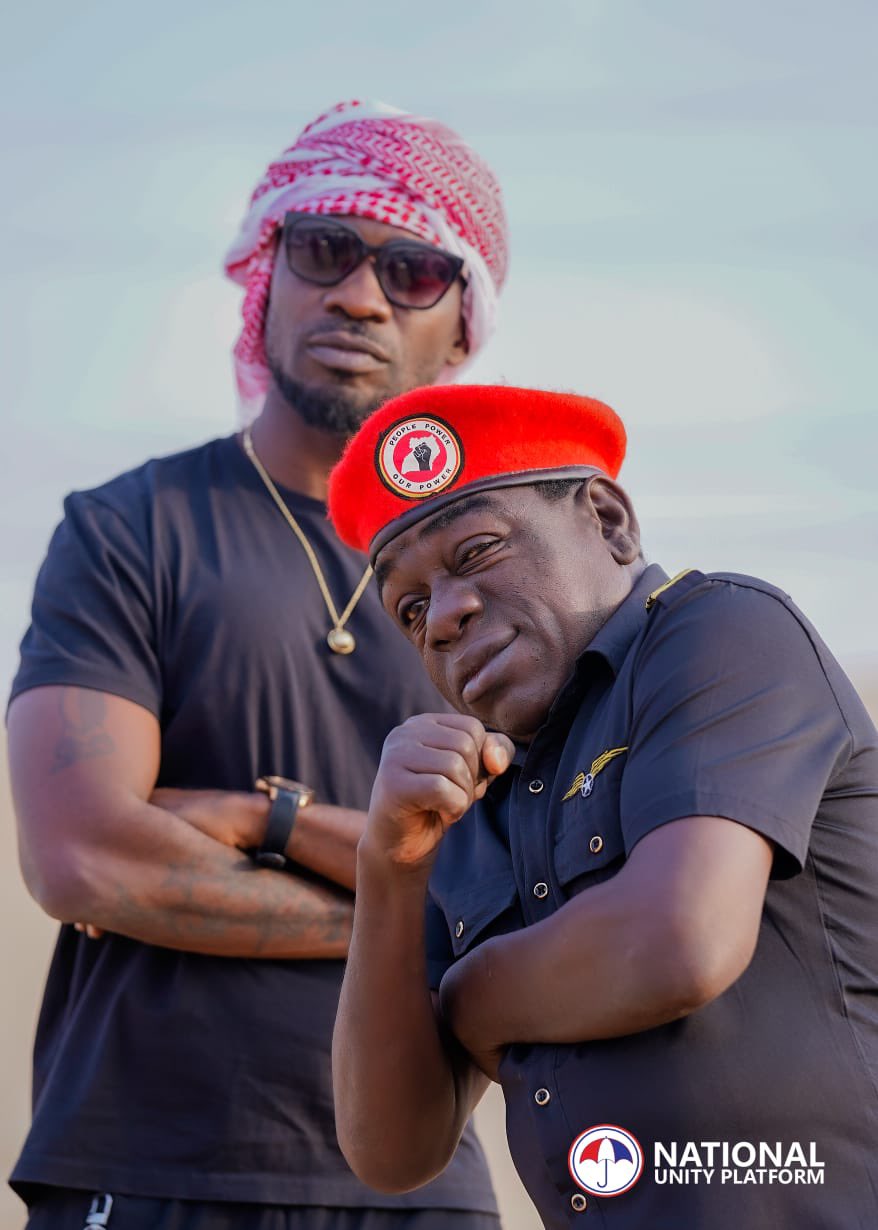 “A loving husband who made his wife proud, a gifted artist who understood the power of his voice and chose to use it for the good of his country,” Kyagulanyi wrote.
He also addressed Kapere’s widow affectionately as Maama Twamp, acknowledging the difficult journey that she and the children now face.
“To Maama Twamp and the children, may God give you strength and comfort in the days ahead,” he wrote.
He prayed that the memories they shared with Kapere would become a source of strength whenever the pain of his absence became unbearable. “You will not walk this difficult journey alone,” he assured them.
It was a deeply personal message that reflected the bond between the two men and offered comfort to a family suddenly confronted with the loss of a husband and father.
The comedian who ventured into politics
Kapere’s public life was not confined to entertainment. He also developed an interest in politics, believing that his voice and popularity could be used to engage with issues affecting ordinary Ugandans.
In 2015, he announced ambitions to join elective politics and presented a manifesto during a press conference that featured on NTV’s Zungulu programme.
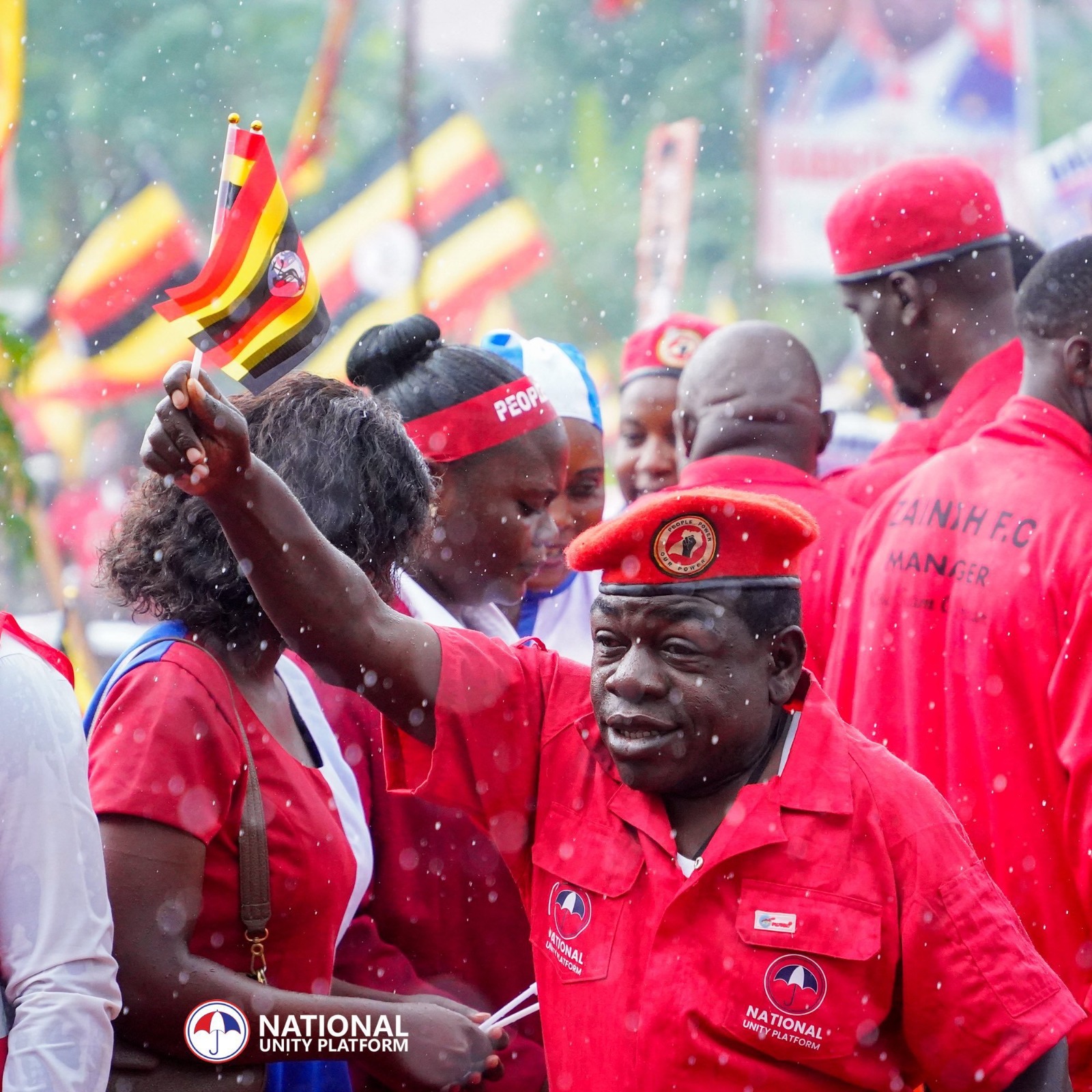
Years later, his political interests became more closely associated with the National Unity Platform, the party led by his friend Bobi Wine.
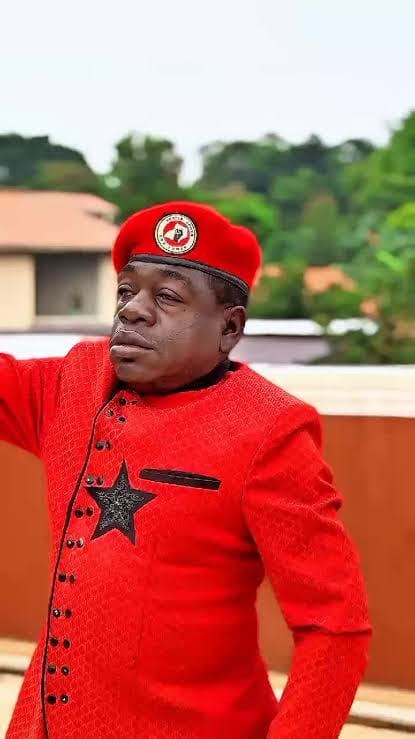
He expressed interest in seeking political office in Makindye, arguing that formal educational qualifications alone should not determine whether someone could represent a community.
His argument was that understanding the challenges facing ordinary people and having the willingness to address them were equally important.
His political involvement also demonstrated that Kapere was interested in participating in national conversations beyond entertainment.
He became outspoken on matters of governance, justice, human rights and the treatment of ordinary citizens.
That aspect of his life helps explain why Bobi Wine described him as a patriot who understood the power of his voice and chose to use it for the good of his country. For Kapere, comedy could entertain, but it could also communicate a message.
His performances and public engagements gave him a platform from which to connect with people and express his views about the country.
He was therefore not simply an entertainer who occasionally ventured into politics; he was an artist who believed that public influence carried responsibilities.
Bobi Wine’s emotional eulogy: ‘What a beautiful heart he had!’
Perhaps the most touching tribute to Kapere came from Bobi Wine, who described him as a friend whose character and kindness went far beyond his physical appearance and public comic identity.
In his condolence message, the NUP president said he was among the many people fortunate enough to experience Kapere’s friendship.
He wrote: “He was a friend to many, a beautiful soul whose presence touched lives, and I have no doubt that he will be dearly missed.
I’m one of the many who were fortunate enough to experience his friendship. He was a man who refused to be defined by his appearance, he let his sincerity, character and heart speak for him. And what a beautiful heart he had! What an interesting character!”
The tribute was particularly significant because Kapere’s public identity had largely been built around his distinctive appearance.
For years, audiences had laughed at his comic expressions, unusual movements and the characters he portrayed. But Bobi Wine’s message reminded the public that there was a person behind the entertainment persona whose character deserved recognition beyond the laughter.
He described Kapere as a gentleman, patriot and gifted artist who understood the influence of his voice.
The NUP leader also reflected on the comedian’s ability to use humour to change the atmosphere even in difficult circumstances.
“Kapere lived a life of purpose, serving his country in the best way he knew how. He was a patriot, a gentleman, and a man whose infectious humour could light up even the saddest of moments,” he wrote.
Bobi Wine’s description of Kapere as a patriot also speaks to the relationship between entertainment and public engagement.
Artists have historically played an important role in communicating social realities, challenging public attitudes and giving ordinary people a voice. Kapere used the opportunities that came with his popularity to participate in conversations about his country.
For Bobi Wine, losing him was therefore not simply the loss of a comedian but the departure of a friend, brother and comrade.
“It is painful to accept that we will no longer have you amongst us to share those moments with you, my brother,” he wrote.
He added that perhaps the pain of losing someone so special was the price people paid for having experienced the joy of knowing them.
His closing words were directed to Kapere’s family, assuring them that the comedian’s contribution would not be forgotten.
“Rest peacefully, my man. Your contribution will not be forgotten, and your spirit will live on in the lives you touched, including myself.”
He concluded with the Luganda expression, “Wumula mirembe, chali wange” — rest in peace, my friend.
The eulogy was a reminder that behind the laughter audiences enjoyed was a man who had built genuine friendships and earned the affection of people from different backgrounds.
 A sudden departure that has shocked the entertainment industry
Kapere’s death on Sunday, November 1, 2026, came as a shock to friends, fans and colleagues in the entertainment industry. He reportedly died at a medical facility in Buddo, Wakiso District, aged 56.
Reports surrounding his final hours have differed, a close family member said he had been rushed to hospital after complaining of a severe headache. The precise medical cause of death had not been officially established in the initial reports.
His death has also prompted fellow entertainers and political figures to reflect on his contribution to Uganda’s comedy scene.
Leader of the Opposition Joel Ssenyonyi expressed shock, revealing that he had met Kapere at the NUP offices in Kavule just a week before his death.
“Just last week, we were with Kapere Lufotose at NUP offices in Kavule. It is so sad to learn that he has passed on,” Ssenyonyi said.
The encounter makes his sudden departure even more difficult for those who interacted with him in recent days.
For his fellow comedians, Kapere’s passing represents the loss of a colleague who brought a distinctive style to Uganda’s entertainment industry.
For his fans, it means the end of an era in which a familiar face could appear on a television screen or social media platform and immediately provoke laughter.
And for his family, it is the loss of a husband and father whose presence can never be replaced.
The laughter will outlive the man
 Kapere’s story is one of resilience, self-acceptance and the ability to turn personal challenges into opportunities.
He experienced rejection because of his appearance, but eventually built a career around the very features that society had once used to ridicule him.
He endured childhood hardships, interrupted education and difficult economic circumstances, but found a way to make a living through his creativity. He became a household name without following the conventional path into entertainment.
His story also offers an important lesson to aspiring entertainers: audiences do not always connect with perfection. Sometimes, they connect with authenticity, originality and the courage to be different.
Kapere understood that lesson. He did not try to become another comedian. He built a comic identity that was uniquely his.
His association with Amarula Family, his memorable Lufotose skit, his appearance in Mr. Money and his continued engagement with audiences through social media will remain part of his entertainment legacy.
But perhaps the most enduring part of his story is that he managed to make people laugh despite having experienced circumstances that could easily have broken his spirit.
His friends will remember Taata Twamp, the man whose humour brightened their gatherings.
His wife and children will remember the husband and father who wanted to give them the love he had missed growing up.
And Uganda will remember Kapere Lufotose, the comedian who turned his uniqueness into a national source of laughter.
The curtain has fallen on his earthly performances, but the laughter he left behind will continue to echo through television clips, comedy recordings and the memories of those who watched him perform.
Rest in peace, Kapere. You made Uganda laugh, and your laughter will outlive you.
Author Profile
- Mr. Stephen Kasozi Muwambi is a seasoned crime investigative writer, majoring in judicial-based stories. His two decades’ experience as a senior investigative journalist has made him one of the best to reckon on in Uganda. He can also be reached via [email protected]
Latest entries
 FeaturedNovember 2, 2026FROM REJECTION TO STARDOM: HOW KAPERE TURNED HIS ‘UGLINESS’ INTO GOLD! Rejected As A Child, Forced Out Of School And Once Struggling To Survive, Yokana Mbuuse Defied The Odds To Become A Household Name Through Comedy
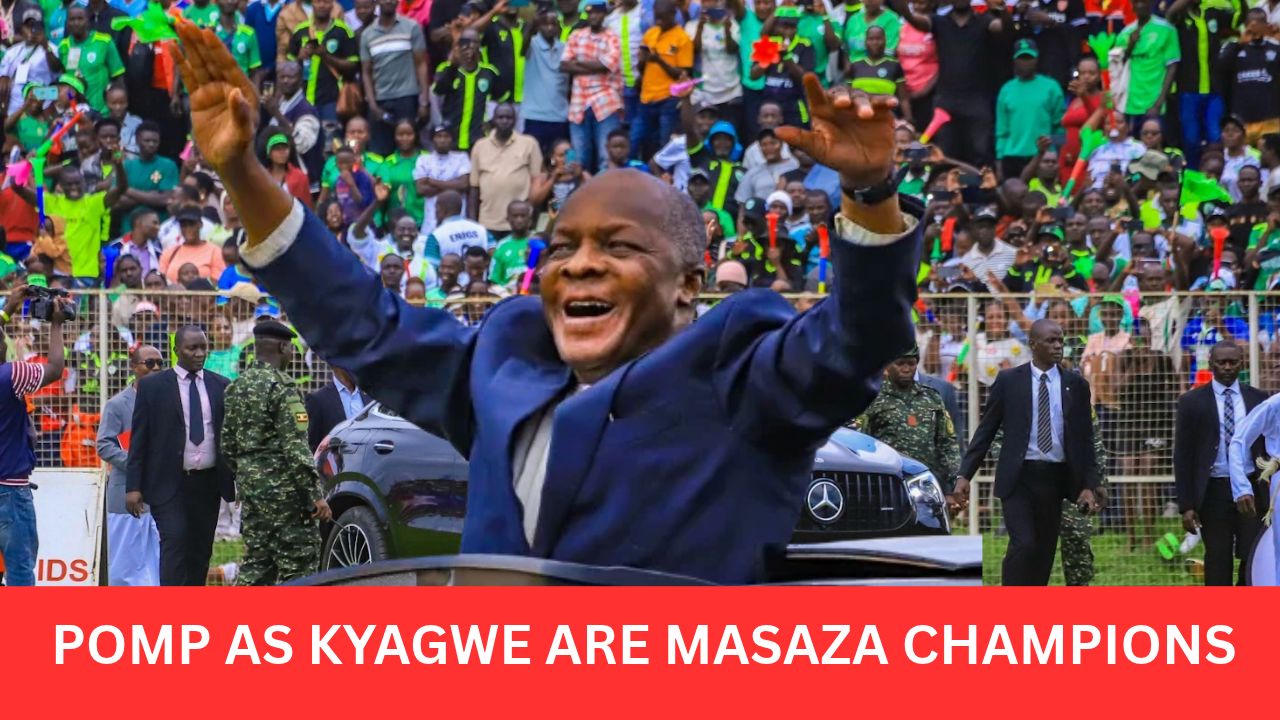 FeaturedOctober 31, 2026KABAKA SENDS WANKULUKUKU INTO FRENZY: Ssaabasajja Ronald Muwenda Mutebi II Arrives Alongside Princess Katrina Ssangalyambogo For The Gomba-Kyagwe Masaza Cup Final In A Spectacular Display Of Royal Pomp And Glamour
 FeaturedOctober 30, 2026MUSEVENI, BESIGYE EYE HISTORIC DEAL: The President’s Brother Unveils Plans To Explore Consociational Democracy, Raising The Prospect Of Power Sharing Among Uganda’s Competing Political, Ethnic And Religious Groups
 FeaturedOctober 30, 2026INSIDE THE STATE HOUSE MEETING: WHY MUSEVENI WANTS ANSWERS FROM RUSSIAN DIGITAL PLATES FIRM: President Questions The Controversial Contract’s Escalating Cost, Security Shortcomings And Revenue-Sharing Arrangement As Mwine Mpaka Leads Legislators In Demanding Accountability