

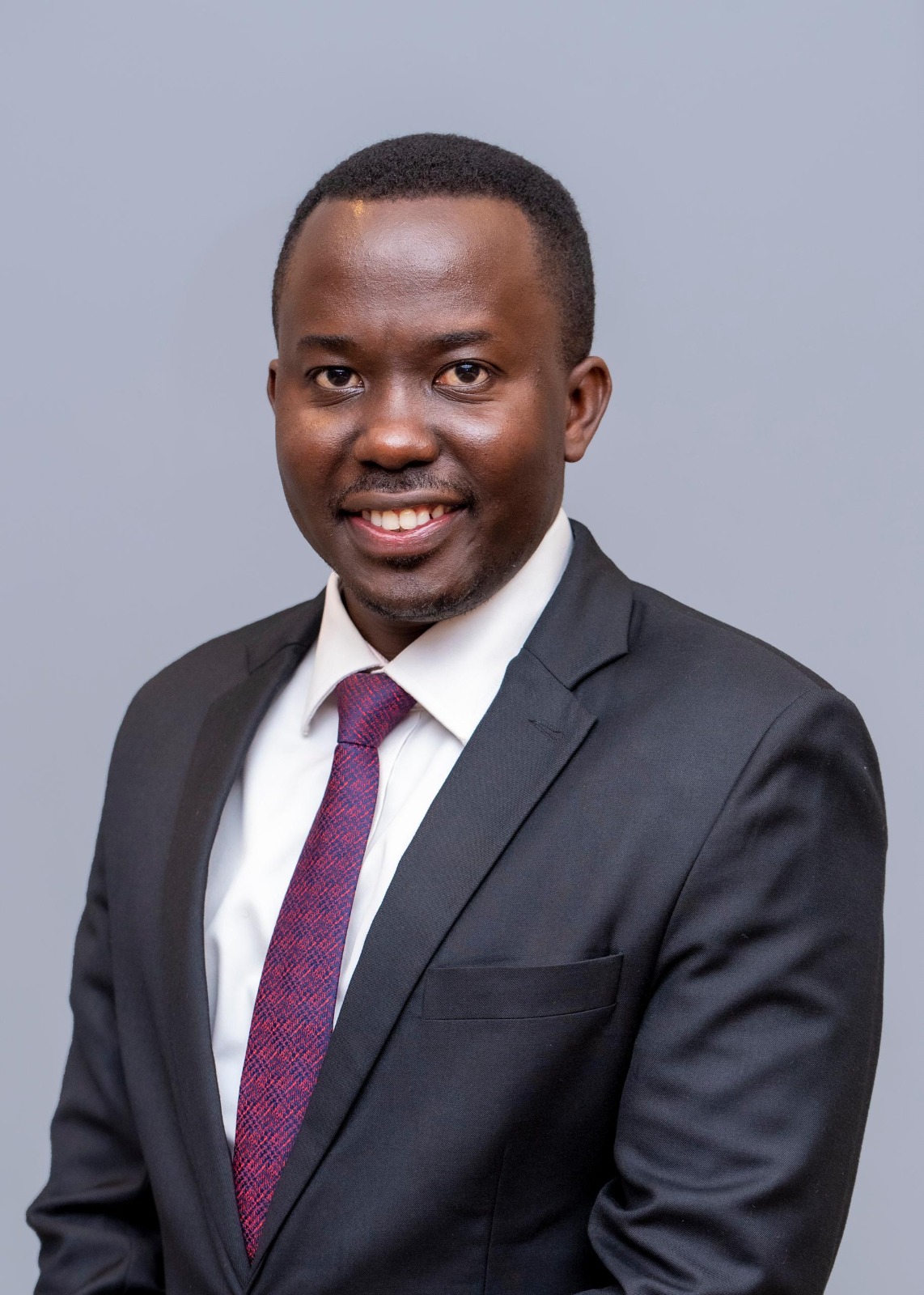












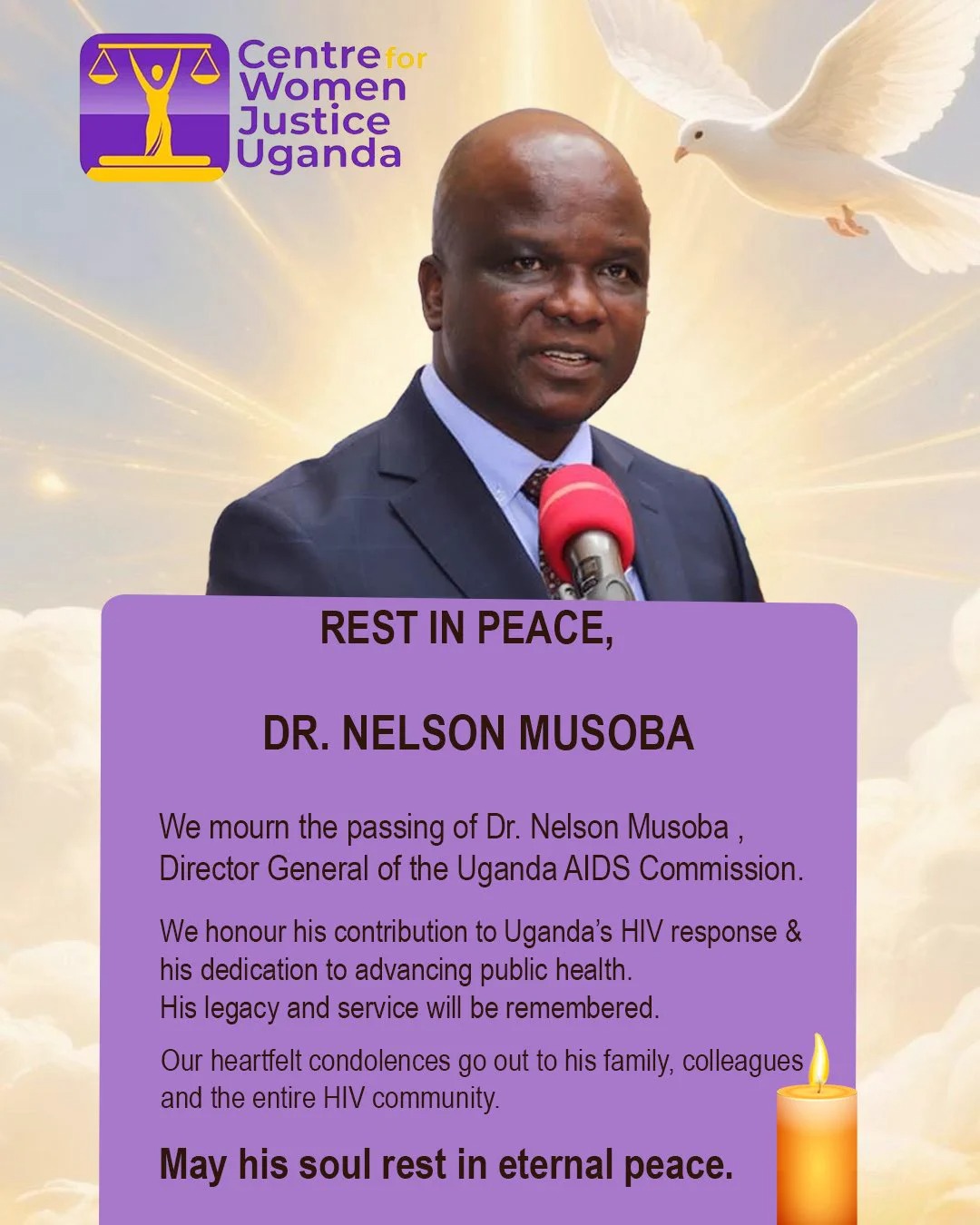
Uganda’s public health fraternity is mourning the death of Dr Nelson Musoba, the Director General of the Uganda AIDS Commission (UAC), whose career spanning more than two decades was dedicated to strengthening the country’s health systems and coordinating the fight against HIV/AIDS.
Musoba died at 5:45am on Sunday, at Medipal Hospital in Kampala, where he had been receiving treatment for cancer-related complications, according to a statement issued by the Minister for the Presidency, Ms Milly Babalanda.
His death brings to an end a distinguished career in public health administration, policy development, donor coordination and strategic leadership at a time when Uganda is intensifying efforts to eliminate AIDS as a public health threat by 2030.
Announcing his death, Babalanda expressed deep sorrow, describing Musoba’s passing as a significant loss to the country and the national HIV/AIDS response.
“With deep sorrow and profound sadness, I announce the untimely passing of the Director General of the Uganda AIDS Commission, Dr Nelson Musoba,” Babalanda said.
She said she was conveying the sad news to President Museveni, the staff of the Uganda AIDS Commission and the entire nation.
The minister observed that Musoba’s death had come at a particularly critical moment, less than two weeks before Uganda joins the rest of the world to commemorate World AIDS Day on December 1.
“Dr Musoba’s dedication, commitment and invaluable contribution to Uganda’s fight against HIV/AIDS will forever be remembered. His distinguished service to the nation and tireless efforts towards strengthening the national HIV/AIDS response have left an enduring legacy that will continue to inspire those working towards a healthier Uganda,” she said.
On behalf of the Office of the President, Babalanda extended condolences to his family, colleagues, friends and the various stakeholders who worked alongside him in the fight against HIV/AIDS.
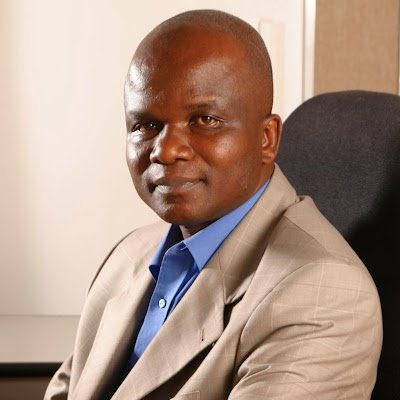
A career built around public health
Musoba’s professional journey was largely defined by his commitment to improving Uganda’s health sector, particularly through institutional reforms, strategic planning and the coordination of national and international interventions.
A medical doctor and public health specialist, he had accumulated more than 20 years of experience in health sector management, policy formulation, programme implementation and monitoring and evaluation.
His areas of expertise included health sector development under the Sector-Wide Approach (SWAp), donor coordination, public-private partnerships for health and the formulation of national health policies and strategic plans.
Before becoming one of the most influential figures in Uganda’s HIV/AIDS response, Musoba had already established himself as a public health administrator through his work with government institutions and civil society organisations.
Between 2003 and 2006, he served as Executive Director of Action Group for Health, Human Rights and HIV/AIDS (AGHA Uganda), an organisation involved in promoting health rights and addressing human rights concerns within the country’s health sector.
His work at AGHA exposed him to the intersection between public health, human rights and the challenges affecting vulnerable communities, particularly those affected by HIV/AIDS.
He subsequently joined the Ministry of Health, where he served as a Senior Health Planner between 2007 and 2012.
During this period, he was involved in health sector planning and coordination, including overseeing Uganda’s coordination of the Global Fund programmes for HIV/AIDS, tuberculosis and malaria.
The Global Fund is one of the major international financing mechanisms supporting countries to fight the three diseases, and Uganda’s coordination of its programmes required close collaboration between government agencies, implementing partners and international development organisations.
Musoba’s role placed him at the centre of efforts to align donor-funded interventions with national health priorities and strengthen accountability in the delivery of health services.
His experience in government planning and international health financing would later prove valuable when he assumed leadership responsibilities at the Uganda AIDS Commission.
The PEPFAR chapter
 After leaving the Ministry of Health, Musoba moved into international health programme management, serving as Project Director and Chief of Party for the Monitoring and Evaluation of the Emergency Plan Progress (MEEPP) Uganda project between 2012 and 2014.
The USAID-funded initiative provided technical support to the United States government in monitoring and evaluating the implementation of the President’s Emergency Plan for AIDS Relief (PEPFAR).
PEPFAR is one of the world’s largest bilateral programmes supporting HIV prevention, testing, treatment and care, particularly in countries heavily affected by the epidemic.
Musoba’s assignment involved supporting monitoring and evaluation systems while strengthening Uganda’s capacity to track the implementation and performance of HIV/AIDS interventions. The experience gave him a broader understanding of the relationship between international financing, national ownership and the need for sustainable public health programmes.
It also positioned him for his next major assignment at the institution responsible for coordinating Uganda’s national HIV/AIDS response.
Taking charge of Uganda AIDS Commission
In 2014, Musoba joined the Uganda AIDS Commission as Director of Planning and Strategic Information. The appointment marked the beginning of a decade-long association with the institution, which operates under the Office of the President and provides strategic direction and coordination for Uganda’s multisectoral response to HIV/AIDS.
At the commission, he was responsible for coordinating planning, policy development and strategic information, key functions that inform the country’s response to the epidemic.
His responsibilities involved working with government ministries, local governments, development partners, civil society organisations, faith-based institutions and communities affected by HIV.
In March 2017, he was appointed Acting Director General, succeeding the previous leadership in steering the commission’s programmes and institutional operations.
He was substantively confirmed as Director General in February 2018 and subsequently reappointed by President Museveni in January 2024.
As Director General, Musoba became the administrative and strategic head of an institution whose mandate extends beyond the health ministry.
The Uganda AIDS Commission coordinates the national response by bringing together different sectors, recognising that HIV/AIDS is not merely a medical challenge but also a social, economic and development issue.
His leadership involved strengthening partnerships, coordinating national strategies and ensuring that interventions remained aligned with Uganda’s ambition of ending AIDS as a public health threat by 2030.
He also served as Secretary to the Commission’s Board and Accounting Officer and represented the public sector on Uganda’s Country Coordinating Mechanism for the Global Fund.
A leader who believed in collective responsibility
 One of Musoba’s defining positions was that the fight against HIV/AIDS could not be left to government institutions and health professionals alone.
He consistently advocated for a broader national response involving communities, civil society, religious institutions, the private sector and development partners.
During his tenure, Uganda continued to pursue strategies aimed at reducing new HIV infections, improving access to treatment, strengthening prevention programmes and addressing stigma and discrimination.
In November 2025, Musoba told journalists that Uganda was making progress in the fight against HIV/AIDS, but warned that sustaining the gains required renewed commitment.
He also raised concerns about the treatment gap among men, pointing out that although more women were living with HIV, men were dying in greater numbers and recording lower rates of viral suppression.
His position reflected a growing concern among public health experts that the country’s progress could be undermined if particular population groups continued to experience barriers to testing, treatment and care.
Earlier in 2026, he highlighted the country’s commitment to achieving what he described as the three zeros: zero new HIV infections, zero AIDS-related deaths and zero stigma and discrimination.
He also cited improvements in Uganda’s HIV response, including a reported 69 per cent reduction in new infections since 2010.
These efforts were part of the broader national and international commitment to end AIDS as a public health threat by 2030.
Colleagues remember a strategic leader
News of Musoba’s death triggered an outpouring of grief from colleagues, government institutions and international organisations that had worked with him in Uganda’s HIV/AIDS response.
Dr Vincent Bagambe, the head of Planning, Policy and Strategic Information at the Uganda AIDS Commission, described his death as a devastating loss to the institution.
Speaking about the death of his boss, Bagambe said the commission was struggling to come to terms with the loss of a leader who had provided strategic direction and guidance.
“It is a very dark morning, and we are yet to come to terms with it as a team that Nelson has been leading,” Bagambe said.
He described Musoba as technically skilled, knowledgeable and a people-oriented leader who understood the commission’s mandate and maintained close relationships with staff.
“He was a people person. He was technically skilled. He knew what to do. He was a good team leader for us,” Bagambe added.
Bagambe revealed that Musoba had been unwell for some time and had received treatment at different health facilities, including outside Uganda.
He said the Director General had battled illness for approximately a year, although he deferred further details about the diagnosis and treatment to the family.
The United Nations Programme on HIV/AIDS (UNAIDS) also joined Uganda in mourning the public health leader.
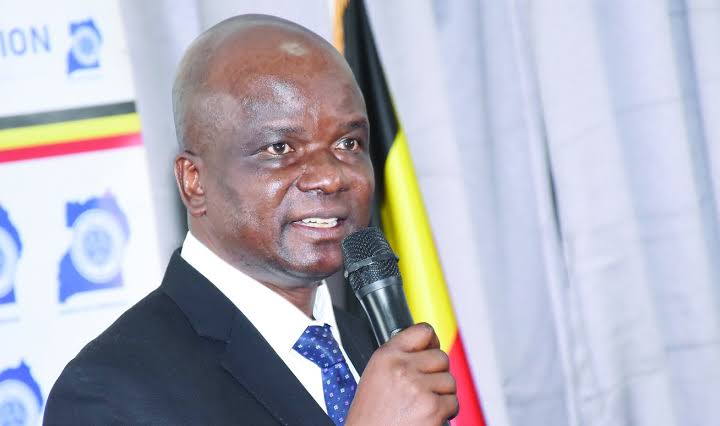 UNAIDS Executive Director Winnie Byanyima described his death as a tremendous loss to Uganda’s public health community and international partners who had worked with him.
“Throughout his leadership at the Uganda AIDS Commission, Dr Musoba demonstrated an unwavering commitment to strengthening the national HIV response, ensuring that it remained a national development priority,” Byanyima said.
She credited him with helping guide Uganda’s HIV response through a period of change, particularly as global health financing arrangements evolved and the country sought to sustain essential HIV services.
Byanyima said Musoba championed national ownership, stronger coordination and partnerships involving government, development partners, civil society and communities.
For UNAIDS, she said, Musoba was more than an institutional counterpart but a trusted partner and colleague whose dedication helped advance the shared mission of ending AIDS as a public health threat by 2030.
The Centre for Health, Human Rights and Development (CEHURD) also expressed condolences to his family, colleagues and friends, recognising his contribution to Uganda’s HIV response and public health.
The Uganda Network on Law, Ethics and HIV/AIDS (UGANET) similarly recognised his leadership, while the Jinja Network of Young People Living with HIV described him as a giant whose wisdom and strategic guidance would be remembered.
A difficult moment for Uganda’s HIV response
Musoba’s death comes at a time when Uganda is confronting significant questions about the sustainability of HIV/AIDS programmes, particularly amid uncertainty surrounding international development financing.
The country has made considerable progress in reducing HIV prevalence and expanding access to antiretroviral treatment. However, new infections, treatment gaps, stigma and inequalities among vulnerable populations remain major challenges.
The Uganda AIDS Commission has continued to coordinate the country’s response, working with government institutions and development partners to ensure that prevention, treatment and care programmes remain accessible.
His death also comes at a critical moment when the country is preparing to commemorate World AIDS Day on December 1, an occasion that will be marked under the shadow of the loss of one of the officials who had been at the forefront of coordinating the national response.
For an institution whose work depends heavily on continuity, coordination and strategic leadership, Musoba’s absence leaves a significant gap.
His professional journey, from public health advocacy and ministry planning to international programme management and eventually the leadership of the Uganda AIDS Commission, reflected a career built around strengthening the systems responsible for protecting public health.
He leaves behind a legacy defined by institutional leadership, partnerships and the conviction that ending AIDS requires collective national responsibility.
As Uganda prepares to remember those lost to HIV/AIDS and renew its commitment to eliminating the epidemic, the death of Musoba adds another painful chapter to the country’s public health story.
The man who spent much of his career coordinating the fight against one of Uganda’s most enduring health challenges has now become the subject of national mourning.
May his soul rest in peace.
Author Profile
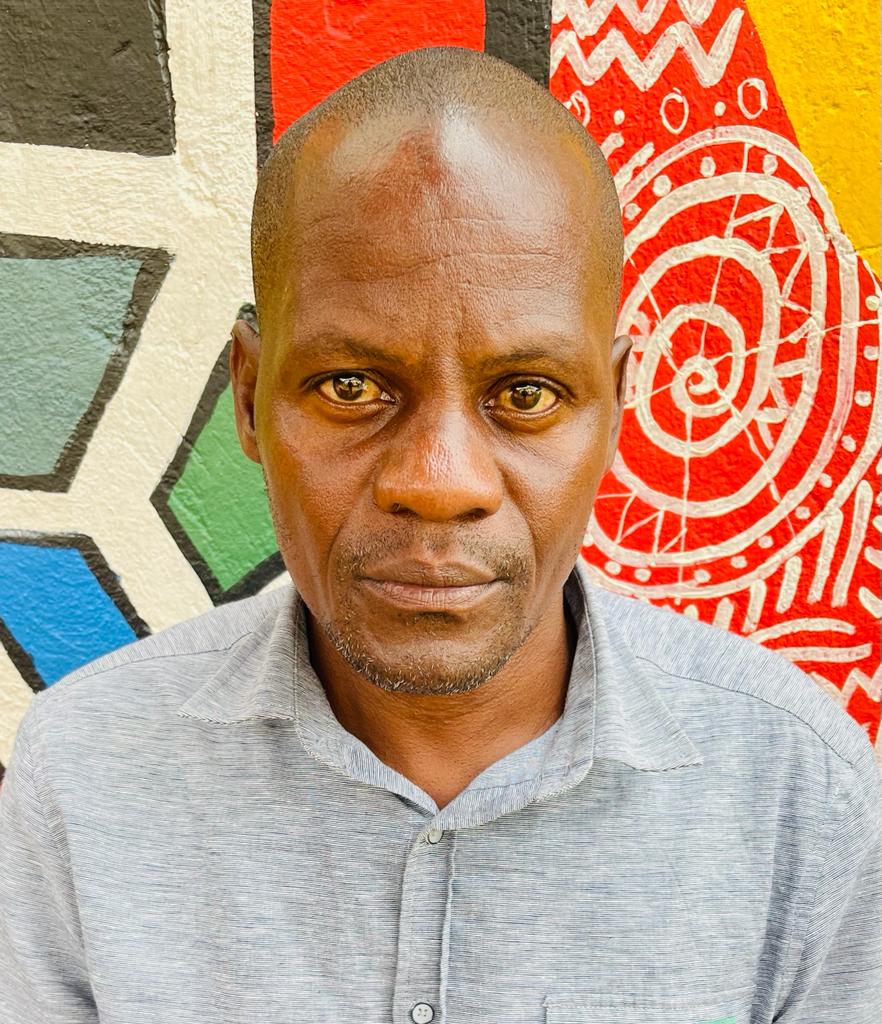
- Mr. Stephen Kasozi Muwambi is a seasoned crime investigative writer, majoring in judicial-based stories. His two decades’ experience as a senior investigative journalist has made him one of the best to reckon on in Uganda. He can also be reached via [email protected]
Latest entries
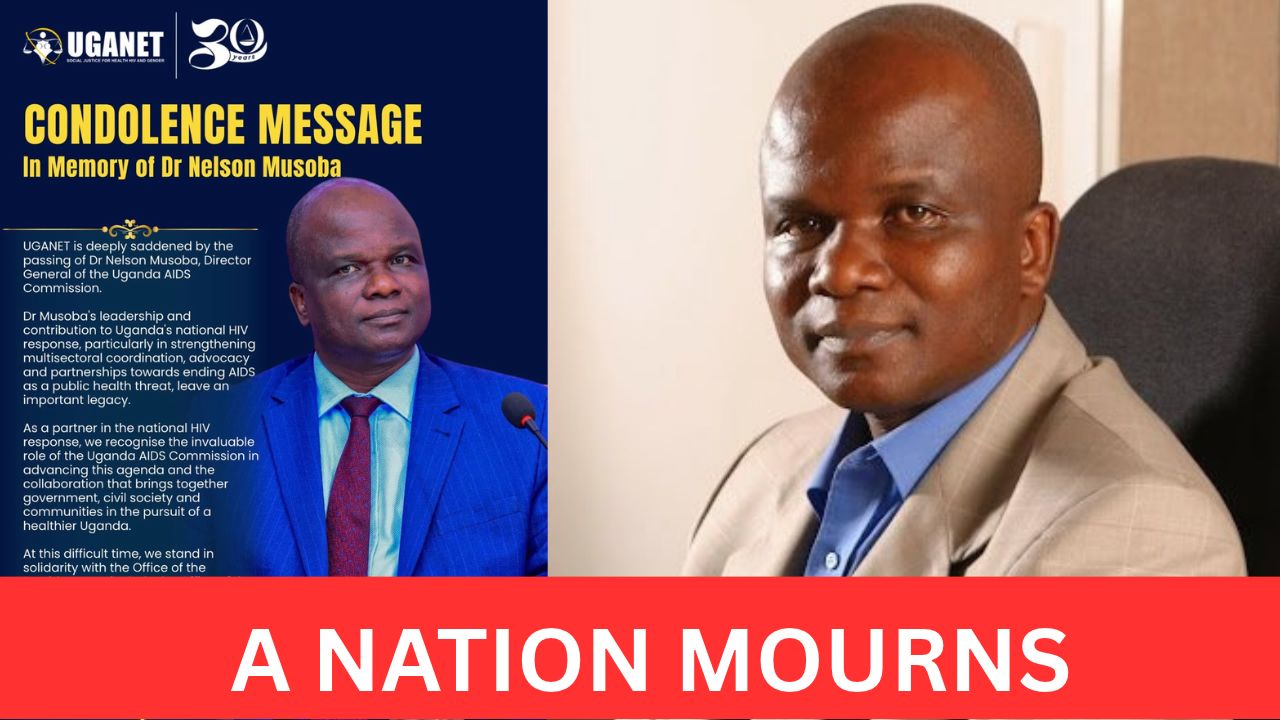 FeaturedNovember 23, 2026DR MUSOBA’S FINAL BATTLE: From Public Health Advocacy And Ministry Of Health Planning To Leading The Uganda AIDS Commission, Musoba Devoted More Than Two Decades To Strengthening Uganda’s Fight Against HIV/AIDS, Leaving Behind A Legacy Of Leadership, Partnerships And National Service
 FeaturedNovember 20, 2026INSIDE MUGUMYA’S WORLD OF DARKNESS: How 449 Days in Secret Detention Left Activist Unaware of Besigye’s Imprisonment and Lukwago’s Arrest
 FeaturedNovember 19, 2026MADE IN UGANDA SINO-TRUCKS: The 45-acre Double Q Assembly Complex In Nakirebe Is Assembling Hundreds Of Sinotruk Trucks, With Ambitions To Boost Local Manufacturing, Create Jobs And Strengthen Uganda-Tanzania Trade
 FeaturedNovember 16, 2026URA’S PLOT TO TAX WHATSAPP CALLS EXPOSED! URA Commissioner General John Musinguzi Warns That Cheaper Internet-Based Calls Are Eroding Taxes Collected From Conventional Voice Services, With Rising Data Revenue Failing To Close The Gap