
















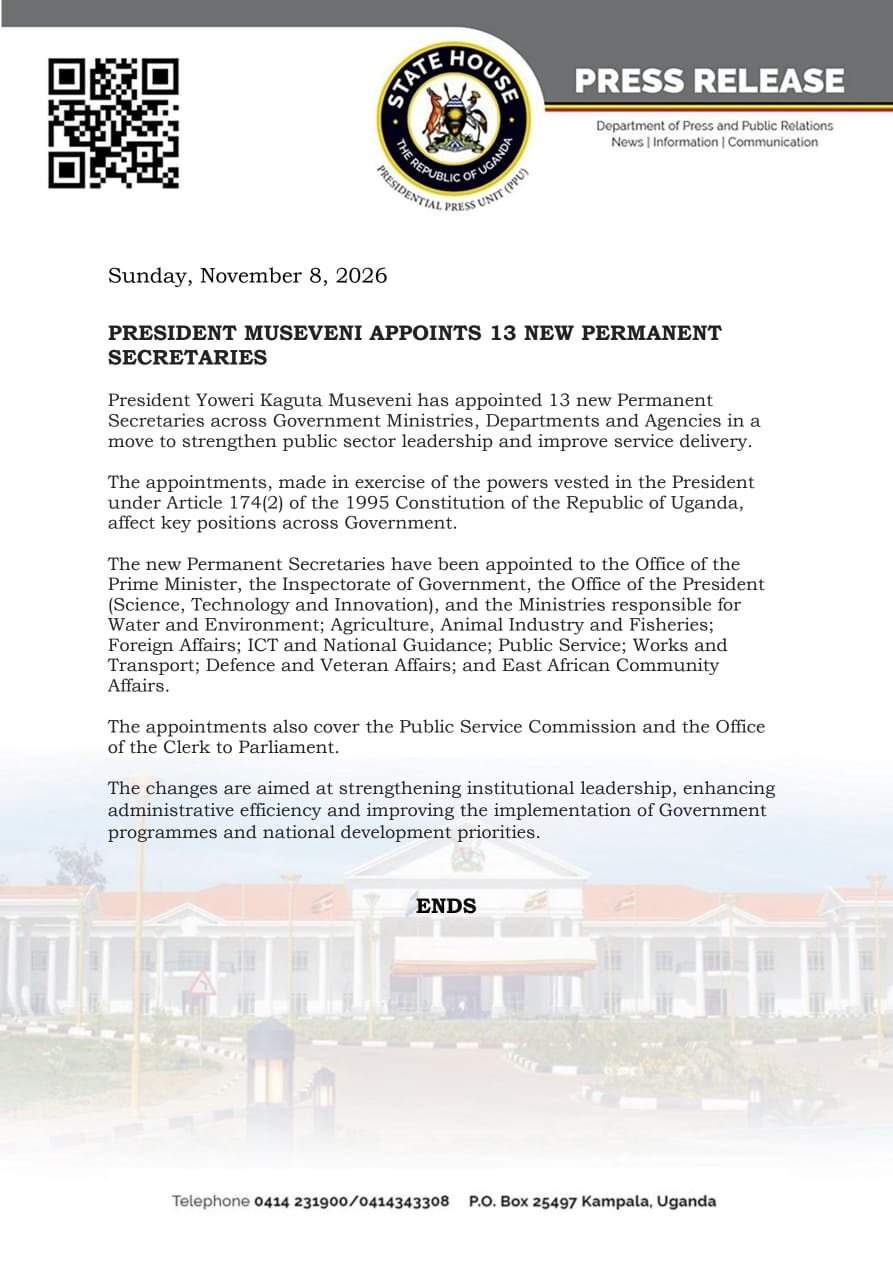
President Yoweri Museveni has unveiled a sweeping shake-up of Uganda’s public service leadership, naming 13 officials for appointment to key administrative positions across government ministries, departments and agencies in changes that affect some of the country’s most strategic institutions.
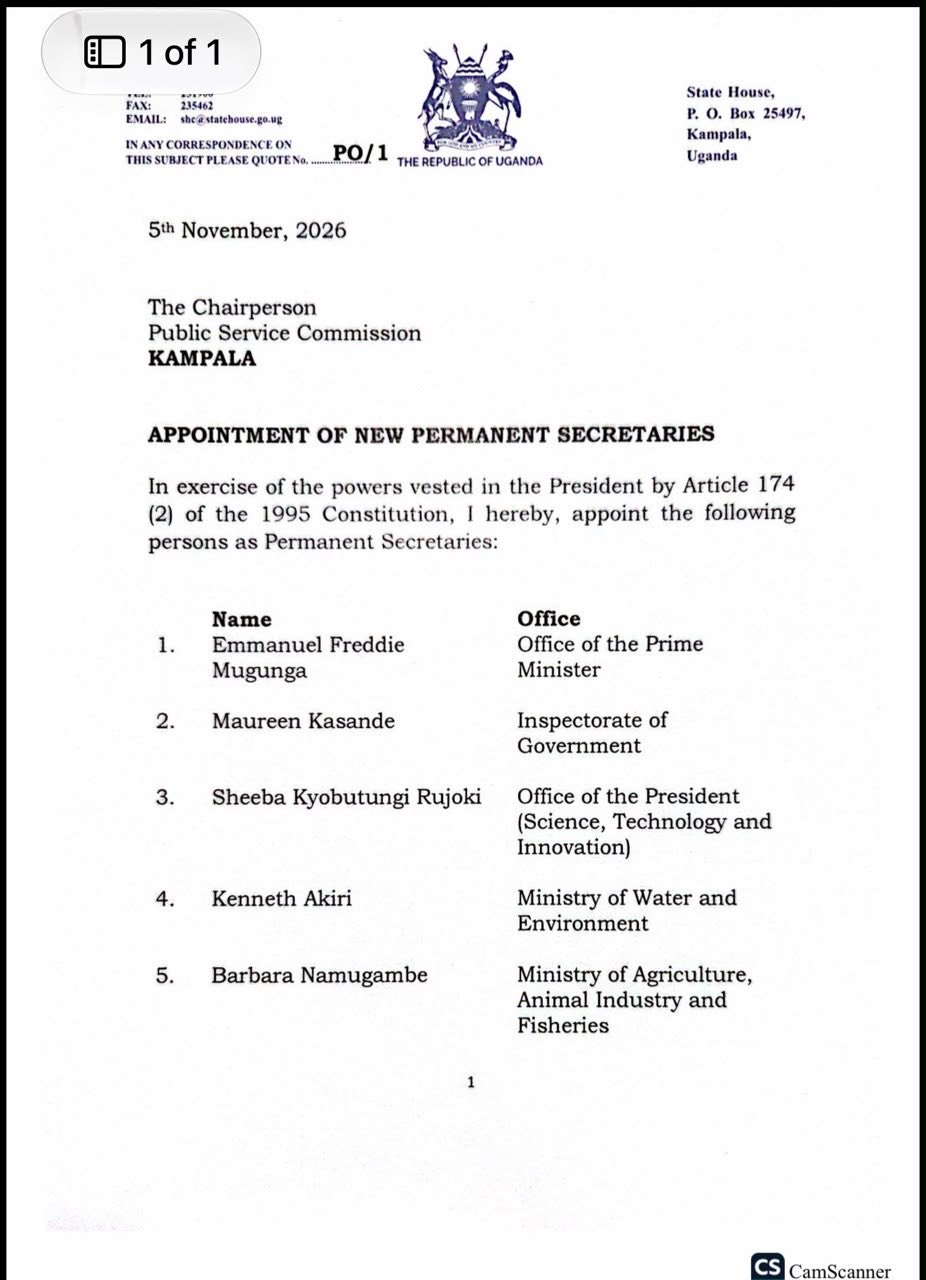
The changes, communicated in a letter dated November 5, 2026, and made public on Sunday, November 8, signal a significant reshuffle of the civil service establishment, with a new crop of administrators taking over responsibilities in sectors ranging from defence, agriculture and infrastructure to foreign affairs, environmental management and public administration.
Among the notable appointments is the elevation of Edith Butuuro to Permanent Secretary of the Ministry of Defence and Veteran Affairs, replacing Rosette Byengoma, while Emmanuel Freddie Mugunga has been designated to head the Office of the Prime Minister, replacing Alex Kakooza.
Other notable changes include the appointment of Eng. Flavia Guto Bwire to the Ministry of Works and Transport, Kenneth Akiri to the Ministry of Water and Environment, Barbara Namugambe to the Ministry of Agriculture, Animal Industry and Fisheries, and Charles Ssentongo to the Ministry of Foreign Affairs.
The reshuffle also brings changes to the Ministry of ICT and National Guidance, the Ministry of Public Service, the Ministry of East African Community Affairs and the Inspectorate of Government.
 In a particularly significant administrative change, Dr Edward Sengonzi Damulira has been designated the new Clerk to Parliament, replacing Adolf Mwesigye, while Betty Mutesa Cwinya-ai has been named to head the secretariat of the Public Service Commission.
The appointments represent one of the significant changes to the top administrative structure of government, placing new officials at the centre of policy implementation, public expenditure management and supervision of government programmes.
However, despite the President’s letter using the language of appointment, the nominees are still subject to assessment by the Public Service Commission (PSC), which has been directed to examine their suitability and advise the President before the process is concluded.
 The 13 appointments
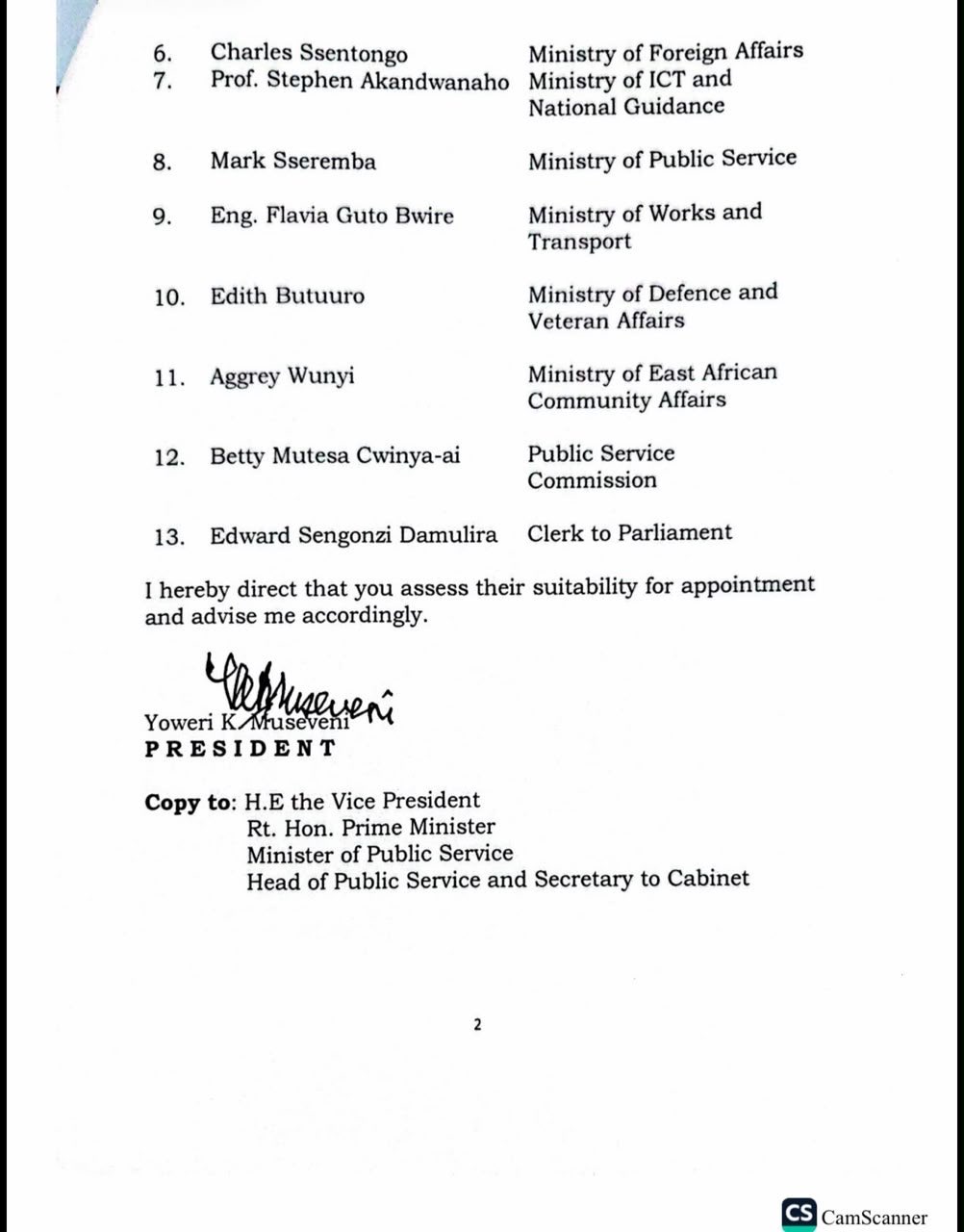
The new administrative line-up is as follows:
- Emmanuel Freddie Mugunga – Office of the Prime Minister.
- Maureen Kasande – Inspectorate of Government.
- Sheeba Kyobutungi Rujoki – Office of the President (Science, Technology and Innovation).
- Kenneth Akiri – Ministry of Water and Environment.
- Barbara Namugambe – Ministry of Agriculture, Animal Industry and Fisheries.
- Charles Ssentongo – Ministry of Foreign Affairs.
- Prof. Stephen Akandwanaho – Ministry of ICT and National Guidance.
- Mark Sseremba – Ministry of Public Service.
- Eng. Flavia Guto Bwire – Ministry of Works and Transport.
- Edith Butuuro – Ministry of Defence and Veteran Affairs.
- Aggrey Wunyi – Ministry of East African Community Affairs.
- Betty Mutesa Cwinya-ai – Public Service Commission.
- Edward Sengonzi Damulira – Clerk to Parliament.
The distribution of the appointments shows that the President has targeted institutions that play central roles in the implementation of government policy, management of public resources and delivery of services.
Article 174 and the President’s powers
In making the changes, Museveni invoked Article 174(2) of the 1995 Constitution, which provides for the appointment of Permanent Secretaries by the President.
In his November 5 letter addressed to the Chairperson of the Public Service Commission, the President directed the commission to assess the suitability of the 13 designated officials and provide advice to his office.
“I hereby direct that you assess their suitability for appointment and advise me accordingly,” Museveni stated in the letter, which was copied to the Vice President, Prime Minister, Minister of Public Service and Head of Public Service and Secretary to Cabinet.
This means that while the President has identified his preferred candidates, the Public Service Commission still has an important role in the appointment process.
The distinction is important because Permanent Secretaries are not ordinary political appointees. They occupy some of the most influential positions in the country’s public administration system, serving as the bridge between political leadership and the professional civil service.
They are responsible for ensuring that ministerial policies translate into practical government programmes, supervising civil servants, managing budgets and ensuring that public funds are utilised according to approved government priorities.

They also serve as accounting officers, making them personally accountable for the financial management and administrative operations of their respective institutions.
The new appointments therefore go beyond changing names on government letterheads. They place new officials in charge of institutions that manage billions of shillings in public resources and implement programmes that directly affect millions of Ugandans.
Defence, Works and OPM among major changes
One of the most closely watched changes is at the Ministry of Defence and Veteran Affairs, where Edith Butuuro has been designated to replace Rosette Byengoma.
Butuuro’s elevation is particularly significant because she is not an outsider being brought into the defence establishment. She previously served as the ministry’s Under Secretary for Finance and Administration, giving her experience in the administrative and financial machinery of the institution.
Her appointment places her at the centre of the ministry’s civilian administrative structure, which supports the political and military leadership of the defence sector.
The ministry is responsible for managing government resources allocated to national defence, veterans’ affairs and the wider institutional requirements of the Uganda People’s Defence Forces (UPDF).
The appointment comes at a time when the defence establishment remains an important pillar of the country’s national security architecture, with Uganda maintaining military commitments both domestically and in regional security operations.
At the Ministry of Works and Transport, Eng. Flavia Guto Bwire has been nominated to replace Waiswa Bageya, whose retirement is expected to create room for a new administrative leadership.
 The ministry oversees some of the country’s most expensive infrastructure programmes, including road construction and maintenance, bridges, railway development, aviation and water transport infrastructure.
Bwire’s appointment will put her in charge of the administrative machinery responsible for coordinating these projects, managing contracts and ensuring that allocated funds translate into completed infrastructure.
The ministry has frequently faced public scrutiny over delayed road projects, cost overruns, maintenance backlogs and the slow implementation of major infrastructure investments.
Her immediate challenge will be ensuring that the technical ambitions of government are matched by efficient procurement, financial discipline and timely project execution.
At the Office of the Prime Minister, Emmanuel Freddie Mugunga has been designated to replace Alex Kakooza.
The OPM occupies a strategic position in government because it coordinates the implementation of government programmes across ministries, departments and agencies.
Unlike individual ministries, whose responsibilities are defined by specific sectors, the OPM has a cross-government coordination role, including disaster preparedness, humanitarian interventions, refugee management and monitoring the implementation of government priorities.
Mugunga will therefore inherit an institution whose effectiveness depends heavily on its ability to ensure that different government departments work towards common national objectives.
The challenge will be to strengthen coordination, eliminate duplication of responsibilities and ensure that government commitments are translated into measurable results.
Agriculture and environment receive new leadership
The Ministry of Agriculture, Animal Industry and Fisheries is another major beneficiary of the reshuffle, with Barbara Namugambe nominated to replace Maj. Gen. David Kasura Kyomukama.
Namugambe previously served as an Under Secretary in the Ministry of Works and Transport, making her elevation a movement from one major government institution to another.
Her appointment comes at a time when agriculture remains central to Uganda’s economic transformation, employment creation, export earnings and household livelihoods.
The sector supports a significant proportion of the population and remains a major source of income for rural households.
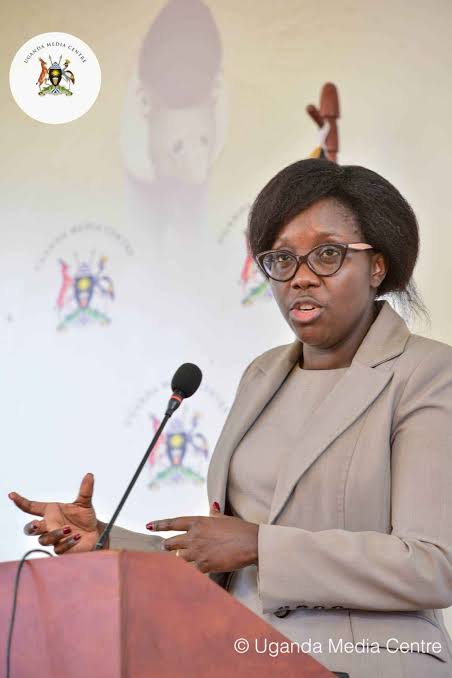
However, farmers continue to grapple with climate-related shocks, pests and diseases, limited access to affordable agricultural financing, inadequate extension services and challenges in accessing reliable markets.
The new Permanent Secretary will be expected to provide administrative leadership to programmes intended to improve agricultural productivity, commercialisation, value addition and access to markets.
She will also oversee the financial and administrative implementation of agricultural interventions, including government efforts to promote household income generation and commercial farming.
At the Ministry of Water and Environment, Kenneth Akiri has been nominated to replace Dr Alfred Okot Okidi.
Akiri, previously an Under Secretary at the Ministry of Health, moves into a sector whose importance has grown amid concerns about environmental degradation, water access, climate change and pressure on natural resources.
The ministry is responsible for national water resource management, environmental protection, sanitation-related policy coordination and sustainable utilisation of the country’s natural resources.
Uganda’s growing population and urbanisation have increased pressure on water supply systems, wetlands, forests and other natural resources.
The new administrative leadership will be expected to support government investments in water infrastructure while strengthening environmental protection and ensuring that development activities do not undermine the country’s natural resource base.
The ministry also plays a critical role in coordinating climate change interventions, water supply expansion and sanitation programmes, particularly in underserved communities.
Foreign affairs and regional integration
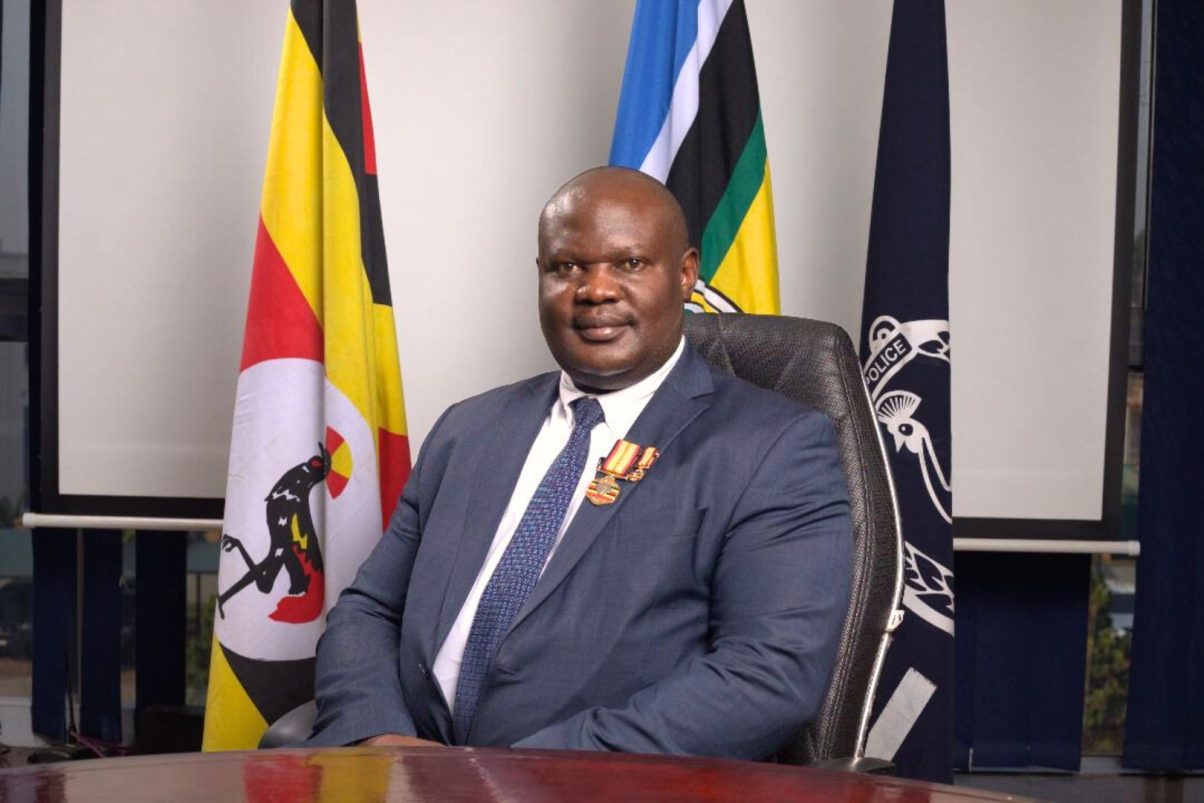 At the Ministry of Foreign Affairs, Charles Ssentongo has been nominated to replace Vincent Waiswa Bagiire, placing him at the head of the administrative machinery responsible for supporting Uganda’s diplomatic engagements.
The ministry is central to Uganda’s foreign policy, bilateral relations, multilateral diplomacy, consular services and economic diplomacy.
Uganda’s foreign relations have increasingly focused on expanding trade and investment partnerships, strengthening regional integration, attracting foreign direct investment and maintaining diplomatic relations with traditional and emerging partners.
The new Permanent Secretary will be expected to ensure that the ministry’s administrative operations support these priorities while improving the efficiency of diplomatic missions abroad.
Uganda’s regional and international engagements also make the position particularly important as the country seeks to consolidate its influence within the East African Community, the African Union and other international organisations.
Meanwhile, Aggrey Wunyi has been nominated to replace Edith Mwanje at the Ministry of East African Community Affairs.
The ministry coordinates Uganda’s participation in regional integration initiatives, including trade, movement of people, infrastructure connectivity and cooperation among East African partner states.
The East African Community remains an important economic and political platform for Uganda, particularly because of the country’s dependence on regional markets and transport corridors for imports and exports.
Wunyi will be expected to support the implementation of regional integration commitments and improve coordination between Uganda’s various institutions involved in EAC affairs.
The ministry’s work also involves monitoring regional agreements, addressing non-tariff barriers to trade and ensuring that Uganda benefits from opportunities presented by the expanding regional market.
ICT and public service administration
In the Ministry of ICT and National Guidance, Museveni has nominated Prof. Stephen Akandwanaho to replace Dr Amina Zawedde.
Akandwanaho’s appointment introduces an academic profile into the leadership of a ministry that has become increasingly important to Uganda’s digital transformation ambitions.
The ICT ministry oversees government policy on information and communications technology, digital infrastructure, innovation, cybersecurity and national guidance.
Uganda has been investing in digital government services, expanding internet connectivity and promoting technology-driven solutions across public institutions.
However, challenges remain, particularly regarding digital inclusion, cybersecurity threats, the cost of internet access and the integration of government information systems.
The new Permanent Secretary will have to ensure that the ministry’s policy objectives are supported by effective administration, financial accountability and coordination with other government institutions.
The appointment also comes at a time when artificial intelligence, digital payments, data management and emerging technologies are reshaping public administration and economic activity.
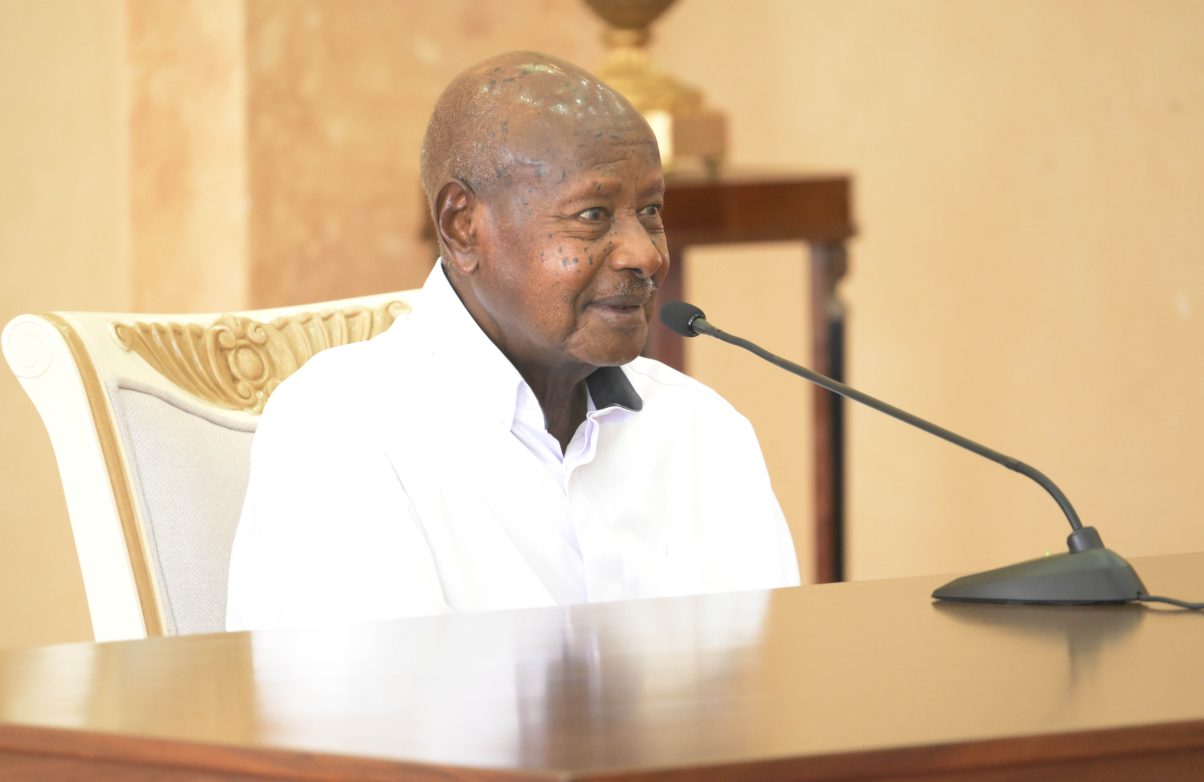 At the Ministry of Public Service, Mark Sseremba has been nominated to replace Catherine Bitarakwate Musingwire.
Sseremba previously served as Commissioner for Human Resource Management in the Ministry of Agriculture, Animal Industry and Fisheries.
His appointment places him at the centre of government efforts to reform the civil service, improve human resource management and strengthen accountability among public officers.
The Ministry of Public Service is responsible for developing and coordinating policies relating to public sector employment, remuneration, performance management and institutional capacity.
Its work affects virtually every government ministry, department and local government.
The new Permanent Secretary will be expected to support reforms aimed at improving efficiency, addressing staffing gaps and strengthening performance management across the public service.
The position is particularly important because government continues to face pressure to improve service delivery despite the growing cost of maintaining its public administration structure.
Inspectorate and strategic offices
At the Inspectorate of Government, Maureen Kasande has been nominated to replace Rose N. Kafeero as Secretary to the Inspectorate.
The Inspectorate is one of the country’s principal accountability institutions, with responsibilities that include investigating corruption, promoting transparency and enforcing leadership accountability.
Its effectiveness depends on its ability to investigate allegations of abuse of office, maladministration and corruption while maintaining institutional independence and public confidence.
Kasande will provide the administrative leadership required to support the Inspectorate’s investigations, institutional operations and financial management.
The appointment is significant given the persistent public concerns about corruption and the misuse of public resources.
At the Office of the President, Sheeba Kyobutungi Rujoki has been nominated to oversee Science, Technology and Innovation.
The office is particularly strategic because science, technology and innovation have increasingly become part of government’s economic transformation agenda.
Uganda has been seeking to strengthen research, industrial innovation, technology transfer and the commercialisation of locally developed scientific solutions.
The new Permanent Secretary will be expected to support coordination between government agencies, research institutions, universities and the private sector.
The appointment comes as government increasingly looks towards science and technology to support industrialisation, productivity and the development of new economic opportunities.
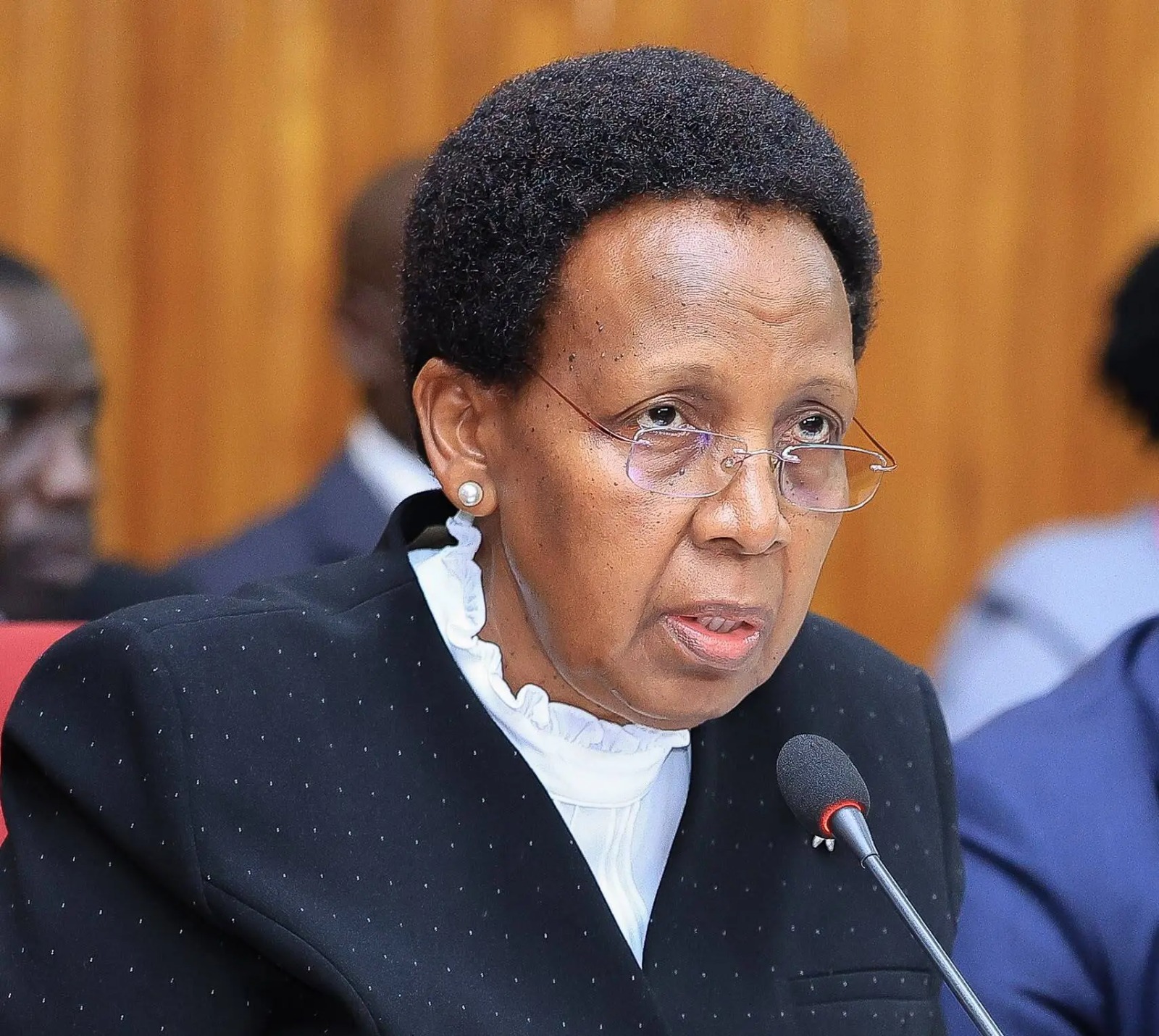 Parliament and the Public Service Commission
Two other appointments target institutions that play crucial roles in the country’s legislative and public service administration.
Dr Edward Sengonzi Damulira has been nominated as Clerk to Parliament, replacing Adolf Mwesigye.
Damulira previously served as an Under Secretary and Accounting Officer at the Ministry of Finance, Planning and Economic Development.
His transfer from the Finance Ministry to Parliament places him in charge of the institution’s senior administrative machinery.
The Clerk to Parliament is responsible for the administration of parliamentary business and the management of the institution’s administrative and procedural operations.
The office supports the Speaker, parliamentary committees and legislators in the discharge of their constitutional responsibilities.
The appointment is particularly important because Parliament remains a central institution in Uganda’s governance system, responsible for legislation, representation and oversight of government expenditure.
Meanwhile, Betty Mutesa Cwinya-ai has been nominated to replace John Geoffrey Mbabazi as Secretary to the Public Service Commission.
The Public Service Commission plays a central role in Uganda’s public administration system, particularly in matters relating to recruitment, promotion, discipline and professional standards in the public service.
Her appointment is somewhat distinctive because the commission is also the institution that has been directed to assess the suitability of the newly nominated Permanent Secretaries.
The commission’s assessment responsibilities will therefore be important in determining whether the President’s proposed administrative changes proceed to final confirmation.
Long-serving officials make way
The reshuffle also marks the departure of several long-serving officials who have occupied influential positions in government.
Among those affected are Adolf Mwesigye, who has been replaced at Parliament; Rosette Byengoma at Defence; Alex Kakooza at the Office of the Prime Minister; and Waiswa Bageya at Works and Transport.
Others include Dr Alfred Okot Okidi at Water and Environment, Maj. Gen. David Kasura Kyomukama at Agriculture, Dr Amina Zawedde at ICT and National Guidance, and Edith Mwanje at East African Community Affairs. The changes further affect Vincent Waiswa Bagiire at Foreign Affairs, Catherine Bitarakwate Musingwire at Public Service and Rose N. Kafeero at the Inspectorate of Government.
The outgoing officials represent an established generation of senior public administrators who have overseen government programmes and institutional operations over different periods.
Their departure opens the way for a new administrative team whose performance will be measured by its ability to translate government policies into tangible results.
The reshuffle also illustrates the President’s continued influence over the composition of the country’s top civil service leadership, a structure that is critical to the functioning of the Executive. Several of the outgoing officials had served for extended periods, with some changes linked to retirement and the expiry of contracts.
The challenge ahead: Service delivery and accountability
Ultimately, the success of Museveni’s latest reshuffle will not be determined by the number of new faces appointed but by whether the changes improve the performance of government institutions.
Permanent Secretaries occupy positions where administrative decisions can determine whether public programmes succeed or fail.
They oversee budgets, procurement processes, human resource management and the implementation of government policies. Their decisions can influence the pace of road construction, agricultural transformation, access to clean water, diplomatic engagements and the effectiveness of public institutions.
The new team will therefore inherit institutions with existing programmes, financial commitments, contractual obligations and administrative challenges.
They will also have to work with ministers, accounting officers, technical departments and other government agencies to ensure continuity in public service delivery.
There will be particular scrutiny of the ministries responsible for infrastructure, defence, agriculture, water and ICT because of their strategic importance to the government’s economic and security priorities.
The Ministry of Works and Transport, for instance, will face expectations to improve infrastructure delivery, while Agriculture will be under pressure to support farmers and expand commercial production.
At Defence, the challenge will be maintaining efficient financial and administrative support for the country’s security establishment.
For the Office of the Prime Minister, the test will be improving coordination and monitoring of government programmes, while the Ministry of Public Service will be expected to strengthen discipline and efficiency across the civil service.
The Inspectorate of Government and other accountability institutions will equally be judged on their ability to strengthen institutional integrity.
Museveni’s decision to involve the Public Service Commission in assessing the proposed appointees provides an additional procedural step before the new administrative leadership takes office.
The President has framed the changes as part of efforts to strengthen institutional leadership, enhance administrative efficiency and improve the implementation of national development priorities.
Whether the reshuffle delivers those objectives will depend on the calibre of the new administrators, their independence in executing their professional responsibilities and their ability to enforce accountability within government.
For now, Uganda’s civil service is preparing for a changing administrative hierarchy, with 13 new officials identified for positions that place them at the heart of government operations.
The real test begins when the new administrators take charge: whether they can turn government promises, budgets and policies into services that ordinary Ugandans can see and feel.
List of Appointees
Edward Sengonzi Damulira Clerk to Parliament
Kenneth Akiri Ministry of Water and Environment
Maureen Kasande Inspectorate of Government
Sheeba Kyobutungi Rujoki Office of the President (Science, Technology and Innovation)
Mark Sseremba Ministry of Public Service
Emmanuel Freddie Mugunga Office of the Prime Minister
Barbara Namugambe Ministry of Agriculture, Animal Industry and Fisheries
Prof. Stephen Akandwanaho Ministry of ICT and National Guidance
Charles Ssentongo Ministry of Foreign Affairs
Eng. Flavia Guto Bwire Ministry of Works and Transport
Edith Butuuro Ministry of Defence and Veteran Affairs
Betty Mutesa Cwinya-ai Public Service Commission
Aggrey Wunyi Ministry of East African Community Affairs
Author Profile
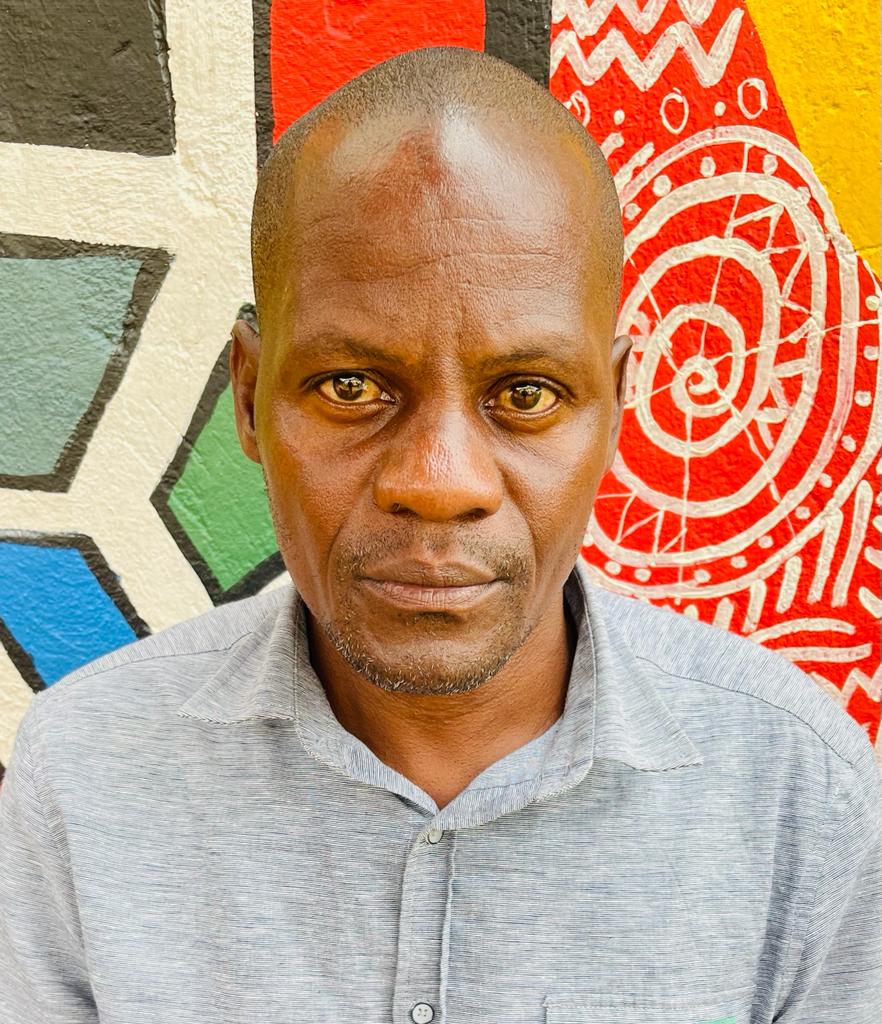
- Mr. Stephen Kasozi Muwambi is a seasoned crime investigative writer, majoring in judicial-based stories. His two decades’ experience as a senior investigative journalist has made him one of the best to reckon on in Uganda. He can also be reached via [email protected]
Latest entries
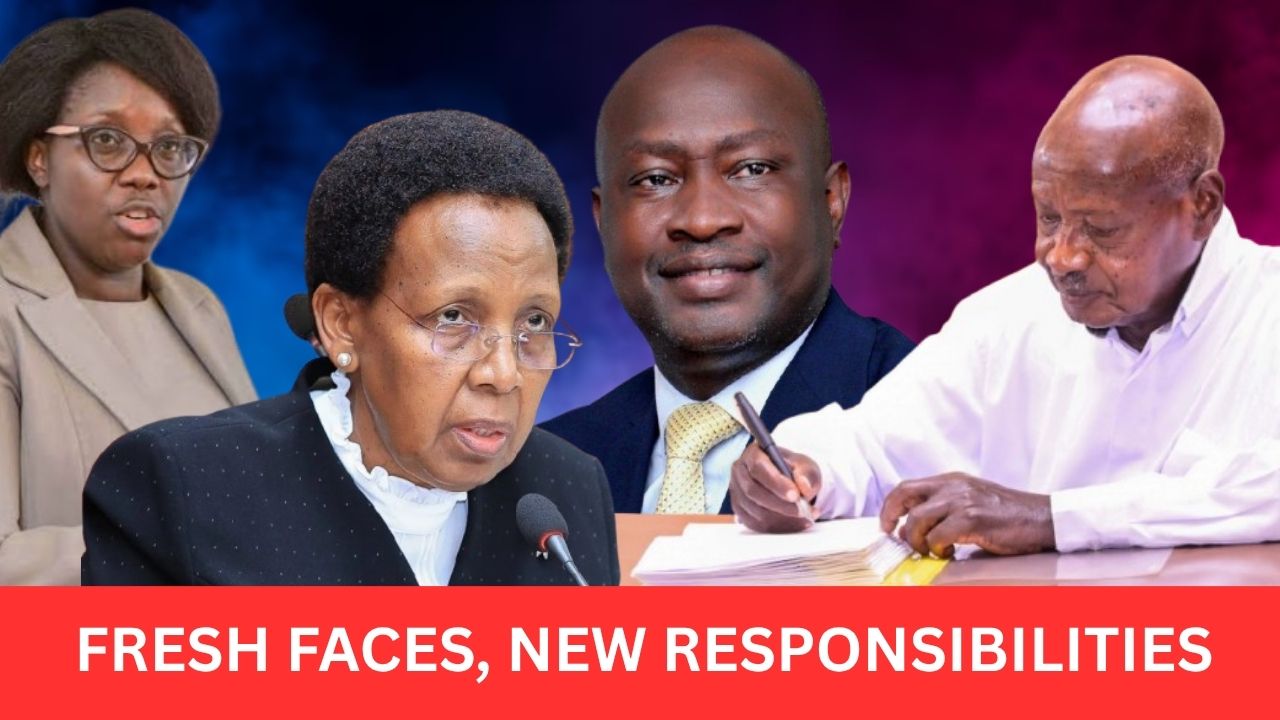 FeaturedNovember 9, 2026HOW M7’S 13 NEW PERMANENT SECRETARIES SIGNAL A MAJOR SHAKE-UP OF GOVERNMENT: From Defence And Foreign Affairs To Agriculture, Works And The Office Of The Prime Minister, The President’s Latest Appointments Usher In A New Administrative Team As Several Long-Serving Officials Make Way
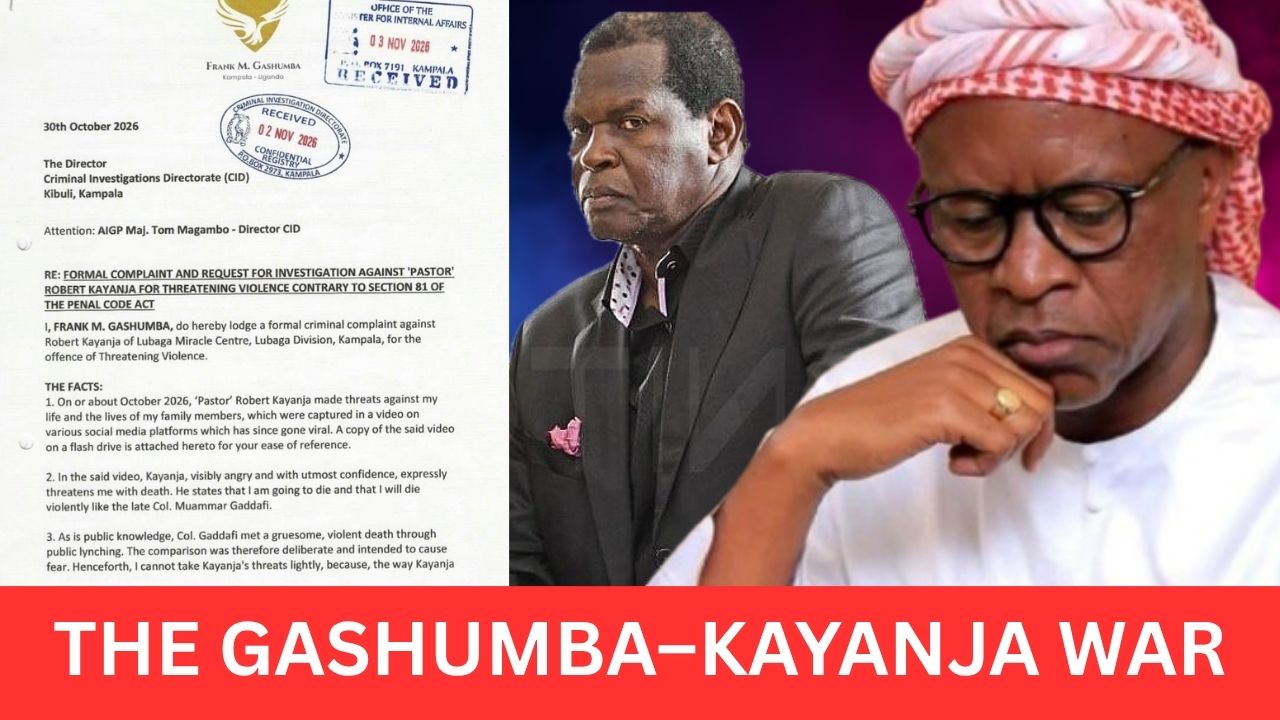 FeaturedNovember 7, 2026WHY GASHUMBA HAS TAKEN PASTOR KAYANJA TO CID OVER ALLEGED DEATH THREATS: Businessman Frank Gashumba Accuses The Lubaga Miracle Centre Preacher Of Threatening To Kill Him And Members Of His Family, Asking CID Boss Maj Tom Magambo To Open A Criminal Investigation
 FeaturedNovember 5, 2026KUSHABA ROARS SILENCED? Susan Kushaba, Presenter Of The Weekly Kushaba Roars, Faces A Legal Battle After Allegedly Accusing Kampala Ministers Of Fraud, Embezzlement And Land Grabbing In Tiktok Videos
 FeaturedNovember 5, 2026BUSOGA WELCOMES NEW PRINCE: Kyabazinga William Gabula Nadiope IV and Inhebantu Jovia Mutesi Celebrate The Arrival Of Their Third Son, Prince Nadiope Ezra Josiah