











The mysterious downing of a Cessna aircraft linked to Uganda’s aviation industry in eastern Democratic Republic of Congo (DRC) has turned the spotlight on a little-known Israeli businessman whose business interests, according to sources familiar with his operations, stretch from motorsport and aviation training to military logistics and security-related contracts.
Barak Orland, an Israeli national who has reportedly spent more than three decades in Uganda, has emerged as the ultimate beneficial owner of Bar Aviation, an aviation company operating from Kajjansi Airfield along the Kampala-Entebbe highway.
For years, Orland has largely remained outside the public spotlight despite the expansion of Bar Aviation into one of Uganda’s prominent private aviation businesses. His name has rarely featured in public discussions about the company, whose operations include aircraft charter, cargo transportation, medical evacuation, pilot training and specialised aviation services.
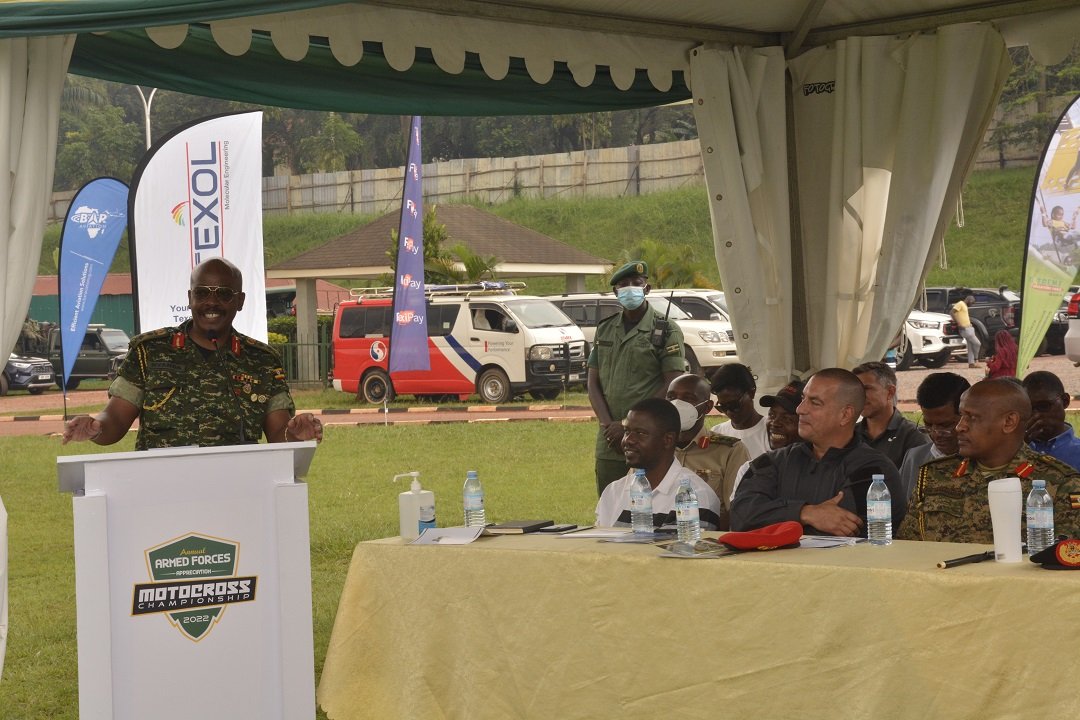 But the controversy surrounding an aircraft reportedly operated in support of the Congolese military has brought renewed attention to the businessman, his alleged connections within Uganda’s political and military establishment, and the business network he is said to have cultivated since arriving in the country.
The aircraft incident occurred on November 22, near Minembwe in South Kivu province. The Front for the Refoundation of the Nation (FRN), a rebel movement operating in eastern Congo, claimed responsibility for shooting down a military aircraft.
The Congolese military, however, said it had lost contact with a Cessna 208 cargo aircraft, citing adverse weather conditions. It remains unclear whether the aircraft reported missing by the military was the same one the rebels claimed to have destroyed.
The rebels said four people were aboard, two of whom died (Joshua Ochen and Moses), while the survivors included a Ugandan national identified as Jordan Mugalya and a South African pilot identified as Alexander Villette. These accounts have not been independently verified.
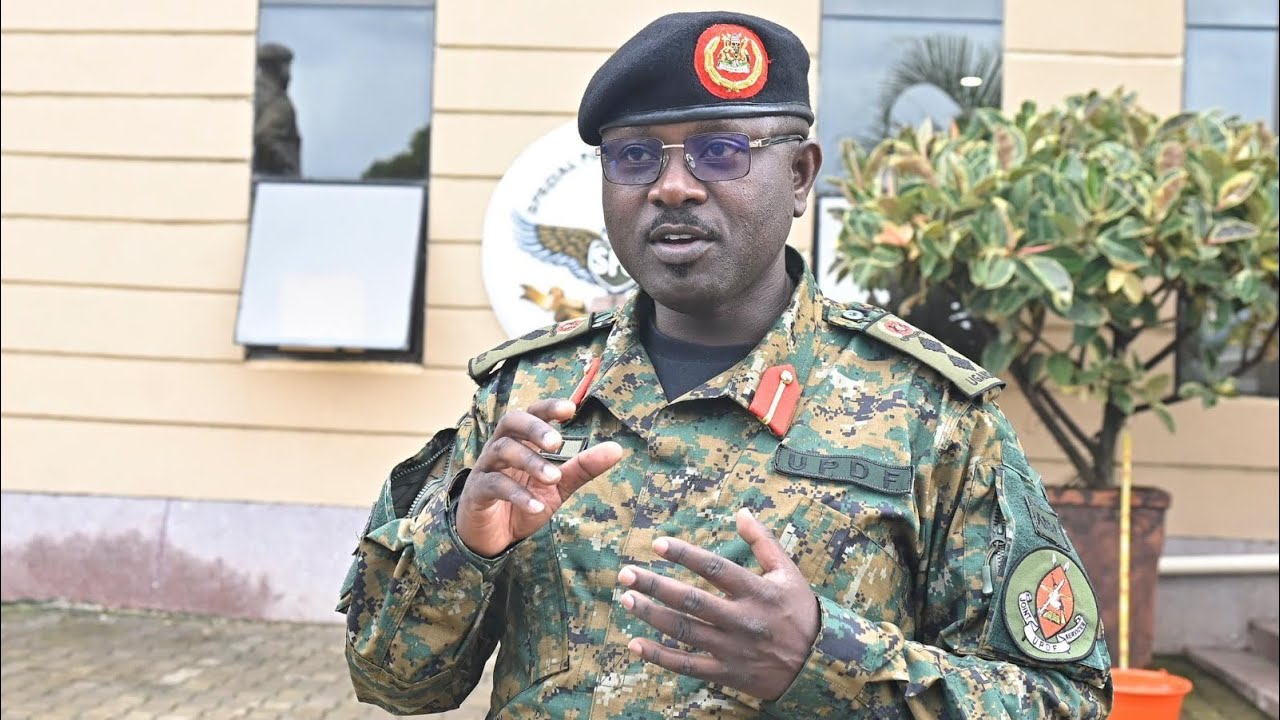
Uganda’s Chief of Defence Forces, Gen Muhoozi Kainerugaba, subsequently distanced the UPDF from the aircraft, saying the army had nothing to do with it but had penalised the company involved.
“UPDF had nothing to do with the aircraft that was shot down in Minembwe. We have penalized that company,” a statement attributed to Muhoozi and circulated by military spokesperson Col Chris Magezi said.
Although the CDF did not identify the company or explain the nature of the penalty, the statement opened a wider debate about the involvement of private aviation operators and foreign personnel in the military operations unfolding in eastern Congo.
At the centre of the emerging questions is Bar Aviation and the man sources identify as its ultimate owner, Orland.
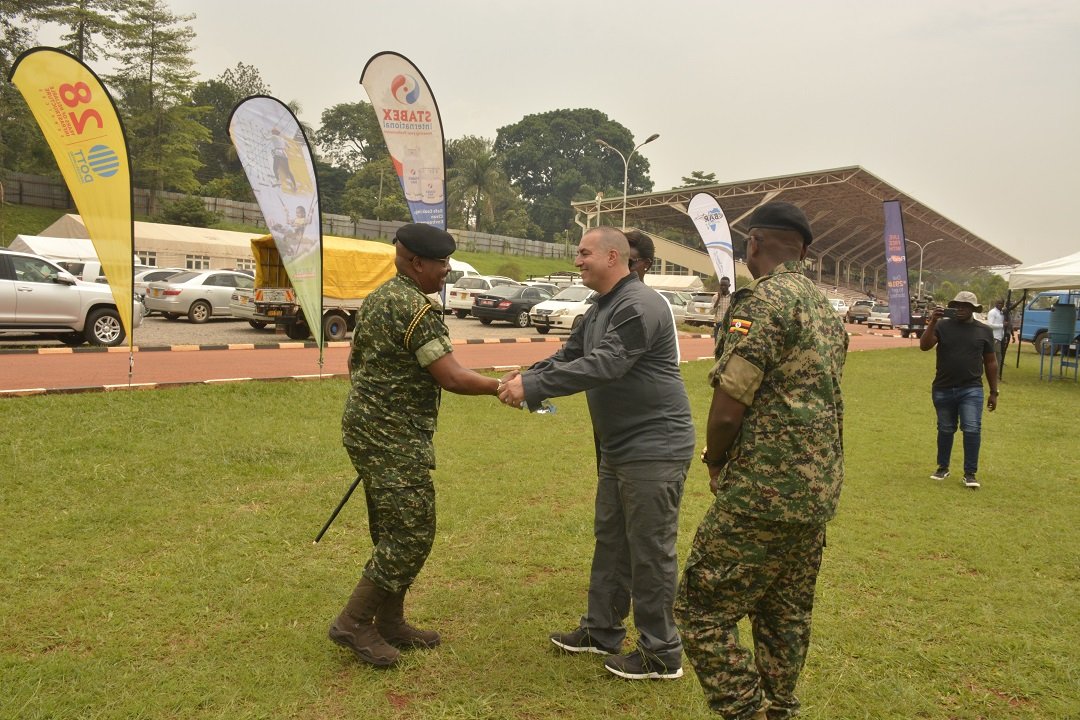
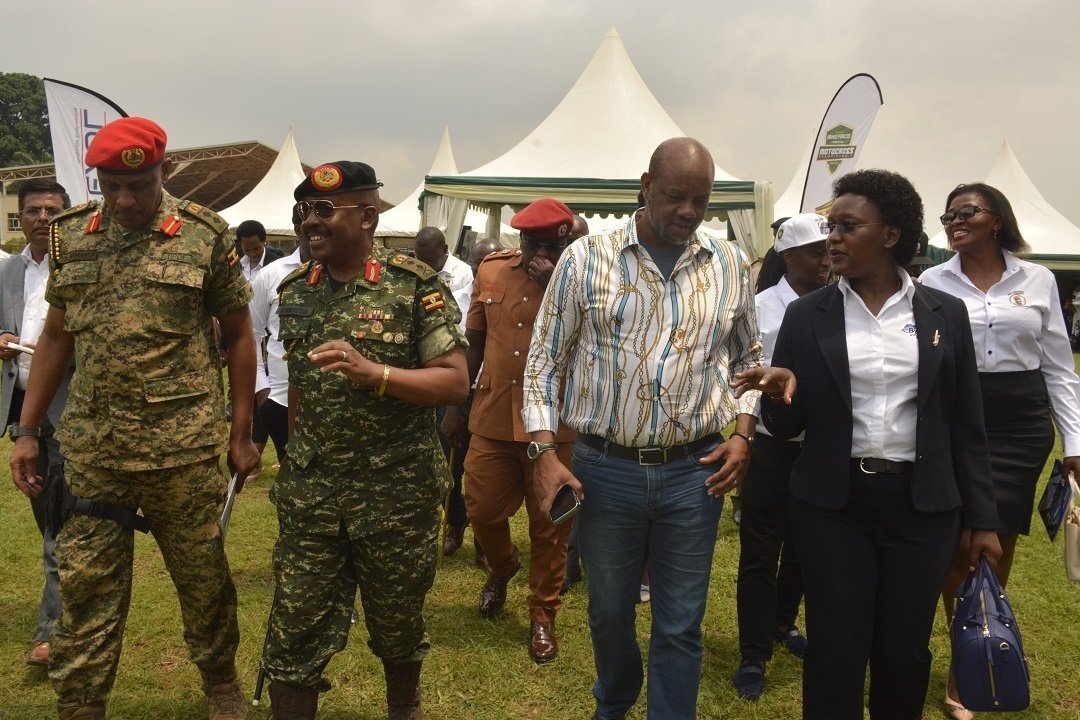
From Israel to Uganda: The motorsport connection
Orland’s reported entry into Uganda dates back more than 30 years, when he arrived in the country alongside another Israeli national identified as Assif Natan.
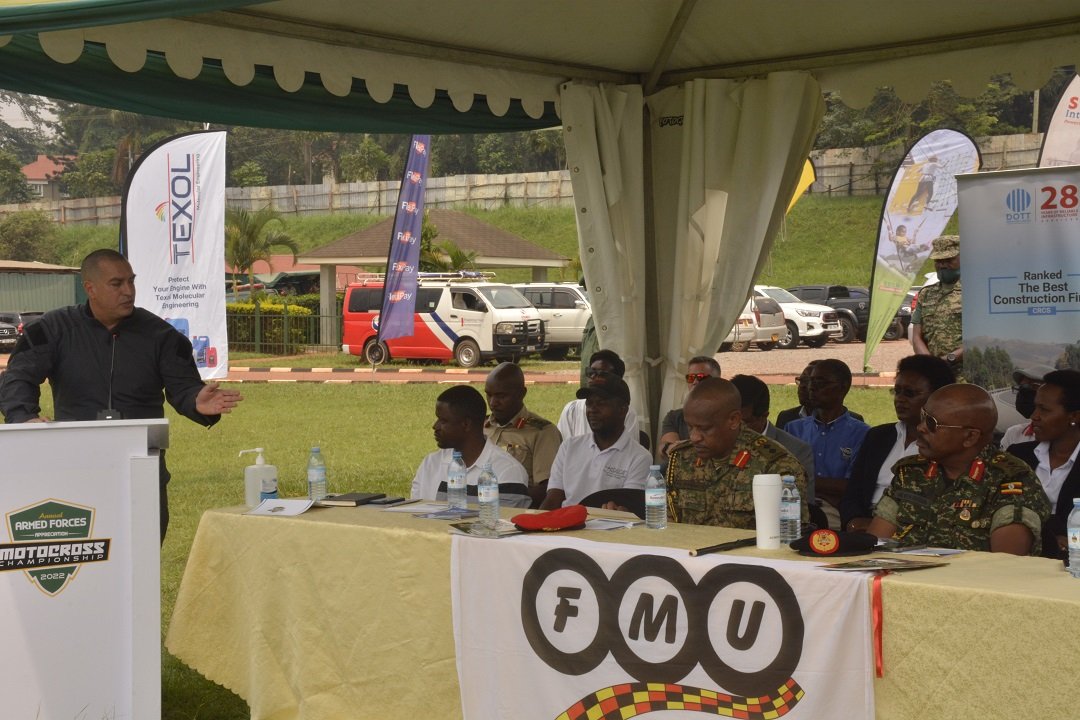
The two reportedly presented themselves as motorsport enthusiasts and experts at a time when competitive rallying was attracting growing interest among Uganda’s affluent business and political circles.
Their entry into the motorsport fraternity offered them an opportunity to establish relationships with influential Ugandans, including prominent rally drivers and individuals connected to the country’s political establishment.
Among those they reportedly interacted with was motorsport personality Arthur Blick Jr, who is said to have helped connect the Israelis to members of Uganda’s First Family.
Natan subsequently became an active competitor in Uganda’s motorsport scene, driving under Team Uganda and winning championships on several occasions.
His participation in rallying provided the pair with visibility and access to networks that extended beyond the sporting fraternity.
What began as an association with motorsport would, according to sources familiar with their business dealings, gradually develop into a broader commercial relationship involving aviation, security equipment and military logistics.
The two Israelis reportedly cultivated relationships with senior figures in the security establishment, positioning themselves as suppliers and facilitators of specialised equipment.
Sources who spoke to The Investigatorallege that their business interests expanded into supplying substantial quantities of weapons and military equipment to the Uganda People’s Defence Forces (UPDF).
These claims require further documentary verification, including procurement records, contract details and the identities of the companies involved.
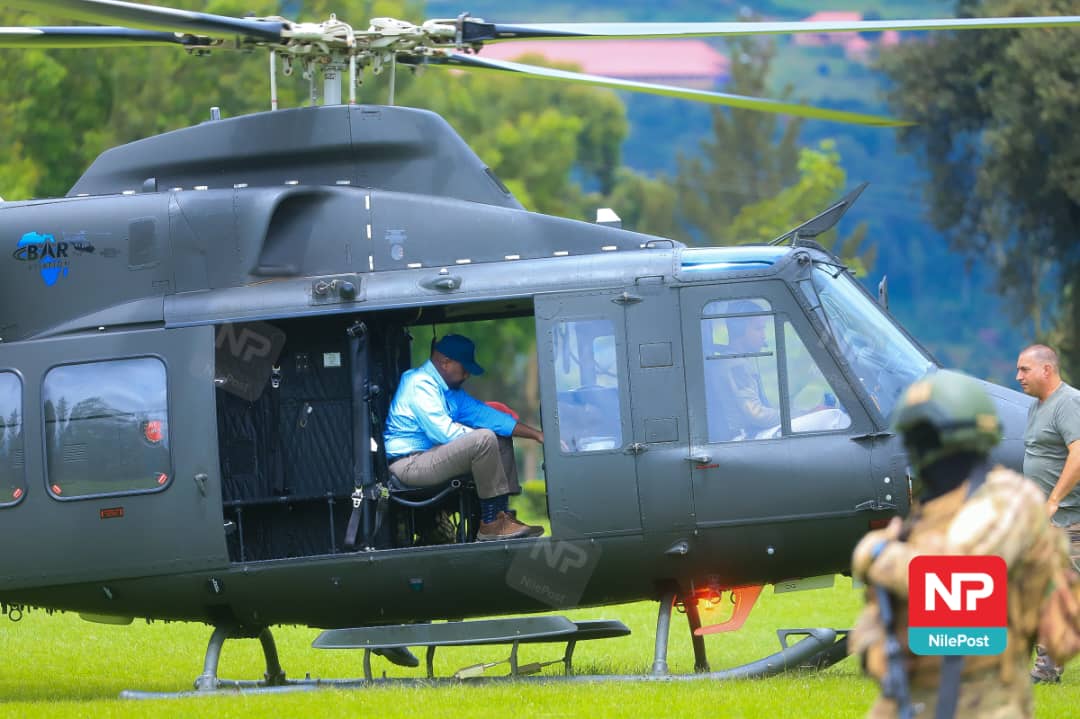
The Muhoozi connection and military supply business
The most consequential development in Orland’s reported business journey was his alleged proximity to the military establishment and, particularly, Gen Muhoozi Kainerugaba, the current Chief of Defence Forces and son of President Museveni.
Sources familiar with the Israeli businessmen’s dealings say their relationship with the First Son became increasingly important as they sought opportunities in Uganda’s defence and security sector.
Muhoozi’s rise through the military ranks, coupled with his influence over strategic military operations and procurement networks, reportedly offered the businessmen access to opportunities in specialised military supplies.
Orland and his associates are alleged to have used these relationships to secure lucrative supply arrangements involving military logistics, including aviation equipment, helicopters and fighter aircraft.
The allegations point to a business model that went beyond ordinary commercial aviation, with the businessmen reportedly positioning themselves as intermediaries capable of connecting military institutions with international equipment manufacturers and suppliers.
However, the specific contracts, procurement values, beneficiaries and nature of Orland’s involvement in individual transactions have not been independently established. Nor is there publicly available evidence demonstrating that Muhoozi personally facilitated contracts for Orland. The distinction is important because Uganda’s defence procurement is a sensitive area, with much of the information surrounding military equipment acquisition not routinely available to the public.
Nevertheless, Orland’s reported proximity to influential military figures raises questions about how private businessmen build relationships with defence institutions and the extent to which such relationships influence access to government contracts. The current controversy surrounding Bar Aviation’s aircraft in Congo has made those questions more urgent.
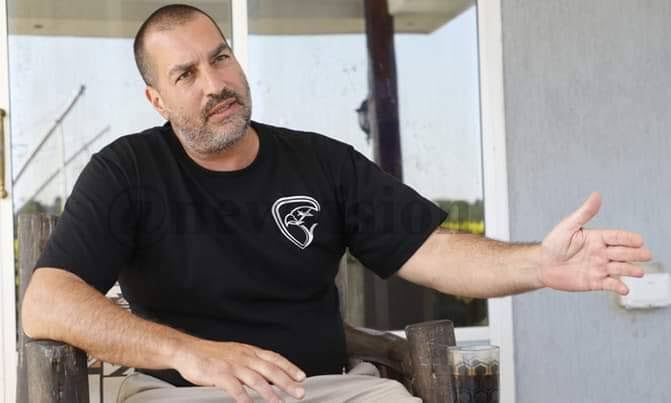
Building an aviation empire at Kajjansi
At the centre of Orland’s business interests is Bar Aviation, which operates from Kajjansi Airfield, strategically located between Kampala and Entebbe International Airport.
The company has grown into a substantial aviation operation, offering services ranging from passenger charters and cargo transportation to air ambulance services, aircraft maintenance and pilot training.
Its operations have expanded beyond Uganda, with the company’s website advertising a regional footprint and specialised aviation capabilities. The Uganda Investment Authority (UIA), in August 2023, announced that Bar Aviation had received an investment licence after investing approximately $38.5 million (about Shs140 billion at the time).
 The authority described the company as a strategic Ugandan-owned airline operating from Kajjansi Airfield. According to the investment authority, the company operated more than 20 aircraft, including aeroplanes and helicopters, employed approximately 150 people, 99 per cent of them Ugandans, and had trained more than 300 aviation professionals.
The company’s aviation academy has been another important component of its expansion. Through its training programmes, Bar Aviation has sought to develop local aviation skills, offering opportunities to Ugandans aspiring to become pilots and other aviation professionals.
Its website currently advertises an academy, cargo services, private aviation, drones and medical evacuation among its areas of operation.
For Orland, the aviation business represents a significant transformation from the motorsport networks through which he and his associate reportedly first established themselves in Uganda.
The company’s growth has also given it access to a sector where aircraft, technical expertise, international connections and government contracts can intersect.
But despite the scale of its operations, the question of ultimate beneficial ownership remains important. While UIA publicly described Bar Aviation as Ugandan-owned, sources speaking to The Investigatoridentify Orland as the ultimate owner. Establishing the precise ownership structure requires examination of the company’s incorporation documents, shareholding records and beneficial ownership filings.
 The police connection under Kayihura
Orland’s reported business interests were not confined to the military. During the tenure of former Inspector General of Police (IGP) Gen Kale Kayihura, he reportedly secured a contract to train Uganda Police Force personnel in the operation of specialised attack motorcycles.
The training was reportedly conducted at the Police training school in Masindi, where officers were introduced to the use of motorcycles for security operations.
The arrangement illustrates how Orland’s alleged business network extended into different arms of Uganda’s security establishment, including the police. At the time, police operations were increasingly associated with specialised equipment, tactical mobility and the deployment of personnel trained to respond to security threats.
Motorcycles offered police units greater mobility, particularly in crowded urban environments and locations where conventional patrol vehicles could struggle to manoeuvre. Sources familiar with the arrangement say Orland was involved in securing the deal and facilitating the training.
However, the contract’s value, the precise scope of the training and the identity of the contracting entity require confirmation through police procurement and training records.
The reported relationship with Kayihura’s police leadership adds another dimension to the profile of a businessman whose interests appear to have crossed the boundaries between commercial aviation, sporting networks and security-related services.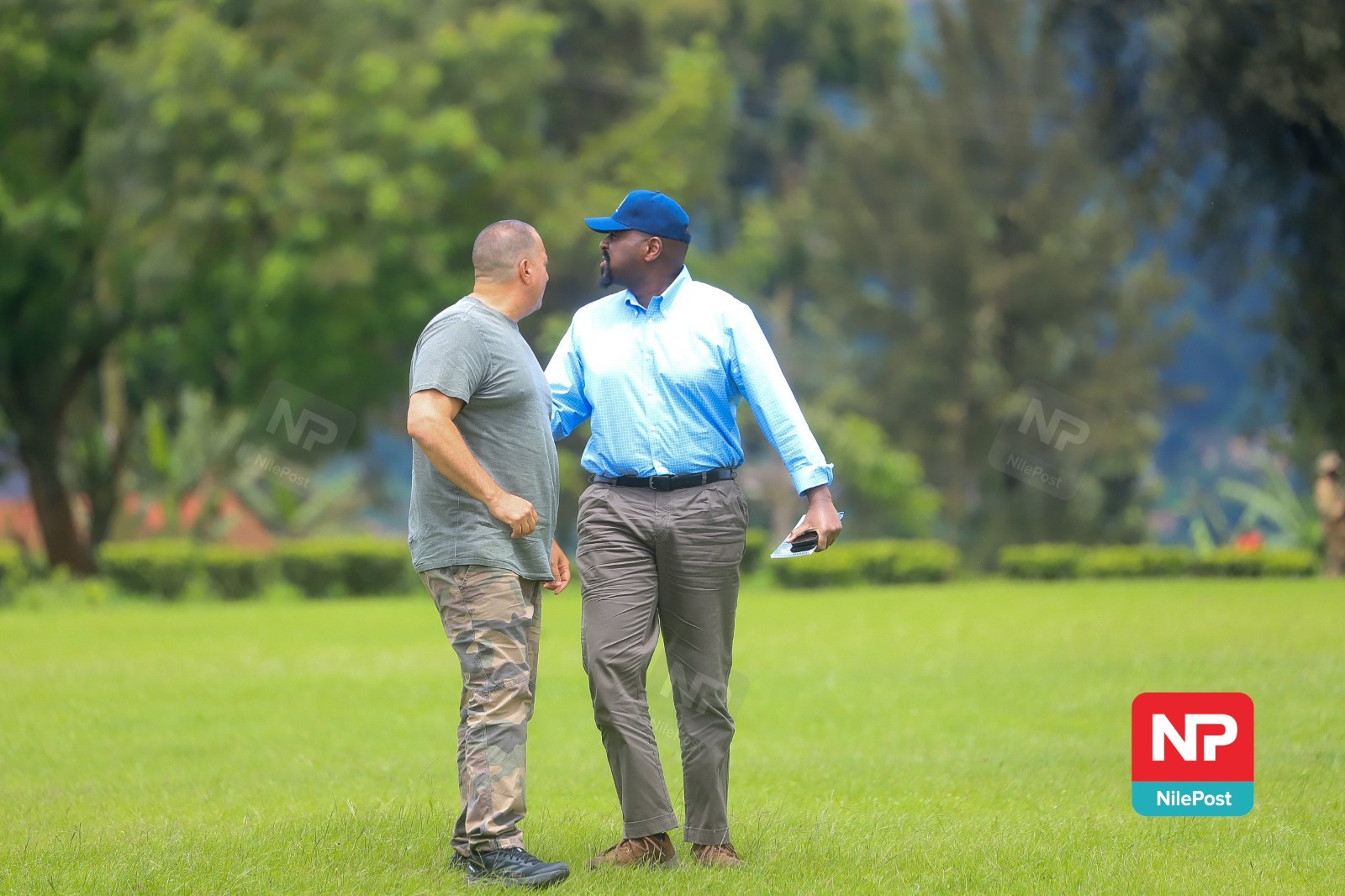
The Busiika sports complex
Away from aviation and security-related business, Orland is also associated with a multimillion-dollar sports development in Busiika, in Luweero District. The sports complex is understood to be among his significant investments outside the aviation sector.
Busiika has increasingly become associated with motorsport activities, making it a natural extension of the sporting networks through which Orland and Natan reportedly first established themselves in Uganda.
The investment also demonstrates the diversity of business interests attributed to Orland, who has reportedly maintained connections with Uganda’s motorsport community even as his commercial activities expanded into aviation and security logistics.
For someone who reportedly arrived in Uganda as a motorsport enthusiast, the development of a substantial sporting facility represents an interesting evolution of his interests. It also raises questions about the source of financing for some of the investments attributed to him, the corporate entities through which they are held and the extent to which they are connected to his aviation business.
 Regional military logistics ambitions
Perhaps the most significant aspect of Orland’s business profile is the regional dimension of his reported activities. Sources familiar with his business dealings told The Investigatorthat he has cultivated relationships beyond Uganda, positioning himself to supply military logistics and specialised equipment to several armies in the Great Lakes region.
The region has experienced prolonged instability, with conflicts in eastern DRC, South Sudan and other neighbouring territories creating demand for military transportation, aviation support, surveillance equipment and logistical services.
Private companies with access to aircraft, technical expertise and international supply networks can play important roles in such environments. Orland is alleged to have used his connections and business networks to position himself within this market.
The precise countries, military institutions and contracts involved have not been established through independently examined procurement records. However, the controversy over the aircraft in eastern Congo has placed the question of private aviation operators’ involvement in regional military operations under renewed scrutiny.
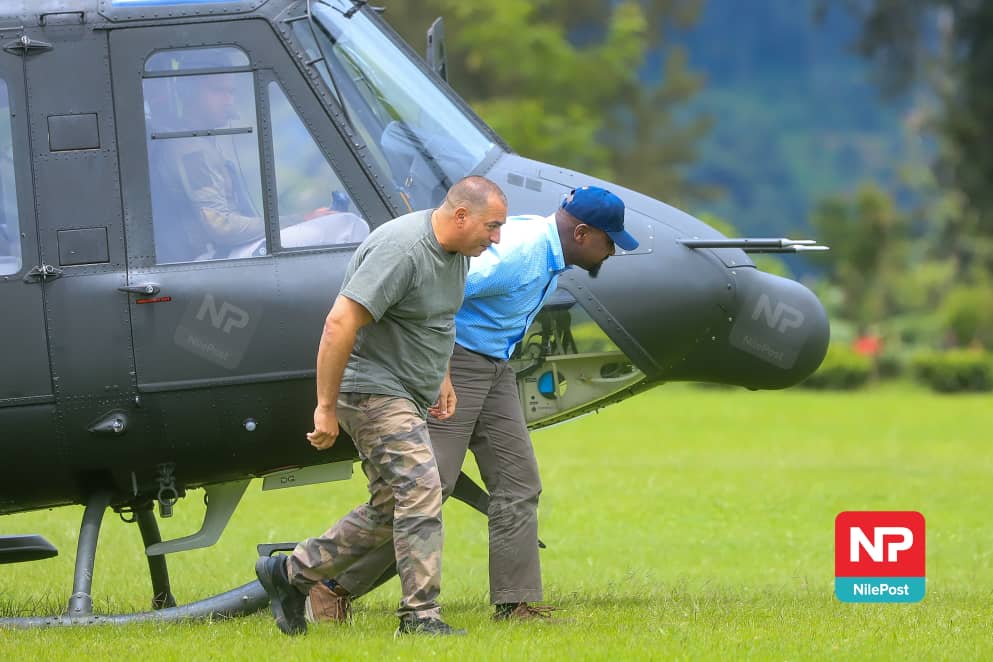
The Cessna 208 reportedly involved in the November 22 incident was not a conventional fighter jet, despite the initial description by the rebels. Subsequent reporting identified it as a Cessna 208B Grand Caravan, reportedly modified into an armed light-attack platform.
The aircraft’s registration was reported as T9-TRB. The rebels claimed it was being used in operations against Minembwe, while the Congolese military initially described its missing aircraft as a cargo plane. The competing accounts have not been fully reconciled.
The incident raises questions about how a civilian aircraft becomes integrated into military operations, who provides the technical and logistical support, and what contractual arrangements govern its deployment.
It also places the spotlight on the responsibilities of companies whose aircraft or personnel are involved in operations in conflict zones.
The unanswered ownership question
One of the biggest challenges surrounding Orland’s profile is the limited publicly available information about his personal background, corporate interests and ultimate beneficial ownership arrangements.
Although Bar Aviation has established a substantial presence in Uganda’s aviation industry, its public corporate profile does not, by itself, settle the competing claims about who ultimately controls the business.
The company’s public investment profile is particularly noteworthy because UIA described it as Ugandan-owned when issuing its investment licence in 2023.
That description makes it important to establish whether Orland’s alleged ownership is direct, indirect, through nominees or through associated corporate entities.
Company registration records, shareholder registers, beneficial ownership disclosures and aviation licensing documents would help establish the complete picture.
 There are also questions about the nature of the company’s regional operations, particularly whether it has entered into contracts with foreign military institutions, the identities of its contracting partners and the regulatory approvals governing those operations.
The November aircraft incident makes these questions more than an ordinary corporate ownership dispute.
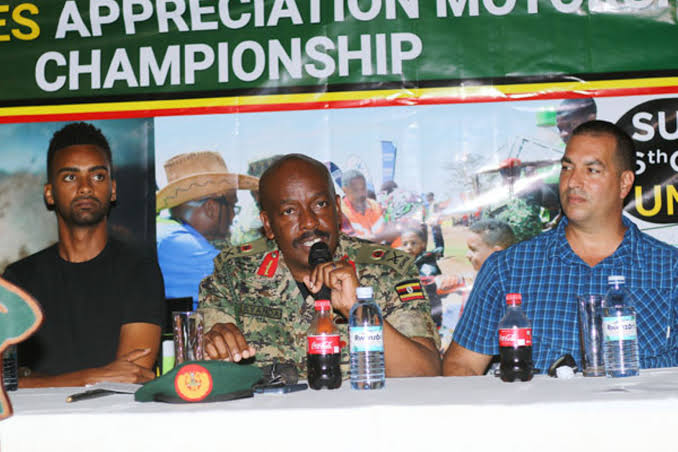
With Uganda’s military leadership distancing the UPDF from the aircraft and announcing that the company involved had been penalised, the public deserves clarity about the identity of the operator, the nature of the sanction and the circumstances under which the aircraft was deployed.
Gen Muhoozi’s statement did not name the company, explain the penalty or provide details of the alleged violation.
It is also important to establish whether the aircraft belonged to Bar Aviation, was leased from another operator or was being operated under a separate contractual arrangement.
These are questions that cannot be settled simply by identifying the alleged ultimate owner of a company.
 A businessman under renewed scrutiny
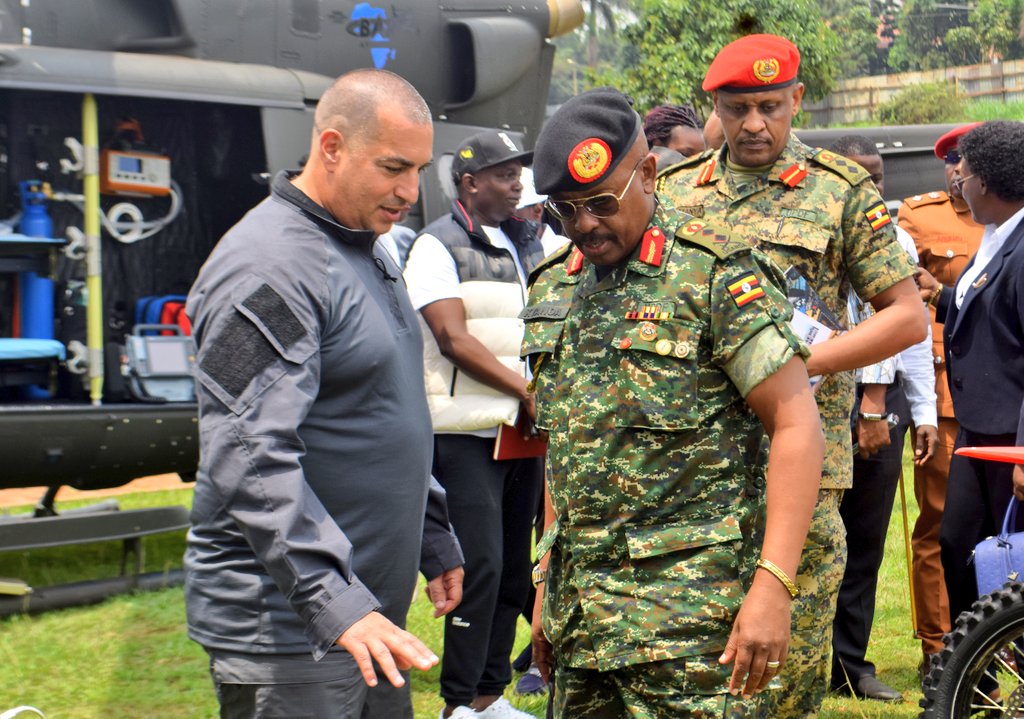
For more than three decades, Orland has reportedly built a network of relationships that has taken him from Uganda’s motorsport fraternity into aviation, sporting investments and security-related commercial activities.
His reported association with Assif Natan, the alleged connections to the First Family, the military supply business, the police training arrangement under Kayihura and the development of the Busiika sports complex collectively paint a picture of a businessman whose interests have extended across several influential sectors.
Yet the most consequential test of that business empire may now be unfolding in eastern Congo. The aircraft controversy has brought into focus the risks associated with private aviation companies operating in politically and militarily sensitive environments, particularly where civilian aircraft are reportedly adapted for military purposes.
It has also renewed questions about the relationship between private contractors, foreign businessmen and regional military establishments.
Orland’s reported three-decade presence in Uganda, therefore, deserves closer examination, not merely because of the aircraft incident but because of the wider questions surrounding ownership, procurement transparency and the involvement of private commercial networks in regional security operations.
Author Profile
- Charles Gazza Kodili is a seasoned journalist with over 20 years of experience in the media industry. He holds a Bachelor of Arts degree in Mass Communication. He’s currently the Chief Editor at the Investigator.
Charles can also be reached via; Tel: +256 774 108978
Email: [email protected]
Latest entries
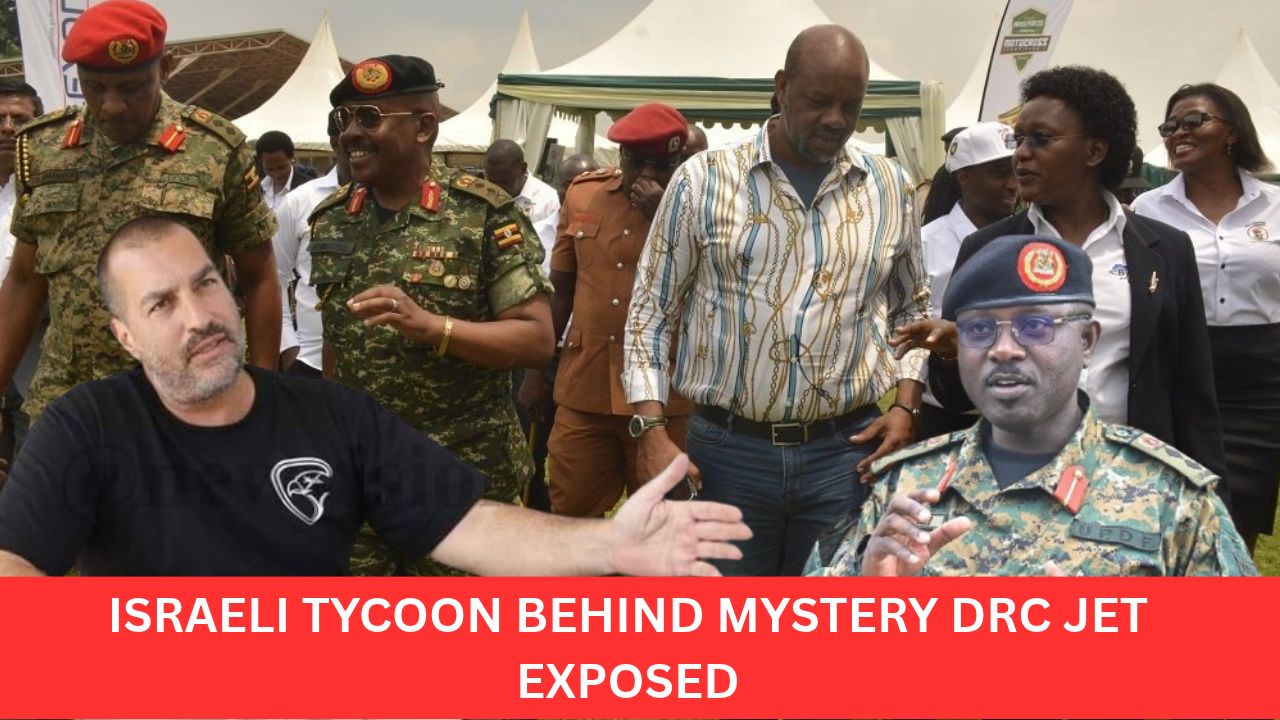 FeaturedNovember 26, 2026THE MAN BEHIND THE CONGO CRASH JET REVEALED: Inside Barak Orland’s Secretive Business Empire, The Israeli Businessman Who Has Reportedly Spent More Than 30 Years In Uganda Emerges As The Alleged Ultimate Owner Of Bar Aviation, With Links To Motorsport, The First Family, Military Supplies And Police Contracts
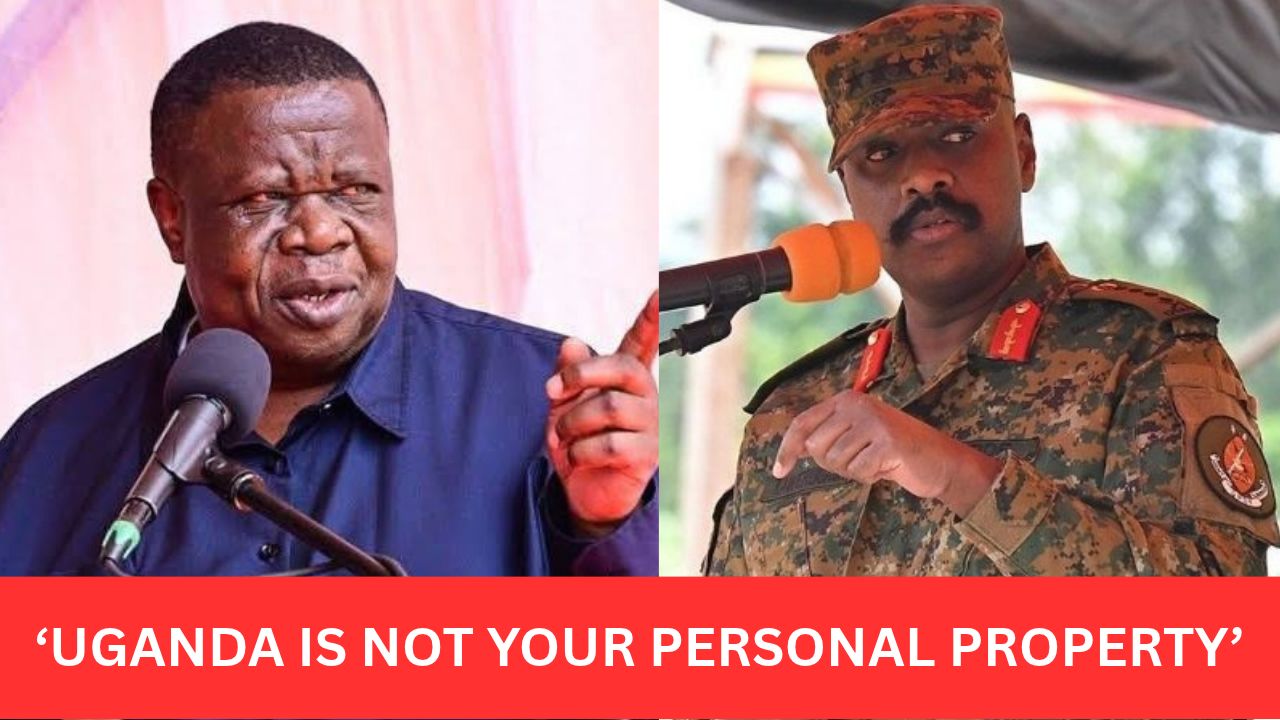 FeaturedNovember 25, 2026INSIDE THE OTAFIIRE-MUHOOZI WAR: Otafiire Challenges The CDF’s Politics Of “Me And I” After Months Of Confrontations Over Muhoozi’s 2031 Ambitions, Military Credentials And The Future Of The NRM
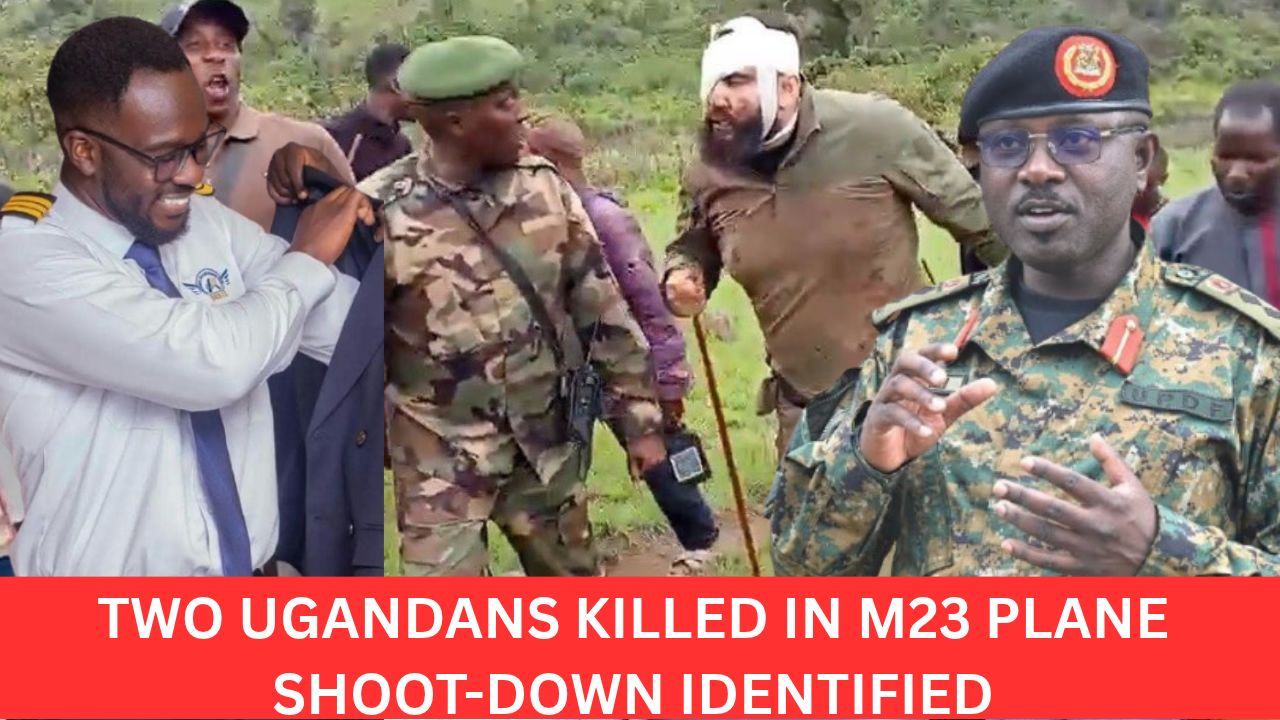 FeaturedNovember 25, 2026OCHEN, MOSES: TWO UGANDANS IDENTIFIED IN M23 PLANE SHOOT-DOWN: One Family Is Mourning A Pilot Whose Father Also Died In An Aircraft Crash, While Another Is Desperately Waiting For The Remains Of Moses, Who Reportedly Told Relatives He Had Gone To Work In Burundi
 FeaturedNovember 24, 2026HOW PRIVATE DEFENCE CONTRACTORS DRAGGED UGANDA INTO DRC’S MINEMBWE WAR: Two People Reportedly Died When An Aircraft Went Down Near Minembwe, Exposing Questions About Ugandan Security Personnel Allegedly Deployed Through Private Military Contractors And Prompting Gen Muhoozi To Distance The UPDF From The Operation