






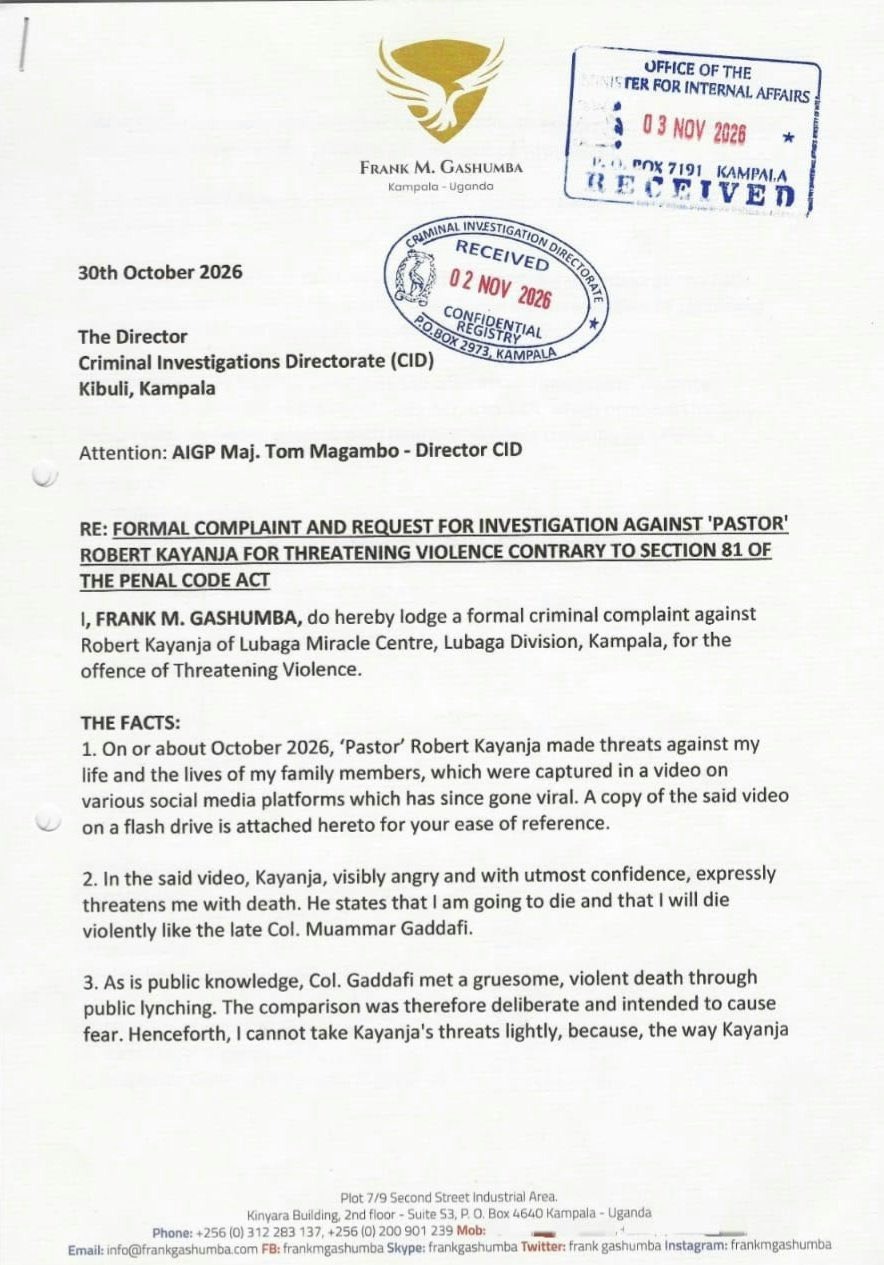
Businessman and social commentator Frank M. Gashumba has formally petitioned the Criminal Investigations Directorate (CID), accusing prominent Pentecostal preacher Pastor Robert Kayanja of threatening his life and those of his family members in an increasingly bitter dispute over alleged fake miracles, religious exploitation and accountability in Uganda’s Born-again churches.
In a complaint addressed to CID Director AIGP Maj. Tom Magambo, Gashumba wants police to open a criminal case file against the founder of Lubaga Miracle Centre Cathedral, summon him to record a statement and investigate remarks which he says amounted to threats of violence contrary to Section 81 of the Penal Code Act.
The complaint, dated October 30, 2026, was received by the CID’s Confidential Registry on November 2 and subsequently stamped received by the Office of the Minister for Internal Affairs on November 3.
Gashumba, who describes himself as the complainant, attached video footage of the alleged threats on a flash drive, asking investigators to examine the recording as evidence.
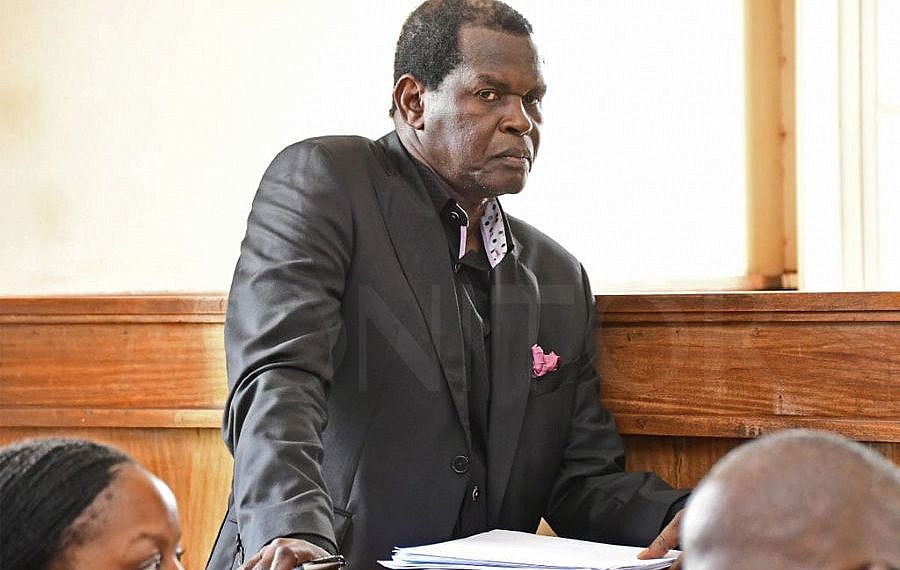 The businessman alleges that Kayanja, during a public address at his church in Rubaga, threatened that he would die violently, drawing a comparison with the gruesome death of former Libyan leader Colonel Muammar Gaddafi.
“In the said video, Kayanja, visibly angry and with utmost confidence, expressly threatens me with death. He states that I am going to die and that I will die violently like the late Col. Muammar Gaddafi,” Gashumba states in the complaint.
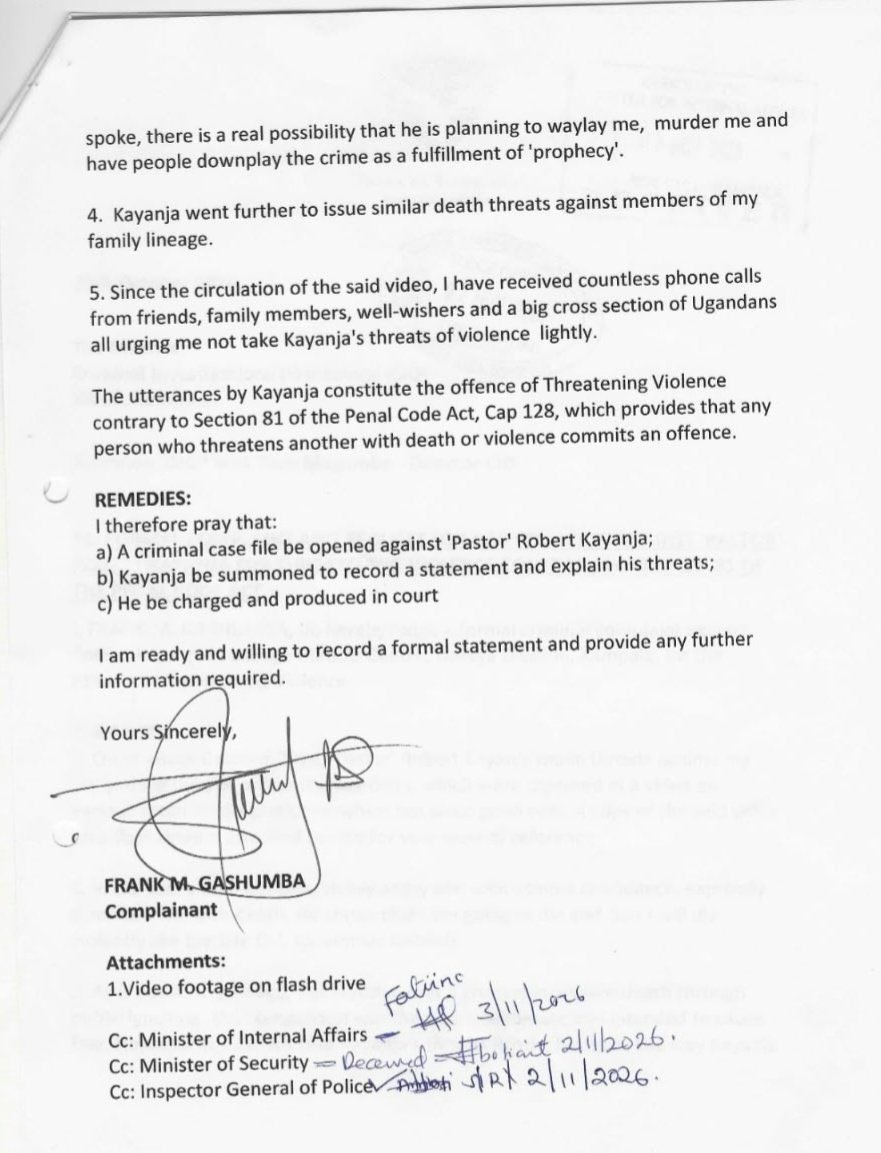
He further alleges that the preacher extended similar threats to members of his family lineage, prompting concern among relatives, friends and well-wishers.
The complaint adds that the statements have caused him anxiety because of what he considers the possibility that the threats could translate into physical violence.
“As is public knowledge, Col. Gaddafi met a gruesome, violent death through public lynching. The comparison was therefore deliberate and intended to cause fear,” he argues.
Gashumba says he is particularly concerned that the remarks could be interpreted by other people as a prophecy that should be fulfilled.
“Henceforth, I cannot take Kayanja’s threats lightly, because, the way Kayanja spoke, there is a real possibility that he is planning to waylay me, murder me and have people downplay the crime as a fulfilment of ‘prophecy’,” he adds.
He says the circulation of the video has generated numerous telephone calls from people concerned about his safety.
The complaint asks police to investigate the matter, summon Kayanja to explain his statements and institute criminal proceedings if the evidence establishes an offence.
The filing marks a significant escalation in a dispute that has increasingly moved beyond theological disagreements into personal confrontations, public accusations and now potential criminal proceedings.
The Shs500m Miracle War
At the centre of the fallout is Gashumba’s campaign against what he describes as fake prophets, pastors and apostles who allegedly exploit unsuspecting Ugandans through questionable miracle claims and financial demands.
The controversy gained momentum in October when Gashumba appeared on a radio programme discussing religious leaders whom he accused of taking advantage of vulnerable believers.
He maintains that he did not mention Kayanja by name during the discussion and was speaking generally about what he considers fraudulent religious practices.
He reportedly invoked the biblical warning in Matthew 7:15 about false prophets who come disguised as sheep but are inwardly dangerous.
However, the discussion quickly developed into a confrontation with some of the country’s prominent Pentecostal leaders.
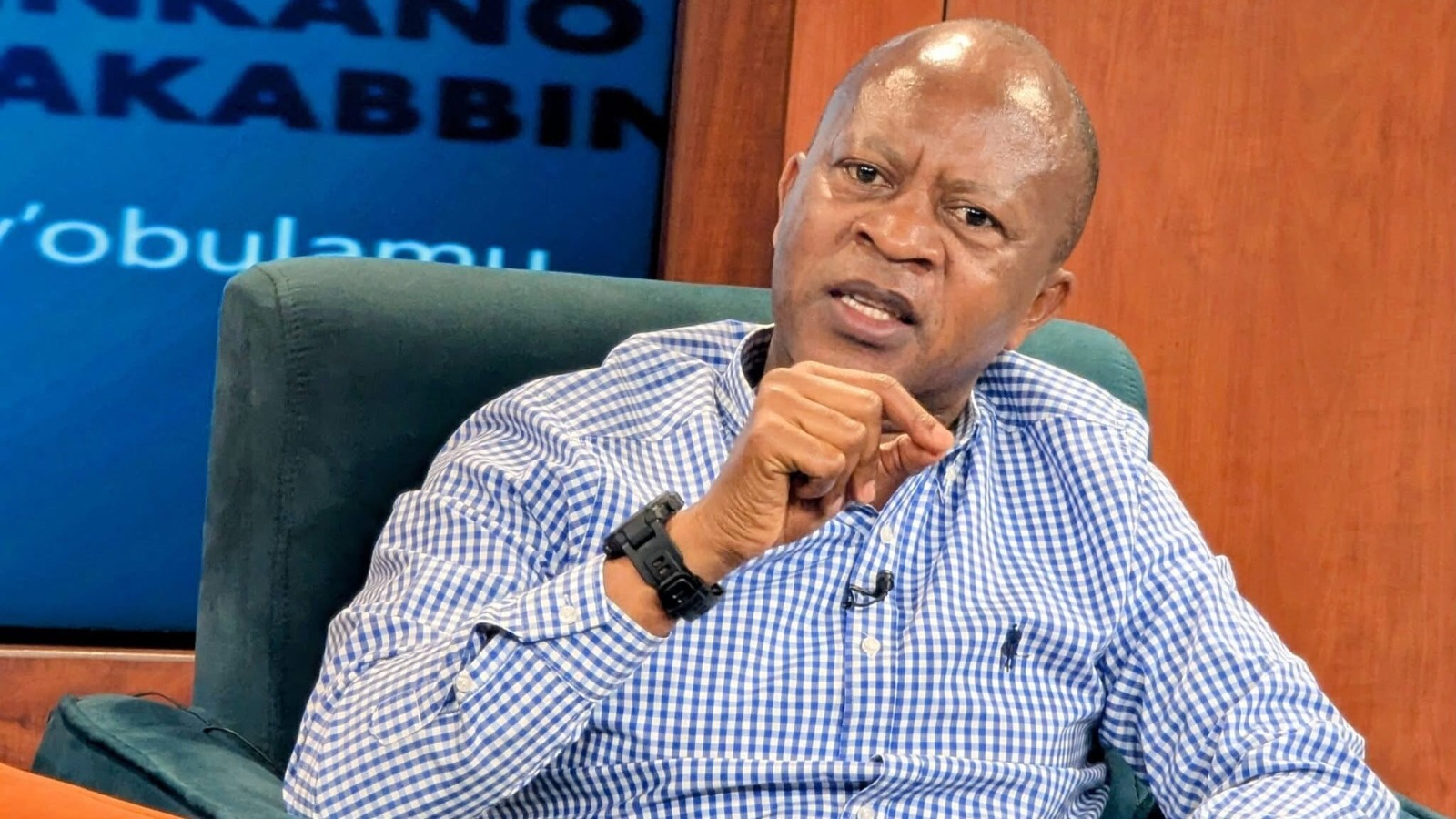 Gashumba challenged pastors, prophets and apostles who claim to possess miraculous healing powers to demonstrate those abilities in recognised hospitals, including Mulago and Nsambya.
He initially offered Shs200 million to any preacher who could demonstrate the healing of a critically ill patient under publicly verifiable conditions. He subsequently increased the offer to Shs500 million.
His argument was that religious leaders who claim to heal cancer, HIV/AIDS and other serious illnesses should be willing to demonstrate their powers among patients in hospital intensive care units rather than relying on testimonies and dramatic church performances.
The challenge attracted strong reactions from several religious leaders, including Kayanja, who rejected suggestions that miracles associated with his ministry were fabricated.
“Our miracles aren’t fake. They are God-made,” Kayanja previously said while defending his ministry.
The pastor argued that Gashumba’s criticism was not simply an attack on questionable religious practices but an assault on Christianity and the work of genuine religious leaders.
Gashumba, however, maintained that he was not attacking God, Jesus Christ or Christianity but what he describes as individuals who use religion to exploit poor people.
He also questioned why believers should surrender their money to preachers who claim supernatural powers when some of their followers continue to suffer from serious illnesses.
The disagreement subsequently widened to include church finances, tithes, prosperity preaching and the accountability of religious institutions.
Gashumba has also questioned the qualifications and training of some Pentecostal preachers, at one point declaring that one Catholic priest was worth more than 1,000 pastors.
His remarks attracted further criticism from sections of the Born-again community, which accused him of making sweeping generalisations about religious leaders.
Kayanja Breaks His Silence
Although the two men had reportedly been at loggerheads over Gashumba’s public criticism of religious institutions since 2022, the October confrontation brought their differences into the open. During a Wednesday night service at Miracle Centre Cathedral, Kayanja devoted part of his preaching to Gashumba, accusing him of repeatedly attacking prominent personalities and institutions.
The preacher cited previous controversies involving Gashumba and other public figures, including the President, the Catholic Church and the Katikkiro of Buganda.
“This man, Frank Gashumba, attacks everything. He attacked the Katikkiro of Buganda and he abused and insulted him. Before that he was abusing the President and we couldn’t say anything. He has attacked the Catholics. He has lied about me,” Kayanja said.
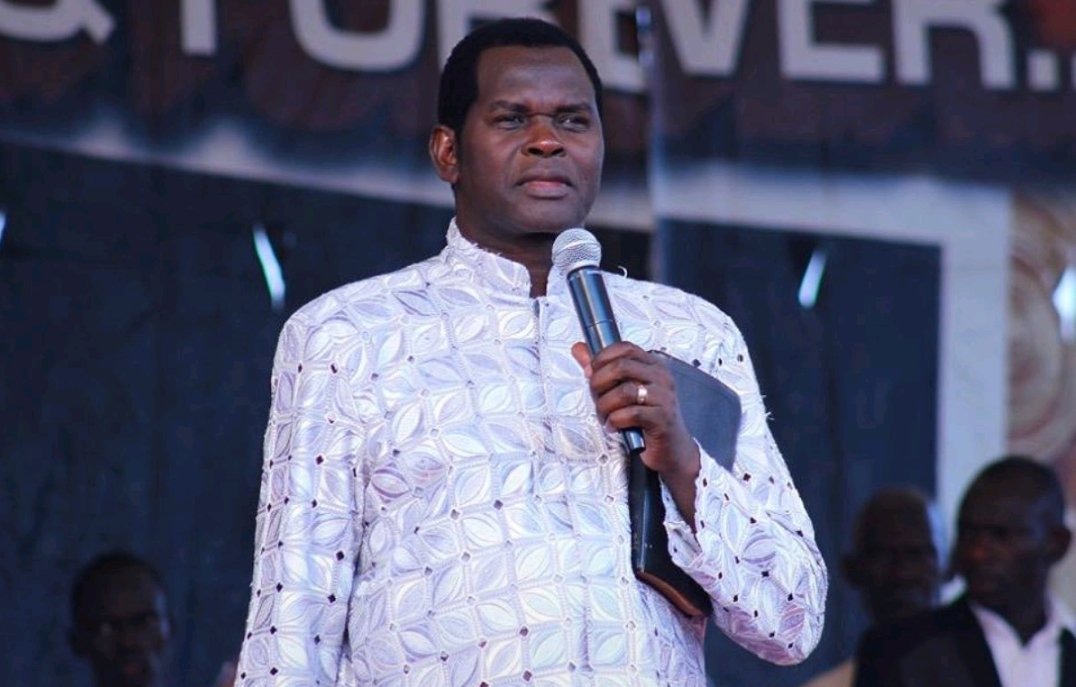 He added: “We will not take this nonsense anymore.” Kayanja invoked the biblical story of Elijah and called upon God to answer by fire against what he considered an attack on Christianity.
He then made the remarks that have now become the subject of Gashumba’s police complaint. “Because you have ridiculed the blood of Jesus and you attacked God’s people, your own blood will kill you,” Kayanja said, before drawing a comparison with Gaddafi’s death.
The remarks transformed what had initially been a public argument about miracle claims into a more personal confrontation.
Gashumba interpreted the preacher’s statements as threats against his life and family, while Kayanja’s position has been that he was defending religious institutions and responding to what he considers persistent attacks.
The dispute also drew in their children, with media personality Sheilah Gashumba defending her father against criticism from Robert Kayanja Jr.
Pastors Take The War To PLU
Even as Gashumba was pursuing his complaint against Kayanja, the dispute acquired another dimension on November 6 when prominent religious leaders met the leadership of the Patriotic League of Uganda (PLU) at Serena Kigo.
The meeting, convened by PLU Secretary General Twalla Fadil, brought together several influential Born-again church leaders, including Kayanja, Bishop Joseph Serwadda, Apostle Grace Lubega, Bishop David Kiganda, Pastor Jackson Ssenyonga, Pastor Tom Mugerwa and Pastor Imelda Namutebi.
Although officially presented as a religious leaders’ breakfast meeting on national unity, faith and responsible leadership, the gathering also became an opportunity for pastors to raise concerns about Gashumba’s continued criticism of Pentecostal churches.
The religious leaders reportedly challenged the PLU leadership to address what they considered offensive and damaging remarks by one of its own members.
Apostle Umar Mulinde expressed concern that Gashumba’s attacks were creating suspicion among Born-again Christians about the PLU and the political ambitions of its chairman, Gen Muhoozi Kainerugaba.
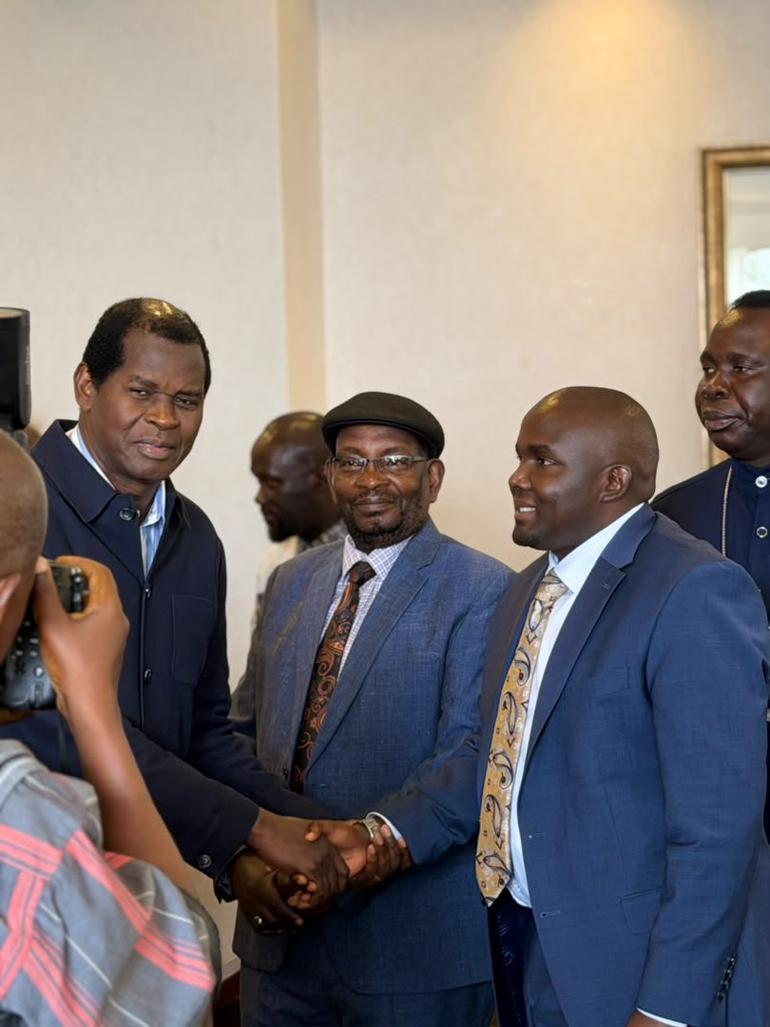 Mulinde said some young believers had begun questioning whether the organisation supported Gashumba’s campaign against pastors and whether a future Muhoozi presidency could threaten their religious freedom.
He argued that Born-again Christians had supported the government for decades and questioned why they were now being subjected to what he considered attacks.
“We love Museveni and we love his son but when there is a sense of threat that Muhoozi is coming to ban the Born-agains from Uganda,” Mulinde said.
He urged the PLU leadership to distance itself from individuals he accused of pursuing a vendetta against religious leaders.
The intervention placed Fadil and the PLU leadership in an uncomfortable position, given that Gashumba is himself associated with the organisation.
The pastors’ concerns were not limited to the miracle controversy. They also objected to Gashumba’s description of some religious leaders as thugs and wild cats, arguing that such language undermined their standing in society.
Apostle Grace Lubega reportedly challenged the language Gashumba had used against pastors, while Pastor Jackson Ssenyonga urged him to identify specific individuals he considered fraudulent rather than making sweeping accusations against the religious community.
 Kayanja also used the meeting to explain why he had decided to confront Gashumba publicly.
“The reason why I came out strongly against Gashumba was because he started in 2022. I could not be silent,” he said.
He accused Gashumba of attacking several prominent Ugandans and institutions, arguing that such conduct was creating divisions within society.
“That impunity cannot go on. It drives a wedge between the people of Uganda,” Kayanja added.
According to the PLU’s account of the meeting, Fadil emphasised the importance of faith in leadership, saying: “A journey led in the fear of God is a journey destined for greatness.”
The organisation described the gathering as an engagement with established Christian leaders on national unity, religious leadership and mutual respect.
Why The PLU Meeting Matters
For Gashumba, the Serena Kigo meeting presents a potentially bigger problem than his disagreement with Kayanja.
The businessman is not simply confronting individual pastors but now finds himself at the centre of a dispute involving influential religious figures seeking an audience with the leadership of an organisation to which he belongs.
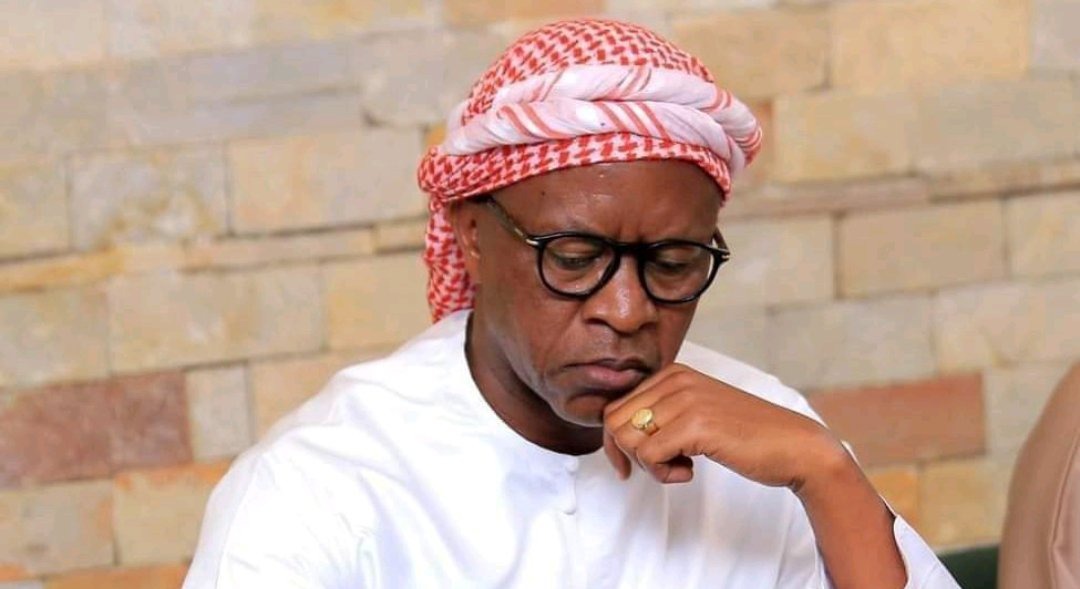
 The meeting effectively gave his critics an opportunity to take their grievances directly to PLU leadership, potentially putting pressure on the organisation to clarify its position on his campaign.
It also introduces a political dimension to a dispute that began with questions about miracle claims and the financial conduct of religious leaders.
The PLU, chaired by Gen Muhoozi, is seeking to strengthen its national political networks, including engagement with influential religious institutions and their congregations ahead of the anticipated 2031 political contest.
Born-again churches command substantial followings and possess extensive mobilisation networks. Their relationship with a political organisation seeking to expand its influence is therefore significant.
The pastors’ concerns about Gashumba could consequently become an organisational issue, particularly if their criticism creates the impression that PLU tolerates attacks on religious leaders.
For Gashumba, the uncomfortable question is whether his political association will protect his right to criticise religious practices or whether the organisation will seek to restrain him to preserve its relationship with influential church leaders.
It remains unclear whether Fadil or the PLU leadership intends to take disciplinary action against Gashumba or formally address the pastors’ demands.
The development also raises questions about whether the organisation can accommodate competing interests among its members without allowing the dispute to undermine its wider political mobilisation.
The Police Test
Gashumba’s complaint now shifts the immediate focus to the CID and whether investigators will summon Kayanja to explain the remarks contained in the video submitted by the businessman.
In his petition, Gashumba relies on Section 81 of the Penal Code Act, Cap 128, which he cites as criminalising threats of death or violence against another person.
He wants a criminal case file opened, Kayanja summoned to record a statement and, where justified by the evidence, charged and produced before court.
 He says he is prepared to record a formal statement and provide any additional information investigators may require.
The complainant also copied the complaint to the Minister of Internal Affairs, the Minister of Security and the Inspector General of Police, signalling his desire to have the matter brought to the attention of the country’s security leadership.
However, the complaint itself does not establish criminal liability. Investigators would have to examine the video, establish the circumstances in which the remarks were made and give Kayanja an opportunity to respond to the allegations.
As of the latest developments, no formal police finding on the complaint had been made public, and Kayanja’s response to the specific criminal allegations had not been established.
What began as a Shs500 million challenge over miraculous healing has now developed into a confrontation involving religious leaders, political mobilisation and the criminal justice system.
For Gashumba, the issue is no longer simply whether pastors can demonstrate miracles in hospitals. He says his safety and that of his family are now at stake.
For Kayanja and other religious leaders, the dispute is about what they regard as persistent attacks on their faith, ministries and reputations.
And for the PLU, the confrontation presents a delicate balancing act: maintaining relations with influential religious leaders while managing a dispute involving one of its own associates.
The CID investigation could determine whether the allegations warrant criminal proceedings, but the wider fallout is already testing the relationship between Uganda’s religious establishment and the political organisation seeking its support.
Author Profile
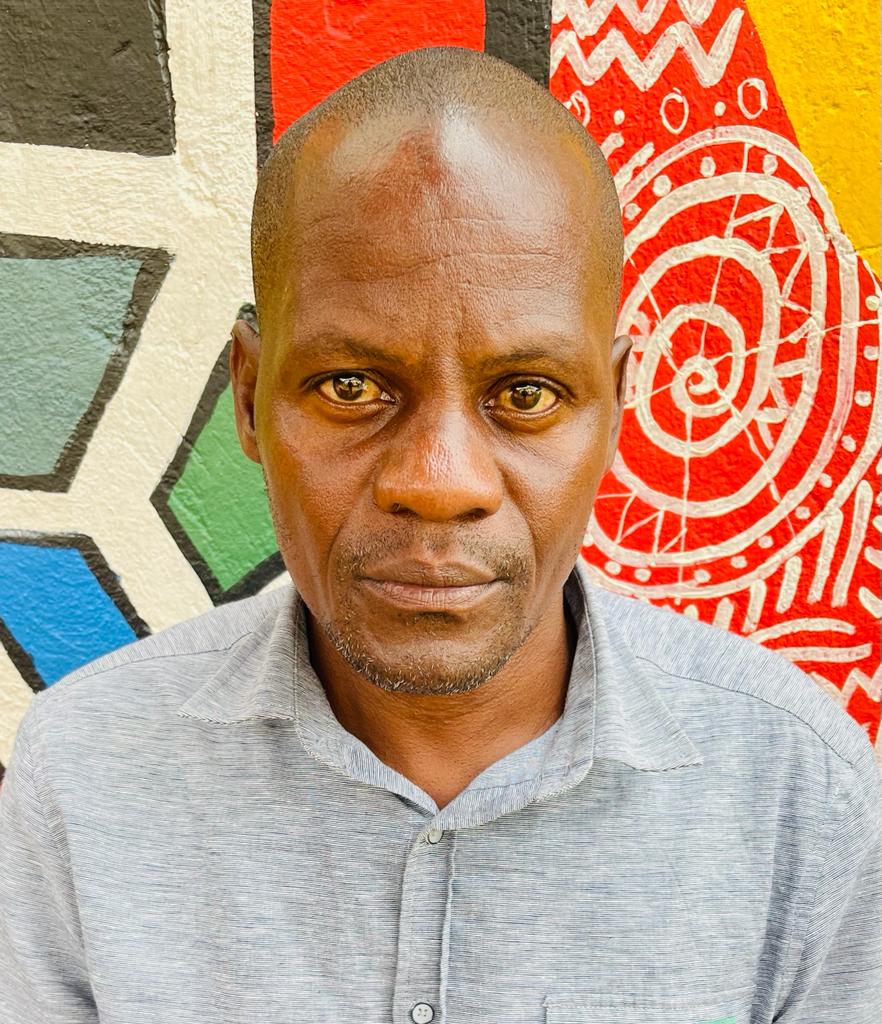
- Mr. Stephen Kasozi Muwambi is a seasoned crime investigative writer, majoring in judicial-based stories. His two decades’ experience as a senior investigative journalist has made him one of the best to reckon on in Uganda. He can also be reached via [email protected]
Latest entries
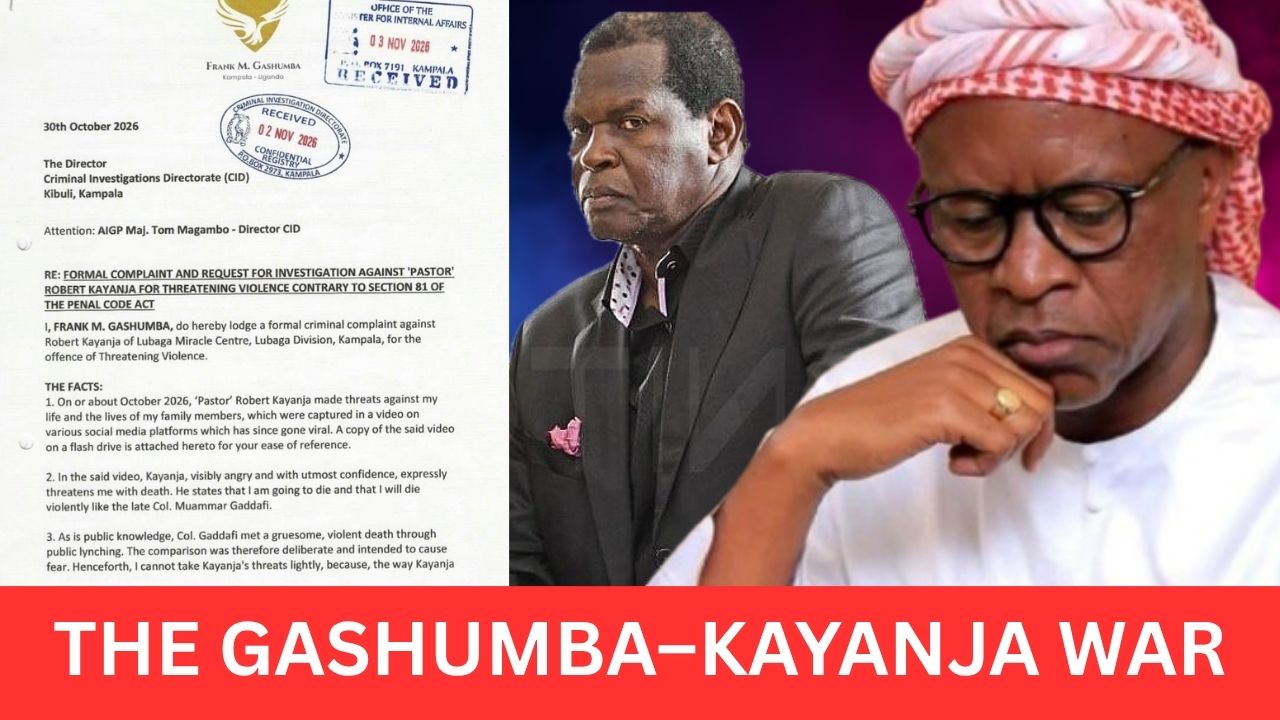 FeaturedNovember 7, 2026WHY GASHUMBA HAS TAKEN PASTOR KAYANJA TO CID OVER ALLEGED DEATH THREATS: Businessman Frank Gashumba Accuses The Lubaga Miracle Centre Preacher Of Threatening To Kill Him And Members Of His Family, Asking CID Boss Maj Tom Magambo To Open A Criminal Investigation
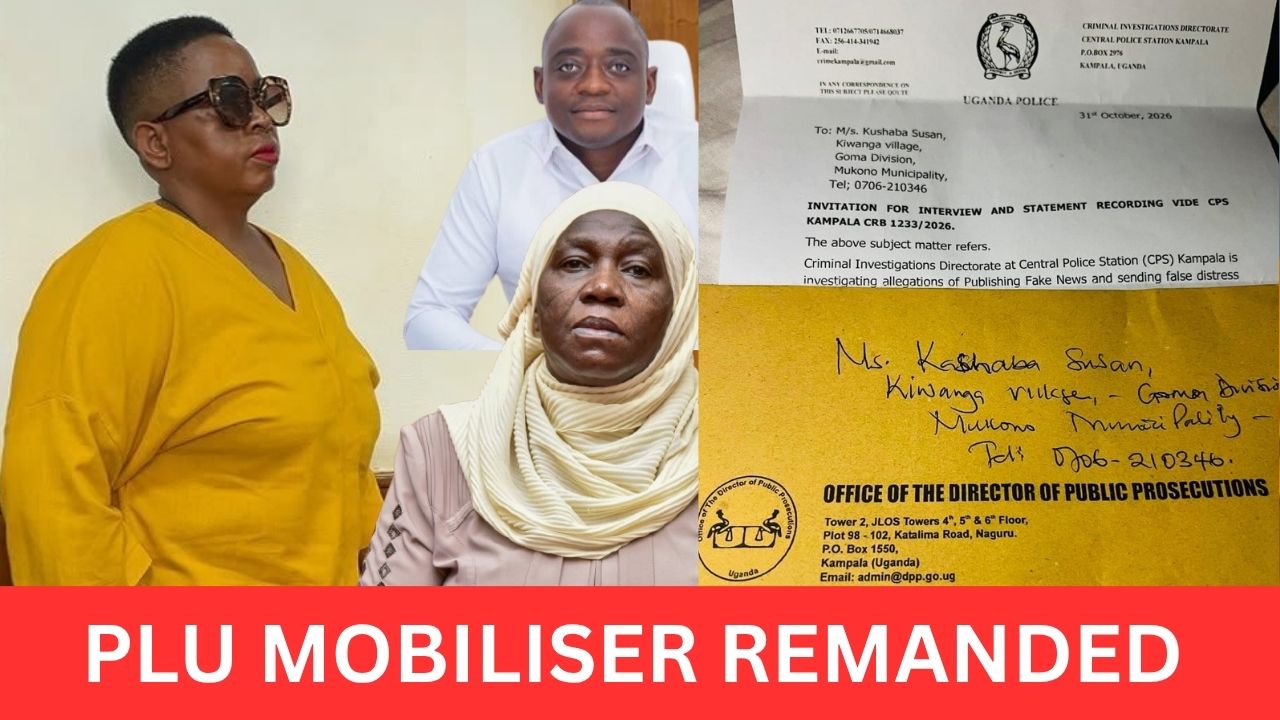 FeaturedNovember 5, 2026KUSHABA ROARS SILENCED? Susan Kushaba, Presenter Of The Weekly Kushaba Roars, Faces A Legal Battle After Allegedly Accusing Kampala Ministers Of Fraud, Embezzlement And Land Grabbing In Tiktok Videos
 FeaturedNovember 5, 2026BUSOGA WELCOMES NEW PRINCE: Kyabazinga William Gabula Nadiope IV and Inhebantu Jovia Mutesi Celebrate The Arrival Of Their Third Son, Prince Nadiope Ezra Josiah
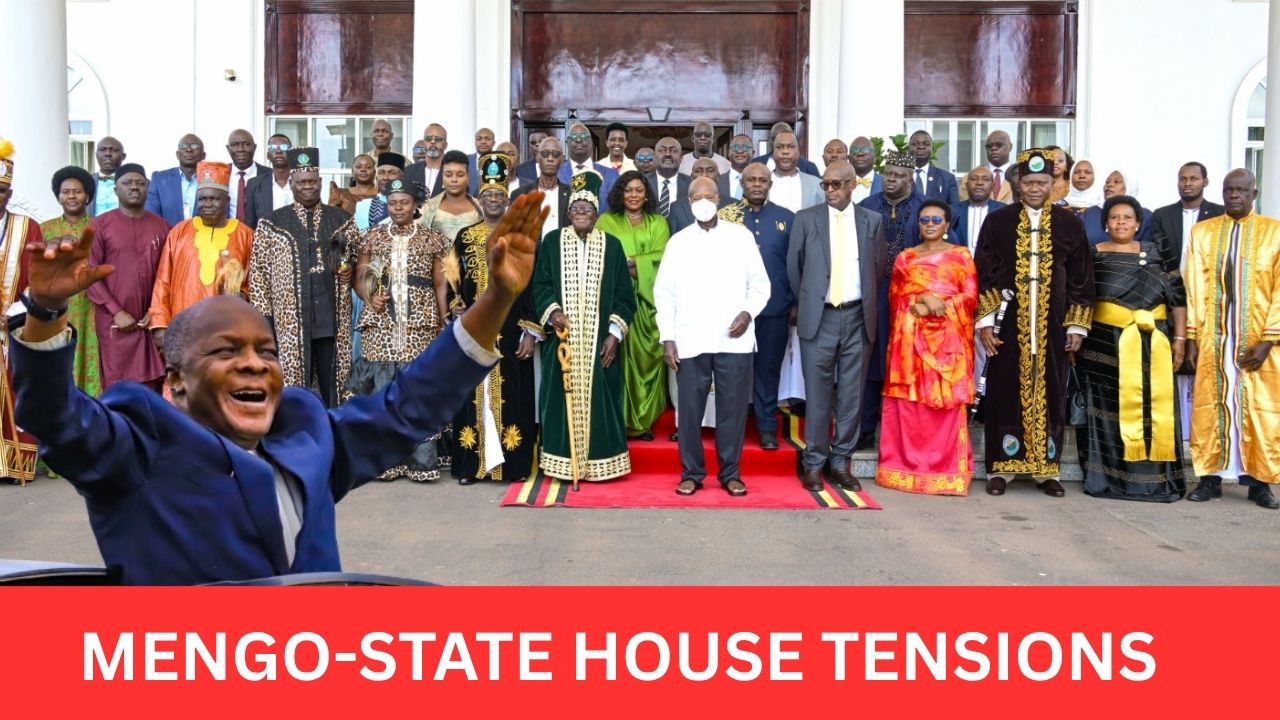 FeaturedNovember 4, 2026WHY KABAKA MUTEBI STAYED AWAY AS MUSEVENI HOSTED KINGS AT STATE HOUSE: The Kabaka’s Absence, Coupled With The Unavailability Of Katikkiro Mayiga And His Deputies, Has Raised Questions About Buganda’s Representation And Its Relationship With The Central Government