
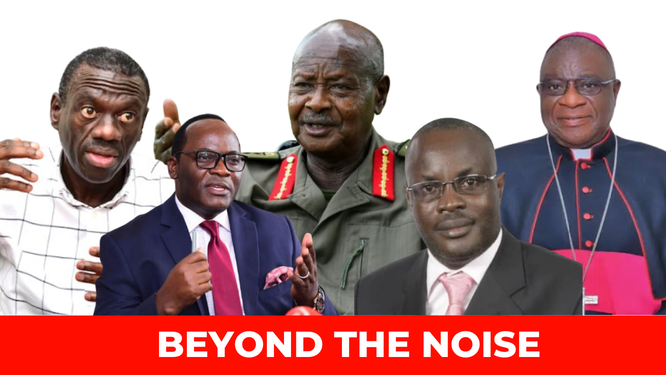


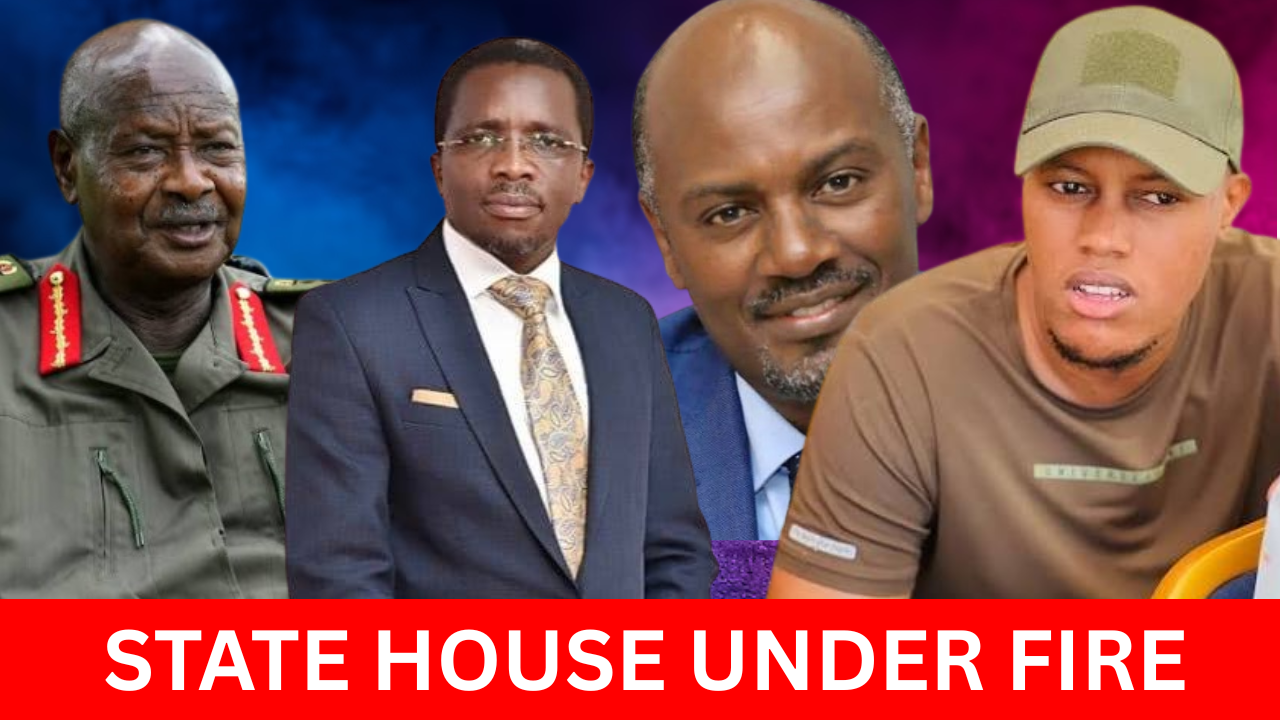
President Yoweri Museveni’s blistering public response to veteran journalist Andrew Mwenda has ignited one of the most revealing political exchanges within Uganda’s ruling establishment in recent years, exposing what analysts describe as increasingly visible ideological and personal divisions among influential figures surrounding State House.
What began as a dispute over Stephen Nuwagira—whose allegations and role have been fiercely debated online—has rapidly evolved into a broader contest over who controls the narrative within government, who has the President’s ear, and whether some security officials have departed from the values the National Resistance Movement (NRM) says it was founded upon.
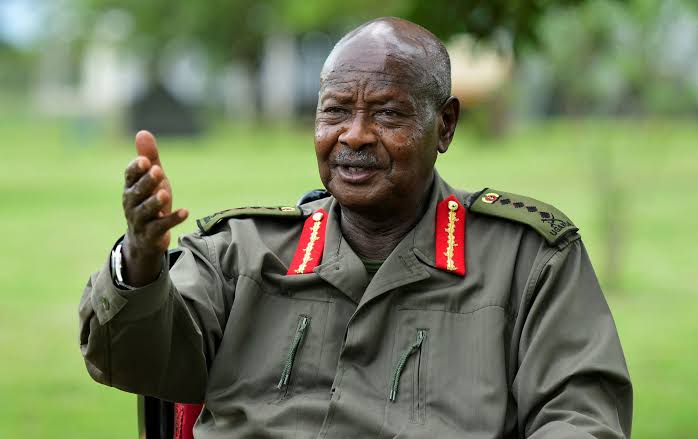
Museveni’s unusually lengthy statement, published on his official X account, did far more than defend Nuwagira. It challenged Andrew Mwenda directly, condemned torture in unequivocal terms and suggested that corrupt elements within security agencies have been concealing information from him while frustrating efforts to fight criminality.
“The reality on the ground is that the main problem of Uganda is not Nuwagaba seizing State House and the Security Forces, but the criminals, including some in the Security Forces and other organs, that have been blocking the flow of information… ensuring information does not reach leaders like the President,” Museveni wrote.
The President also rejected suggestions that torture forms part of the revolutionary tradition he led for decades.
“In the last 56 years I have been fighting, I have never tortured or ordered anybody to torture an opponent.”
He further insisted that neither FRONASA, the National Resistance Army (NRA) nor today’s Uganda People’s Defence Forces (UPDF) should resort to torture, extrajudicial killings or other abuses, describing such practices as immoral, counter-revolutionary and strategically counterproductive.
Museveni Defends Nuwagira
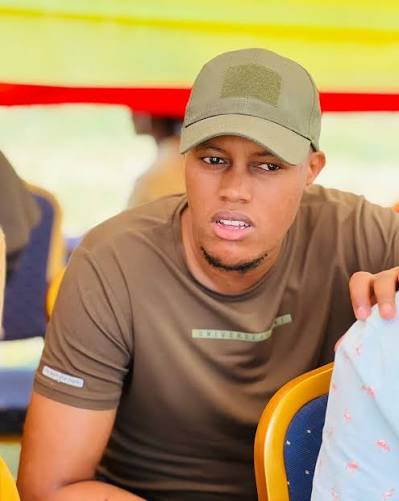
Central to the President’s message was his defence of Stephen Nuwagira, whom he described as a young man who came under his protection after allegedly being tortured and threatened by elements within the security services.
According to Museveni, Nuwagira required prolonged medical treatment both inside and outside Uganda after suffering physical injuries and psychological trauma.
The President further disclosed that investigations had already been initiated into the allegations and suggested that some of the officials allegedly implicated are facing court proceedings.
Museveni argued that critics had become distracted by attacking Nuwagira while ignoring what he portrayed as the larger issue of corruption and abuse within sections of the security establishment.
Mwenda Becomes the Target
Although Andrew Mwenda has long been regarded as one of President Museveni’s closest public defenders, the latest exchange marked an extraordinary public rebuke.
Museveni accused the journalist of repeatedly misdirecting national debate, alleging that Mwenda had previously criticised Uganda’s pharmaceutical innovators before now shifting his attention to Nuwagira.
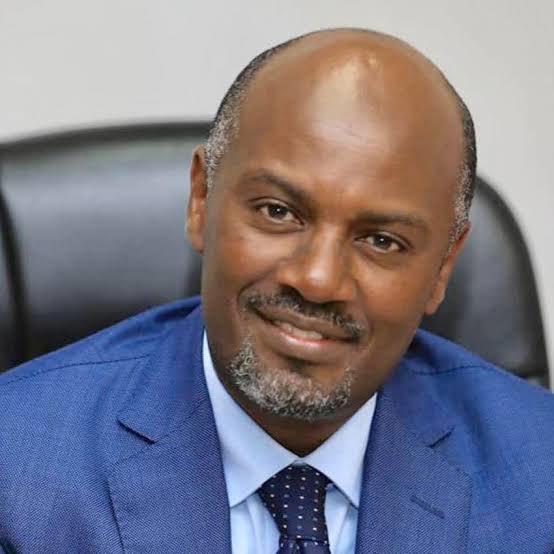
He questioned why investigative efforts were not instead focused on alleged corruption in government programmes, road projects and other public institutions.
The unusually personal nature of the criticism has surprised many political observers, who have long viewed Mwenda as one of the President’s most influential intellectual allies.
Omona Throws Weight Behind Museveni
Among the first senior NRM figures to publicly support Museveni’s message was former Minister of State for Northern Uganda and former Presidential aide Dr. Kenneth Omona.
While applauding the President’s rejection of torture, Omona urged him to ensure accountability in the case of opposition activist Sam Mugumya, whose condition after resurfacing has generated widespread public concern.
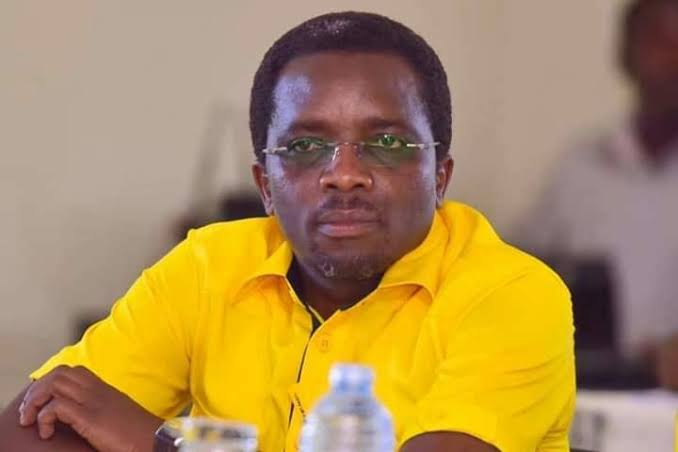 “Mzee Kaguta Museveni, the cadres of the FRONASA/NRA are very happy with the ideological missile you have just fired,” Omona wrote before adding that the reported treatment of Mugumya risks damaging the image of the NRM.
“If he has a case to answer, let his holders produce him in the courts of law—it’s justice.”
His intervention immediately resonated across social media, with many users praising him for publicly raising human rights concerns while remaining within the ruling movement.
PLU Supporters Strike Back
Omona’s comments, however, triggered an equally fierce backlash from supporters aligned to the Patriotic League of Uganda (PLU).
Frank Mwesigye, a prominent PLU supporter, accused the former minister of hypocrisy, arguing that Omona had failed to confront similar issues while serving as Presidential Principal Private Secretary, minister and Member of Parliament.
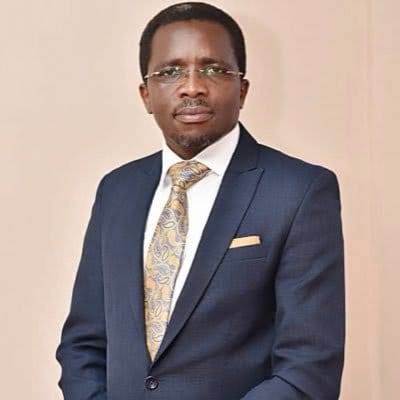
Instead of welcoming Omona’s intervention, Mwesigye questioned his record in public office and accused him of failing to address governance challenges when he held positions of influence.
The exchange quickly became symbolic of a widening contest between rival political camps, each claiming to represent the authentic ideals of the NRM.
Social Media Reflects Deep Divisions
The debate spilled onto X, where Ugandans offered sharply contrasting reactions. Political commentator Brendan Wadri argued that Museveni’s statement demonstrated that the country’s biggest challenge lay not in individual personalities but in officials allegedly preventing critical information from reaching the President.
“Leadership is not measured by how loudly a leader speaks, but by how willing they are to listen,” Wadri wrote.
Others welcomed Omona’s intervention, saying it reflected courage in raising concerns about torture and accountability.
Some users called for justice for Sam Mugumya, while others questioned whether meaningful action would follow the President’s remarks. Still others argued that the President had long been aware of allegations of abuse, reflecting the sharply polarised nature of the online debate.
More Than a Dispute
Beyond the exchanges on social media, the public disagreement has highlighted deeper questions about authority within Uganda’s political establishment.
For months, influential figures associated with the First Family have increasingly used public platforms to debate corruption, governance and accountability—subjects that were once largely discussed behind closed doors.
Whether these exchanges represent healthy internal debate or evidence of growing divisions within the ruling establishment remains a matter of political interpretation.
Part II will examine the earlier public confrontation between Daudi Kabanda and Odrek Rwabwogo, reactions from other political actors, a timeline of the dispute, detailed background profiles and three tabloid-style deck headlines.
Author Profile
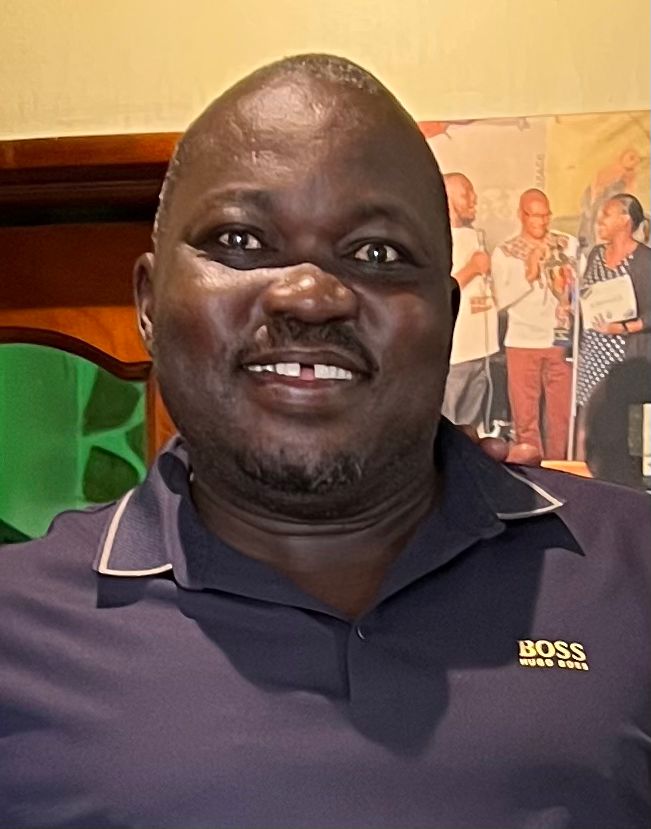
- Charles Gazza Kodili is a seasoned journalist with over 20 years of experience in the media industry. He holds a Bachelor of Arts degree in Mass Communication. He’s currently the Chief Editor at the Investigator.
Charles can also be reached via; Tel: +256 774 108978
Email: [email protected]
Latest entries
 FeaturedSeptember 18, 2026MONEY HAS BEEN WIRED ON CLUBS ACCOUNTS: Each Uganda Premier League Club Is Allocated Sh305.5m Annually, With Sh152.7m Due In The First Quarter As Government Releases 50% Of The Subsidy
 FeaturedSeptember 18, 2026STATE HOUSE FALLOUT: Bishop Patience Museveni Warns Her Big Brother CDF Gen Muhoozi Kainerugaba As The Council of Elders From Ankole Move To Mend Family Rift
 FeaturedSeptember 18, 2026PLU MARCHES TO TURKISH EMBASSY AS MUSEVENI MEETS ENVOY: PLU Supporters Demand Extradition Of Uganda Blogger As President Holds Talks With Turkish Ambassador Mehmet Fatih Ak
 FeaturedSeptember 14, 2026WELL DONE UPDF ENGINEERS: 87% New Defence Headquarters Complete, Gen Muhoozi Kainerugaba Commends Engineers For Speeding Up The Modern Twin-Tower Complex At Mbuya