







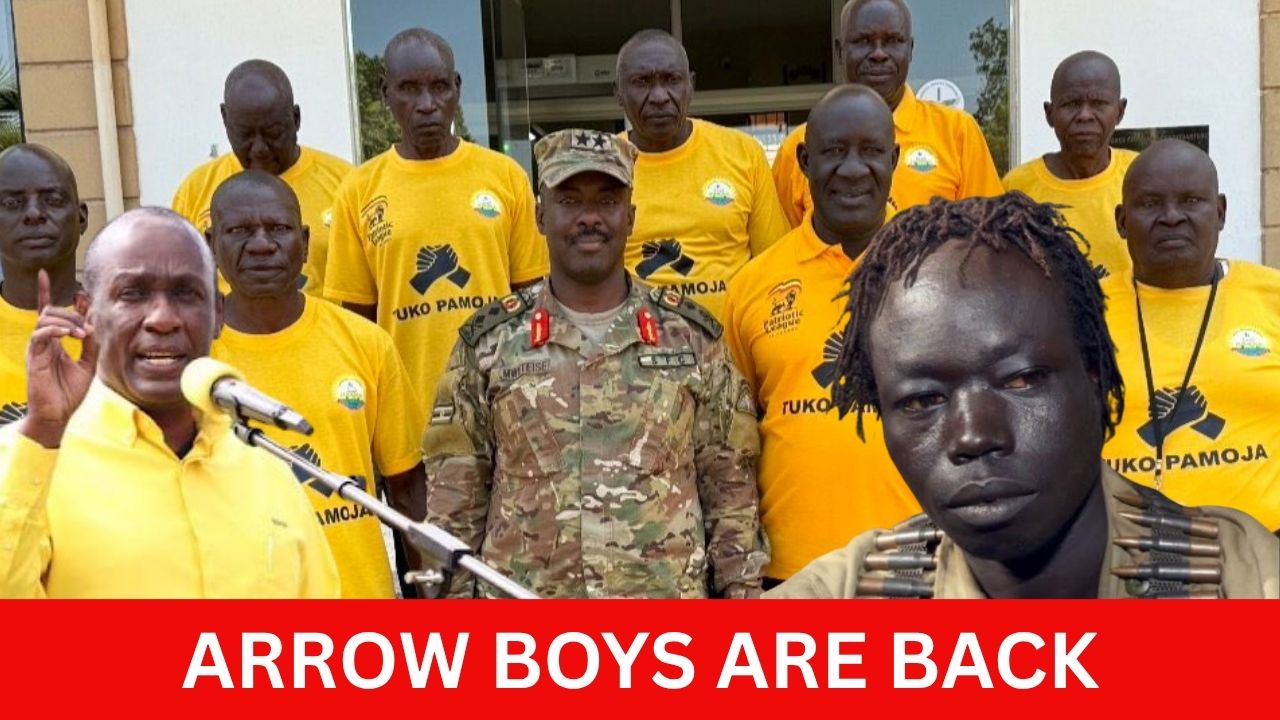
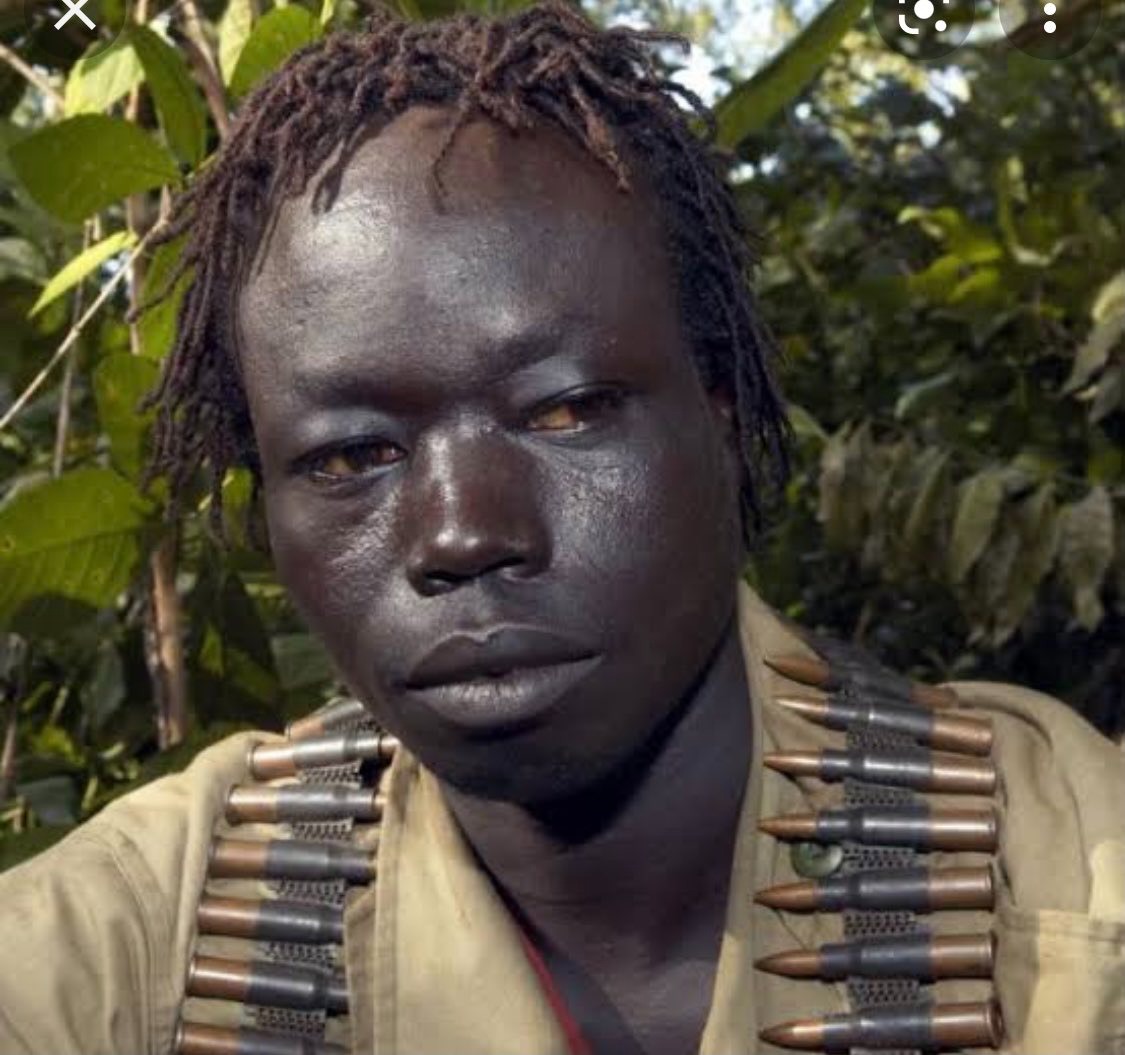
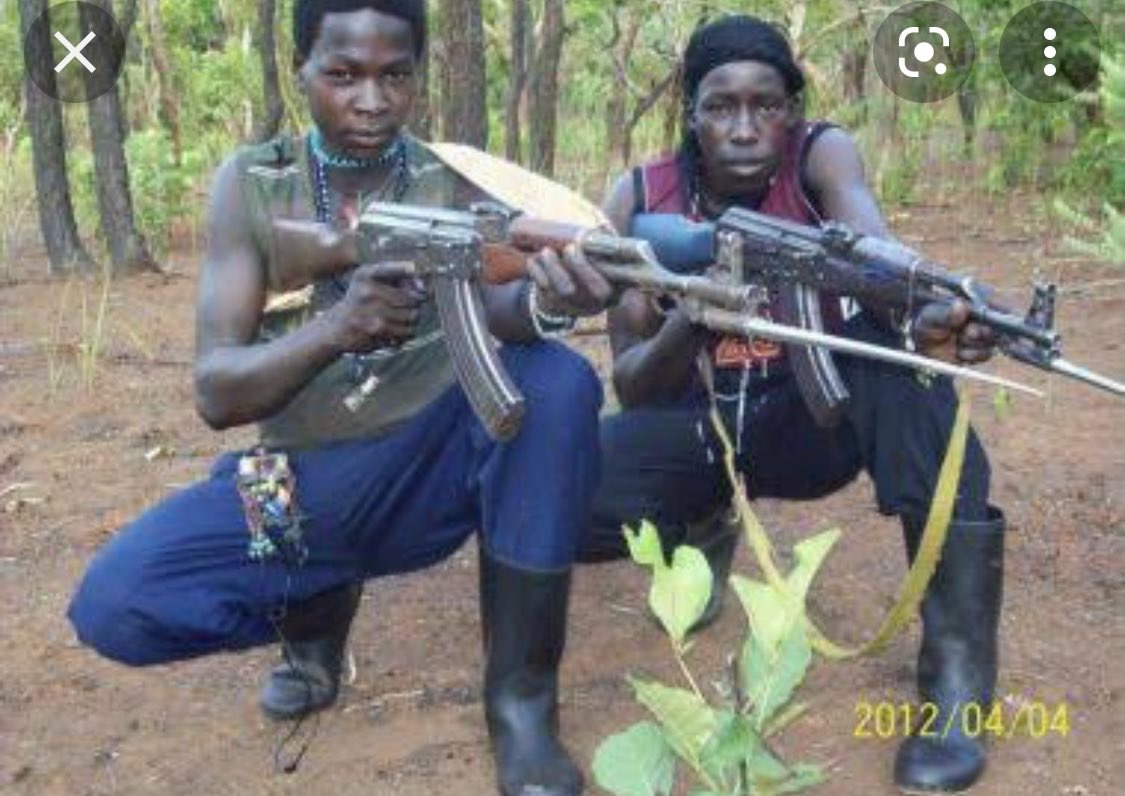
Former members of the Arrow Boys, the community defence force that fought Joseph Kony’s Lord’s Resistance Army (LRA) in Teso more than two decades ago, have regrouped and pledged to work with security agencies to improve safety in the sub-region.
The regrouping comes amid what community leaders describe as a worrying increase in attacks targeting civilians in parts of Teso.
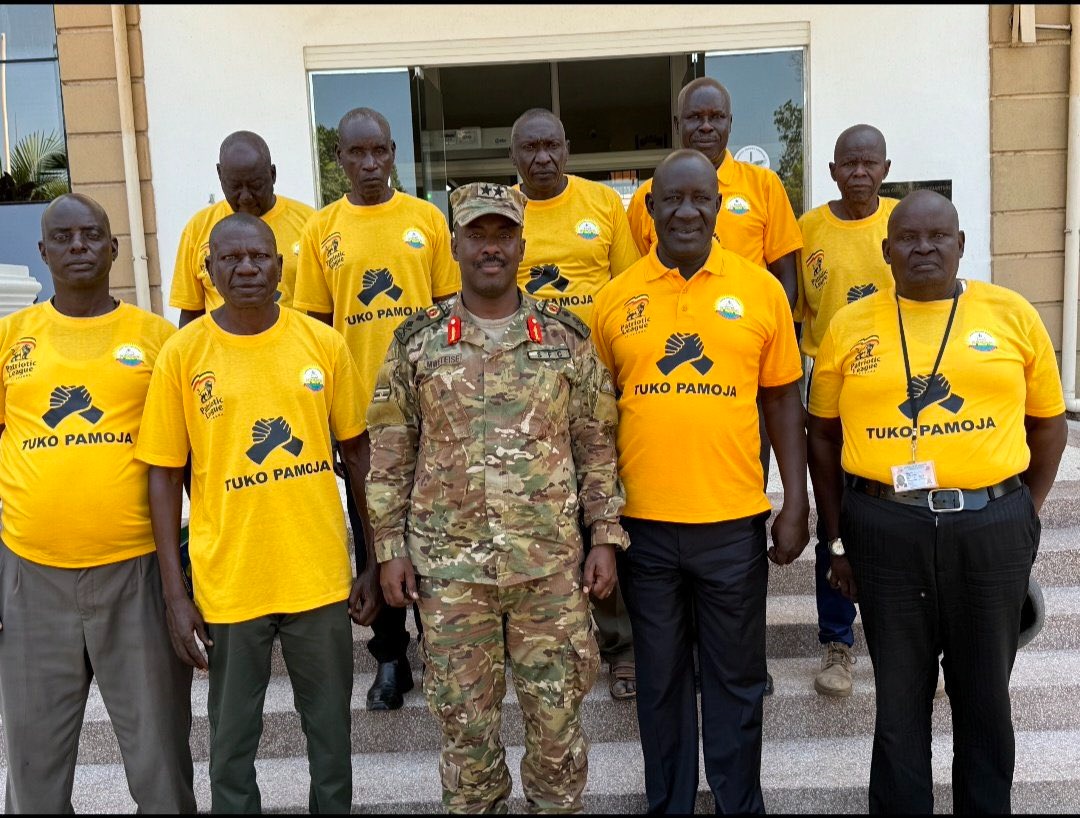
The former fighters, who operated alongside the Uganda People’s Defence Forces (UPDF) during the LRA insurgency, said they would use their knowledge of the local terrain and communities to support police and other security agencies in identifying and confronting criminal elements.
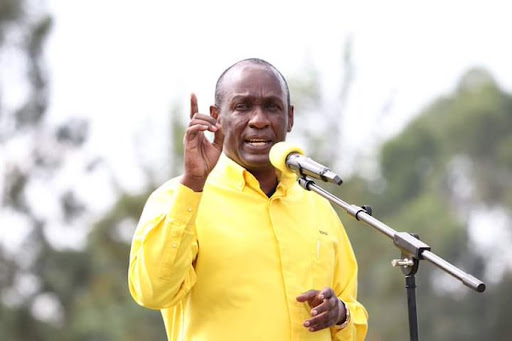
 Musa Ecweru, who coordinated the Arrow Boys during the height of the LRA insurgency and is now a government minister, said the group’s involvement could help strengthen community security.
Ecweru made the remarks in Amuria District during the distribution of maize and soybean seed to Arrow Boys commanders. The seed was donated by Gen Muhoozi Kainerugaba, the Chief of Defence Forces (CDF).
“There is an urgent need for the Arrow Boys to participate in restoring security in Teso. We know this region, we know our people and we understand the threats that can emerge from within the communities,” Ecweru said.
He said the former fighters should not act outside the law but should cooperate with the police and other recognised security agencies.
The proposal marks a new phase for a group whose origins are closely associated with one of the most violent periods in Teso’s recent history.
Born Out Of LRA War
The Arrow Boys emerged in 2003 after the LRA intensified attacks in Teso. The insurgents attacked villages and camps for internally displaced persons, killed civilians, abducted children and destroyed property.
The intensity of the attacks prompted local leaders and residents to organise a community defence force.
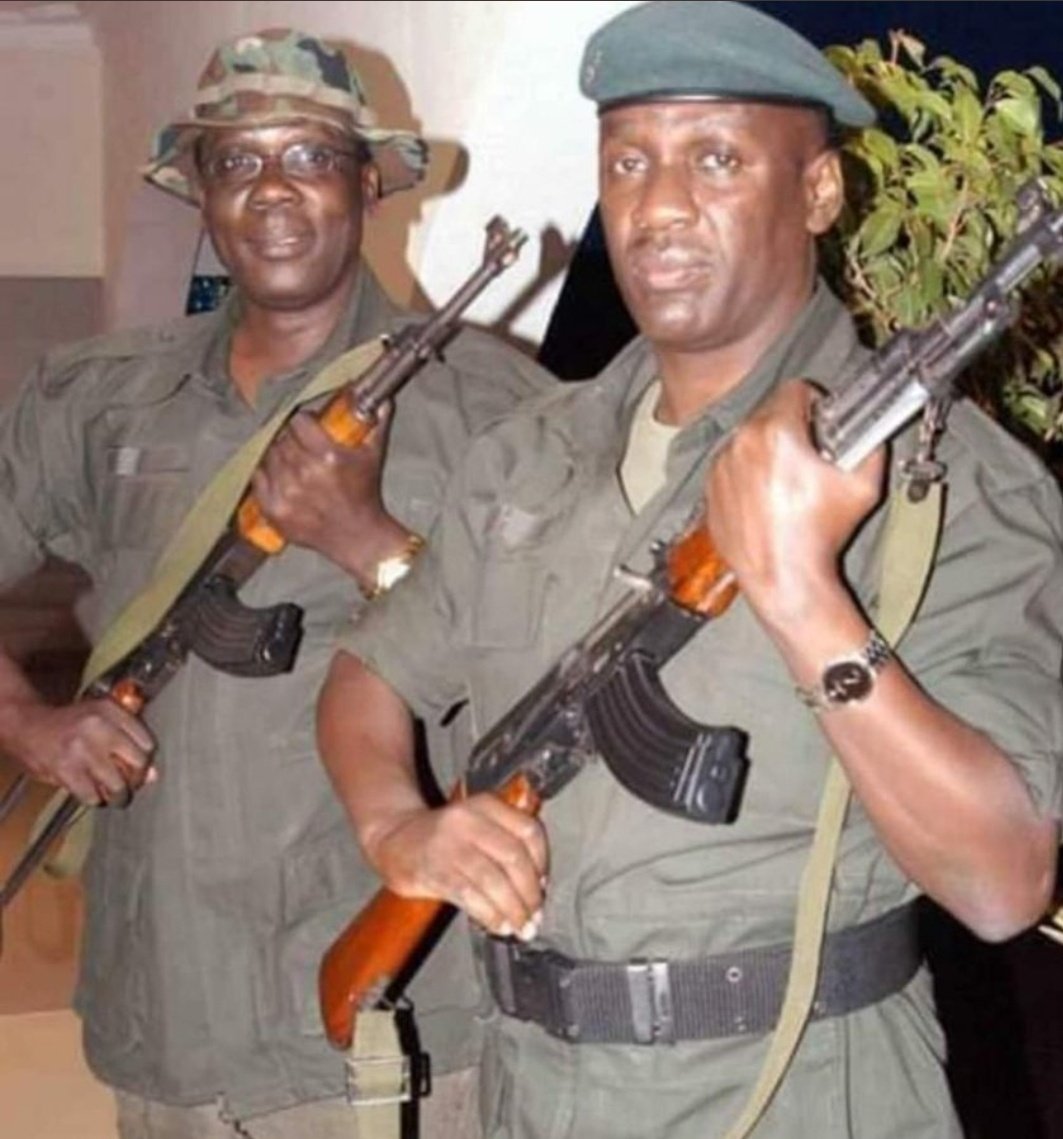
 Historical accounts identify Ecweru and Captain Mike Mukula among the key Teso leaders involved in mobilising and organising the Arrow Boys. Mukula served as chairman, while Ecweru became the group’s operational coordinator.
The group was made up largely of local men, including former combatants and people with military experience. They were later supported by the government and worked alongside the UPDF in operations against the LRA.
The Arrow Boys initially relied on traditional weapons, including bows and arrows, before receiving firearms and other support.
A 2017 International Crisis Group account, based partly on interviews with Ecweru and other former commanders, says the group was mobilised in June 2003 after senior Teso leaders met to organise a response to the LRA attacks. The first Arrow Boys operation was launched later that month.
The group eventually expanded considerably. Crisis Group reported that the government distributed thousands of rifles to the Arrow Boys, who were organised into battalions and operated as an auxiliary force alongside the regular army.
Fight Against Kony
The formation of the Arrow Boys followed the spread of LRA violence into Teso, particularly after the attacks on Obalanga in Amuria District in 2003.
The Obalanga attacks became one of the darkest chapters of the insurgency in the region.
 The Refugee Law Project’s documentation of conflicts in Uganda records that the LRA attack on Obalanga resulted in killings, abductions, displacement and destruction of property, prompting the formation of the Arrow Boys under the leadership of Ecweru and Mukula.
Contemporary reports also described the Arrow Boys as having considerable local knowledge, which allowed them to track LRA fighters and respond quickly to attacks.
A 2003 report by the Mail & Guardian described the group as having helped restore a measure of order in some parts of Teso as it pursued LRA fighters. The force, however, was never intended to become a permanent parallel security structure.
As the LRA threat diminished and the insurgency moved away from Uganda, the Arrow Boys’ activities declined.
New Security Role
More than 20 years later, Ecweru says the experience accumulated during the insurgency can be put to use again, this time through cooperation with formal security institutions.
He said the current situation should not be allowed to deteriorate to the levels witnessed during the LRA insurgency.
The former commanders are expected to work with police and other security agencies by sharing information about suspicious activities, identifying emerging threats and encouraging residents to cooperate with authorities. Ecweru stressed the importance of community involvement in preventing crime.
“The security of Teso cannot be left to the police and the army alone. Communities have a role to play in identifying bad elements and giving information to the security agencies,” he said.
He urged the former fighters to remain disciplined and ensure that their activities complement, rather than undermine, the work of the established security agencies.
Seeds For Former Fighters
 The regrouping was announced during the distribution of maize and soybean seed donated by Gen Muhoozi to Arrow Boys commanders in Amuria.
The agricultural support is intended to help former fighters engage in farming and strengthen household livelihoods.
Ecweru said the welfare of former Arrow Boys remained an important issue, particularly because many of those who participated in the insurgency returned to civilian life without adequate support.
Historical records show that welfare and compensation have long been contentious issues among former Arrow Boys. In an earlier government programme, families of fallen members received financial assistance through the army.
The group also faced challenges associated with demobilisation and reintegration after the LRA threat declined.
Crisis Group has previously noted that many former Arrow Boys returned to civilian life without sustained support after the conflict, contributing to grievances among some former members.
Muhoozi Endorsement
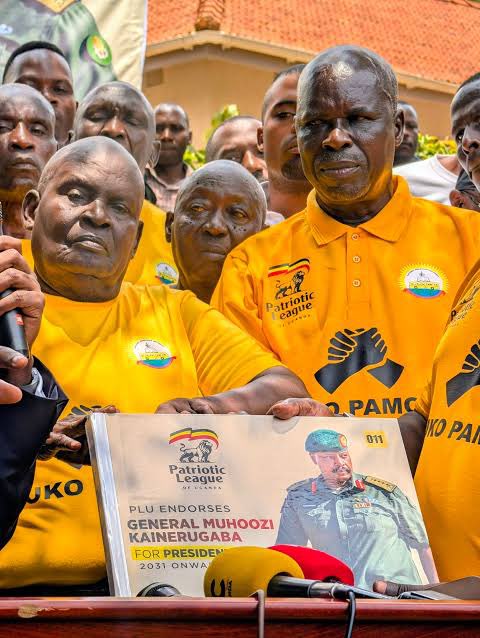
During the Amuria meeting, Arrow Boys commanders also endorsed Gen Muhoozi for the 2031 presidential election.
The endorsement was made in the presence of Ecweru during the seed distribution exercise. The political development adds a new dimension to the activities of a group historically associated with the Teso security crisis.
Muhoozi is the serving Chief of Defence Forces, while the Arrow Boys are a former community defence force that operated alongside the national army during the LRA insurgency.
The commanders’ endorsement therefore came against the background of the group’s renewed discussions on security, community mobilisation and welfare.
Ecweru, however, focused his remarks on security and community participation, urging the former fighters to work within the country’s security framework.
 Security Agencies To Take Lead
The renewed activities also raise questions about the appropriate role of former community fighters in modern security operations.
The original Arrow Boys operated in a very different environment, when the LRA was carrying out armed attacks and communities faced an active insurgency.
Today, any involvement of former fighters in security matters would have to be coordinated through the recognised security institutions.
The historical experience also demonstrates both the potential and challenges of community-based security initiatives.
The Arrow Boys provided local intelligence and rapid responses during the LRA conflict, but they also depended heavily on government support and military command structures.
Ecweru said the lesson from the past was the importance of communities and security agencies working together.
He called on residents to provide information to police and other authorities rather than confronting suspected criminals independently.
“The Arrow Boys must work with security, not outside security,” he said.
For Teso, the revival of the Arrow Boys name evokes memories of a period when residents faced attacks from one of Uganda’s most notorious insurgent groups.
 But Ecweru said the current initiative was about preventing insecurity from escalating and ensuring that communities remain vigilant.
The former fighters now face a very different task from the one that brought them together in 2003: supporting civilian safety through cooperation with the formal security system while helping their communities build more secure and economically stable livelihoods.
Author Profile

Latest entries
 FeaturedOctober 7, 2026FROM POLICY TO PROSPERITY: Uganda’s Tenfold Growth In A Rapidly Changing Global Economy, The Growth Requires A New Era Of Value Addition, Private Investment And Technology-Driven Productivity
 FeaturedOctober 5, 2026ADF RECRUITS ADMIT MURDER AS CMI SCANDAL DEEPENS: Court Hears How Munyonyo And Kalerwe Operations Unfolded As Investigators Trace The Alleged Terror Plots Up The Intelligence Chain
 FeaturedOctober 3, 2026MUSEVENI GIFTS NEW KABALE BISHOP LAND CRUISER: Finance Minister Henry Musasizi, Representing President Museveni, Handed The New Bishop A Brand-New Land Cruiser And Praised Bishop Emeritus Callist Rubaramira For His Service
 FeaturedOctober 3, 2026THE CROWN, THE KING, THE GLORY! If You Missed The Historic Coronation? The Investigator Brings You The Grand Ceremony In Pictures — From The Royal Procession And Cultural Performances To The Distinguished Guests And The Crowning Of Tooro’s New King