























Questions are emerging over the circumstances surrounding the reported arrest and transfer of Abdul Ssebiina, an IT professional described by associates as a key technical mind behind CHiNT’s operational software, amid allegations of a dispute over ownership and control of the technology powering the company’s outlets in Uganda.
According to information provided by individuals familiar with the matter, Ssebiina was reportedly detained at Jinja Road Police Station from Friday and subsequently transferred to the Special Investigations Unit in Kireka. Concerns have been raised about the duration of his detention, the reasons for his transfer, and whether the applicable constitutional and legal requirements have been observed.
 As of the time of writing, the specific grounds for his arrest, the status of any investigations, and the official position of the police had not been independently established. The relevant authorities should therefore clarify the circumstances of his detention and provide information on his legal status.
The Man Behind The Technology
Abdul Ssebiina is described by people familiar with his work as a gifted IT professional and a central figure in the development of CHiNT’s operational software. He is also credited by his associates with involvement in the development of the Sunda Water prepaid metering system and CHiNT’s private prepaid metering technology.
The software is reportedly an important component of the operations of CHiNT’s business outlets, including CHiNT Centre on Jinja Road, the Kampala Electric Market on Sixth Street, and the CHiNT outlet at Nakasero Market.
If these claims are substantiated, Ssebiina’s technical contributions could raise important questions about intellectual property ownership, software licensing, compensation, and the rights of the individuals responsible for developing technology used in commercial operations.
At the centre of the controversy is an allegation that a disagreement arose after CHiNT’s management allegedly sought to obtain full rights to the software without paying Ssebiina for those rights.
 This allegation has not been independently verified, and no conclusion should be drawn about the intentions of the company’s management without hearing all sides of the dispute.
Nevertheless, the reported disagreement raises a significant question: When a software developer creates technology that becomes central to a company’s business, who owns the software, and what happens when the developer and the investor disagree over its ownership?
Investment Versus Intellectual Property Rights
 Foreign investment plays an important role in Uganda’s commercial and technological development. However, investment in a business does not automatically settle every question concerning ownership of software, inventions, or other intellectual property.
The legal position depends on the facts, including the terms of any employment or development agreement, the source of funding, the circumstances in which the software was created, and whether intellectual property rights were formally assigned or licensed.
In Ssebiina’s case, the central issue is whether there is a documented agreement governing the ownership and transfer of the software, and whether the parties have complied with their respective contractual obligations.
If a genuine disagreement exists, the parties should be encouraged to pursue a lawful and transparent resolution rather than allowing uncertainty to undermine confidence in the business relationship.
The police should also clarify whether the reported detention concerns an alleged criminal offence or a dispute arising from commercial and intellectual property arrangements. The precise nature of the allegations matters because a contractual disagreement and a criminal investigation are not necessarily the same thing.
 Questions About Working Conditions
Separate concerns have also been raised about the working conditions at the company’s outlets.
Information supplied by individuals familiar with the operations alleges that some workers have experienced difficult working conditions and irregular salary payments.
These claims remain unverified. Employees who have experienced delayed or unpaid wages should be able to raise their concerns through appropriate labour channels, while the company should have an opportunity to explain its employment practices and respond to the allegations.
If established, violations of workers’ rights would warrant appropriate attention from the relevant labour authorities.

The allegations should not be treated as proven findings against any particular individual or company without supporting evidence.
Who Is Responsible For The Software?
The reported controversy brings the role of software developers in Uganda’s technology and business sectors into focus.
Behind many commercial operations are individuals whose technical knowledge makes it possible for businesses to function efficiently. Yet disputes can arise when the ownership of the technology, the rights of its creator, and the commercial interests of investors have not been clearly documented.
In the case of CHiNT, establishing who developed the operational software, who currently holds the legal rights, and what agreements govern its use will be essential to understanding the dispute.
 Relevant evidence could include software development records, source-code history, contracts, payment records, intellectual property registrations where applicable, and communications between the parties. Such evidence would help distinguish documented facts from competing claims.
Call For Clarity And Transparency
The reported transfer of Ssebiina to the Special Investigations Unit in Kireka has heightened the need for clear information about his legal status and the circumstances surrounding the investigation.
The police should clarify the grounds for his detention, the nature of any allegations against him, and the applicable legal process. Ssebiina should be afforded his constitutional rights, including access to legal representation and protection against unlawful detention.
CHiNT’s management, including the individuals responsible for the company’s operations, should also be given an opportunity to respond to the allegations concerning software ownership, compensation, and workplace conditions.
No party should be presumed guilty of wrongdoing merely because allegations have been made.
Ultimately, the public deserves a clear account of the facts: Who developed the software that reportedly powers CHiNT’s operations? What agreements govern its ownership? What led to Ssebiina’s reported arrest? And have the rights of all parties been respected?
Until these questions are answered through credible evidence and official clarification, the circumstances surrounding the matter remain unresolved.
Author Profile

- Mr. Jacko David Waluluka is another unique entertainment and general investigative news writer, a field he has diligently covered for over fifteen years. He’s also the Chief Administrator at The Investigator. He can easily be reached via [email protected]
Latest entries
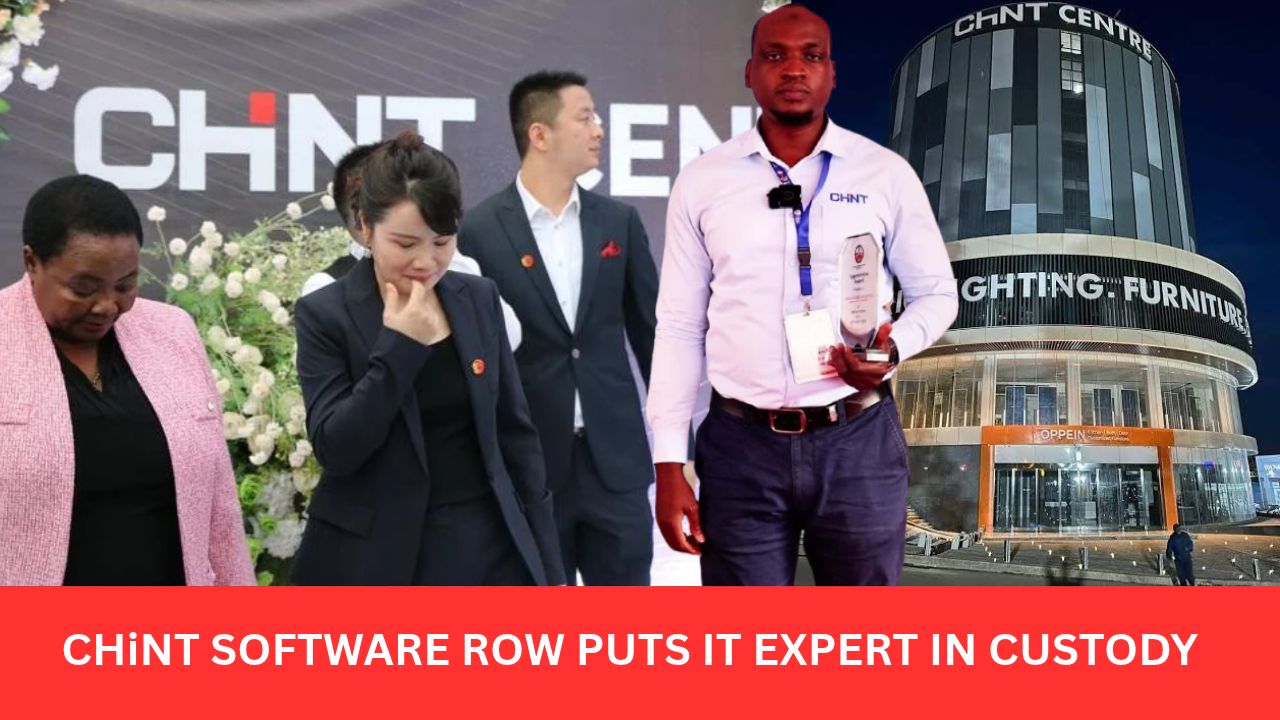 FeaturedOctober 16, 2026SOFTWARE BATTLE ROCKS CHiNT, IT EXPERT ARRESTED: Abdul Ssebiina, Described As A Key Developer Of ChiNT’s Operational Software, Was Reportedly Detained At Jinja Road Police Before Being Transferred To The Special Investigations Unit In Kireka
 FeaturedOctober 12, 2026NAKIVUBO CHANNEL DEMOLITIONS SPARK FRESH LAND GRAB FEARS: How Police Arrested And Prosecuted Four Suspects Over The Razing Of Traders’ Premises. Questions Remain Over Who Ordered The Operation, KCCA’s Denial Of A Demolition Permit And Alleged Encroachment On Public Land
 EntertainmentOctober 12, 2026MISS UGANDA WITH A DREAM OF DIPLOMACY: Newly Crowned Almorie Nagayi Wants To Look Beyond The Runway, With An Interest In Foreign Policy, International Relations And The Empowerment Of Young Women
 EntertainmentOctober 8, 2026KOFI OLOMIDE SHOW CANCELLED OVER EBOLA FEARS: Health Ministry Blocks October 9 Concert Over Fears Thousands Of Fans Could Cross From Ebola-Affected Areas Of DR Congo