






















Police have intensified the enforcement of President Yoweri Museveni’s Executive Order No. 3 of 2023, warning charcoal dealers, transporters and roadside sellers that the illegal production, transportation and commercial sale of charcoal from the affected regions will attract arrest and prosecution.
The renewed crackdown has also opened a fresh debate within government on how to regulate the charcoal business, rather than leaving a trade that employs thousands of Ugandans entirely in the informal sector.
Executive Order No. 3 of 2023, issued on May 19, 2023, banned charcoal burning and commercial trade in Northern and North-eastern Uganda as government sought to halt the rapid destruction of forests and degradation of the environment. The order which then specifically affected West Nile, Northern Uganda, Karamoja and Teso has now been turned national meaning no one in Uganda is allowed to trade in charcoal.
 The latest enforcement campaign has been coordinated by the Uganda Police Force, Uganda People’s Defence Forces (UPDF) and the National Forestry Authority (NFA).
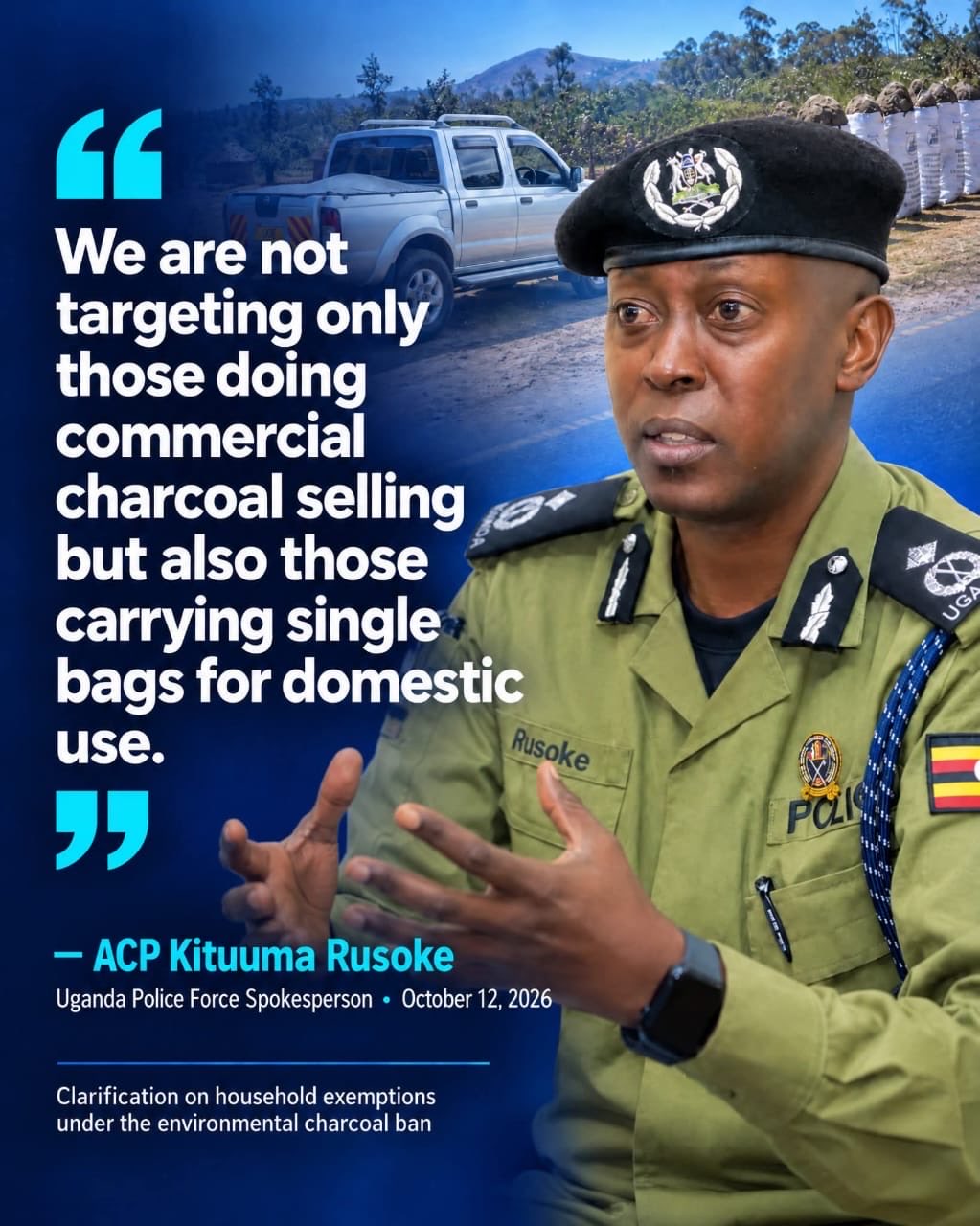
Police spokesperson Kituuma Rusoke said the operation is not merely targeting large-scale dealers, but the entire chain, including producers, transporters, roadside vendors and even motorists carrying charcoal into Kampala.
“The executive order remains in force,” Rusoke said, warning people involved in prohibited charcoal activities to stop.
He said motorists should not assume that carrying a small quantity for household consumption would shield them from enforcement.
Police recently recovered 275 bags of charcoal in Amuru and Pakwach districts, arresting two suspects. In Amuru, 260 bags were recovered, including 26 bags found in a vehicle in Pabbo Town Council. Another 15 bags were seized along the Pakwach-Nebbi road. Uganda Police Force
Rusoke has also warned roadside dealers, saying police are targeting people who display bags of charcoal for sale along highways.
“We discourage motorists returning to Kampala from carrying charcoal in their vehicles, including even a single bag,” Rusoke said.
Government eyes formal charcoal market
But while security agencies intensify enforcement, sources familiar with discussions within government say authorities are considering a new approach that could eventually bring the charcoal business under a more organised regulatory framework.
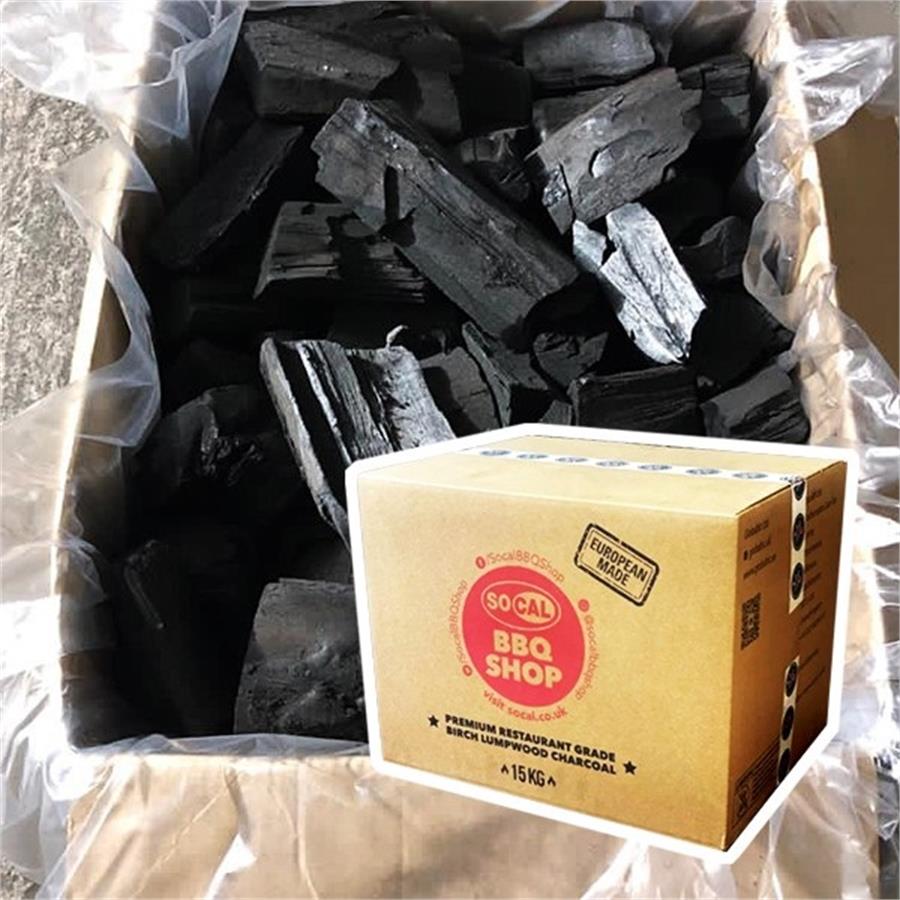
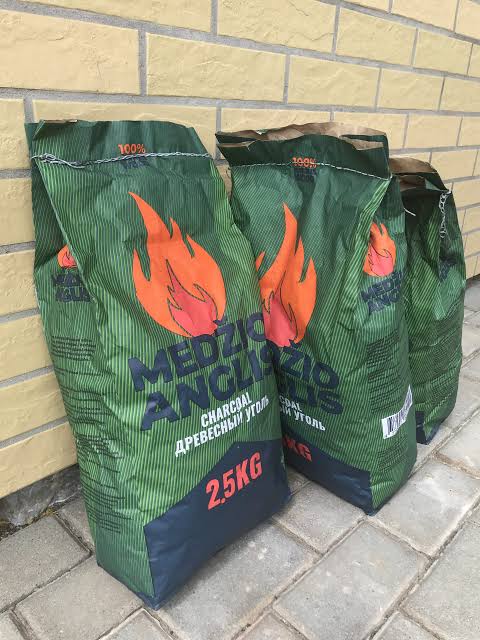
The proposed system would require people dealing in charcoal to obtain permits and sell the product in standardised quantities and packaging.
A source familiar with the discussions said the objective is to bring order to a trade that has for years operated largely outside formal regulation while ensuring that government and consumers obtain better value.
“The authority is trying to regularise the business for value for money. I am very sure if you walked into your favourite supermarket, say Capital Shoppers, you will find charcoal bags ranging in kilogrammes,” the source said.
“You will require a permit to deal in the charcoal business, which is going to be highly organised. For example, government wants all those dealing in the business to do it smartly, package it well in measured containers in kilogrammes,” the source added.
The proposal would represent a major departure from the current charcoal market, where consumers buy the commodity according to their immediate needs and ability to pay.
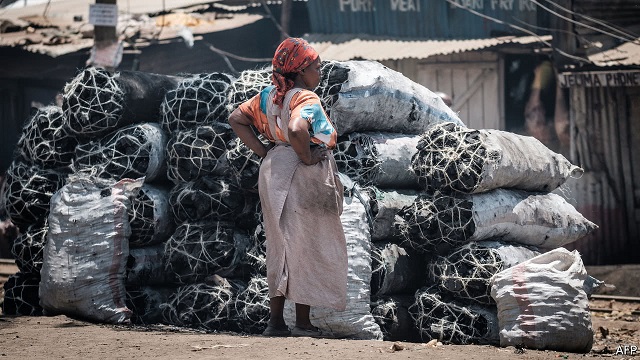
At many roadside markets, charcoal is packed in ordinary polythene bags and sold for anything from Shs1,000 to Shs100,000, depending on the size of the bag.
Other sellers use tins, basins and other locally available containers, with prices generally ranging between Shs3,000 and Shs20,000.
Under the proposed system, sellers would be expected to sell charcoal in clearly measured and labelled quantities, making it easier for consumers to know exactly what they are buying and potentially enabling authorities to track the movement of the product.

Forest destruction drives crackdown
The push to regulate the sector comes against the background of growing concern over Uganda’s shrinking forest cover.
Environmental authorities have repeatedly warned that charcoal production is one of the major drivers of forest degradation, particularly where trees are cut without replacement and production is carried out without regard to sustainable forestry practices.
The presidential order was largely prompted by the destruction of forests in northern and north-eastern Uganda, where large areas were being cleared to supply charcoal to urban centres.
For years, trucks and other vehicles have transported charcoal from northern Uganda towards Kampala and other major towns, creating a lucrative informal supply chain involving producers, middlemen, transporters, wholesalers and retailers. The ban was intended to break that chain.
However, enforcement has proved difficult because charcoal remains one of the most affordable cooking fuels for many households, particularly low-income families.
 Ugandans who depend on charcoal for cooking say the government must be careful not to criminalise consumers who have few affordable alternatives.
A Kampala resident who buys charcoal regularly said the government should address the supply chain rather than simply arresting small retailers.
“Many families still depend on charcoal because electricity and other cooking fuels are expensive. If government wants to stop charcoal, it must first give people affordable alternatives,” he said.
Another consumer said standard packaging could help consumers.
“If they sell it according to kilograms, at least you know what you are paying for. Today one seller can give you a small bag and another gives you a bigger bag for the same money,” she said.
A charcoal trader in the city, however, fears that stricter regulation could push small dealers out of business.
“We survive on selling charcoal. If we are required to get expensive permits and rent formal premises, many of us will not manage,” the trader said.
Formalisation could change the trade
The proposed regulation would effectively transform charcoal from a largely informal roadside commodity into a formally monitored commercial product.
Such a system could include licensing of producers and traders, identification of approved production areas, standard measurements, taxation and traceability from the source to the final consumer.
Uganda already has systems for formalising businesses through registration, tax identification numbers and trading licences.
Charcoal is also already treated as a restricted commodity for certain trade purposes. The Ministry of Trade, Industry and Cooperatives lists wood and wood charcoal among products requiring regulatory control for external trade.
The challenge, however, will be ensuring that formalisation does not become a loophole for continued destruction of forests.
Environmental campaigners argue that issuing permits without controlling where trees are cut could simply legitimise environmental degradation.
They want any future charcoal licensing system to be linked to sustainable production, including approved tree plantations, replanting requirements and strict monitoring of production zones.
Police enforcement continues
For now, Police say the presidential order remains operational and security agencies will continue enforcing it.
The Uganda Police Force said the October operations were specifically aimed at charcoal burning and trade in West Nile, Northern Uganda, Karamoja and Teso. It also warned roadside sellers and transporters that the enforcement would continue. Uganda Police Force
The immediate message from security agencies is therefore clear: charcoal originating from the areas covered by the executive order cannot be freely transported and traded.
But the emerging discussion on formalisation suggests that government may eventually seek a balance between environmental protection, consumer demand and the livelihoods of people dependent on the charcoal economy.
For millions of Ugandans who still cook with charcoal, the coming changes could mean that the days of buying an unmeasured polythene bag from a roadside seller are numbered.
If the proposed system is adopted, charcoal could instead appear on shelves and stalls like any other regulated commodity — weighed, packaged, labelled, priced and traceable.
The bigger question will be whether such regulation can protect Uganda’s forests while allowing legitimate businesses and consumers access to an affordable source of energy.
Author Profile

- Charles Gazza Kodili is a seasoned journalist with over 20 years of experience in the media industry. He holds a Bachelor of Arts degree in Mass Communication. He’s currently the Chief Editor at the Investigator.
Charles can also be reached via; Tel: +256 774 108978
Email: [email protected]
Latest entries
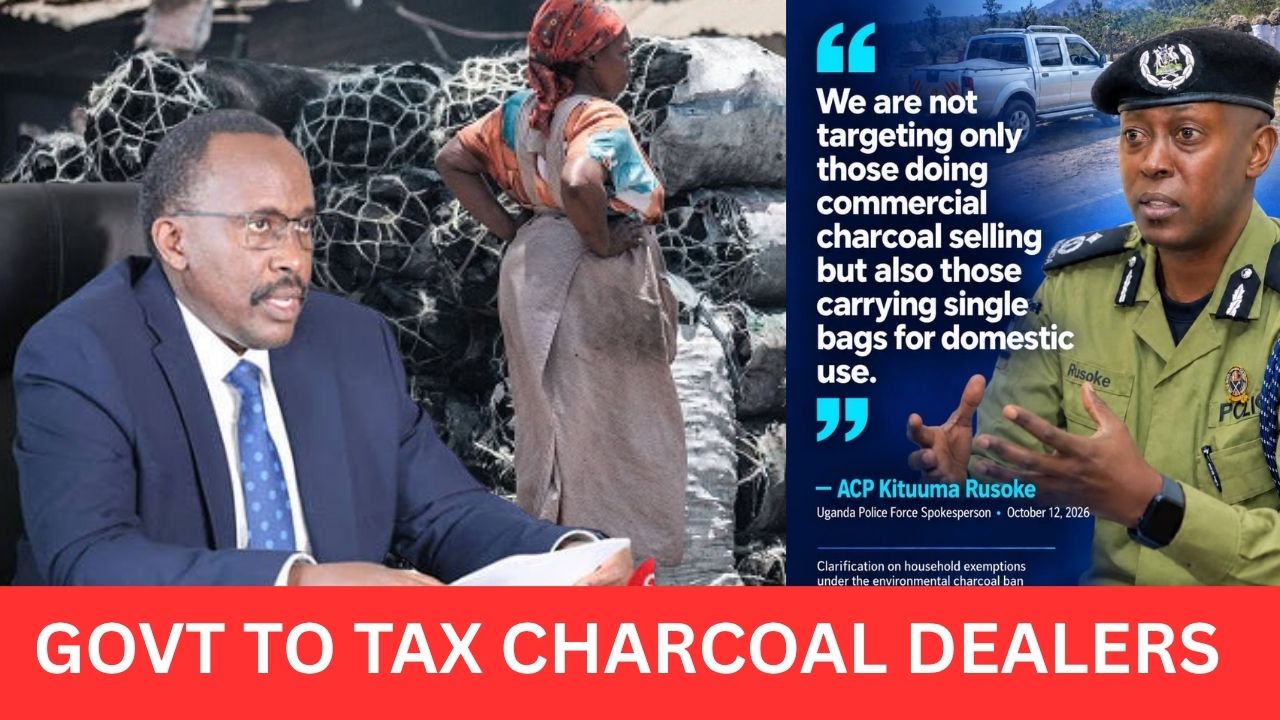 FeaturedOctober 14, 2026GOVERNMENT TO CASH IN ON CHARCOAL TRADE: Government Plans To Formalise The Charcoal Business Through Trade Licences, Taxation And Strict Monitoring Of Producers And Dealers
 FeaturedOctober 13, 2026‘PRODUCE SAM MUGUMYA NOW’ — SSENYONYI: LoP Tells Parliament Families Of Missing Ugandans Deserve Answers, Freedom And Justice As He Challenges Government Over The Opposition Activist’s Fate
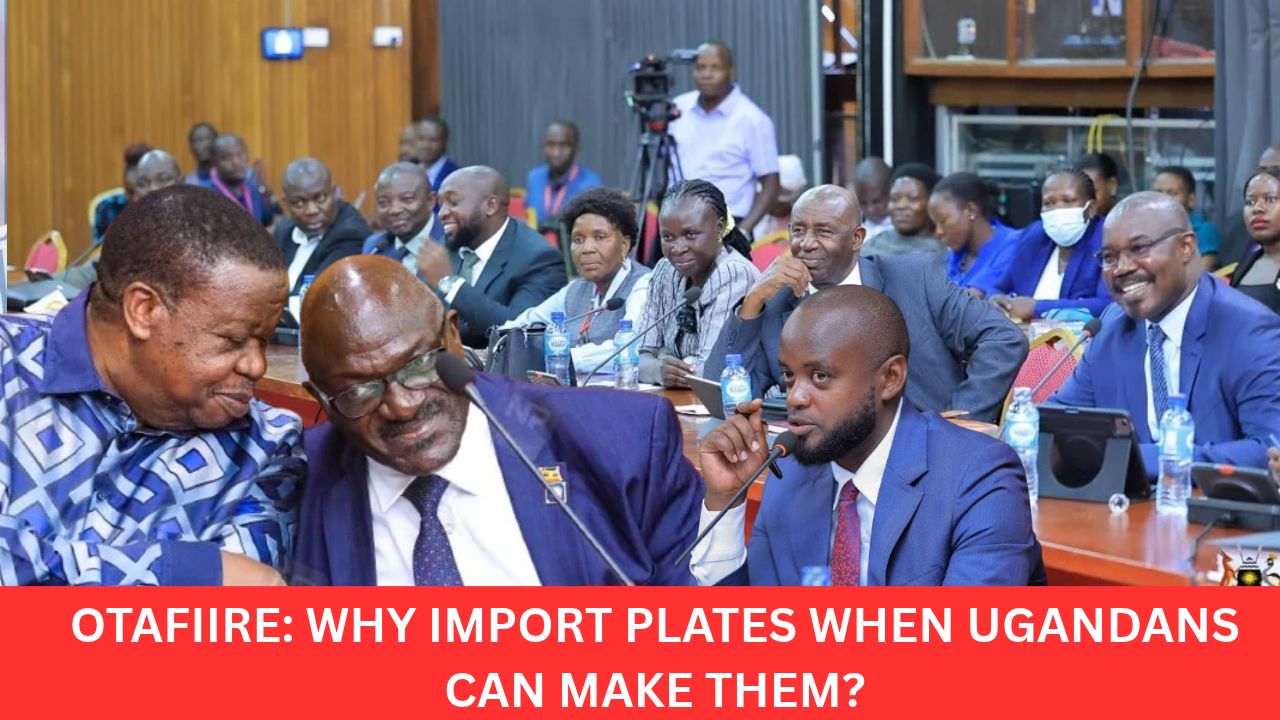 FeaturedOctober 13, 2026‘IT WAS USELESS!’ OTAFIIRE CHALLENGES VEHICLE TRACKING SYSTEM: The Former Internal Affairs Minister Maj Gen (Rtd) Otafiire Tells Mps That A Test Raised Doubts About Tracking Vehicles After Their Number Plates Were Removed, Contradicting The Confidence Placed In ITMS
 FeaturedOctober 13, 2026FROM PRESIDENT TO REBEL LEADER: Why Former DRC president Joseph Kabila Has Taken Leadership Of New Political-Military Alliance As Rebellion Deepens In The Mineral-Rich East