









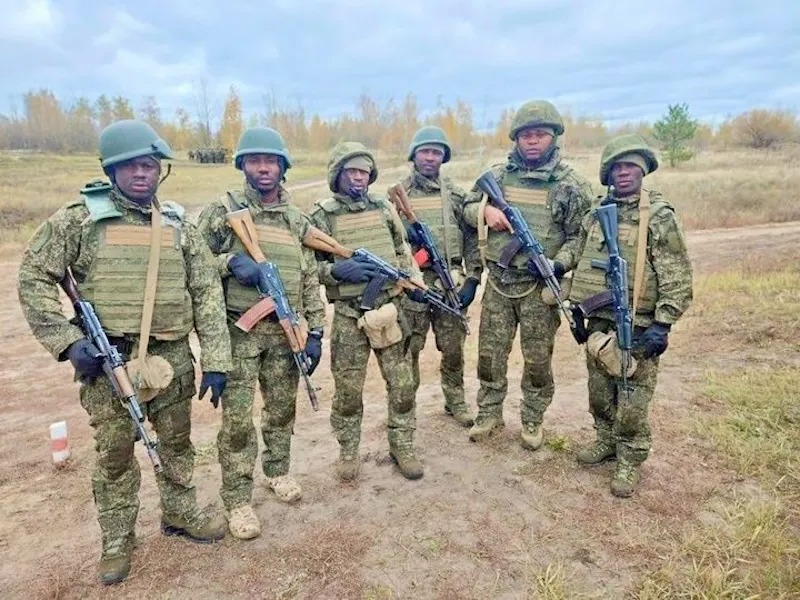
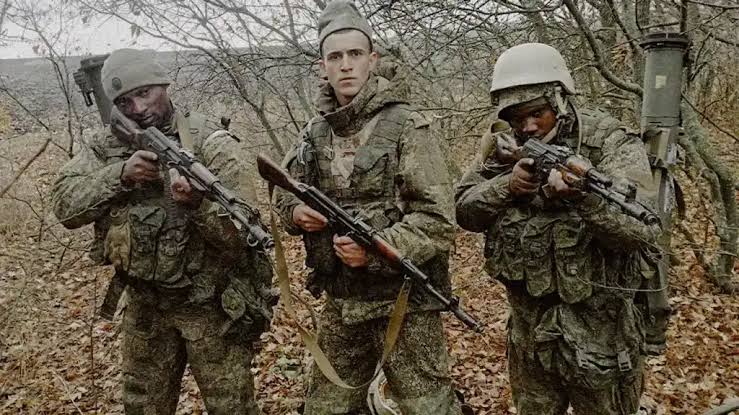
At least 11 Ugandans recruited into Russia’s military have been confirmed dead in the war against Ukraine, while another 16 are missing and feared dead, according to official diplomatic correspondence obtained by The Investigator. The grim figures offer the clearest indication yet of the human cost being paid by Ugandans who travelled to Russia after, in several cases, being promised civilian jobs.
The 27 Ugandans are part of a group whose fate the Ugandan government has been trying to establish after families raised alarm over relatives who left the country for Russia and subsequently disappeared. A letter dated October 17, 2026, written by Uganda’s Ambassador to Russia, Moses Kizige, to the Permanent Secretary of the Ministry of Foreign Affairs, Vincent Bagiire, provides details obtained from Russian authorities. The correspondence says Russia has confirmed the deaths of 11 Ugandans, listed 16 others as missing, and identified five who are still serving in its military.
 One other Ugandan, Robert Tumwebaze, was reportedly discharged from the Russian armed forces but subsequently disappeared after being transferred from a military hospital. The embassy warns that the 16 missing Ugandans are effectively presumed dead because their whereabouts are unknown, their bodies have not been recovered and they have not been identified as prisoners of war.
“It is important to note that the persons listed in this category are effectively dead, but their bodies could not be located anywhere. They are also not known to be prisoners of war,” the embassy letter states. The disclosure raises fresh questions about how Ugandan citizens are being recruited into Russia’s war effort and whether some were deliberately deceived into signing up for military service. It also places pressure on the Ugandan government to explain what measures it took to protect citizens after allegations emerged that recruiters were offering civilian employment before sending recruits to military camps.
The 11 Ugandans Confirmed Dead
Russian authorities have confirmed the deaths of the following Ugandans:
Ronald Bugiri
John Male
Francis Ngabirano
Innocent Agaba
Levi Kasule
Bigirwa Mugisa
Richard Twine
Junior Moses Mawejje
Pius Byamugisha
David Buyondo
Godfrey Kamugira
The diplomatic correspondence does not state when or where each individual died. It is also unclear whether their remains have been recovered, identified or handed over to their families.
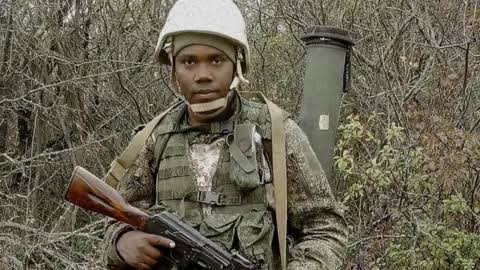 That uncertainty is likely to deepen the anguish of relatives who have spent months trying to establish whether their loved ones are alive. For families, confirmation of death is only the beginning of another struggle: establishing where their relatives died, recovering their remains and determining who bears responsibility for their recruitment and deployment.
16 missing and presumed dead
Another 16 Ugandans remain unaccounted for.
They are:
Maxima Tindyebwa
Darius Twebaze
Alex Katurebe
Miro Mukasa
Eric Kwesiga
Kosiaa Kusima
Johnson Kakuru
Edwin Musasizi
Vicent Musisi
Nelson Mugyenyi
Alex Akanshabira
David Kiwanuka Ssekisibo
Henry Rwakiziri Bamutina
Stephen Muhame
William Kyoffa
Nelson Lukwita
According to the Ugandan embassy, Russian authorities have not located their bodies and have not listed them as prisoners of war. The embassy therefore considers them effectively dead. The distinction between “missing” and “dead” is, however, significant for the families because it leaves unanswered questions about what happened to their relatives and where their remains may be. Among those listed is William Kyoffa, whose disappearance had already triggered an appeal by his family to the Ugandan government.
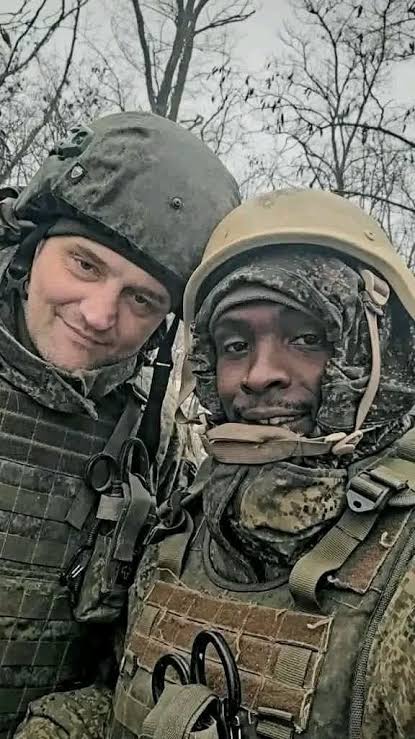
Kyoffa reportedly travelled to Russia towards the end of 2025 after being promised employment. His wife, Jennifer Namuli, later appealed to the Ministry of Foreign Affairs for help in tracing him. His last known communication with his family was reportedly on February 4, 2026.
He told them that he had been issued a firearm and was being taken towards the frontline in the Donbas region. The communication then stopped. For his family, what began as a search for a missing husband has now become a search for confirmation of death and, potentially, his remains.
From Promised Jobs to the Battlefield
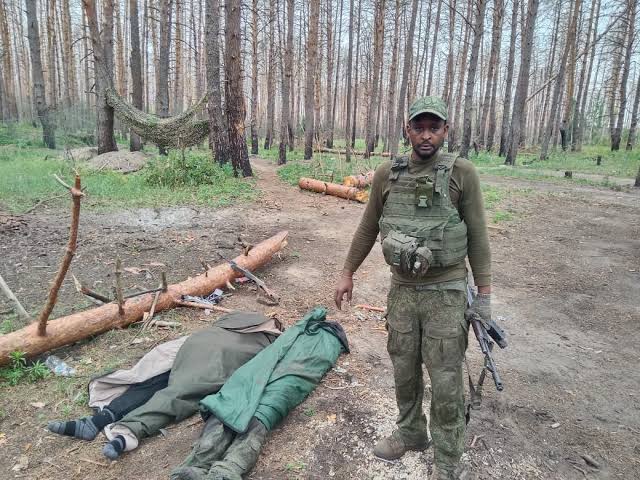 The cases point to a recruitment pattern that has been repeatedly described by relatives of Ugandans who travelled to Russia. Families say their relatives were promised civilian jobs, including positions as security guards, drivers and other workers, with attractive salaries. Instead, some discovered after reaching Russia that they were expected to sign military contracts, undergo training and eventually deploy to the war in Ukraine.
Elizabeth Tabamubi, whose husband Byamugisha travelled to Russia in December 2025, previously told The Observer that he had been promised a job as a security guard. She said a Russian recruiter identified as Dimitry had offered driving and security jobs to her husband and about 30 other Ugandans. The promise of employment, she said, changed after the recruits arrived. Her husband reportedly contacted her to say that he and others had been taken to a military camp. They were subsequently deployed to the battlefield.
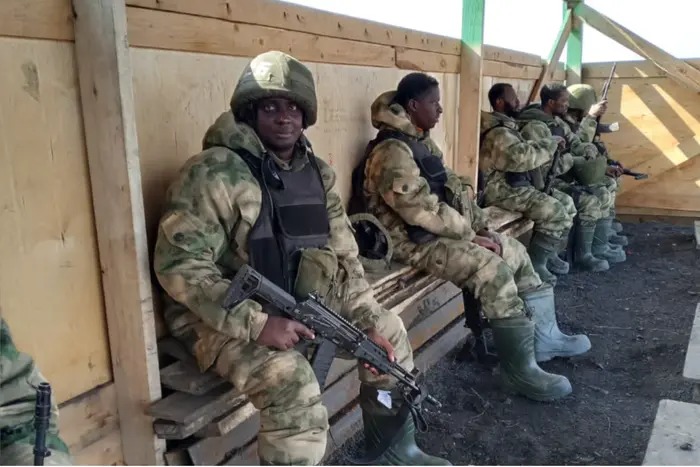 The allegations raise a disturbing question: how many Ugandans travelled to Russia believing they were going to work, only to find themselves enrolled in a foreign military and sent into one of the world’s most dangerous battlefields?
Families have also reported receiving photographs of dead relatives through social media rather than through formal communication from Russian or Ugandan authorities. Some relatives have further complained that promised salaries and benefits did not reach them.
Russia confirms the deaths
The latest information followed a diplomatic inquiry initiated by Ambassador Kizige after Ugandan families began demanding government intervention. In August, Kizige reportedly received several telephone calls from Innocent Kato, who was coordinating families seeking information about missing Ugandans.
Kato provided passport details of some of the missing citizens. The ambassador then verified the identities through Uganda’s Directorate of Citizenship and Immigration Control. On August 19, the Ugandan embassy contacted Russia’s Ministry of Foreign Affairs seeking information about the citizens.
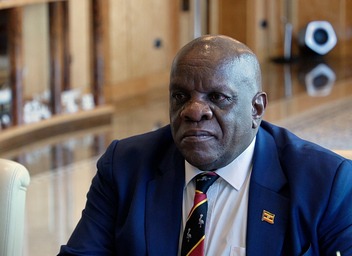
Russia responded on October 8, providing information on Ugandans confirmed dead, those missing, those still serving and one person who had been discharged. Ambassador Kizige subsequently forwarded the information to Kampala. The embassy also urged the government to communicate the findings to affected families.
Five Ugandans still in Russia’s military
The Russian authorities also identified five Ugandans who remain in military service.
They are:
Rogers Mwebaze
Evarist Barigye
Honest Mugabi
Eric Kisakye
Ronald Samula Tenywa
The diplomatic communication indicates that the five are expected to leave military service when their contracts expire. Their continued presence in the Russian military means that, despite the deaths already confirmed, Ugandans remain exposed to the fighting.
The Man who Disappeared from Hospital
The case of Robert Tumwebaze presents another troubling element. Tumwebaze was reportedly discharged from the Russian armed forces but disappeared after being transferred from a military hospital in Nizhny Novgorod.
His whereabouts had not been established by the time of the embassy’s October 17 communication. His case illustrates the difficulty Ugandan authorities face in tracking citizens who enter Russia through private recruitment arrangements and subsequently become part of the military system.
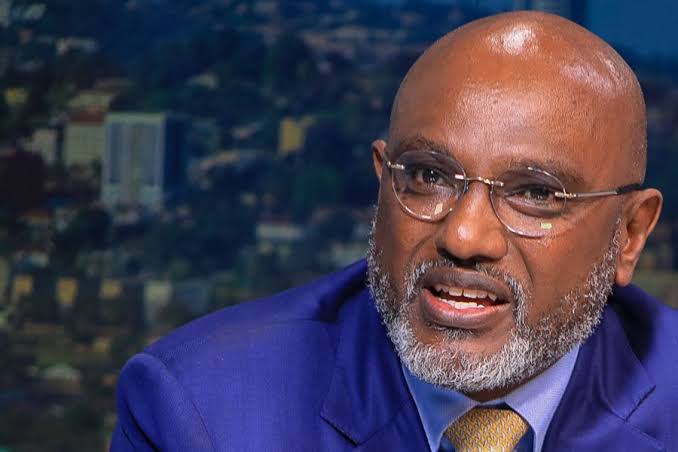 Government under pressure
The Ugandan government initially appeared cautious about assuming responsibility for citizens who died while fighting abroad. In February 2026, State Minister for Foreign Affairs Henry Okello Oryem said Uganda did not have the financial capacity to repatriate the bodies of citizens who die abroad.
“The government of Uganda does not have the capacity to repatriate the bodies of Ugandans who lose their lives abroad. That is why we advise Ugandans travelling abroad to go through official channels,” Oryem said. His comments followed reports of the death of Edson Kamwesigye, another Ugandan reportedly killed while fighting for Russian forces in Ukraine. Kamwesigye’s family had sought government assistance to recover his body.
Earlier reports had also named Michael Atuhaire and Ashiraf Damulira among Ugandans killed while serving in Russian forces. Their deaths featured in a February 2026 investigation into the recruitment of African nationals into Russia’s war effort. As more families came forward, the government was forced to deepen its diplomatic inquiries.
On July 23, 2026, Foreign Affairs Permanent Secretary Vincent Bagiire directed Ambassador Kizige to investigate allegations that Ugandans had been trafficked to Russia and subsequently deployed to the battlefield. The October diplomatic correspondence appears to be one of the most concrete outcomes of that inquiry.
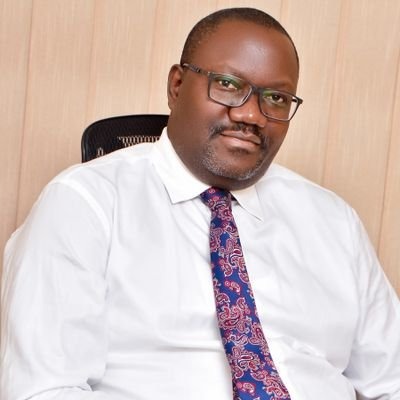
A trail of unanswered questions
The confirmation of 11 deaths and 16 presumed deaths leaves several questions unanswered. Who recruited the Ugandans? Were they knowingly signing military contracts, or were they deceived by promises of civilian employment? How many Ugandans have been recruited into Russia’s military? How much were they promised in salaries and benefits? Were recruitment agents operating in Uganda legally?
And if Ugandans were trafficked or deceived into military service, what action has been taken against the individuals involved? There is also the question of accountability for the dead. Kato, who has been coordinating efforts by families to trace their relatives, has demanded that Russia account for the Ugandans recruited into its military.
 “For those who died, there should be accountability. Russia should account for these people. They were serving under Russia, and it should account for them,” he said. The October diplomatic correspondence provides families with something they have been seeking for months: official confirmation that many of their relatives did not simply disappear.
But for the 11 families of those confirmed dead, and the 16 families whose relatives are presumed dead, the government must now answer a more difficult question. What happened to their loved ones after they were recruited, and who will bring them home?
The fate of the Ugandans also exposes the risks faced by job-seekers who leave the country through informal recruitment networks, particularly when lucrative employment promises are made in countries involved in active conflicts.
For the families waiting for answers, the Russian battlefield is no longer a distant war. It has become the place where their sons, husbands and relatives disappeared — and, in at least 11 cases, where Ugandan citizens lost their lives.
Author Profile
- Charles Gazza Kodili is a seasoned journalist with over 20 years of experience in the media industry. He holds a Bachelor of Arts degree in Mass Communication. He’s currently the Chief Editor at the Investigator.
Charles can also be reached via; Tel: +256 774 108978
Email: [email protected]
Latest entries
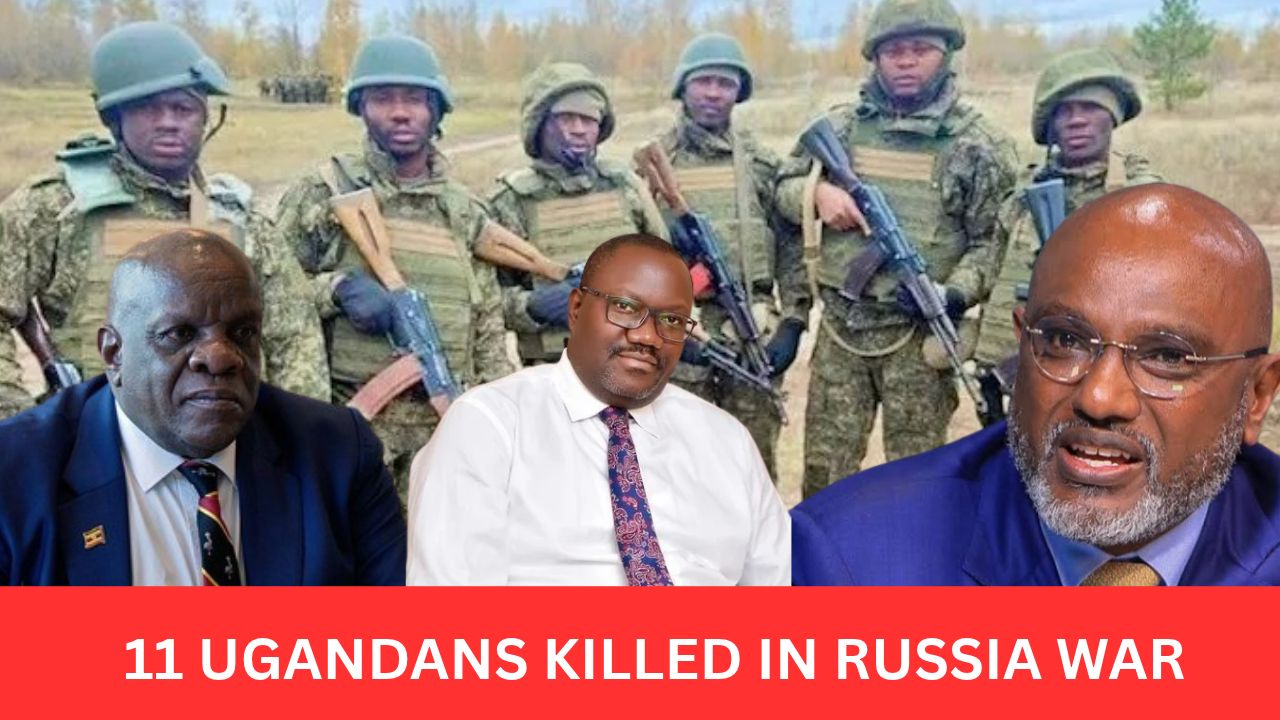 FeaturedOctober 27, 2026SAD AS RUSSIA WAR CLAIMS 11 UGANDAN LIVES: A Diplomatic Letter Reveals the Fate of Ugandans Unwillingly Recruited into the Russian Military, With Another 16 Missing And Five Still Serving! Families Struggle to Trace Their Loved Ones
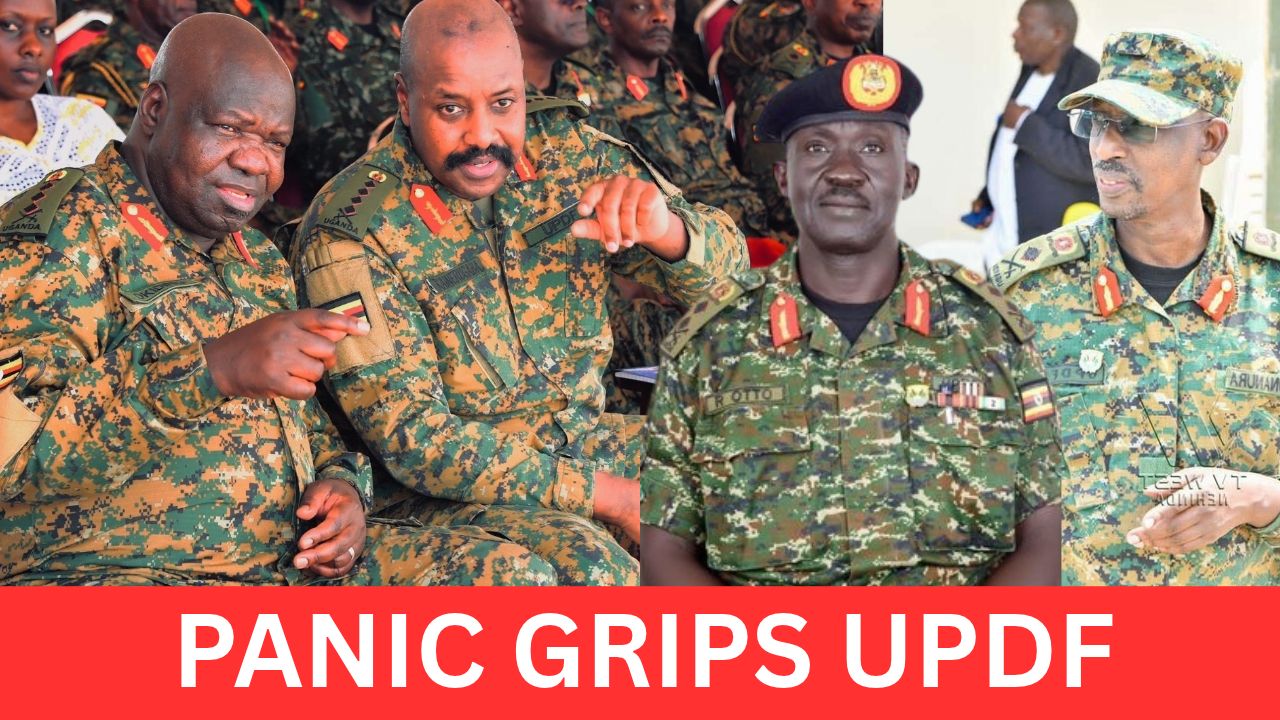 FeaturedOctober 27, 2026INTO WHY MK FIRED GEN. OTTO: Did The Reported Interrogation of UPDF Officers Over Elwelu Play Any Role in Otto’s Exit? The Official Statement Offers No Explanation, Leaving Questions Over The Timing
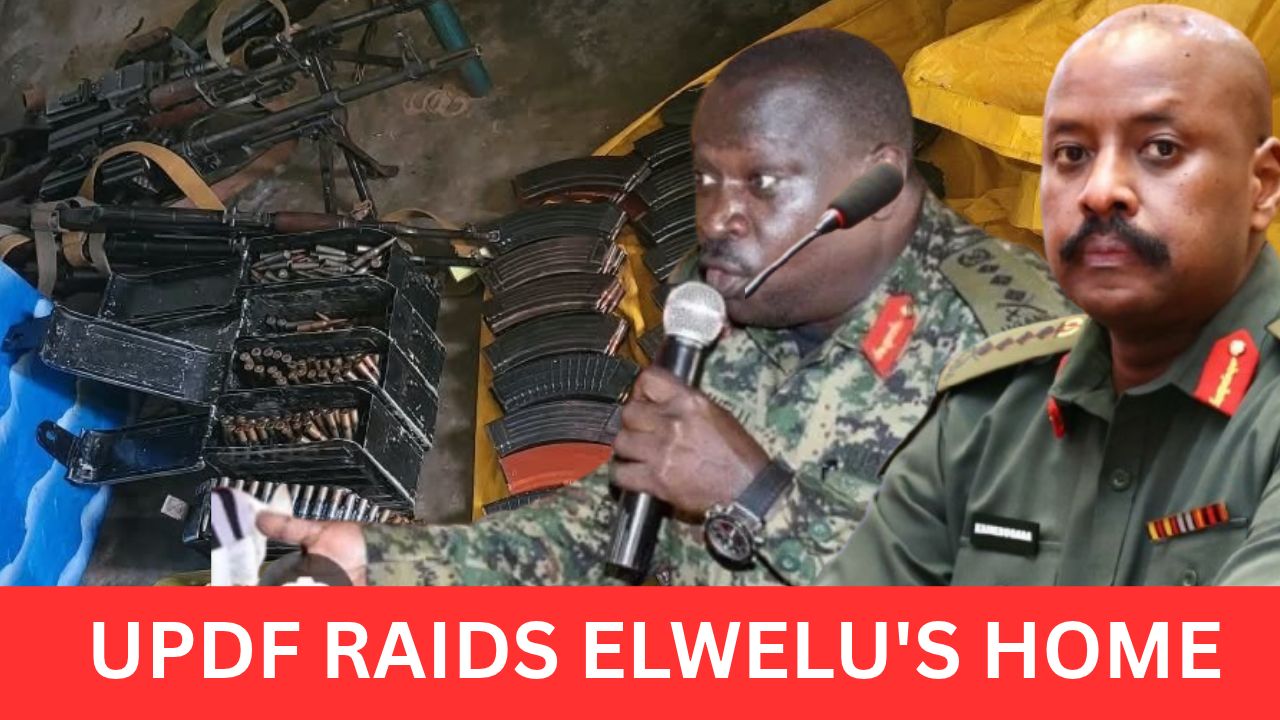 FeaturedOctober 27, 2026HOW ELWELU’S HOME RAID UNEARTHED A CACHE OF GUNS: Gen. Muhoozi Says Special Forces Recovered AK-47s, Sub-Machine Guns And Ammunition From The Retired General’s Home In Teso, Escalating Their Bitter Fallout
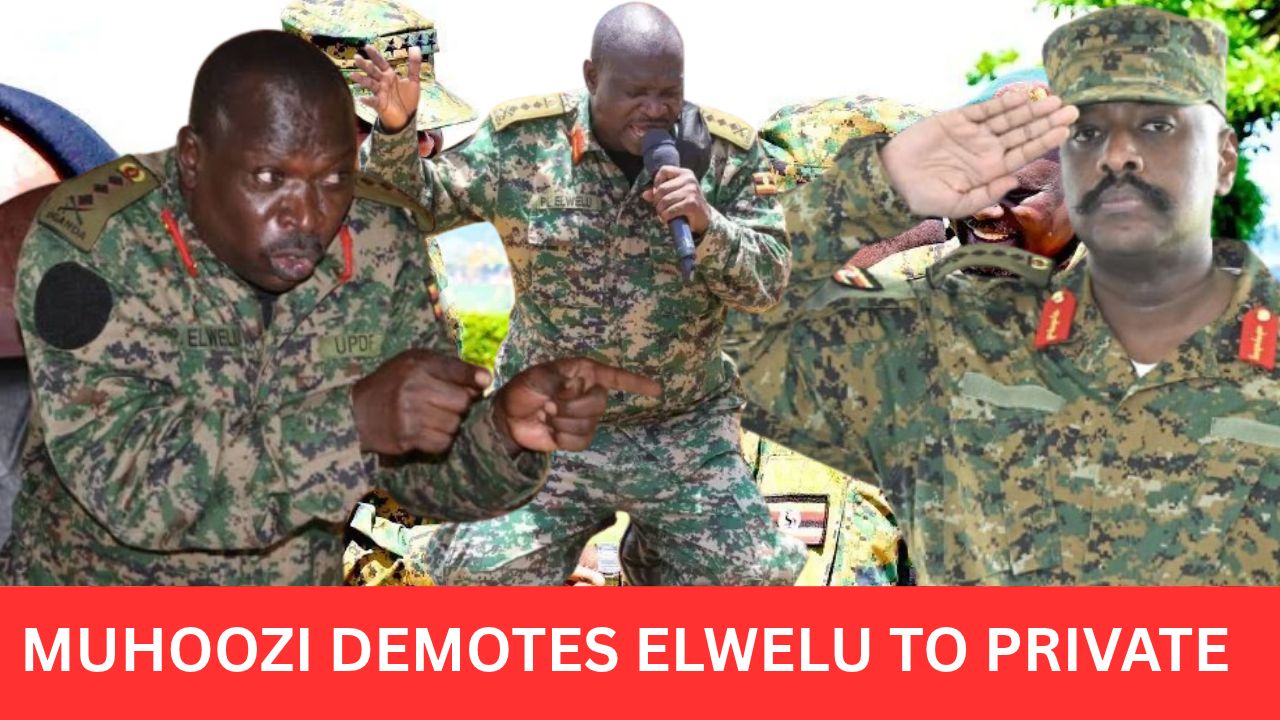 FeaturedOctober 27, 2026GEN. MK `STRIPS` ELWELU OF RANK! THE FALL OF A FORMER ARMY CHIEF: CDF Gen Muhoozi Kainerugaba `Strips` Retired Lt. Gen Peter Elwelu of His Ranks and Brands Him a “Traitor” as More Than 20 of His Former Soldiers Are Arrested