








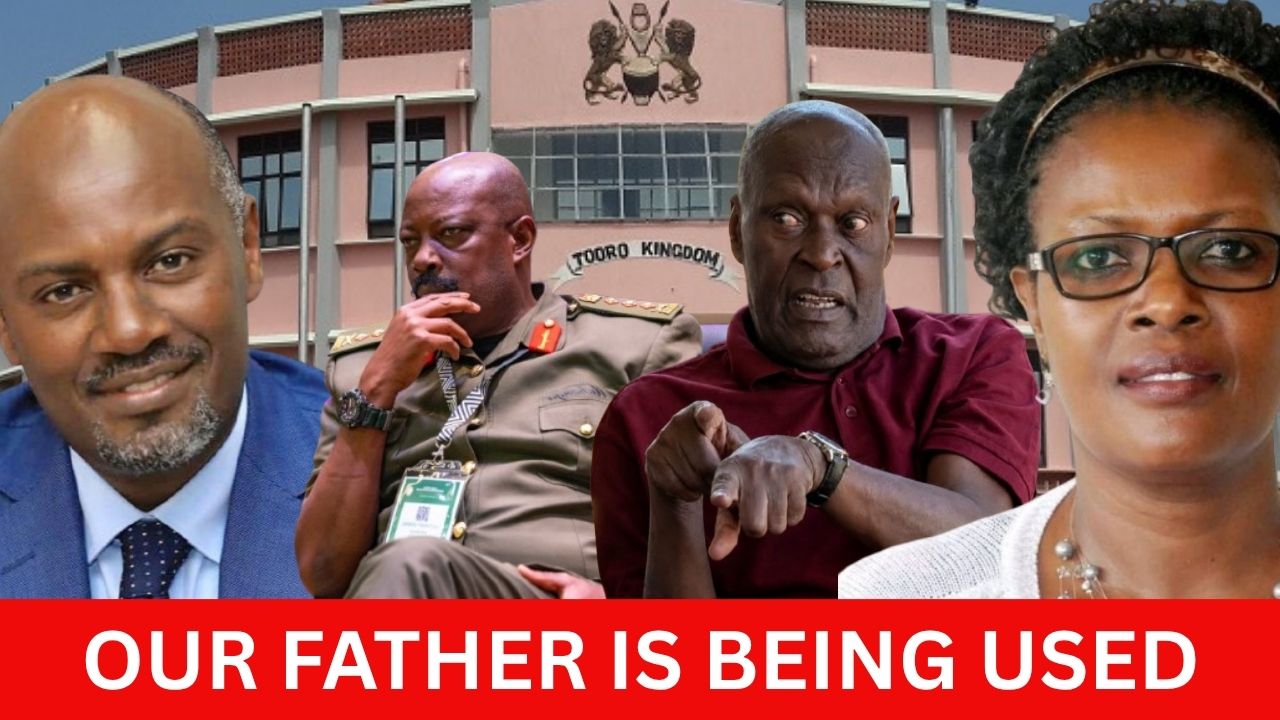



The Uganda People’s Defence Forces (UPDF) has changed the leadership of its military intelligence and security directorate, replacing Major General Richard Otto with Brigadier General Oscar Munanura, who has been promoted to the acting rank of major general.
The announcement, made on Tuesday, by Colonel Chris Magezi, the Acting Director of Defence Public Information, places Otto’s departure from the sensitive intelligence position among the latest developments in a period of upheaval within the military leadership.
Munanura, who previously served as Otto’s deputy, has been appointed Chief of Defence Intelligence and Security (CDIS), a position that places him at the centre of the UPDF’s intelligence-gathering, security coordination and counter-intelligence responsibilities. Otto, the outgoing intelligence chief, has been seconded to the Joint Staff Human Resource Management for redeployment, according to the official statement.
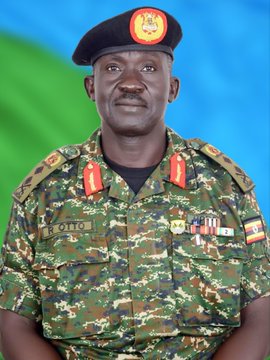
Although the UPDF described the change as a routine leadership transition and commended Otto for his service, the timing is likely to attract attention because it comes against the background of the dramatic demotion of Lieutenant General (Rtd) Peter Elwelu and reports of interrogations involving military personnel over the former general’s affairs.
The military has not officially linked Otto’s reassignment to the Elwelu controversy, and no evidence has been publicly presented establishing that the intelligence chief is under investigation or that he committed any wrongdoing. Nevertheless, the change raises questions about the future of the military’s intelligence leadership as the institution deals with developments involving one of its formerly senior commanders.
Otto’s exit amid Elwelu controversy
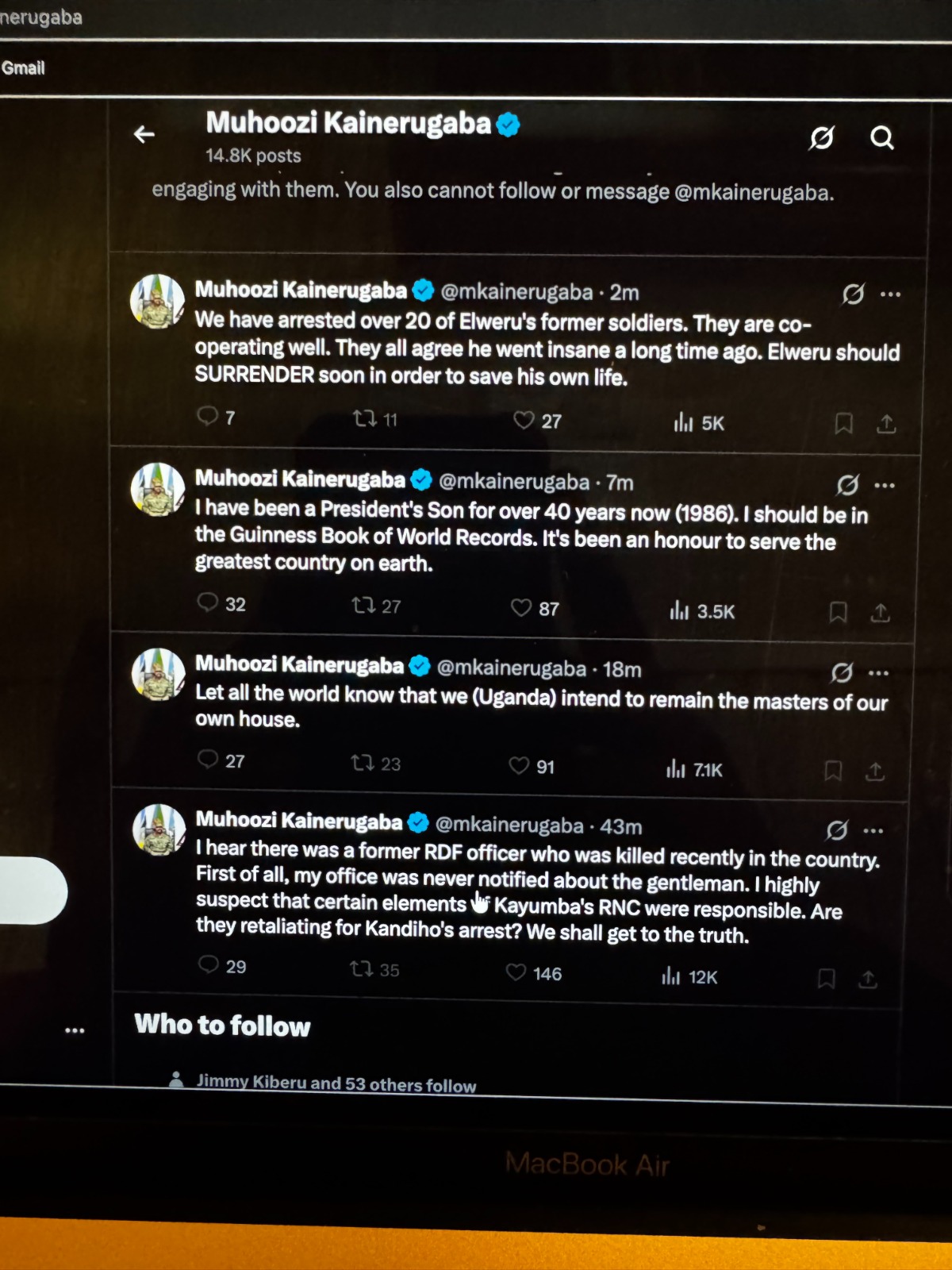
Otto’s departure comes at a particularly sensitive moment for the UPDF following the announcement that Elwelu, a retired lieutenant general, had been stripped of his rank and reduced to private, the lowest rank in the army’s formal hierarchy.
The action against Elwelu, announced by Chief of Defence Forces General Muhoozi Kainerugaba, was followed by reports of a security operation at the former general’s home, where a cache of weapons and ammunition, including AK-47 rifles and submachine guns, was reportedly recovered. The reported recovery of the weapons has added another dimension to the questions surrounding Elwelu, his military career and the circumstances leading to his demotion.
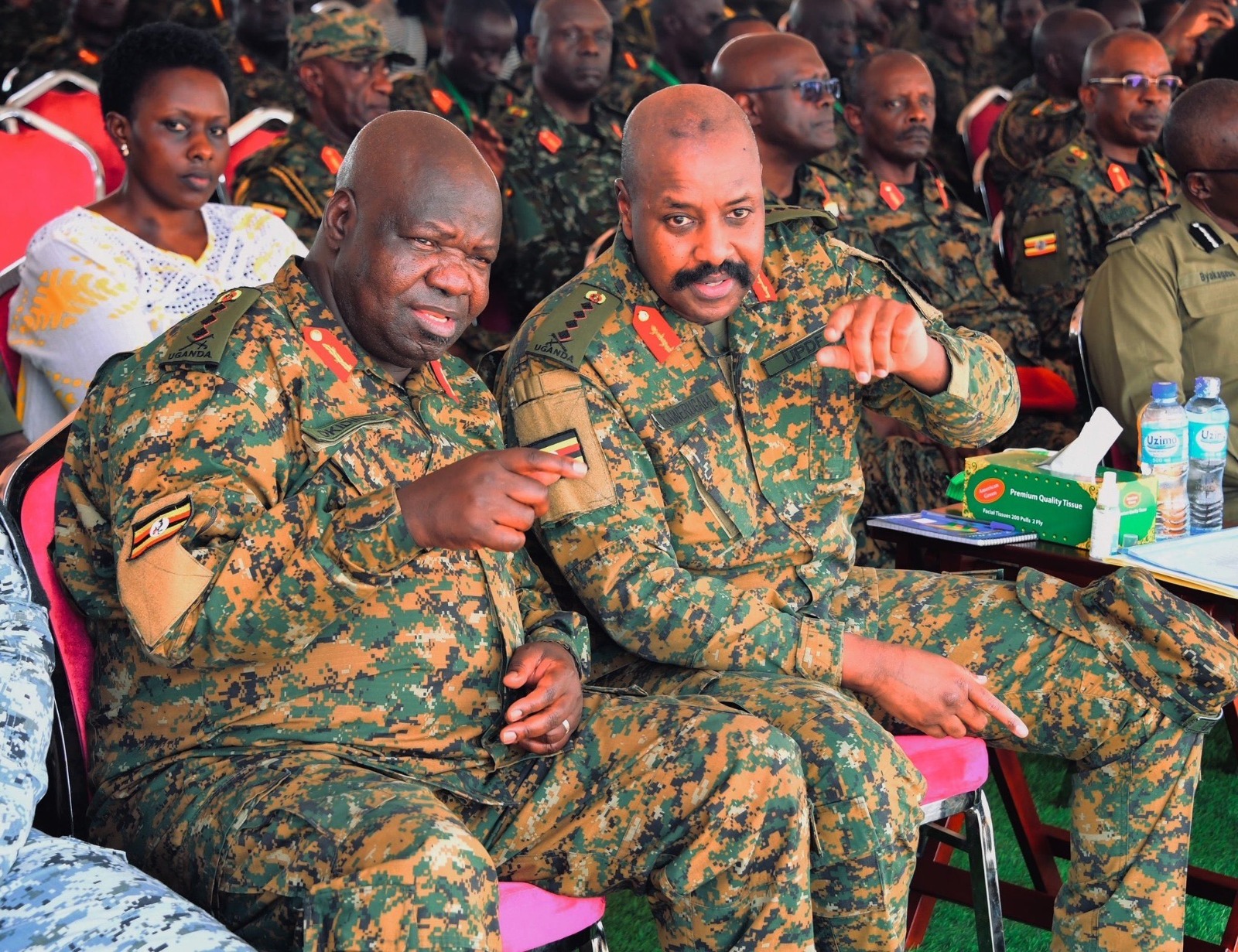 However, the circumstances under which the weapons were allegedly found, their ownership and whether their possession violated any applicable laws or military regulations require clarification from the authorities. The developments have also generated interest in the former commander’s relationships within the military establishment, including his reported friendship with Otto.
Sources and reports circulating around the developments have suggested that about 20 UPDF personnel have been interrogated in connection with matters surrounding Elwelu. Otto has been mentioned in claims that he may be among those questioned.
That allegation, however, has not been independently confirmed in the official statement announcing his replacement. The UPDF has not publicly identified the alleged 20 personnel, explained the scope of the reported interrogations or confirmed that Otto was among those interviewed.
It would therefore be premature to conclude that Otto’s redeployment was punishment for his association with Elwelu or that it constitutes evidence of wrongdoing. What is clear is that the change places the former intelligence chief outside the leadership of the directorate at a time when the military is facing questions over the Elwelu affair.
The distinction between a reassignment and disciplinary action is important. Magezi’s statement does not announce Otto’s arrest, suspension or prosecution. It says he has been seconded to the Joint Staff Human Resource Management for redeployment. The precise duties Otto will assume next have not been disclosed.
A sensitive intelligence office changes hands
The Chief of Defence Intelligence and Security is one of the UPDF’s most sensitive appointments, given the role of military intelligence in identifying security threats, assessing risks to the armed forces and supporting command decisions.
The directorate’s work involves intelligence analysis, military security and counter-intelligence functions. Its leadership is therefore central to the military’s ability to assess internal and external threats while safeguarding operational information.
A change at the top of such a directorate can have consequences beyond the appointment itself, particularly where questions about command relationships, institutional accountability and internal security are attracting public attention.
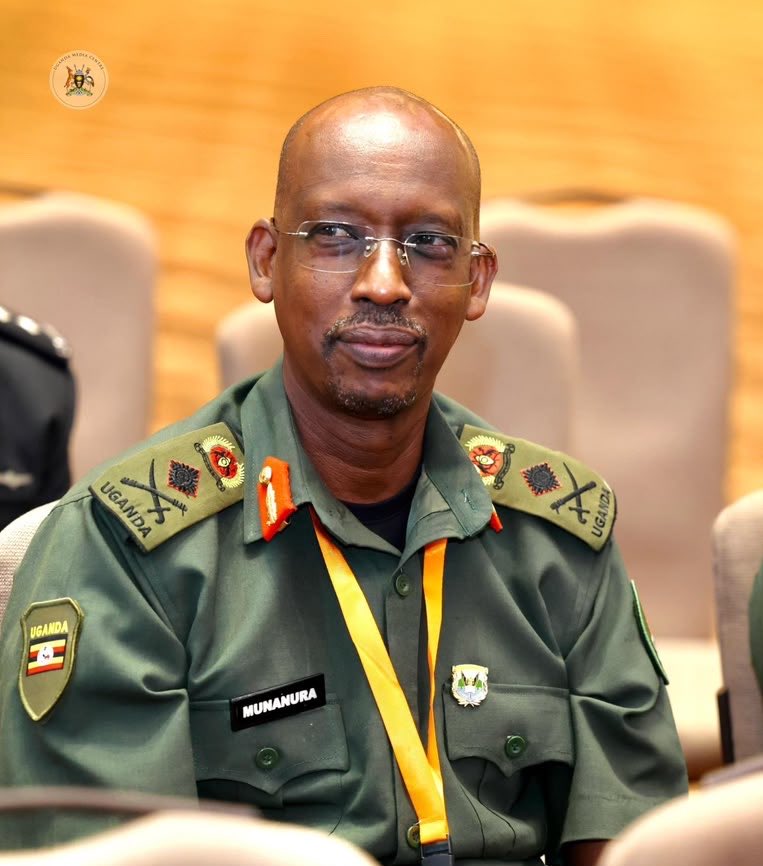 Munanura’s appointment is notable because he is not an outsider brought into the directorate. He was serving as Otto’s deputy, meaning he is expected to assume leadership with prior experience of the institution’s work and operational structures. His promotion to acting major general accompanies his appointment as the new CDIS.
The acting designation indicates that the appointment has been announced at that rank in an acting capacity. The statement does not provide further details on whether or when a substantive confirmation will follow. Magezi’s announcement was framed as a message of continuity, with the UPDF congratulating Munanura and commending Otto for what it described as the great work he had done during his tenure.
The statement did not cite misconduct, operational failure or any specific incident as the reason for Otto’s departure. That omission leaves the public without an official explanation of why the change was made at this particular time, although military transfers and redeployments can occur for a variety of administrative, operational and command-related reasons. The timing alone cannot establish a connection between the reassignment and the Elwelu investigations reportedly under way.
From battlefield commander to intelligence chief
Otto’s military career stretches back four decades, having joined the army in 1986 and risen through the ranks while serving in domestic and regional security operations. His background includes command responsibilities in Uganda’s campaigns against the Lord’s Resistance Army (LRA), deployments in the Central African Republic and Somalia, and leadership of the UPDF’s operations against the Allied Democratic Forces (ADF) in eastern Democratic Republic of Congo.
Before his appointment as intelligence chief in April 2025, Otto commanded the UPDF Mountain Infantry Division, based in Fort Portal, while also serving as commander of Operation Shujaa, the joint Uganda-DR Congo military campaign against the ADF.
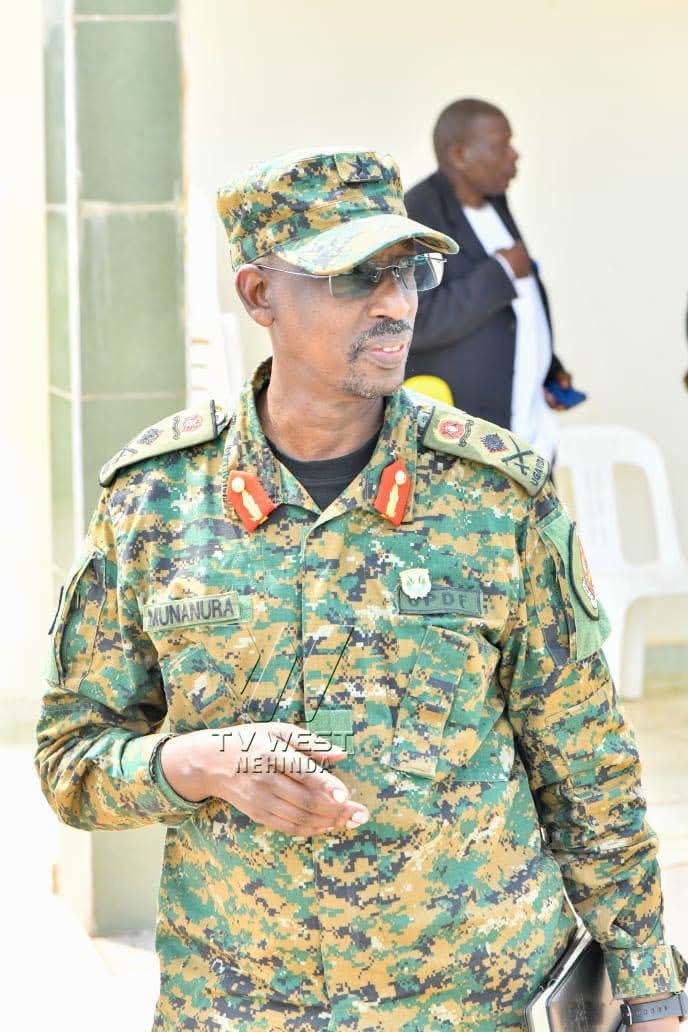 His operational experience made him a significant figure in the military’s regional security engagements. Otto also commanded the UPDF’s Third Infantry Division in Moroto, served as commander of Uganda’s military contingent in the Central African Republic and led Ugandan troops deployed to Somalia under the African Union Mission in Somalia (AMISOM).
His service in the Central African Republic was associated with the regional military effort against the LRA, while his Somalia assignment placed him in charge of Ugandan troops participating in the African Union’s operations in support of the Somali government.
In 2023, President Museveni promoted Otto from brigadier general to major general and appointed him to chair the Security Supervisory Mechanism under the Intergovernmental Authority on Development (IGAD) peace framework in South Sudan. His responsibilities included monitoring implementation of the security provisions of the South Sudan peace agreement.
He subsequently returned to a command role in Uganda before Muhoozi appointed him chief of defence intelligence and security on April 16, 2025, replacing Major General James Birungi. The appointment was announced by Magezi, who said the changes took immediate effect. Birungi was reassigned to command the Mountain Infantry Division, creating a direct exchange of positions between the two senior officers.
Otto formally took over the intelligence office at a ceremony at the Defence Intelligence and Security headquarters in Mbuya later that month. His tenure at the intelligence directorate has therefore lasted approximately 18 months, from April 2025 to October 2026.
What Munanura brings to the office
 Otto’s successor, Munanura, is familiar with the military intelligence establishment, having served as deputy CDIS. His promotion to acting major general and elevation to the top intelligence position suggest that the UPDF intends to maintain continuity within the directorate while changing its leadership.
Munanura has previously held responsibilities connected to counter-intelligence and defence-related work. His military career includes operational and staff assignments, while his background has also included work with Kyoga Dynamics, a subsidiary of the National Enterprise Corporation involved in defence-industrial activities.
His appointment follows earlier changes within the military intelligence structure, including the replacement of Colonel Abdul Rugumayo as deputy chief of military intelligence in March 2026, when Munanura was appointed to the role.
The latest announcement elevates him from deputy to chief, giving him responsibility for the directorate at a time when the military’s internal security arrangements and senior command relationships are under scrutiny.
The intelligence office has an important role in identifying security risks, evaluating information reaching the command and ensuring that military decisions are informed by credible intelligence. It also operates in a sensitive environment in which the distinction between legitimate intelligence work, internal disciplinary investigations and allegations of misconduct is critical. Munanura’s immediate challenge will be to take over Otto’s responsibilities while maintaining the directorate’s operations and addressing any questions arising from the current military developments.
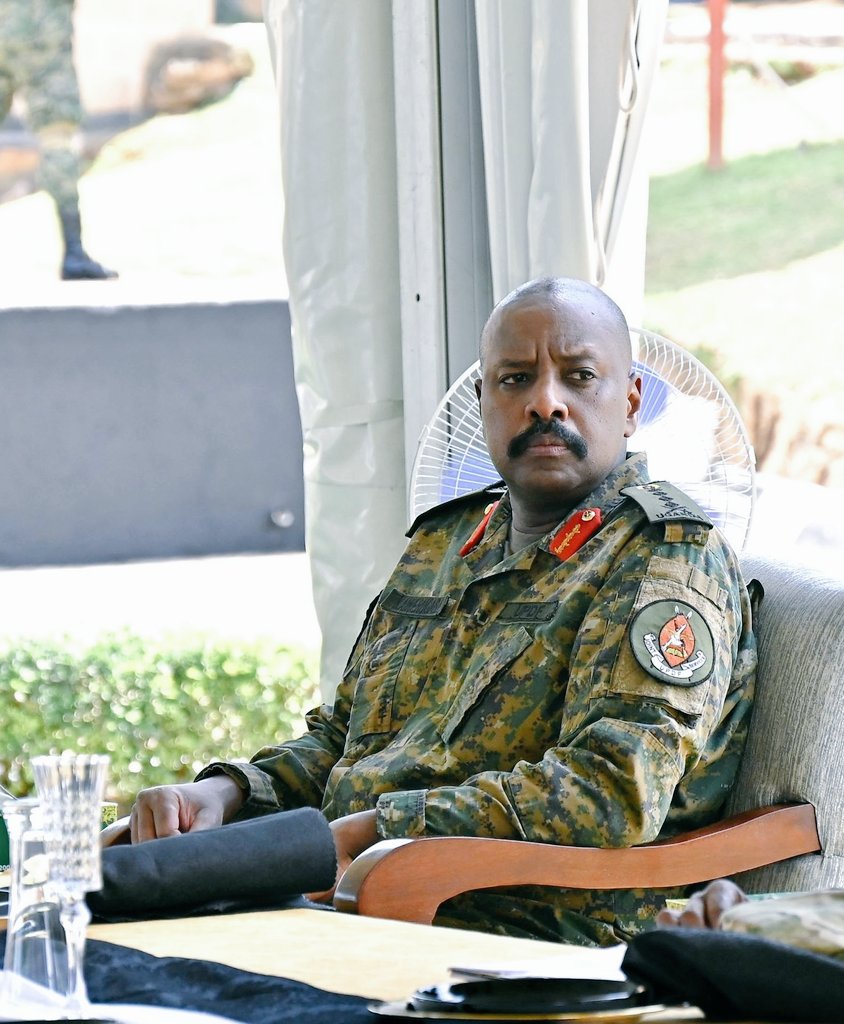 The UPDF statement, however, does not indicate whether Munanura’s appointment is connected to any specific investigation or whether the change is part of a wider review of the intelligence service.
The wider questions facing the UPDF
The leadership change comes amid wider questions about accountability and the handling of sensitive matters within the military. Elwelu’s demotion is particularly significant because of his former position in the UPDF hierarchy and his record as a field commander.
During his military career, Elwelu commanded the Second Infantry Division, whose troops were involved in the December 2016 security operation at the palace of the Rwenzururu king, Charles Wesley Mumbere, in Kasese. The operation resulted in numerous deaths, including members of the royal guards and other people at the palace. Elwelu subsequently became one of the most prominent military figures associated with the operation.
His later rise through the ranks placed him among the army’s senior commanders before his eventual retirement. The circumstances surrounding his latest demotion, the reported weapons recovery at his residence and claims of interrogations involving other officers have therefore attracted attention beyond his personal military career.
For the UPDF, the key questions concern the reasons for the action against Elwelu, the legal and administrative basis of the demotion, the status of the reported weapons and whether any serving or retired officers face formal allegations. The reported questioning of about 20 soldiers, if confirmed, would also require clarification about whether the exercise is part of a criminal investigation, an internal security inquiry or a disciplinary process.
Investigators would need to establish the relevance of any individual’s conduct rather than rely on personal associations or professional relationships as proof of wrongdoing. The same principle applies to Otto. His reported friendship with Elwelu may attract attention because of his former position as intelligence chief, but friendship alone is not evidence of involvement in any alleged offence. Nor does the fact that Otto has been reassigned establish that he has been interrogated. The military has not publicly confirmed that claim in the announcement of his departure.
 A transition without an official explanation
The immediate question is whether Otto’s reassignment is an ordinary personnel decision or part of a broader review of military intelligence leadership. The official statement provides no detailed explanation beyond confirming that Otto has been seconded to Joint Staff Human Resource Management for redeployment.
Such wording leaves open the possibility of a subsequent appointment elsewhere in the military establishment. It does not, by itself, amount to a dismissal from military service or a declaration that he is facing disciplinary proceedings. The UPDF also commended Otto for his work, a gesture consistent with an official transfer announcement rather than an explicit disciplinary notice.
Nevertheless, the timing will continue to invite scrutiny unless the military clarifies whether the change has any connection to the developments surrounding Elwelu. The appointment of Munanura also means that a new officer will oversee the intelligence directorate during a period when the military’s handling of sensitive information, internal investigations and senior officers’ accountability is attracting public interest.
For now, the established facts are that Otto has left the intelligence chief’s position, Munanura has been promoted to acting major general and appointed his successor, and the UPDF has announced that Otto will be redeployed.
The claims linking Otto to interrogations over Elwelu remain unconfirmed publicly. Whether the reassignment has any connection to those claims can only be established through an authoritative explanation from the military or further verifiable evidence. Until then, the change marks a significant leadership transition within one of the UPDF’s most sensitive directorates, but the reasons behind it remain undisclosed.
Author Profile
- Charles Gazza Kodili is a seasoned journalist with over 20 years of experience in the media industry. He holds a Bachelor of Arts degree in Mass Communication. He’s currently the Chief Editor at the Investigator.
Charles can also be reached via; Tel: +256 774 108978
Email: [email protected]
Latest entries
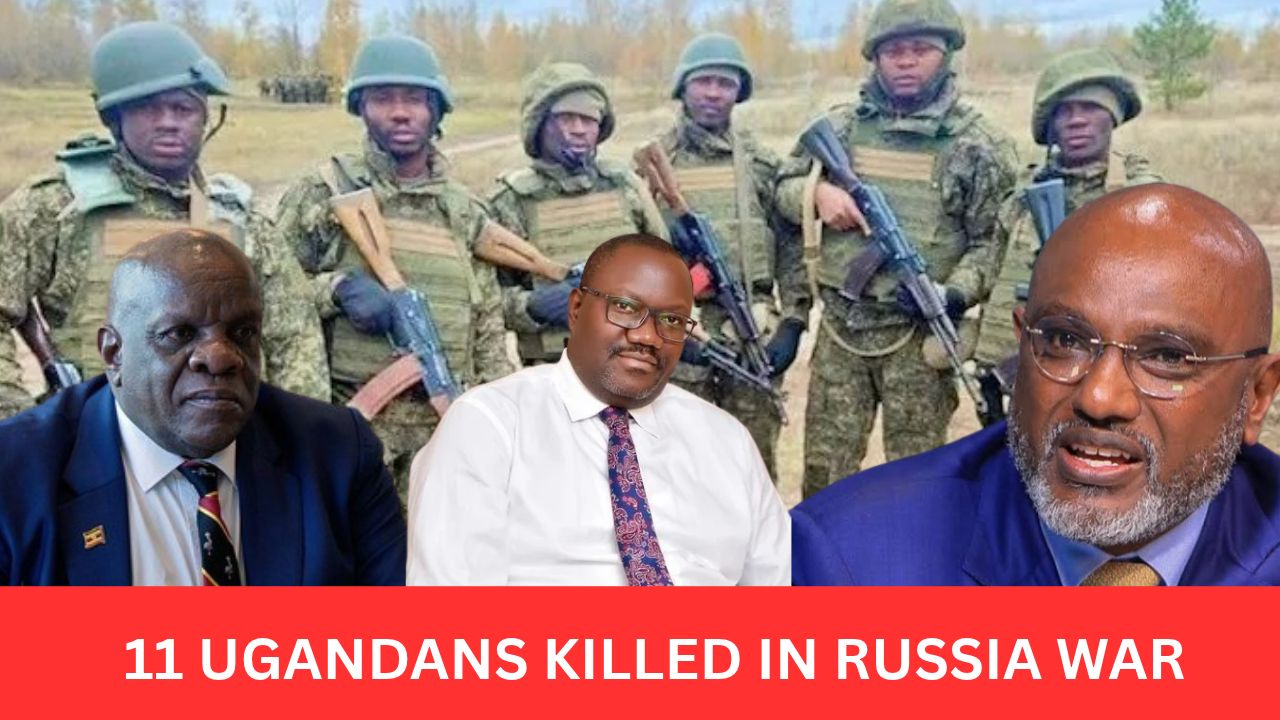 FeaturedOctober 27, 2026SAD AS RUSSIA WAR CLAIMS 11 UGANDAN LIVES: A Diplomatic Letter Reveals the Fate of Ugandans Unwillingly Recruited into the Russian Military, With Another 16 Missing And Five Still Serving! Families Struggle to Trace Their Loved Ones
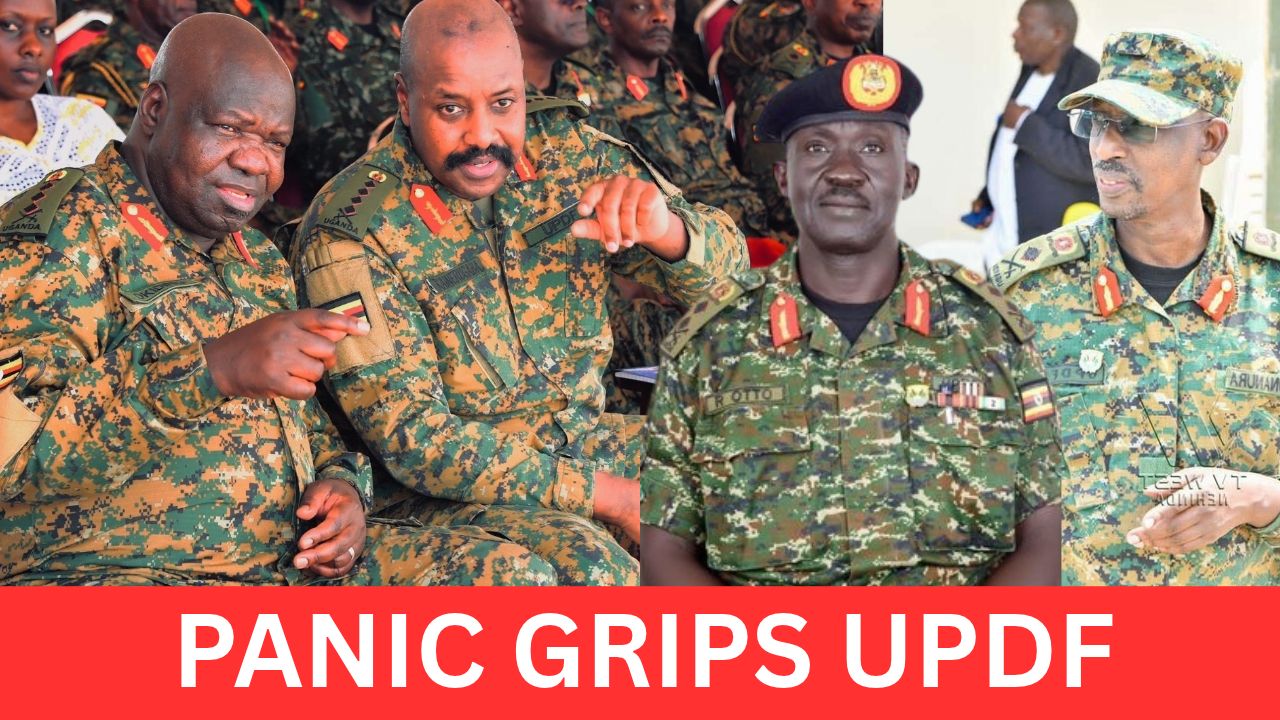 FeaturedOctober 27, 2026INTO WHY MK FIRED GEN. OTTO: Did The Reported Interrogation of UPDF Officers Over Elwelu Play Any Role in Otto’s Exit? The Official Statement Offers No Explanation, Leaving Questions Over The Timing
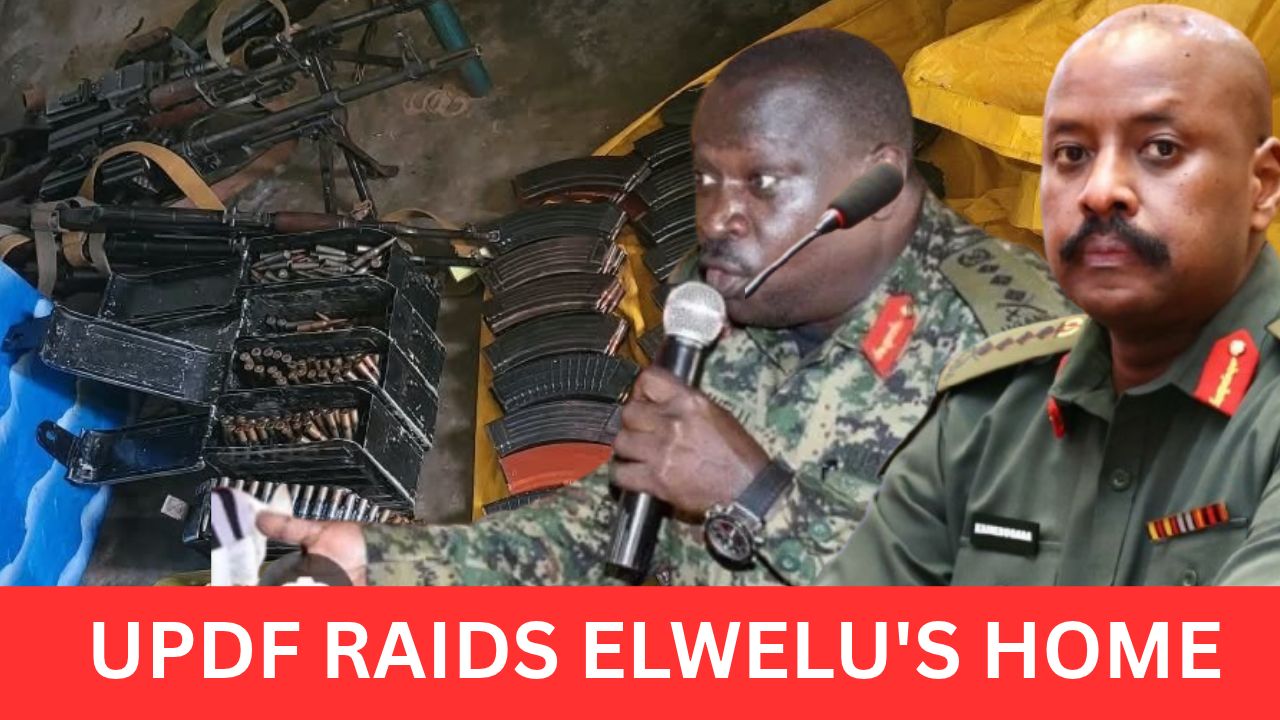 FeaturedOctober 27, 2026HOW ELWELU’S HOME RAID UNEARTHED A CACHE OF GUNS: Gen. Muhoozi Says Special Forces Recovered AK-47s, Sub-Machine Guns And Ammunition From The Retired General’s Home In Teso, Escalating Their Bitter Fallout
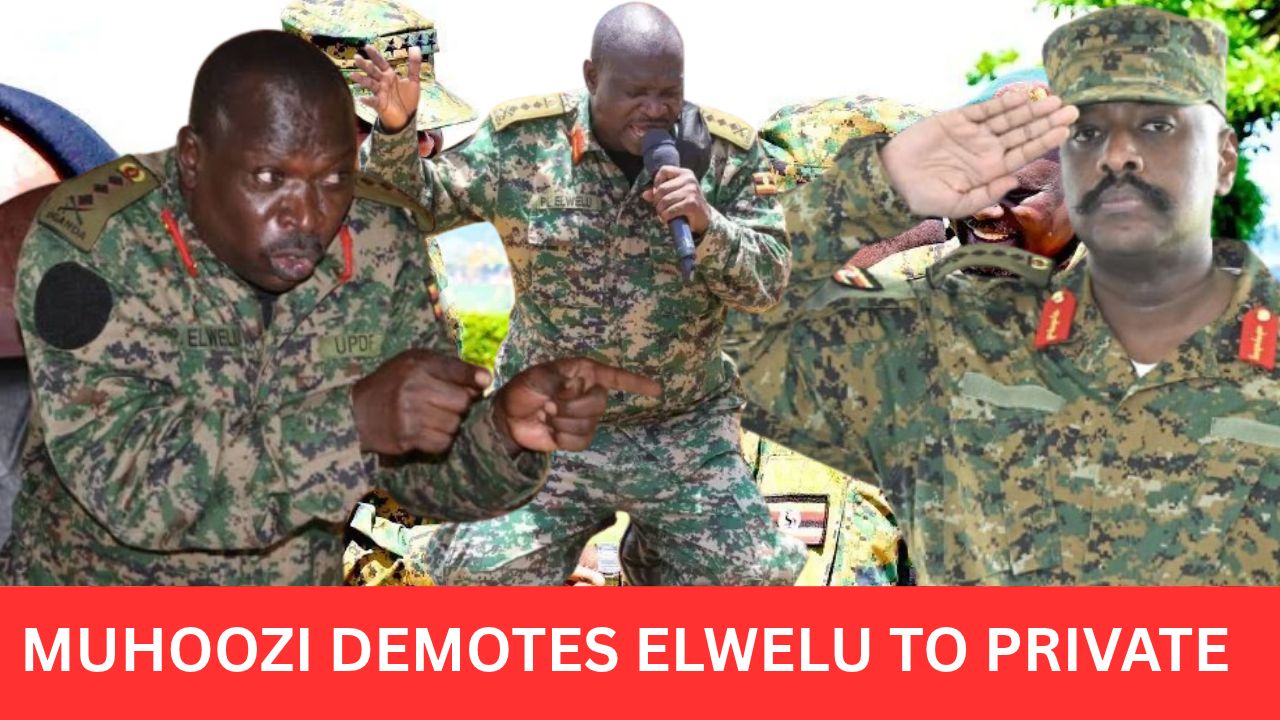 FeaturedOctober 27, 2026GEN. MK `STRIPS` ELWELU OF RANK! THE FALL OF A FORMER ARMY CHIEF: CDF Gen Muhoozi Kainerugaba `Strips` Retired Lt. Gen Peter Elwelu of His Ranks and Brands Him a “Traitor” as More Than 20 of His Former Soldiers Are Arrested