




For nearly four decades, President Yoweri Museveni has kept one of Uganda’s most politically sensitive questions close to his chest: who will succeed him?
On Tuesday, October 27, that question moved from the corridors of speculation into the heart of the ruling National Resistance Movement (NRM), when President Museveni reportedly placed the succession question before the party’s Central Executive Committee (CEC) at State House Entebbe.
And, according to Kasambya County MP Daudi Kabanda, the answer emerging from the meeting was his son, Chief of Defence Forces (CDF) Gen Muhoozi Kainerugaba.
“President Yoweri Kaguta Museveni has endorsed General Muhoozi Kainerugaba Museveni at the Central Executive Committee meeting held at Entebbe State House this afternoon,” Mr Kabanda posted on X after the meeting.
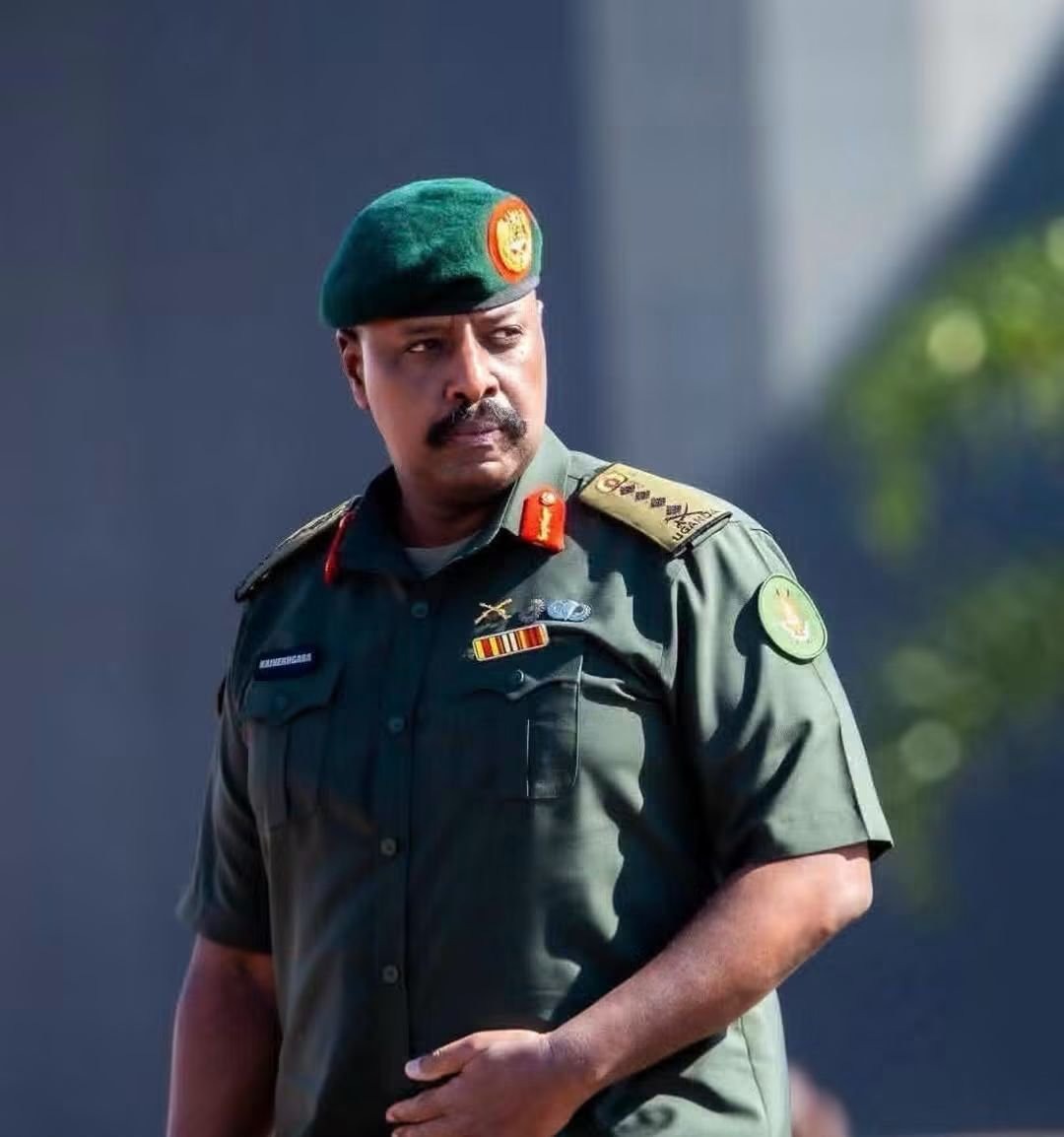 The statement immediately reignited the biggest political question surrounding Uganda’s future: Has Mr Museveni finally accepted to hand power to his son?
The reported development is significant because the CEC is one of the NRM’s principal policy and decision-making organs. The party itself says the committee exercises political leadership, formulates policy for consideration by the National Executive Council (NEC), supervises the organisation’s activities and recommends the NRM presidential candidate to the NEC.
But while Mr Kabanda’s announcement suggests a dramatic breakthrough for the Muhoozi succession project, the meeting itself appears to have been more complicated than a simple declaration of a new presidential heir.
The succession paper
According to reports emerging from the meeting, President Museveni presented a paper on succession to the NRM leadership.
That alone marked a major departure for a President who has historically avoided publicly naming a successor.
The discussion reportedly centred on the future leadership of the NRM and the growing campaign to position Gen Muhoozi as the presidential candidate for 2031.
The President also reportedly made light of his son’s controversial social media activity, saying he likes Gen Muhoozi’s tweets.
That comment may have appeared casual, but it came against a remarkable political transformation in which the CDF’s social-media profile has become inseparable from his political ambitions.
Gen Muhoozi has increasingly used X to comment on national politics, international affairs, security and the future of Uganda. His supporters have, in turn, built a political mobilisation machinery around him through the Patriotic League of Uganda (PLU).
What began years ago as speculation about a possible “Muhoozi Project” has now become an organised campaign for the presidency. And Tuesday’s CEC meeting brought that campaign directly into the NRM’s top leadership.
Kabanda’s declaration
Mr Kabanda’s statement was brief but politically explosive. The former PLU secretary general did not merely say that the President had spoken positively about his son. He used the word “endorsed.” That distinction matters. An endorsement of Gen Muhoozi by Mr Museveni would represent a significant shift from the President’s longstanding reluctance to publicly identify his preferred successor.
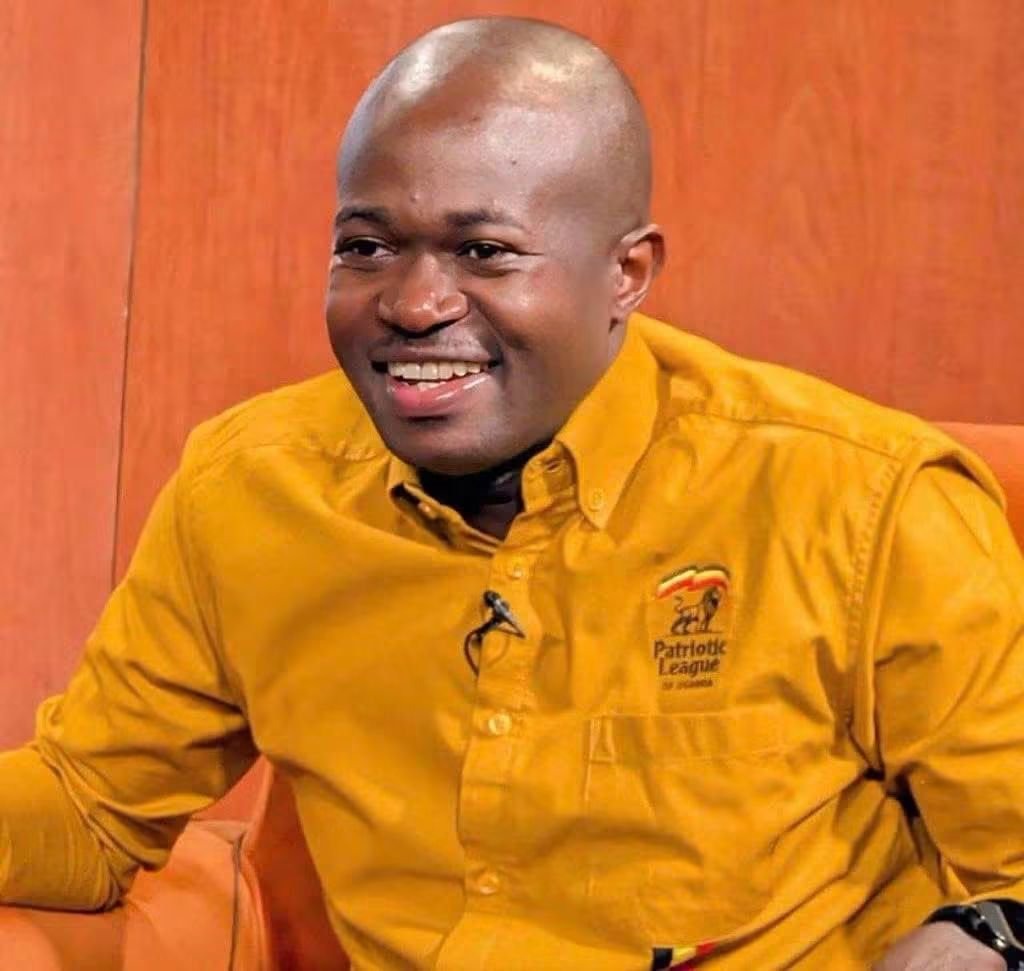 The statement also fits with an announcement made by Mr Kabanda in September, when he said Gen Muhoozi would contest the 2031 presidential election and that the candidature had been sanctioned by President Museveni. At the time, the declaration was already seen as a major escalation in the succession debate. But the latest claim takes it further.
This time, the alleged endorsement was made in the presence of the NRM’s Central Executive Committee at State House.
The Balaam clue
Even before Tuesday’s meeting, signs had been emerging that President Museveni was increasingly comfortable discussing Gen Muhoozi in glowing terms.
One of the President’s press assistants this morning posted a cryptic message that has since acquired greater political significance.
“Last week Pres M7 spoke glowingly about Gen Muhoozi Kainerugaba and Minister Balaam (for the times I counted) 8 times! On average that should be once a day with one to spare. This week has already been 6 times and it’s Wednesday. I won’t tell you everything📌,” the press assistant wrote. The message appeared to invite speculation rather than provide an outright announcement.
But in the context of Tuesday’s CEC meeting, the remark has been interpreted by political observers as another indication that Gen Muhoozi’s name is no longer being treated as a taboo subject in the President’s political calculations.
The frequency with which Mr Museveni is reportedly talking about Gen Muhoozi is itself notable. For years, the President’s public position was that his son was a military officer whose political future should not be confused with his father’s presidency.
Today, Gen Muhoozi is the CDF, chairman of PLU and an openly declared 2031 presidential aspirant. The political language around him has changed.
From “Muhoozi Project” to succession
The succession debate is not new. It exploded into the national political arena in 2013 when then-Coordinator of Intelligence Services Gen David Sejusa raised allegations of a plan to prepare Gen Muhoozi to succeed his father.
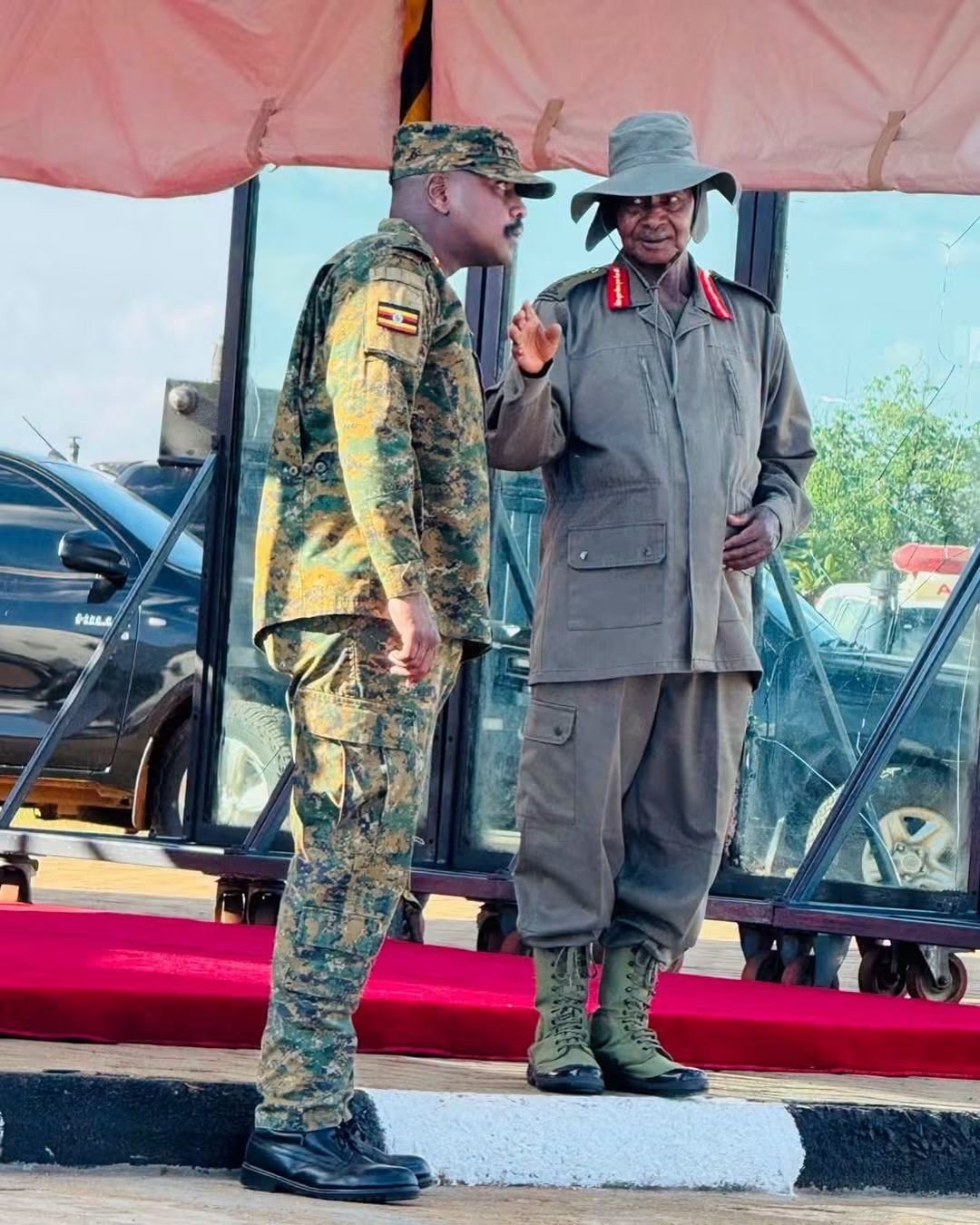 The allegations generated intense political controversy. The government rejected the claims, while President Museveni maintained that his son was pursuing a military career.
For years, the issue remained politically radioactive. Gen Muhoozi’s subsequent rise through the military hierarchy, however, kept the succession debate alive.
His public profile expanded, his supporters became increasingly organised and his political statements became more direct.
By 2022, the general had openly expressed presidential ambitions, bringing the issue firmly into mainstream political debate. In 2024, he said he would not run in the 2026 presidential election and instead supported his father. That appeared to postpone the question. It did not kill it.
By September this year, the 2031 question had returned with full force. Mr Kabanda announced that Gen Muhoozi would seek the presidency in 2031.
PLU supporters have since embarked on mobilisation and endorsement activities intended to build a national political base for the general.
The movement has also published endorsements from political figures, including Minister Balaam Barugahara, who said that when President Museveni retires, he would endorse Gen Muhoozi to lead Uganda into the next chapter.
Why the CEC meeting matters
The importance of Tuesday’s meeting lies not simply in Gen Muhoozi’s relationship with his father. It lies in where the discussion took place.
The CEC is a key NRM policy organ. Its functions include providing political leadership, formulating policy, advising the President and recommending the party’s presidential candidate to the NEC.
This means that a succession discussion at CEC level takes the issue beyond a family conversation or a social-media campaign. It puts the future of the NRM itself on the agenda.
That is why Mr Kabanda’s announcement generated such immediate interest.
If Mr Museveni has indeed endorsed his son before the CEC, the next question is whether that endorsement will eventually be converted into a formal NRM position.
And that is where the distinction between personal endorsement and party nomination becomes critical.
Reports from the meeting indicate that CEC members wanted the succession paper circulated and that a retreat could be considered to discuss the matter further. That suggests the meeting may not have ended with a final collective decision.
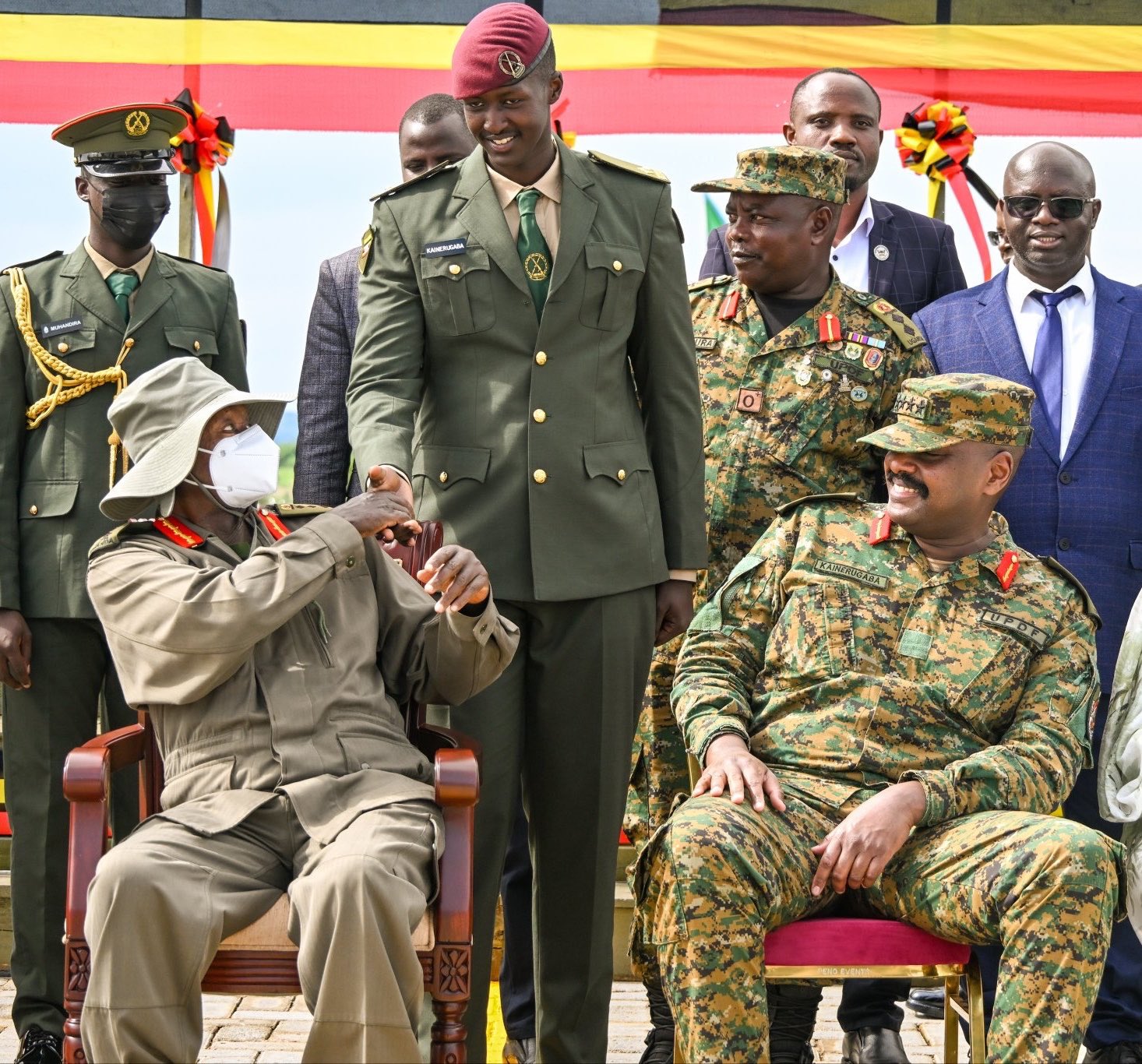 The NRM Secretary General Richard Todwong was contacted over the matter and said he would consult the CEC before responding.
This leaves an important question unanswered: Did the CEC endorse Muhoozi, or did it merely discuss Museveni’s proposal? Is Museveni preparing the ground? For Mr Museveni, the succession question is unusually delicate.
He has governed Uganda since 1986 and has repeatedly survived political challenges, constitutional changes and opposition campaigns.
The question of who comes after him has therefore always carried implications beyond an individual presidency.
It concerns the future of the NRM, the military establishment, the political networks built around the President and the millions of Ugandans who have known no other NRM leader.
By placing succession before the CEC, Mr Museveni has potentially opened a new chapter. And by reportedly presenting a paper that makes the question of succession explicit, he may have signalled that the issue can no longer be indefinitely postponed.
The paper is particularly important because it suggests that the discussion is not simply about Gen Muhoozi’s personal ambitions. It is about the transition of the ruling movement.
The PLU problem
But another issue surfaced during the meeting: the relationship between PLU and the NRM. Gen Muhoozi chairs the Patriotic League of Uganda, which has become the principal vehicle through which his supporters are mobilising for 2031.
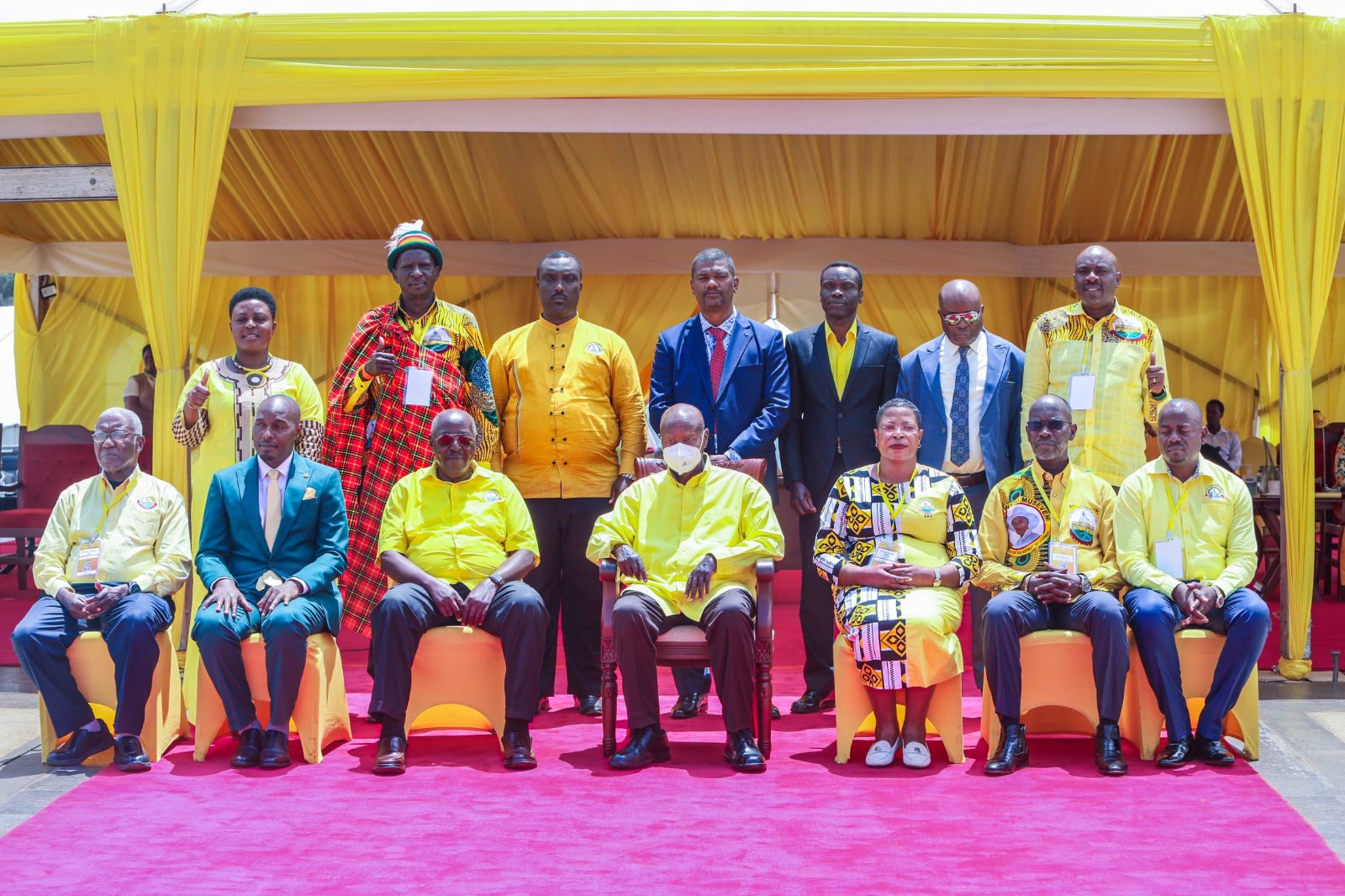 Some NRM members have reportedly expressed concern that PLU could compete with or weaken the ruling party. This creates a potential contradiction.
If Gen Muhoozi is to become the NRM’s presidential candidate, the movement around him would ultimately have to operate within the NRM framework.
The question therefore becomes whether PLU will be absorbed into, aligned with or operate alongside the NRM.
Reports from the CEC meeting indicate that Mr Museveni asked party leaders to leave the matter to him as discussions continue about the relationship between PLU and NRM.
That is significant because the President is not merely choosing a possible successor. He is also dealing with the political machinery that has emerged around his son.
What happens next?
The immediate test will be whether the reported CEC discussions translate into a formal party position.
The next stage could involve circulation of the succession paper, further consultations among NRM leaders and possibly a retreat where the issue is debated more extensively.
There is also the question of Gen Muhoozi’s position as a serving military officer and how his political ambitions will interface with the UPDF’s legal and institutional framework.
But politically, the direction is becoming increasingly difficult to ignore. The Muhoozi question is no longer being discussed only at PLU rallies, on X or among political supporters. It is now being discussed at State House and before the NRM’s Central Executive Committee.
That represents a profound change. The bigger question, therefore, is no longer whether Gen Muhoozi wants to become President.
He has made his 2031 ambition clear. The question is whether President Museveni is now actively preparing the NRM to accept his son as his successor.
Mr Kabanda says the answer is already yes. The CEC discussions suggest the question has moved into the party’s formal political arena. But until the NRM issues a definitive resolution, Uganda is left with a tantalising possibility rather than a completed succession plan.
What is certain is that 2031 has now entered the centre of the NRM’s political conversation — and for the first time, President Museveni’s son is sitting at the heart of that conversation.
Author Profile
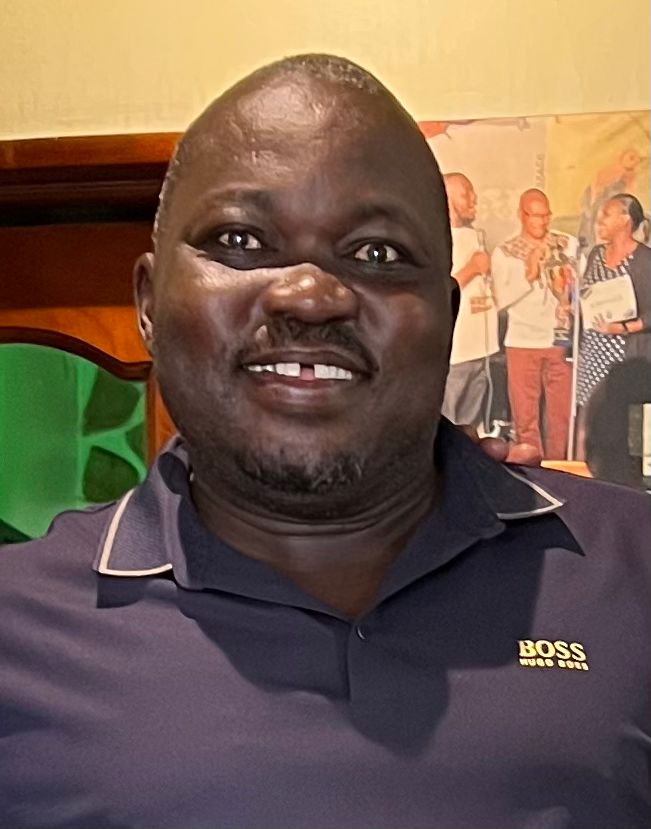
- Charles Gazza Kodili is a seasoned journalist with over 20 years of experience in the media industry. He holds a Bachelor of Arts degree in Mass Communication. He’s currently the Chief Editor at the Investigator.
Charles can also be reached via; Tel: +256 774 108978
Email: [email protected]
Latest entries
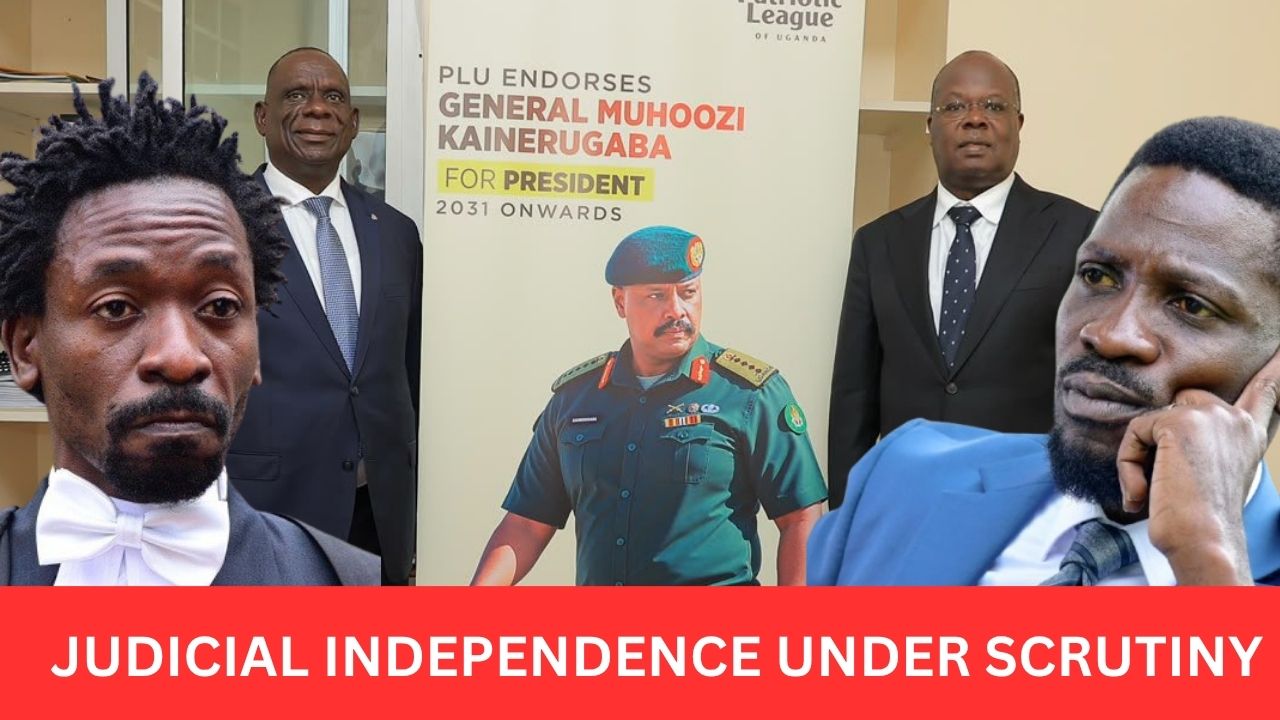 UncategorizedOctober 28, 2026WHY JUSTICE SINGIZA IS UNDER FIRE FOR ENDORSING MUHOOZI: From The Kakwenza And Besigye Cases To The Rules Governing Judicial Conduct, We Examine Singiza’s Controversial Career, The Law On Political Activity And The Implications For Public Confidence In Uganda’s Judiciary
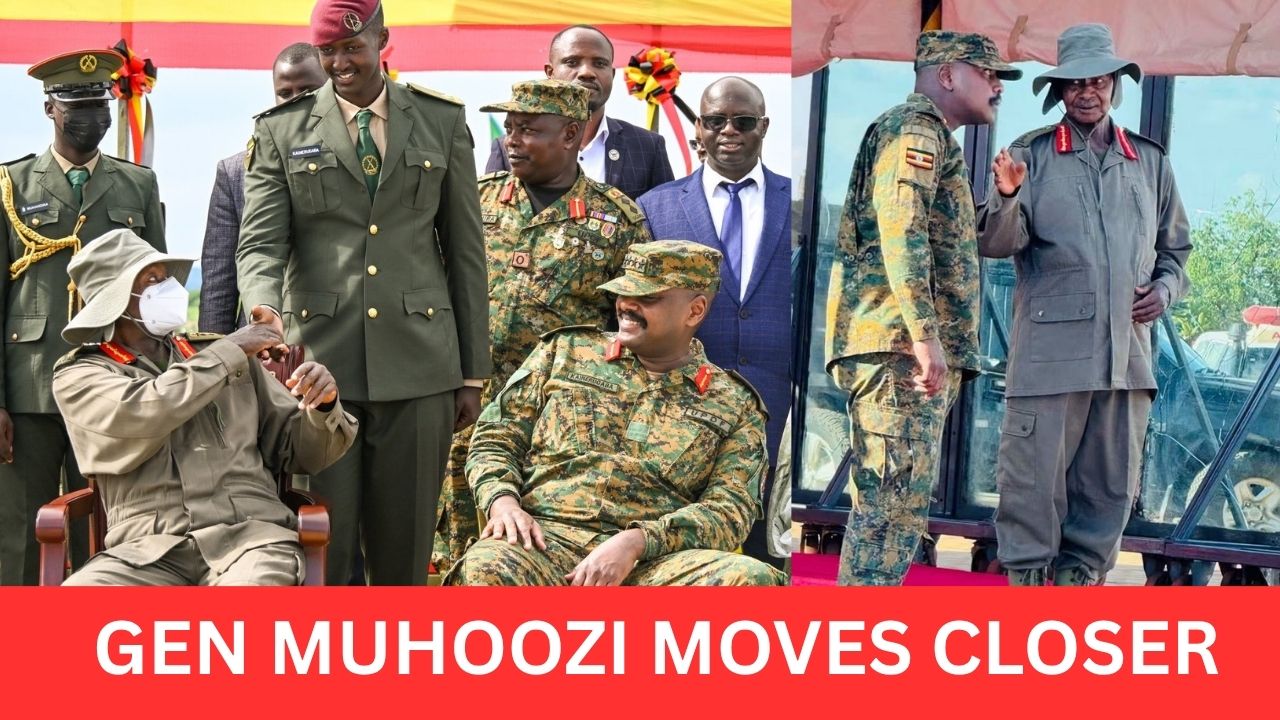 FeaturedOctober 28, 2026HOW MUSEVENI’S CEC MOVE COULD HAND MUHOOZI THE NRM MANTLE: A Succession Paper Presented Before The NRM Central Executive Committee And A Reported Endorsement Of Gen Muhoozi Have Intensified Speculation That Museveni Is Preparing His Son For State House
 FeaturedOctober 27, 2026SAD AS RUSSIA WAR CLAIMS 11 UGANDAN LIVES: A Diplomatic Letter Reveals the Fate of Ugandans Unwillingly Recruited into the Russian Military, With Another 16 Missing And Five Still Serving! Families Struggle to Trace Their Loved Ones
 FeaturedOctober 27, 2026INTO WHY MK FIRED GEN. OTTO: Did The Reported Interrogation of UPDF Officers Over Elwelu Play Any Role in Otto’s Exit? The Official Statement Offers No Explanation, Leaving Questions Over The Timing