





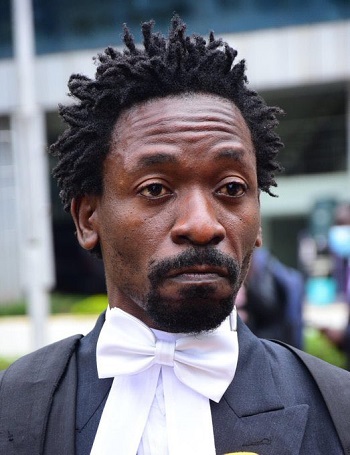
The head of Uganda’s Judicial Service Commission (JSC), Justice Douglas Karekona Singiza, has come under intense criticism after reportedly endorsing Chief of Defence Forces (CDF) Gen Muhoozi Kainerugaba for president in 2031, raising fresh questions about the political neutrality, independence and credibility of an institution constitutionally charged with overseeing the conduct of judicial officers.
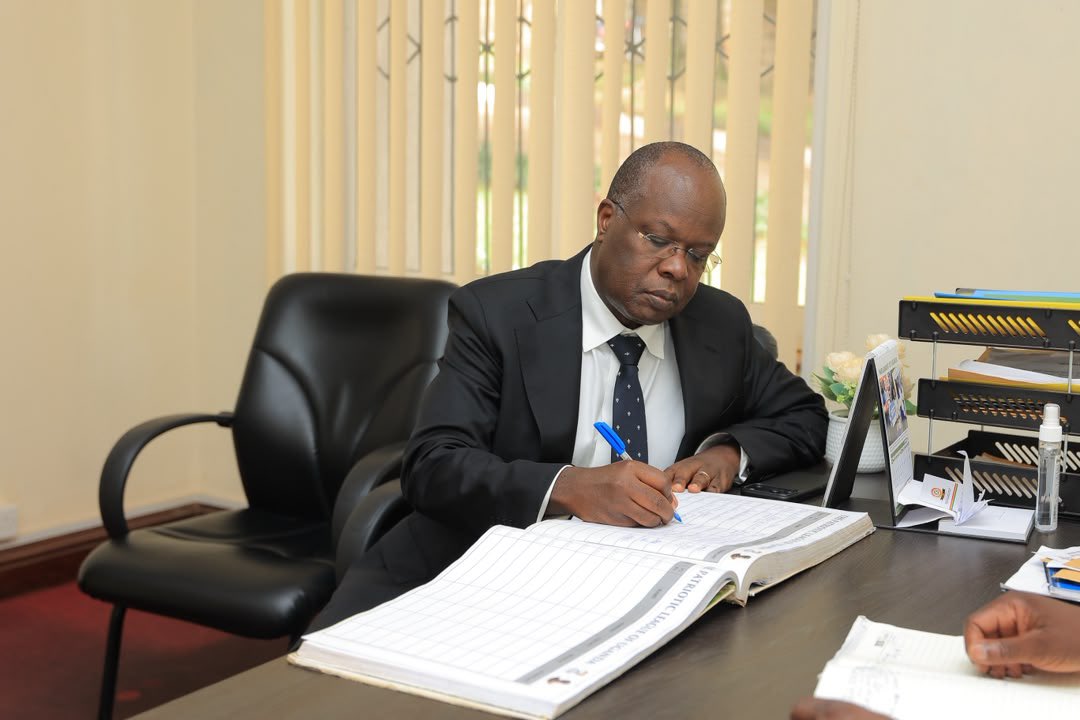
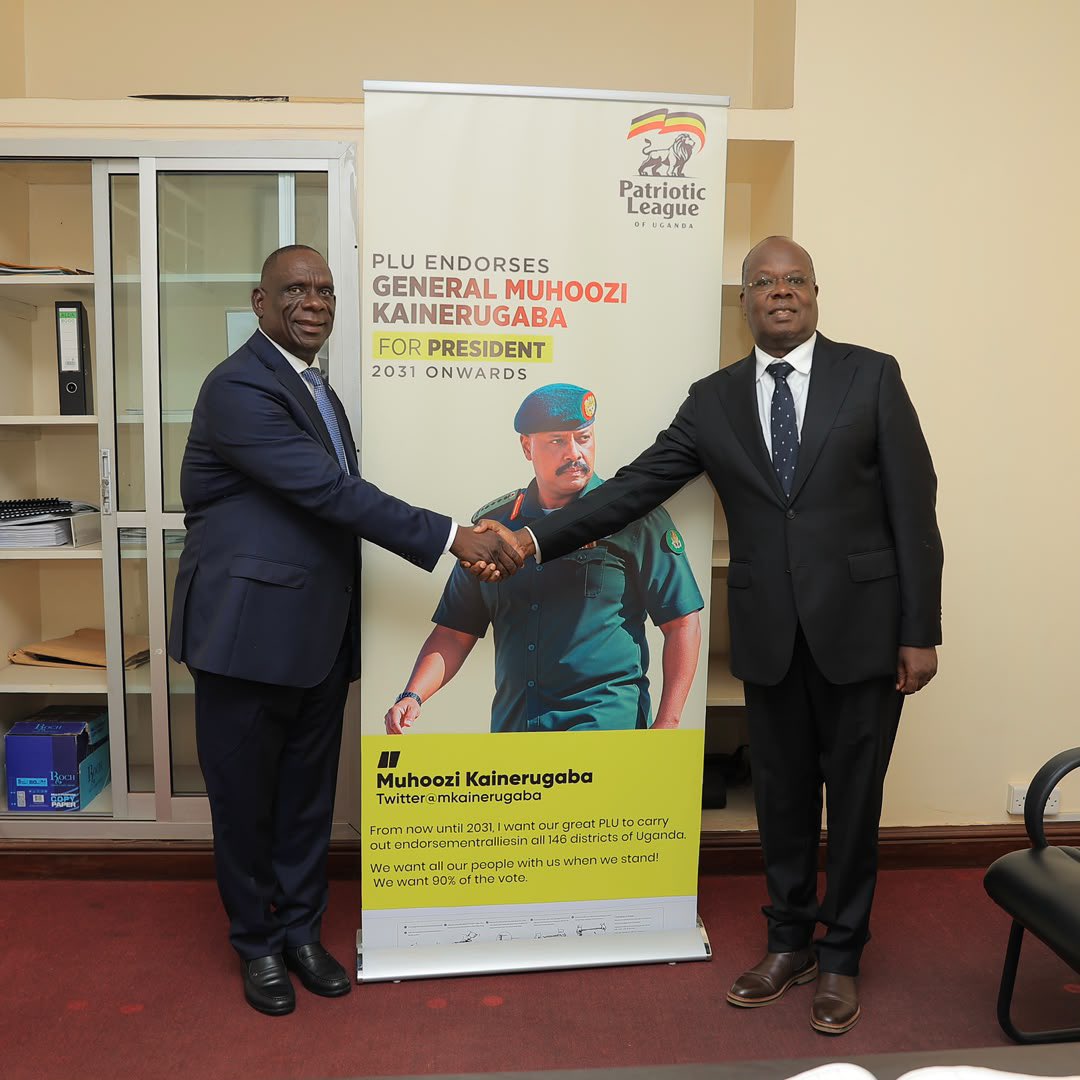
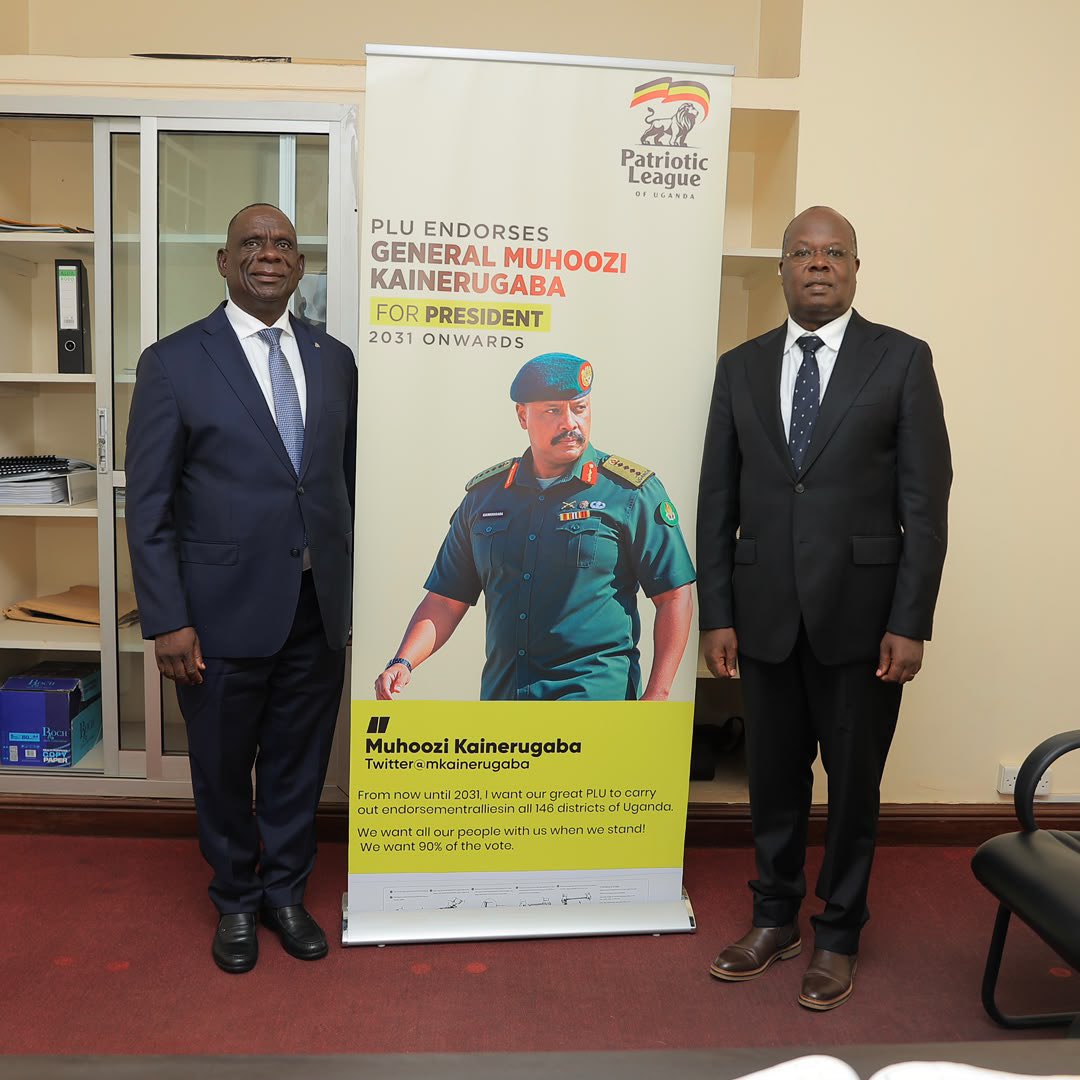
The controversy erupted after Igara East MP Michael Mawanda said he had received Justice Singiza at the Office of the National Chairman in Nakasero on a courtesy call.
In a social media post, Mr Mawanda said Justice Singiza “warmly endorsed” Gen Muhoozi Kainerugaba for president, describing the endorsement as “a powerful affirmation” of a vision they shared for a stronger and more just nation.
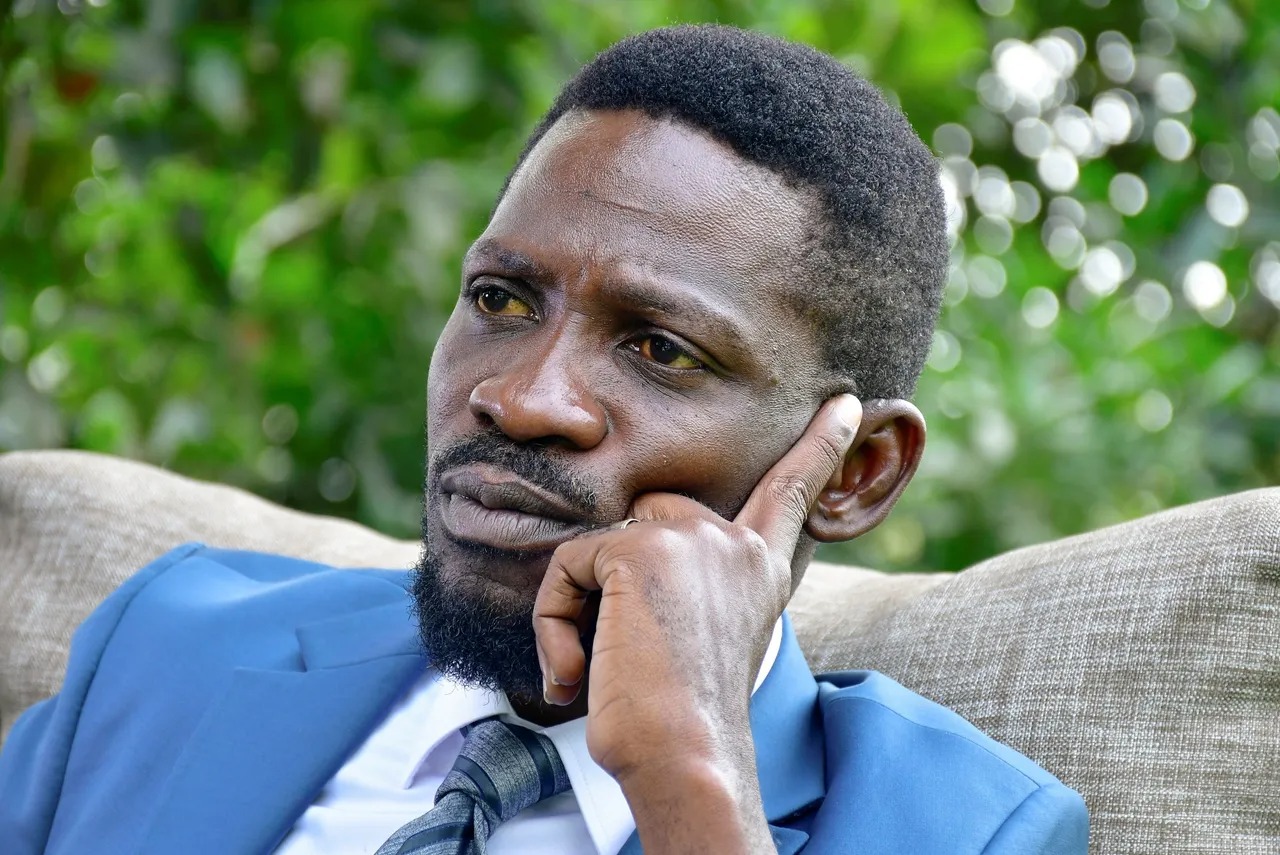
The reported endorsement immediately triggered an uproar among lawyers, opposition politicians and members of the public, who questioned how the chairperson of a body responsible for recruiting, supervising and disciplining judicial officers could openly associate himself with the political ambitions of a serving military commander. Opposition National Unity Platform president Bobi Wine was among the most outspoken critics.
“Uganda’s justice system hits a new low with the head of the Judicial Service Commission Singiza Douglas openly endorsing Museveni’s brutal, criminal son,” Mr Wine said.
He questioned how the JSC could enforce the Judicial Code of Conduct against other judicial officers who engage in partisan politics when its own chairperson was allegedly engaging in political mobilisation.
Other critics raised a similar concern: that a litigant appearing before a judicial officer supervised by the JSC may reasonably question whether that officer can act independently if the person supervising judicial discipline is publicly identified with a presidential candidate.
The controversy is particularly significant because the JSC is not an ordinary government department. It is an independent constitutional body established under Article 146 of the Constitution and is mandated to advise on the appointment and disciplinary control of senior judicial officers, receive complaints concerning the Judiciary and act as a link between the people and the courts.
The JSC’s own public description says its mandate includes recruiting judicial officers, regulating their conduct and strengthening judicial integrity. That mandate puts its chairperson at the centre of Uganda’s judicial accountability system.
What does the law say?
The legal question surrounding Justice Singiza is not simply whether a citizen is entitled to have political opinions. It is whether a serving judicial officer — particularly one heading the constitutional body responsible for judicial discipline — can publicly participate in political activity without undermining the independence and impartiality expected of the judicial office.
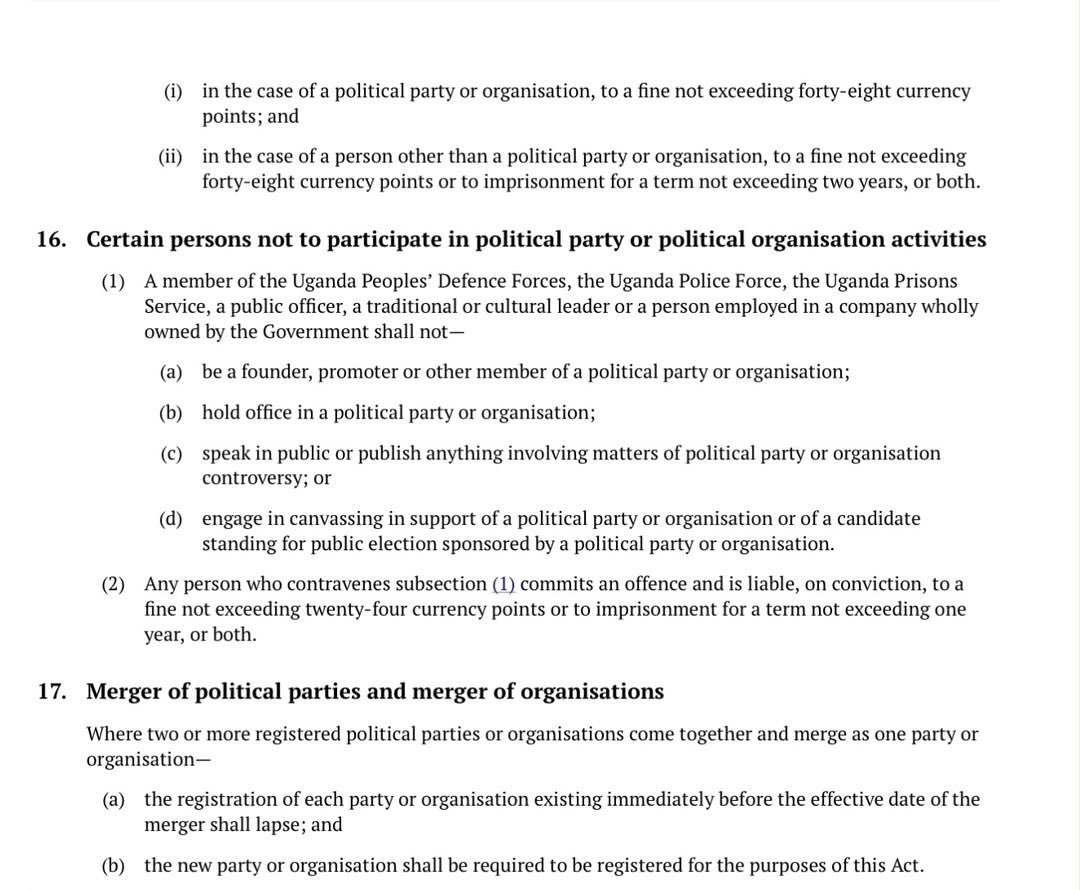
The provision contained in the document supplied with this story is Section 16 of the Political Parties and Organisations Act.
It provides that a member of the UPDF, police, prisons service, a public officer, traditional or cultural leader or a person employed by a government-owned company shall not be a founder, promoter or member of a political party or organisation, hold office in a political party or organisation, speak publicly or publish material involving political-party controversy, or engage in canvassing in support of a political party, organisation or candidate.
A person who contravenes the provision commits an offence and may face a fine of up to 24 currency points, imprisonment for up to one year, or both. A currency point under the Act is Shs20,000. However, there is an important legal distinction.
Section 16 does not expressly use the words “judge” or “judicial officer”. Whether the provision’s definition of “public officer” directly encompasses a judicial officer would require legal interpretation because the Act defines public service in terms of services rendered in a civil capacity of government or local government.
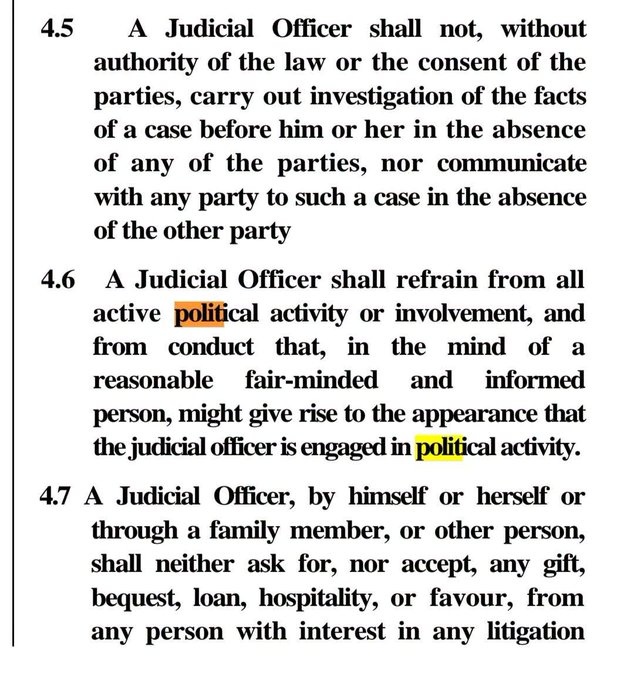
The more direct provision is found in the Uganda Code of Judicial Conduct, incorporated into the Administration of the Judiciary (Judiciary Service) Regulations, 2025.
Regulation 4.6 states that a judicial officer “shall refrain from all active political activity or involvement” and from conduct which, in the mind of a reasonable, fair-minded and informed person, might create the appearance that the judicial officer is engaged in political activity.
Regulation 4.4 further requires a judicial officer to avoid conduct or associations that could undermine public confidence in the officer’s impartiality in relation to matters that may come before the courts.
The same Code says judicial office is a public trust and requires judicial officers to protect judicial independence and maintain public confidence in the administration of justice. The Constitution reinforces the principle.
Article 128 provides that courts must be independent and not subject to the control or direction of any person or authority. It also prohibits interference with courts or judicial officers in the exercise of their judicial functions.
Article 149 requires every judicial officer to take the judicial oath. Under that oath, a judicial officer promises to exercise judicial functions and do right to all people in accordance with the Constitution and laws of Uganda “without fear or favour, affection or ill will.”
It is therefore the appearance of impartiality, as much as actual impartiality, that makes the current controversy particularly sensitive.
The JSC’s extraordinary position
The JSC’s constitutional role makes the controversy more serious than a political statement by an ordinary public servant.
Under Article 147, the Commission advises the President on appointments and disciplinary control involving the Chief Justice, Deputy Chief Justice, Principal Judge, Supreme Court justices, Court of Appeal justices and High Court judges. It also performs appointment and disciplinary functions for other judicial officers.
The Judicial Service Act makes the chairperson the head of the Commission, responsible for its administration and for monitoring and supervising the Secretary.
The Commission itself says it exists to foster an accountable and effective Judiciary through competence-based recruitment, disciplinary control and stakeholder engagement.
Consequently, critics argue that the issue is not merely whether Singiza has personally chosen a preferred presidential candidate.
The question is whether a person occupying the highest leadership position in the judicial disciplinary machinery can publicly identify with a political campaign without damaging confidence in the institution he leads.
Dan Wandera Ogalo, a lawyer, has questioned whether Singiza could be unaware of the constitutional and ethical restrictions governing judicial officers.
Others pointed to the practical dilemma created by his position: a judicial officer facing disciplinary proceedings is ultimately subject to a system in which Singiza is the chairperson.
A judge whose career has repeatedly attracted controversy
The latest controversy adds to a career in which Justice Singiza has repeatedly found himself at the centre of politically sensitive cases.
Singiza joined the Judiciary in 1994 as a magistrate and steadily rose through the ranks. He served at Nakawa and later became Chief Magistrate at Buganda Road Court.
He was also involved in the Commission of Inquiry into Land Matters, first as assistant secretary for research and later as secretary. In 2018, the Judiciary identified him among the newly appointed chief magistrates.
 His academic career was equally substantial. He holds a Bachelor of Laws from Makerere University, a master’s degree in Human Rights and Democratisation in Africa from the University of Pretoria and a doctorate in Public Law from the University of the Western Cape. His academic work has focused on decentralisation, federalism and governance.
In April 2022, President Museveni appointed him to serve as an acting High Court judge. The appointment followed vetting and interviews by the Judicial Service Commission.
The Judicial Service Commission’s own annual report lists Singiza among judicial officers appointed to the High Court during the 2021/22 financial year.
He later became a substantive High Court judge before being appointed chairperson of the JSC in 2025.
The Kakwenza controversy
One of Singiza’s earliest high-profile controversies arose from his handling of the case involving novelist Kakwenza Rukirabashaija. Kakwenza was arrested in December 2021 after posting comments about President Museveni and then-Lt Gen Muhoozi Kainerugaba. He later appeared before Singiza at Buganda Road Court.
Kakwenza alleged that he had been abducted, tortured and held incommunicado by security personnel before being brought to court.
 In February 2022, Singiza rejected Kakwenza’s application to have his passport returned so that he could travel abroad for specialised medical treatment. The magistrate held that his condition could be managed in Ugandan medical facilities and said the court had not been presented with witnesses proving that he had been tortured.
Medical documents presented by Kakwenza’s lawyers reportedly showed multiple injuries, including bruises, lacerations and other injuries.
Kakwenza subsequently petitioned the Judicial Service Commission accusing Singiza of professional misconduct, alleging that the magistrate had ignored his condition and failed to act on his torture allegations.
Those were allegations by Kakwenza, not findings that Singiza committed misconduct. There is no basis to state as established fact that Singiza “covered up” torture, as some of his political critics now allege.
Besigye and the 2025 ruling
Singiza later presided over politically sensitive proceedings involving opposition figure Dr Kizza Besigye.
In February 2025, he dismissed a habeas corpus application brought by Besigye and another applicant. The case concerned the legality of their continued detention following developments surrounding the military court proceedings.
The judgment attracted fierce criticism from Besigye’s supporters. Singiza, in an unusually pointed portion of his ruling, also addressed social-media attacks against him, including descriptions of him as a “Nazi judge”.
The significance of that episode has now returned to the political debate because Gen Muhoozi, whom Singiza is reported to have endorsed, has been one of the most prominent figures in the security establishment during the period in which opposition figures have faced prosecution and detention.
Critics therefore argue that the endorsement creates a new lens through which some of Singiza’s earlier decisions will be viewed.
 The Baguma complaint
The controversy also comes shortly after Singiza defended the JSC’s handling of a complaint by Dr Besigye and his aide Obeid Lutale against High Court Judge Emmanuel Baguma.
The complaint accused Baguma of repeatedly denying bail and acting unfairly in proceedings involving Besigye and Lutale.
In July 2026, Singiza said the complaint had failed to meet the Commission’s administrative admissibility threshold.
 “We have a threshold for handling complaints. Once the complaint doesn’t meet the administrative criteria, we don’t entertain it,” he said.
For critics, the timing has created an uncomfortable question: how can the chairperson of the disciplinary body maintain public confidence among opposition politicians and litigants if he is simultaneously perceived to be politically aligned with the ruling establishment?
Mpuuga ruling
Another controversial decision came in August 2024, when Singiza ruled in a case concerning controversial parliamentary service awards.
The High Court found that the Shs500 million award to former Leader of Opposition Mathias Mpuuga and Shs400 million awards to three parliamentary commissioners had been provided for in the national budget approved by Parliament.
The court nevertheless ordered disciplinary proceedings against the Clerk to Parliament over aspects of the decision-making and implementation process.
The decision was welcomed by some and criticised by others, adding to Singiza’s growing profile as a judge whose rulings have attracted political attention.
 The bigger question
Singiza’s appointment as JSC chairperson was itself politically sensitive. President Museveni appointed him chairperson in March 2025, replacing Justice Benjamin Isingoma Kabiito. He was subsequently vetted and approved before taking the oath of office in April.
At his swearing-in, Singiza promised to sanction errant judicial officers “without fear or favour”. He also rejected suggestions that he was a “cadre judge” aligned to the Executive.
That statement is now likely to be revisited following the reported endorsement of Gen Muhoozi.
The Uganda Law Society (ULS) has separately challenged aspects of the current JSC framework and raised concerns about Singiza’s position, including an allegation that he did not resign his judicial position before assuming full-time duties as JSC chairperson. Those claims are part of a pending constitutional dispute and have not been finally determined by court.
 The current controversy, therefore, goes beyond one political endorsement. It touches the central question of whether Ugandans can continue to regard the institutions administering justice as politically neutral.
A judge is entitled to personal political views as a citizen. But judicial office carries restrictions precisely because justice must not only be done; it must also be seen to be done.
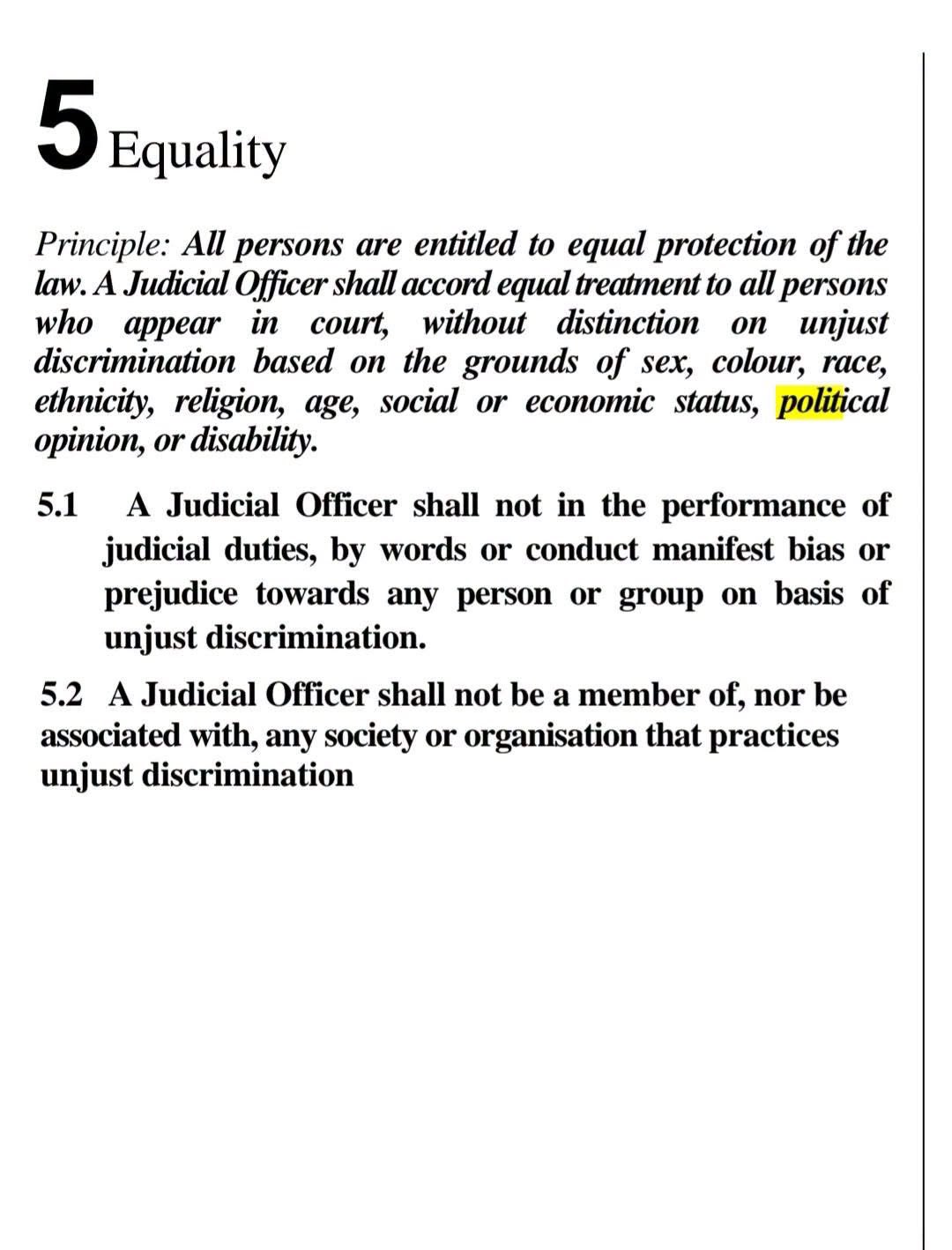
For Singiza, the question is now whether his reported endorsement of Muhoozi can coexist with the explicit requirement under Regulation 4.6 that a judicial officer refrain from active political activity or conduct that creates the appearance of political involvement.
And for the JSC, the larger test may be whether the institution is prepared to apply the same standards to its chairperson that it expects from the judicial officers it recruits, supervises and disciplines.
Until that question is answered, the endorsement is likely to remain a serious test of public confidence in Uganda’s judicial independence.
Author Profile
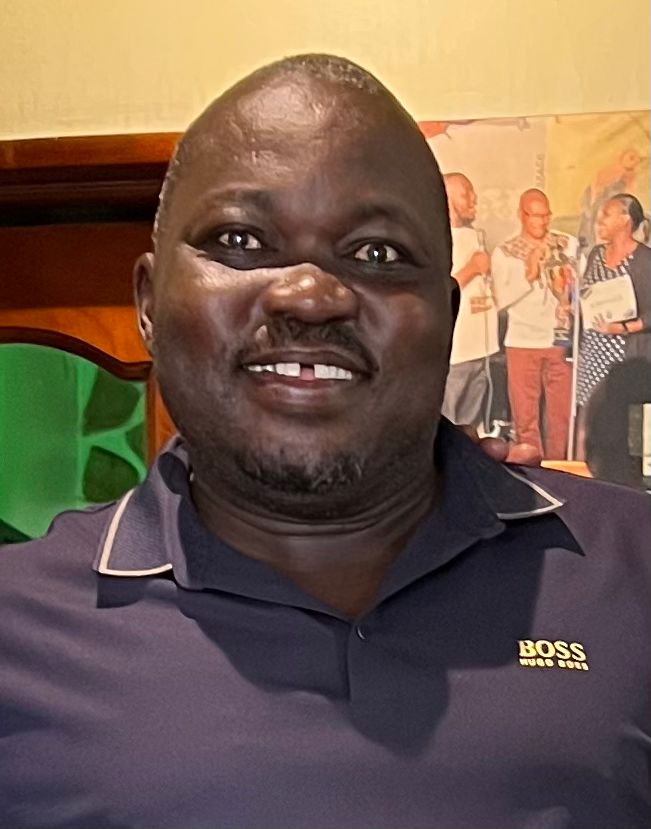
- Charles Gazza Kodili is a seasoned journalist with over 20 years of experience in the media industry. He holds a Bachelor of Arts degree in Mass Communication. He’s currently the Chief Editor at the Investigator.
Charles can also be reached via; Tel: +256 774 108978
Email: [email protected]
Latest entries
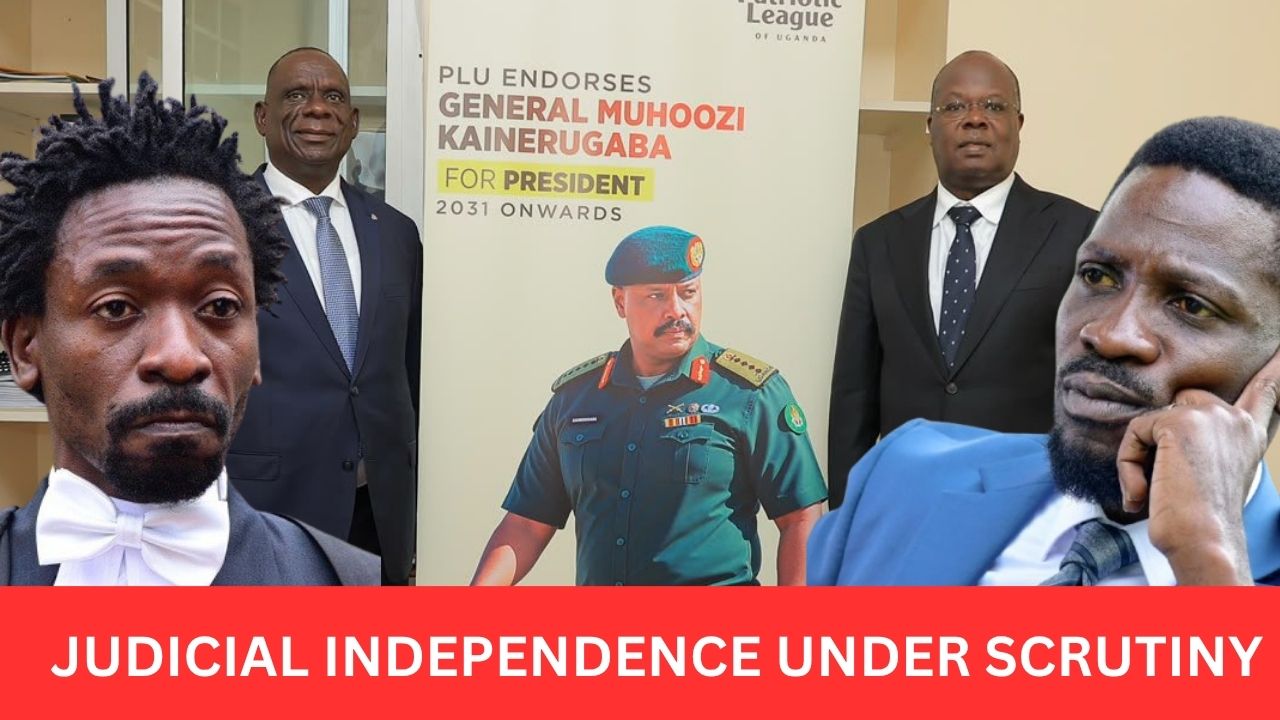 UncategorizedOctober 28, 2026WHY JUSTICE SINGIZA IS UNDER FIRE FOR ENDORSING MUHOOZI: From The Kakwenza And Besigye Cases To The Rules Governing Judicial Conduct, We Examine Singiza’s Controversial Career, The Law On Political Activity And The Implications For Public Confidence In Uganda’s Judiciary
 FeaturedOctober 28, 2026HOW MUSEVENI’S CEC MOVE COULD HAND MUHOOZI THE NRM MANTLE: A Succession Paper Presented Before The NRM Central Executive Committee And A Reported Endorsement Of Gen Muhoozi Have Intensified Speculation That Museveni Is Preparing His Son For State House
 FeaturedOctober 27, 2026SAD AS RUSSIA WAR CLAIMS 11 UGANDAN LIVES: A Diplomatic Letter Reveals the Fate of Ugandans Unwillingly Recruited into the Russian Military, With Another 16 Missing And Five Still Serving! Families Struggle to Trace Their Loved Ones
 FeaturedOctober 27, 2026INTO WHY MK FIRED GEN. OTTO: Did The Reported Interrogation of UPDF Officers Over Elwelu Play Any Role in Otto’s Exit? The Official Statement Offers No Explanation, Leaving Questions Over The Timing