














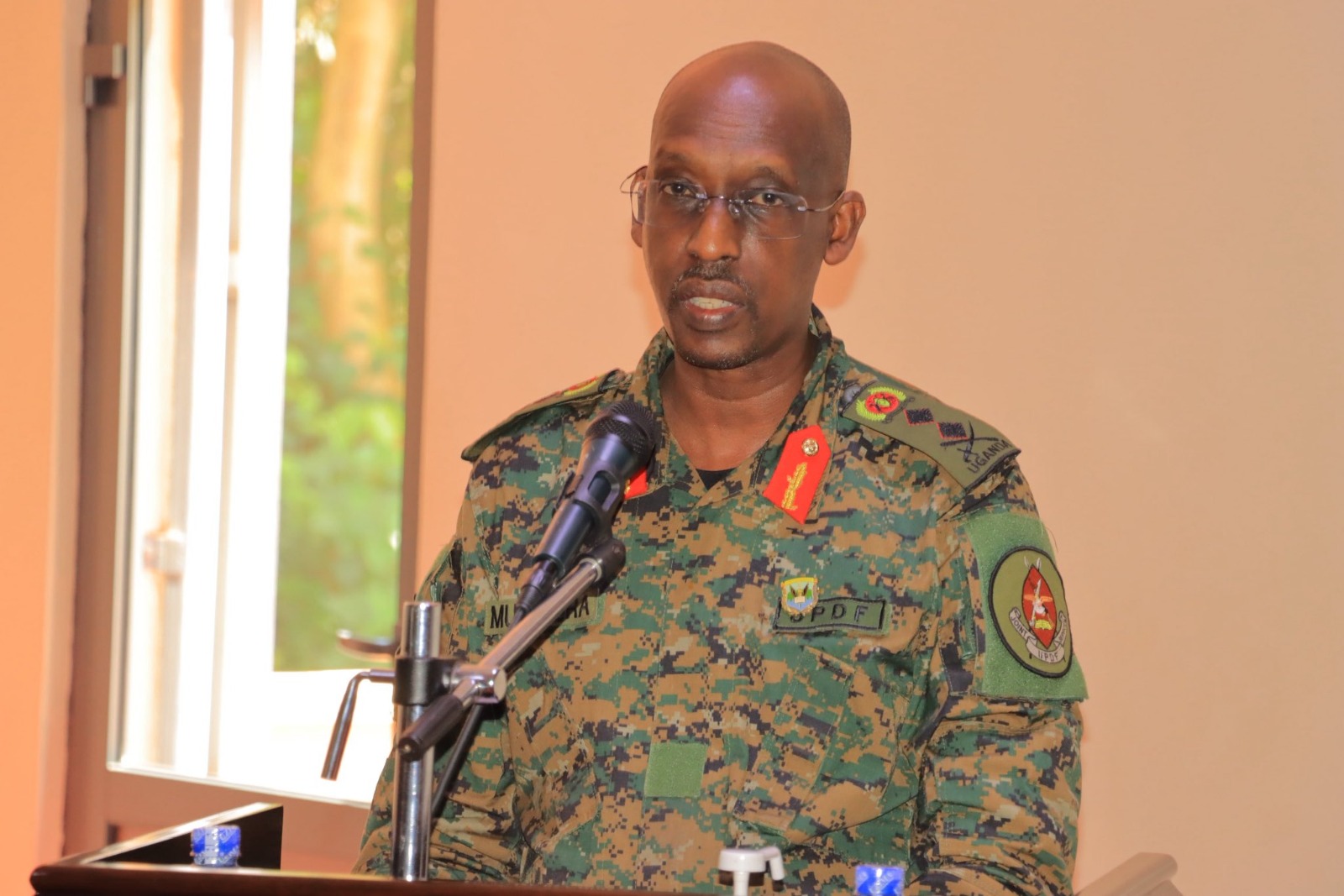
The appointment of Major General Oscar Munanura as the new Chief of Defence Intelligence and Security (CDIS) of the Uganda Peoples’ Defence Forces (UPDF) places him at the helm of one of the country’s most powerful, sensitive and politically exposed military institutions.
But while his elevation represents a significant career achievement, it also thrusts him into a position whose recent history is littered with controversy, abrupt transfers, arrests and allegations of intelligence failures.
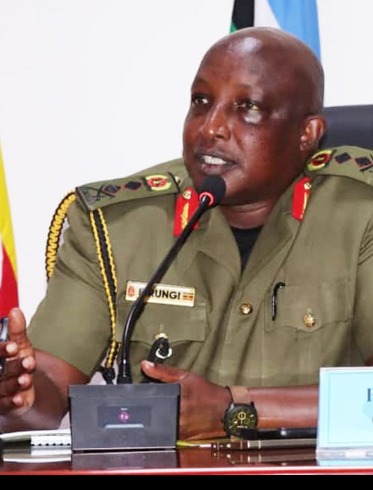
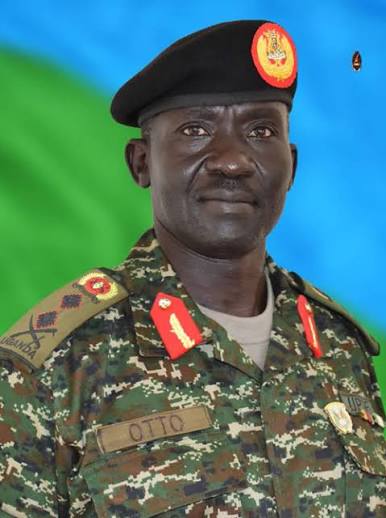
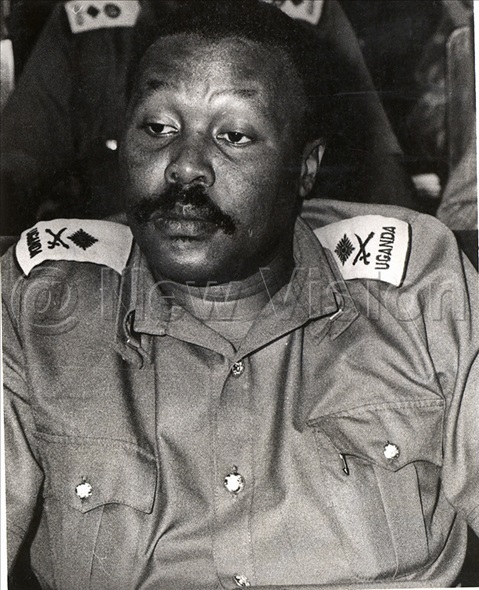
 For Munanura, the challenge is not simply to take charge of the army’s intelligence machinery. It is to survive a job that has increasingly appeared to carry a dangerous professional price for those entrusted with protecting the military establishment. From Brig Gen Charles Bakahumura to Maj Gen Abel Kandiho, Maj Gen James Birungi and Maj Gen Richard Otto, the leadership of military intelligence has experienced a succession of turbulent transitions.
Some former commanders have found themselves entangled in investigations and military court proceedings, while others have been moved before completing what would ordinarily be considered a reasonable tenure. The question now confronting the new intelligence chief is whether he can break the apparent curse surrounding the office or become another casualty of an institution where intelligence failures, political sensitivities and competing security interests can make the chief spy’s position exceptionally precarious.
An Elevation from Within the Intelligence Establishment
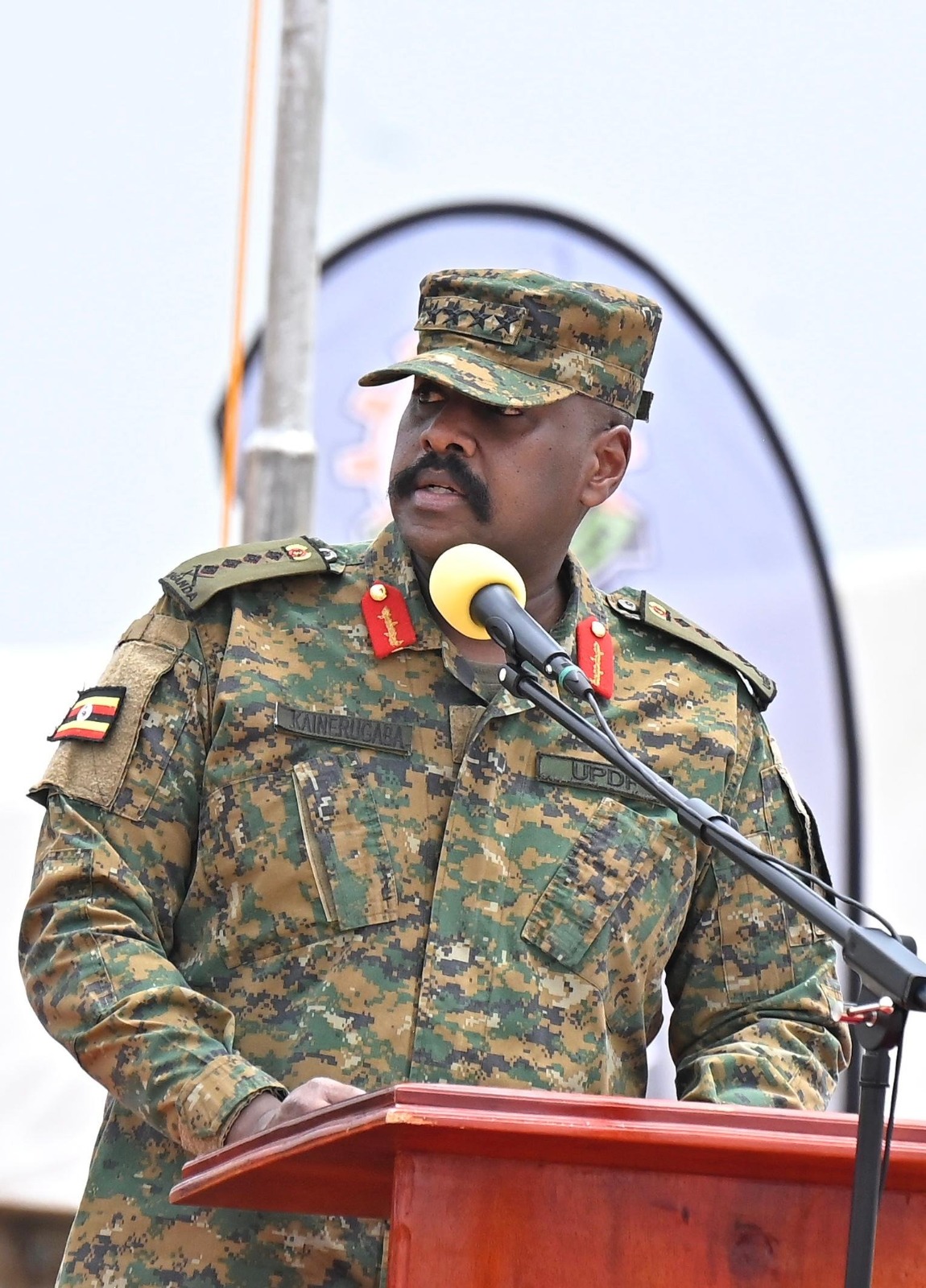 Munanura’s appointment was announced on October 27, by the Chief of Defence Forces, Gen Muhoozi Kainerugaba, who promoted him from Brigadier to Acting Major General and appointed him Chief of Defence Intelligence and Security.
Before his elevation, Munanura had been serving as deputy to Maj Gen Richard Otto, giving him an opportunity to understand the institution’s operations, personnel, intelligence networks and administrative challenges from within.
He had previously served as Assistant Deputy Chief of Defence Intelligence and Security, overseeing the counterintelligence portfolio. He also served as Deputy General Manager of Kyoga Dynamics, a subsidiary of the National Enterprise Corporation, the commercial arm of the UPDF.
His experience in counterintelligence and regional security coordination appears to have positioned him as a natural candidate for the top intelligence job. The appointment also suggests that the military leadership preferred continuity within the intelligence establishment rather than importing an outsider unfamiliar with its operations.
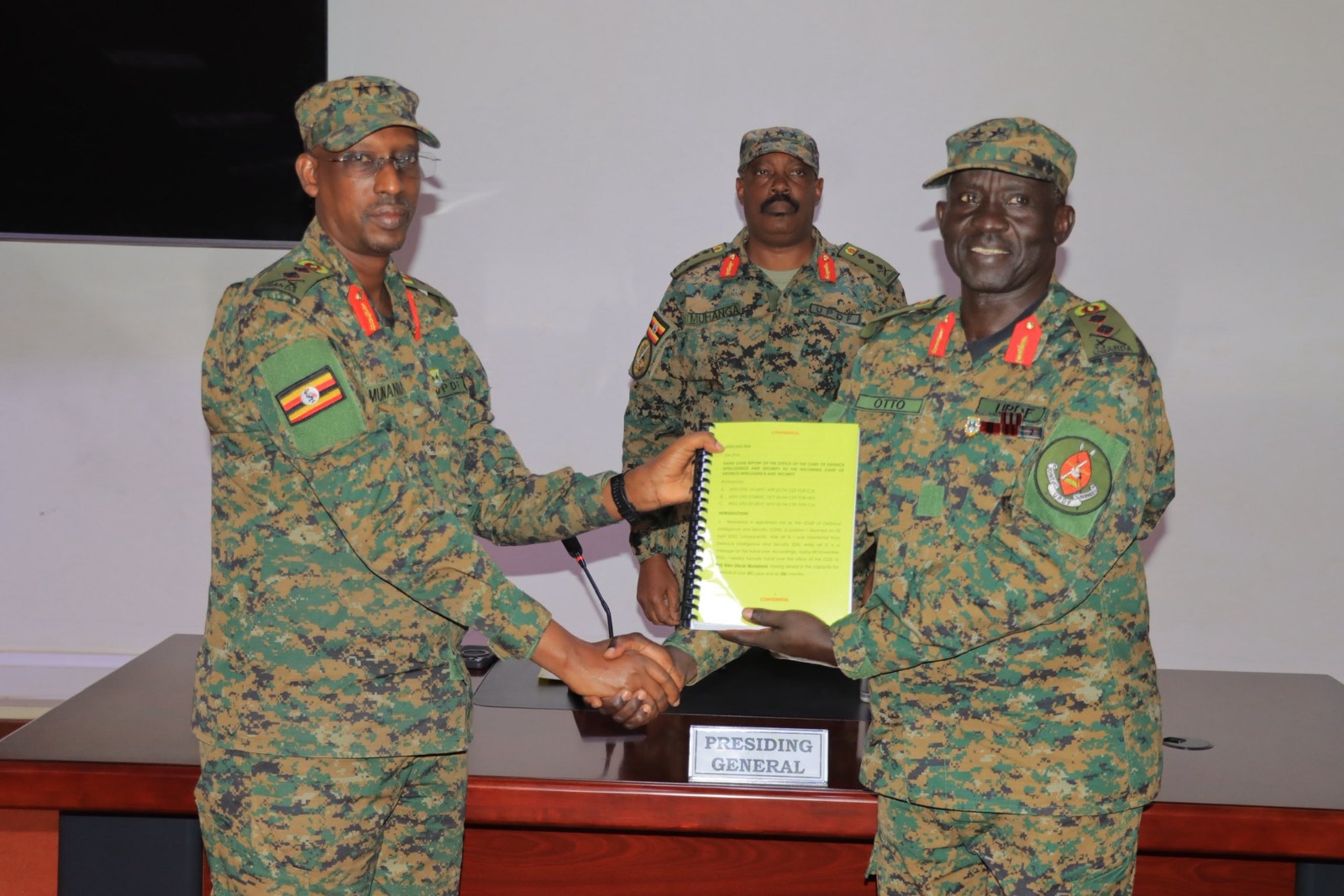
Munanura formally assumed office yesterday, during a handover ceremony at the military intelligence headquarters in Mbuya, Kampala. The ceremony was presided over by the Commander Land Force, Lt Gen Kayanja Muhanga, who represented Gen Muhoozi. Muhanga commended outgoing chief Maj Gen Richard Otto for his contribution, long service and professional record, describing his tenure as a success story.
He, however, delivered a message that captured the enormous responsibility awaiting Munanura. He warned that delayed intelligence could compromise military operations, while compromised intelligence could expose soldiers to danger on the battlefield.
The incoming chief was urged to demonstrate hard work, commitment, discipline, loyalty and passion for duty. Munanura thanked President Museveni, the Commander-in-Chief, and Gen Muhoozi for entrusting him with the responsibility, pledging to lead the intelligence establishment with diligence, honour and professionalism. But behind the formal military pleasantries lies an institution facing difficult questions about its credibility, accountability and relationship with the wider security establishment.
Why the Chief Spy’s Office is the Hardest Job in the Army
The Chief of Defence Intelligence and Security occupies a particularly sensitive position in Uganda’s military command structure because intelligence is the foundation upon which military operations, internal security assessments and counterterrorism strategies are built.
Formerly known as the Chieftaincy of Military Intelligence (CMI), the directorate was renamed the Chieftaincy of Defence Intelligence and Security (CDIS). Its responsibilities include gathering, analysing and disseminating intelligence relevant to the defence of the country and the security of the armed forces.
It also undertakes counterintelligence, identifying infiltration, espionage, internal threats and possible compromises within military structures. The directorate works with other security institutions, including the police, in responding to terrorism, armed robbery, kidnappings and other security threats.
Unlike conventional military commanders, whose performance can sometimes be measured through troop readiness, deployments and operational achievements, the chief spy operates in an environment where success is often invisible.
A terrorist attack prevented may never become public knowledge. An intelligence source protected may never receive recognition. A military operation successfully executed may depend on information gathered months earlier by officers whose identities cannot be disclosed.
Conversely, one intelligence failure can have devastating consequences. A compromised informant, a fabricated intelligence report, an inaccurate threat assessment or an operation based on unreliable information can expose soldiers and civilians to danger.
The chief spy must therefore balance several competing responsibilities: protecting the army, identifying threats, maintaining the confidence of the CDF, coordinating with other security agencies and ensuring that intelligence gathering remains credible.
The office also operates within a highly centralised military command structure. The intelligence chief must provide information that enables the military leadership to make decisions, including decisions involving politically sensitive personalities and security operations. This is where the job becomes particularly difficult.
Intelligence officers are expected to report facts, even when those facts are uncomfortable to powerful individuals. Yet they must also operate within the command discipline of a military institution where loyalty and obedience are fundamental. The danger arises when professional intelligence assessments collide with the expectations of commanders or other powerful actors.
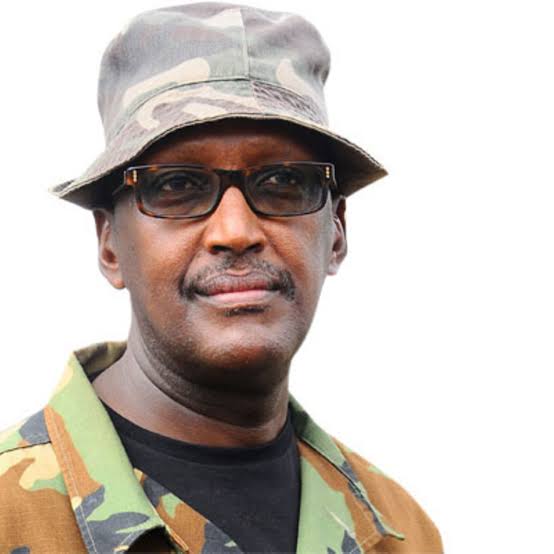
Munanura’s greatest challenge will be maintaining the distinction between intelligence and speculation, professional loyalty and personal allegiance, and national security interests and individual interests.
The turbulent succession: From Bakahumura to Kandiho
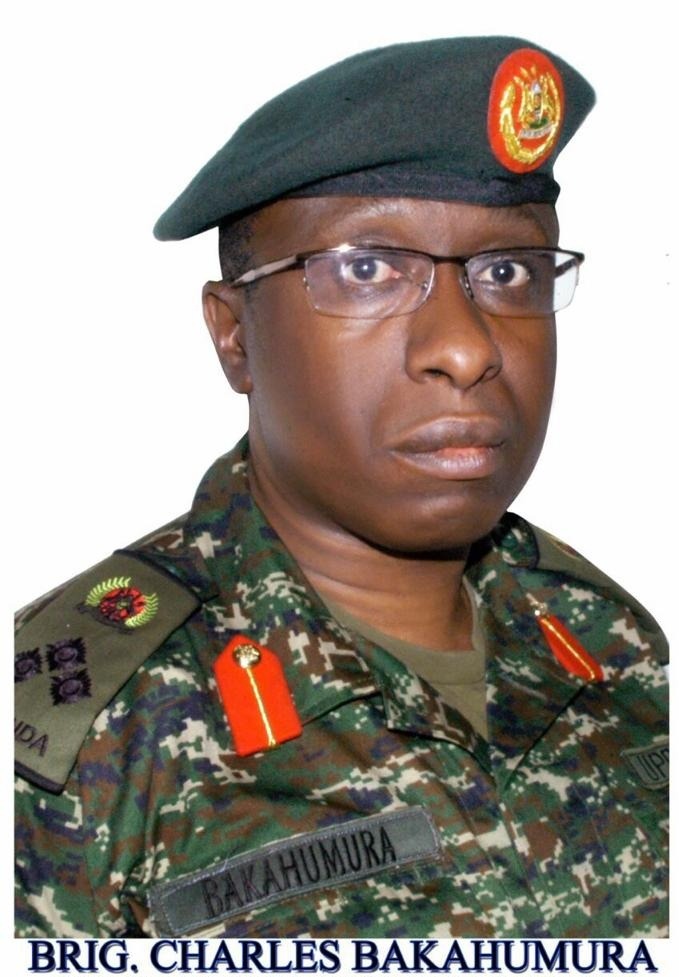
The history of the intelligence directorate provides important context for the pressures facing Munanura. Brig Gen Charles Bakahumura was one of the longest-serving commanders of the institution, heading CMI from 2012 to 2017. His five-year tenure offered a period of relative continuity compared with the rapid changes that followed. After leaving intelligence, Bakahumura was appointed Chief of Logistics and Engineering (CLE), where he served for seven years. He was later appointed Uganda’s Defence Attaché to Turkey.
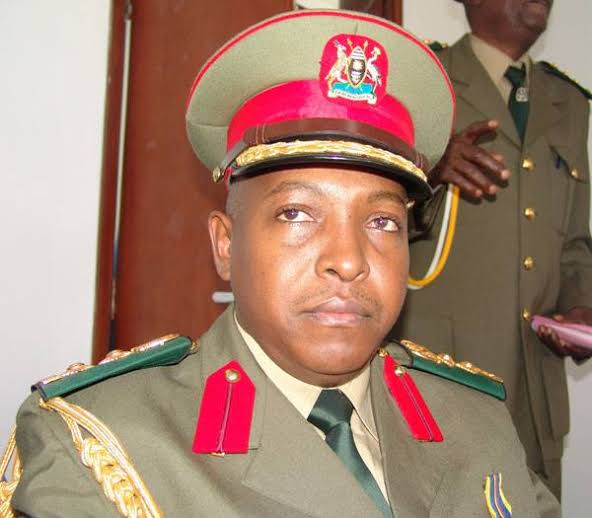
His career appeared to demonstrate that a former intelligence chief could move into another senior military position and continue serving without immediately becoming embroiled in controversy.
However, even Bakahumura’s story has taken a dramatic turn. In September 2026, shortly after his retirement from active service, he was arrested alongside Kandiho as investigations into alleged false intelligence and treachery widened. He was subsequently ordered released by Gen Muhoozi, according to media reports.
His experience complicates the narrative that only short-serving intelligence chiefs have suffered the consequences of the office. Even a former chief who enjoyed a long career outside intelligence has not been entirely insulated from the controversies surrounding the directorate.
Maj Gen Abel Kandiho, who succeeded Bakahumura in January 2017, became one of the most controversial figures in Uganda’s security establishment. Kandiho rose through the ranks while commanding military intelligence, earning promotion to Brigadier General in November 2017 and subsequently Major General.
His tenure coincided with a particularly turbulent period in Uganda’s domestic security environment, characterised by political tensions, arrests of opposition supporters, allegations of torture and heightened regional security tensions with Rwanda.
The United States imposed sanctions on Kandiho in December 2021 over allegations of serious human rights abuses by CMI personnel, including torture and mistreatment of detainees. The UPDF protested the sanctions, arguing that they had been imposed without due process.
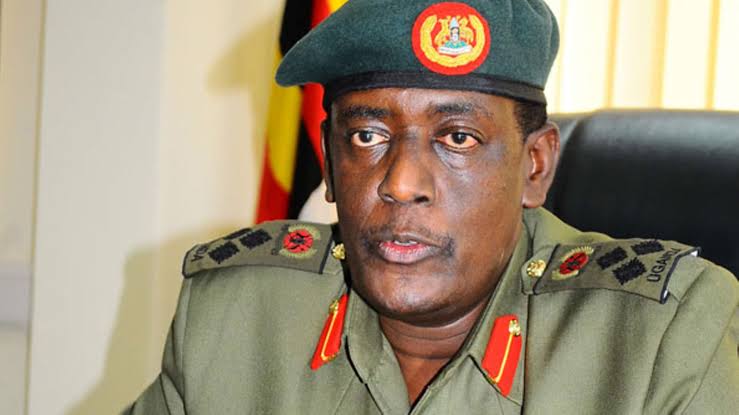 Kandiho’s departure from the intelligence docket in 2021 was followed by his eventual retirement in August 2026. But retirement did not end his troubles. On September 9, 2026, he was arrested alongside Bakahumura in an investigation reportedly focusing on alleged fabrication of intelligence and treachery.
The arrests sent shockwaves through the military establishment because they involved two former commanders who had previously occupied the highest intelligence office.
The allegations against the retired generals remain matters for investigation and due process, rather than established findings of guilt. Nevertheless, their detention raised uncomfortable questions about the institutional practices, intelligence reports and operational decisions made during their years in military intelligence. For Munanura, the message is unmistakable: the consequences of decisions made within the intelligence directorate may extend well beyond the period an officer occupies the office.
Birungi’s Troubled Departure and the False Intelligence Scandal
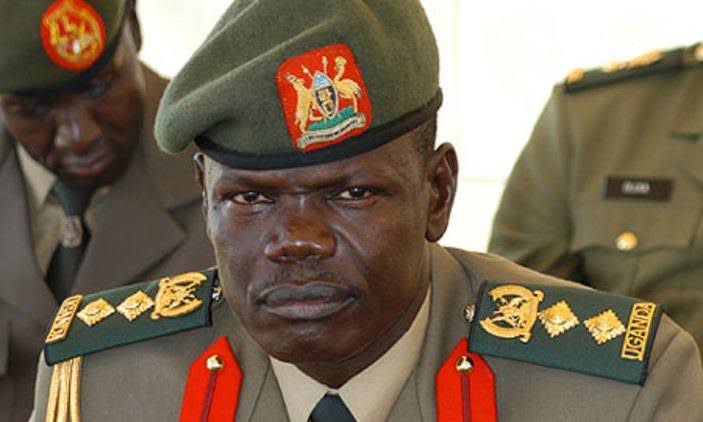 If Kandiho’s tenure was defined by international scrutiny and human rights allegations, Maj Gen James Birungi’s time at the helm was marked by a particularly damaging intelligence controversy. Birungi took over the intelligence directorate before being replaced by Maj Gen Richard Otto in April 2025.
His departure initially appeared to be an ordinary military reshuffle. Otto, who had commanded the Mountain Infantry Division and served as Joint Task Force Commander in Operation Shujaa against the Allied Democratic Forces in eastern Democratic Republic of Congo, was appointed the new intelligence chief.
Birungi, meanwhile, was transferred to command the Mountain Infantry Division in Fort Portal. However, the former intelligence chief’s troubles did not end with his transfer. In August 2025, he was arrested in connection with allegations involving fabricated intelligence reports that were allegedly used to obtain operational funds.
The investigation also drew attention to counterterrorism operations in Kampala, including incidents in which civilians were reportedly shot and subsequently presented as suspected suicide bombers. Birungi was charged alongside other UPDF officers with offences relating to security and treachery. He was remanded to Makindye Military Barracks after the General Court Martial denied him bail over difficulties with sureties.
The allegations were particularly damaging because they touched the very foundation of military intelligence: the credibility of information supplied to commanders and the use of that information to justify security operations.
 An intelligence directorate that supplies inaccurate or fabricated information risks undermining the confidence of its own commanders, operational units and the public. For Munanura, Birungi’s experience is perhaps the most immediate institutional warning.
He is taking over an establishment that must rebuild confidence in the integrity of intelligence reports, operational assessments and counterterrorism activities. He cannot simply inherit the office and its resources without addressing the institutional weaknesses that previous controversies exposed.
Richard Otto: A Short Spell Without a Public Scandal
Maj Gen Richard Otto’s departure presents a different dimension of the apparent instability surrounding the intelligence office. Otto assumed the CDIS position in April 2025, replacing Birungi, after serving as commander of the Mountain Infantry Division and leading UPDF operations against the ADF in eastern Congo. His appointment was widely seen as bringing operational experience into an institution that needed to strengthen its intelligence capabilities. However, his tenure lasted approximately 18 months.
 On October 27, 2026, Gen Muhoozi announced that Otto had been seconded to the Joint Staff Human Resource Management for redeployment, paving the way for Munanura’s elevation. The military did not publicly disclose the reasons for Otto’s reassignment. At his handover ceremony, Lt Gen Muhanga praised him for his long service, professional record and contribution to the intelligence establishment.
Unlike Birungi, Kandiho and Bakahumura, Otto had not, as of Munanura’s takeover, been publicly reported as arrested or charged in connection with the intelligence investigations. His departure should therefore not be interpreted as evidence of wrongdoing. Nevertheless, the relatively short period he spent in the office illustrates how quickly leadership can change at the top of the intelligence establishment.
For a directorate whose work depends on long-term intelligence networks, institutional memory and confidential relationships, frequent changes of leadership can create their own operational difficulties. Munanura must now establish continuity while demonstrating that he can deliver the results expected by the military command.
Why Muhoozi’s confidence will be crucial
Munanura’s appointment is also significant because it was made under the command of Gen Muhoozi, whose leadership has brought a new generation of military officers into influential positions.
 The CDF is not merely appointing an intelligence administrator. He is entrusting Munanura with an institution whose assessments, investigations and counterintelligence operations can influence major military decisions. The incoming chief must therefore establish a working relationship with Muhoozi while maintaining the professional independence necessary for credible intelligence work.
This is a delicate balancing act. The CDF needs an intelligence chief who can provide reliable information about threats to the military, identify internal weaknesses and detect possible disloyalty or infiltration. But the intelligence chief must also be able to distinguish genuine threats from personal rivalries, rumours and information supplied to advance individual interests.
The recent investigations involving former intelligence commanders make this responsibility even more pressing. The danger of intelligence being weaponised against individuals, whether within or outside the military, is one of the institutional questions Munanura must confront. His predecessor’s short tenure also means he cannot assume that occupying the office automatically guarantees the confidence of the military command. He must earn it through results.
The Challenges Awaiting Munanura
There are at least four major tests that will determine whether Munanura succeeds. First, restoring intelligence credibility. The allegations of fabricated intelligence associated with the Birungi case have created serious questions about the reliability of information generated within the directorate.
 Munanura must establish stronger verification mechanisms to ensure that intelligence reports are based on credible sources and independently corroborated information. The intelligence chief must be particularly careful about information used to authorise counterterrorism operations, arrests and other security interventions. Second, managing internal rivalries and loyalty. Military intelligence operates through networks of informants, investigators, field operatives and senior officers.
The chief must manage these networks without allowing personal loyalties, internal competition or factional interests to compromise their work. He must also ensure that officers understand that professional competence and accuracy are more important than telling senior commanders what they want to hear. Third, rebuilding institutional confidence. The arrests and investigations involving former intelligence chiefs have placed the institution under an uncomfortable spotlight.
Munanura will need to reassure serving officers that the directorate can operate professionally and that intelligence work will not become a source of personal liability through fabricated reports, questionable operations or abuses of authority. Accountability, proper documentation and respect for the law will be essential. Fourth, navigating the political-security environment. Uganda’s security establishment is operating in a politically sensitive period, with the military increasingly central to national security discussions.
The intelligence chief must identify genuine security threats without allowing political considerations to distort intelligence assessments. He must protect the institution from becoming an instrument of personal vendettas or factional battles. These challenges will require more than military discipline. They will demand sound judgement, restraint and the courage to deliver uncomfortable truths.
Will the Curse Catch up with Munanura?
The apparent curse of the chief spy is becoming one of the most intriguing features of Uganda’s military establishment. Bakahumura occupied the office for approximately five years before moving into another senior military position. Kandiho’s tenure ended amid international human rights scrutiny, followed years later by his arrest. Birungi’s departure was followed by a court-martial over alleged fabricated intelligence. Otto, meanwhile, was moved after approximately 18 months without any publicly established misconduct.
Even Bakahumura, the apparent exception because of his long tenure, was subsequently caught up in the investigations involving former intelligence officers. However, it would be misleading to suggest that all former intelligence chiefs have been convicted of wrongdoing or that their arrests establish guilt. The allegations against the detained officers must be determined through due process.
What is undeniable is that the office has become associated with unusually high professional and reputational risks. Munanura’s advantage is that he is not entering the directorate as a complete outsider. Having served as deputy to Otto and previously handled counterintelligence, he understands the internal workings of the organisation.
 He also has an opportunity to learn from the mistakes and controversies associated with his predecessors. But that advantage comes with a disadvantage: he inherits an institution whose recent history is already under scrutiny.
His success will depend on whether he can establish a culture in which intelligence is verified, operations are lawful, officers are professionally accountable and the interests of the army take precedence over individual ambitions.
Ultimately, the chief spy’s job is not simply to know everybody’s secrets. It is to ensure that the information reaching the army command is accurate, timely and useful enough to protect the country and its soldiers. Munanura has been handed one of the most powerful offices in the UPDF. He has also inherited one of its most complicated histories.
The question is whether he can turn the directorate around, serve long enough to establish his own legacy and leave office with his reputation intact. Or will the curse of the chief spy claim yet another general? For now, Munanura has the confidence of the CDF. Whether he can retain it while navigating the dangerous intersection of intelligence, military command and politics will determine the fate of his tenure.
The Evolution of UPDF Military Intelligence: From DMI to CDIS
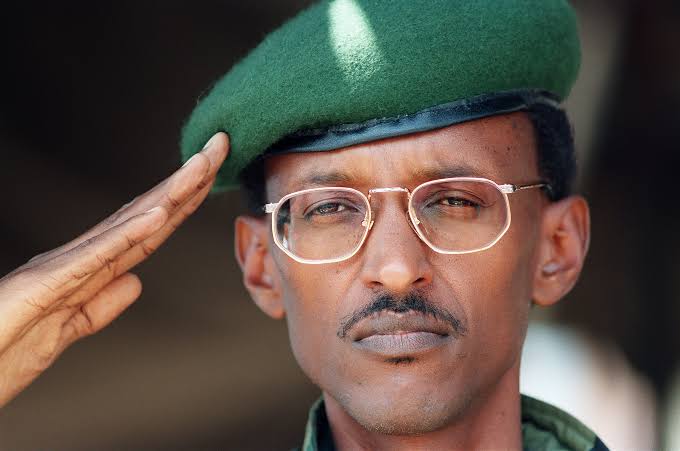
The UPDF’s intelligence machinery traces its roots to 1986, shortly after the National Resistance Army (NRA) captured power, when military intelligence was established as the Directorate of Military Intelligence (DMI), headquartered at Old Kampala. Its first chief was Maj Gen Mugisha Muntu, who later rose through the ranks to become Army Commander. Among the officers who worked within the fledgling intelligence establishment at Old Kampala was Maj Gen Paul Kagame, now President of Rwanda, who served alongside Muntu before pursuing his military career in Rwanda. The DMI subsequently evolved into the Chieftaincy of Military Intelligence (CMI), following institutional reforms spearheaded by the late Brig Noble Mayombo, who played a central role in shaping its structure, operational capacity and intelligence mandate. CMI became one of the most powerful and feared institutions within the military, responsible for counterintelligence, military investigations, surveillance and identifying threats to national security. Over the years, the directorate produced a succession of influential intelligence chiefs, including Lt Gen Henry Tumukunde, Brig Mayombo, Maj Gen Fred Toolit, Lt Gen James Mugira, Brig Gen Charles Bakahumura, Maj Gen Abel Kandiho and Maj Gen James Birungi. In a subsequent restructuring, CMI was transformed into the Chief of Defence Intelligence and Security (CDIS), with Maj Gen James Birungi becoming the first commander under the new structure. Maj Gen Richard Otto later took over the intelligence leadership before the latest transition that brought Maj Gen Oscar Munanura into the office. The succession reflects an institution that has undergone several structural and leadership changes in nearly four decades, with each intelligence chief inheriting an organisation whose responsibilities extend beyond conventional military intelligence into the sensitive terrain of national security, internal military discipline and political-security dynamics.
Former UPDF intelligence chiefs and notable figures
- Maj Gen Mugisha Muntu – First DMI chief.
- Maj Gen Paul Kagame – Served in the early DMI intelligence establishment.
- Maj Gen Fred Toolit.
- Lt Gen Henry Tumukunde.
- Brig Noble Mayombo.
- Lt Gen James Mugira.
- Brig Gen Charles Bakahumura.
- Maj Gen Abel Kandiho.
- Maj Gen James Birungi – First CDIS chief.
- Maj Gen Richard Otto.
Author Profile
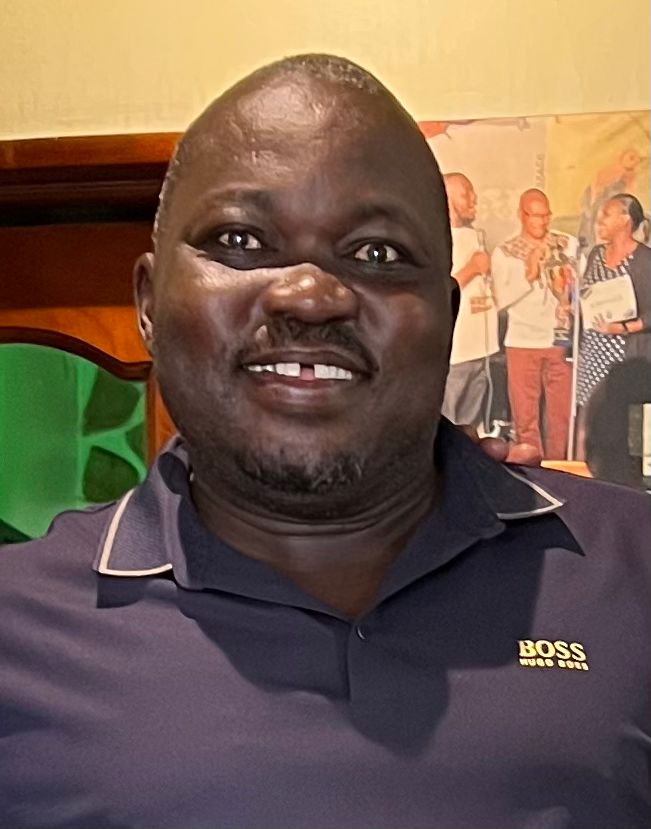
- Charles Gazza Kodili is a seasoned journalist with over 20 years of experience in the media industry. He holds a Bachelor of Arts degree in Mass Communication. He’s currently the Chief Editor at the Investigator.
Charles can also be reached via; Tel: +256 774 108978
Email: [email protected]
Latest entries
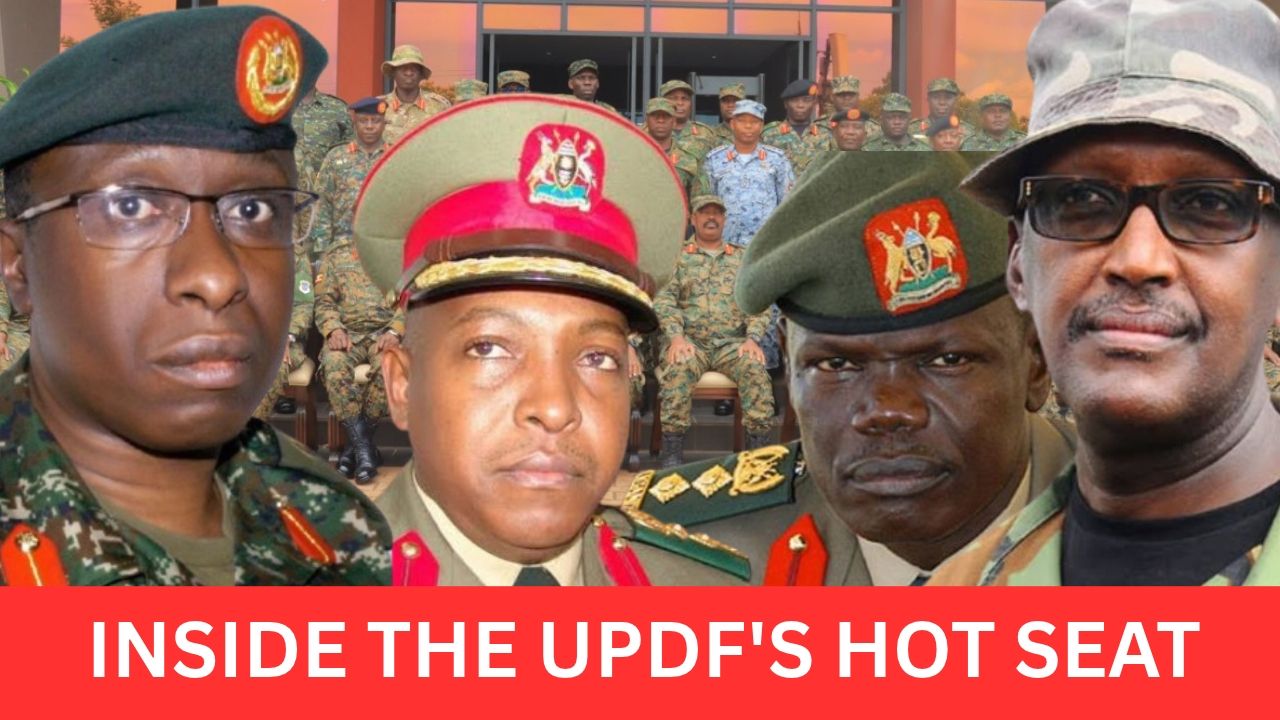 FeaturedNovember 11, 2026CURSE OF THE CHIEF SPY: From Bakahumura And Kandiho to Birungi and Otto, the UPDF Intelligence Directorate has Witnessed Turbulent Leadership Changes, Arrests, Investigations and Short-Lived Tenures. Now Maj Gen Oscar Munanura Inherits the Secrets and Controversies
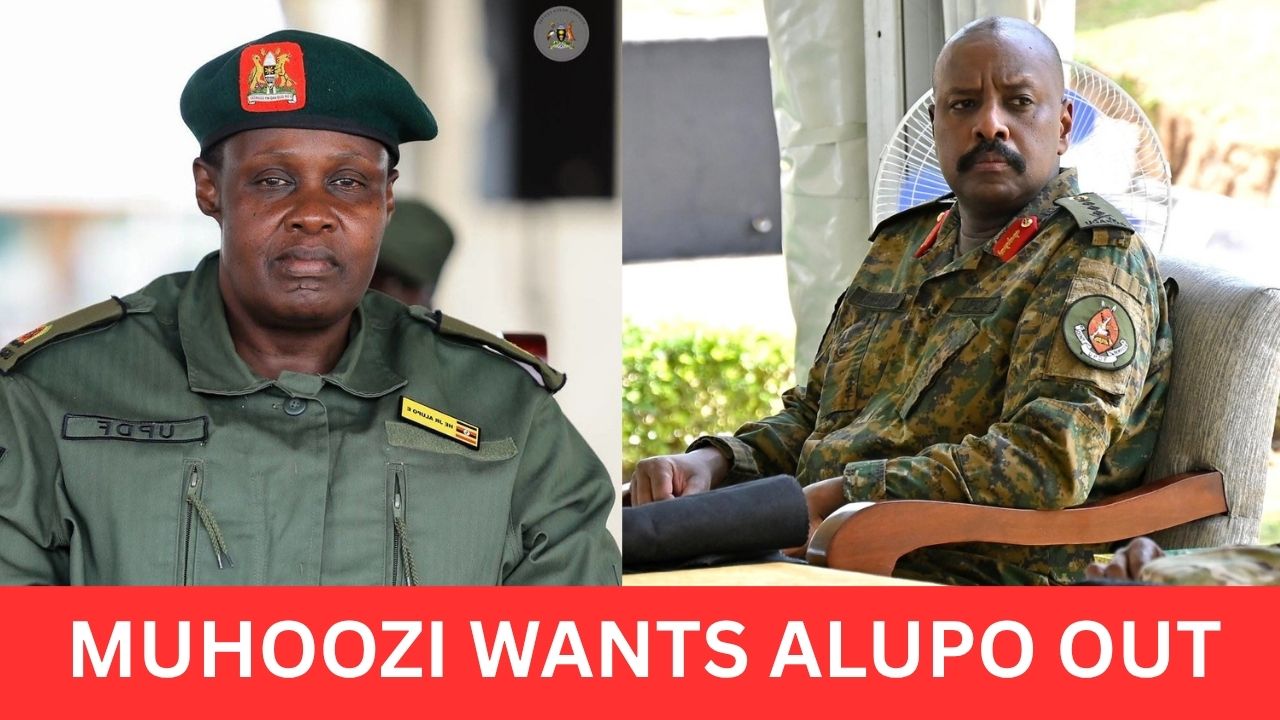 FeaturedNovember 10, 2026MUHOOZI DECLARES WAR ON JESSICA ALUPO: The CDF’s Explosive Tweets Demanding The Vice President’s Removal, Accusing Her Of Backing Mbabazi And Declaring An End To Uganda’s Alleged Gynocracy Have Exposed Fresh Tensions Within The Museveni Establishment
 FeaturedNovember 10, 2026STATE HOUSE OFFICIAL TURN ORFANS INTO VICTIMS OF THEIR OWN INHERITANCE: Entrusted With Powers of Attorney to Recover Their Late Father’s Estate and Agreed on a 10 Acres Token, Ruth Naomi is Now Accused of Forging Signatures and Plotting To Transfer the Entire 78-Acre Property to Herself
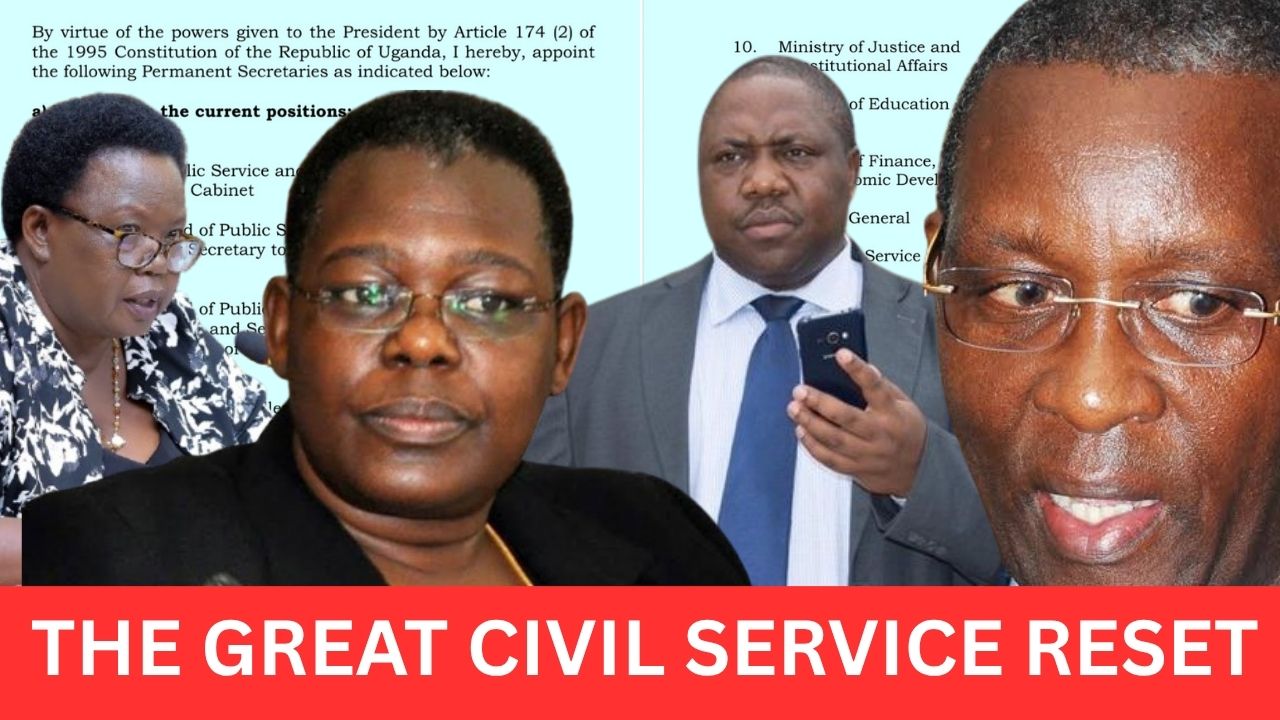 FeaturedNovember 10, 2026WHY BIGIRIMANA, OKIDI AND OKALANY WERE SHOWN THE EXIT: What Triggered The Departures Of Bigirimana, Okidi, Okalany And Other Long-Serving Permanent Secretaries? Inside The Succession Battle, Performance Questions And Changing Priorities Behind The Biggest Civil Service Shake-Up In Years