










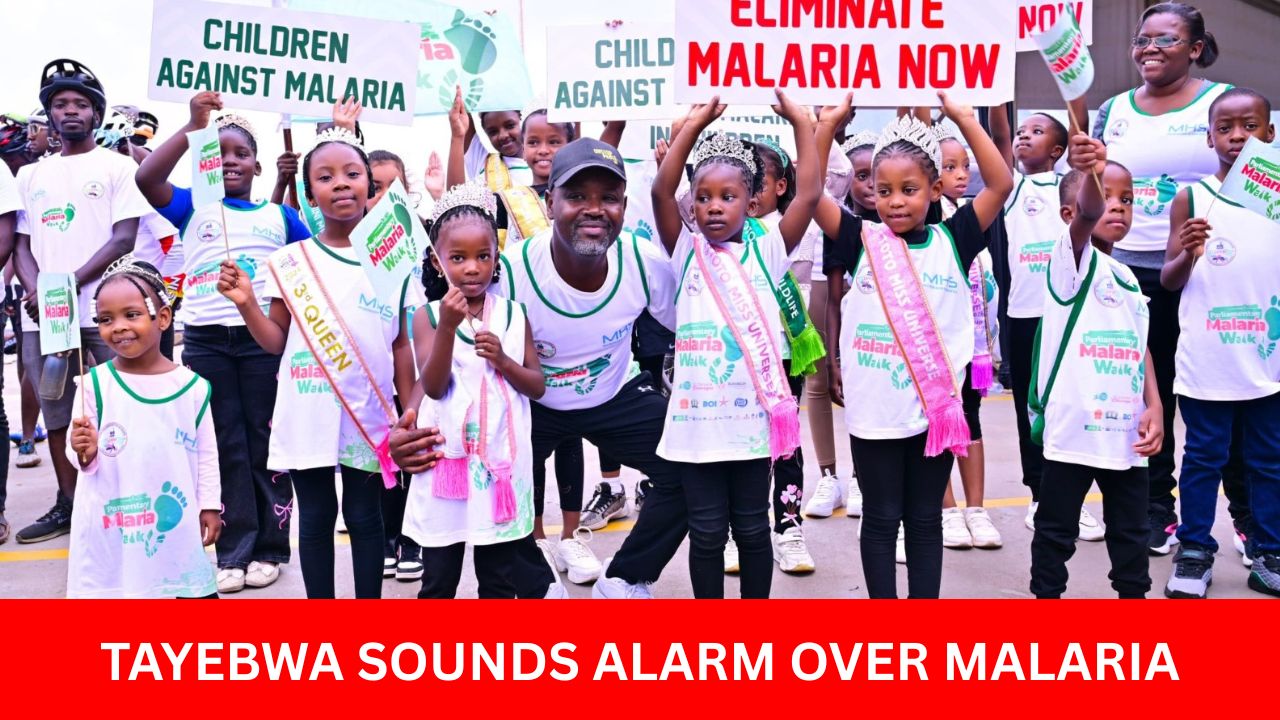


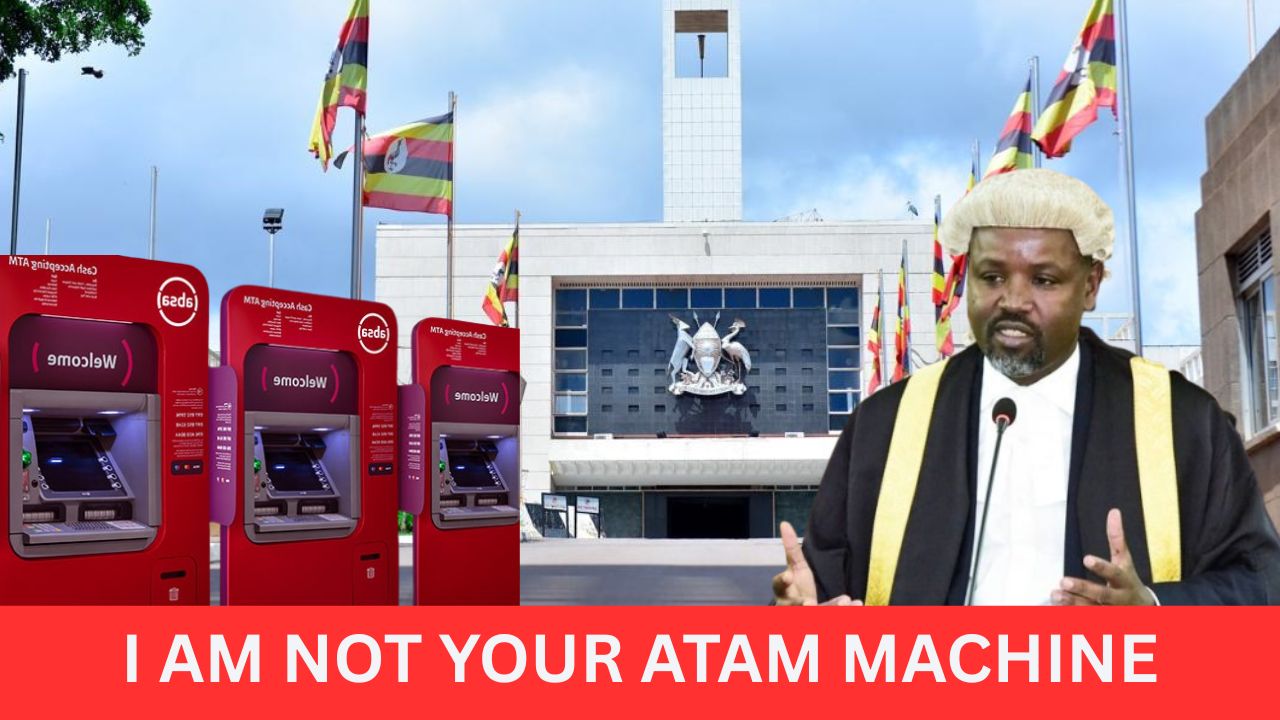
Deputy Speaker of Parliament Thomas Tayebwa has cautioned Members of Parliament against turning the offices of the Speaker and Deputy Speaker into what he described as “ATMs” for personal financial rescue.Speaking candidly about the pressures that characterized Uganda’s 11th Parliament, Tayebwa revealed that lawmakers frequently sought financial assistance from parliamentary leaders, creating an environment where political influence and personal dependency increasingly overlapped.“I feared entering my office without at least Shs10 million in cash,” Tayebwa said, explaining that MPs regularly approached him for urgent financial support. He urged legislators to manage their personal finances responsibly and avoid accumulating unsustainable debts that later push them into dependence on political patrons.
His remarks have reignited debate about the culture of money and patronage that dominated the 11th Parliament under the leadership of Speaker Anita Annet Among and Deputy Speaker Tayebwa. Critics and governance observers have long argued that excessive monetization of politics contributed to weakening institutional independence and accountability within Parliament.During the 11th Parliament, there were persistent claims and public discussions alleging that MPs frequently received cash handouts from the Speaker’s office. Some legislators and political commentators alleged that weekly distributions of money became normalized, although the exact source of the funds was often unclear and not publicly explained. Supporters of the parliamentary leadership, however, defended the practice as welfare support intended to help MPs facing financial and constituency pressures.The issue of financial dependence among legislators has remained central to discussions about corruption in Uganda’s political system. Analysts argue that the high cost of elections, pressure from constituents for direct financial assistance, and the absence of strong institutional safeguards have created conditions that encourage transactional politics.
Heavily indebted
Observers note that many MPs enter Parliament heavily indebted after expensive campaigns, making them vulnerable to influence from powerful political actors. Once elected, lawmakers are often expected to fund funerals, school fees, medical bills, and community events in their constituencies. This pressure, critics say, fuels a cycle where MPs continuously seek financial support from wealthier political offices or individuals.Anti-corruption activists have also pointed to weak transparency mechanisms and limited public disclosure regarding parliamentary expenditures as factors that deepen suspicion and erode public trust. Allegations of cash distributions in Parliament have periodically sparked public outrage, especially at a time when many Ugandans continue to struggle with rising living costs and unemployment.
Tayebwa’s comments therefore offer a rare glimpse into the internal financial culture of Uganda’s legislature. While his warning focused on personal responsibility among MPs, it has also drawn attention to broader systemic concerns about the relationship between money, political loyalty, and governance in Parliament.Political analysts say meaningful reforms would require stricter accountability measures, stronger enforcement of ethical standards, and broader electoral reforms aimed at reducing the financial burden associated with political office.As public scrutiny of Parliament continues, Tayebwa’s remarks may further intensify calls for greater transparency and institutional reforms within Uganda’s legislative arm.
Author Profile

Latest entries
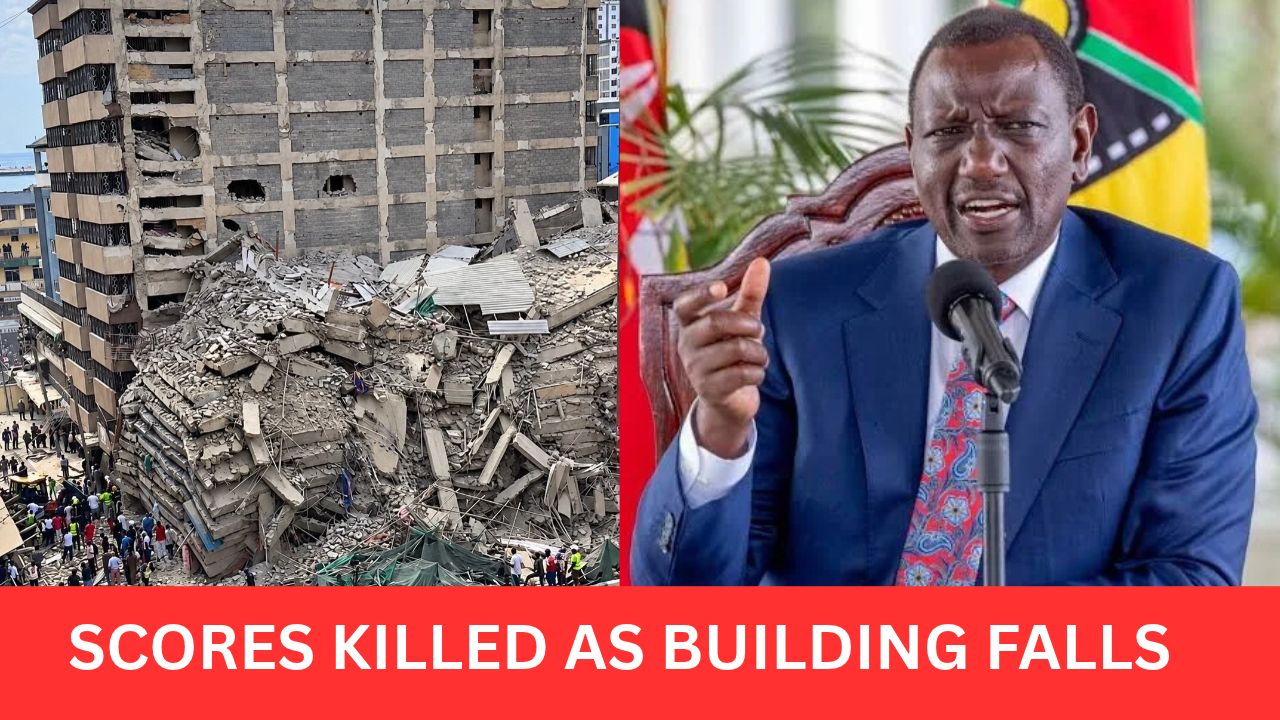 FeaturedOctober 23, 2026CONSTRUCTION SAFETY UNDER SCRUTINY: The Collapse Of A Multi-Storey Building Raises Fresh Questions About Construction Approvals, Structural Inspections And The Authorities’ Failure To Identify Potentially Dangerous Structures
 NewsOctober 22, 2026FUEL PRICES, DOLLAR RATES TEST PUBLIC CONFIDENCE: Rising Fuel Costs And Currency Market Pressures Are Exposing The Economic Consequences Of Eroding Confidence, With Businesses And Households Bearing The Burden
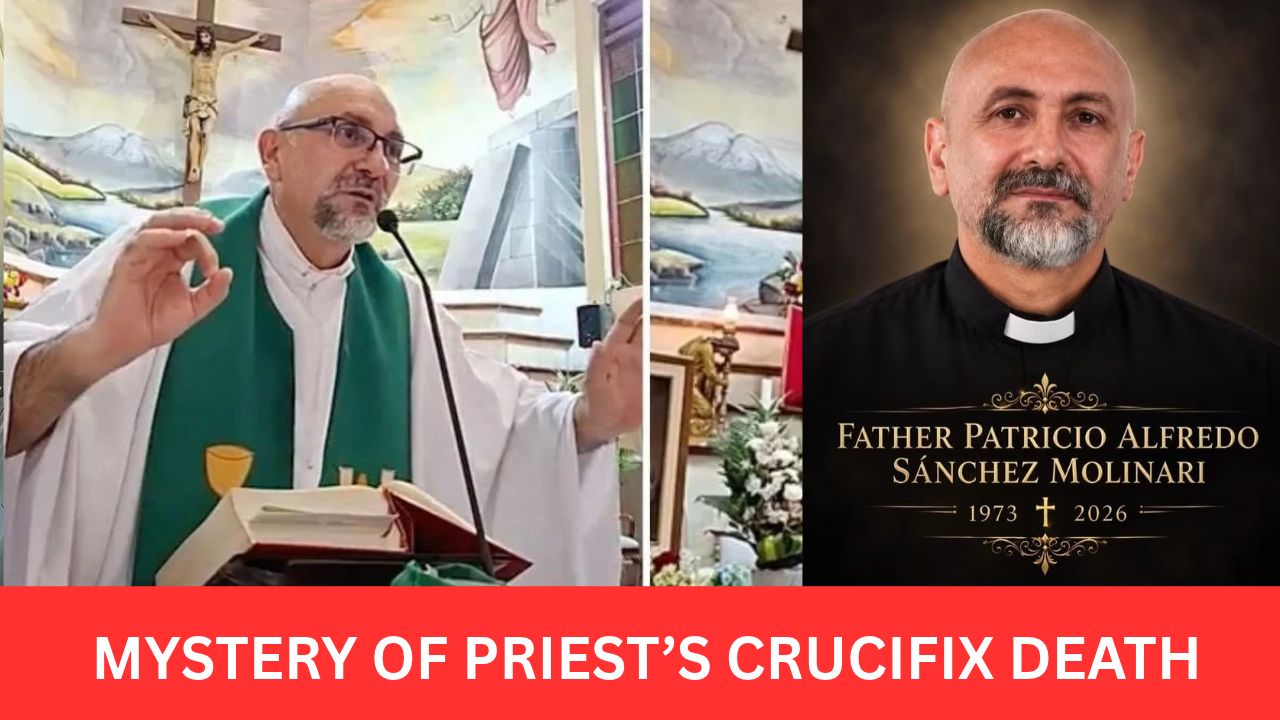 FeaturedOctober 19, 2026CRUCIFIX CRUSHES PRIEST TO DEATH: Father Patricio Alfredo Sánchez Molinari Dies After A Massive Wooden Cross Falls On His Head During A Livestreamed Mass In Ecuador
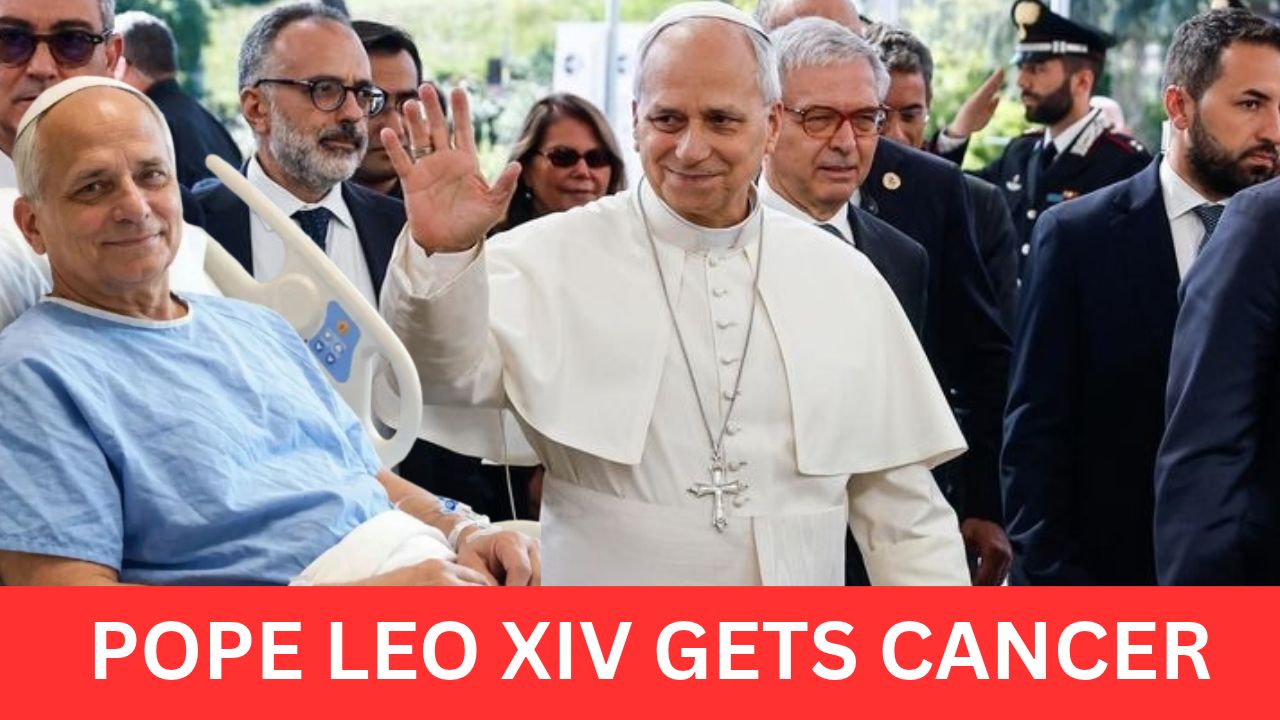 UncategorizedOctober 14, 2026POPE TESTS POSITIVE OF CANCER: Man of God Leo XIV’s Lung Cancer Highlights Growing Number Of Nonsmokers Diagnosed With The Disease And Younger People Too