




















It is a deeply troubling betrayal of governance when those entrusted to set the pace of leadership and act as exemplary guardians of public trust choose to reduce vital constitutional duties to a circus of self serving grandstanding. Parliamentary oversight was conceived as a rigorous, data driven mechanism to safeguard public resources and enforce institutional accountability.
When committee leaders systematically abandon structured interrogation in favor of televised personal attacks and procedurally flawed fishing expeditions, they actively dismantle the credibility of the legislative process and signal to the public that personal political posturing matters far more than genuine statecraft.
This continuous drift by the Committee on Commissions, Statutory Authorities and State Enterprises is a stark reflection of that institutional failure. Rather than adhering strictly to the Auditor General reports and interrogating accounting officers on financial compliance, committee leadership repeatedly strays far beyond its constitutional boundary.
Just as previous leadership vulgarized the committee scope by prying into the private life, marriage, and personal background of Uganda Airlines CEO Jenifer Bamuturaki, Hon. Muwadda Nkunyingi is repeating the exact same procedural error with the Uganda Human Rights Commission.
Bypassing clear audit findings to chase internal administrative squabbles, matters already explicitly assigned by the Speaker to the Committee on Legal and Parliamentary Affairs, is a reckless overreach that preempts sister committees while allowing a suffocating backlog of unreviewed audit reports to accumulate.
This persistent breakdown raises an urgent question regarding value for money and the taxpayer investment in these public officials. Citizens pay substantial public funds to maintain these lawmakers, complete with extensive technical support, allowances, and administrative backing.
Is the taxpayer getting any real return on investment when highly compensated representatives, guided by clear procedural frameworks, prove entirely incapable of reasoning logically within those established guidelines? It is baffling how individuals backed by such significant institutional resources continuously choose media antics over substantive oversight.
Are these members utterly uninducted on their legal scope, or are they consciously exploiting camera time to harvest cheap political capital because they fail to command the floor during plenary sessions? The quiet passivity of the technical staff makes the situation even worse.
Committee clerks and legal counsel are stationed in those chambers precisely to enforce the Rules of Procedure, keep proceedings grounded in empirical evidence, and prevent oversight from devolving into a media circus. When these highly paid technical experts remain silent while lawmakers dismantle statutory norms for personal visibility, the entire institutional framework fails the citizens who fund it.
Author Profile

Latest entries
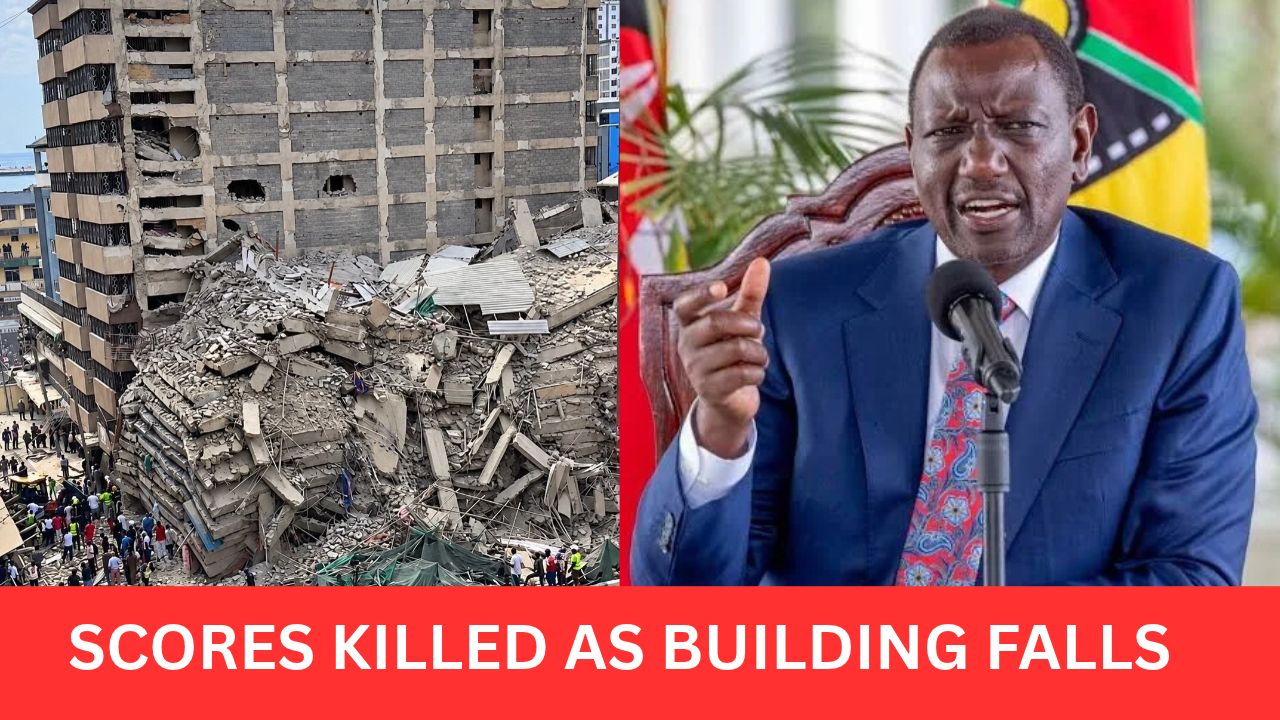 FeaturedOctober 23, 2026CONSTRUCTION SAFETY UNDER SCRUTINY: The Collapse Of A Multi-Storey Building Raises Fresh Questions About Construction Approvals, Structural Inspections And The Authorities’ Failure To Identify Potentially Dangerous Structures
 NewsOctober 22, 2026FUEL PRICES, DOLLAR RATES TEST PUBLIC CONFIDENCE: Rising Fuel Costs And Currency Market Pressures Are Exposing The Economic Consequences Of Eroding Confidence, With Businesses And Households Bearing The Burden
 FeaturedOctober 19, 2026CRUCIFIX CRUSHES PRIEST TO DEATH: Father Patricio Alfredo Sánchez Molinari Dies After A Massive Wooden Cross Falls On His Head During A Livestreamed Mass In Ecuador
 UncategorizedOctober 14, 2026POPE TESTS POSITIVE OF CANCER: Man of God Leo XIV’s Lung Cancer Highlights Growing Number Of Nonsmokers Diagnosed With The Disease And Younger People Too