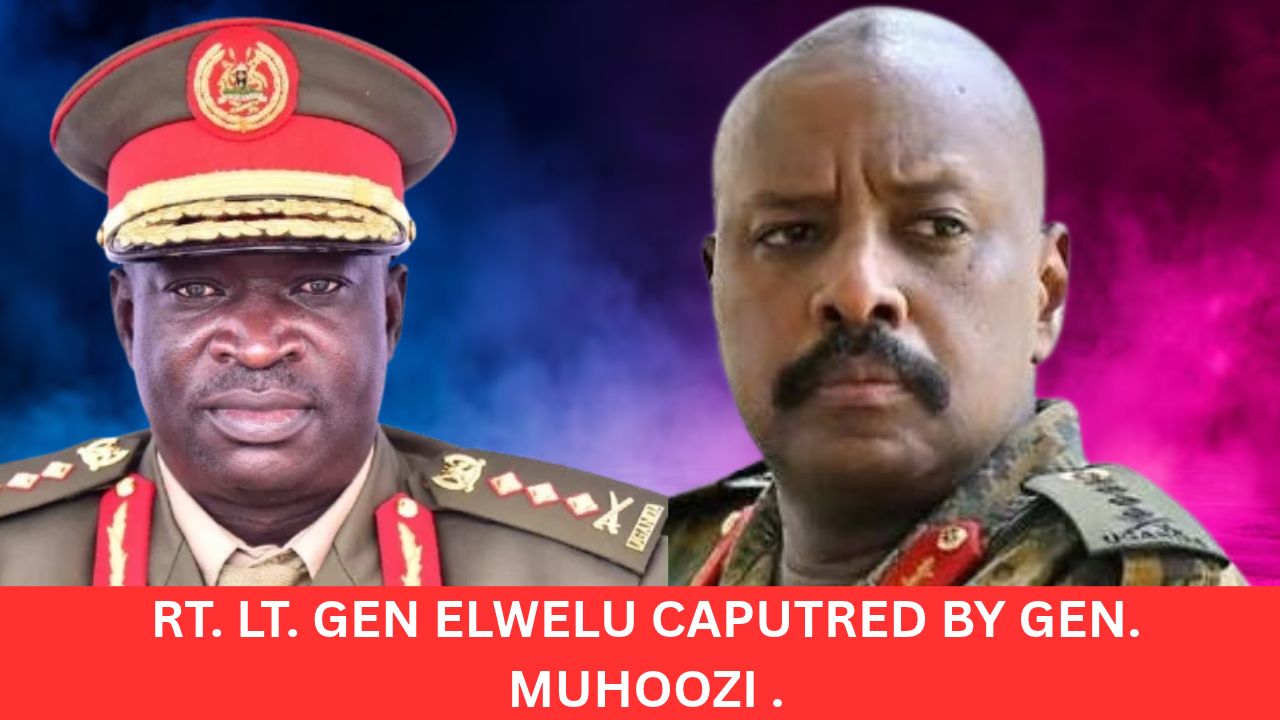




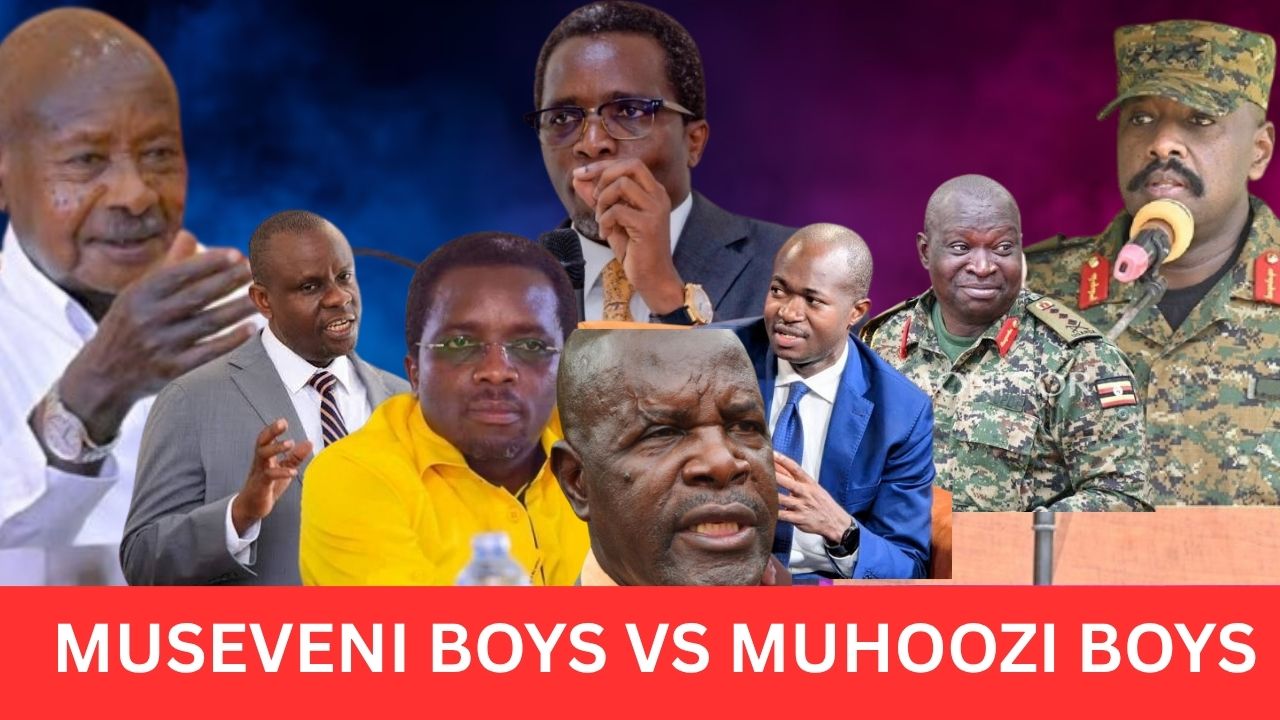
The reported arrest of retired Lt Gen Peter Elwelu has exposed growing fault lines within the ruling establishment, with President Museveni’s long-standing political allies, Dr Kenneth Omona and Ofwono Opondo, taking on Gen Muhoozi Kainerugaba’s prominent supporters Balaam Barugahara, Frank Mwesigye and Daudi Kabanda.
The public confrontation surrounding the reported arrest of Gen Elwelu has opened a new political battlefield within the ruling National Resistance Movement (NRM), raising questions about competing centres of influence, political loyalty and the future direction of the ruling establishment.
What initially appeared to be a disagreement over the circumstances surrounding Elwelu’s arrest in Soroti City on November 2, has developed into an extraordinary exchange involving senior NRM figures, government officials and political actors associated with the Patriotic League of Uganda (PLU), a mobilisation platform identified with Gen Muhoozi.
At the centre of the confrontation are two groups of influential political figures whose backgrounds and political associations make their exchanges particularly significant.
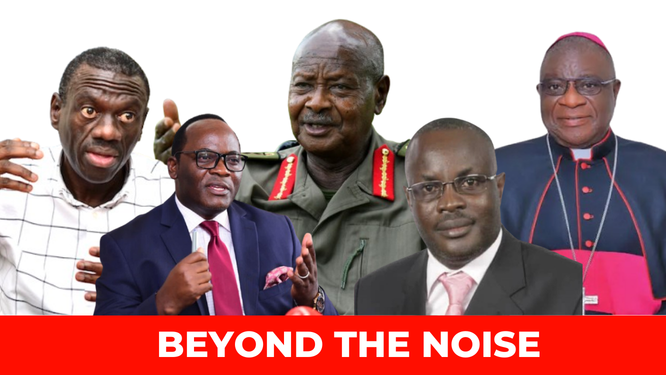
On one side are Dr Kenneth Omona and former government spokesperson Ofwono Opondo, long-standing figures in President Museveni’s political establishment. Omona previously served as Museveni’s Principal Private Secretary, while Opondo served as the government’s principal public communicator and executive director of the Uganda Media Centre.
On the other side are Minister of Local Government Balaam Barugahara, Frank Mwesigye and Kasambya MP Daudi Kabanda, who have become prominent defenders of Muhoozi’s political mobilisation and the PLU.
Although neither group has formally declared itself a political faction, their exchanges suggest an emerging contest over who has the authority to define loyalty, patriotism and political direction within the ruling establishment.
The question increasingly being raised is whether the Gen Elwelu controversy has become a proxy battlefield between Museveni’s established political network and Muhoozi’s emerging political camp.
The stakes are particularly high because the confrontation comes amid growing political conversations about the 2031 succession and Muhoozi’s political ambitions.
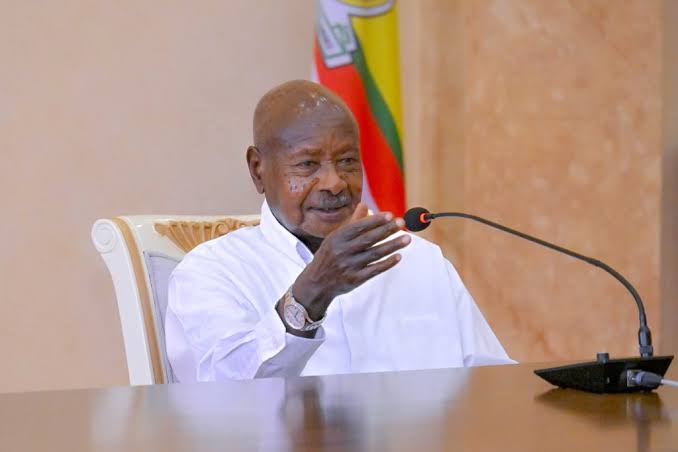
Echodu’s intervention exposes the fault lines
The political storm began after Echodu, who is also the NRM vice-chairperson for Eastern Uganda, issued a statement expressing concern over Elwelu’s arrest and the anxiety it had generated among residents of Teso.
Elwelu, a prominent son of the region, was arrested in Soroti City following allegations by the military that he was involved in subversive activities and plans to destabilise Teso.
Military spokesperson Col Chris Magezi said security forces had recovered 15 firearms, military fatigues and two pickup trucks allegedly linked to the retired general. The allegations have not yet been established in court.
For Echodu, the arrest was not merely a security matter but an incident with potentially serious consequences for a region that has experienced decades of armed conflict and insurgency.
He said he had received numerous telephone calls from opinion leaders and political actors seeking clarification about the reported security threat.
“Aware of our turbulent history, we, together with other senior leaders, have embarked on consultations with responsible institutions to ascertain the details and magnitude of the said matter. We have also informed the President about the concerns of the majority of the people in Teso,” Echodu said.
He appealed to residents to remain calm as regional leaders engaged the responsible authorities, while demanding a speedy and transparent inquiry.
His statement was measured, but it opened a political confrontation that would expose the increasingly difficult relationship between established NRM politicians and the PLU camp.
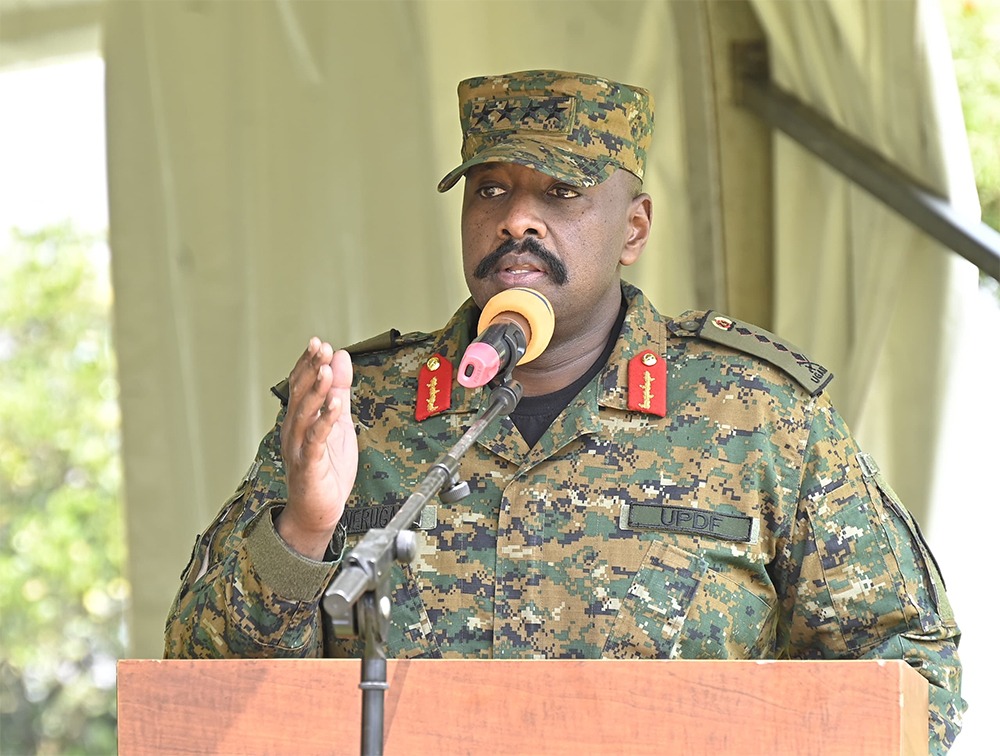 Balaam draws the battle lines
Balaam was among the first prominent figures to challenge Echodu’s intervention. In his response, the minister urged the Eastern Uganda NRM leader to approach the matter with objectivity, wisdom and statesmanship rather than viewing it through political, tribal or regional considerations.
Balaam argued that national security matters required sober reflection and that leaders should avoid making statements that could undermine confidence in security institutions.
He also invoked the experience of President Museveni and Gen Muhoozi, arguing that the two leaders had considerable experience in assessing intelligence and weighing its implications before decisions were made.
“We should also recognise the experience and institutional responsibility of our Commander-in-Chief Kaguta Museveni and Chief of Defence Forces General Muhoozi Kainerugaba, who have considerable experience in assessing intelligence and weighing its implications before decisions are made,” Balaam wrote.
He urged leaders to demonstrate confidence in the military leadership and allow investigations to establish the circumstances surrounding Elwelu’s arrest.
However, his response raised another political question: Was he simply defending the security institutions, or was he also reinforcing the authority of the political and military leadership associated with Muhoozi?
That distinction matters because the CDF has already become a central figure in Uganda’s political succession conversations.
Balaam’s invocation of both Museveni and Muhoozi also placed the two leaders at the centre of a debate that began with an elected representative asking for reassurance for his constituents.
Omona fires back: ‘Did we need your permission?’
The most direct challenge to Balaam came from Dr Omona, whose intervention carried considerable political significance given his previous position in Museveni’s inner administrative circle.
Rather than accepting Balaam’s characterisation of Echodu’s statement, Omona has questioned why a regional party leader should be accused of tribalism and political immaturity for responding to concerns among his constituents.
“Hallo Balaam, it’s me again. I read your response to Hon Calvin Echodu, MP and NRM Vice C/man for Eastern, member of the NRM CEC. According to you, Hon Echodu, an elected leader of the people, was tribal, unpatriotic, not statesman enough and immature, to respond to the happenings in his constituency and region, huh!” Omona wrote.
Omona, who said he comes from Greater Kaberamaido, the wider area associated with Elwelu, argued that the anxiety in Teso was understandable given the region’s painful history of insurgencies.
He said residents were frightened by reports of a possible rebellion and needed reassurance from their political leaders.
“The people in that place got terrified by the ongoing in the national news, aware of their traumatic past, wanted assurance from their leaders about their community. What then would us, their children and leaders tell them?” he asked.
In one of the sharpest passages, Omona questioned whether regional leaders needed Balaam’s permission to address their constituents.
“Did we need to seek permission from you to calm down our people so they can settle to till their land without fear?” he asked.
His argument was that demanding transparency and reassuring residents did not amount to defending criminality or undermining the military.
Omona also turned Balaam’s accusation of tribalism against him, sarcastically questioning whether the minister had abandoned his previous association with what he described as tribal chauvinism.
“The last time I checked you were a great promoter of tribal chauvinism, have you finally come to our side?” he wrote.
He invoked the NRM’s historical mass-line ideology, reminding Balaam that the movement had been founded on the principle that ordinary citizens should have a voice in national affairs.
“No one has the monopoly of opinion or even wisdom and to speak, it’s what we fought for, you remember? Hii ni sirikali ya wananchi,” Omona added.
The significance of Omona’s intervention goes beyond his defence of Echodu. It was a challenge to the emerging political culture in which some PLU supporters appear to regard criticism or questioning of security decisions as an expression of disloyalty.
For a man who previously served as Museveni’s Principal Private Secretary, his public disagreement with a prominent Muhoozi supporter is politically noteworthy.
It does not establish that he was acting on Museveni’s instructions, but it demonstrates that influential figures from the President’s established political network are unwilling to surrender the public debate to the PLU camp.
Opondo joins the confrontation
If Omona’s intervention represented a defence of established NRM political structures, Opondo’s entry brought another dimension to the confrontation.
A former government spokesperson who spent years defending Museveni’s administration, Opondo has been one of the most recognisable voices in the ruling establishment.
His challenge to Balaam was particularly blunt.
“Young bro Balaam, you cannot claim to be the only one with guinea authority to know, understand and appreciate who has the best, utmost and genuine knowledge or interest for Uganda,” Opondo wrote.
The message was unmistakable: no political actor, regardless of his relationship with the military leadership, should claim exclusive ownership of patriotism or national interest.
Opondo’s intervention is significant because of his political background. Having served as Museveni’s spokesperson, he understands the importance of controlling public messaging and defending government positions.
His decision to challenge a prominent PLU figure suggests that the disagreement has moved beyond Teso’s regional concerns into a wider contest over political authority and the right to define the ruling establishment’s position.
Opondo also questioned the circumstances surrounding Elwelu’s reported arrest, suggesting that the developments could represent a negotiated truce rather than an outright military confrontation.
He compared the situation to the experience of former intelligence chief Gen David Sejusa, who fled Uganda before eventually returning.
Opondo described the developments as a possible “truce”, an interpretation that has not been officially confirmed by the military or government.
He also responded to human rights lawyer Nicholas Opiyo’s observations about the arrests of senior military officers, suggesting that there was an emerging pattern of intimidation intended to silence possible centres of doubt or resistance.
His argument raises uncomfortable questions about the management of dissent within the security establishment, particularly when the individuals involved are retired senior officers with extensive military experience.
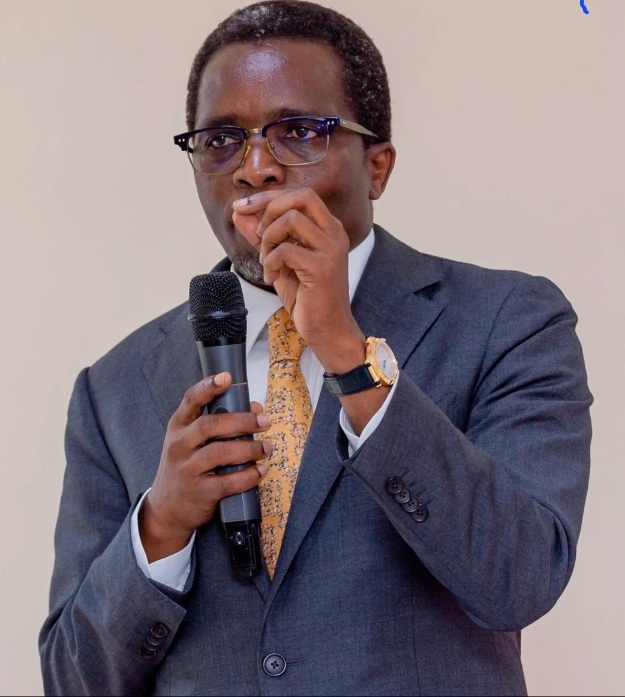
Mwesigye and Kabanda escalate the attacks
While Balaam’s intervention triggered Omona and Opondo’s responses, Mwesigye and Kabanda adopted a more confrontational approach towards Echodu and other Teso leaders. Mwesigye described Elwelu as a criminal and accused Echodu of defending him.
He argued that the arrest of a senior military officer should not be turned into a regional or tribal matter, pointing out that other generals from different parts of Uganda had previously been arrested.
“We have witnessed generals from different regions of Uganda being arrested and held accountable for their actions. Security agencies arrest people suspected of committing crimes; they do not arrest entire tribes,” Mwesigye argued.
However, his attack went beyond the substance of Echodu’s statement.
He made personal allegations about the MP’s political ambitions, his wife’s alleged influence over his decisions and his failure to secure a ministerial appointment.
Mwesigye further alleged that Echodu had financially supported Elwelu and threatened to identify other prominent individuals from Teso whom he claimed had similarly supported the retired general. These allegations have not been independently established.
The personal nature of the exchange attracted criticism from other political actors, including Ivan Tandeka, who argued that disagreements should be addressed through evidence rather than personal attacks.
Kabanda, meanwhile, questioned why Teso leaders were reacting differently to Elwelu’s arrest when other senior military officers, including former army commanders, had previously faced arrest.
He cited former generals James Kazini, Henry Tumukunde, Kale Kayihura and David Sejusa, among others.
“Teso leaders should not politicise the arrest of Peter Elweru. He is not the first general to be arrested. Kaziini, Tumukunde, Kayihura, Birungi, Nabaasa, Namanya, Ssejjusa and others were all arrested and their regions didn’t throw tantrums or play sectarian cards,” Kabanda wrote.
Kabanda’s intervention was consistent with the position taken by Balaam: that Elwelu’s case should be treated as a national security matter rather than a regional political grievance.
But critics argued that the arrest of other generals does not remove the responsibility of elected representatives to seek clarification when a development generates anxiety among their constituents.
The confrontation therefore exposed two competing interpretations of political responsibility: one insisting that national security operations should not be subjected to regional political pressure, and another arguing that security institutions must provide sufficient information to prevent fear and speculation.
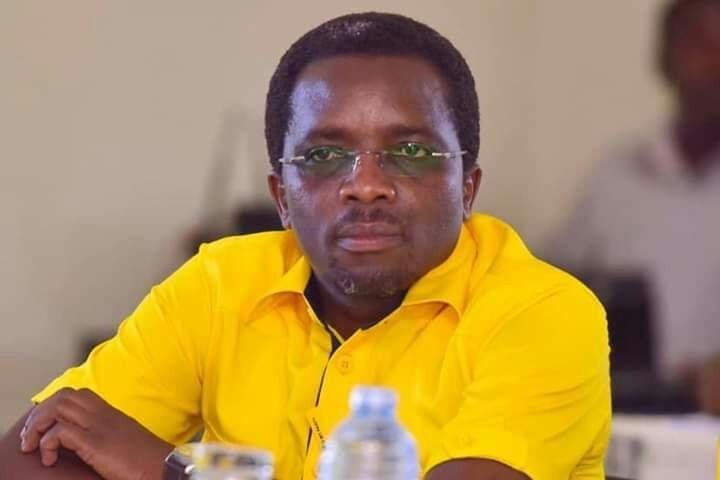
The bigger battle: Museveni’s old guard versus Muhoozi’s network
Beyond the personal exchanges, the Elwelu controversy has exposed a potentially more consequential political development: the emergence of competing networks of influence within the ruling establishment.
Museveni’s political establishment has, for decades, been sustained by a network of trusted politicians, military officers, technocrats, political mobilisers and communication strategists.
Figures such as Opondo and Omona have operated within this political architecture, occupying positions that brought them close to the President and the NRM’s decision-making machinery.
Their influence is not necessarily derived from holding elected positions alone but also from their historical relationships with Museveni and their understanding of how the ruling system operates.
However, Muhoozi’s emergence as CDF and the growing visibility of the PLU have introduced another political network whose supporters are increasingly active in national political debates.
Balaam, Mwesigye and Kabanda have become some of the most visible political voices defending Muhoozi and challenging those they consider hostile to his leadership or political ambitions.
The growing visibility of this network raises questions about whether the established NRM political machinery is gradually being overshadowed by a parallel mobilisation associated with the CDF.
The distinction is important because the NRM and PLU are not interchangeable political organisations. The NRM is the ruling party with established constitutional structures, while the PLU is a political mobilisation platform associated with Muhoozi.
Their supporters may share political objectives, but their respective networks do not necessarily have identical interests. The Elwelu controversy has brought these competing interests into public view.
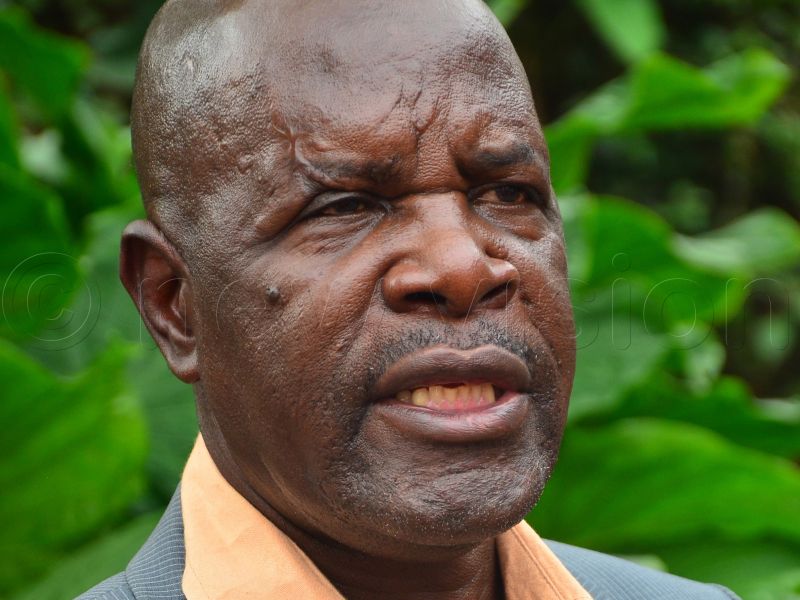
The 2031 succession question
The confrontation is unfolding at a particularly sensitive moment for Uganda’s politics, with the question of who succeeds Museveni increasingly dominating political conversations.
Muhoozi has publicly expressed ambitions to contest the presidency in 2031, positioning himself at the centre of discussions about the country’s political future.
For the established NRM political class, this presents a complicated political question. Many of the party’s influential figures have built their careers around Museveni’s leadership, relationships and political structures.
They understand the President’s political methods, the party’s historical struggles and the networks through which political authority has been exercised.
The emergence of Muhoozi’s political mobilisation potentially changes that equation.
It raises questions about whether the established NRM figures will retain their influence in a political order increasingly shaped by the CDF’s supporters.
It also raises the question of whether long-standing Museveni allies will be expected to demonstrate loyalty to Muhoozi’s emerging political project.
This is where the attacks on Echodu become particularly interesting. Echodu is not an opposition politician challenging the NRM government. He is an NRM central executive committee member and elected representative who sought consultations and reassurance following a security development affecting his region.
Yet his intervention attracted attacks from individuals associated with the PLU.
Omona and Opondo’s decision to challenge those attacks suggests that some established NRM figures are uncomfortable with what they perceive as an emerging expectation that political actors should unquestioningly endorse positions taken by Muhoozi’s supporters.
The disagreement could therefore be interpreted as an early struggle over the balance of power between the President’s established political network and the emerging political machinery around his son.
There is, however, no publicly established evidence that Museveni has authorised Omona or Opondo to fight the PLU camp, just as the attacks by Balaam, Mwesigye and Kabanda do not establish that Muhoozi directed them. What is visible is the increasingly sharp competition between their respective political networks.
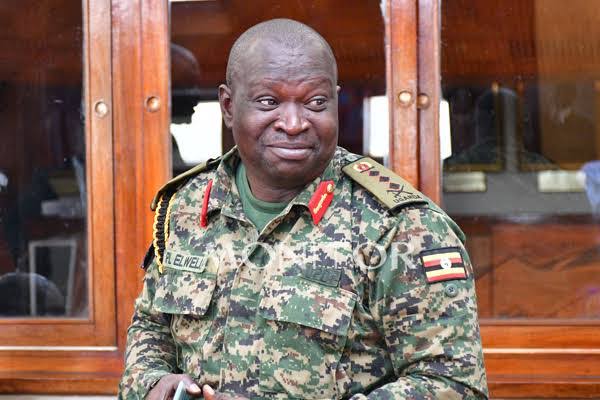 Why Elwelu’s case is politically sensitive
Elwelu’s arrest has provided the immediate trigger for this confrontation because of his military background, regional connections and previous relationship with the current military leadership.
He served as Deputy CDF between 2021 and 2024 and previously commanded the land forces.
His military career also attracted national attention following the November 2016 operation against the royal guards of the Rwenzururu Kingdom in Kasese, which resulted in scores of deaths.
His reported arrest is therefore not an ordinary investigation involving a retired military officer.
The development has raised questions about military accountability, the treatment of former senior commanders and the relationship between serving and retired officers.
It has also attracted attention because Muhoozi publicly accused Elwelu of treacherous activities before the arrest and announced that he had ordered security personnel to capture him.
The military subsequently announced that the retired general would face prosecution over the alleged subversive activities.
The Uganda Law Society has since demanded that authorities respect his constitutional rights, including the presumption of innocence, access to lawyers and the right to a fair hearing.
This is an important distinction in the unfolding political controversy: allegations against Elwelu must be established through lawful proceedings rather than political declarations.
For the PLU camp, defending the military leadership against what they consider politically motivated attacks is part of demonstrating loyalty to the country’s security institutions.
For Omona and Opondo, however, questioning the handling of the case and defending the right of elected leaders to seek clarification should not automatically be interpreted as disloyalty.
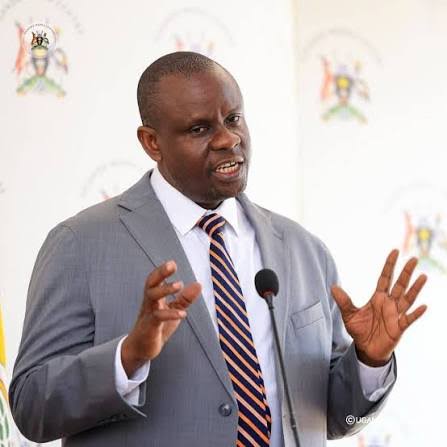
Who controls the political narrative?
One of the most interesting dimensions of the confrontation is the battle for control of the political narrative.
For years, Opondo was among the most prominent figures tasked with explaining and defending Museveni’s government.
His political experience gives him an understanding of how government communication, political messaging and public opinion influence the survival of an administration.
Omona, meanwhile, has operated within Museveni’s administrative and political circles, having previously served as the President’s Principal Private Secretary.
Their confrontation with Balaam and his colleagues therefore carries significance beyond the personalities involved.
It suggests that the emerging political voices around Muhoozi are encountering resistance from individuals who have spent decades operating within Museveni’s political establishment.
The question is whether the PLU camp can accommodate independent opinions from established NRM figures without interpreting every disagreement as an attack on Muhoozi.
Equally, it remains to be seen whether Museveni’s long-standing allies will accept the growing influence of a political network whose leadership is increasingly associated with the country’s future succession debate.
The Elwelu controversy has exposed these questions at a time when the President’s own political future and the succession debate are becoming increasingly intertwined.
A proxy war that could define the next political chapter
For now, the confrontation remains largely a war of words conducted through public statements and social media exchanges.
But its political implications could extend beyond the immediate controversy surrounding Elwelu. The disagreement has exposed two competing political instincts within the ruling establishment.
The first is represented by the established NRM figures who believe that their historical contribution to the movement gives them the political standing to question government decisions and defend their constituents without being accused of disloyalty.
The second is represented by prominent PLU supporters who argue that national security matters require confidence in the Commander-in-Chief and CDF, and that political leaders should avoid statements that could undermine the military leadership.
Both sides claim to be defending the interests of Uganda and the ruling movement. Yet the growing personal exchanges suggest that the debate is increasingly becoming about political authority, influence and the future distribution of power.
For Museveni, the emergence of competing networks around his presidency presents a delicate political balancing act. For Muhoozi, the growing visibility of his supporters provides a political mobilisation platform, but it also exposes him to questions about whether the PLU is becoming a parallel centre of political influence within the ruling establishment.
And for the established NRM figures, the challenge is whether they can retain their political relevance in an environment where the succession debate is increasingly dominated by the CDF and his supporters.
The ultimate test could be how the government handles Elwelu’s case, whether the authorities provide credible answers to the concerns raised by Teso leaders and whether the political protagonists can retreat from their increasingly personal confrontation.
One thing, however, is becoming clear: Elwelu’s arrest has exposed more than a security controversy. It has opened a window into the competing political networks positioning themselves for influence in Uganda’s post-Museveni era.
Whether this becomes a full-blown proxy war between Museveni’s old guard and Muhoozi’s boys remains to be seen. But the public confrontation between Omona, Opondo, Balaam, Mwesigye and Kabanda suggests that the battle over who speaks for the ruling establishment may already have begun.
Author Profile
- Charles Gazza Kodili is a seasoned journalist with over 20 years of experience in the media industry. He holds a Bachelor of Arts degree in Mass Communication. He’s currently the Chief Editor at the Investigator.
Charles can also be reached via; Tel: +256 774 108978
Email: [email protected]
Latest entries
 FeaturedNovember 4, 2026INSIDE THE NRM POWER STRUGGLE: Why Museveni’s Boys Dr Omona And Ofwono Opondo Have Turned Their Guns on Muhoozi’s Diehards Balaam and Kabanda Following Gen Elwelu’s Arrest
 BusinessNovember 4, 2026INSIDE CENTENARY BANK’S MISSION TO BUILD UGANDA’S CYBERSECURITY TALENT: From 26 Competing Teams To Four Finalists, The Inaugural University Hackathon Puts Young Innovators In The Spotlight As The Bank Strengthens Digital Security Awareness
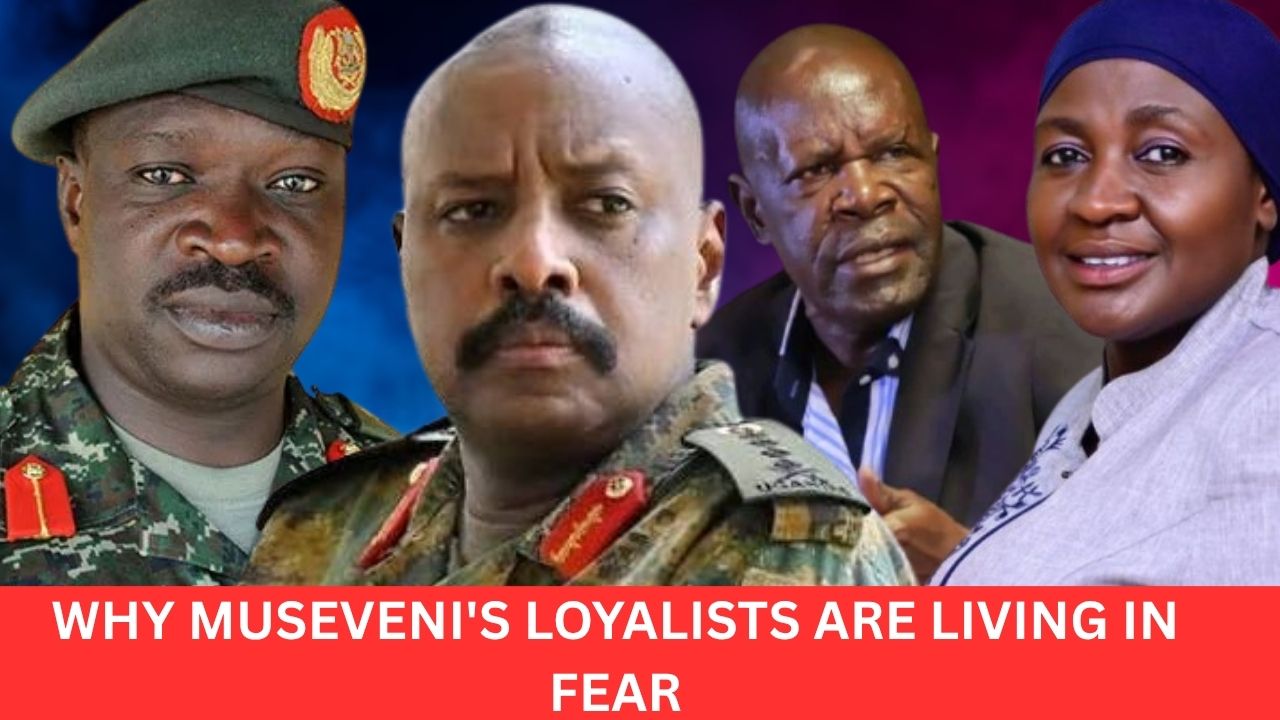 FeaturedNovember 3, 2026THE PURGE OF MUSEVENI’S BLUE-EYED BOYS! IS THE PRESIDENT UNDER SIEGE? From Gen Peter Elwelu’s Arrest To The Troubles Of Namyalo, Opondo, Kandiho And Odrek Rwabwogo, Museveni’s Traditional Loyalists Are Increasingly Finding Themselves On The Firing Line Of Muhoozi’s Political Establishment
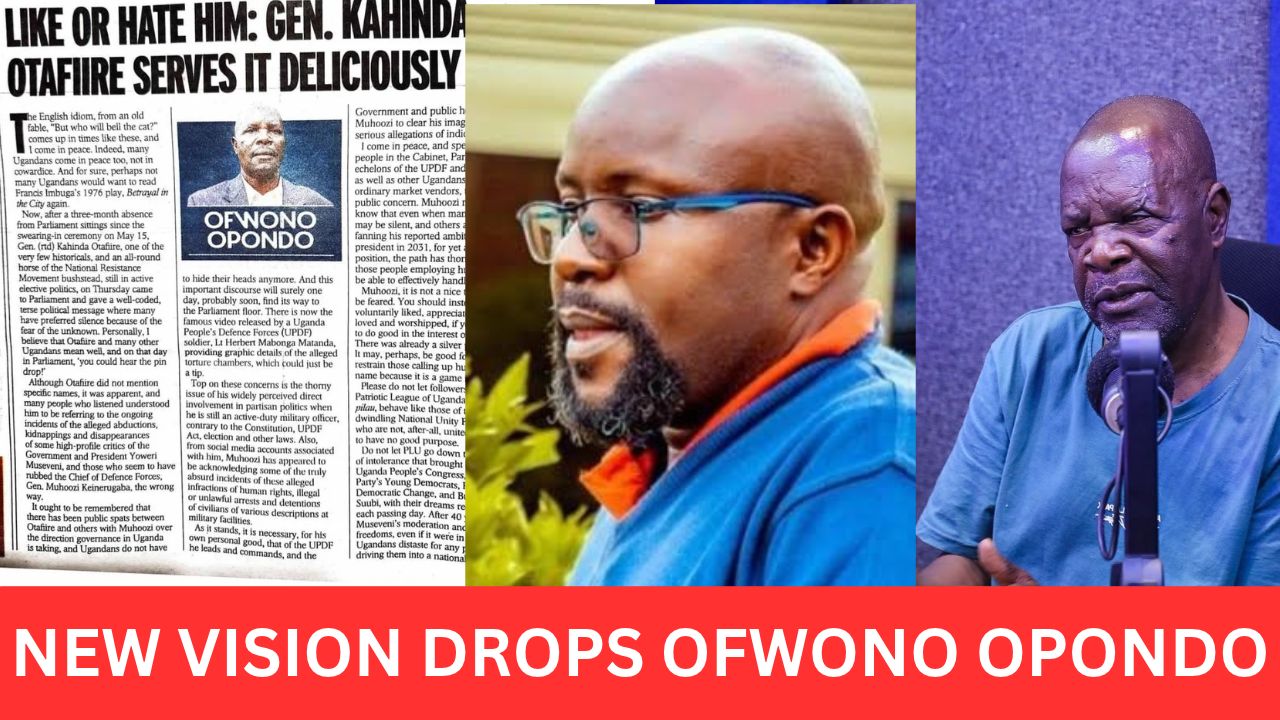 FeaturedNovember 2, 2026WHY VISION AXED OFWONO OPONDO: The Veteran Journo’s Criticism of Muhoozi’s 2031 Project, Defence of Otafiire and Questioning M7’s Succession Plan Triggered Tensions with the Government Newspaper’s Editorial