





A dramatic standoff has emerged within Uganda’s security establishment after the Uganda People’s Defence Forces (UPDF) appeared to shut the door on President Yoweri Museveni’s reported wish to personally meet detained retired Lieutenant General Peter Elwelu, instead announcing that the former Deputy Chief of Defence Forces will be immediately arraigned before the military court.
 The development has triggered fresh questions about the chain of command, the authority of the Commander-in-Chief and the increasingly visible political and institutional divisions within President Museveni’s inner circle, particularly between his trusted political operatives and those aligned with Chief of Defence Forces (CDF) Gen Muhoozi Kainerugaba.
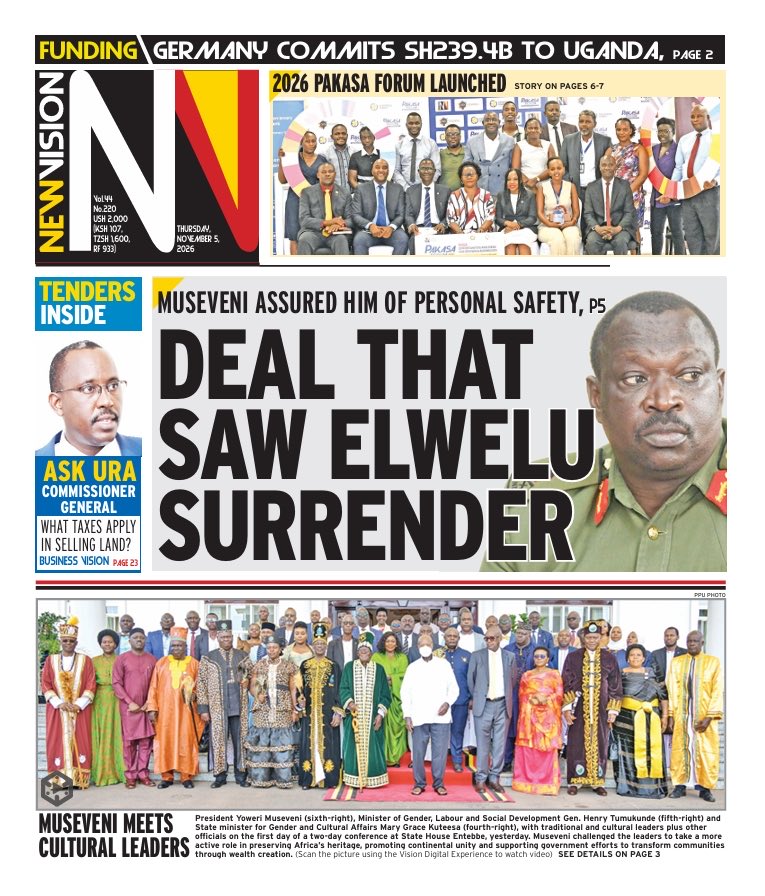
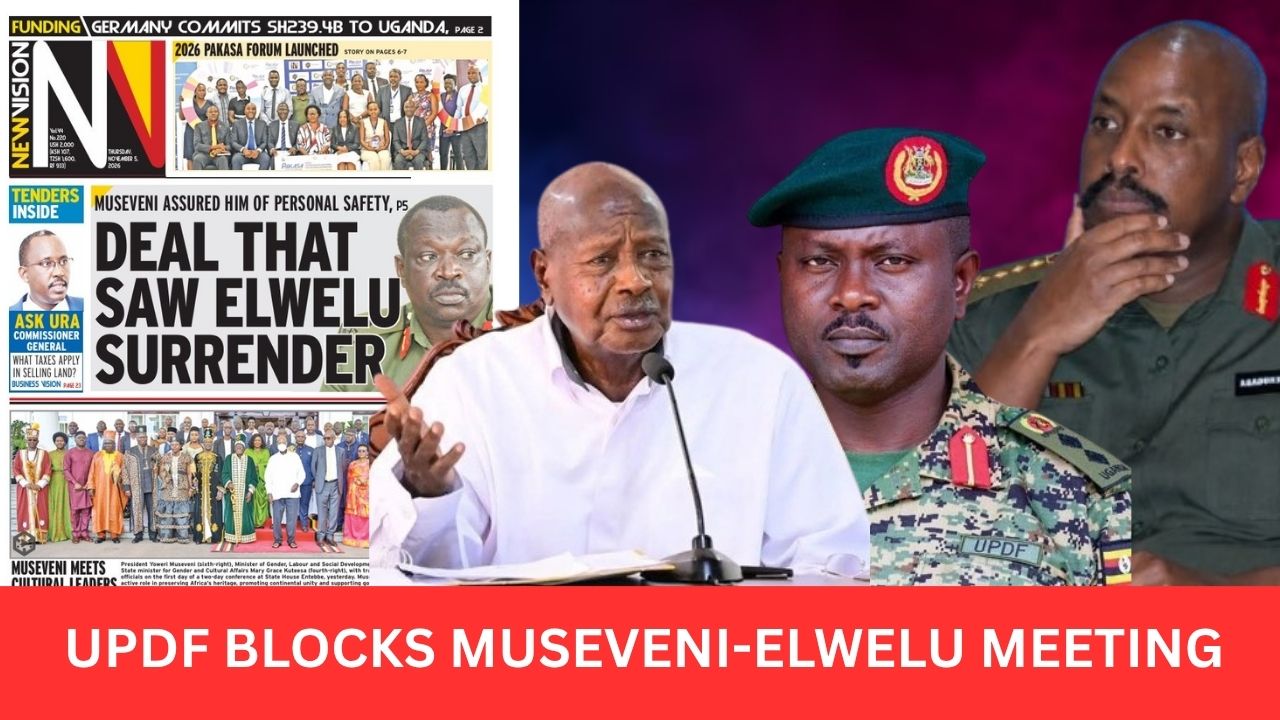
At the centre of the controversy is a November 5, 2026, report by the state-owned New Vision newspaper, which suggested that Museveni wanted to have a personal conversation with Elwelu after the retired general surrendered to security forces.
The newspaper reported that Elwelu had only agreed to give himself up following assurances that he would meet the President and have an opportunity to explain himself.
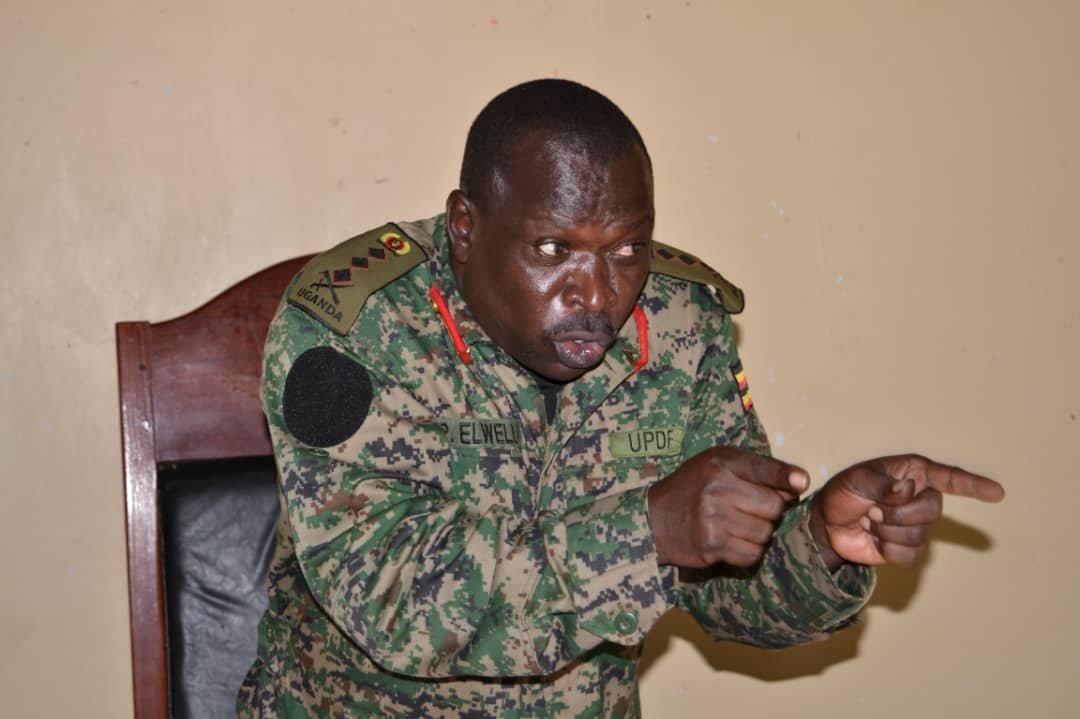
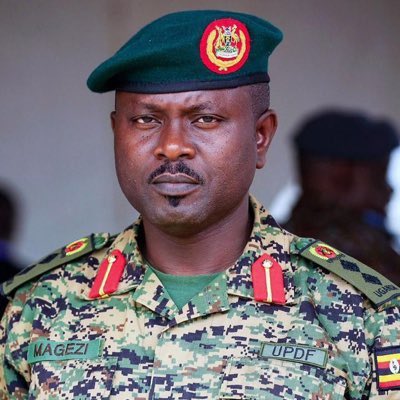
However, before the reported presidential initiative could materialise, the UPDF moved to publicly disown the account, with its spokesperson, Col Chris Magezi, declaring that Elwelu would not enjoy any special arrangement and would instead face the UPDF General Court Martial.
The army’s response has left observers questioning whether the President’s reported wishes were being disregarded, whether the newspaper had published an account that was not authorised by State House, or whether competing centres of influence within the security establishment were pulling in different directions.
What makes the episode particularly consequential is that Museveni is not merely the head of government but also the Commander-in-Chief of the armed forces.
The apparent contradiction between the newspaper’s account and the military’s subsequent position has therefore opened a sensitive debate about who controls the narrative and, more importantly, the handling of one of the most politically sensitive arrests involving a retired senior military officer.
 UPDF publicly contradicts presidential account
In a strongly worded statement, Col Magezi dismissed the suggestion that Elwelu had voluntarily surrendered under an understanding with Museveni that guaranteed his personal safety.
Titled a misinformation alert, Magezi’s statement specifically challenged the New Vision headline: “Deal That Saw Elwelu Surrender: Museveni Assured Him of Personal Safety.”
“First, it is misleading to suggest that Peter Elwelu surrendered out of his own volition. This is NOT true. He (Elwelu) gave himself up peacefully because the security forces had closed in on him; there were no viable alternative courses of action at his disposal,” Magezi stated.
He went further to deny that Museveni had offered Elwelu any assurances.
“At no point did the President and the Commander-in-Chief, General Yoweri Kaguta Museveni, offer Elwelu assurances for his personal safety,” the statement reads.
Magezi emphasised that the President had confidence in the security forces and their responsibility to maintain peace, order and stability.
“The President is also a strong proponent for unwavering discipline at all times by members of the security forces, including those serving under the Reserve Force,” he added.
The most consequential part of the statement was the army’s insistence that Elwelu would be held accountable through the military justice system.
“Accordingly, Peter Elwelu will be held fully accountable for his actions in the UPDF General Court Martial,” Magezi declared.
The statement effectively closed the door, at least publicly, on the possibility of a presidential meeting before Elwelu’s arraignment. It also raised an unusual institutional question: why would a newspaper report a presidential initiative that the military spokesperson would subsequently categorically disown?
There is, however, no independent confirmation that Museveni personally instructed the UPDF to arrange such a meeting. Equally, the UPDF statement does not explain whether the President was consulted before the army announced the next course of action. That gap is at the heart of the controversy.
The surrender mystery and the alleged presidential understanding
The biggest mystery surrounding Elwelu’s arrest is not simply why he surrendered but what assurances, if any, were communicated to him before he handed himself over to the security forces.
According to the New Visionaccount, the retired general was persuaded to surrender after being given an opportunity to meet Museveni and discuss his predicament.
If that account is accurate, the meeting would have offered the President an opportunity to hear directly from a man who once occupied one of the most influential positions in the UPDF command structure.
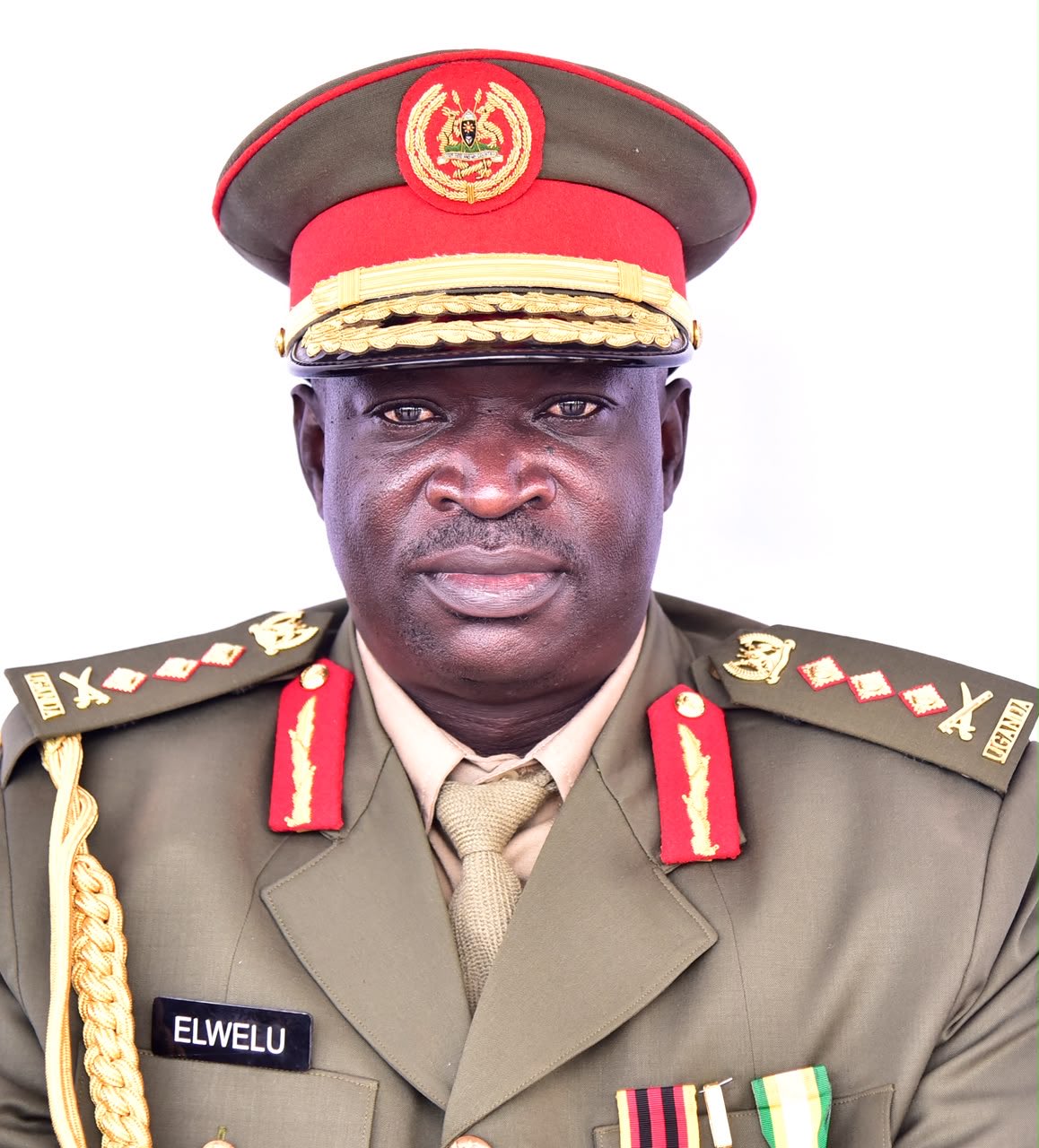
Elwelu served as Deputy Chief of Defence Forces before his retirement and was previously the commander of the UPDF Second Division. His military career placed him among the officers who had been close to the centre of Uganda’s military decision-making.
A meeting with Museveni would therefore have carried significance beyond a routine courtesy engagement. It could have provided an opportunity for the former general to explain the circumstances surrounding his arrest, address the allegations against him and clarify his relationship with the military leadership. But Magezi’s statement has fundamentally changed that narrative.
Rather than acknowledge the possibility of a presidential audience, the army spokesperson presented Elwelu’s surrender as the inevitable outcome of security forces closing in on him.
The distinction is important. While the newspaper’s account portrayed a possible negotiated surrender followed by a presidential conversation, the UPDF portrayed an operation in which the retired officer had exhausted his options.
The two accounts leave unanswered questions about the circumstances of the surrender, the communications preceding it and whether the President had been briefed on any proposed arrangement.
More importantly, the public contradiction has created the impression that the President’s reported political or personal intervention may have encountered resistance from within the military establishment.
However, the UPDF has not explicitly said that it rejected a direct order from Museveni. Its statement instead disputes the newspaper’s account of the alleged assurances and confirms the intention to prosecute Elwelu.
That distinction matters because the existence of a disagreement between the Commander-in-Chief and the army cannot be conclusively established from the two conflicting public statements alone. Nevertheless, the optics are damaging.
A fresh chapter in the Museveni-Muhoozi power struggle?
The Elwelu controversy has also revived questions about the competing networks of influence surrounding Museveni and his son, Gen Muhoozi, who commands the UPDF.
In an earlier exclusive investigation, The Investigatorexamined the growing friction between individuals perceived to belong to Museveni’s inner political circle and those considered close to Muhoozi.
The latest developments appear to reinforce the importance of that divide, although they do not independently establish that either camp directed the UPDF’s position on Elwelu.
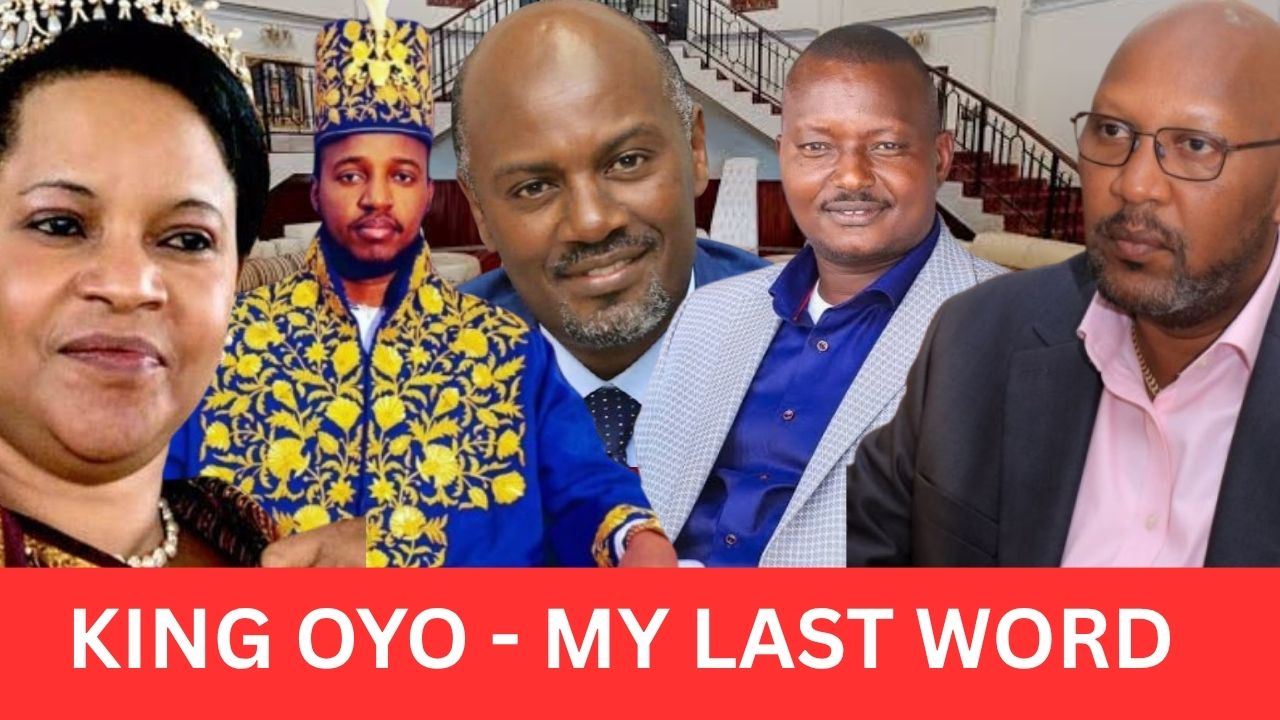
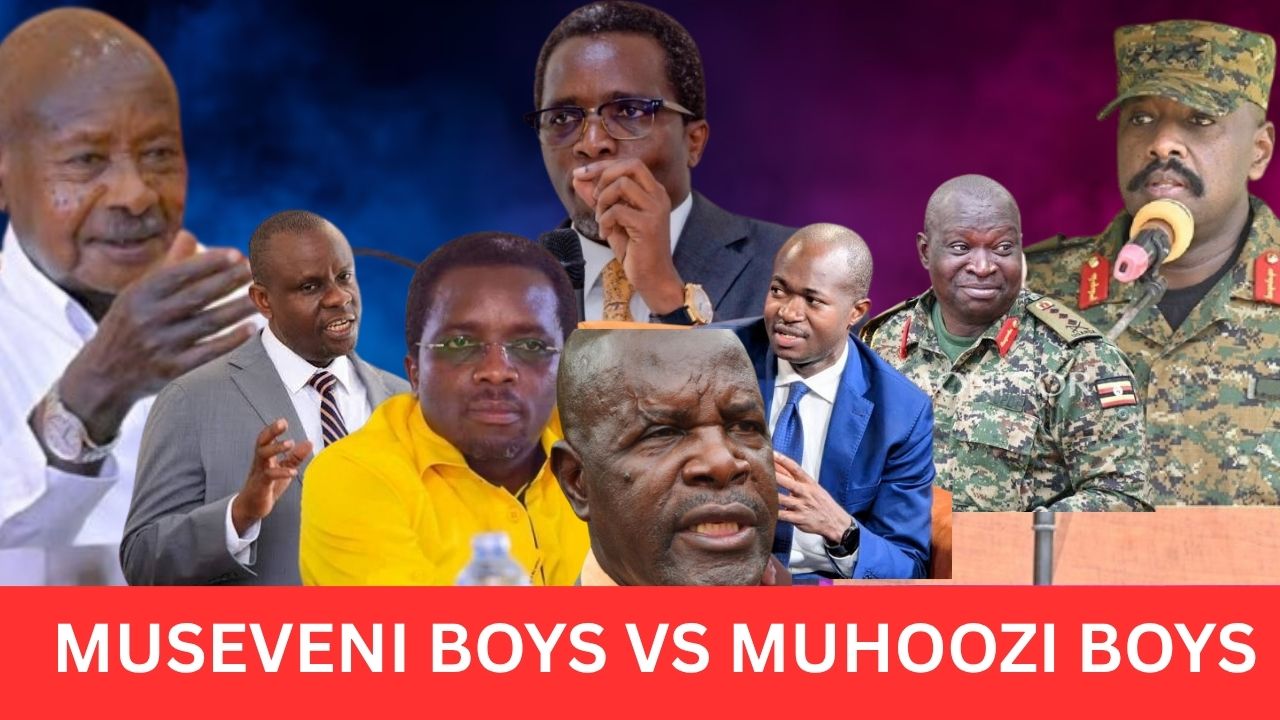
On one side are figures associated with Museveni’s political and State House machinery, including Dr Kenneth Omona, former government spokesperson Ofwono Opondo and Hajjat Hadijah Namyalo, the head of the Office of the National Chairman.
On the other side are individuals perceived to enjoy close political access to Muhoozi, including Minister for Local Government Balaam Barugahara, veteran journalist and political commentator Andrew Mwenda, Kasambya MP Daudi Kabanda and PLU mobiliser Frank Mwesigye.
The division is not necessarily a formal organisational split, but the increasingly sharp exchanges between personalities associated with the two circles have exposed tensions over political influence, public messaging and the succession question.
The Investigator’searlier reporting highlighted how the two networks have increasingly found themselves on opposing sides of politically sensitive debates, with social media becoming one of the most visible battlegrounds. The Elwelu affair now presents another test of those relationships.
If Museveni genuinely intended to meet the former Deputy CDF, as the New Visionreport suggested, the army’s immediate announcement that Elwelu would instead face a court-martial raises questions about the relationship between presidential political considerations and the military’s operational decisions. It also places Muhoozi, as CDF, at the centre of public scrutiny.
The UPDF statement was issued by Magezi in his official capacity as Acting Director of Defence Public Information. It did not establish that Muhoozi personally instructed him to issue the clarification or that the CDF had blocked a presidential meeting.
But the fact that the military’s public position was so emphatic has inevitably fuelled speculation about the influence of the current command structure.
The central question is whether the army was simply correcting what it considered inaccurate reporting or whether its response also reflected a determination to prevent political intervention in a case involving one of its former senior commanders.
Why Elwelu’s case is politically sensitive
Elwelu’s arrest is particularly sensitive because of his history within the UPDF and his association with some of the military’s most controversial operations.
Born in 1966, the retired general rose through the ranks to become one of the country’s most senior military officers.
He previously commanded the UPDF Second Division and later served as Deputy CDF, a position that placed him close to the highest levels of military decision-making.
His name became nationally controversial following the November 2016 military operation at the palace of the Rwenzururu Kingdom in Kasese, during which several people were killed.
As the commander of the Second Division at the time, Elwelu was associated with the operation, which attracted intense criticism from human rights organisations and cultural leaders.
His subsequent rise to the position of Deputy CDF demonstrated the confidence that the military leadership had placed in him despite the controversy surrounding the Kasese operation.
His current predicament therefore represents a remarkable reversal of fortunes for a man who once exercised considerable authority within the same institution now holding him.
The circumstances surrounding his reported arrest in Soroti on November 2, 2026, have further heightened tensions in the Teso sub-region.
Security concerns and allegations surrounding his activities have placed his case under intense public scrutiny, with competing accounts emerging about the reasons for his arrest and the treatment of people associated with him.
For sections of the public, especially in Teso, the former general’s detention has become more than an individual security matter. It has raised questions about how the State handles retired military officers, the treatment of their associates and the extent to which political considerations influence security operations.
A presidential meeting, if it had taken place, would probably have been interpreted as an opportunity for the President to personally assess the situation before the matter proceeded further.
The UPDF’s insistence on a court-martial, however, signals that the military wants the case handled through its established disciplinary and judicial structures.
Muhoozi’s command under scrutiny
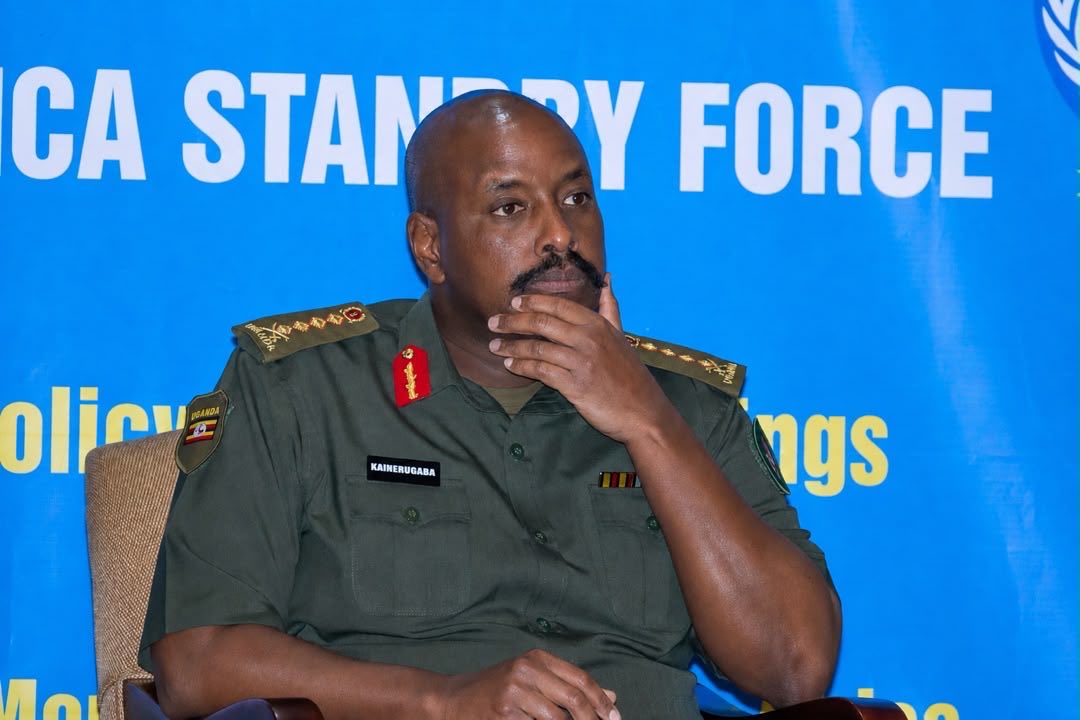
The controversy also puts Muhoozi’s leadership of the UPDF under the spotlight. As CDF, Muhoozi is responsible for the command and administration of the armed forces, while Museveni retains the constitutional position of Commander-in-Chief.
The distinction between the two offices is important, particularly when dealing with a retired general whose case has attracted political attention.
The President’s reported desire to meet Elwelu would not necessarily amount to an instruction to halt an investigation or interfere with military proceedings. Equally, the UPDF’s decision to proceed with prosecution does not, by itself, establish that the military has defied an explicit presidential directive.
But the timing and tone of Magezi’s statement have created an uncomfortable political spectacle. Rather than allow the uncertainty surrounding the proposed meeting to persist, the military spokesperson moved decisively to dismiss the alleged deal and announce the next course of action.
For observers following the emerging divisions within the ruling establishment, this is particularly significant because it comes against the background of disagreements between individuals perceived to be aligned with Museveni and those associated with Muhoozi.
The President’s political associates have traditionally played influential roles in communicating government positions, managing political relationships and defending the NRM establishment.
Muhoozi’s associates, meanwhile, have increasingly become prominent in discussions about the country’s political future, particularly as the 2031 succession debate gathers momentum.
The Elwelu affair provides another opportunity to examine how these competing networks interact when a sensitive security matter emerges.
The question is whether the army’s position reflects a purely institutional decision or whether it is also influenced by the political calculations surrounding Muhoozi’s command.
There is no publicly established evidence that Muhoozi personally opposed the proposed meeting or that Museveni issued an order that was subsequently ignored.
But the public disagreement between the New Vision account and the UPDF statement has given fresh ammunition to those who believe that the President’s inner circle is increasingly divided.
A test for the Commander-in-Chief
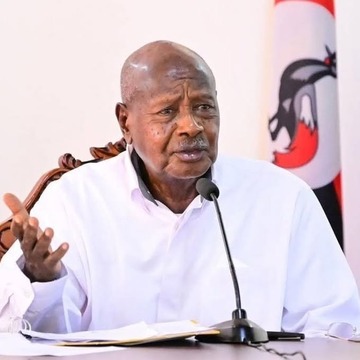
Ultimately, the Elwelu affair presents Museveni with a delicate balancing act. On one hand, he must preserve the authority of the military command structure and demonstrate that nobody, regardless of previous rank or political connections, is above the law.
On the other, his reported interest in speaking to Elwelu raises questions about whether he wanted to personally understand the circumstances surrounding the former general’s arrest before the matter proceeded to court.
If the New Visionaccount was inaccurate, the newspaper’s reporting requires clarification, particularly because it attributed a sensitive position to the President.
If there was an understanding communicated to Elwelu before his surrender, the circumstances surrounding that communication also require clarification.
The UPDF, meanwhile, needs to establish the legal and procedural basis for prosecuting a retired officer of Elwelu’s rank and explain the allegations he is expected to answer.
The military’s announcement of a court-martial is not itself proof of guilt. Elwelu remains entitled to due process and an opportunity to respond to the allegations against him.
For the moment, however, the most striking aspect of the affair is the apparent contradiction between a presidential meeting reported by a state-owned newspaper and an army spokesperson who has publicly dismissed the possibility of a deal.
It is a remarkable development in a country where Museveni has presided over the security establishment for decades and where his authority over the armed forces has rarely been publicly questioned in such circumstances.
The President’s reported wish to speak to a detained former Deputy CDF has been overtaken by an emphatic military declaration that the former general will face court-martial.
Whether this is simply a case of correcting misinformation or another manifestation of the growing tensions within Museveni’s political and military establishment remains to be seen.
But one thing is clear: the Elwelu affair has exposed a serious communications problem at the heart of government.
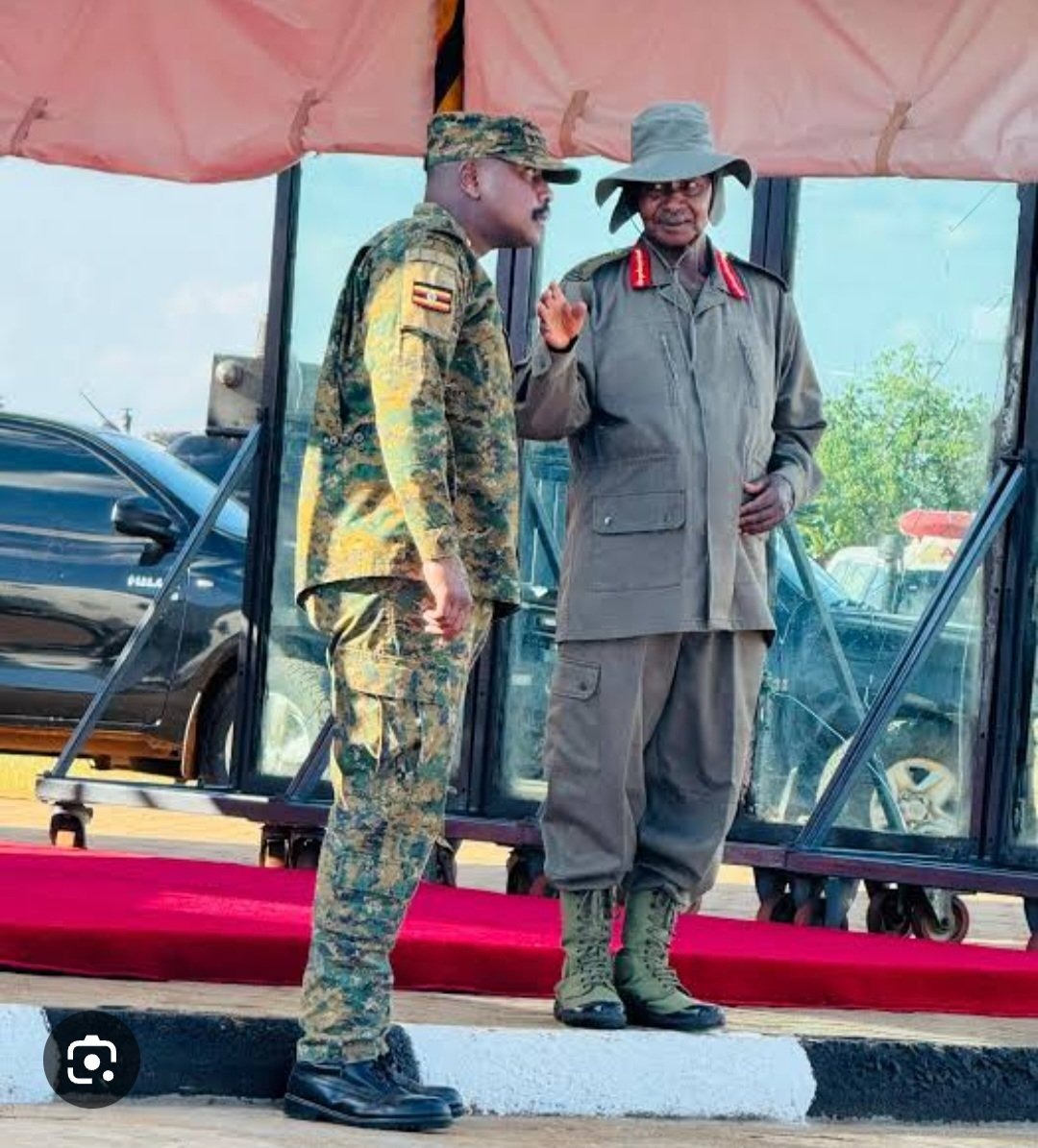 And as Elwelu prepares to face the military justice system, the bigger question remains: Who is shaping the decisions and public messaging of Uganda’s security establishment when the interests of the President, his political allies and the military command appear to collide?
The answer could reveal much more than the fate of one retired general from Teso. It could expose the fault lines in the very establishment that has kept Museveni in power for four decades.
Author Profile
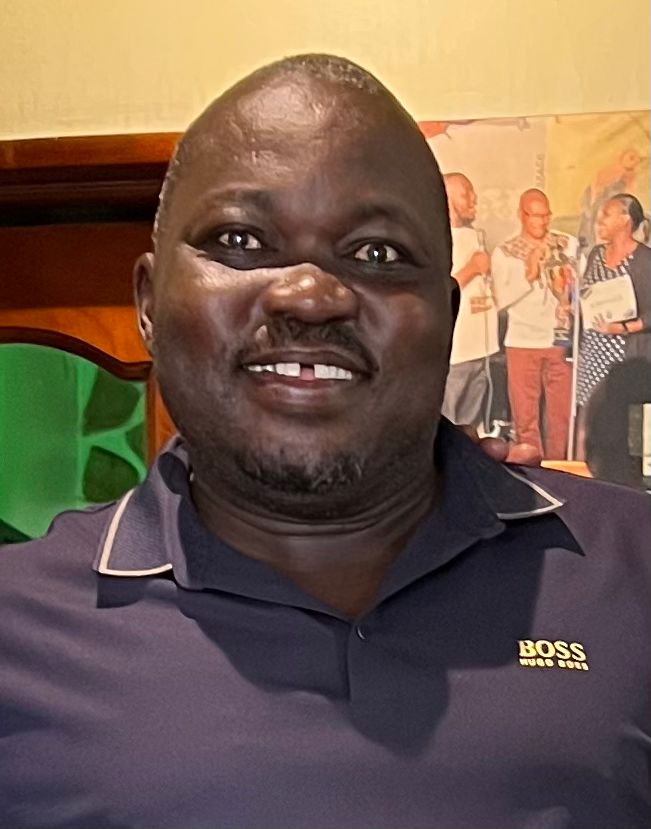
- Charles Gazza Kodili is a seasoned journalist with over 20 years of experience in the media industry. He holds a Bachelor of Arts degree in Mass Communication. He’s currently the Chief Editor at the Investigator.
Charles can also be reached via; Tel: +256 774 108978
Email: [email protected]
Latest entries
 FeaturedNovember 5, 2026COMMANDER-IN-CHIEF DEFIED? A Stunning Contradiction Between A State-Owned Newspaper’s Account Of Museveni’s Reported Desire To Meet Elwelu And The UPDF’s Immediate Rejection Of Any Presidential Safety Deal Has Reignited Debate About The President’s Authority And Muhoozi’s Military Command
 FeaturedNovember 5, 2026TAXPAYERS’ MONEY DOWN THE DRAIN? Uganda Could Lose Hundreds Of Billions Of Shillings Invested In Mathias Magoola’s Pharmaceutical Empire As Advertised Property Auctions Expose The Financial Troubles Surrounding His Business Interests
 FeaturedNovember 4, 2026INSIDE THE NRM POWER STRUGGLE: Why Museveni’s Boys Dr Omona And Ofwono Opondo Have Turned Their Guns on Muhoozi’s Diehards Balaam and Kabanda Following Gen Elwelu’s Arrest
 BusinessNovember 4, 2026INSIDE CENTENARY BANK’S MISSION TO BUILD UGANDA’S CYBERSECURITY TALENT: From 26 Competing Teams To Four Finalists, The Inaugural University Hackathon Puts Young Innovators In The Spotlight As The Bank Strengthens Digital Security Awareness