





















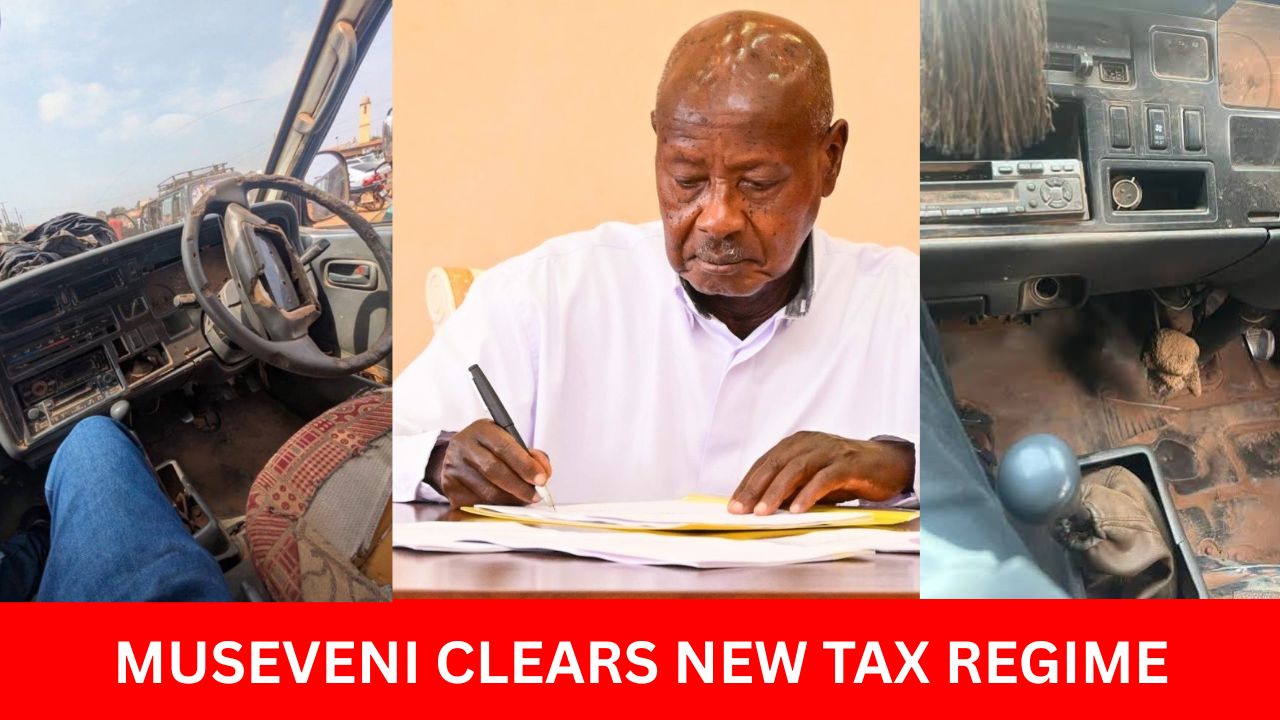
President Yoweri Kaguta Museveni has assented to the Excise Duty (Amendment) Act, 2026 and the Income Tax (Amendment) Act, 2026, paving the way for the implementation of revised tax measures approved by Parliament.
The President’s assent comes weeks after he returned the two Bills to Parliament for reconsideration, objecting to provisions that he said could create unfair competition, encourage tax avoidance and negatively affect economic activity. Parliament subsequently adopted Museveni’s recommendations on both pieces of legislation on August 4, clearing the way for the President to assent to the revised Bills.
The two laws form part of the Government’s broader tax reforms for the 2026/27 financial year and are intended to strengthen domestic revenue mobilisation while balancing taxation with economic growth. Museveni’s decision closes a month-long legislative standoff that began in July when the President declined to sign the Bills into law. On July 14, Deputy Speaker Thomas Tayebwa informed Parliament that Museveni had returned both Bills, raising particular concerns over the proposed withholding tax treatment of betting and gaming winnings and the sharp proposed increase in excise duty on single-use plastics.
Casino winnings lose proposed exemption
One of the major changes in the Income Tax (Amendment) Act, 2026 concerns winnings from betting and gaming. The original Bill proposed a withholding tax on betting and gaming winnings while exempting winnings from licensed land-based casinos. Museveni rejected the distinction, arguing that businesses engaged in substantially similar activities should not be subjected to different tax treatment merely because they operate through different platforms.
He warned that the proposed exemption could create opportunities for tax avoidance and revenue leakage. Parliament agreed with the President and removed the exemption. As a result, winnings from licensed land-based casinos will be subjected to withholding tax alongside winnings from other betting and gaming activities. Winnings paid under Uganda’s national lottery remain exempt. The change is expected to create a more uniform tax regime across Uganda’s gaming industry while protecting Government revenue.
Plastic tax increase scaled back
The President also rejected Parliament’s earlier proposal to dramatically increase excise duty on single-use plastics. Parliament had initially approved an increase from the existing rate of 2.5 percent or US$70 per tonne to 25 per cent or US$1,500 per tonne, whichever was higher.
Museveni argued that such a steep increase could impose significant cost pressures on manufacturers and businesses at a time when viable alternatives to plastic packaging remain limited. Following his intervention, Parliament retained the lower rate of 2.5 per cent or US$70 per tonne, whichever is higher. The decision represents a compromise between Government’s environmental objectives and concerns from businesses over the potential impact of a sharply increased levy.
Wider tax changes
The Excise Duty (Amendment) Act, 2026 contains a range of changes affecting goods and services as Government seeks to raise additional domestic revenue. The original proposals included adjustments affecting petroleum products, alcoholic beverages, construction materials and other products. Parliament’s tax proposals were presented as part of the measures required to finance the 2026/27 national budget.
The Income Tax amendments similarly introduce changes to the treatment of various taxable transactions. Uganda Revenue Authority’s tax amendments guide identifies changes including an expanded definition of “royalty” and tax treatment of payments for software and other intellectual property-related rights. The signing of the two Acts therefore gives Government and the Uganda Revenue Authority the legal basis to enforce the revised provisions.
Revenue versus economic growth
The President’s intervention has also highlighted the delicate balance Government faces between raising sufficient revenue and protecting businesses and consumers from excessive taxation. Finance Minister Henry Musasizi previously backed Museveni’s recommendations, telling Parliament that the proposed changes were intended to balance revenue mobilisation with economic growth, environmental protection and tax fairness.
With the two laws now signed, attention will shift to implementation and enforcement by the Uganda Revenue Authority. The legislation also signals Museveni’s continued insistence that tax policy should not only raise revenue but should avoid creating distortions that encourage businesses to restructure their operations solely to minimise tax liabilities. The President’s assent ultimately brings to an end the uncertainty surrounding the two Bills and establishes the revised tax framework for the 2026/27 financial year.
Author Profile
- Mr. Stephen Kasozi Muwambi is a seasoned crime investigative writer, majoring in judicial-based stories. His two decades’ experience as a senior investigative journalist has made him one of the best to reckon on in Uganda. He can also be reached via [email protected]
Latest entries
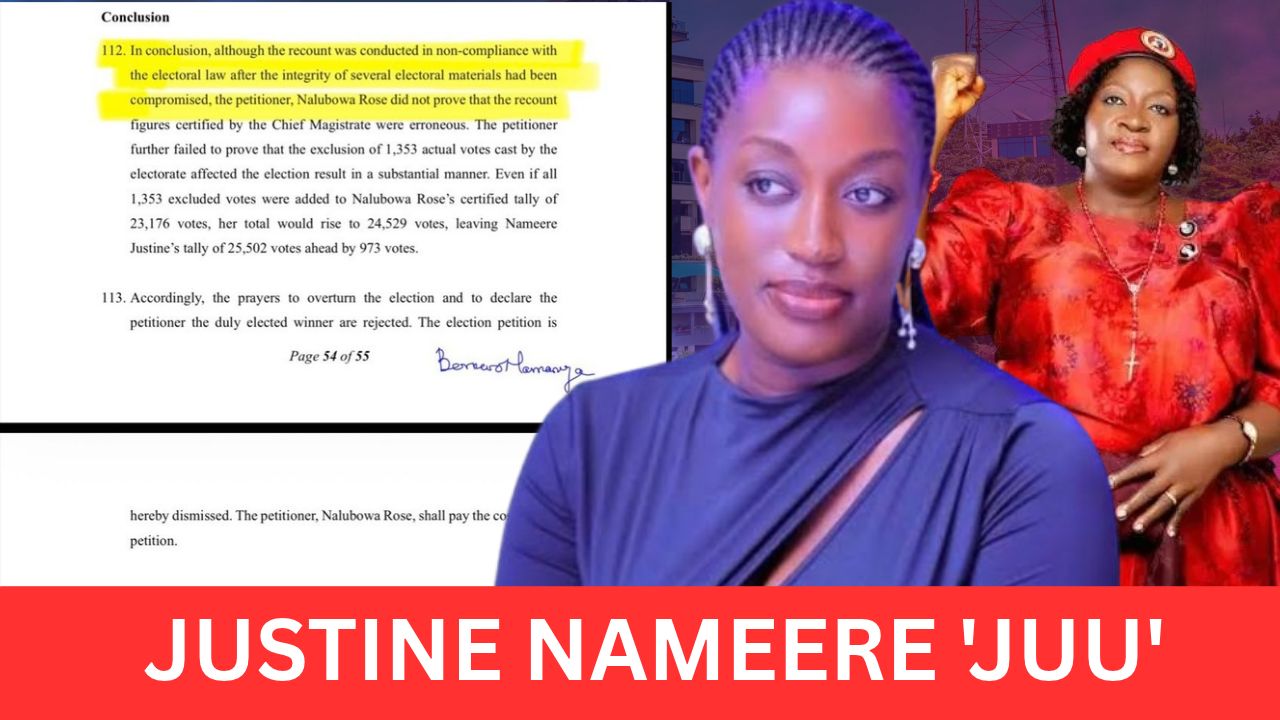 FeaturedOctober 21, 2026NAMEERE RETAINS MASAKA CITY SEAT: High Court Dismisses Nalubowa’s Election Petition, Ruling That Recount Irregularities Did Not Substantially Alter The Final Result
 FeaturedOctober 20, 2026VETERAN JOURNALIST KASYATE JOINS OPM: Simon Kasyate Moves Back Into Government Communications After Years In Journalism, Corporate Affairs And Public Relations, Including A Senior Role At KCCA
 FeaturedOctober 19, 2026BILLIONS LOST, INVESTORS DUPED, GOLD TRADE UNDER SCRUTINY: A City Pastor’s Arrest Over An Alleged Shs2.9b Fraud Involving American Investors Adds To A String Of High-Profile Gold Scams Threatening Uganda’s Investment Reputation
 FeaturedOctober 17, 2026THREE VETO POWERS THREATEN OTUNNU’S UN BID: With Three Of The Five Permanent Members Reportedly Against Him, Otunnu Must Win Over Powerful Opponents Or Risk Seeing His Campaign Collapse Before The Final Selection