







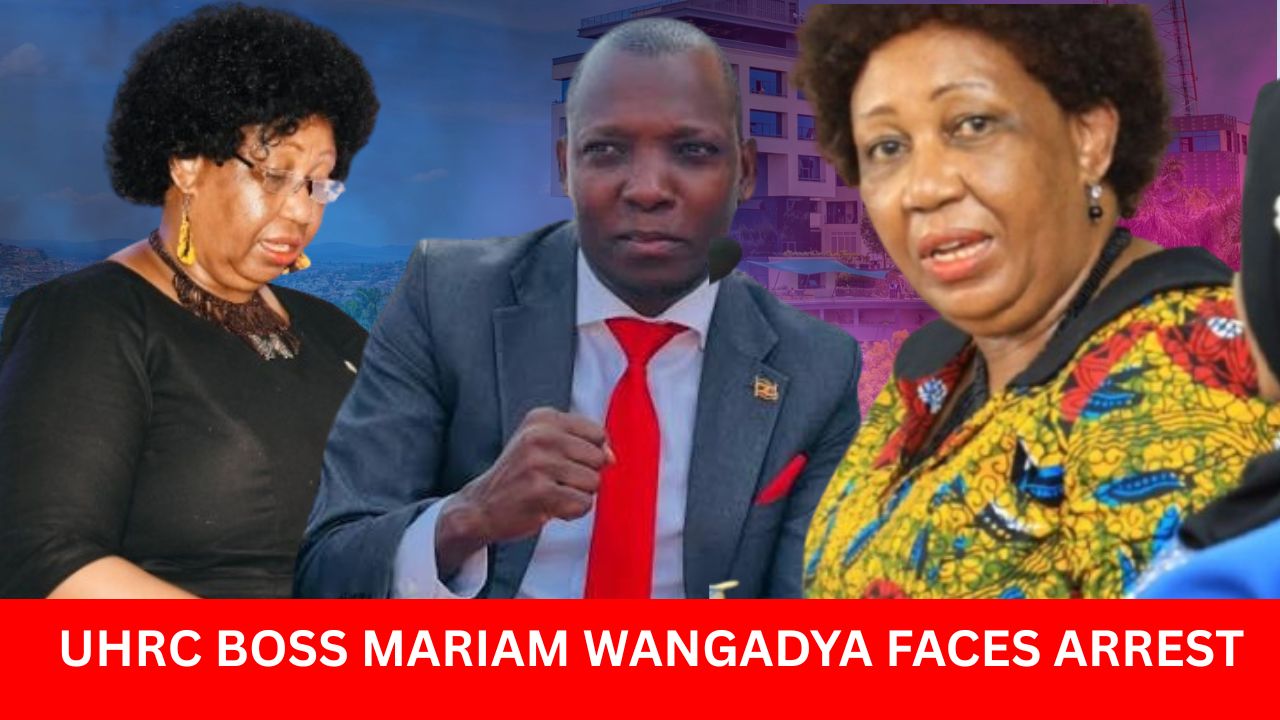
The Uganda Human Rights Commission chairperson, Mariam Wangadya, faces possible arrest and forcible production before Parliament’s Committee on Commissions, Statutory Authorities and State Enterprises (COSASE) after failing to honour the committee’s summons.
The confrontation between Wangadya and Parliament has escalated into a test of accountability, parliamentary oversight and the limits of procedural power, with COSASE Chairperson Muwada Nkunyingi directing that the UHRC boss be produced before the committee at 9:00 a.m.
The development follows weeks of scrutiny into the operations of the Uganda Human Rights Commission, including allegations of leadership paralysis, delayed human-rights complaints, stalled tribunal proceedings and questions surrounding the management of public resources.
According to parliamentary records, COSASE summoned Wangadya after she failed to appear before the committee during its examination of the Auditor General’s report on the Commission. The committee had earlier been forced to suspend proceedings when UHRC officials appeared without their chairperson.
Nkunyingi orders production
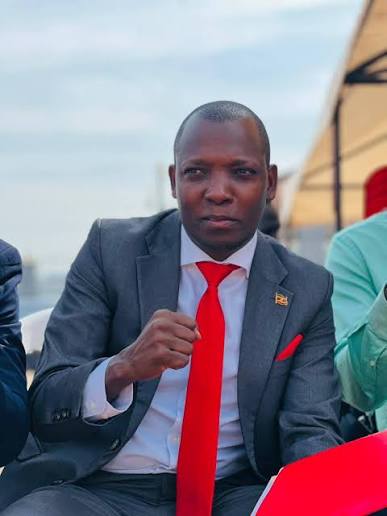
Nkunyingi, who chairs COSASE in the 12th Parliament, has taken an increasingly firm position on the committee’s authority to compel accounting officers and heads of statutory institutions to appear before Parliament.
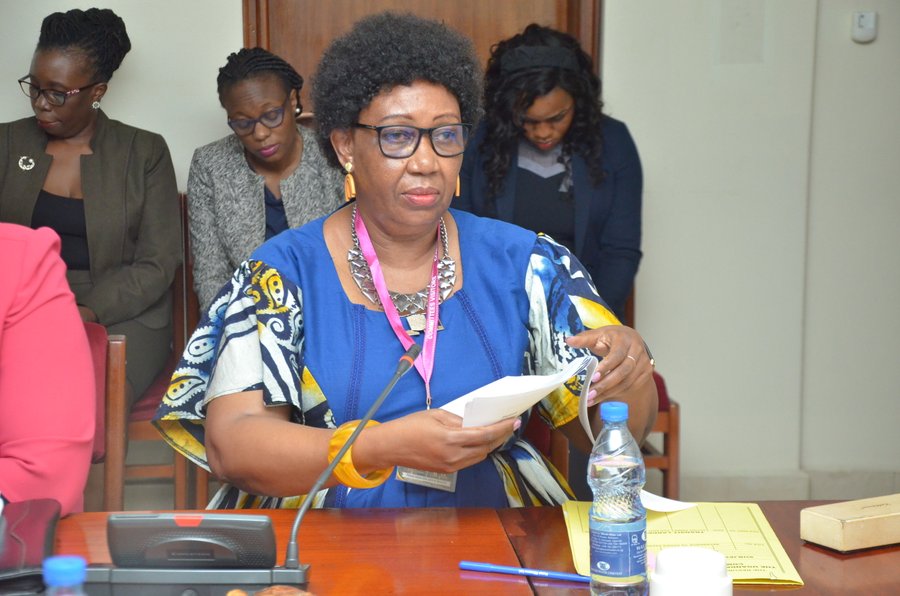
The committee’s concern is not simply Wangadya’s absence. MPs are seeking explanations about the wider state of affairs at the constitutional body, including the apparent breakdown in its leadership. Speaking in the context of the committee’s decision, Nkunyingi has insisted that public officials summoned by Parliament must respect the authority of the legislature and account for the institutions entrusted to them.
The committee has already established that UHRC had not held a formal Commission meeting since March 2026, despite the importance of such meetings in overseeing the Commission’s work. Officials also told MPs that the Commission’s tribunal proceedings had stalled, with the last sessions reportedly held in December 2025.
The absence of regular meetings has raised questions about how the Commission has continued to discharge its constitutional mandate.
Why Wangadya is being pursued
At the centre of the dispute is Wangadya’s failure to appear when initially required to do so. COSASE is examining accountability issues arising from the Auditor General’s report, but the committee’s inquiry has broadened to include governance and operational concerns within UHRC.
Among the issues raised is the handling of human-rights complaints. Parliament’s Legal and Parliamentary Affairs Committee separately questioned Wangadya over allegations that some cases were dismissed or closed without adequate involvement of other commissioners.
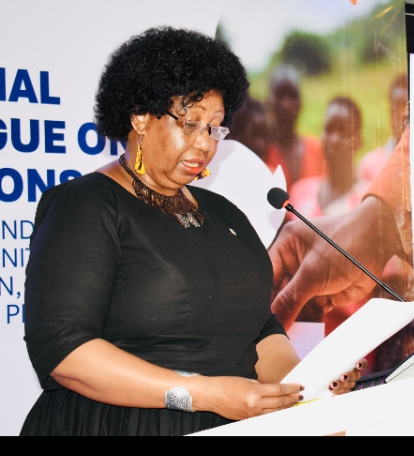
The committee has also heard allegations that more than 200 human-rights files were closed without due process.
Wangadya has disputed aspects of the criticism and defended some of the decisions attributed to her, explaining that certain complaints involved people who had been convicted of serious offences and were subsequently challenging aspects of their treatment in detention.
The controversy has therefore moved beyond an ordinary disagreement between a parliamentary committee and a public official. It now concerns whether the country’s principal constitutional human-rights institution has been functioning effectively and whether its leadership has complied with parliamentary accountability mechanisms.
The resignation question
Wangadya’s position has been further complicated by her resignation. She submitted a resignation notice to President Yoweri Museveni on July 6, 2026, but the Attorney General subsequently advised Parliament that the resignation does not automatically take effect until it is formally accepted by the appointing authority. She therefore remains the substantive UHRC chairperson.
That distinction is important because it means Wangadya cannot simply rely on her resignation notice to avoid accountability for the period in which she remains the Commission’s substantive chairperson.
The committee’s argument is that, until her resignation is formally concluded, she remains responsible for answering questions concerning the institution under her leadership.
But can COSASE simply order her arrest?
This is where the legal debate becomes significant. A legal expert who spoke about the developing dispute cautioned that parliamentary committees must follow the correct procedure before moving from an invitation or summons to an arrest or warrant.
The expert explained that there is a distinction between inviting a person to appear before a committee and formally compelling a witness to appear through the appropriate legal process.
“The process is flawed, because if you invite someone, you follow the procedure. If it is a witness and you invite them to testify, you issue criminal summons. They are just inviting her for the first [time]. They should have issued summons. If that person does not appear, you then [take the next step]. We wait and see tomorrow.”
The legal argument is essentially that Parliament’s power to demand accountability does not eliminate the requirement to observe due process.
That distinction could become critical if the committee proceeds to have Wangadya arrested.
A parliamentary committee may have powers to summon witnesses and require them to provide information relevant to its mandate. But the exercise of those powers must still conform to the law and the rules governing parliamentary proceedings.
A civil accountability matter, not automatically a criminal case
The legal expert further cautioned against treating the dispute as though Wangadya had already committed a criminal offence.
“This is a civil matter and it is due process must be followed,” the source said, warning that Wangadya could potentially be targeted if procedural safeguards are ignored.
That caution is particularly relevant because an order to produce a public official before a parliamentary committee should not automatically be interpreted as a finding of criminal guilt.
At this stage, the central issue is accountability before Parliament. The committee wants answers. Wangadya has a right to respond to the allegations, explain her decisions and challenge claims she considers inaccurate.
Any subsequent enforcement action must therefore be based on a lawful procedure rather than simply the committee’s frustration with her failure to appear.
UHRC’s leadership crisis
The confrontation comes at a particularly difficult moment for the Commission. During earlier COSASE proceedings, officials acknowledged that no formal Commission meeting had taken place since March. MPs questioned how the institution could effectively function without its governing body meeting regularly.
The tribunal system has also been affected. UHRC officials explained that the chairperson plays a critical role in tribunal proceedings, meaning her absence has contributed to delays in determining complaints.
The Commission’s Director of Complaints, Investigations and Legal Services, Pauline Nansamba, told the committee that tribunal sessions had last been held in December 2025 after the budget allocated for hearings was exhausted.
The revelations have intensified questions about whether the Commission is capable of fulfilling its constitutional mandate to protect and promote human rights.
Wangadya’s emotional appearance
The dispute has also become personal.
When Wangadya eventually appeared before a parliamentary committee, she broke down in tears while describing what she characterised as a sustained smear campaign against her.
She apologised for remarks she acknowledged were inappropriate, saying she had been pushed “to the edge.”
Her emotional testimony offered another dimension to the dispute: Wangadya portrays herself as a leader operating under immense pressure, while some MPs have portrayed the situation as evidence of institutional dysfunction. The two narratives are now colliding before Parliament.
What happens next?
The immediate question is whether Wangadya will voluntarily appear before COSASE at the scheduled 9:00 a.m. session, or whether the committee will invoke powers to compel her attendance.
If an arrest or warrant is pursued, the legality of the procedure is likely to become as important as the original accountability questions.
Nkunyingi and COSASE are under pressure to demonstrate that Parliament can hold powerful statutory institutions accountable. At the same time, Wangadya is entitled to lawful procedure and an opportunity to respond to allegations against her. The confrontation therefore presents Parliament with a delicate balancing act.
COSASE must demonstrate that summonses are not optional invitations, particularly when public money and constitutional institutions are under scrutiny. But it must equally ensure that its enforcement mechanisms comply with the law.
For Wangadya, the stakes are equally high. Her resignation notice has not yet ended her tenure, and Parliament’s position is that she remains answerable for the affairs of the Commission.
What began as a dispute over a missed parliamentary appearance has now become a broader confrontation over institutional accountability, due process and the independence and effectiveness of Uganda’s human-rights watchdog.
Tomorrow’s proceedings could determine whether the matter escalates into an arrest—or whether the parties step back and resolve the dispute through the proper parliamentary and legal channels.
Author Profile
- Mr. Stephen Kasozi Muwambi is a seasoned crime investigative writer, majoring in judicial-based stories. His two decades’ experience as a senior investigative journalist has made him one of the best to reckon on in Uganda. He can also be reached via [email protected]
Latest entries
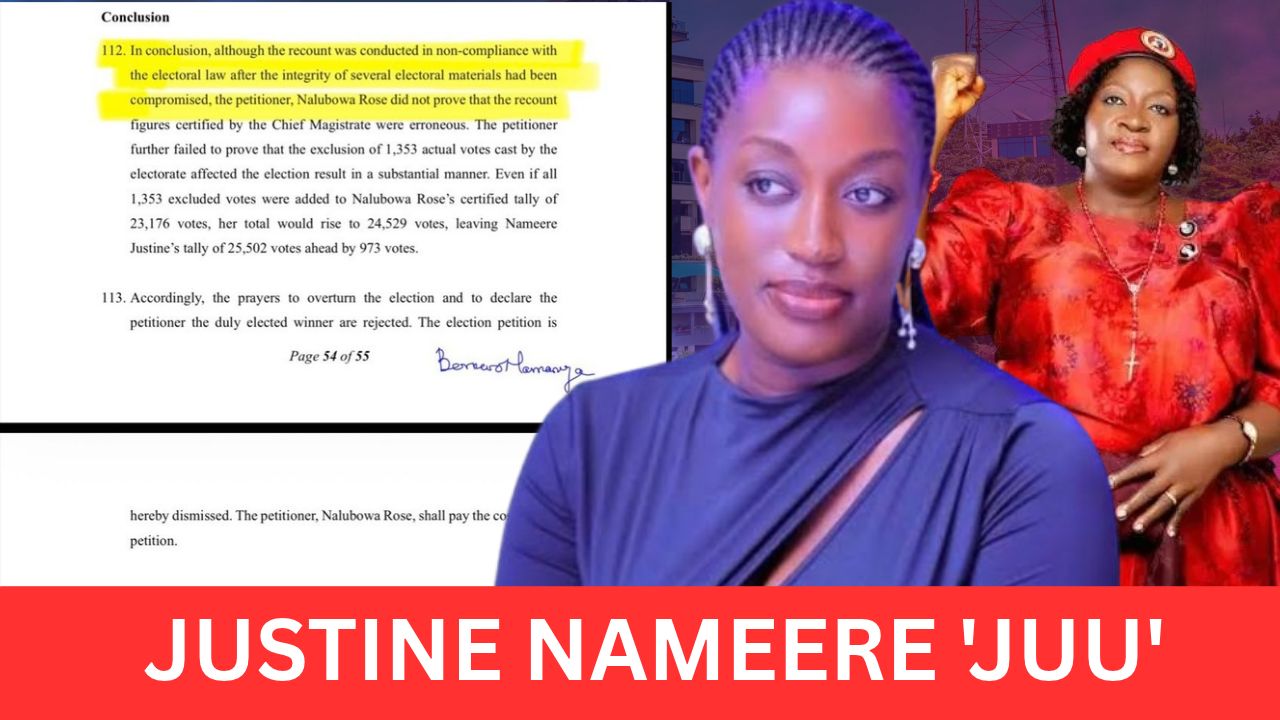 FeaturedOctober 21, 2026NAMEERE RETAINS MASAKA CITY SEAT: High Court Dismisses Nalubowa’s Election Petition, Ruling That Recount Irregularities Did Not Substantially Alter The Final Result
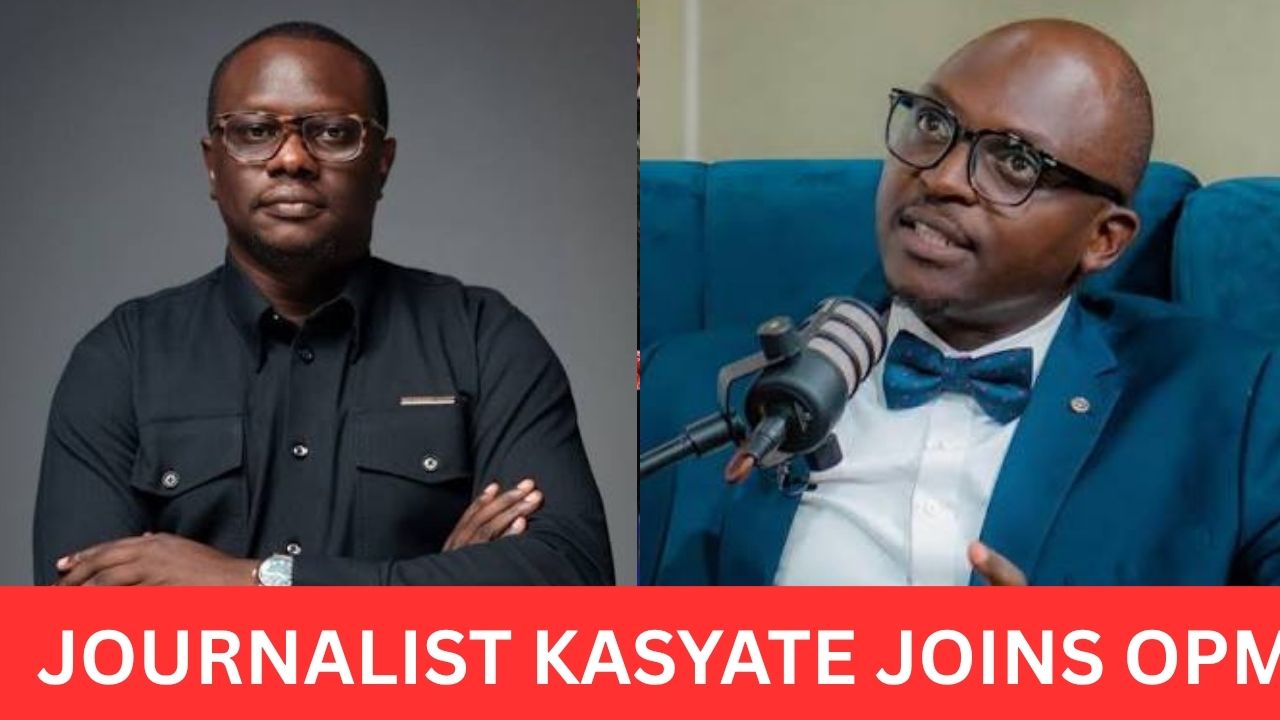 FeaturedOctober 20, 2026VETERAN JOURNALIST KASYATE JOINS OPM: Simon Kasyate Moves Back Into Government Communications After Years In Journalism, Corporate Affairs And Public Relations, Including A Senior Role At KCCA
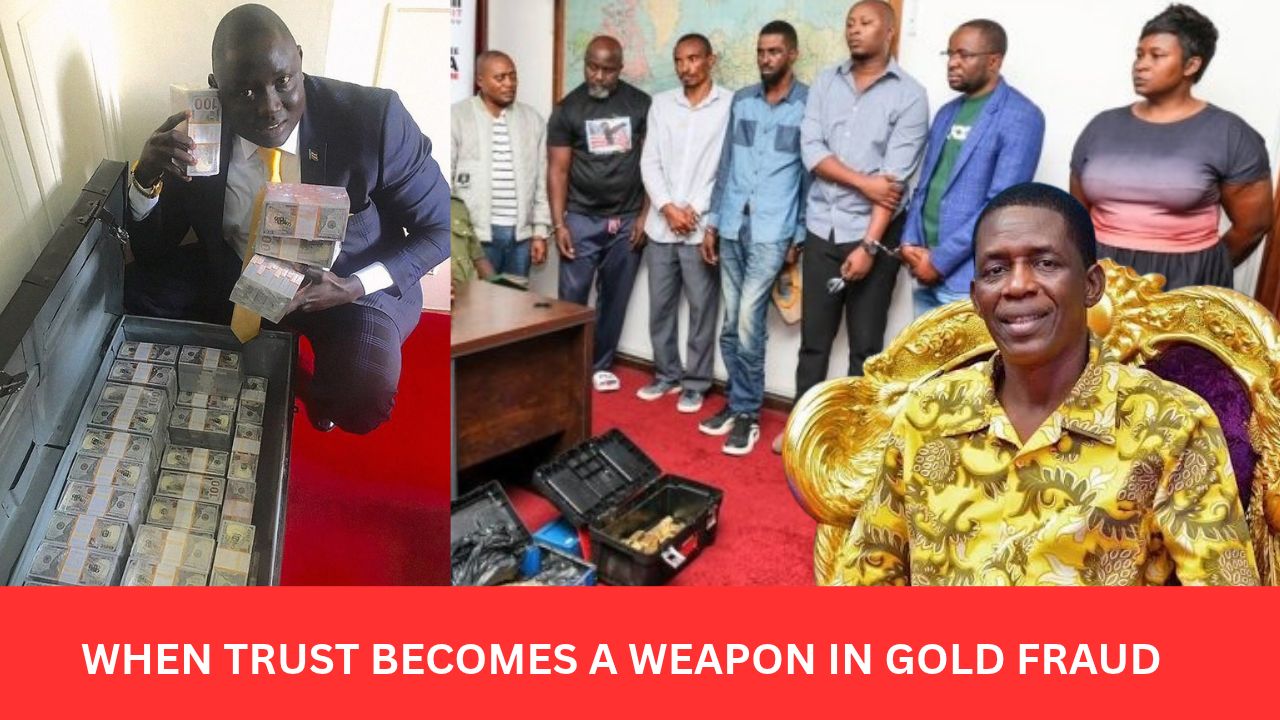 FeaturedOctober 19, 2026BILLIONS LOST, INVESTORS DUPED, GOLD TRADE UNDER SCRUTINY: A City Pastor’s Arrest Over An Alleged Shs2.9b Fraud Involving American Investors Adds To A String Of High-Profile Gold Scams Threatening Uganda’s Investment Reputation
 FeaturedOctober 17, 2026THREE VETO POWERS THREATEN OTUNNU’S UN BID: With Three Of The Five Permanent Members Reportedly Against Him, Otunnu Must Win Over Powerful Opponents Or Risk Seeing His Campaign Collapse Before The Final Selection