













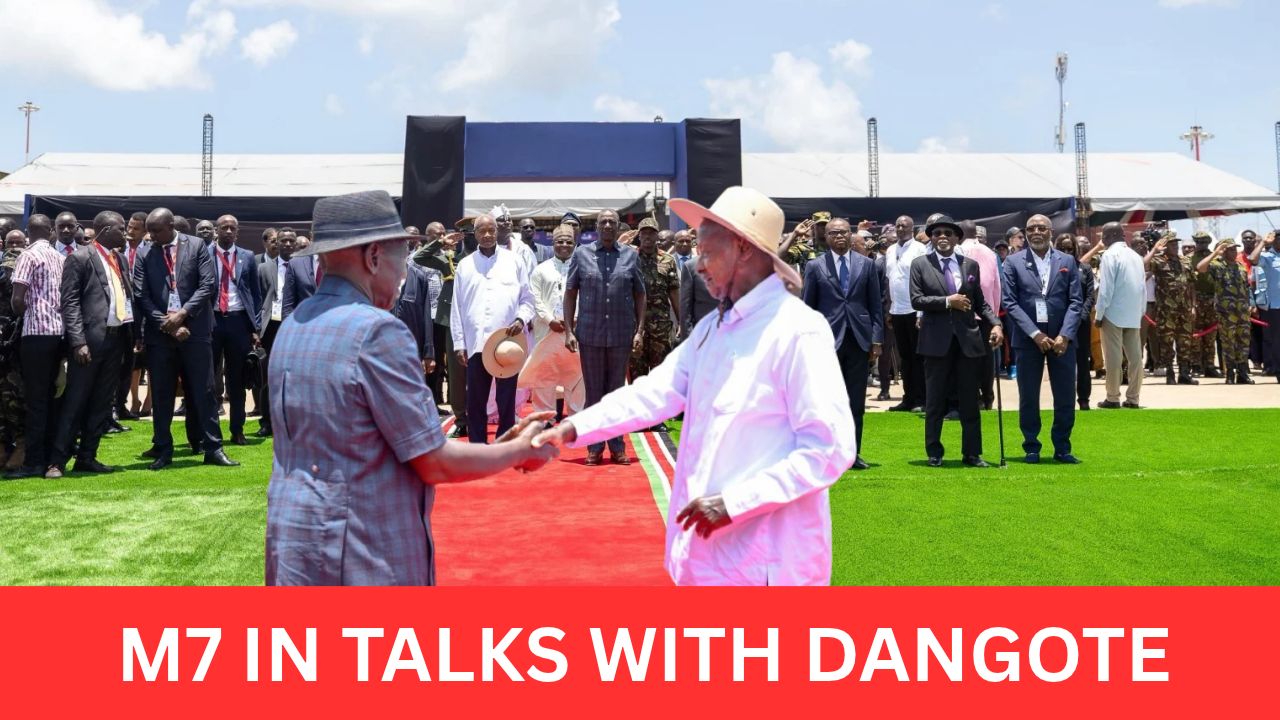
The groundbreaking of the $16 billion Dangote East Africa Oil Refinery at Lamu, Kenya, has opened a new chapter in the region’s race to turn its emerging oil resources into refined petroleum products.
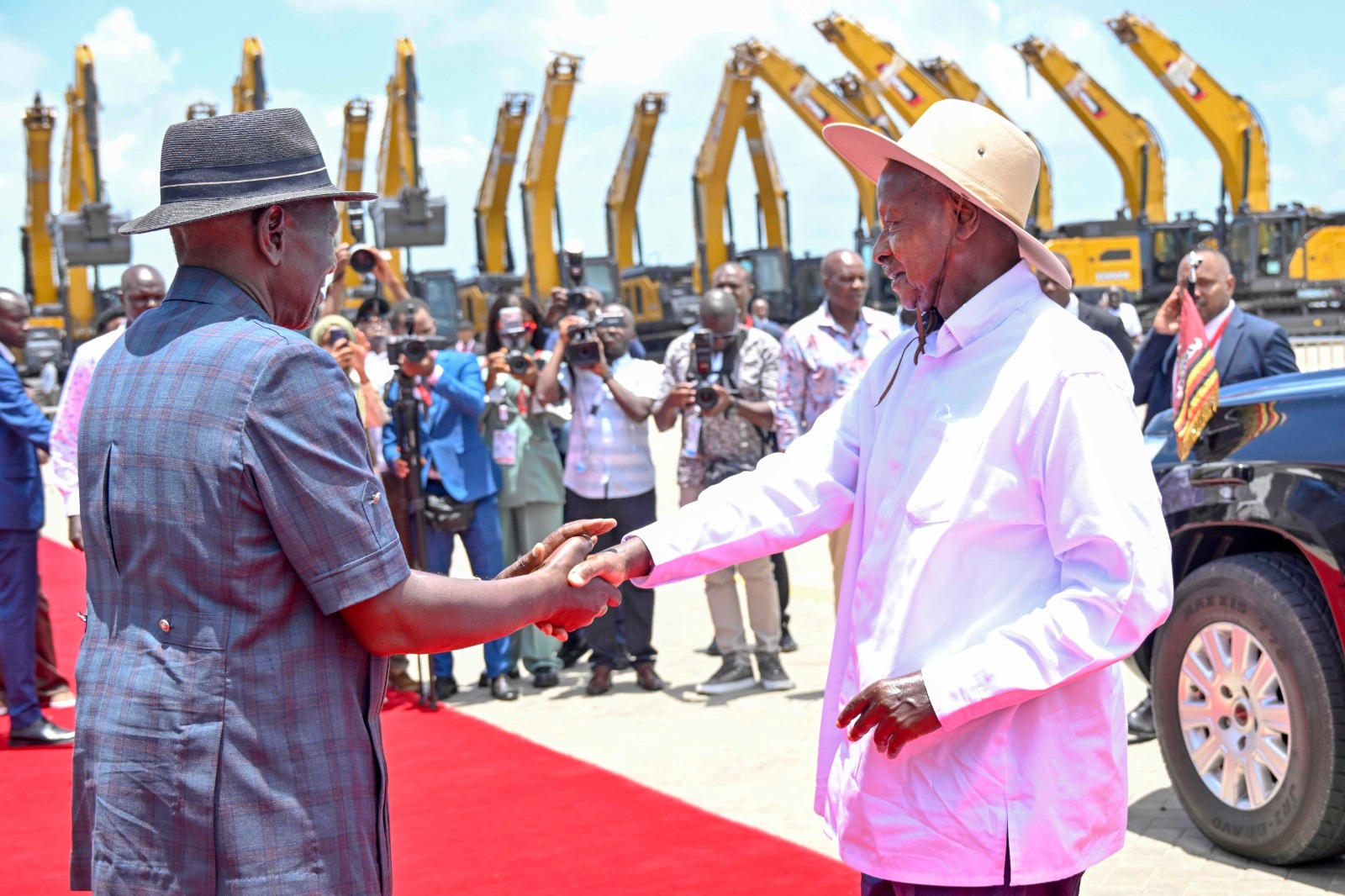
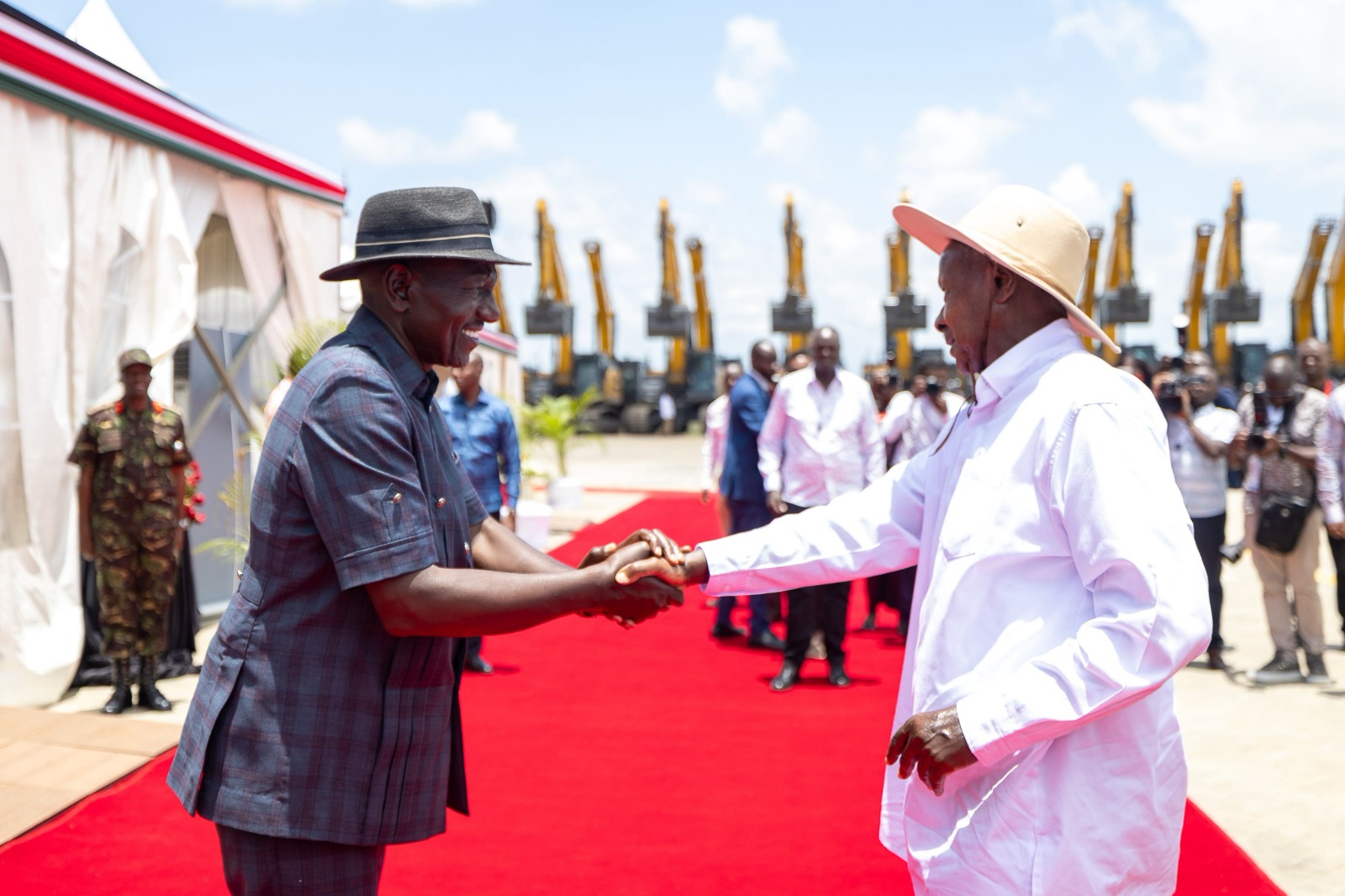
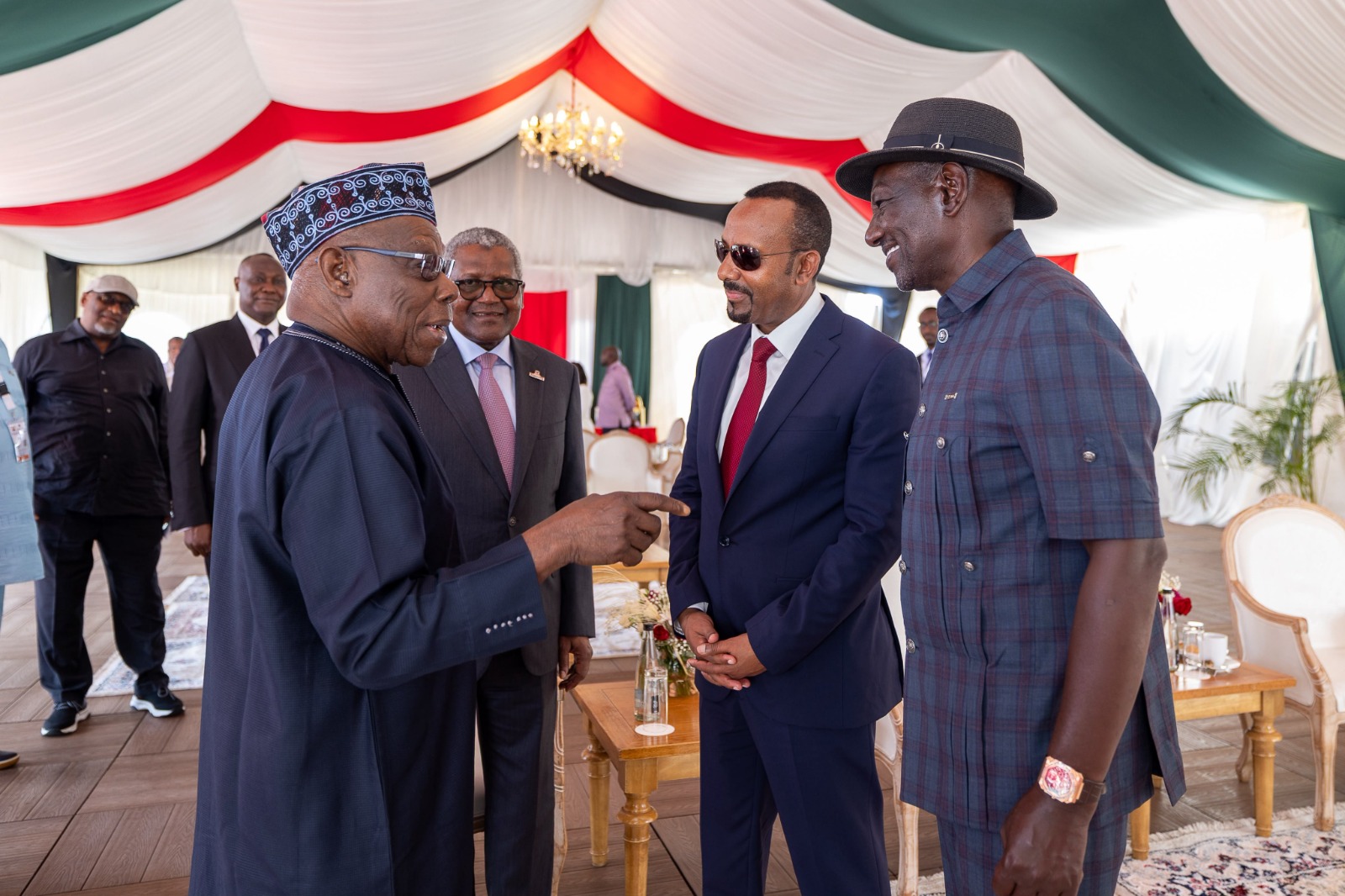
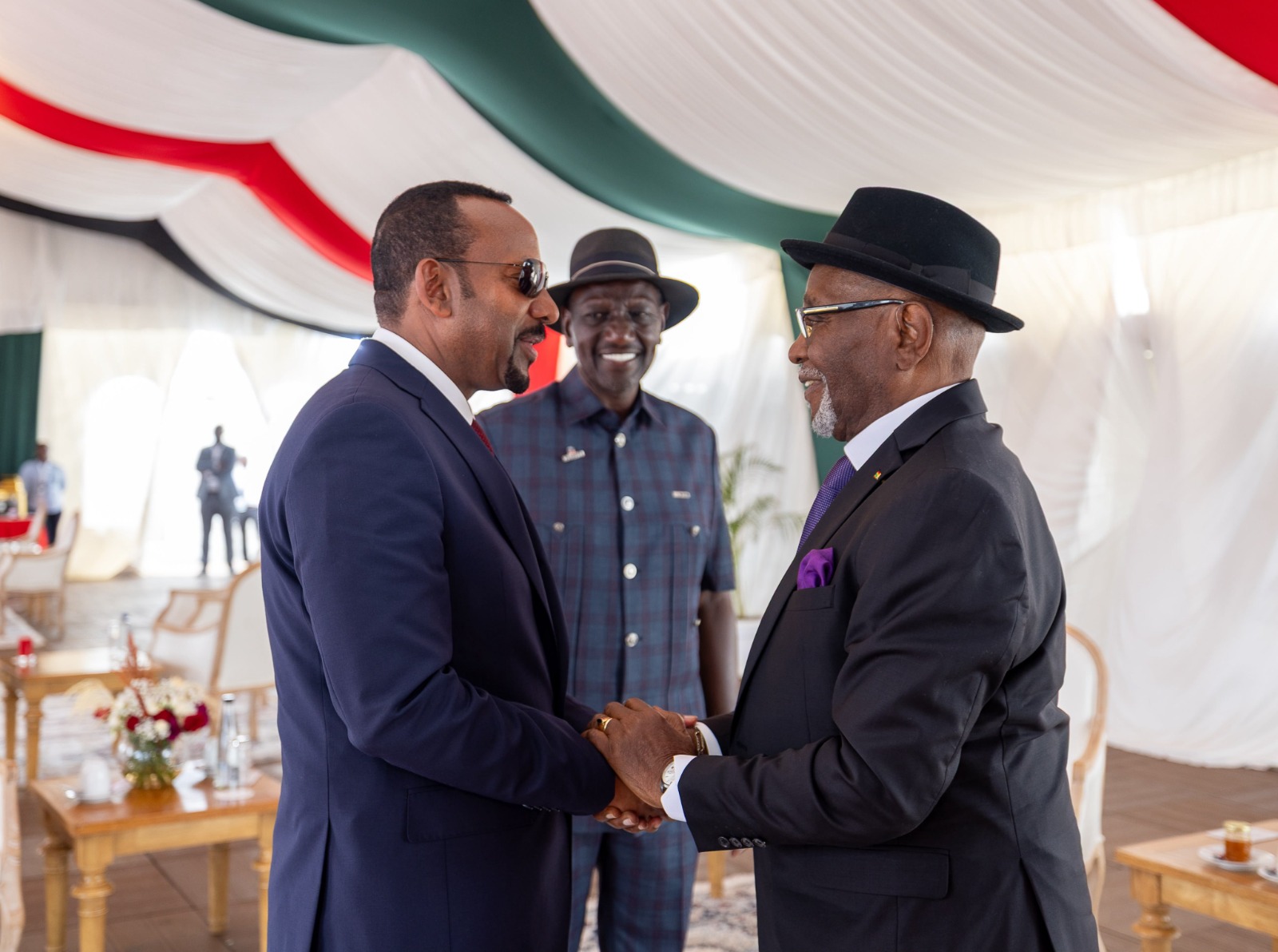
President Yoweri Museveni joined Kenyan President William Ruto, Ethiopian Prime Minister Abiy Ahmed and other African leaders in Lamu on Wednesday as construction of the giant 700,000-barrel-per-day refinery officially began. The facility is expected to be completed around 2030.
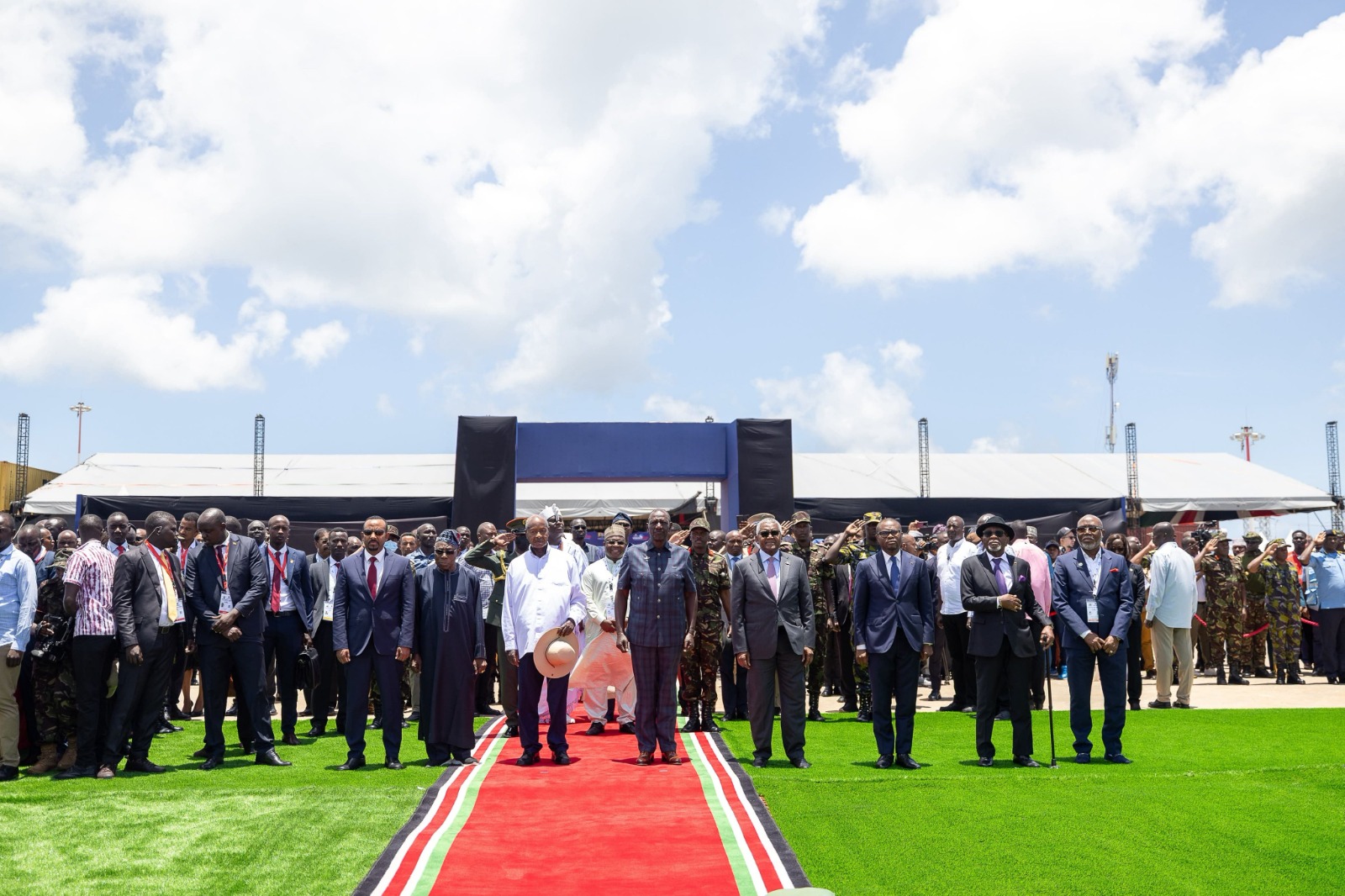 For Uganda, the development comes at a particularly important moment. The country is preparing for its first commercial oil production, with first oil expected later this year, while the East African Crude Oil Pipeline (EACOP) is being completed to transport Ugandan crude from Hoima through Tanzania to the port of Tanga.
The obvious question is: where will Uganda’s crude ultimately be refined? The answer is not as straightforward as it appeared only months ago.
A new refinery giant on Uganda’s doorstep
Dangote’s Lamu refinery is designed to become one of the largest refining facilities in Africa, with a planned capacity of 700,000 barrels of crude per day.
Its significance goes beyond Kenya. Dangote says the refinery will source crude from several countries and international markets rather than depend on one producer. Regional crude supplies, including oil from Kenya and potentially Uganda and South Sudan, will therefore be part of the supply equation.
The refinery is also being positioned as an industrial hub, not simply a fuel-processing plant. Dangote has indicated that petrochemicals and other industries could develop around the refinery, while pipelines would connect the facility to regional markets.
That could fundamentally change East Africa’s petroleum trade. For decades, countries such as Uganda, Kenya, Rwanda, Burundi and Tanzania have depended heavily on imported refined petroleum products, mainly brought through the Indian Ocean ports.
A major refinery in Lamu would put a substantial source of refined fuel inside the region.
East African demand for petroleum products is estimated at between 20 million and 30 million metric tonnes annually, underlining the commercial opportunity behind the project.
But where will Uganda’s oil go? Uganda’s immediate crude-export route is already established.
Uganda and Tanzania have built their strategic oil relationship around EACOP, which will carry crude from the Kingfisher and Tilenga oil fields in western Uganda to Tanga.
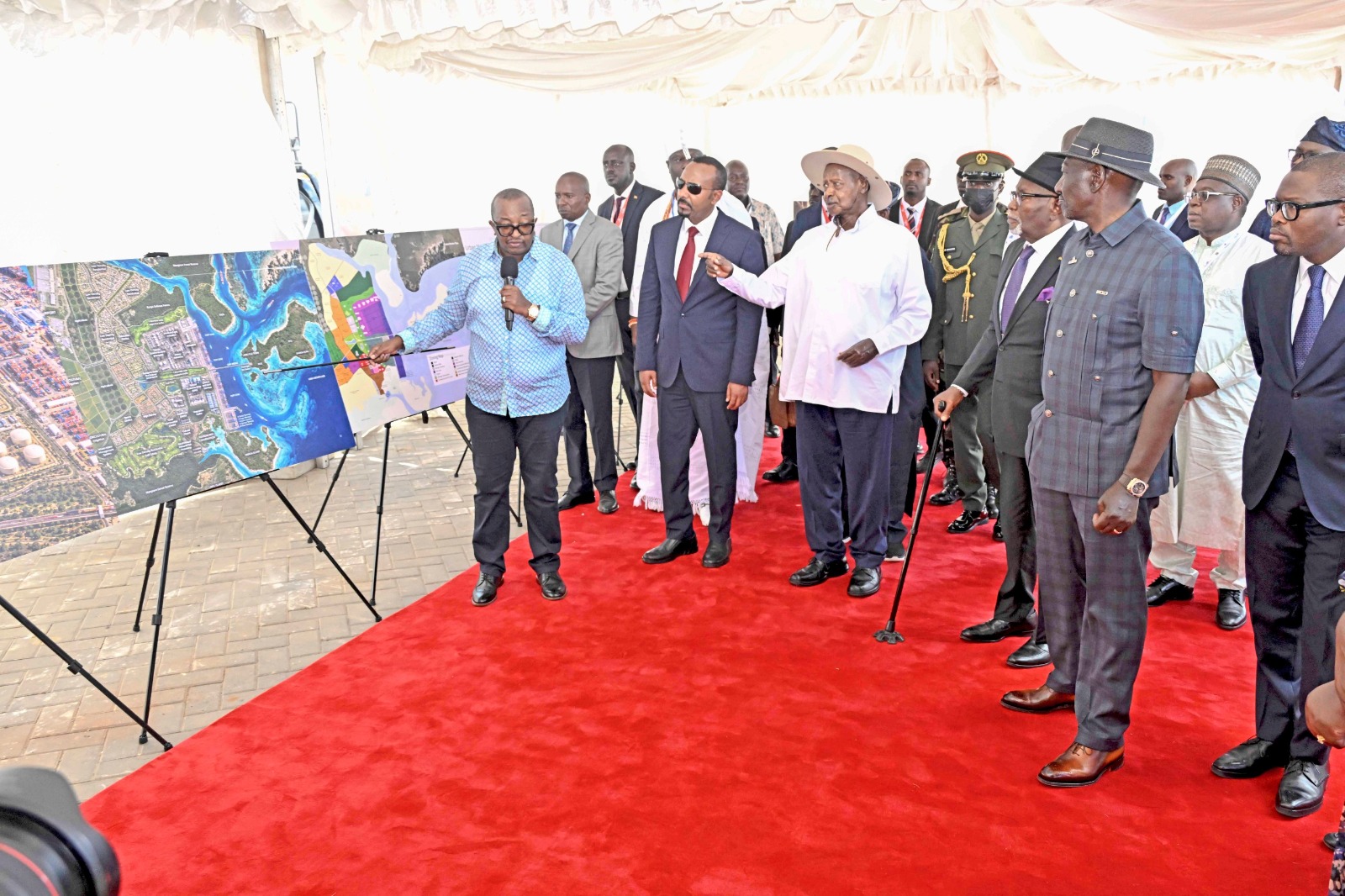 Uganda has also been pursuing cooperation with Tanzania around refining, storage, petroleum-product transportation and wider energy infrastructure.
In August, Uganda and Tanzania signed an MoU involving UNOC, Tanzania Petroleum Development Corporation and Vitol Bahrain covering the development of the Tanga Regional Energy Hub and related petroleum infrastructure. The planned hub is expected to support refining, storage, logistics and industrialisation.
This means Uganda has not abandoned Tanzania simply because Dangote has selected Lamu.
Indeed, Uganda’s government has continued to insist that its own 60,000-barrel-per-day refinery at Kabaale in Hoima remains part of the national strategy.
The Ministry of Energy says the Hoima refinery is intended to reduce Uganda’s dependence on imported petroleum products while creating opportunities in petrochemicals, fertiliser, LPG and other downstream industries.
President Museveni has also explicitly said Uganda can support a regional refinery while retaining its own national refinery.
In May, Museveni said Uganda was prepared to buy shares in the proposed regional refinery and support Dangote’s investment, but stressed that Uganda’s refinery would continue because value addition remains central to the country’s oil strategy.
Uganda’s refinery versus Dangote’s Lamu plant
This creates an interesting situation. Uganda’s planned refinery has a capacity of 60,000 barrels per day. Dangote’s Lamu facility will have a capacity of 700,000 barrels per day—more than 11 times Uganda’s planned capacity.
But size alone does not determine which refinery will process Uganda’s crude. Uganda’s refinery is being built principally to add value to Ugandan crude inside Uganda and supply the domestic and regional market.
Lamu, by contrast, is being conceived as a giant regional refinery with access to seaborne crude and multiple regional markets.
The two could therefore compete in some areas while also complementing each other.
Uganda could refine part of its crude domestically, export some crude through EACOP and potentially supply another portion to a regional refinery, depending on commercial agreements, crude characteristics, pipeline economics and government policy.
 What happens to Tanzania?
This is where the Dangote development becomes particularly sensitive. Earlier this year, the regional refinery conversation appeared to be centred on Tanga, Tanzania.
In April, President Ruto publicly said East African countries were discussing a joint refinery at Tanga that would process crude from Uganda, Kenya, South Sudan and the Democratic Republic of Congo. Dangote offered to lead the project.
Then came the Lamu announcement. Dangote initially examined several possible locations, including Tanga, Mombasa and Lamu. Uganda’s Presidency said in May that the company was assessing those locations before settling on the regional project.
Dangote eventually chose Lamu, citing factors including the deeper water, suitable ground and deep-sea access.
So, has Dangote hijacked Tanzania?
The available evidence does not support describing it as a hijacking in a factual sense.
 What has happened is that a refinery proposal that was publicly discussed for Tanga has evolved into a much larger project at Lamu.
That is a significant setback to Tanzania if its ambition was to host the region’s major refinery, but it does not mean Tanzania has been cut out of the oil economy.
Tanga remains strategically important because it is the terminus of EACOP. Ugandan crude will still move to Tanzania under the existing pipeline architecture, and Uganda and Tanzania are developing the Tanga Regional Energy Hub.
Tanga could therefore emerge as a major crude-export, storage and petroleum-products hub even without hosting Dangote’s refinery.
Kenya’s own crude creates another complication
Kenya itself has oil resources in Turkana, but its production will be nowhere near sufficient to fill a 700,000-barrel-per-day refinery.
Kenya’s South Lokichar production is expected to rise to roughly 50,000 barrels per day by around 2032, according to reporting by Daily Nation. That means Lamu will overwhelmingly require crude from outside Kenya. This explains why Uganda and South Sudan become strategically important.
Dangote needs crude. Uganda will have crude. South Sudan already produces crude. Kenya is developing its own production. The Democratic Republic of Congo is also pursuing petroleum development.
 The refinery therefore has the potential to become the processing centre for a wider East African oil economy.
Who will refine Uganda’s first oil?
For Uganda, the immediate answer is: not necessarily Dangote. Uganda’s crude-production system is being developed around EACOP and the national refinery at Kabaale.
The government has entered agreements with UAE-based Alpha MBM Investments for the 60,000-barrel-per-day Hoima refinery. The refinery project also includes a 211-kilometre refined-products pipeline and storage infrastructure at Namwabula in Mpigi.
The national refinery therefore remains the principal vehicle for Uganda’s value-addition strategy.
At the same time, Uganda now has another potential customer and regional refining partner in Lamu.
The critical issue will be economics. If it is cheaper to move Ugandan crude to Lamu, process it there and bring products back through regional infrastructure, commercial actors will examine that option.
If domestic refining provides greater value after considering transport, taxes, refinery utilisation and strategic fuel security, Uganda’s Kabaale refinery will remain central.
 And if Tanzania develops its proposed Tanga energy hub and associated refining or processing capacity, it could also remain part of the equation.
A new East African oil map
The Lamu groundbreaking therefore does more than announce a refinery. It redraws the emerging East African petroleum map.
Uganda has the crude but is landlocked. Tanzania has the Indian Ocean outlet and EACOP’s terminus at Tanga.
Kenya has Lamu Port, its own emerging crude resources and ambitions to become a regional logistics hub.
South Sudan has crude but faces export and infrastructure constraints. Dangote now brings enormous refining capacity and private capital into that equation.
The strategic competition will consequently shift from simply who has oil to who controls the infrastructure that processes, transports and markets it.
For Uganda, the challenge will be to ensure that first oil does not simply mean exporting crude while continuing to import expensive petroleum products.
Museveni has repeatedly framed the refinery as part of that value-addition strategy. Uganda’s official position is that the Hoima refinery will proceed even as the country supports a broader regional refinery.
That leaves Uganda with potentially three complementary energy assets: Kabaale for domestic refining, EACOP/Tanga for crude evacuation and Lamu as a potential regional refining and fuel-supply hub.
The real question is no longer whether East Africa will refine its oil. The Lamu groundbreaking suggests that it will.
The bigger question is where Uganda’s first oil will ultimately be refined—and who will capture the greatest value from every barrel.
Author Profile

- Charles Gazza Kodili is a seasoned journalist with over 20 years of experience in the media industry. He holds a Bachelor of Arts degree in Mass Communication. He’s currently the Chief Editor at the Investigator.
Charles can also be reached via; Tel: +256 774 108978
Email: [email protected]
Latest entries
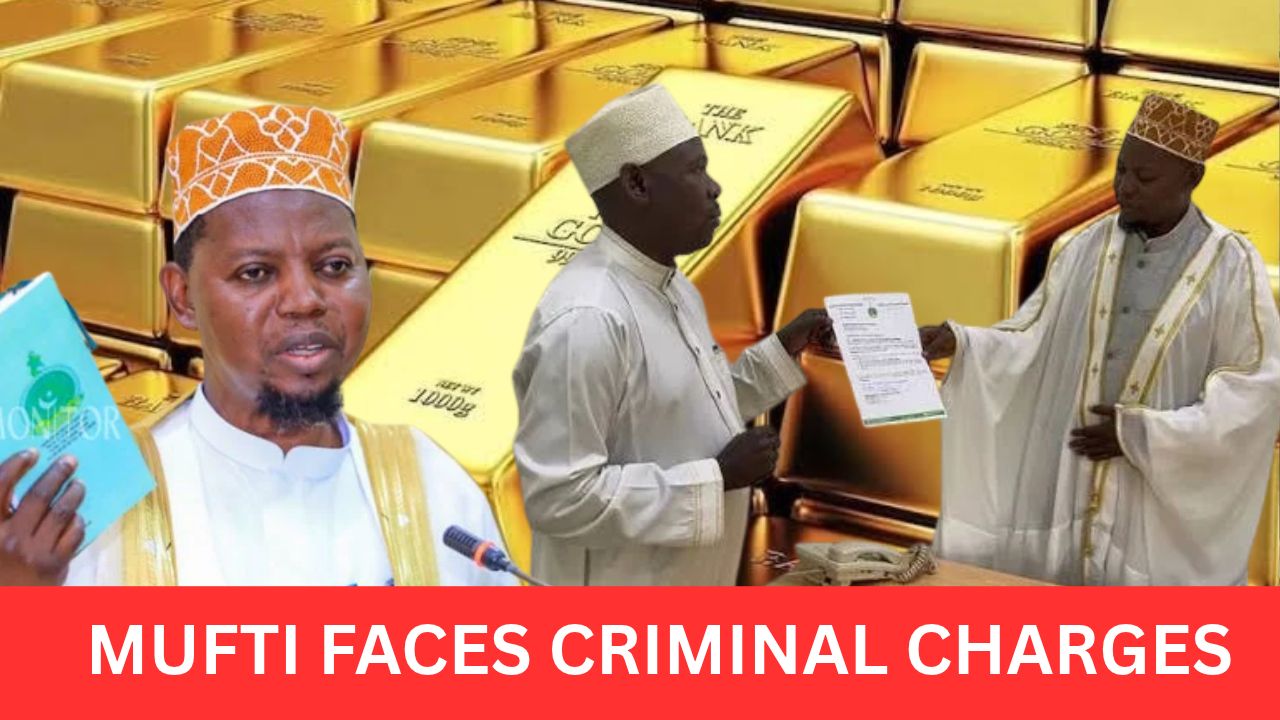 CrimeOctober 22, 2026MUFTI SUMMONED OVER SHS1.2BN GOLD SCAM: Kampala City Hall Court Has Summoned Deputy Mufti, Muhammad Haruna Bukenya, And Businessman Elias Muzamiru Lubega Over Allegations Of Obtaining $288,000 From Muhammad Kwaido In A Deal Involving Three Kilogrammes Of Gold
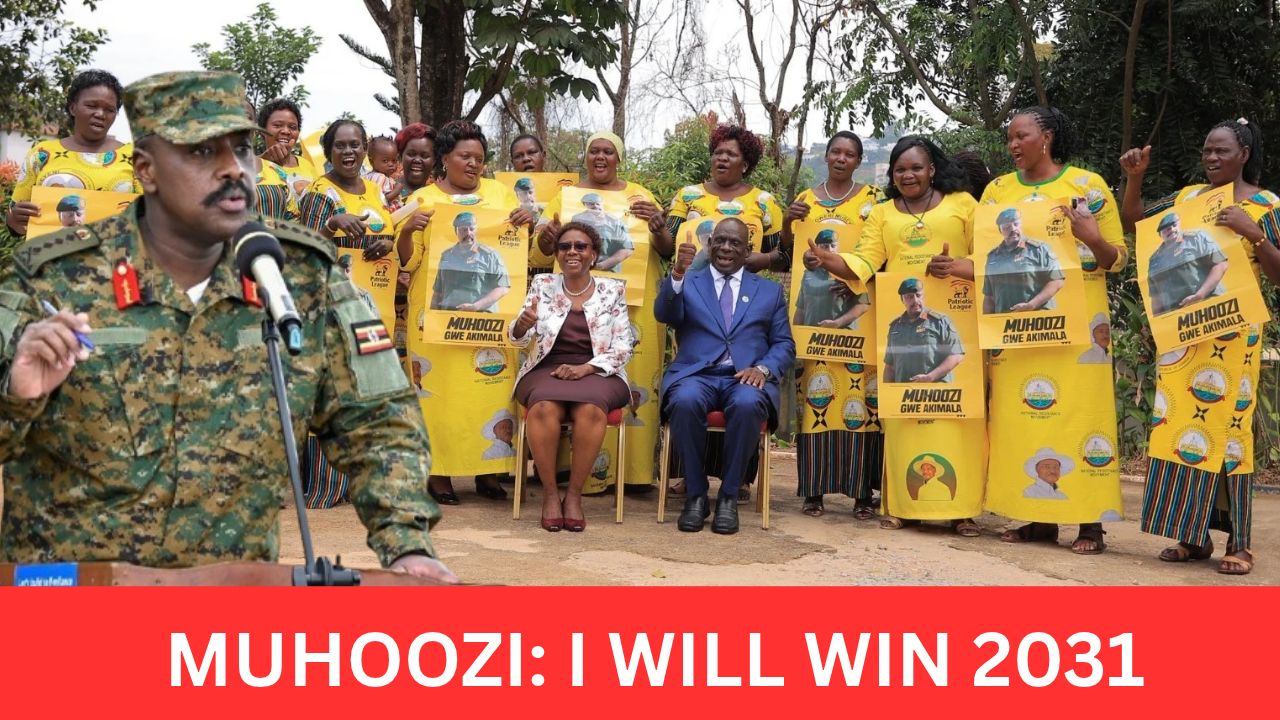 FeaturedOctober 22, 2026MUHOOZI: WE SHALL WIN IN 2031: CDF Gen Muhoozi Kainerugaba Says Millions Of Ugandans, Particularly The Youth, Are Backing His “Quiet And Patient Revolution” As His PLU Movement Builds Momentum For The 2031 Presidential Race
 FeaturedOctober 22, 2026‘I HAVE FORGIVEN BIRUNGI’: Gen Muhoozi Kainerugaba Says Maj Gen James Birungi Deserved A Severe Sentence For Crimes Against The Army And Ugandans But Chose Forgiveness Guided By His Christian Faith
 FeaturedOctober 21, 2026WANGADYA, COMMISSIONERS FACE AXED: Parliament Endorses COSASE Recommendation To Replace The Chairperson And Commissioners After Months Of Bitter Internal Disputes