





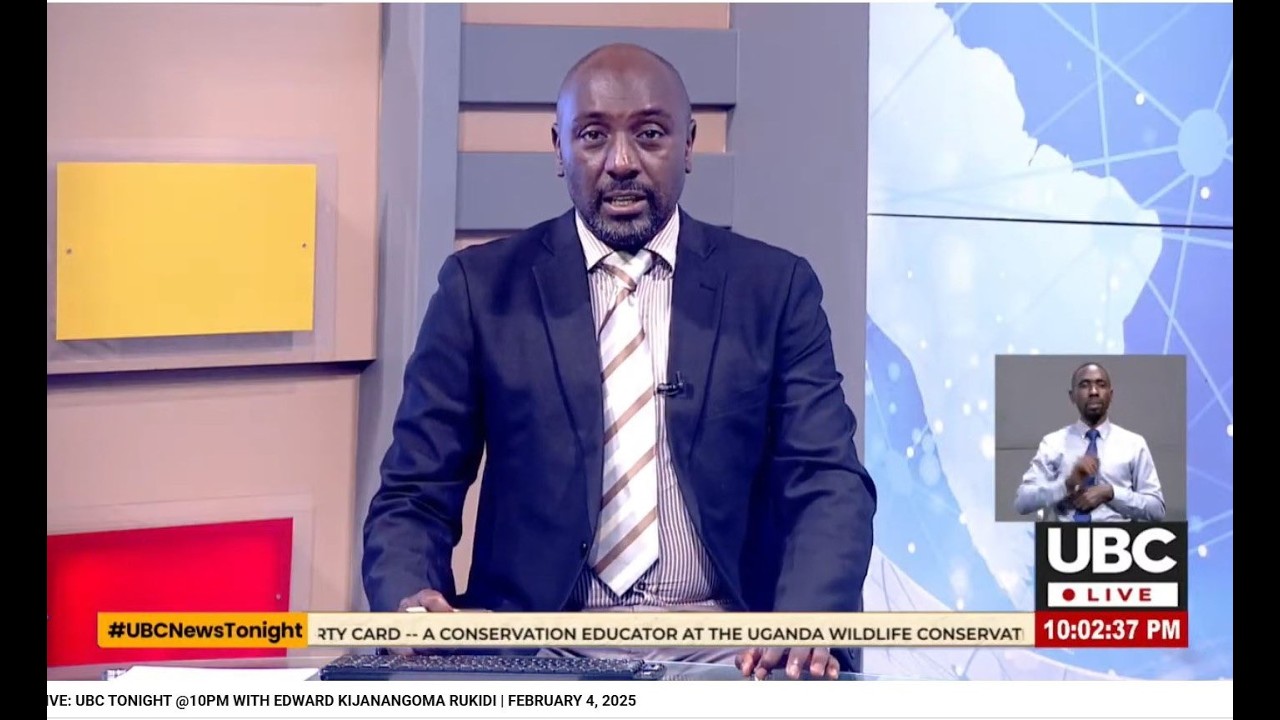
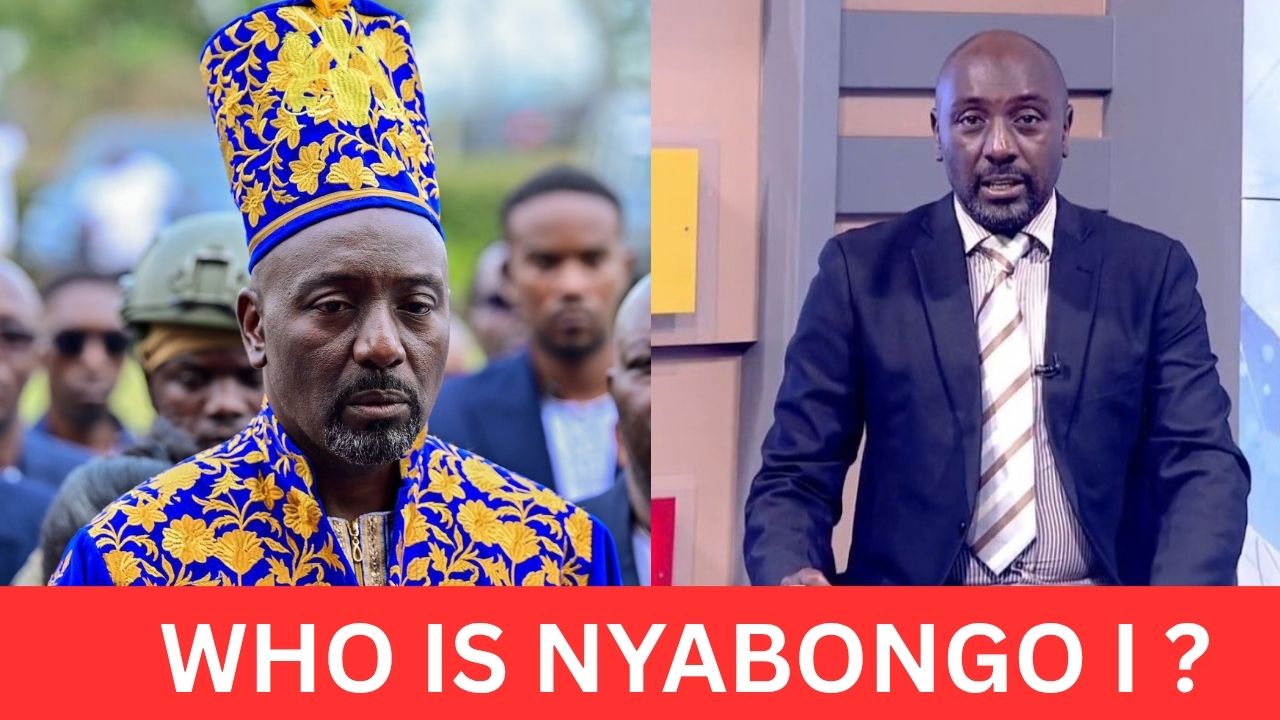
For decades, Edward Rukidi Kijanangoma was a prince who lived largely away from the glare that traditionally surrounds a royal household. Ugandans knew him principally as a journalist and television news anchor — a familiar face behind the news desk of Uganda Broadcasting Corporation (UBC), rather than as a man destined to sit on the royal stool at Karuziika.
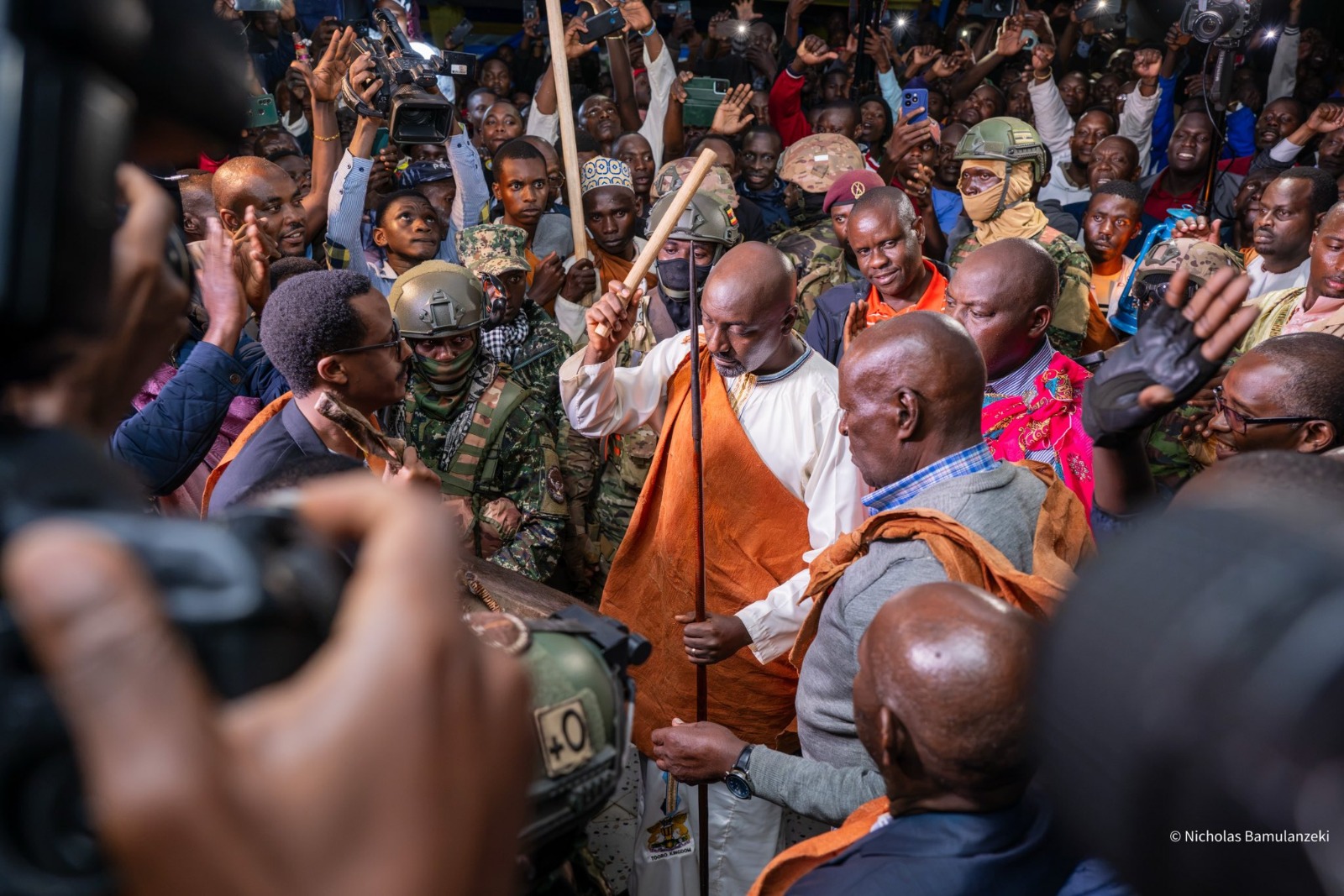
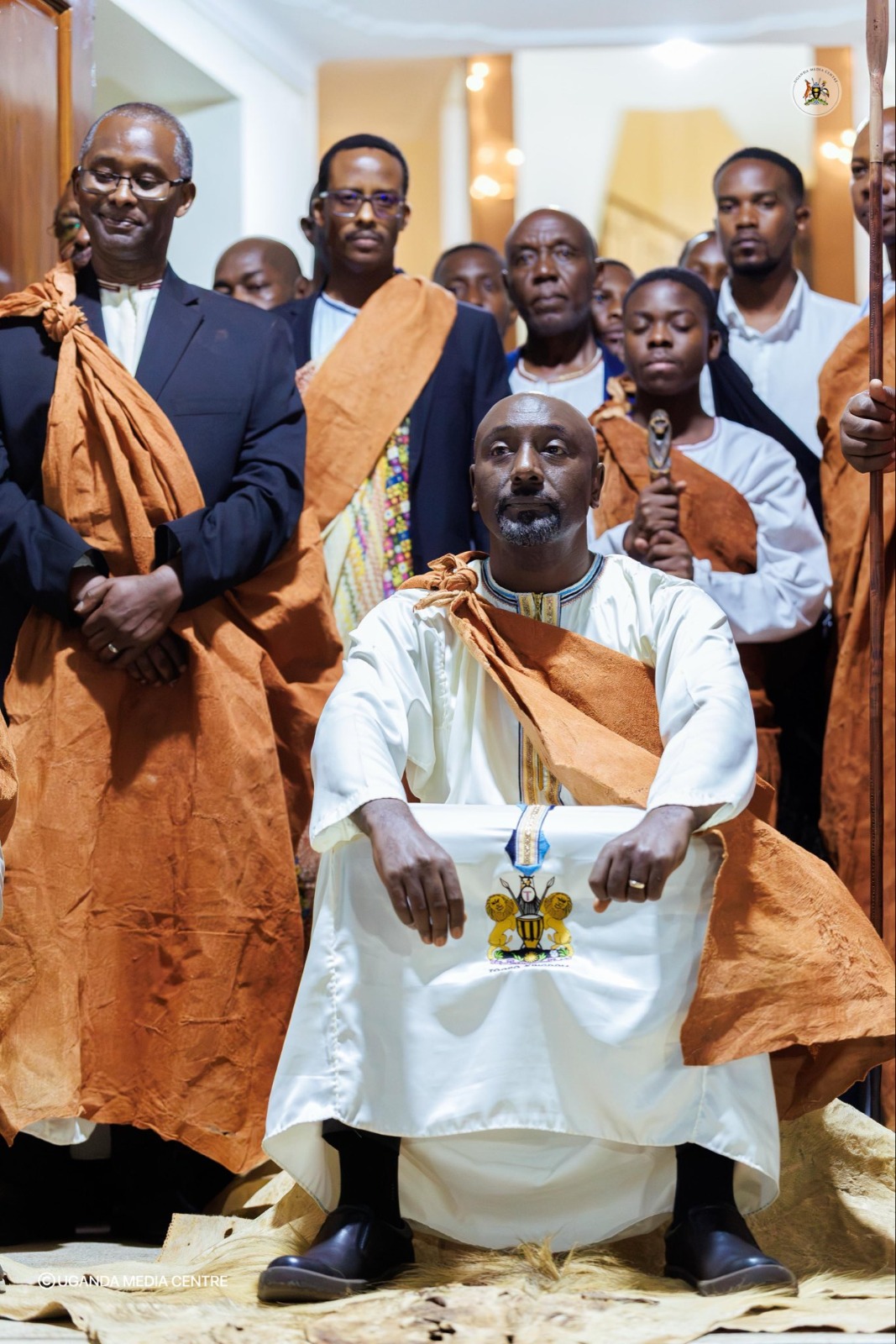
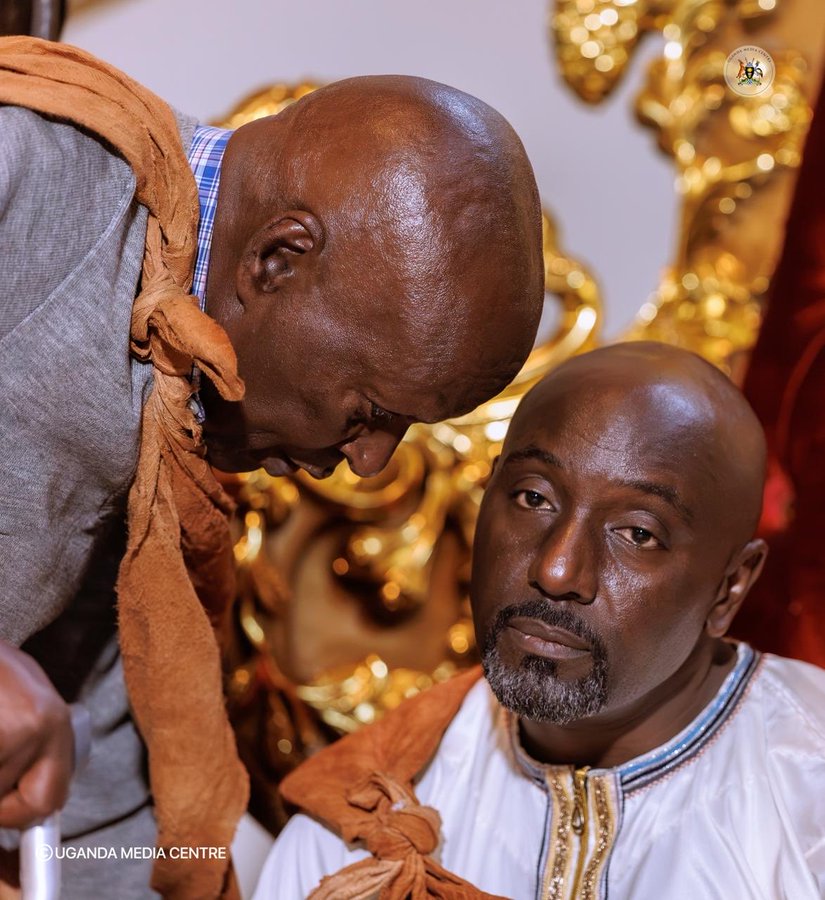
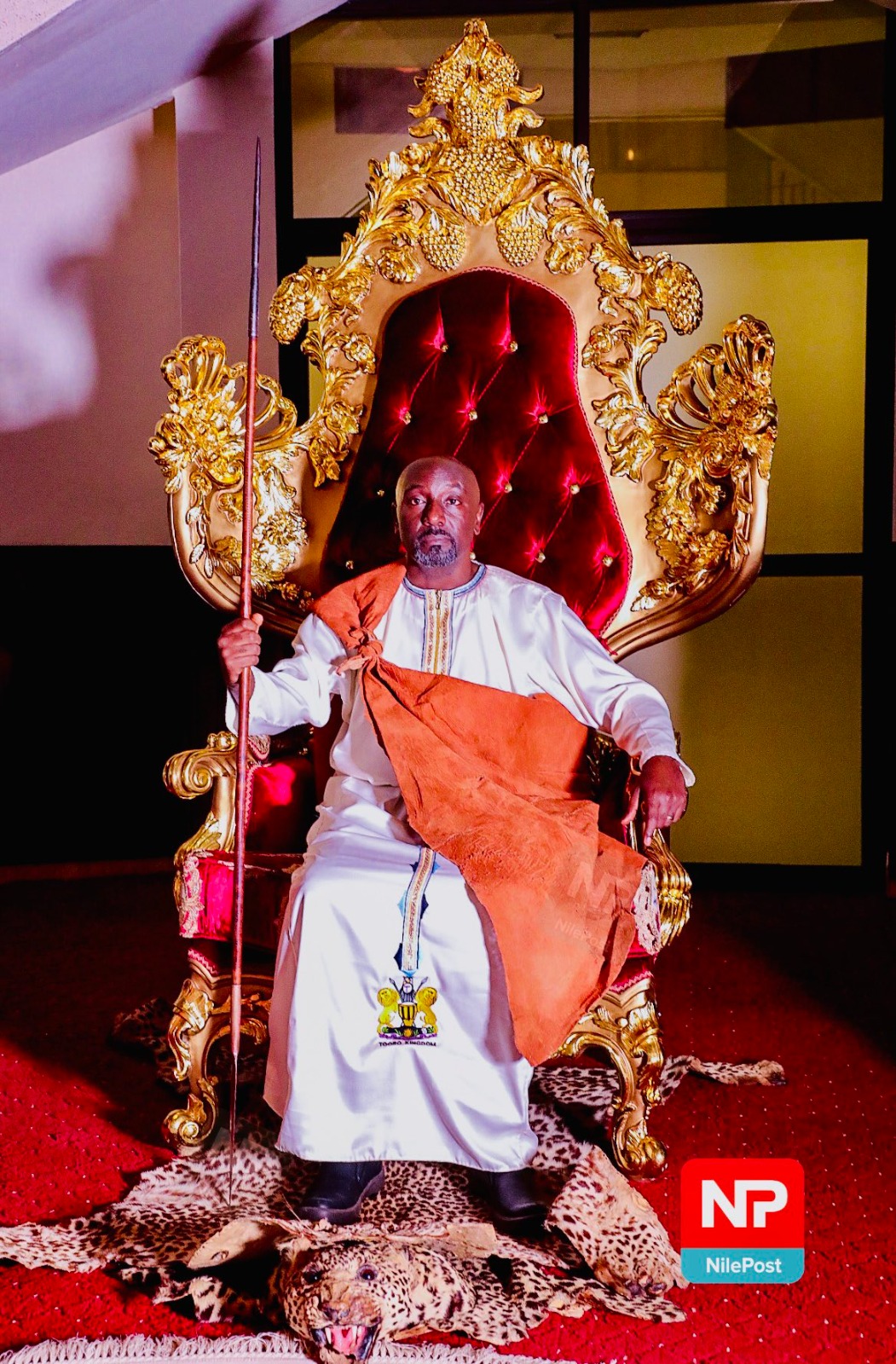
But beneath the newsroom suit was a royal lineage stretching back generations. On Tuesday, September 29, 2026, that quiet life changed forever. Edward Rukidi Kijanangoma was crowned Edward Rukidi Nyabongo I, taking the Tooro throne after the death of his cousin, Omukama Oyo Nyimba Kabamba Iguru Rukidi IV, who died in the United States on August 27 aged 34.
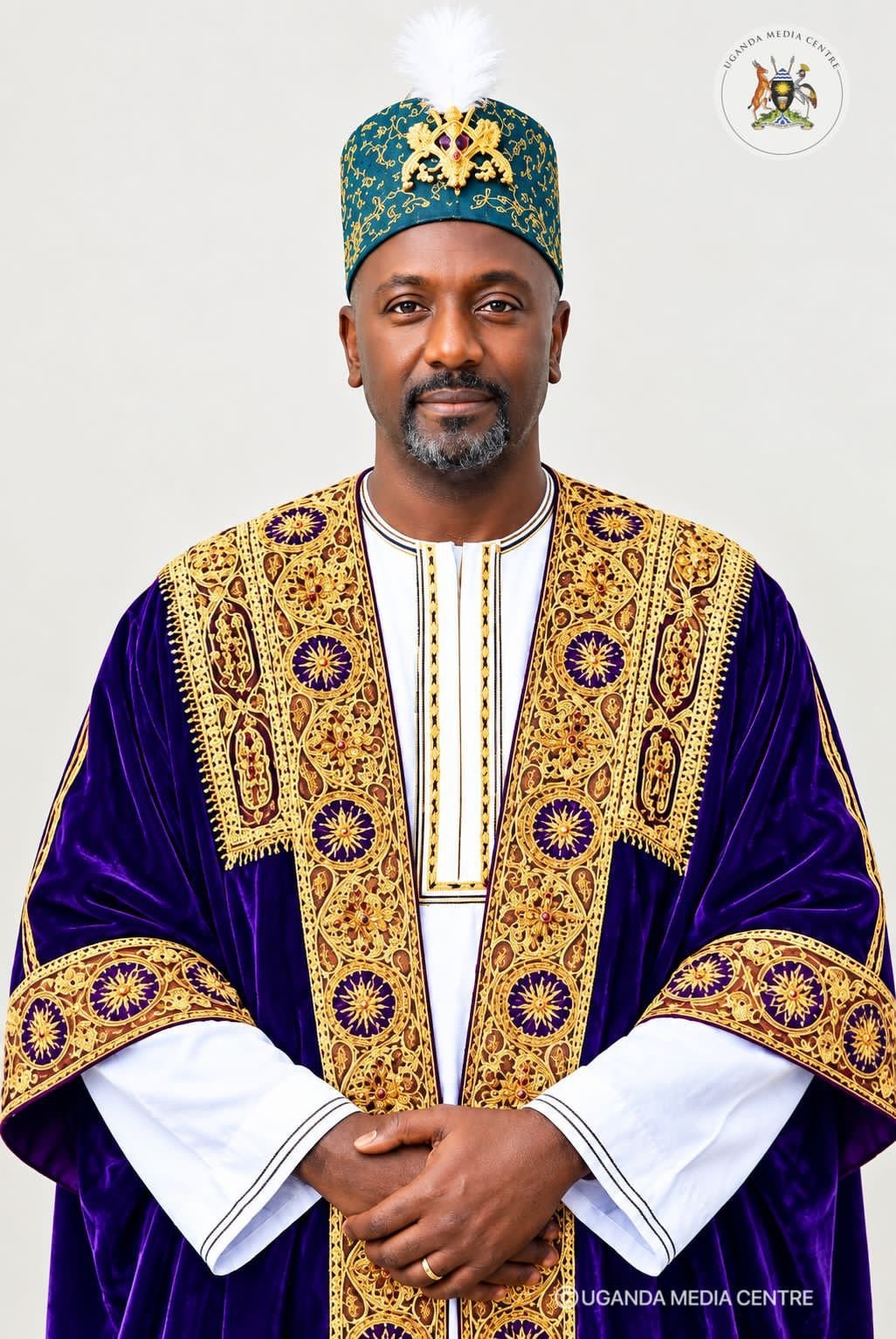 His journey from the newsroom to Karuziika Palace is a remarkable story of royal blood, ordinary working life and a succession system that suddenly placed an apparently low-profile prince at the centre of one of Uganda’s most important cultural institutions.
Born a prince
Kijanangoma was born in 1970 in Fort Portal. He is the son of the late Prince Christopher Paul Kijanangoma and Ms Amooti Kijanangoma. His grandfather was Omukama Sir George David Matthew Kamurasi Rukidi III, who ruled Tooro from 1928 until his death in 1965. That lineage is central to understanding the new king.
By 1965, his grandfather was on the Tooro throne. Rukidi III was the 11th Omukama in the commonly used historical sequence and was succeeded by his son, Prince Patrick David Matthew Kaboyo, who became Omukama Olimi III. Now, more than six decades after Rukidi III’s death, his grandson has returned the Rukidi name to the throne. It is a remarkable royal circle.
 Kijanangoma’s father, Christopher Paul, belonged to the same royal house, but Edward’s own life did not initially suggest that he was preparing to become king. He grew up with the privileges and responsibilities of royal blood, but he also developed a career outside the palace.
The education of a journalist
Publicly available reports differ in the detail they provide about Kijanangoma’s early education. One recent profile identifies Kinyamasika Demonstration School in Kabarole as his primary school and St Leo’s College, Kyegobe, in Fort Portal, for secondary education. The same report says he later attended Makerere University, graduating with a Bachelor of Mass Communication in 1999.
The details have not been extensively documented in official royal biographies, but his subsequent career clearly reflected a strong grounding in communication. Rather than immediately taking up a palace role, Kijanangoma entered journalism.
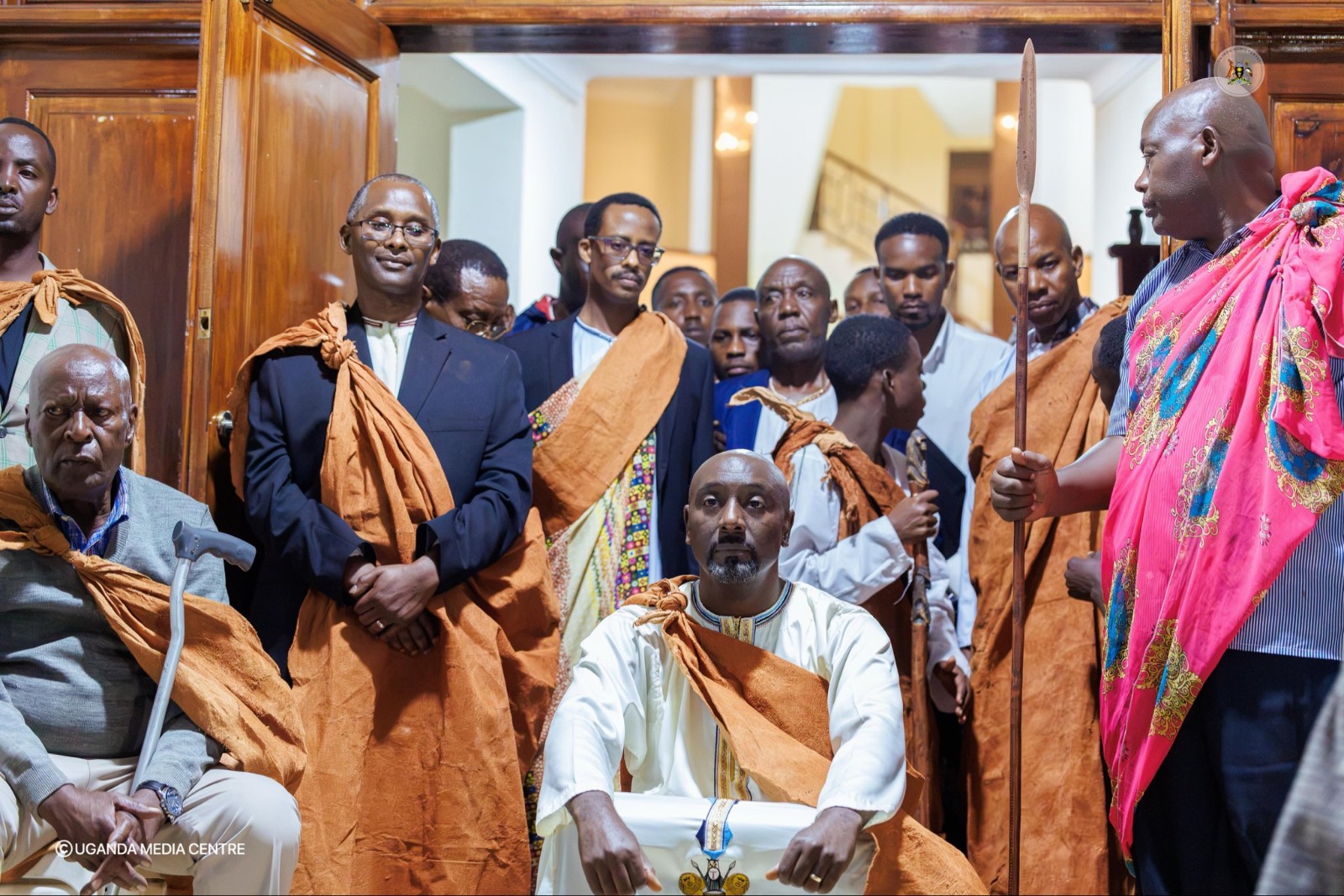 It was a career that would eventually make him one of the most recognisable members of the Tooro royal family outside the kingdom.
From newsroom to royal stool
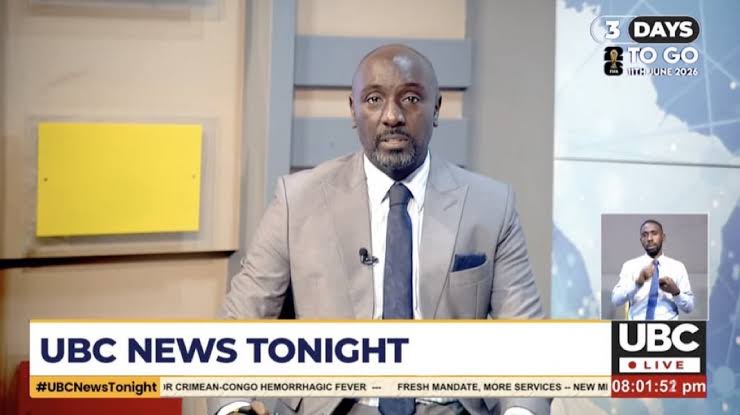
For almost a decade, Kijanangoma worked prominently at Uganda Broadcasting Corporation, where he became a news anchor and editor. He presented major UBC television bulletins, including UBC News Tonight and the lunchtime news, covering politics, courts, education and other national events. Other reports say he had earlier worked in television in Rwanda before returning to Uganda. For viewers, he was the calm journalist delivering the day’s headlines. Few would have imagined that the man reading the news would eventually become the news himself.
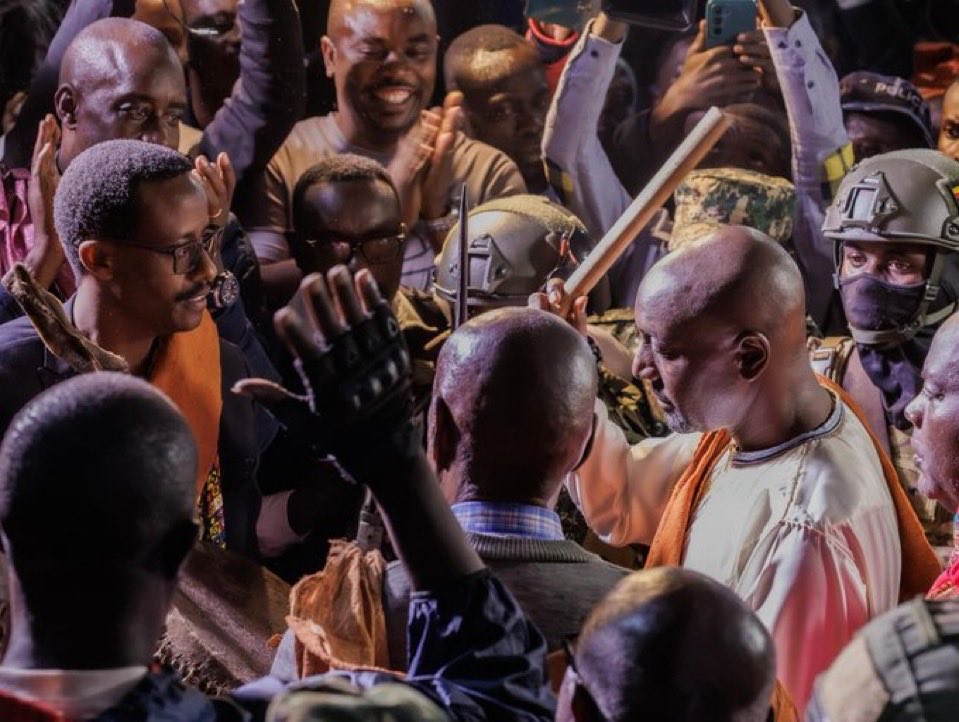 His professional life is significant because it gave him an experience quite different from that of many royals.
He worked. He reported. He interacted with ordinary Ugandans. He travelled for stories. He sat behind a television desk and operated within the discipline of a newsroom. His career therefore gave him an identity beyond his royal title. That is why the description of him as a prince who lived an ordinary working life has resonated strongly among people who have followed his rise. He did not spend his adult life waiting for a crown.
The family man
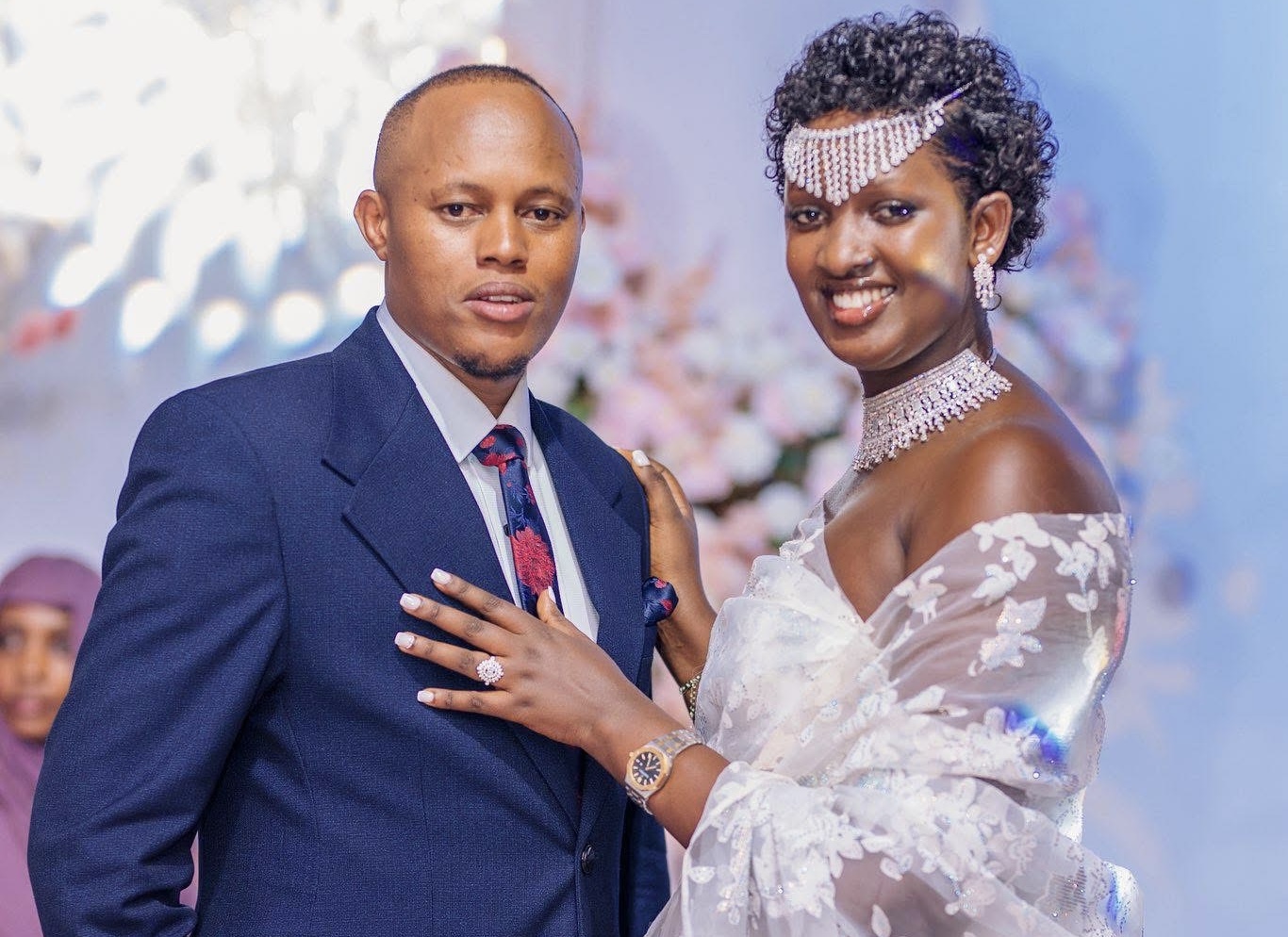
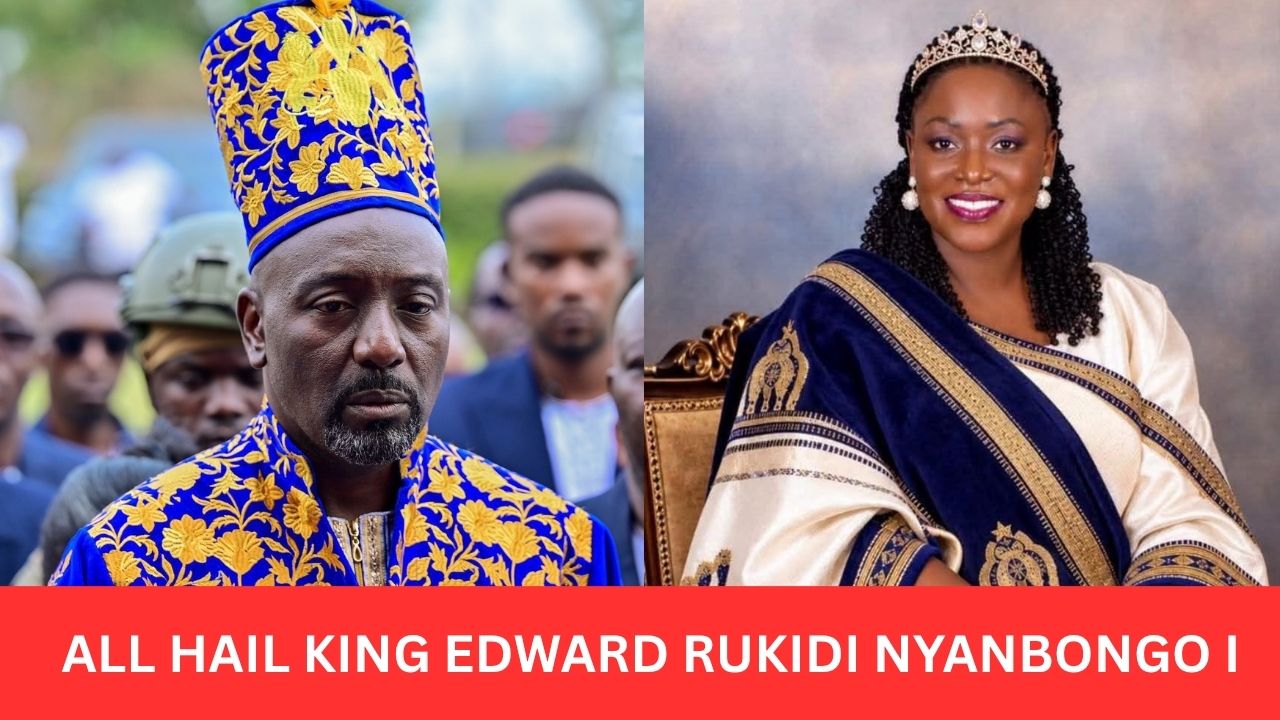
Kijanangoma is married to Rebecca Amoding-Rukidi, a professional from the Teso sub-region who has worked in human resources and organisational development.
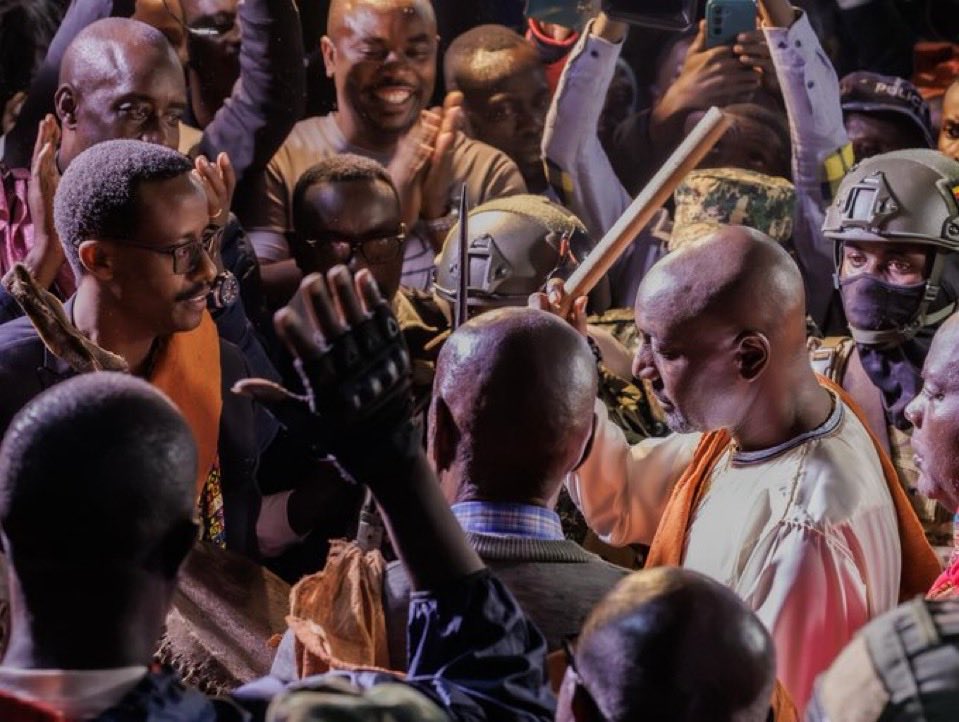 Amoding has worked with institutions and companies including the World Food Programme, Unilever, Britania Allied Industries, Case Medical Centres and SAS Clinics, and has been reported as a human resources manager at Vivo Energy Uganda.
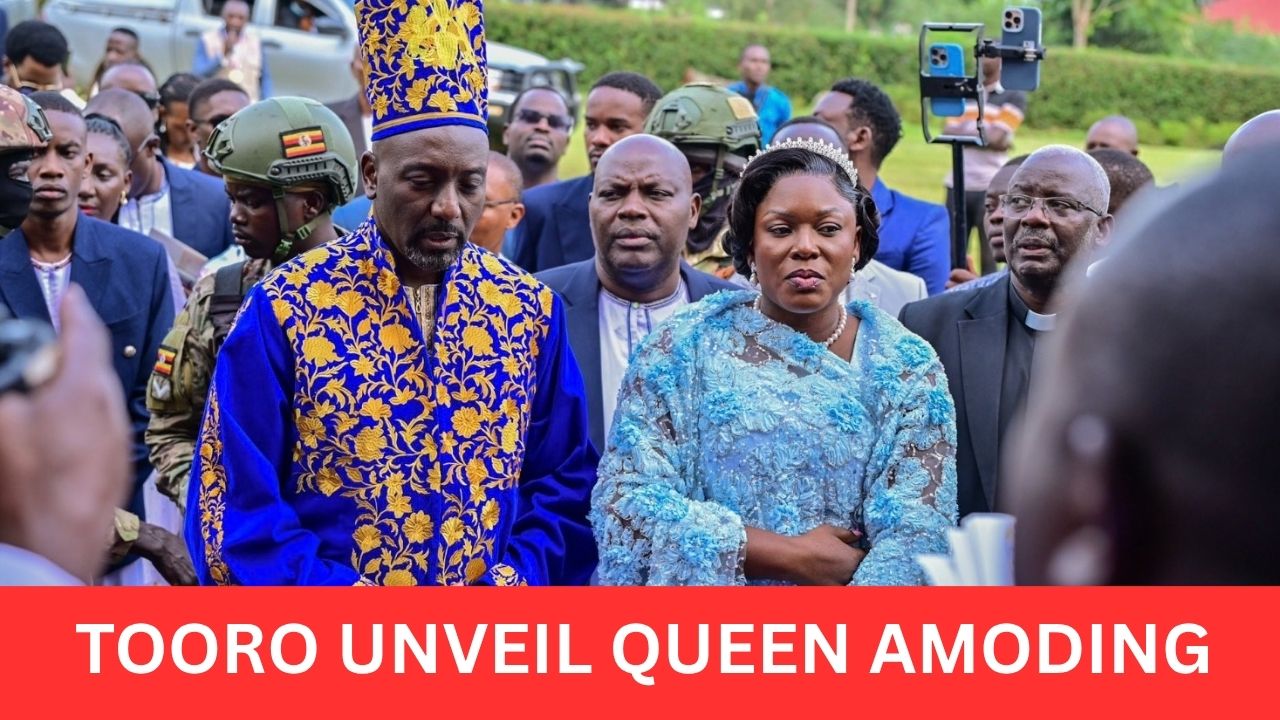
Her arrival beside her husband during the coronation has placed her in the public eye as the new Queen of Tooro. Her background has also generated discussion because she is from outside Tooro. Rev. Fr. Dr Charles Oyo, a spokesperson for the Babiito clan, clarified that her background does not prevent her from retaining her status as the king’s wife.
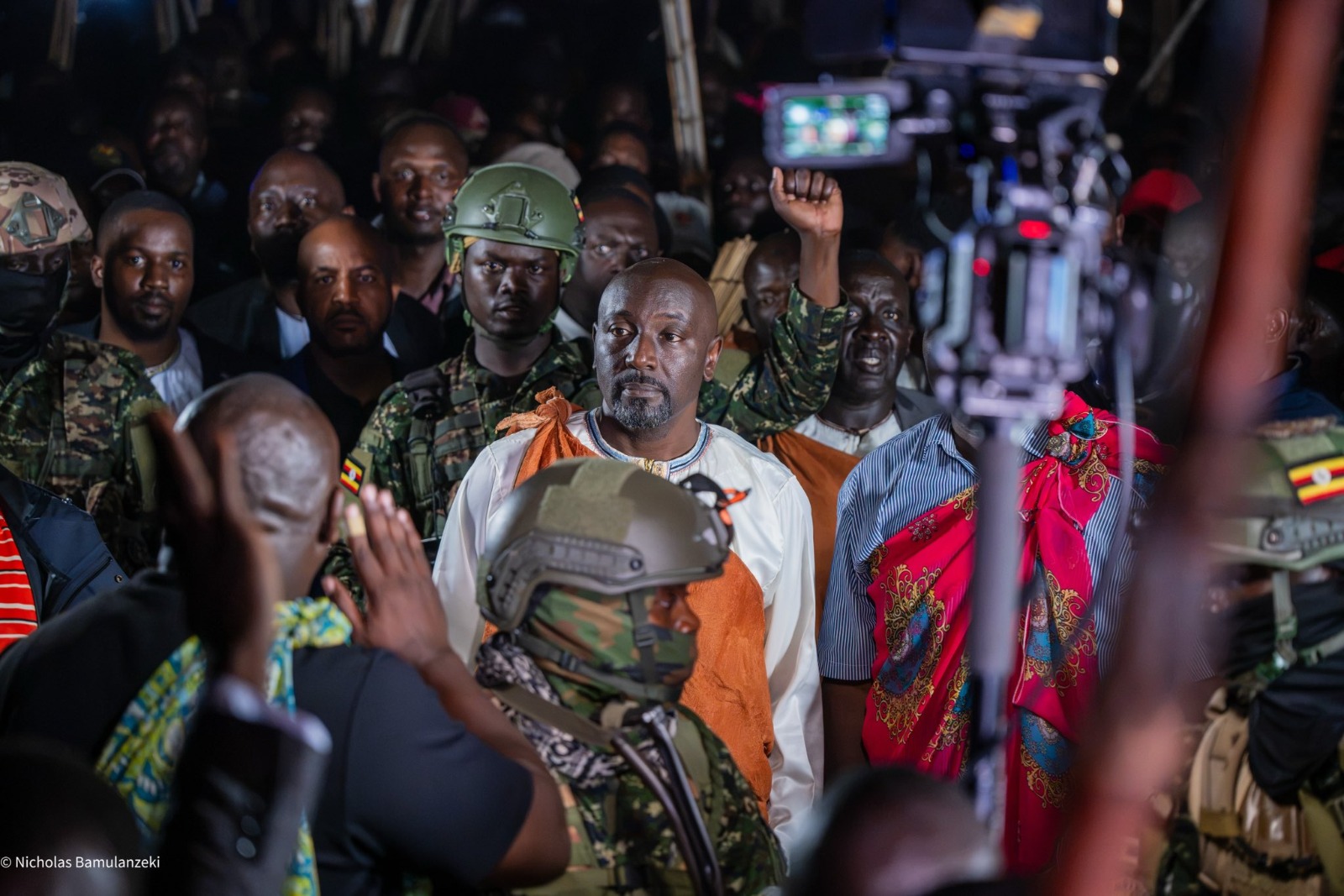 “She will be like any other wife of the king,” Oyo said, while explaining that traditional succession questions are governed separately by clan considerations.
Public reports also indicate that Kijanangoma has children from an earlier marriage in Rwanda. However, details about the number and names of those children have not been consistently established in reliable public reporting, and the children of his current marriage have similarly not been publicly detailed. For a king whose private life was previously largely outside public scrutiny, that relative privacy is likely to change.
The grandfather who wore the crown
To understand Nyabongo’s place in Tooro, one has to go back to George Mathew David Kamurasi Rukidi III. Rukidi III was born at Karuziika Royal Palace on March 6, 1904. He became Omukama in December 1928 following the death of his father, Kyebambe III, and was crowned at St John’s Cathedral in January 1929. He ruled until December 21, 1965.
 His reign was marked by education, public service and international engagements. Historical accounts record that he attended schools including King’s College Budo and later Columbia University and served in the Uganda Police Force before becoming king. He also attended the coronation of Queen Elizabeth II in London in 1953.
That legacy now hangs over his grandson. The symbolism is particularly striking because Nyabongo’s own coronation has also involved St John’s Cathedral. Generations after Rukidi III’s reign, his grandson has returned to the same broad religious setting as part of his own journey to the throne.
From Rukidi III to Nyabongo
Rukidi III was succeeded by his son, Patrick David Matthew Kaboyo, who became Olimi III. Olimi III’s reign was interrupted by the abolition of Uganda’s traditional kingdoms in 1967. For more than two decades, Tooro had no officially recognised monarch. Then came the restoration of the traditional institutions in 1993.
 Olimi III returned to the throne but died in August 1995. His three-year-old son, Oyo Nyimba Kabamba Iguru Rukidi IV, succeeded him. Oyo’s coronation in 1995 became an international spectacle because he was only three years old. For more than three decades, Oyo’s name became synonymous with modern Tooro. His death on August 27 this year reopened the question of succession.
The Babiito and the succession
The answer eventually came from the Babiito royal clan, which is central to the traditional succession process. Following Oyo’s death, a 21-member succession committee was constituted under the leadership of Omujwera Musuuga Charles Kayondo Kamurasi, head of the Babiito royal clan. On September 9, the committee selected Edward Rukidi Kijanangoma.
The decision was subsequently presented to the Rukurato Rw’Obukama Bwa Tooro, the kingdom’s Supreme Council, which endorsed the selection on September 15. Government later said the succession process had been conducted by recognised traditional institutions in accordance with Tooro’s customs, traditions and established practices.
 Omusuga Kamurasi, announcing the succession, told mourners and the country that Tooro had a new king. His declaration transformed the journalist into the king-in-waiting. Kamurasi and the elders then guided him through the traditional rituals preceding his enthronement.
At the burial of Oyo at Karambi Royal Tombs on September 12, Kijanangoma performed one of the important rituals associated with the transition by casting nine coffee berries into the grave. The symbolism was profound. The old king was being buried. The new king was already emerging.
What the elders see in him
For the Babiito elders, the choice was not simply about bloodline. Reports from the succession process indicate that the candidates were considered against factors including leadership, education, experience and knowledge of Tooro culture and traditions.
 That helps explain why Kijanangoma’s life outside the palace matters. Prince Araali Kasagama, a member of the royal family, has argued that questions surrounding Kijanangoma’s marriage should not become an obstacle to his leadership, while discussing the cultural expectations surrounding the royal household.
For Omusuga Kamurasi, the central task has been to guide the succession through the established cultural institutions. And the elders have repeatedly emphasised unity. The new king inherits not only a throne but a kingdom with a long memory.
A kingdom older than the modern state
Tooro itself predates the modern Ugandan state. According to the kingdom’s official history, Tooro emerged as an independent kingdom around 1830 under Kaboyo Olimi I, the eldest son of Omukama Nyamutukura Kyebambe III of Bunyoro-Kitara. Tooro experienced periods of conflict and changing political authority before regaining independence in 1891 under Daudi Kasagama Kyebambe IV.
Its royal history contains a long succession of Abakama — from Olimi I, Ruhaga, Nyaika Kyebambe I and Rukidi I through Olimi II, Rukidi II, Rububi Kyebambe II, Kakende Nyamuyonjo and Katera. After an interregnum during which authority reverted to Bunyoro, Kyebambe III ruled from 1891 to 1928. Then came Rukidi III. Then Olimi III. Then Oyo. And now Nyabongo.
 In 1967, the Government abolished Uganda’s traditional kingdoms. Tooro was restored in 1993, allowing its cultural institutions and royal leadership to resume their recognised role.
The prince who did not live like a king
That long history brings the story back to Edward. His remarkable quality, according to those reflecting on his journey, is that royal blood did not prevent him from experiencing ordinary working life. He became a journalist. He built a career. He worked for his living. He became known to Ugandans not because he was a prince, but because he was the man appearing on their television screens.
That background now gives a new meaning to his coronation. He did not spend his entire life surrounded by palace walls waiting for the crown. The crown came to him after decades of ordinary professional life. And that is perhaps the most compelling chapter of the story. A king inherits a title through a traditional institution.
But respect is built over time. The throne may now place Edward Rukidi Nyabongo I at the centre of Tooro’s royal institution, but the man who has arrived at Karuziika is the same man who spent years behind a newsroom desk. His story is therefore not simply about a prince becoming king. It is about a man whose family history placed a crown within his lineage, while his own life took him down a very different road.
In 1965, his grandfather wore the Tooro crown. More than 60 years later, the crown has returned to the same family line. But perhaps the more enduring lesson lies in the journey between those two moments. He chose work before royalty. He experienced professional life outside the palace. He lived among ordinary Ugandans.
And now he must carry the expectations of a kingdom whose history stretches back nearly two centuries. As Omusuga Kamurasi and the Babiito elders ushered him through the succession rituals, the prince became a king. The rest of the story — how Edward Rukidi Nyabongo I uses the experience of the man he was to shape the reign of the king he has become — has only just begun.
Author Profile
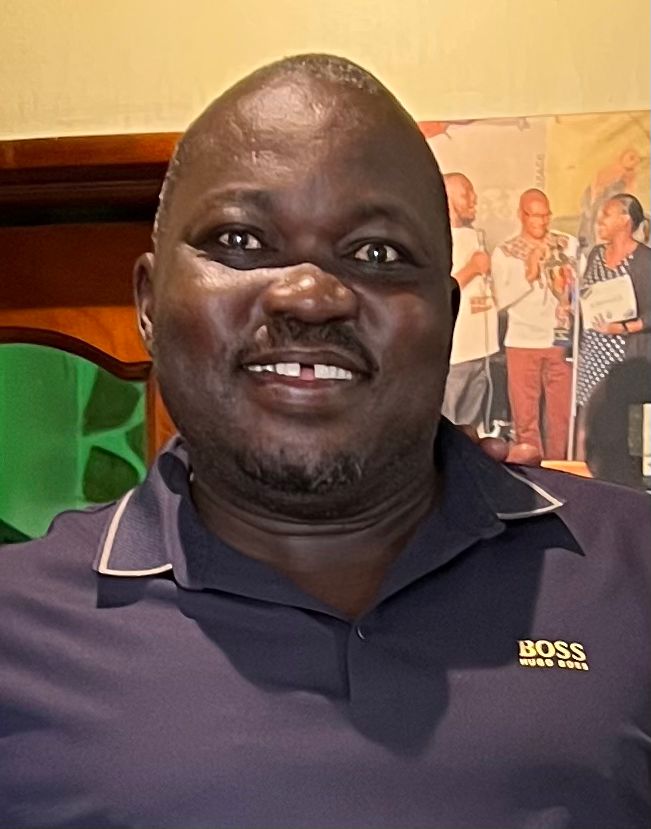
- Charles Gazza Kodili is a seasoned journalist with over 20 years of experience in the media industry. He holds a Bachelor of Arts degree in Mass Communication. He’s currently the Chief Editor at the Investigator.
Charles can also be reached via; Tel: +256 774 108978
Email: [email protected]
Latest entries
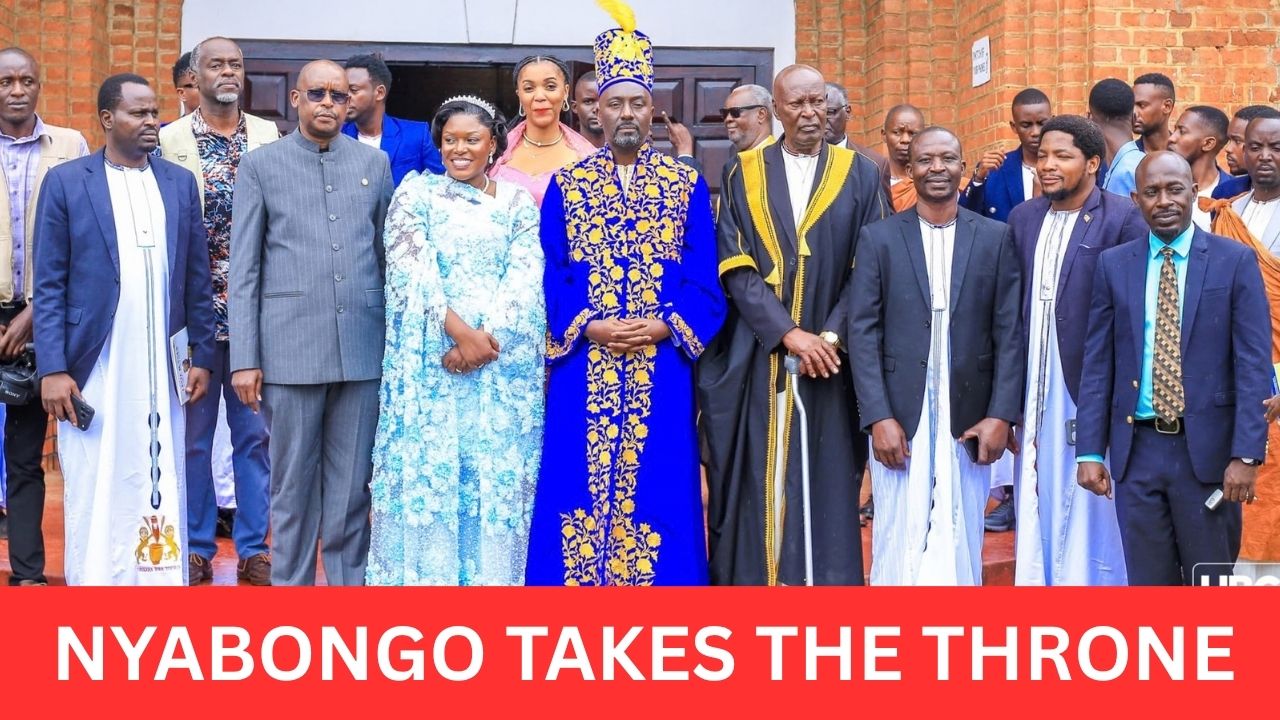 FeaturedSeptember 29, 2026MUSEVENI CROWNS NYABONGO ‘YOU WERE A GOOD NEWSREADER, NOW DO A GOOD JOB AS KING’ President Gifts New Tooro King 100 Cows As Nyabongo Opens Karuziika, Vows To Unite And Develop Kingdom
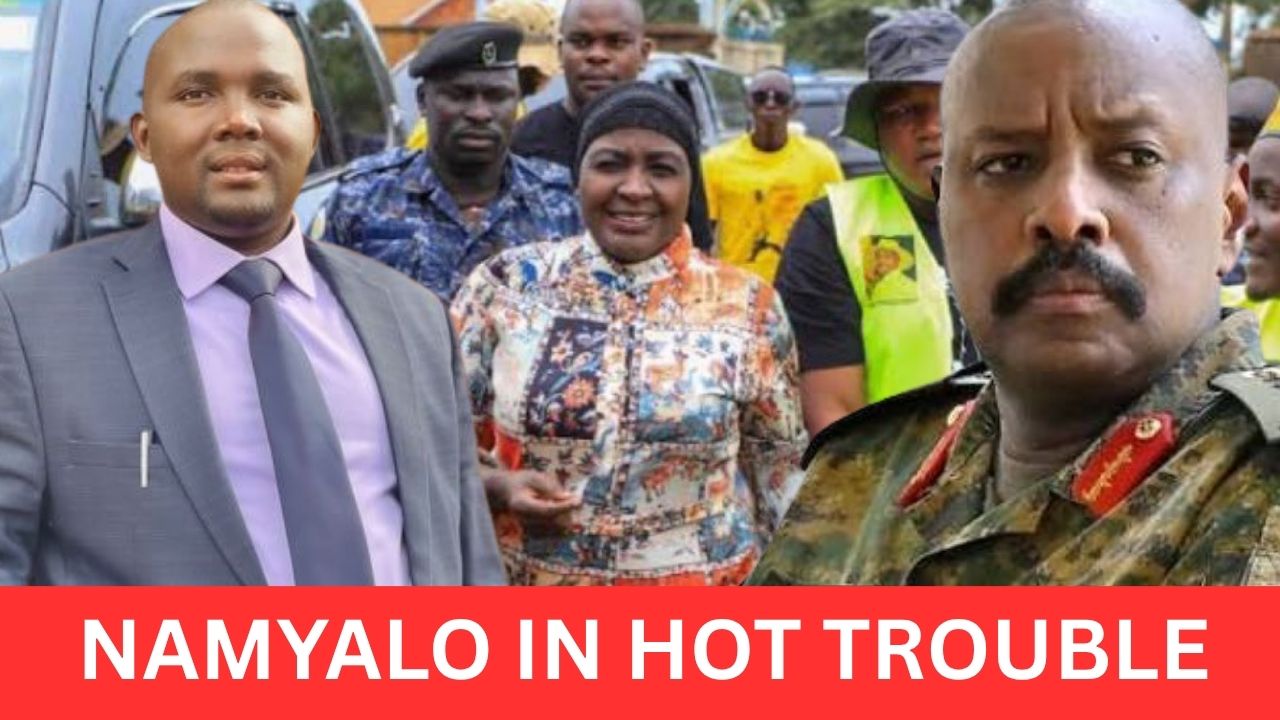 FeaturedSeptember 29, 2026GUARDS GONE AS NAMYALO IS ABANDONED: Who Placed the Order? Reports Indicate That Hajjati Namyalo’s Security Detail Has Been Withdrawn After She Attacked 2031 MKM Presidency
 FeaturedSeptember 29, 2026FROM THE NEWSROOM TO THE THRONE: Prince Edward Rukidi Kijjanangoma Nyabongo I Lived Like An Ordinary Ugandan, Worked For His Living, Then Royal Blood Called Him To Karuziika
 FeaturedSeptember 29, 2026NYABONGO TAKES TOORO THRONE: Bells Ring As New King Arrives At St John’s, Queen Rebecca Stands Beside Him As Kingdom Crowns 13th Omukama After Dramatic Night Of Royal Rites