










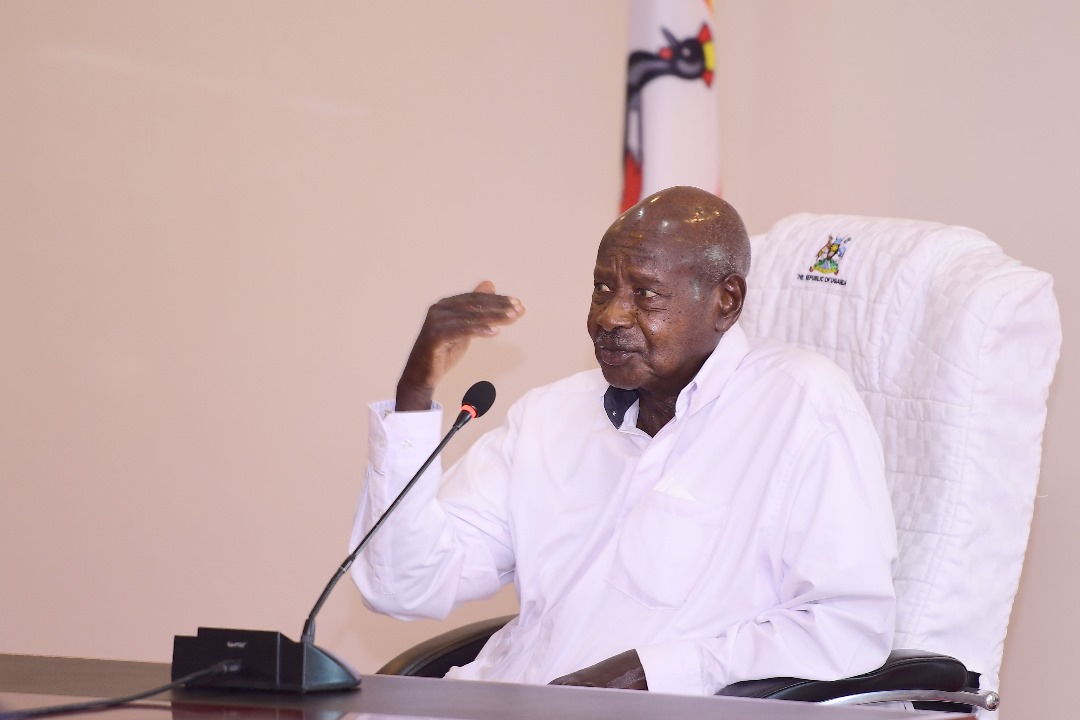
 President Museveni’s six-hour meeting with Members of Parliament investigating Uganda’s controversial digital number plates project at State House, Entebbe, on Wednesday, exposed a deepening disagreement between the President and legislators over the cost, security value, contractual arrangements and implementation of the Intelligent Transport Management System (ITMS).
What was expected to be a meeting to reconcile Parliament’s findings with the President’s original vision for the project turned into an uncomfortable interrogation of government officials, with Museveni demanding explanations for financial figures that appeared to have changed dramatically since the Russian contractor was first brought on board.
At the centre of the confrontation was the contract awarded to Russia’s Joint Stock Company Global Security (JSCGS), which was initially presented as a $123 million (about Shs578 billion) investment but subsequently emerged in parliamentary scrutiny as a $257 million (about Shs1.1 trillion) undertaking.
The President reportedly struggled to obtain satisfactory explanations from officials about how the original project cost had more than doubled, prompting him to summon the company’s directors to personally explain the financial and technical questions raised by the legislators.
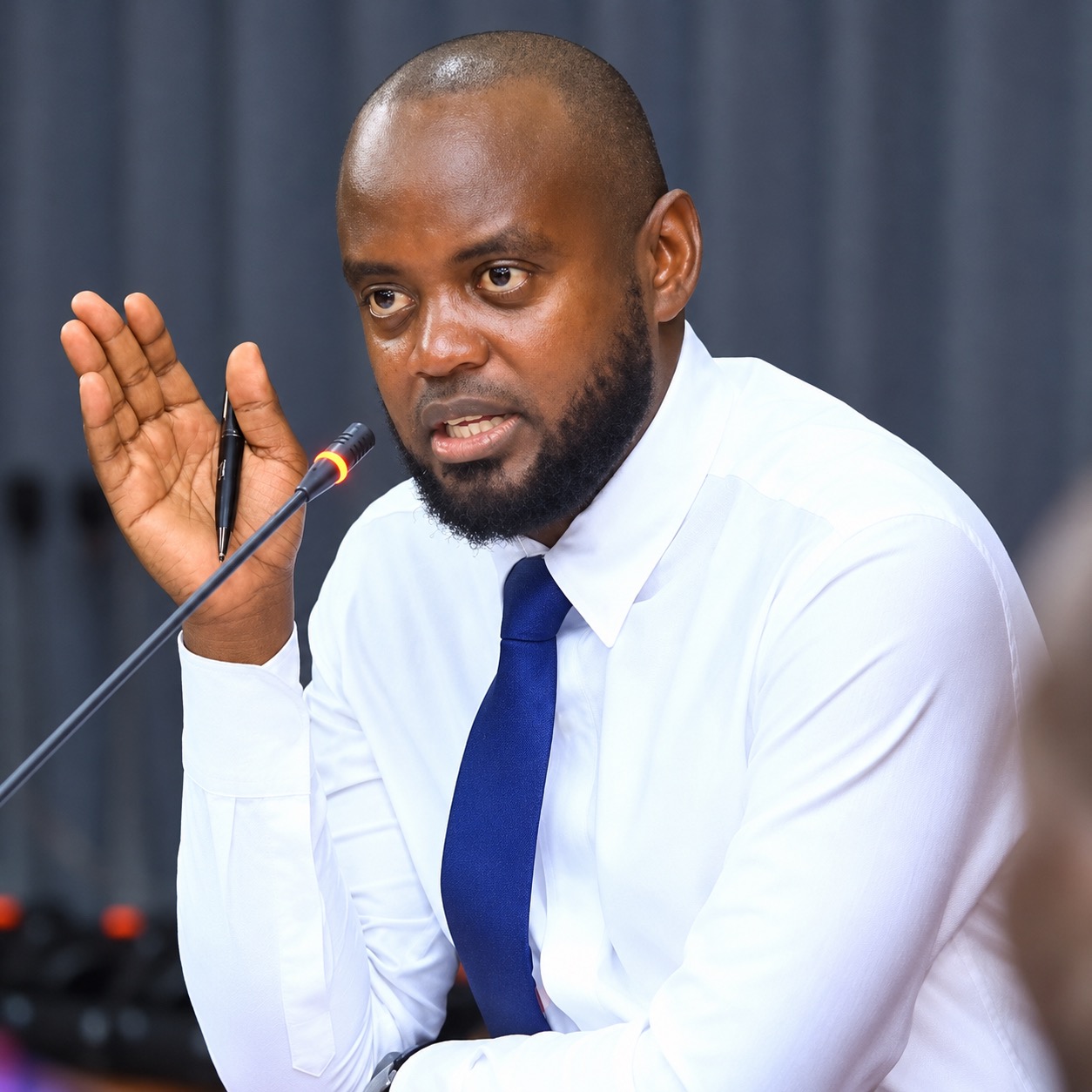
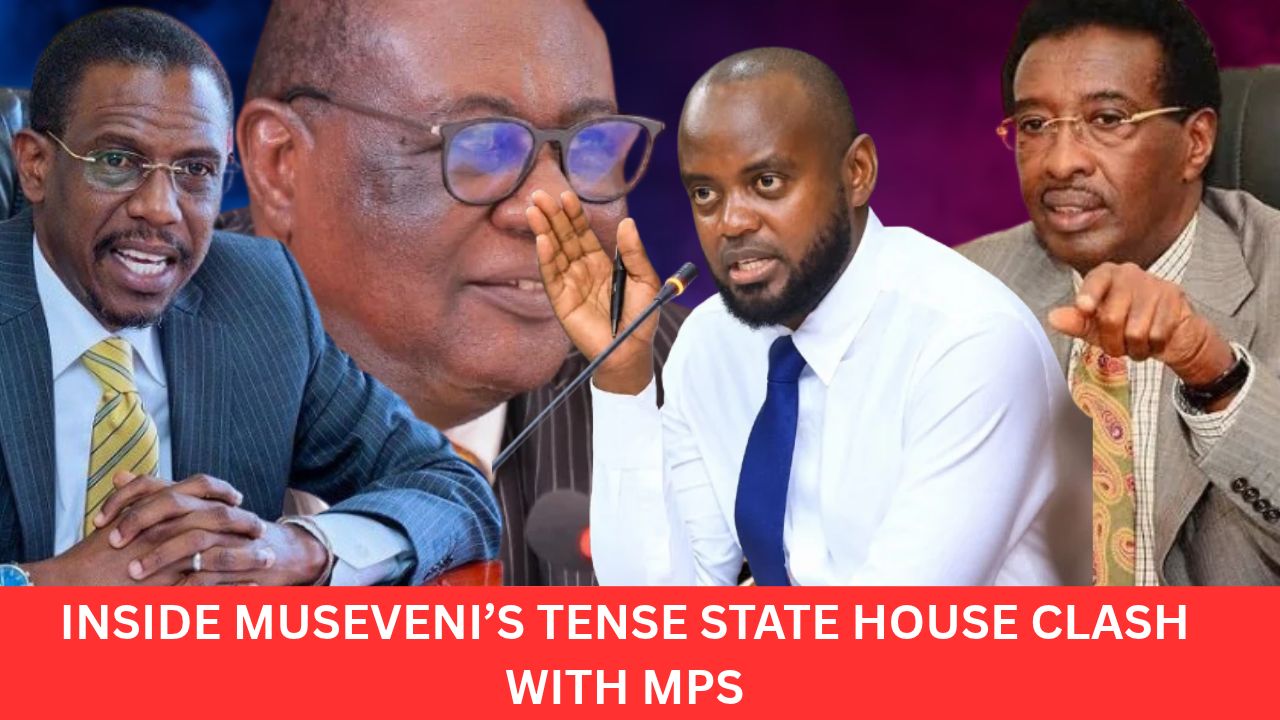
The meeting, attended by members of Parliament’s Committee on Physical Infrastructure, chaired by Mbarara City South MP Mwine Mpaka, also exposed a striking contradiction: while the President appeared determined to defend the strategic importance of a national vehicle-monitoring system, he was equally concerned about whether the government was getting value for money from the company entrusted with delivering it.
According to sources familiar with the discussions, Museveni questioned the circumstances under which the contract’s financial obligations had expanded, while MPs pressed him to confront what they described as serious failures in the project’s execution.
The discussions were particularly uncomfortable because several government officials who had previously defended the project before Parliament were unable to provide convincing answers to the committee’s latest concerns.
The President’s decision to summon the Russian contractors therefore represented a significant development in a controversy that has progressively moved from Parliament’s committee rooms into the highest levels of government.
 The $134 million question
One of the most contentious issues was the apparent escalation of the project’s financial commitments. The original arrangement reportedly contemplated a 17-year engagement at approximately $8.2 million (Shs35.3 billion) annually.
However, MPs questioned how the arrangement subsequently evolved into a 10-year agreement requiring payments of approximately $25.7 million (Shs110.8 billion) annually.
The difference between the two financial structures raised questions about the circumstances under which the agreement was revised, who authorised the changes and whether the government conducted the necessary financial and technical assessments before accepting the new terms.
The reported $134 million difference between the original $123 million figure and the subsequent $257 million valuation became one of the central issues during the State House meeting.
Sources say Museveni demanded an explanation for the additional financial burden but officials in attendance could not adequately account for the increase.
The President’s intervention is significant because the project had initially been promoted as a privately financed security investment, with the contractor expected to recover its investment through revenue generated from the system.
That arrangement has since become a subject of parliamentary scrutiny, particularly over the distribution of revenue between the contractor and government entities.
Under the controversial revenue-sharing arrangement, JSCGS was allocated 80 per cent of the revenue, government 15 per cent, while the National Enterprise Corporation (NEC) and Office of the President were each allocated 2.5 per cent in the figures discussed during the parliamentary investigation.
The allocation to the Office of the President reportedly attracted particular attention during the meeting.
Museveni is said to have questioned who had authorised the allocation of 2.5 per cent of revenue generated from traffic fines and motor vehicle registration to his office.
His intervention raised questions about whether the revenue-sharing arrangement had been properly explained to the President and whether it reflected his understanding of the original project.
The disagreement also exposed the broader accountability problem surrounding a project whose financial structure had remained difficult for legislators to reconcile with the government’s stated objective of improving national security.
The confrontation over security and cameras
 Beyond the money, the meeting reportedly became tense when Museveni questioned the MPs about how they had handled what he considered sensitive national security matters during their parliamentary investigations.
The President was particularly uncomfortable with the manner in which some of the committee’s proceedings had been conducted in public, with cameras capturing officials’ submissions and disagreements over the project.
Sources say the meeting, which began at about 3pm, initially took an uncomfortable turn when Museveni questioned the legislators about discussing security-related matters before cameras. Journalists were reportedly asked to leave as the discussions moved into closed-door deliberations.
However, the MPs, including opposition legislators, reportedly explained that Parliament was a public institution and that committee hearings were not automatically classified simply because they involved national security.
They also explained that the committee had conducted some sessions privately where necessary and that its intention was not to undermine the President’s security initiative but to establish whether the project was delivering what it had promised.
The intervention by Mpaka and his colleagues reportedly helped ease the tension, allowing the meeting to move towards the substantive questions surrounding the project.
The President, according to accounts of the meeting, subsequently urged the legislators to consider the bigger picture rather than concentrate exclusively on the project’s shortcomings.
He reportedly invoked the National Resistance Army’s (NRA) five-year guerrilla struggle between 1981 and 1986, recalling how he began with only 27 guns and a poorly equipped force before eventually capturing power.
The analogy was intended to illustrate the importance of perseverance in pursuing a strategic national undertaking, even when implementation encounters difficulties.
However, the MPs’ argument was that the digital number plates project was not simply experiencing the ordinary teething problems associated with a new technology. They wanted answers about whether the technology supplied was capable of fulfilling the security objectives for which the government had approved it.
The disagreement reflected two competing approaches: the President’s insistence that a national security investment should not be abandoned because of implementation challenges, and Parliament’s determination that public institutions and private contractors must account for the resources and obligations attached to it.
‘There is nothing digital about the plates’
 One of the most uncomfortable submissions reportedly came from members of the Physical Infrastructure Committee, who questioned whether the digital number plates were delivering meaningful technological advantages over conventional registration plates.
According to sources who spoke about the meeting, the legislators told Museveni that “there is nothing digital about the digital number plates”, arguing that the system’s principal security component was the tracking device rather than the physical plate itself.
Their concern was that the tracking equipment could not reliably perform the functions that had been promised to motorists and security agencies.
The MPs reportedly explained that the system could take up to four days to detect that a vehicle’s tracking device had been disconnected or tampered with.
That delay, they argued, created a dangerous window during which criminals could remove a vehicle’s plate, commit an offence and return the plate before the system registered the interference.
Museveni reportedly contributed to the discussion by illustrating how criminals could exploit such a weakness, removing the plates, using the vehicle to commit crimes and subsequently restoring them before the system detected the breach.
The concern was not merely theoretical. The committee had been examining whether the technology could help police promptly locate stolen vehicles and motorcycles, particularly given the rising importance of vehicle tracking in criminal investigations. MPs also questioned the system’s ability to generate actionable alerts.
Although the technology was reportedly capable of generating as many as 100,000 notifications following security breaches, legislators argued that the alerts were not sufficiently specific to allow security agencies to identify and respond to individual incidents effectively.
They further questioned the adequacy of the two command centres supporting the system.
Another concern was the absence of built-in GPS or satellite-tracking capability in the physical number plates, making it difficult to establish a vehicle’s precise location using the plate itself.
The MPs reportedly told the President that the tracking technology appeared more suited to fleet management than the surveillance of a country with approximately 2.3 million registered vehicles.
The contractor had undertaken to procure and install 350 cameras but had not installed any by October 28, with the system instead relying on existing Police CCTV infrastructure.
This raised another fundamental question: whether the government was paying for a comprehensive new surveillance network or relying on infrastructure that already existed.
The committee also heard that stolen vehicles could only be traced through the system within a four-day window after a theft report, further raising questions about the effectiveness of the technology.
The Shs714,300 charge that angered motorists
 The financial disagreement extended beyond the overall contract value to the charges imposed on motorists acquiring new vehicles and motorcycles.
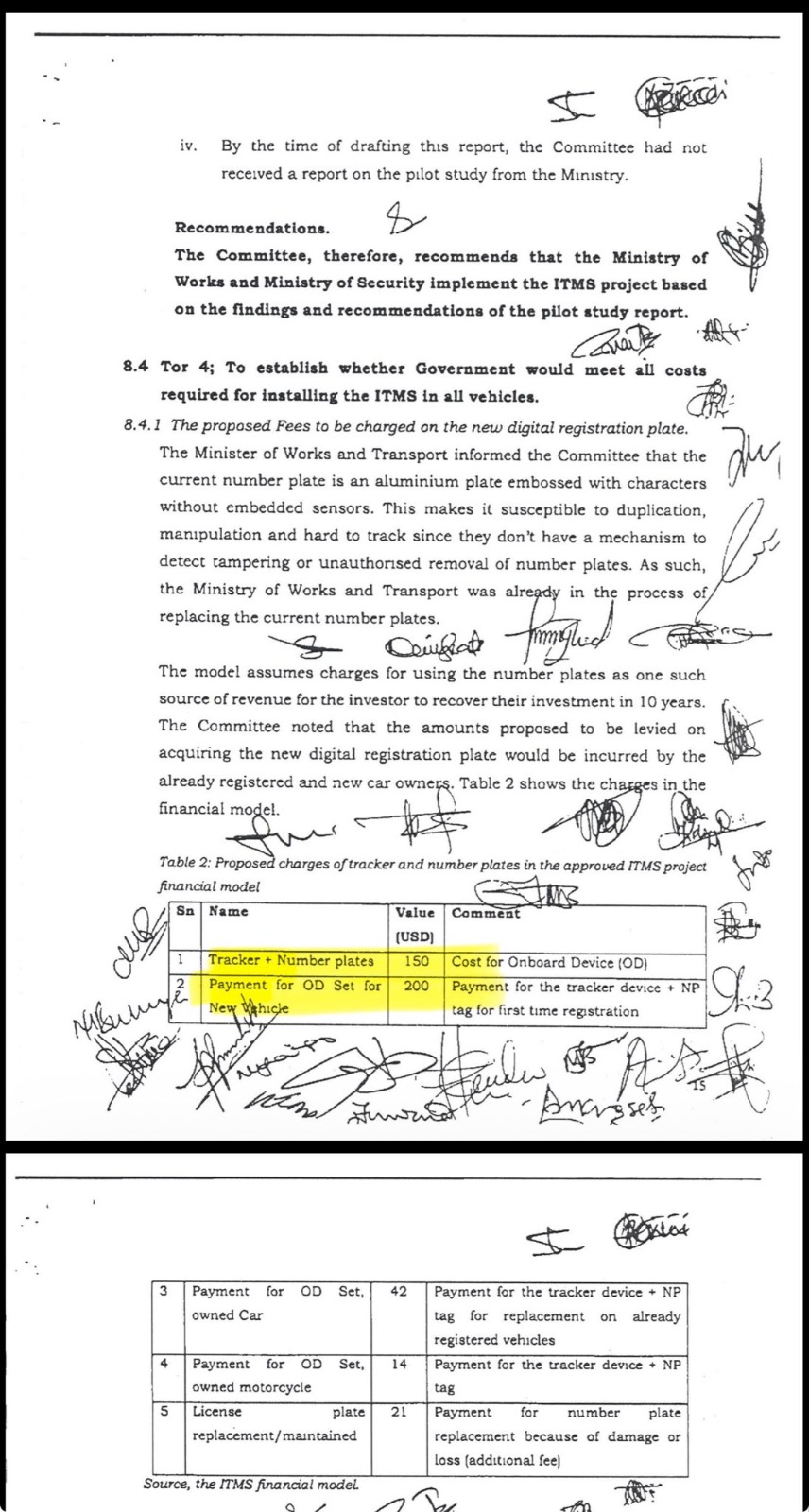
The Shs714,300 digital number plate registration fee has been among the most controversial aspects of the project.
During the State House discussions, Museveni and the MPs reportedly questioned the fairness of the charge and agreed that the fee structure required reassessment.
The controversy is partly rooted in the government’s earlier explanation of how the money is utilised.
Officials previously presented a breakdown of the Shs714,300 charge, but Parliament discovered that the figures supplied accounted for only Shs624,000, leaving Shs90,300 unexplained.
The discrepancy became one of the major issues during the committee’s earlier investigations, with MPs demanding to know who had authorised the unexplained amount and where the money was going.
The committee’s inquiry also raised questions about why motorists were required to make payments directly to the contractor or its subsidiaries rather than through the government’s Consolidated Fund.
The different charges applicable to motorists have also attracted scrutiny. Under the existing arrangement, upgrading or replacing digital registration plates costs Shs150,000 for vehicles and Shs50,000 for motorcycles, while replacement of damaged or lost digital plates attracts a Shs75,000 charge.
The legislators reportedly argued that the financial model should be reviewed to ensure that motorists were not being subjected to excessive charges for a service whose technological benefits remained contested.
The question of affordability is particularly important because the project is intended to cover virtually the entire national vehicle fleet.
A compulsory system that requires motorists to pay hundreds of thousands of shillings must demonstrate clear public benefits, particularly when the government is presenting it as a security intervention.
Mpaka’s warning before meeting Museveni
The State House confrontation did not happen in isolation. It followed weeks of investigations by the committee, during which Mpaka and his colleagues questioned ministers, government technocrats, security officials, lawyers and representatives of the Russian company.
Before meeting Museveni, Mpaka had made it clear that the President was an important stakeholder because the original project had been championed by him.
Speaking ahead of the engagement, Mpaka explained why the committee wanted to hear directly from the Head of State.
“The President will be the last authority we interact with. As the vision bearer, he ought to have an input on what he originally envisioned for the project versus the actual deliverables,” Mpaka said.
 The committee chairman also disclosed that the investigation had uncovered concerns about the use of presidential directives in the implementation of the project.
“We have discovered a misuse of presidential directives to abuse the law in the implementation of the project,” he said, adding: “There are many mistakes in the contract that make it questionable whether they were not intended.”
His comments reflected the committee’s growing concern that the presidential initiative might have been implemented in a manner that did not comply with all the applicable procurement and public-private partnership requirements.
The committee had also obtained documentation relating to three bank accounts operated by the company to establish how money collected through the project was being handled.
Mpaka explained the importance of obtaining the records, saying: “To further beef up the report over queries on collections, we have secured documentation from three bank accounts of the entity to assess all inflows and outflows.”
He had earlier warned that the committee would not protect individuals found responsible for irregularities.
“As a committee, we will not spare anyone. All our findings will be in the report; all our observations are exactly what are going to inform our recommendations,” he said during an earlier engagement with journalists.
The chairman also revealed that closed-door sessions had produced information that was not yet available to the public.
“What we have discovered is much more than what you have seen because some sessions have been closed-door, but we are not informing you right now because we would be pre-empting our investigation and our report,” Mpaka said.
His position was that the committee was not merely investigating the cost of the plates but the entire process through which the Russian company obtained the contract, implemented the system and collected revenue.
The Attorney General’s damning legal assessment
The State House meeting also brought into focus the legal questions surrounding the agreement signed with JSCGS on July 23, 2021.
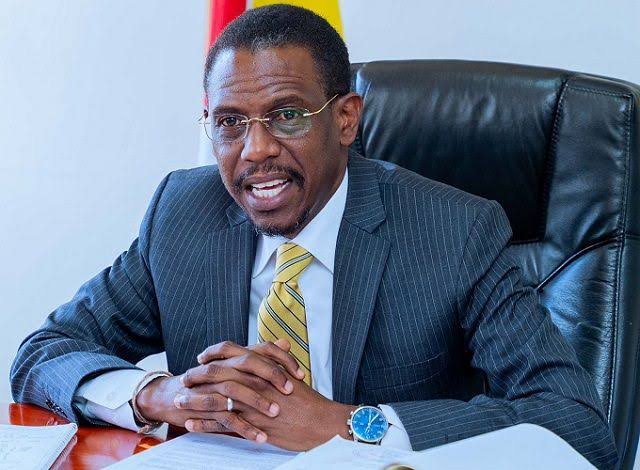
Attorney General Sam Mayanja had earlier told the parliamentary committee that the agreement was fundamentally defective and could not legally bind the government because several statutory requirements had not been fulfilled.
His assessment was particularly damaging because the project had been defended by government officials as a properly authorised public-private partnership.
Appearing before the committee, Mayanja said: “Before I came here, I looked through this contract. I think this contract from the onset contradicts many provisions of our existing law.”
He went further, telling legislators: “I think I would go ahead and say, as Attorney General, I see no contract here to comment on. There’s no contract which binds the State of Uganda because none of the conditions which go to the root of the matter have been fulfilled.”
The Attorney General also questioned the contractor’s failure to fulfil important obligations, including technology transfer and the effective involvement of the National Enterprise Corporation, the commercial arm of the Uganda People’s Defence Forces.
Defence Minister Kiryowa Kiwanuka corroborated some of these concerns, telling MPs that NEC had not been effectively involved in the implementation and operation of the ITMS project.
He said the land provided by NEC had not been utilised for the intended project and that the military’s commercial arm had consequently been unable to exercise its contractual rights or receive its designated revenue share.
However, Permanent Secretary in the Office of the President Yunus Kakande defended the officials who negotiated the agreement, saying it had been prepared by a competent team led by former Attorney General Kiryowa Kiwanuka.
During an earlier parliamentary engagement, Kakande dismissed Mayanja’s legal assessment, saying: “The learned Attorney General was out of order.”
He also defended the system against criticism, arguing that it was new and required time to overcome implementation difficulties.
“This ITMS system is new and first of its kind in the country and was bound to have problems and couldn’t be expected to perform successfully,” Kakande said.
The conflicting positions exposed divisions within government over the legality and effectiveness of a project originally promoted as a major national security intervention.
The MPs who challenged the project
The State House discussions were also the culmination of disagreements among senior government officials who had previously appeared before the parliamentary committee.
 Former Internal Affairs minister Gen Kahinda Otafiire was among the most outspoken critics of the technology.
Otafiire questioned the reliability of the system and argued that conventional tracking applications, including Uber, could provide more dependable location services than the technology being deployed under the ITMS.
During his appearance before the committee, Otafiire described the digital plates as “useless” and questioned their added value.
He also wondered why the government had abandoned the earlier Wavamunno number plate arrangement, arguing that tracking technology could have been incorporated into locally manufactured plates.
His concerns extended to the technology’s compatibility with Uganda’s existing transport infrastructure, particularly because components of the Russian system were reportedly incompatible with the Chinese-based technology used in the country’s road transport system.
Former Works minister Gen Katumba Wamala, however, defended the initiative, describing it as an important security intervention capable of strengthening criminal investigations through a comprehensive vehicle surveillance system.
The contrast between the two former ministers demonstrated that the project had generated disagreements even among officials who had served in the government departments responsible for its development and implementation.
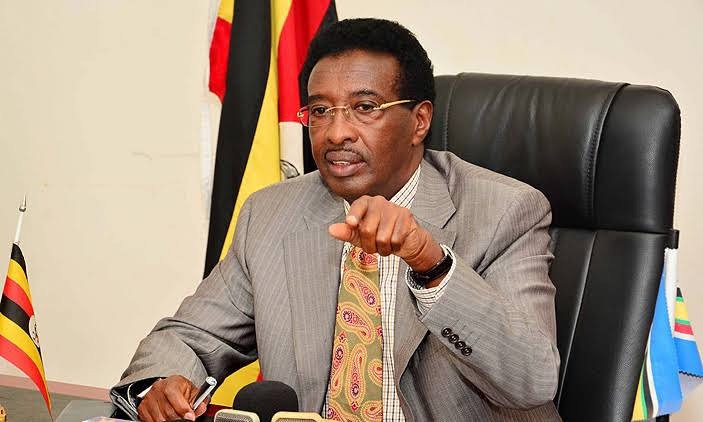
Security Minister Jim Muhwezi also defended the procurement process before Parliament, maintaining that the contractor had been selected in accordance with the Public-Private Partnerships Act, 2015.
“The contractor for the ITMS was procured in accordance with the Public-Private Partnerships Act, 2015. Section 33(3) of the Public-Private Partnerships Act, 2015 requires Cabinet approval where a private party is procured directly. The requisite Cabinet approval was obtained, thereby satisfying the statutory requirement,” Muhwezi told the committee.
But the Uganda Law Society presented a different interpretation, arguing that the transaction violated several provisions of the PPP Act, the Competition Act and the constitutional right to privacy.
Its representative, Roger Mugabi, told legislators: “A presidential directive is not law and cannot override an Act of Parliament.”
He added that executive authority under Article 99 of the Constitution must be exercised in accordance with the Constitution and existing laws.
These submissions placed the President’s original directives at the centre of a wider constitutional and procurement debate.
Why Museveni wants to see the Russians
The decision to summon JSCGS directors is arguably the most consequential outcome of the State House meeting.
Rather than immediately agreeing to terminate the project, Museveni reportedly wants the company to explain its contractual obligations, the apparent escalation in costs and the security shortcomings identified by Parliament.
The contractors are expected to account for how the project evolved from its original financial and technical specifications and why some of the promised infrastructure has allegedly not been delivered.
Among the outstanding questions is the reported failure to install the 350 cameras that formed part of the contractor’s obligations.
The company is also expected to explain the reported failure of 1,499 out of 5,110 digital plates manufactured for government vehicles.
The faulty plates were reportedly no longer functioning properly and had to be retrieved for repair.
There are also questions about the company’s handling of the revenue collected from motorists and the basis for its entitlement to 80 per cent of the revenue generated under the arrangement.
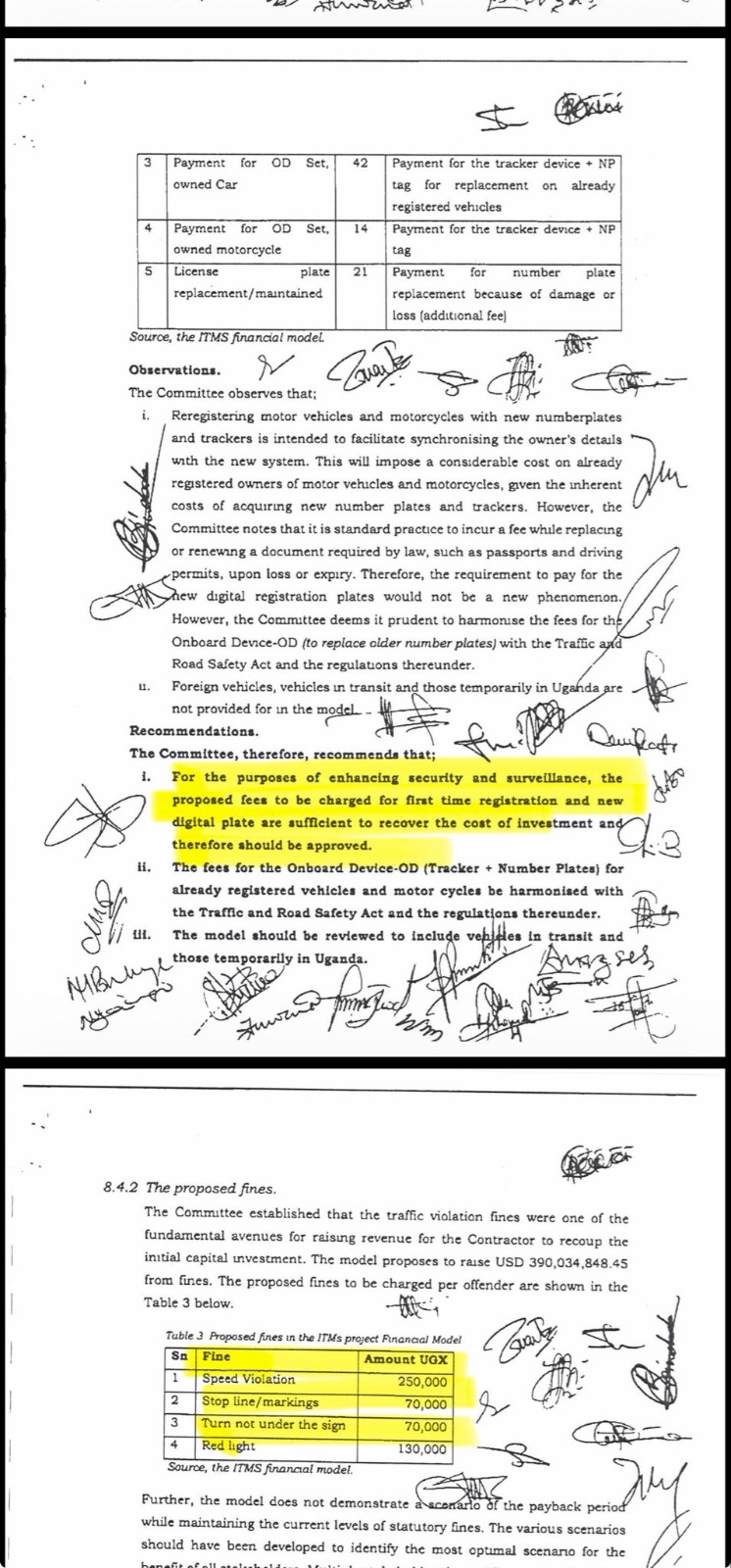
Another contentious issue is the assumption in the financial model that each motorist would commit at least four traffic offences annually, thereby generating revenue to help the contractor recover its investment.
MPs have questioned the basis of such projections and whether they effectively make the contractor’s financial returns dependent on motorists repeatedly committing traffic offences.
The company’s directors will therefore be expected to respond to questions extending beyond the technical specifications of the number plates to the entire commercial arrangement.
A project born out of insecurity
Museveni’s determination to see the digital number plates project succeed is rooted in his original security concerns.
The President first introduced the idea of electronic number plates and vehicle tracking in June 2018 following the assassination of former Arua Municipality MP Ibrahim Abiriga.
Abiriga and his bodyguard were shot dead by assailants riding on a motorcycle in Kampala, an incident that intensified government concerns about the use of vehicles and motorcycles in violent crimes.
The government subsequently embraced a technology-driven approach to identifying, monitoring and tracking vehicles, with the intention of making it easier for security agencies to investigate assassinations, robberies and other crimes.
In June 2018, a letter addressed to then Prime Minister Ruhakana Rugunda authorised JSCGS to proceed with the project at its own expense.
 A subsequent communication to Security Minister Jim Muhwezi in July 2022 reiterated the instruction to implement the project.
The initiative was presented as a privately financed undertaking that would eventually provide Uganda with modern vehicle identification and surveillance infrastructure without requiring immediate government financing.
However, the parliamentary investigation has raised questions about whether the implementation followed the original vision.
The committee’s findings also suggest that the government may have allowed a private company to exercise significant control over a national transport-monitoring system without adequate safeguards on accountability, technology transfer and revenue collection.
Will the President abandon the project?
Despite the heated discussions, one important point reportedly emerged from the State House meeting: neither Museveni nor the MPs favoured abandoning the entire digital number plates initiative.
Instead, the President urged legislators to look beyond the shortcomings and consider the national security objectives behind the project.
The MPs, for their part, reportedly committed to supporting targeted improvements rather than allowing the controversy to destroy an initiative they acknowledged could serve an important public purpose if properly implemented. Mpaka’s post-meeting position was cautious.
He confirmed the State House engagement but declined to disclose the details, saying: “The meeting was not conclusive because the issues raised were extensive and needed the team from Joint Stock to come and explain.”
The statement confirmed that the President and legislators had not reached a final settlement and that the contractor’s appearance would be crucial in determining the next course of action.
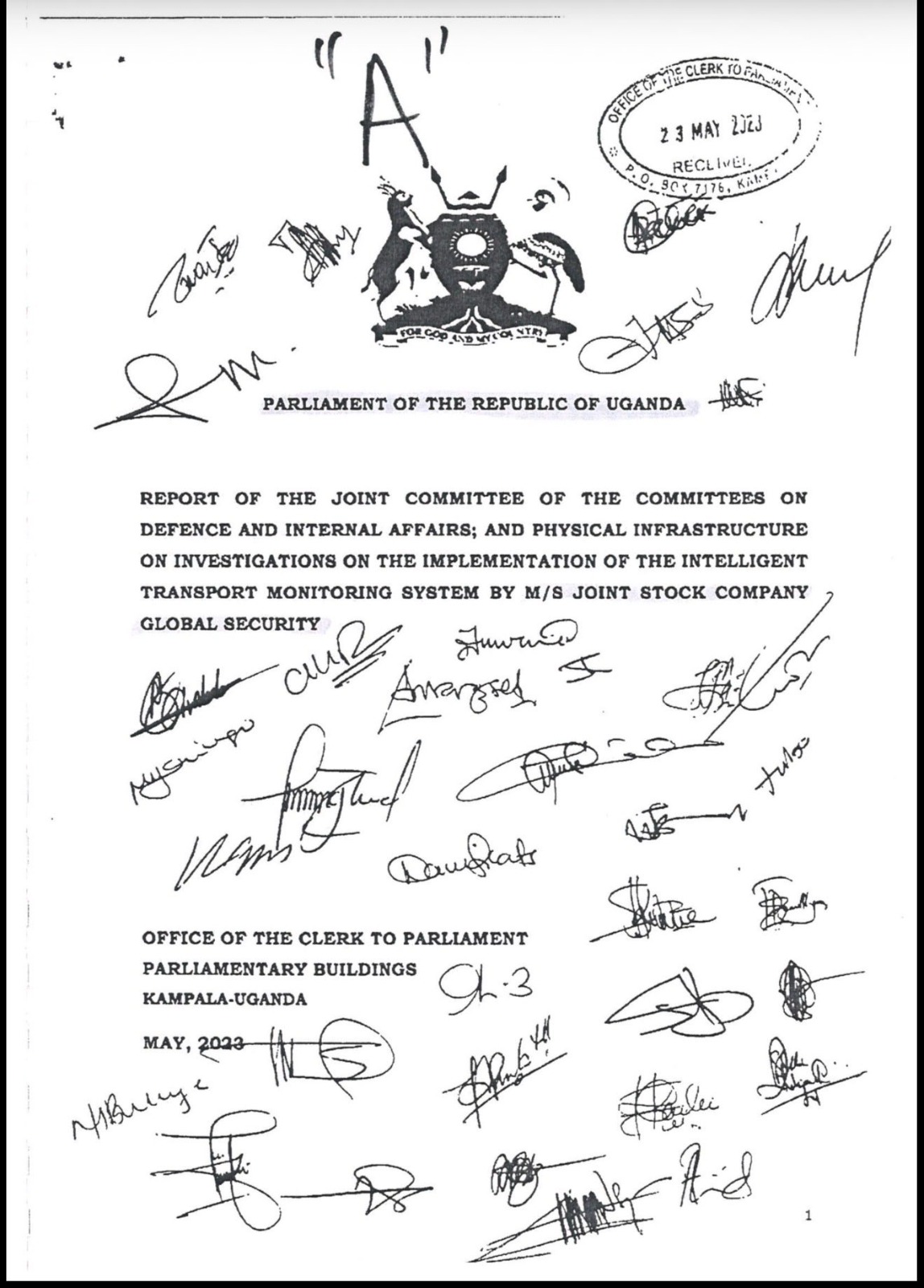
The committee is expected to incorporate the evidence from the State House meeting and the contractor’s forthcoming explanation into its final report to Parliament.
The Auditor General’s involvement is also expected to strengthen the accountability process, particularly concerning the financial operations of the project.
For Museveni, the controversy presents a difficult political and administrative balancing act. He must protect an initiative he personally championed while ensuring that those entrusted with implementing it account for the money, technology and security infrastructure they promised to deliver.
For Mpaka and his colleagues, the challenge is to establish whether the project was implemented in the national interest or whether the government’s security ambitions were exploited to create a lucrative arrangement for a private contractor.
The Russian company’s forthcoming appearance before the President could therefore determine whether the digital number plates project undergoes a fundamental restructuring, renegotiation or a more extensive legal review.
What began as a presidential response to the killings of prominent Ugandans has now become a major test of public procurement, executive accountability and the management of national security investments.
At the heart of the State House confrontation was one question that neither the President nor Parliament could afford to ignore: if Uganda committed itself to a Shs1.1 trillion vehicle-monitoring project, why are the people expected to benefit from it still questioning whether it can reliably track their vehicles?
Author Profile
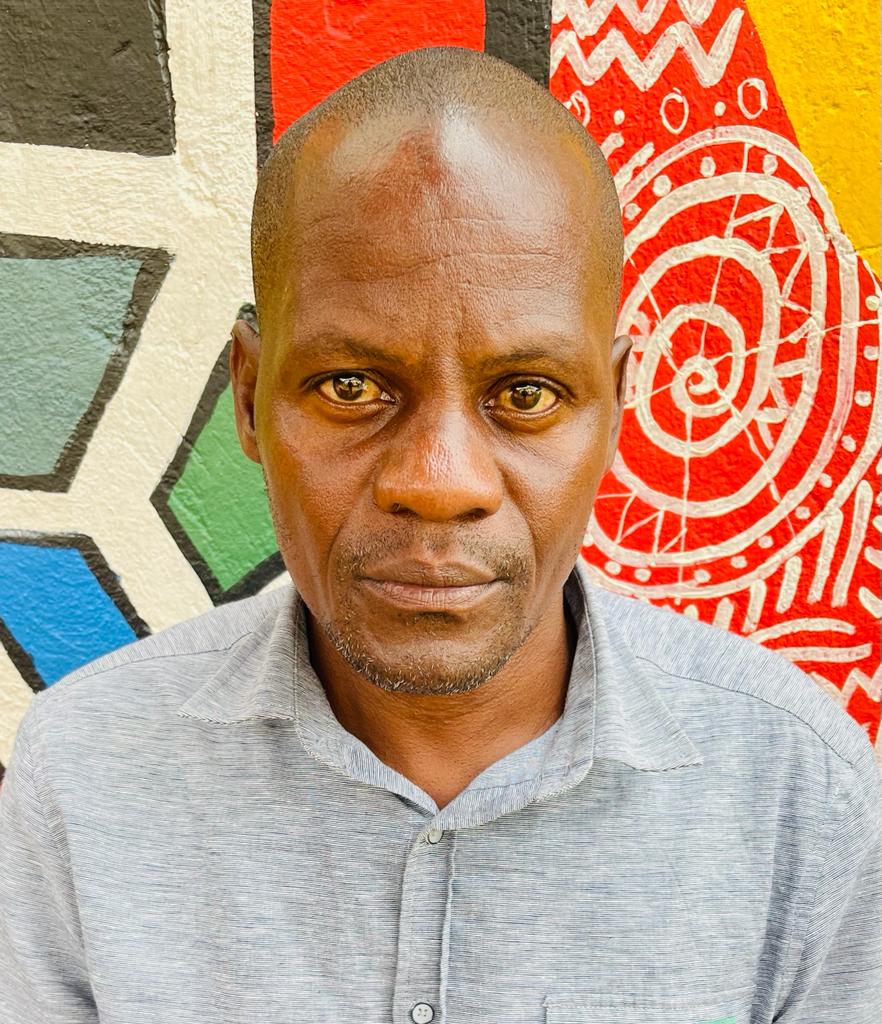
- Mr. Stephen Kasozi Muwambi is a seasoned crime investigative writer, majoring in judicial-based stories. His two decades’ experience as a senior investigative journalist has made him one of the best to reckon on in Uganda. He can also be reached via [email protected]
Latest entries
 FeaturedOctober 30, 2026INSIDE THE STATE HOUSE MEETING: WHY MUSEVENI WANTS ANSWERS FROM RUSSIAN DIGITAL PLATES FIRM: President Questions The Controversial Contract’s Escalating Cost, Security Shortcomings And Revenue-Sharing Arrangement As Mwine Mpaka Leads Legislators In Demanding Accountability
 FeaturedOctober 29, 2026WHY KICKBOXING CHAMPION APOLOT MARRIED GEN ELWELU: The 24-year Age Gap Between Patricia Apolot And Retired Lt Gen Peter Elwelu Has Drawn Renewed Attention As Allegations Surrounding Their Marriage Emerge Amid A Military Standoff
 FeaturedOctober 21, 2026NAMEERE RETAINS MASAKA CITY SEAT: High Court Dismisses Nalubowa’s Election Petition, Ruling That Recount Irregularities Did Not Substantially Alter The Final Result
 FeaturedOctober 20, 2026VETERAN JOURNALIST KASYATE JOINS OPM: Simon Kasyate Moves Back Into Government Communications After Years In Journalism, Corporate Affairs And Public Relations, Including A Senior Role At KCCA