











KAMPALA, Uganda: What started as an alleged gold transaction involving a Nigerian prince, three purported gold bars and a payment of nearly USD300,000 has since developed into a wider dispute over the handling of a criminal case, the recall of a police file and the alleged role of Uganda’s 2nd Deputy Mufti, Sheikh Dr. Hafidh Muhammad Harunah Bukenya.
The controversy has also raised questions about the treatment of suspects, the protection of witnesses and the exercise of prosecutorial discretion after a criminal case had already reached the Chief Magistrate`s Court at Buganda Road, City Hall chambers.
 Last Friday, September 18th 2026 at be precise, three gentlemen walked into our offices in Kisaasi, to supposedly give an account of the events surrounding what they described as a gold-deal-gone-bad. Their leader, Joseph, was already known to the newsroom. One of the men was a lawyer who presented the group as acting on behalf of Sheikh Bukenya.
Their account broadly followed the chronology contained in a complaint filed by lawyers representing the alleged victim, a Nigerian Prince, Muhammad Kwaido. But the appearance of the men also introduced another dimension to the story. According to the account presented to us, they acknowledged the broad chronology surrounding the transaction but expressed concern about the direction of the criminal proceedings and the possibility that the Sheikh could ultimately face legal consequences.
That account though, could not by itself establish criminal liability against anyone. Its common knowledge that the allegations remain matters for investigators, prosecutors and the courts to determine. However, what is now beyond dispute, is that the transaction has generated a formal criminal complaint, a court case, an arrest warrant and a separate complaint to the Director of Public Prosecutions over the handling of the case file.
From a Mosque to a Restaurant
According to the account given to the newsroom and the complaint by Prince Kwaido’s lawyers, the alleged transaction began with discussions at Old Kampala Mosque. Kwaido, a Nigerian national described as a prince, and who was in dire need of Gold, was introduced to people said to be connected to the prospective sellers. The discussions subsequently moved to the office of the 2nd Deputy Mufti, Sheikh Hafidh Muhammad Harunah Bukenya.
From there, according to the account, the parties moved to a restaurant in the vicinity of Gaddafi Mosque at Old Kampala, as negotiations over the purported gold continued. The transaction then took another step. The parties travelled to a selected smelting company where they were allegedly expected to receive three bars represented to the prospective buyer as genuine gold.
They waited for associates of the purported sellers to arrive with the bars. When the bars were eventually delivered, the group reportedly left the premises. The account presented to the newsroom states that the parties travelled in a vehicle belonging to the Deputy Mufti towards an area near the Nigerian High Commission. It was there, according to the complainant’s account, that payment was made through a USDT cryptocurrency arrangement.
The amount involved was USD288,000. At the prevailing exchange rate, that would amount to hundreds of millions of Uganda shillings, making the alleged transaction one of considerable financial significance. However, the gold later turned out not what it appeared to be! The deception, according to the complainant, only became apparent after the transaction had been completed.
The buyer began the process of documenting the gold and preparing it for export. It was during additional testing and verification that questions emerged over the authenticity of the three bars. Further examination reportedly established that the bars were counterfeit. That discovery transformed what had initially appeared to be a high-value commercial transaction into a criminal complaint.
For the buyer, the central question was no longer simply whether the gold could be exported. It was how three bars prior presented as genuine gold had passed through a chain of meetings and intermediaries, including locations associated with religious leadership, before being handed over in a transaction worth nearly US$300,000.
The Criminal Case
Nevertheless, the dispute subsequently entered the criminal justice system. The lawyers representing Kwaido have since identified the matter as CRB No. 085 of 2026, before the Chief Magistrate`s Court of Buganda Road, at City Hall. The complaint is principally against Lubega Muzamilu and others who are said to remain at large.
According to the September 8th 2026 letter, addressed to the Director of Public Prosecutions (DPP) Lino Anguzu, the complainant’s lawyers say the court had already issued criminal process against persons implicated in the case, including a warrant of arrest. The lawyers, from Ms Kaganzi & Co. Advocates, say their client became concerned after learning that the police file had subsequently been recalled by the Kampala Regional Office of the Director of Public Prosecutions.
The file, they say, remained at the Regional DPP’s office even though proceedings had already commenced before Buganda Road Court. It is this development that has become the second major controversy surrounding the gold case. Why was the file recalled? The lawyers seem to task Anguzu to explain the glaring anormally.
In their missive, the lawyers, signed for by Lady Counsel Akatukwasa Dianha, do not object to the prosecutorial authorities reviewing a criminal file. Their concern is what they describe as the manner and circumstances of the recall. They argue that a review should be “transparent, expeditious and consistent” with the constitutional mandate of the DPP.
The lawyers are particularly concerned that the recall occurred after the matter had already progressed before court and after criminal summons and a warrant of arrest had reportedly been issued against the Mufti Sheik Bukenya.
The question they want answered is straightforward: Why was the file recalled, where is it now, and what is delaying its return or further action? Those questions are important because recalling a file for prosecutorial review is not, in itself, proof of wrongdoing. Prosecutors may review files for a variety of legal and evidentiary reasons. The issue raised by the complainant is whether the process in this particular case has been handled consistently and without improper considerations.
The Deputy Mufti Bukenya Question
The most sensitive part of the complaint concerns Sheikh Hafidh Muhammad Harunah Bukenya. The lawyers say their client considers the 2nd Deputy Mufti, their principal person of interest in the circumstances surrounding the entire transaction. They question why some individuals have been brought into the criminal process while, in their view, the Sheikh has not been subjected to similar action.
Their argument is that if credible evidence points to involvement by any individual, that person should be investigated according to the same standards regardless of office, social standing or influence they hold before the public. Akatukwasa specifically ask the DPP to independently examine the Sheikh’s alleged role in the events surrounding the transaction.
Importantly, the complaint itself does not amount to a finding of guilt against Sheikh Bukenya. Neither does the existence of a criminal complaint establish that the allegations made against him are utterly true, since those matters would have to be established through investigation and, where appropriate, judicial proceedings.
Fear of Witness Interference
Akatukwasa has also raised concerns about potential interference with witnesses. They argue that continued delay could create an opportunity for persons connected to the case to influence, intimidate, induce or otherwise interfere with material witnesses. This stance, if the same hasn’t been succeeded already!
The lawyers further describe their fears as an apprehension arising from what they say are the circumstances of the case and the alleged access that influential persons may have to individuals who could provide evidence. They therefore want the prosecution authorities to consider measures to ensure that witnesses can participate in the investigation and court process without intimidation or coercion.
This is potentially significant in any criminal investigation involving several participants, particularly where the prosecution’s case depends substantially on statements from people who were present during meetings, negotiations, payment or delivery of the alleged counterfeit gold.
Is There Selective Treatment?
Perhaps the strongest allegation in the lawyers’ letter is the suggestion of differential treatment among people implicated in the matter. The complainant’s lawyers point to the fact that warrants of arrest were reportedly issued against some suspects while Sheikh Bukenya, whom they consider “a person of interest”, has not been subjected to what they regard as equivalent criminal process.
They describe this as an apparent disparity. They stop short of dictating to the DPP how prosecutorial discretion should be exercised. Instead, they request an independent review of the circumstances surrounding the file and the people implicated in the investigation. Their position is essentially that status should not determine who is investigated or prosecuted.
Allegations of External Influence
The lawyers go further by expressing concern that external considerations could be affecting the handling of the file at the Kampala Regional DPP’s Office. This is an allegation contained in their complaint and not an established finding by The Investigator. They say the circumstances surrounding the recall and continued retention of the police file have created an apprehension that factors other than the evidence may be influencing the process.
Akatukwasa consequently asked the Director of Public Prosecutions, Lino Anguzu, to personally examine the matter. The request places the case at the intersection of two competing considerations; the DPP’s authority to review and direct criminal prosecutions, and the complainant’s expectation that a criminal case already before court should proceed without unexplained or unnecessary delay. Watch this space…
Author Profile

- Stanley Ndawula is a two and a half decades’ seasoned investigative journalist with a knack for serious crimes investigations and reporting. He’s the Founding Editorial Director and CEO at The Investigator Publications (U) Limited
Latest entries
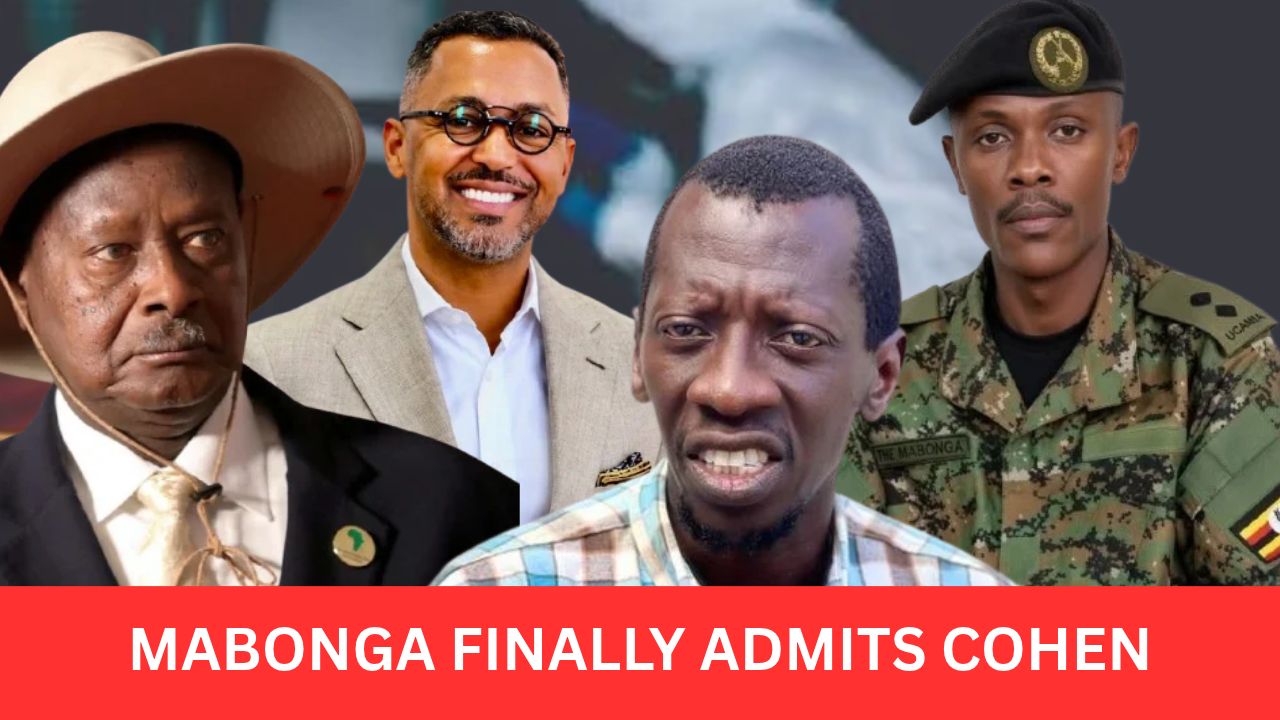 BusinessOctober 3, 2026NEW KID ON THE CELEBRITIES` BLOCK LT. HERBERT MABONGA UNVEILS HIS CONNECTIONS WITH THE PORTUGESE FUGITIVE: But Who Is Carlos Cohen? The Runaway Gold Dealer With M7`s Ear
 UncategorizedOctober 1, 2026ONE YEAR WITHOUT YOU, NDUGU TATYA: A Tribute to My Friend, Colleague and Brother, Daniels Nabongo Tatya, “The Prince Of Journalism, The Man From the Mineral-Rich Busoga”
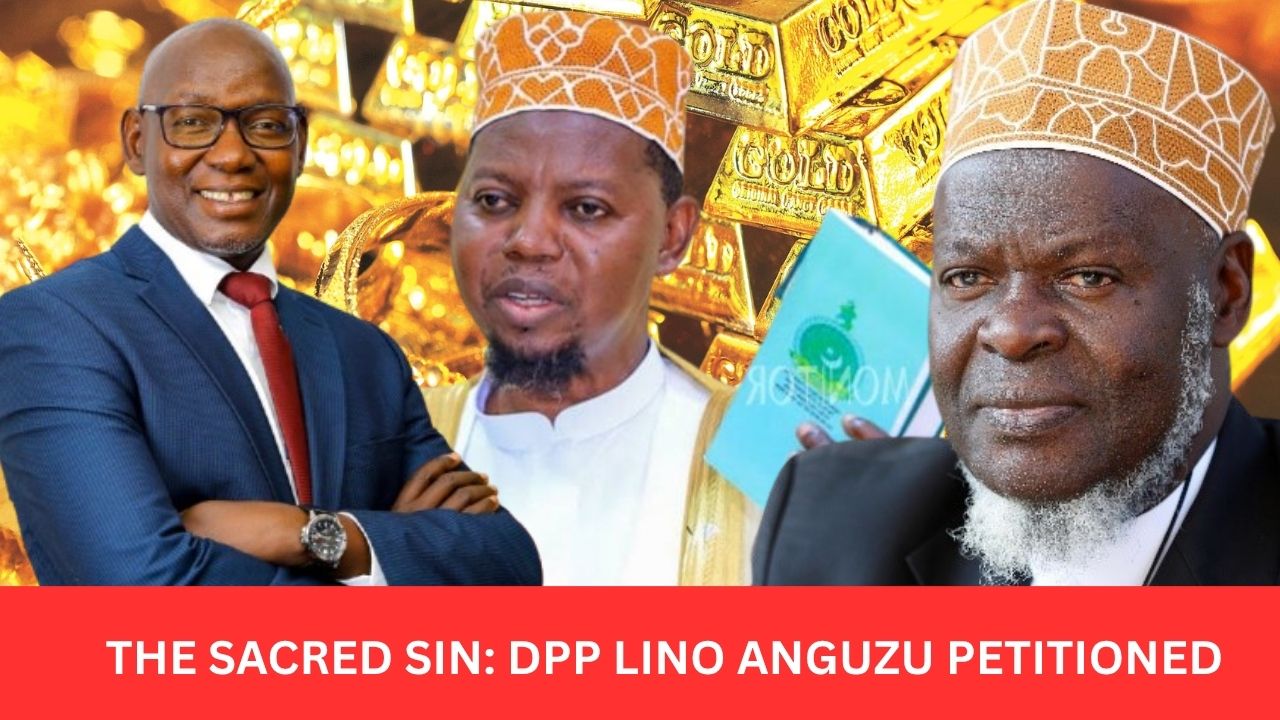 BusinessSeptember 25, 2026OF DEPUTY MUFTI SHEIK DR. HAFIDH MUHAMMAD HARUNAH BUKENYA`S BAD GOLD DEAL AND THE MISSING FILE: DPP Lino Anguzu Petitioned Over the Handling of the UGX1 Billion Criminal Case
 EducationSeptember 23, 2026MY LAST WORD ON FALLEN KING OYO`S SUCCESSION TREK: Maybe Ugandans Love a Good Story! But Punish Not the One Who Asks for Proof Simply Because the Story is Too Good to be Questioned