







The simmering tensions between Uganda’s liberation-era generals and the emerging political influence of Chief of Defence Forces (CDF) Gen Muhoozi Kainerugaba have taken another dramatic turn after Minister of Water and Environment Gen (Rtd) Kahinda Otafiire over the weekend delivered a pointed warning against the alleged torture of Ugandans in underground detention facilities popularly described as basements.
In what is increasingly becoming an uncomfortable public conversation within the ruling National Resistance Movement (NRM), the outspoken minister reminded the country’s younger political and military leadership that the National Resistance Army (NRA) did not take to the bush in the 1980s to overthrow one form of oppression and establish another.
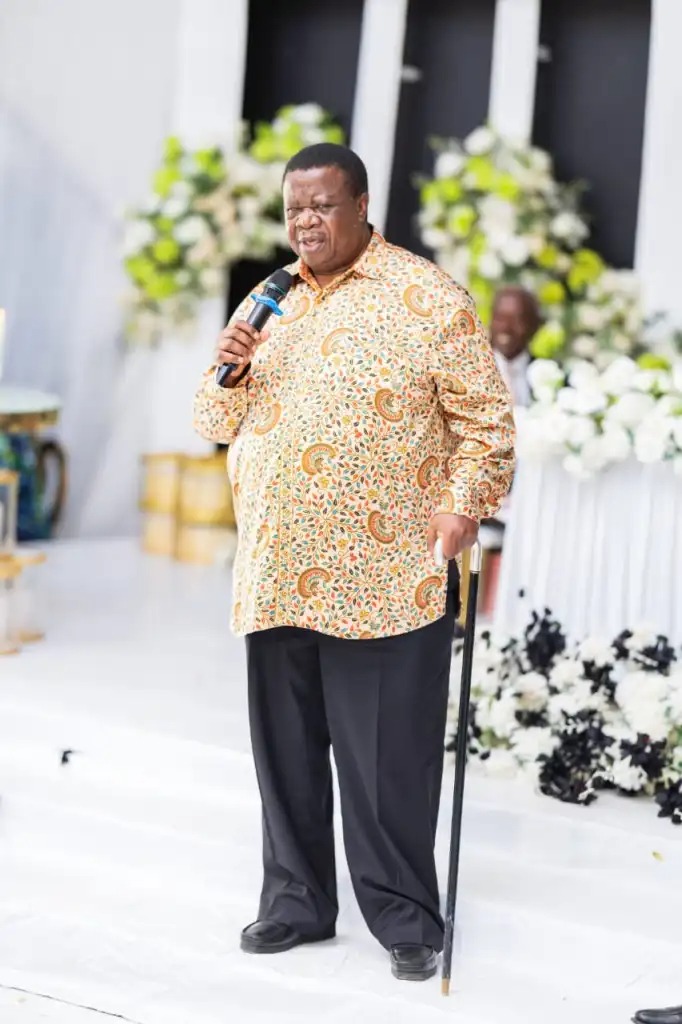
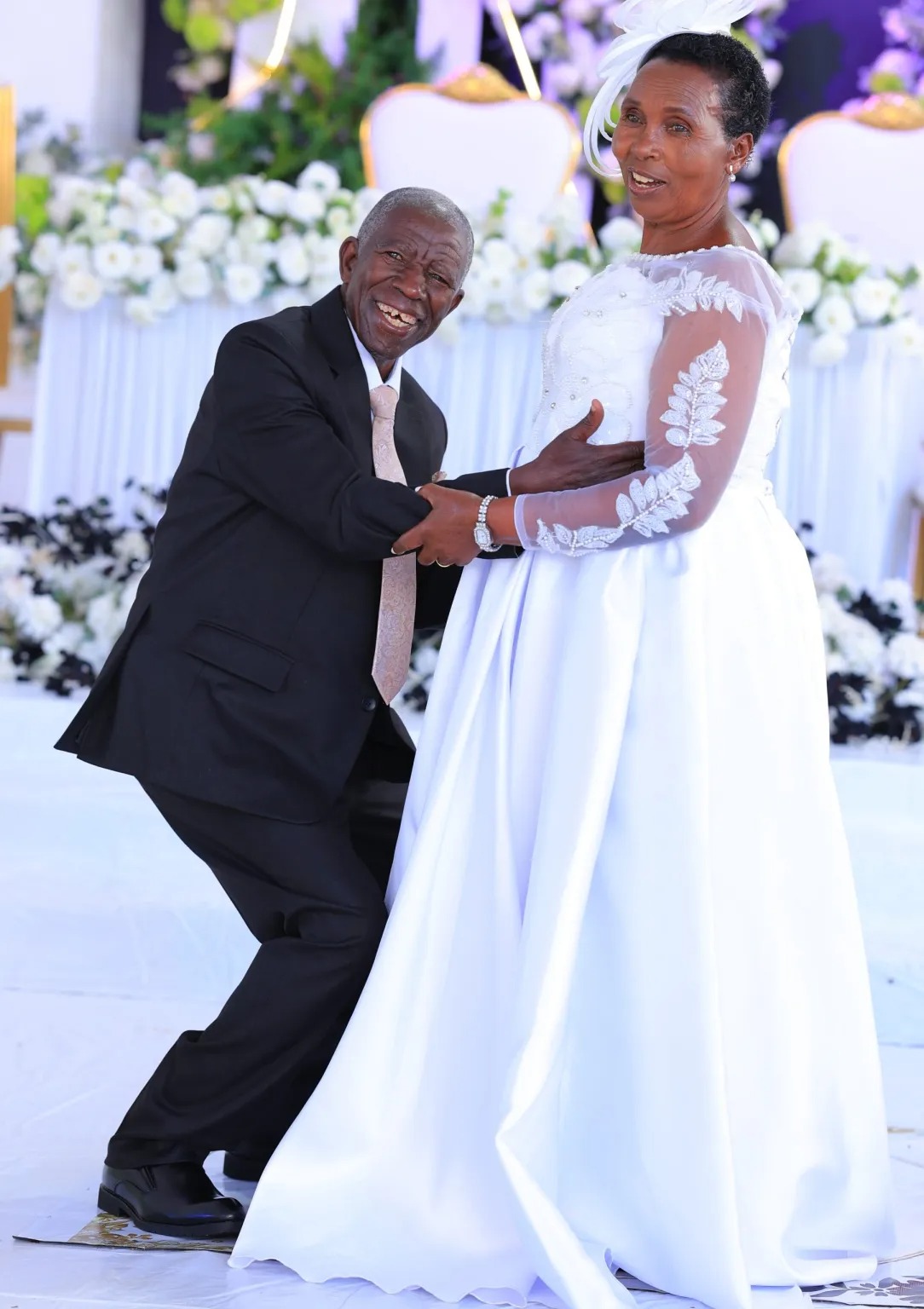
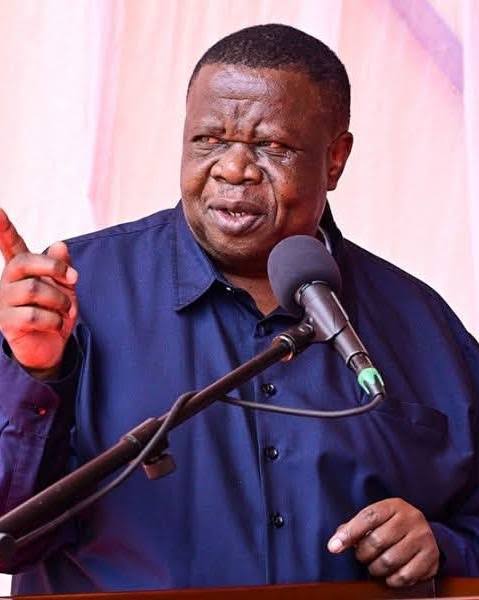
Speaking during the golden jubilee celebrations and thanksgiving ceremony of his friend, Fredrick Gorogoza, in Sazinga, Rukararwe, Mitooma District, on Saturday, Otafiire said the liberation struggle was anchored on three fundamental objectives: peace, unity in diversity and prosperity.
His repeated reference to basements was particularly significant because of the mounting allegations of abductions, illegal detention and torture involving Ugandans accused of opposing the government or criticising powerful political and military figures.
“In what took us to the bush to liberate Ugandans, there were no basements. We went to fight for our people to attain peace, unity in diversity and okumanyana, but not basements,” Otafiire said.
He further declared: “We fought for many issues, peace, togetherness and knowing each other. Too much play causes tears. The things we fought for, there was no basement.”
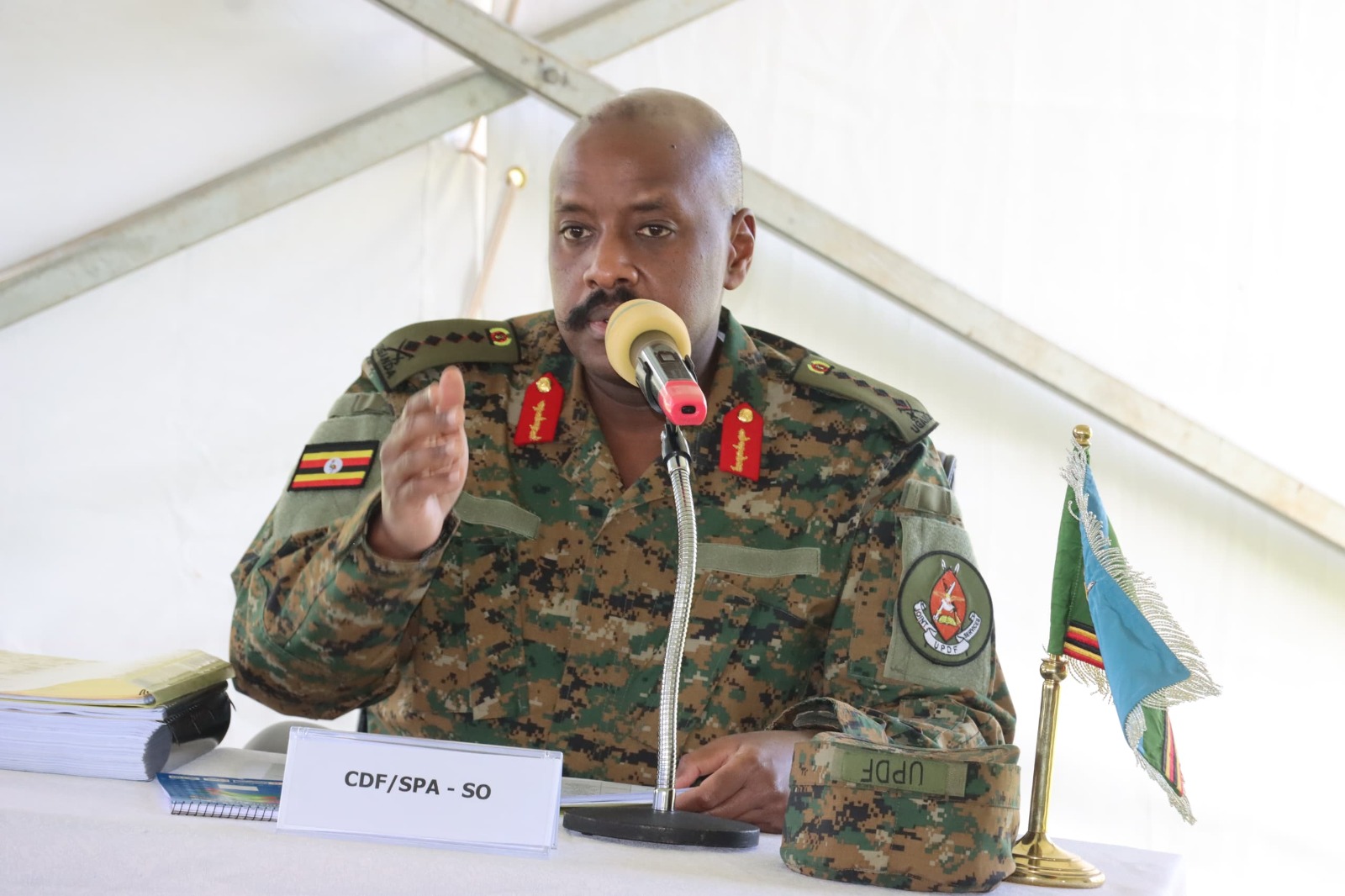
The minister’s remarks have widely been interpreted as another indirect but unmistakable rebuke of the leadership style associated with CDF Gen Muhoozi Kainerugaba and his political mobilisation platform, the Patriotic League of Uganda (PLU).
Although Otafiire did not directly mention Muhoozi by name, his reference to basements, alleged mistreatment of citizens and the PLU leadership placed his speech within the broader debate surrounding the conduct of security agencies and the growing influence of the First Son in Uganda’s political affairs.
For a veteran who participated in the armed struggle that brought President Museveni to power in 1986, the message carries a considerable political weight.
A warning to Muhoozi’s political camp
Beyond condemning alleged torture, Otafiire has delivered a direct message to the Patriotic League of Uganda, warning its leadership against rushing into power and potentially damaging the political legacy of the NRM.
He has cautioned those preparing to take over the country’s leadership to reduce their speed and exercise patience, suggesting that political succession should not be pursued through intimidation, intolerance or disregard for the principles that inspired the liberation struggle.
The minister argued that genuine unity required leaders to accommodate people holding different political opinions instead of treating disagreement as hostility.
He explained that unity was not simply about having people agree with one another but having the patience to engage those with opposing ideological positions and eventually persuade them.
According to Otafiire, a political movement aspiring to govern Uganda must understand that national leadership requires tolerance, dialogue and the ability to bring together people from different backgrounds.
He also warned the PLU leadership against using its platform to tarnish the image of the NRM, the political organisation that has governed Uganda since 1986.
The warning comes at a time when Muhoozi’s political ambitions and the activities of his supporters have increasingly become subjects of national debate, particularly following his public statements about Uganda’s political future. Otafiire’s position suggests that some of the old guards within the NRM are uncomfortable with the manner in which the PLU is conducting its mobilisation, especially where its activities appear to compete with or overshadow the structures of the ruling party.
The minister’s intervention also raises questions about whether the differences between the liberation-era establishment and Muhoozi’s emerging political generation are becoming more pronounced.
The long-running Otafiire-Muhoozi friction
The latest remarks are not the first time Otafiire has appeared to challenge Muhoozi’s approach to leadership, security and political mobilisation.
Over the past months, the veteran general has increasingly emerged as one of the few senior figures within the ruling establishment willing to publicly question conduct associated with the CDF and his political allies.
Their differences are particularly significant because both men belong to Uganda’s military establishment, although they represent different generations and political experiences.
Otafiire is among the veterans of the 1981–1986 guerrilla war that brought the NRA to power. He served in the armed struggle before transitioning into government, where he has occupied several senior positions, including Minister of Internal Affairs and his current portfolio as Minister of Water and Environment.
Muhoozi, on the other hand, represents the younger generation of military leadership. He rose through the ranks of the Uganda People’s Defence Forces (UPDF), commanded elite military formations and eventually became Chief of Defence Forces after replacing Gen Wilson Mbadi.
He is also President Museveni’s son and chairman of the PLU, a political mobilisation platform whose activities have fuelled speculation about his possible presidential ambitions.
The difference between the two men is therefore not simply about age or military seniority. It reflects a broader debate about the meaning of the liberation struggle, the limits of military authority and the political direction Uganda should take after four decades of NRM rule.
Otafiire has previously cautioned Muhoozi over human rights concerns, arguing that military strength should not be confused with the ability to intimidate civilians.
In one of his most memorable warnings, the veteran general argued that a general could win a battle without necessarily firing bullets, a statement widely understood as an appeal for restraint and political wisdom. His latest speech in Mitooma appears to build on that position, with the minister now directly invoking the historical objectives of the liberation struggle to challenge the alleged use of torture and underground detention facilities.
 The basement controversy
The reference to basements touches one of the most sensitive subjects in Uganda’s current political and security environment. Opposition politicians, activists, lawyers and human rights defenders have repeatedly raised concerns about the alleged abduction and detention of citizens in unidentified facilities, including underground rooms commonly referred to as basements.
The allegations involve individuals reportedly picked up by armed men, sometimes dressed in plain clothes, and held without immediate access to their families or lawyers.
The controversy has intensified amid accusations that some security operatives use unlawful detention, intimidation and torture against government critics.
The authorities and security agencies have faced growing pressure to explain the whereabouts of missing individuals, disclose detention facilities and ensure that suspects are presented before courts of law.
The issue has also attracted condemnation from the Uganda Law Society and other civil society organisations, which have argued that the protection of citizens’ rights must remain a constitutional obligation regardless of their political affiliations.
The latest controversy surrounding political commentator Ronald Leonard Egesa, who was reportedly abducted by armed men in plain clothes after participating in a radio talk show, and the concerns raised by lawyers over alleged abductions and torture have further amplified the debate. Similarly, the case of opposition figure Dr Kizza Besigye, whose detention and health have remained subjects of political and legal controversy, has continued to expose the tensions between the government and sections of the opposition. It is against this background that Otafiire’s repeated reference to basements becomes politically consequential.
By invoking the liberation struggle, he is effectively reminding the government and its security establishment that the legitimacy of the NRM was built partly on promises to protect Ugandans from arbitrary state power. His argument is that a government founded on resistance to oppression should not tolerate practices that could recreate the very conditions it claimed to have fought against.
Otafiire’s liberation credentials
Otafiire’s intervention carries particular significance because of his long association with the NRA’s political and military history.
A veteran of the bush war, he belongs to a generation of commanders who fought alongside Museveni and other senior figures during the five-year guerrilla struggle.
Following the NRM takeover in January 1986, he became part of the new political establishment and subsequently served in several government positions.
His political career has been characterised by outspoken interventions, occasional disagreements with powerful figures and a willingness to use colourful language when addressing sensitive national issues.
Unlike some senior NRM figures who prefer to communicate their disagreements privately, Otafiire has often used public platforms to express his views.
His latest speech suggests that he believes the younger generation seeking political influence must understand the historical sacrifices that brought the NRM to power.
He also appears concerned that the PLU could undermine the NRM’s political identity if its leadership fails to distinguish between political mobilisation and the responsibilities of governing a country.
For Otafiire, the liberation struggle was not simply about capturing State House or replacing one political leadership with another. It was about building a society in which Ugandans could coexist despite differences in ideology, religion, ethnicity and political affiliation.
Social media erupts over Otafiire’s remarks
Otafiire’s speech quickly generated reactions on social media, with supporters describing him as courageous for speaking openly about alleged human rights violations.
Dr Sarah Bireete, a prominent human rights advocate, drew attention to the minister’s remarks, writing: “We fought for the Peace, Unity and Prosperity of Ugandans – NOT THE BASEMENT.”
Her reaction captured the central message of Otafiire’s intervention and helped amplify the speech beyond the audience that had gathered in Mitooma.
Lawyer Ivan Tandeka also described the address as one of the most emotional speeches he had witnessed, arguing that the veteran general had reminded the country that the liberation struggle was intended to secure peace and unity rather than create underground detention facilities.
Tandeka questioned what the elderly liberation fighters must be feeling as they witness the current political and security controversies.
Other social media users praised Otafiire for speaking about an issue they believe many senior members of the ruling establishment are reluctant to confront publicly.
One commentator suggested that some of the old liberation fighters fear being targeted or labelled enemies of Muhoozi’s political camp whenever they question its activities.
Another supporter argued that the veteran commanders understood the hardships ordinary Ugandans faced in rural communities, including Kisoro, Kabale and Karamoja, and that their understanding of the liberation struggle was rooted in the experiences of ordinary citizens.
However, the speech also attracted criticism from some government supporters who questioned Otafiire’s consistency.
Daudi Kabanda, the Kasambya legislator and PLU executive secretary in the office of the national chairman, appeared to take issue with the broader political arguments surrounding the liberation struggle.
Responding to the debate, Kabanda wrote in a pointed social media post: “Ebibarwaniriire harimu okwiba amataka? Nimundebeese ekishuba kyapopulism.” His response, loosely translated, questioned whether land grabbing was among the things the liberation fighters had fought for and challenged what he considered populist arguments.
Other critics accused Otafiire of selectively invoking the liberation struggle while overlooking corruption, abuse of public offices and other governance failures within the NRM government.
Museveni caught between the old guard and the new generation
The growing public differences between Otafiire and Muhoozi also present an uncomfortable political question for President Museveni.
For nearly four decades, Museveni has managed a political establishment comprising veterans of the liberation struggle, military officers, civilian politicians and younger figures who have risen through the NRM system.
However, Muhoozi’s growing political profile has introduced a new dynamic into the ruling establishment.
As CDF and chairman of the PLU, Muhoozi occupies two influential positions that place him at the centre of both military command and political mobilisation.
His public pronouncements on political leadership, security matters and Uganda’s future have frequently generated controversy.
His supporters view him as a potential successor to Museveni, while critics question the implications of a serving military officer becoming increasingly involved in partisan political activities.
The debate has become particularly important because Uganda’s Constitution contains restrictions on serving members of the armed forces participating in partisan politics and standing for elective political office.
Consequently, the possibility of Muhoozi seeking the presidency while still serving in the military has generated legal and political questions within the NRM itself.
Otafiire’s warning to the PLU to slow down can therefore be interpreted as part of the wider contest over how political succession should be handled and whether the structures established under the NRM should be subordinated to a new political organisation.
His insistence that the PLU should not damage the NRM brand is especially noteworthy because it suggests that the veteran minister sees a distinction between the ruling party’s historical identity and the ambitions of Muhoozi’s political platform.
A generational battle over the meaning of the revolution
At the centre of the emerging disagreement is a fundamental question: What exactly did the liberation struggle achieve, and what obligations does that history impose on the current leadership?
For Otafiire, the answer lies in peace, unity, prosperity and the ability of Ugandans to live together despite political differences.
His reference to okumanyana — knowing and understanding one another — is particularly significant. He argues that genuine national unity requires leaders to accommodate those who disagree with them rather than resorting to intimidation.
For Muhoozi’s political generation, the PLU represents a new political mobilisation platform whose supporters believe it should have a prominent role in shaping Uganda’s future leadership. But the growing controversy over alleged abductions, torture and detention facilities risks turning that ambition into a broader debate about the legacy of the NRM itself.
Otafiire’s latest speech is therefore more than an emotional reflection by an ageing bush-war veteran. It is a public warning from within the ruling establishment that political ambition must not erase the principles used to justify the liberation struggle.
His message to the PLU is that leadership cannot be rushed, unity cannot be imposed through fear, and the NRM’s historical achievements should not be sacrificed for the ambitions of individuals. Whether Muhoozi and his allies will take the warning seriously remains to be seen.
But one thing is increasingly clear: the disagreements within the ruling establishment are no longer confined to private conversations in military and political corridors.
They are increasingly being aired publicly, with senior figures invoking the very history that brought the NRM to power to question the conduct and ambitions of those seeking to inherit its leadership.
And in Otafiire’s latest intervention, the message was unmistakable: Ugandans went to the bush to fight for liberation, not to return and establish basements.
Author Profile
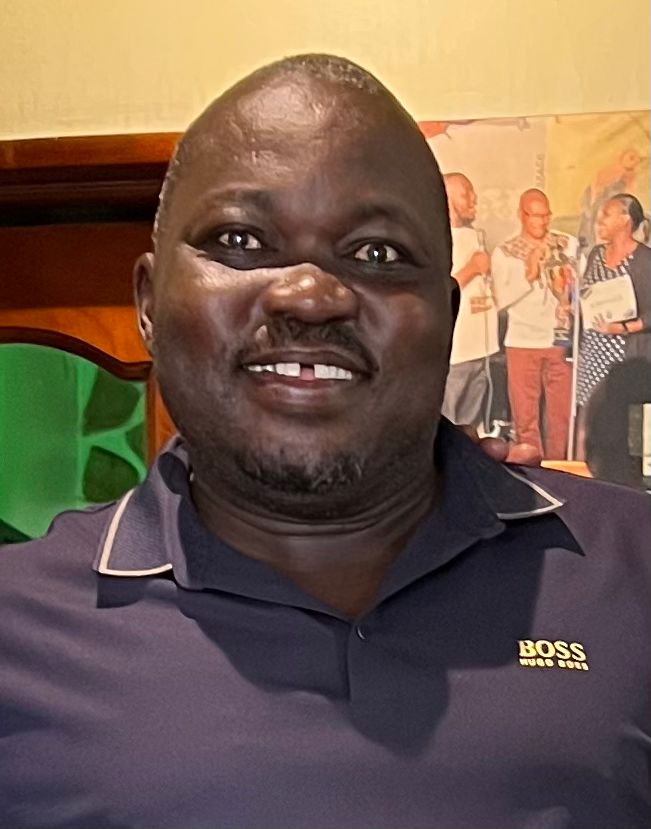
- Charles Gazza Kodili is a seasoned journalist with over 20 years of experience in the media industry. He holds a Bachelor of Arts degree in Mass Communication. He’s currently the Chief Editor at the Investigator.
Charles can also be reached via; Tel: +256 774 108978
Email: [email protected]
Latest entries
 FeaturedNovember 17, 2026
 FeaturedNovember 17, 2026INSIDE MUHOOZI’S 2031 PRESIDENTIAL SUCCESSION PLAN: How Mwenda Sees CDF Gen Muhoozi Becoming Vice President, Defence Minister Before Taking Over from Museveni
 FeaturedNovember 16, 2026BESIGYE’S LIFE ON THE LINE: ‘STOP PLAYING POLITICAL FOOTBALL WITH BESIGYE’S LIFE’: Two Years After Besigye Was Seized In Nairobi And Brought To Uganda To Face Trial Before A Military Court, His Wife Says His Physical Condition Has Deteriorated Dramatically, While Four Bail Applications Have Been Rejected And A Fifth Remains Unheard
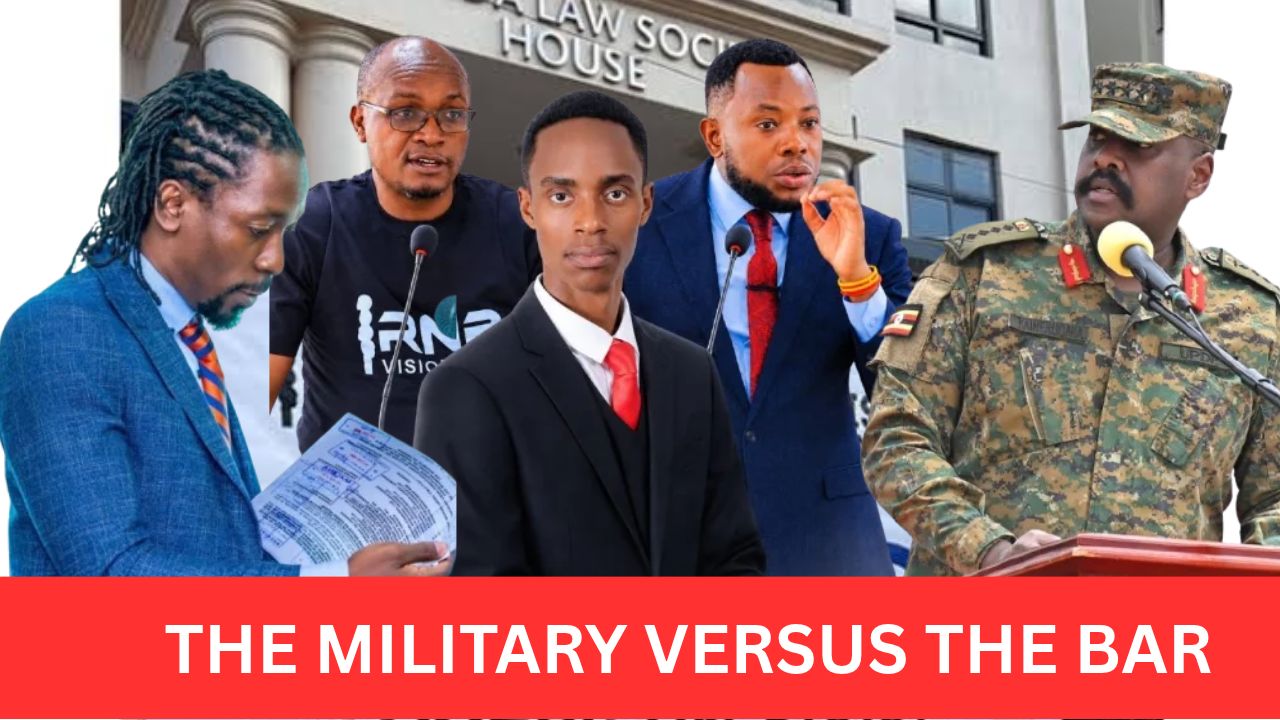 FeaturedNovember 16, 2026GEN MUHOOZI UNDER LEGAL FIRE: The ULS President Warns That Military Rank And Political Influence Cannot Excuse Alleged Human Rights Abuses, Demanding Investigations, Unconditional Releases And Accountability For Enforced Disappearances