










The history of Uganda’s military intelligence establishment is often told through the careers of celebrated commanders such as Maj Gen Mugisha Muntu, Lt Gen Henry Tumukunde, the late Brig Noble Mayombo, Maj Gen Abel Kandiho and Maj Gen James Birungi. Yet behind the institution they commanded was a generation of then young National Resistance Army (NRA) officers who conceived its structures, established its departments and developed the principles that transformed a small intelligence directorate into one of the most influential and feared institutions in the Uganda People’s Defence Forces (UPDF).
Among those officers was Maj Gen Fred Toolit Ociti, a military intelligence pioneer whose contribution to the establishment of the Directorate of Military Intelligence (DMI), its subsequent elevation into the Chieftaincy of Military Intelligence (CMI) and the development of the modern intelligence structure is now receiving renewed attention.
Toolit, who retired from active military service in April 2024, says the story of military intelligence cannot be reduced to the achievements of the men who eventually occupied the office of Chief of Military Intelligence. He argues that the institution was built through collective responsibility, with different officers contributing to its development at different stages.
His account provides an important historical clarification about the succession of the early DMI leadership, the officers who served as his deputies and the circumstances under which the institution acquired the CMI designation.
It also challenges the popular narrative that credits the late Brig Noble Mayombo with the original creation of CMI, arguing that the institutional concept had already been developed and submitted for approval under his leadership.
Basiima House: Where it all started
When the NRA captured Kampala in January 1986, the new military leadership faced the challenge of transforming a guerrilla army into a structured national defence force.
One of the most important requirements was an intelligence establishment capable of providing commanders with reliable information about military threats, operational environments, enemy movements and internal security vulnerabilities.
The Directorate of Military Intelligence was established in 1986, with its headquarters at Basiima House in Old Kampala, close to the former Lubiri military barracks.
It was a relatively small establishment, but the officers who worked there were among the experienced and educated members of the new army.
Maj Gen Mugisha Muntu was the first Director of Military Intelligence. Other officers who featured in the early establishment included Lt Col Milton Mijumbi Byemaro, Lt Col Kasaijja, Lt Col Andrew Lutaya and Maj Gen Paul Kagame, who was part of the early NRA intelligence establishment. The directorate had different departments dealing with combat intelligence, counterintelligence, administration, finance, records and research.
It was an important beginning, but the officers soon recognised that the intelligence department needed more elaborate structures and a clearly defined mandate to serve the expanding requirements of the army.
Byemaro, Toolit and the early succession
Toolit’s journey into the intelligence leadership began as a young NRA officer fresh from operational assignments in northern Uganda.
Before joining headquarters, he had served as intelligence officer of the 61 Battalion and subsequently as Operations Intelligence Officer of Mobile Force Alpha, based in Lira, with operational responsibility covering Lango and East Acholi.
Mobile Force Alpha was involved in operations against Alice Lakwena’s Holy Spirit Mobile Force, whose rebellion had become a major security challenge in northern Uganda.
 Toolit says his operational experience in intelligence gathering, analysing enemy movements and providing information to commanders prepared him for the responsibilities he would later assume at headquarters. When he first reported to the DMI establishment, he did not immediately become the director.
He says he initially served as Deputy Director of Military Intelligence under Lt Col Milton Mijumbi Byemaro, who headed the directorate for approximately two to three years before his death.
This is an important distinction in reconstructing the early leadership of DMI because Lt Col Byemaro was not merely the officer heading administration and finance, as some accounts suggest. According to Toolit, Byemaro was his immediate boss and the Director of Military Intelligence under whom he served as deputy.
Following Lt Col Byemaro’s death, Toolit was promoted and elevated to become the full Director of Military Intelligence.
He therefore became one of the central figures in the institution’s transition from its original modest structure into a more elaborate intelligence establishment.
Toolit also recalls that his first deputy as DMI was Capt. Aronda Nyakairima, who was subsequently promoted to Major after serving for slightly more than a year.
Aronda was then appointed Commander of the Mechanised Brigade in Masaka, opening the way for another officer to take up the deputy director’s position. That officer was Lt Noble Mayombo.
According to Toolit, Mayombo became his Deputy Director of Military Intelligence and continued serving in the same capacity when Lt Gen Henry Tumukunde succeeded him as director.
Mayombo only subsequently became Chief of Military Intelligence. This account provides a clearer sequence of the early leadership: Byemaro was Toolit’s boss, Toolit succeeded him as DMI, Aronda was Toolit’s first deputy, and Mayombo became his subsequent deputy before continuing under Tumukunde.
The concept paper that gave birth to CMI
The most significant contribution Toolit claims during his time as DMI was leading the development of the institutional concept that resulted in the elevation of DMI into CMI.
He says the intelligence leadership realised that the directorate needed a stronger institutional identity, a clear mandate and an organisational framework capable of meeting the strategic requirements of the expanding army.
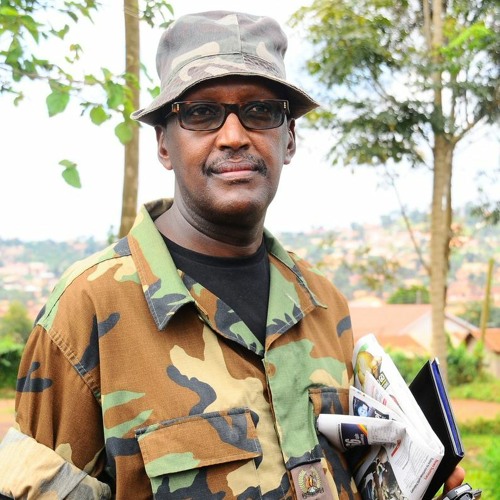
The exercise involved analysing the challenges and requirements of the NRA and determining what military intelligence needed to become an effective institution.
The team concentrated on three fundamental areas: terms of reference, organisational structure, and the broad responsibilities of military intelligence alongside the specific duties of its departments and directorates. These were documented, tested and refined before being presented to the army leadership.
Toolit says that after the framework had been developed, the team under his leadership prepared a concept paper requesting the army leadership to elevate DMI into the Chieftaincy of Military Intelligence.
The proposal was submitted to the military leadership under then Army Commander Gen Jeje Odongo.
The objective was to give military intelligence the institutional status and operational capacity necessary for further development into a more sophisticated intelligence organisation. The proposal was approved.
Toolit says that the concept paper bearing his name and signature should still be available at Defence Headquarters.
However, following approval of the proposal, he was transferred and appointed Chief of Operations and Training (COT). Lt Gen Henry Tumukunde subsequently replaced him and became the first officer to use the title Chief of Military Intelligence.
Toolit is particularly keen to correct the historical attribution of the creation of CMI to Mayombo. He insists that Mayombo was still his deputy when the institutional concept was being developed and continued as Tumukunde’s deputy before eventually taking over the CMI leadership.
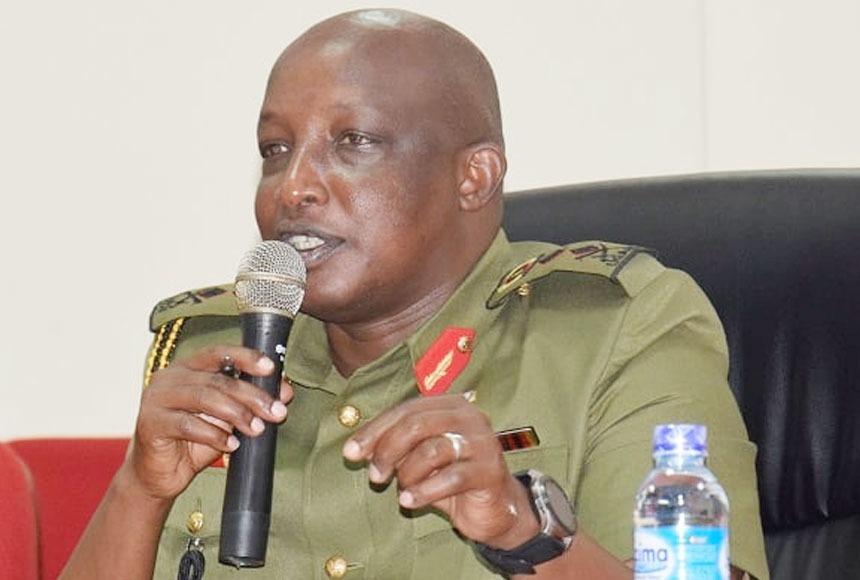 This does not diminish Mayombo’s subsequent contribution to military intelligence. Rather, it separates the institutional groundwork from the achievements of those who later commanded and expanded the organisation. For Toolit, the creation of CMI was an institutional development exercise involving the collective contribution of the officers who worked at Basiima House.
He argues that every individual who participated in that formative period deserves recognition.
The other brains behind the intelligence establishment
The early DMI establishment brought together officers whose careers would later extend into some of the highest positions in the military and government.
Mugisha Muntu, the first DMI chief, was among the senior commanders who helped establish the original intelligence structure before becoming Army Commander.
Lt Col Byemaro was another important figure in the early years. He headed DMI for approximately two to three years, according to Toolit, before his death in 1993. His contribution included the early administrative and institutional work that supported the directorate.
Then Capt. Aronda Nyakairima, who served as Toolit’s first deputy, later rose through the military ranks and commanded the Mechanised Brigade in Masaka. He subsequently became Army Commander.
Paul Kagame also featured in the early intelligence establishment. Toolit recalls that during his time as deputy DMI, Kagame served as an assistant director responsible for the Administration and Finance Department. Other historical accounts associate Kagame with records and research. The precise designation of his early assignment remains a matter for archival verification.
Mayombo later became one of the most influential intelligence chiefs in Uganda’s history. After serving as deputy under Toolit and Tumukunde, he assumed the CMI leadership and subsequently became Permanent Secretary in the Ministry of Defence.
His career demonstrated how military intelligence could provide a platform for officers to rise into influential military and civilian appointments.
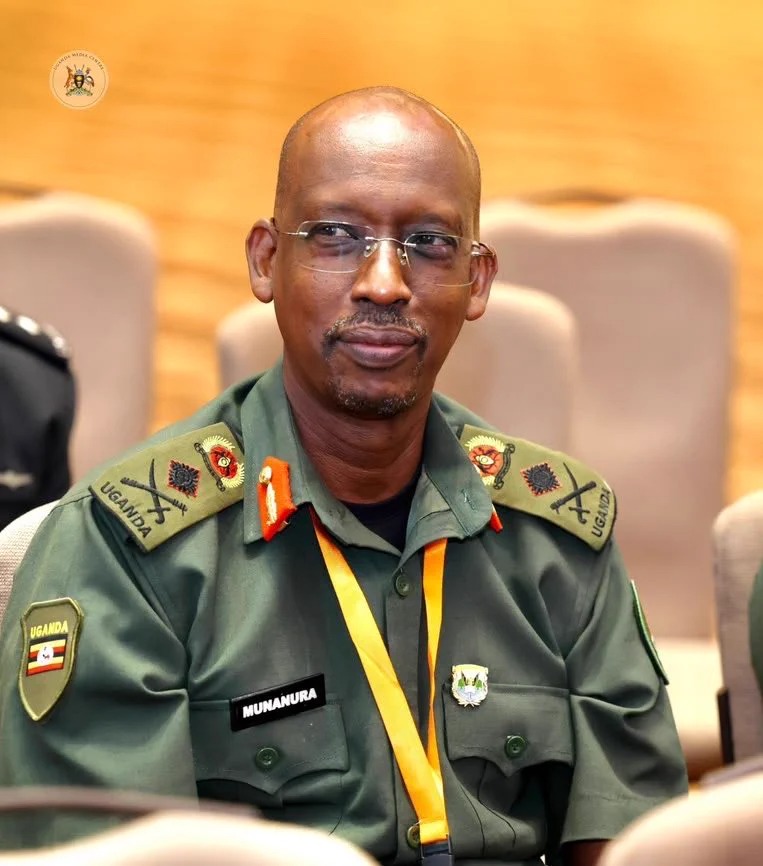 From Tumukunde to Munanura: The changing faces of military intelligence
Following the establishment of CMI, the institution went through several generations of leadership.
Tumukunde was the first to formally occupy the office under the CMI title. He was succeeded by Mayombo, whose tenure helped consolidate the institution’s reputation and influence.
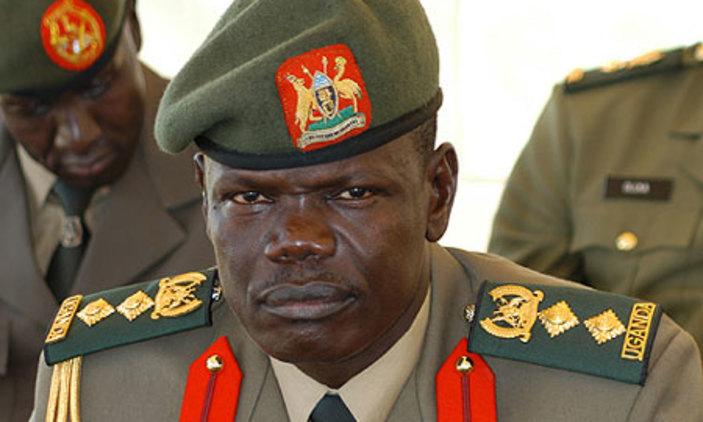
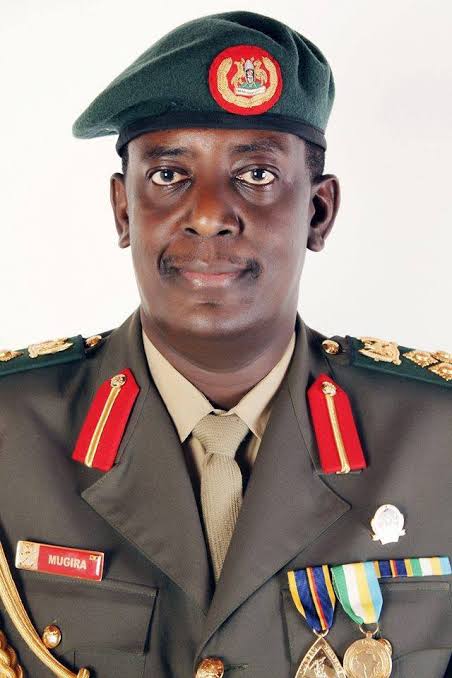
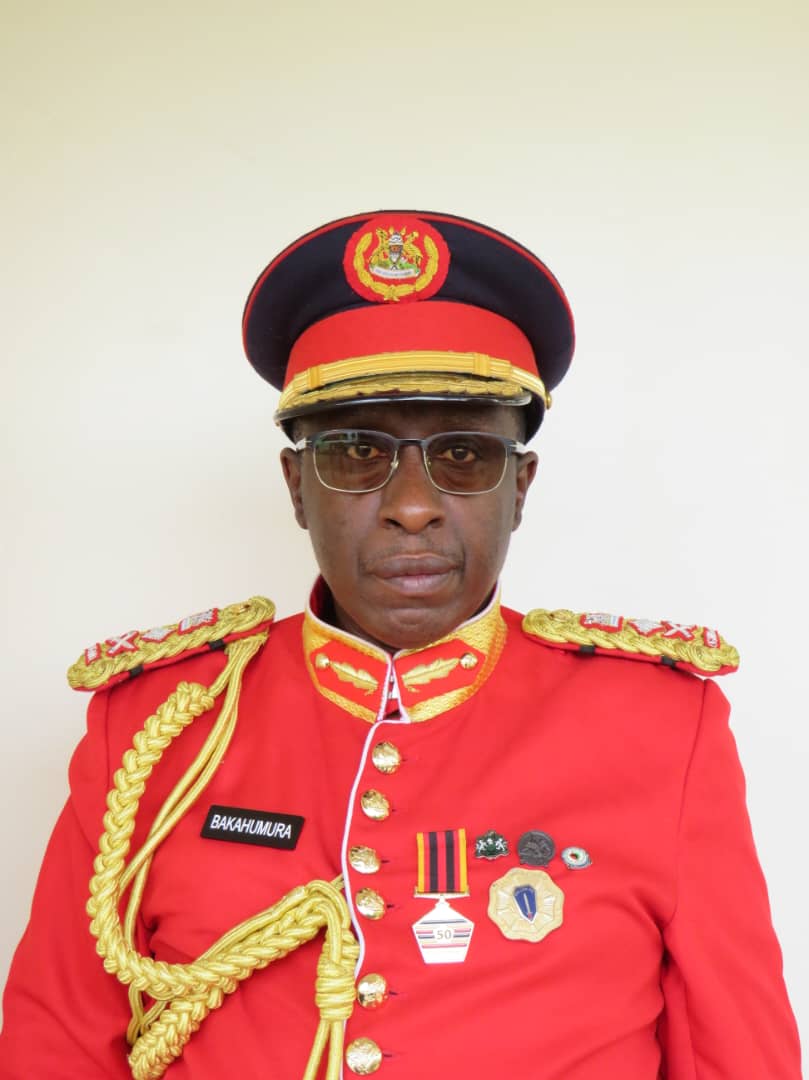
Other officers who subsequently served at the helm included Lt Gen James Mugira, Brig Gen Charles Bakahumura and Maj Gen Abel Kandiho.
Bakahumura headed CMI from 2012 to 2017 before moving to other senior military assignments. His career later took a controversial turn following investigations and detention after retirement.
Kandiho succeeded Bakahumura in 2017. His tenure coincided with some of the most controversial security operations involving opposition politicians, activists and other government critics. He later left CMI in 2022.
Maj Gen James Birungi succeeded Kandiho and became the first head of the intelligence establishment under the Chief of Defence Intelligence and Security (CDIS) designation.
Birungi’s tenure ended following investigations into allegations involving intelligence fabrication and other security-related offences. He was detained and subsequently became the subject of further developments involving the military leadership.
Maj Gen Richard Otto later took over the institution before being reassigned to Joint Staff Human Resource Management in October 2026.
His successor, Maj Gen Oscar Munanura, now occupies the office as the latest commander of the intelligence establishment.
Munanura inherits an institution whose responsibilities have expanded considerably beyond the original mandate of the small directorate at Basiima House.
Why the intelligence chief’s job is increasingly feared
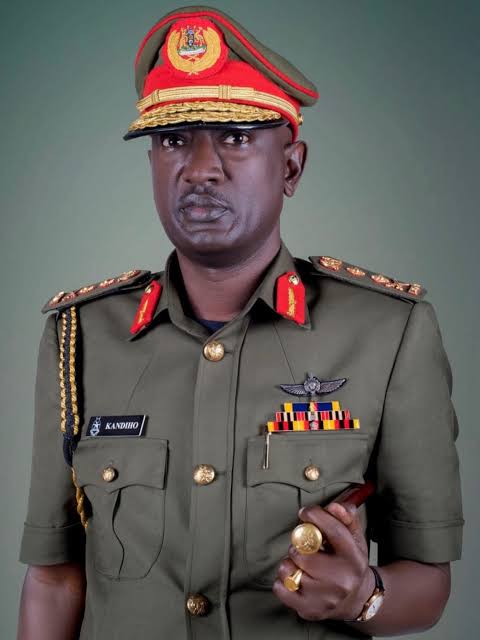
The history of CMI and CDIS has also become associated with the difficult circumstances surrounding some of its former commanders.
The detention of former intelligence chiefs, including Birungi, Kandiho and Bakahumura, has reinforced the perception that the office is among the most sensitive and risky assignments in the UPDF.
Military intelligence chiefs operate in an environment where they are expected to provide accurate information to the army leadership, protect military secrets, detect internal threats and ensure that operational decisions are informed by reliable intelligence.
An intelligence failure can compromise military operations, expose soldiers to danger and undermine national security. Equally, inaccurate or manipulated intelligence can lead to wrongful arrests, damage institutional credibility and expose the officers responsible to investigations and prosecution.
 The intelligence chief must therefore maintain the confidence of the CDF and the Commander-in-Chief while ensuring that the institution remains professional, credible and accountable.
For Munanura, the challenge is to protect the institution’s operational effectiveness while avoiding the controversies that have surrounded some of his predecessors.
Toolit’s military career beyond intelligence
After leaving the DMI leadership, Toolit continued to serve in several senior military positions.
He was appointed Chief of Operations and Training, commanded the Second Division, served as Assistant Chief of Staff and was twice appointed Chairman of the General Court Martial.
He was also elected Member of Parliament representing the UPDF, giving him experience in both military command and legislative affairs.
His military career subsequently extended into diplomacy, where he says he served for 18 years in defence-related diplomatic assignments.
These included the East African Community headquarters in Arusha, Uganda’s Permanent Mission to the United Nations, Uganda’s team during its engagement with the UN Security Council, the African Union headquarters in Addis Ababa, Burundi and Pretoria in South Africa.
He retired from active military service in April 2024. His recollections of the early intelligence establishment are particularly significant because he participated in the institutional development process but left the directorate before the CMI structure was fully implemented.
He wants the historical record to recognise the collective contribution of the founding officers rather than focus exclusively on the most prominent intelligence chiefs.
“The military achievements are results of collective responsibility of the whole,” he says, emphasising that everyone who worked at Basiima House from the establishment of DMI in 1986 contributed to developing military intelligence into an institution capable of serving the strategic needs of the army.
 For him, the concept paper that was prepared under his leadership remains an important historical document that should help settle questions about the origins of CMI.
From Byemaro, under whom he first served as deputy, to Aronda and Mayombo, who successively served as his deputies, and later Tumukunde, who became the first CMI chief, the story reveals a succession of officers whose contributions helped shape Uganda’s military intelligence establishment.
The institution has since evolved through the leadership of Mayombo, Mugira, Bakahumura, Kandiho, Birungi, Otto and now Munanura.
But its origins remain rooted in the modest headquarters at Basiima House, where a generation of young NRA officers attempted to answer a fundamental question: what kind of intelligence institution did Uganda’s new army need? The answer became DMI, then CMI and eventually CDIS.
And as Munanura takes charge of the modern intelligence machinery, Toolit’s recollections offer a reminder that the institution’s history began long before the celebrated chiefs who later occupied its powerful office.
Author Profile
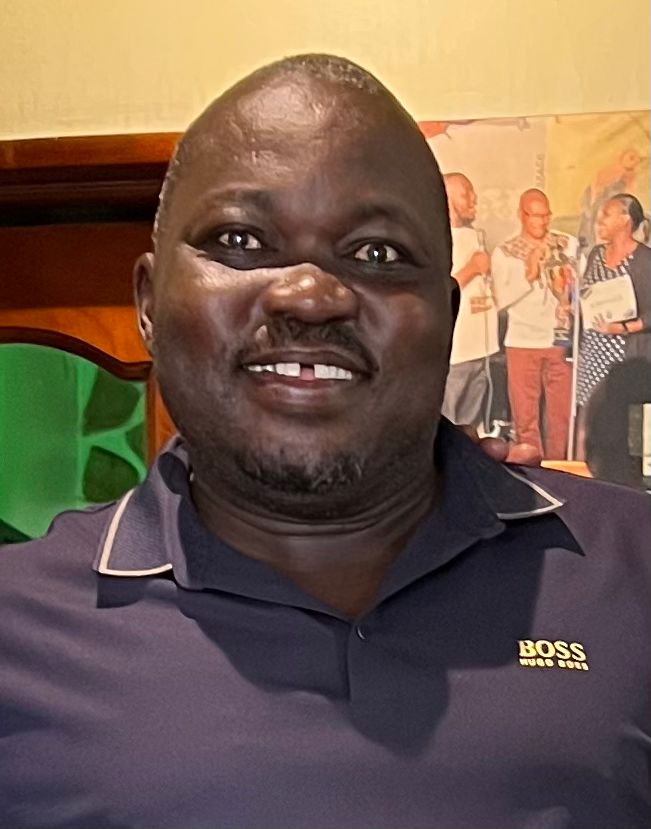
- Charles Gazza Kodili is a seasoned journalist with over 20 years of experience in the media industry. He holds a Bachelor of Arts degree in Mass Communication. He’s currently the Chief Editor at the Investigator.
Charles can also be reached via; Tel: +256 774 108978
Email: [email protected]
Latest entries
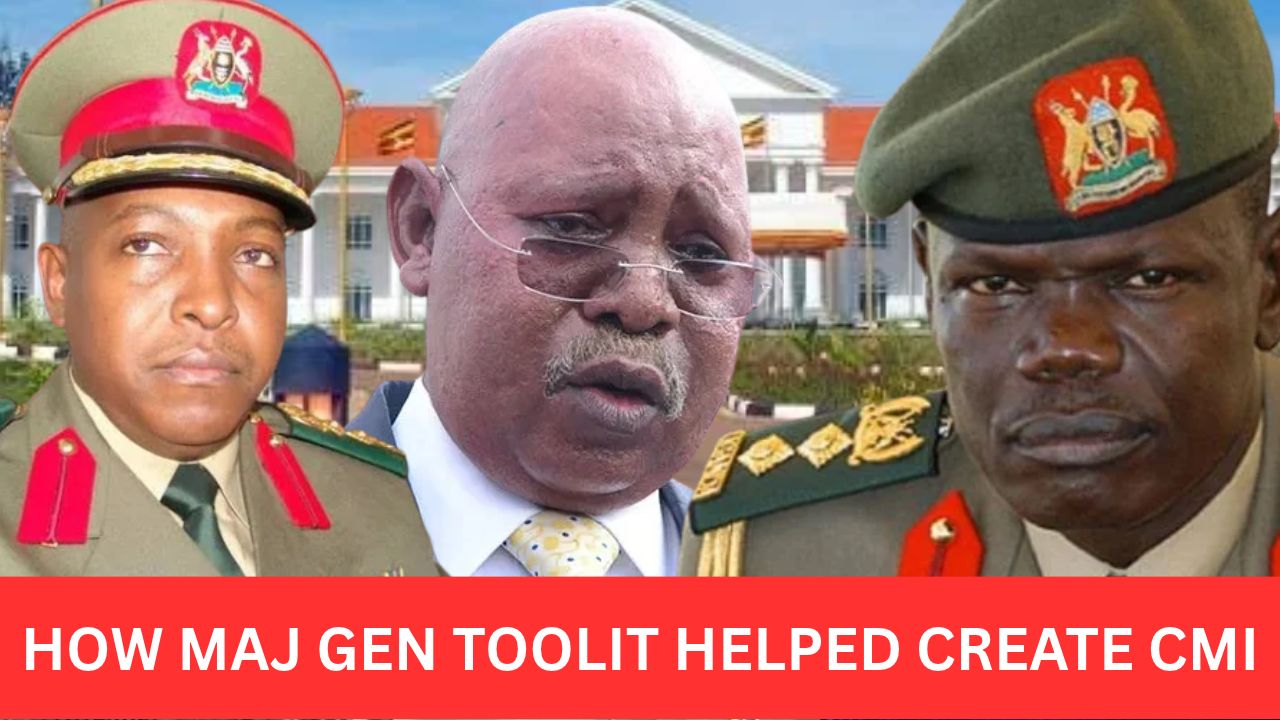 FeaturedNovember 12, 2026INSIDE THE MAKING OF UGANDA’S MILITARY SPY MACHINE: How Maj Gen Fred Toolit, A Young NRA Intelligence Officer, Led The Team That Designed The Concept Paper Elevating DMI Into CMI, Laying Foundations Later Expanded By Henry Tumukunde And Noble Mayombo
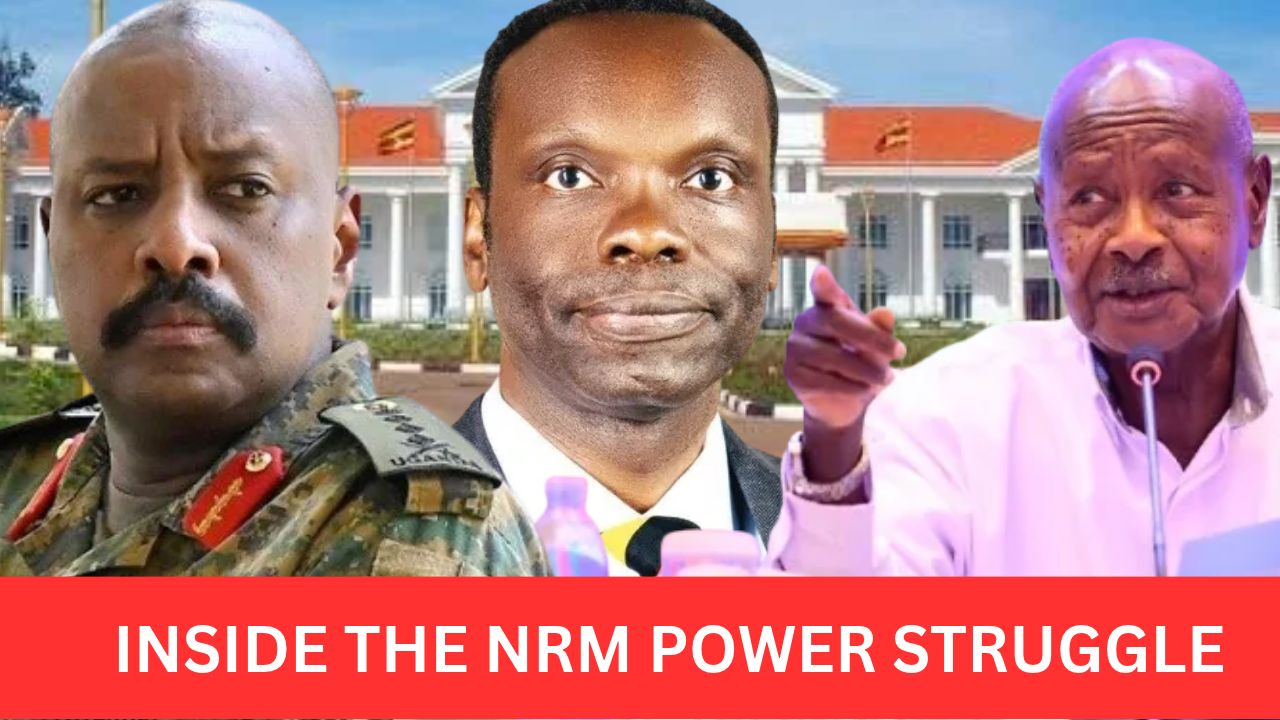 FeaturedNovember 12, 2026INSIDE THE BOLD CHALLENGE TO THE MUHOOZI PRESIDENCY PROJECT: The Eastern Region NRM Vice-Chairperson Reportedly Told CEC That Muhoozi Was Not Ready To Inherit State House And Should First Quit The Military
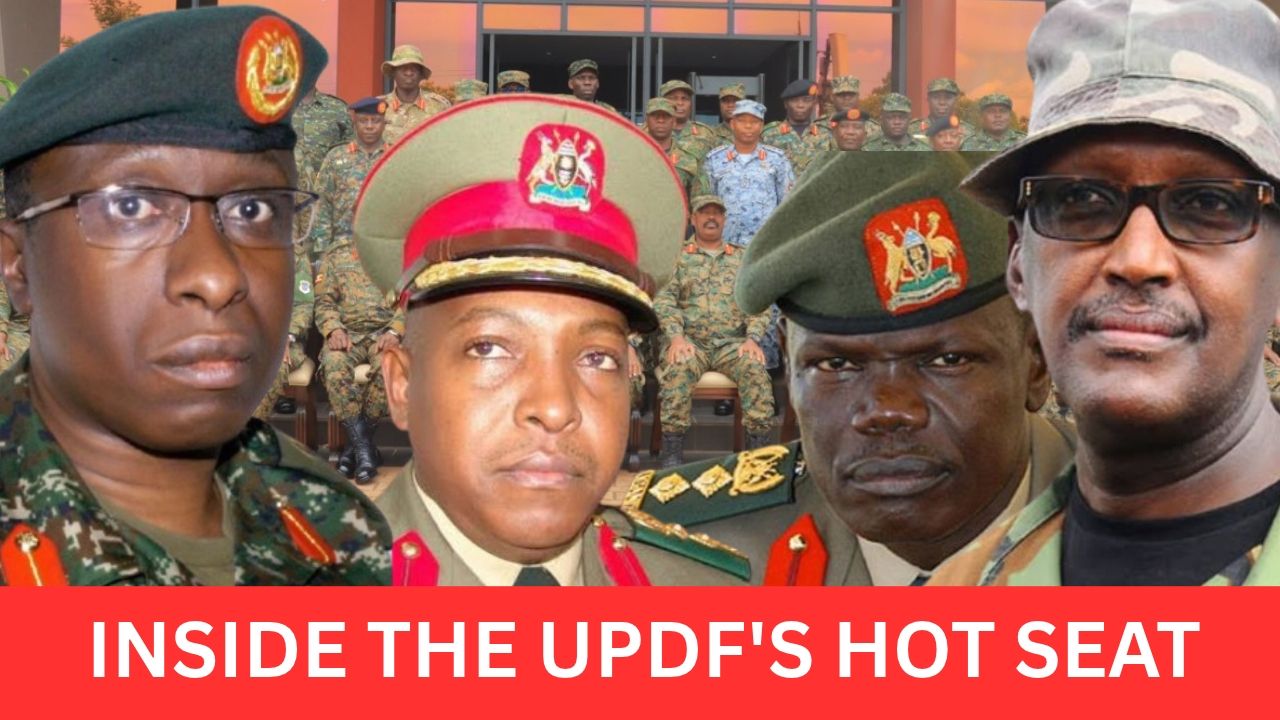 FeaturedNovember 11, 2026CURSE OF THE CHIEF SPY: From Bakahumura And Kandiho to Birungi and Otto, the UPDF Intelligence Directorate has Witnessed Turbulent Leadership Changes, Arrests, Investigations and Short-Lived Tenures. Now Maj Gen Oscar Munanura Inherits the Secrets and Controversies
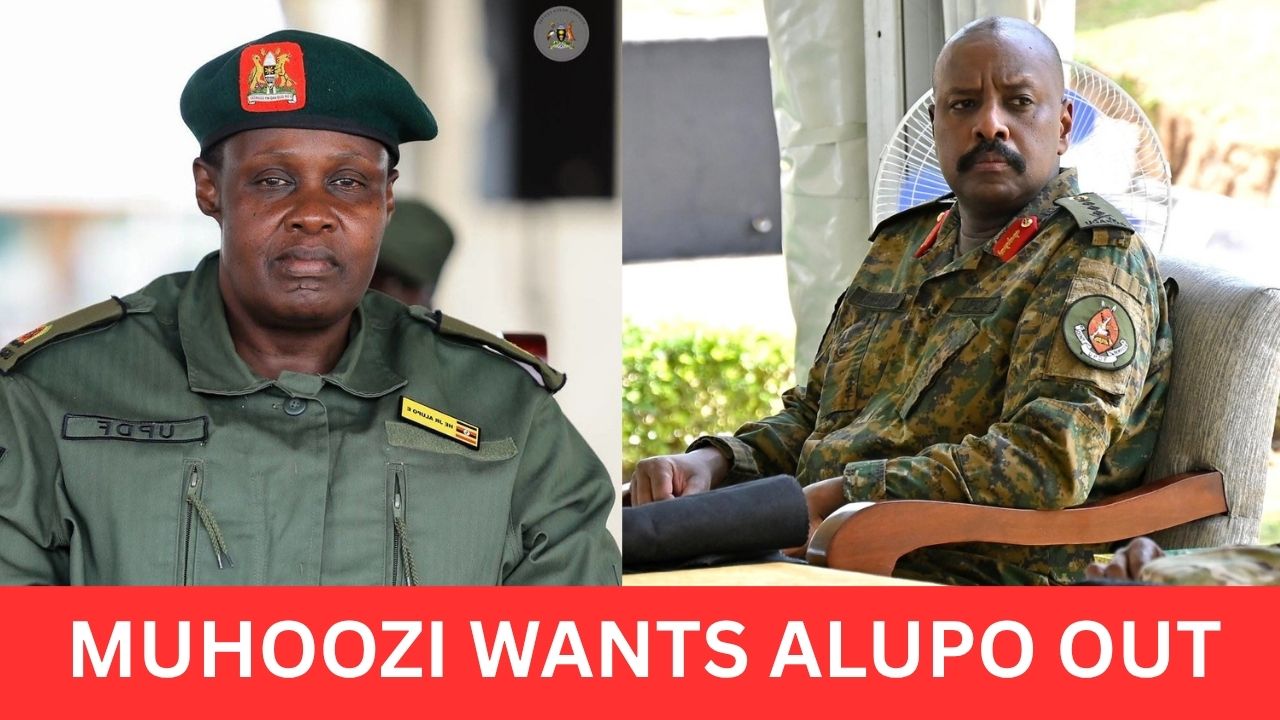 FeaturedNovember 10, 2026MUHOOZI DECLARES WAR ON JESSICA ALUPO: The CDF’s Explosive Tweets Demanding The Vice President’s Removal, Accusing Her Of Backing Mbabazi And Declaring An End To Uganda’s Alleged Gynocracy Have Exposed Fresh Tensions Within The Museveni Establishment