






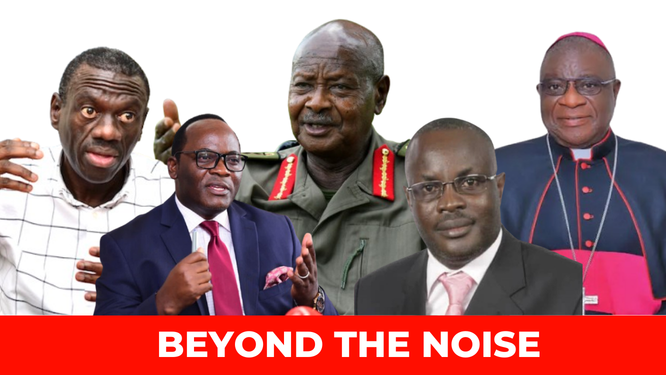


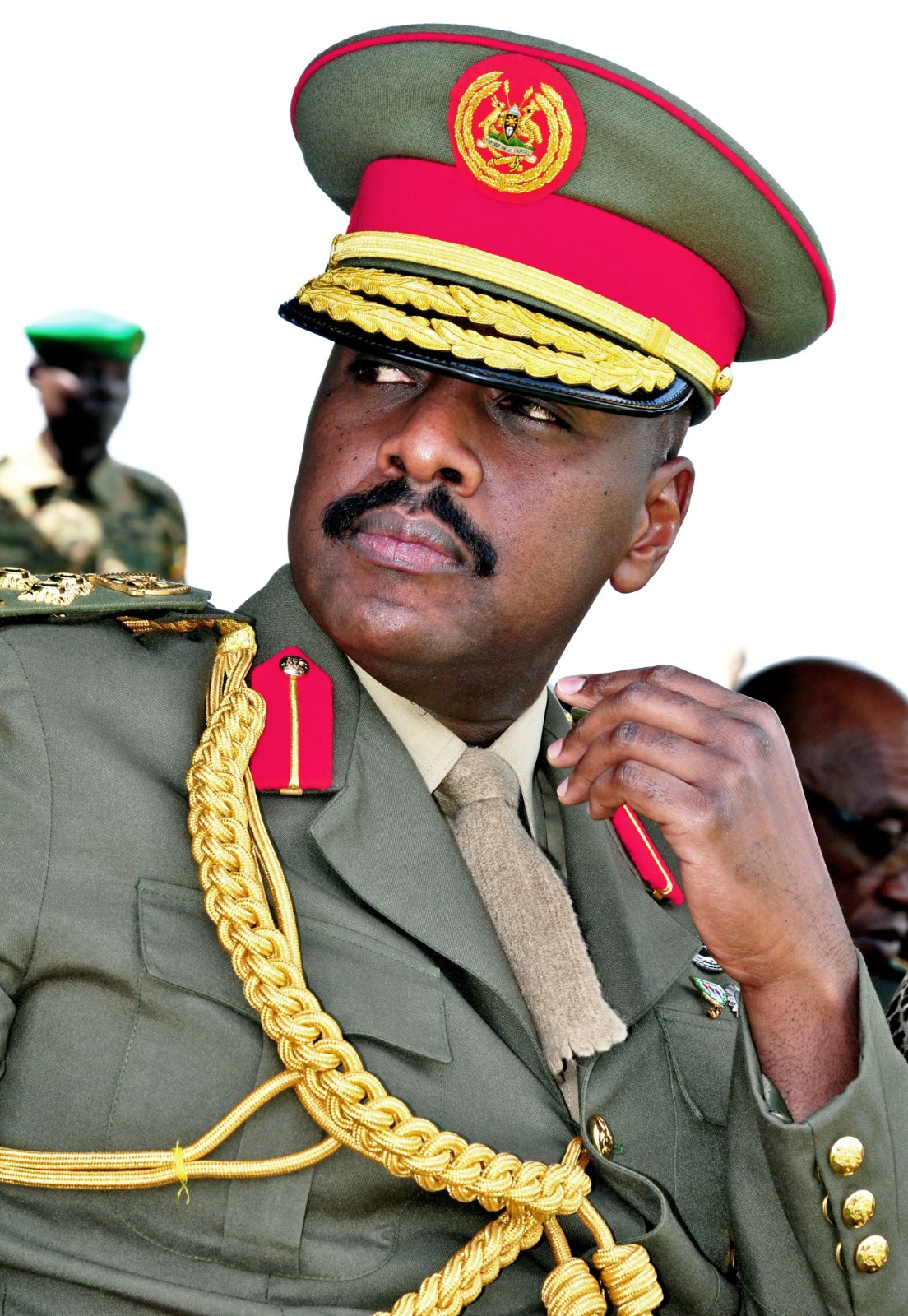
Two of Chief of Defence Forces (CDF) Gen Muhoozi Kainerugaba’s closest associates have issued seemingly contradictory messages about Uganda’s military intentions in eastern Democratic Republic of Congo (DRC), raising questions about Kampala’s next move in the increasingly volatile conflict.
Veteran journalist Andrew Mwenda, who is a senior figure in Muhoozi’s Patriotic League of Uganda (PLU) and serves as its official spokesperson, has suggested that Kampala could open a new working relationship with the Front for the Refoundation of the Nation (FRN), the rebel movement associated with former DRC president Joseph Kabila.
But hours later, UPDF acting Director of Defence Public Information Col Chris Magezi announced that Ugandan troops would begin withdrawing from Lubero town in North Kivu within the next two weeks, handing over security responsibilities to the Congolese armed forces (FARDC).
The conflicting messages have created uncertainty over Uganda’s military and diplomatic posture towards Kinshasa, particularly after Gen Muhoozi issued a series of provocative statements threatening military action inside Congolese territory and openly expressing sympathy for the FRN.
The timing is particularly significant because Mwenda and Magezi are both regarded as trusted members of Muhoozi’s inner circle. While Mwenda is one of the most vocal political defenders of the CDF and a prominent figure in PLU, Magezi is the military officer who routinely communicates Muhoozi’s positions to the public and has frequently shared statements attributed to the army chief.
Mwenda’s statement appears to suggest a possible political and security realignment in eastern Congo, while Magezi’s announcement presents Uganda as preparing to hand over at least one of its military positions to the very government whose sovereignty Muhoozi has publicly threatened.
The development has consequently fuelled speculation that Uganda could be pursuing two different approaches simultaneously: publicly maintaining military cooperation with Kinshasa while exploring political engagement with the armed movement fighting the Congolese government.
However, neither the UPDF statement nor Mwenda’s post establishes that Uganda has formally entered an alliance with the FRN. The possibility of a deliberate communications strategy or decoy remains speculation, not an established government position.
 Mwenda opens door to engagement with Kabila’s rebels
In a lengthy statement posted on X on Friday morning, Mwenda said he had been speaking to senior officials in Uganda’s security establishment and government, who were increasingly uncomfortable with the situation in eastern DRC.
He cited alleged violations against communities in Ituri, North Kivu and South Kivu, particularly the Hema and Tutsi populations, and accused the Congolese armed forces and their allied militias of perpetuating insecurity.
Mwenda also pointed to the activities of the Allied Democratic Forces (ADF), claiming that the group’s leader, Musa Baluku, had established his headquarters in Isiro.
He wrote: “I have been talking to key people in the top echelons of the UPDF and government of Uganda. The Ugandan security leadership is concerned about the continuing violations against particular communities in Ituri plus north and south Kivu.”
He added that Uganda was increasingly concerned about the ADF’s activities and that the UPDF intended to advance into the Isiro region to capture Baluku.
“As the CDF, Gen Muhoozi Kainerugaba, has tweeted, the UPDF is going to advance to that region to capture him,” Mwenda stated. But it was his subsequent remarks about the FRN that generated the most political interest.
According to Mwenda, Kampala was beginning to consider that the newly formed rebel organisation deserved recognition because it was protecting vulnerable communities in eastern DRC.
He wrote: “In this context, sources say, Kampala is beginning to think that since the newly formed FRN is the force protecting vulnerable communities in eastern DRC, it deserves, at the very least, recognition for this positive contribution.”
Mwenda went further, suggesting that Uganda could establish communication with the rebel group. “To this extent, Kampala may become open to liaising with FRN, which has established effective administration in north and south Kivu; to ensure a stable political order there,” he said.
This is a significant departure from the conventional diplomatic position of supporting the territorial integrity of the DRC government and working with Kinshasa through established regional security arrangements.
The FRN, which emerged from the wider AFC/M23 political and military movement, has been fighting government forces in eastern Congo and is associated with former president Joseph Kabila.
Mwenda argued that negotiations conducted outside regional mechanisms, particularly those in Washington and Doha, had marginalised other affected communities and were no longer adequate to resolve the conflict.
He called for a broader political settlement involving the East African Community and the Southern African Development Community (SADC).
“Kampala believes the only way to solve the current problems is to rely on regional mechanisms to bring Kinshasa and FRN to the negotiating table for a durable solution,” he wrote.
The statement is politically consequential because it appears to give the FRN a measure of legitimacy from a senior figure closely associated with Uganda’s military leadership.
Although Mwenda has not explicitly announced a military alliance between Uganda and the rebels, his suggestion that Kampala could liaise with the group raises questions about whether Uganda is reconsidering its relationship with the Kinshasa government.
Magezi announces withdrawal from Lubero
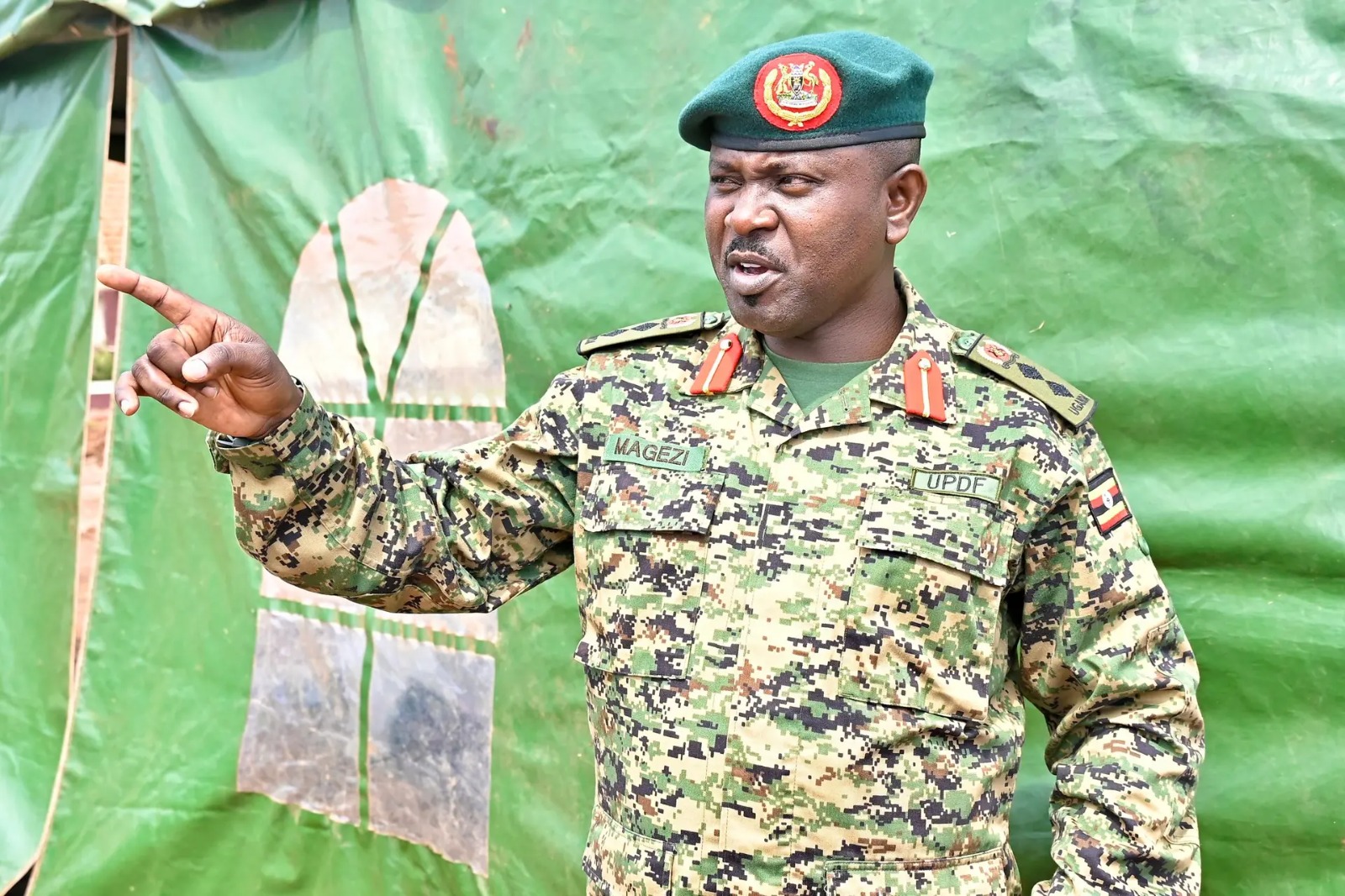
However, Col Magezi appears to communicate a different military direction when he issued an official UPDF statement announcing the withdrawal of Ugandan troops from Lubero town.
In a statement dated November 27, 2026, Magezi said the withdrawal would begin within the next two weeks, with the FARDC taking over responsibility for security.
“The Uganda People’s Defence Forces (UPDF) will soon withdraw its forces out of Lubero Town in eastern Democratic Republic of Congo, handing over its security to the Congolese armed forces FARDC,” he stated.
Magezi explains that Ugandan troops had operated in Lubero since January 2025, pursuing ADF remnants who had moved into the area following pressure from joint military operations in North Kivu and Ituri.
He added that Uganda and the DRC launched their combined military offensive in November 2021 under Operation Shujja to weaken the ADF and other armed groups threatening regional stability.
The announcement is important because it comes at a time when Muhoozi has publicly threatened to deploy Ugandan troops deeper into Congolese territory.
Whereas Mwenda is suggesting that Uganda could establish relations with the FRN and participate in regional negotiations involving the rebels, Magezi is announcing a military handover to the Congolese government.
The UPDF statement, however, only concerns Lubero. It does not announce a complete withdrawal from eastern DRC, nor does it indicate that Operation Shujja has been terminated.
It also does not explain whether the decision is connected to the recent diplomatic tensions or whether other UPDF deployments in eastern Congo will continue. Nevertheless, the announcement offers a striking contrast to the confrontational language coming from the CDF’s social media account and the political messaging from his closest associates.
Muhoozi threatens military intervention
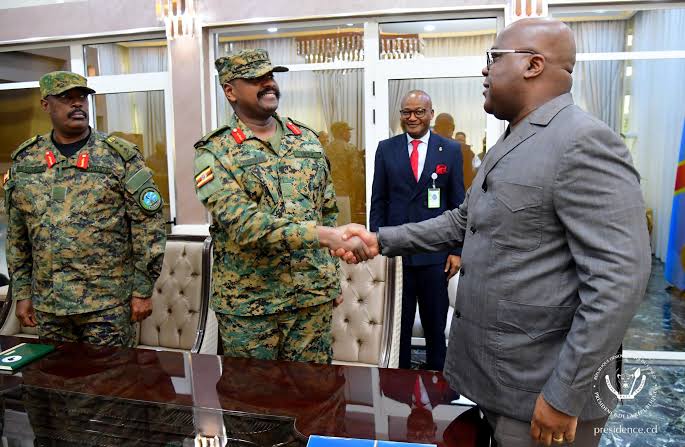
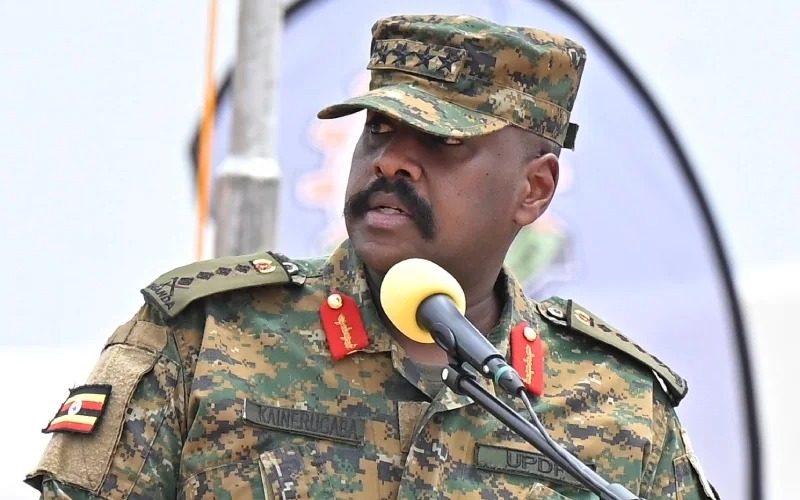
The conflicting statements come against the background of a series of inflammatory posts by Gen Muhoozi, which have placed Uganda’s relationship with the DRC under renewed diplomatic strain. The army chief has openly criticised the Congolese government’s handling of the conflict and expressed support for the FRN’s military advances.
In one of his posts, Muhoozi declared: “People called Interahamwe/FDLR have been killing my people around Walikale. That is a declaration of war. We shall hunt them down.” He also issued a direct demand concerning Isiro Airport, writing: “As UPDF we demand the immediate, unconditional surrender of Isiro Airport.”
These statements went beyond ordinary political commentary because Muhoozi was speaking as Uganda’s serving CDF, the officer responsible for the command of the country’s armed forces.
He also indicated that Ugandan troops would advance and take positions inside Congolese territory, while suggesting that the UPDF would not oppose an FRN advance towards Walikale.
The statements have raised questions about whether Uganda could become directly involved in the wider conflict between the Congolese government and the rebel movement.
Muhoozi’s position is particularly sensitive because Uganda has maintained a military presence in eastern DRC under Operation Shujja, a joint operation with FARDC that was launched in November 2021 to pursue ADF fighters.
The operation has involved Ugandan troops operating alongside Congolese forces in areas where the ADF has established bases.
The latest threats therefore risk undermining the trust underpinning the bilateral military arrangement, especially if Kinshasa interprets them as evidence that Uganda is prepared to support an armed movement fighting the Congolese government. Reports of Muhoozi’s statements have also revived concerns about Uganda’s regional military ambitions and the possibility of the country being drawn into another confrontation in the Great Lakes region.
Kinshasa summons Uganda’s diplomat
The Congolese government has not treated Muhoozi’s remarks as ordinary social media exchanges. On November 24, the DRC Ministry of Foreign Affairs summoned the head of mission of Uganda’s embassy in Kinshasa to explain the statements made by the Ugandan army chief.
The diplomatic protest was communicated by the Congolese Foreign Affairs Minister, Thérèse Kayikwamba Wagner, following what Kinshasa described as serious and concerning statements about the security situation in eastern DRC.
The Congolese government expressed its strong disapproval and demanded an explanation from Kampala.
Kinshasa emphasised the importance of mutual respect, national sovereignty and territorial integrity in relations between sovereign states.
It also requested clarification of Uganda’s official position and measures to prevent a recurrence of statements it considered provocative and potentially damaging to bilateral relations.
The DRC government reiterated its commitment to regional peace and stability but insisted that it would defend its institutions, dignity and sovereignty against what it considers interference.
The diplomatic protest puts President Yoweri Museveni’s government in a difficult position because it must reconcile the statements of its serving army chief with Uganda’s official diplomatic commitments to the DRC.
It also raises the question of whether the government in Kampala fully endorses Muhoozi’s public position or whether his statements represent personal political and military views.
The fact that Kinshasa summoned Uganda’s diplomatic representative demonstrates that the dispute has moved beyond social media exchanges and entered formal diplomatic channels.
The announcement of the Lubero withdrawal by Magezi could therefore be interpreted as an effort to emphasise the existing military cooperation between the two countries, although the UPDF has not said that the decision was prompted by the diplomatic row.
Bar Aviation controversy adds another dimension
The emerging diplomatic and military tensions are further complicated by the controversy surrounding a Ugandan-linked aircraft reportedly shot down near Minembwe in South Kivu on November 22. The aircraft, identified in reports as a Cessna 208B Grand Caravan, registration T9-TRB, was reportedly brought down by FRN fighters while operating in the area.
The rebel movement, through its spokesperson Lawrence Kanyuka, claimed that the aircraft was preparing to attack civilian populations when it was intercepted.
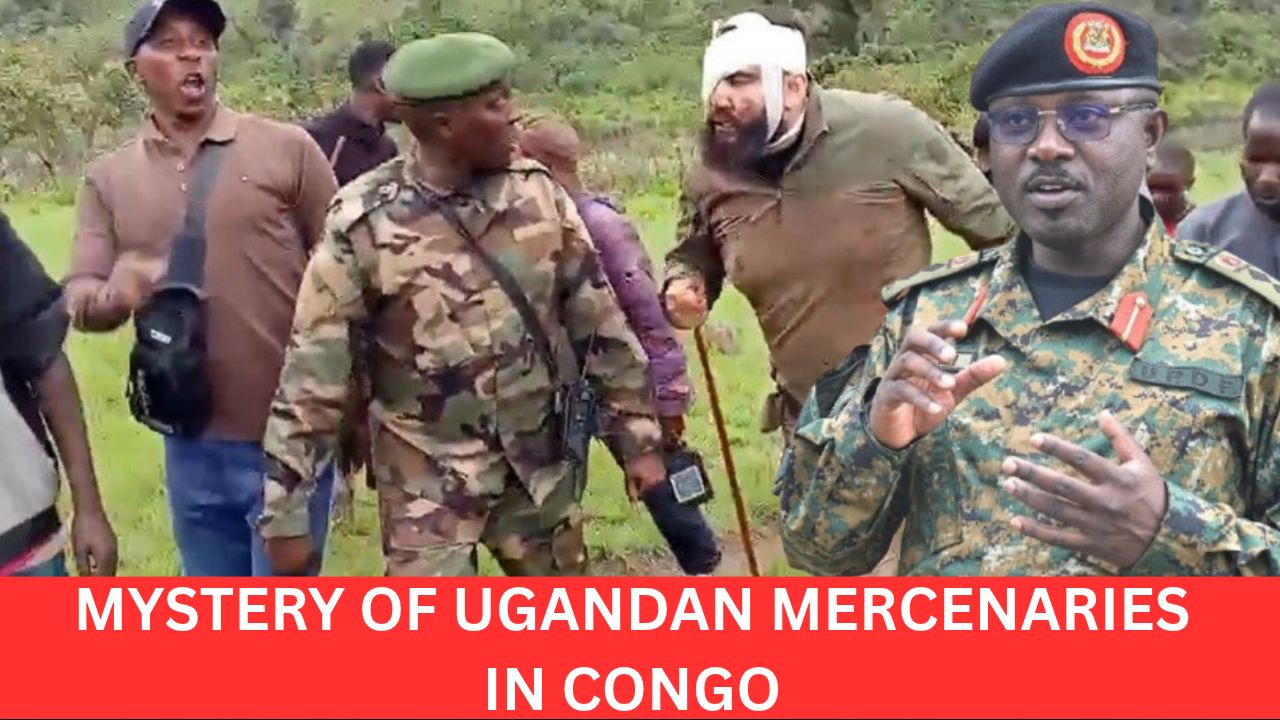
The FRN reported that two of the four occupants died, while two foreign nationals survived. One of the reported survivors was identified as Ugandan national Jordan Mugalya, while the other was identified as South African national Alexander Villette.
The Congolese military separately reported losing communication with a Cessna 208 cargo aircraft flying between Beni and Kalemie, initially attributing the incident to bad weather.
It remains unclear whether the aircraft described in the FARDC statement is conclusively the same one the FRN claimed to have shot down. The rebel group’s account of the circumstances surrounding the incident has also not been independently established.
The incident has nevertheless attracted considerable attention in Uganda because of allegations linking the aircraft to Bar Aviation, a Ugandan aviation company based at Kajjansi, and the alleged involvement of Ugandan security personnel in the operation.
Bar Aviation has also featured in allegations concerning its connections to powerful figures within Uganda’s security and political establishment, including Muhoozi and people close to the First Family.
The company’s alleged ultimate owner, Israeli national Barak Orland, has previously been the subject of investigative reporting examining his business relationships and alleged connections to Uganda’s military establishment.
Some accounts have suggested that the company’s business interests extended into military aviation and the supply of equipment to security agencies.
These allegations have not been independently established as proof that Bar Aviation owned or operated the aircraft brought down near Minembwe. Neither has the company’s alleged relationship with Muhoozi been established as evidence of his involvement in the aircraft’s mission.
The controversy is particularly sensitive because Muhoozi himself moved to distance the UPDF from the aircraft after the incident.
In a statement shared by Col Magezi, the CDF declared: “UPDF had nothing to do with the aircraft that was shot down in Minembwe. We have penalized that company.”
However, he did not identify the company, explain the nature of the penalty or publicly detail the contractual arrangements surrounding the aircraft. The statement raised further questions about the identity of the company, the circumstances under which Ugandan personnel were reportedly deployed and whether private aviation operators were involved in military operations in eastern Congo.
The alleged Ugandan survivor was captured on video telling his interrogators that he had been sent by his government. His military status and account have not been independently verified, and the circumstances under which he made the statements remain unclear.
The aircraft controversy has therefore added another layer to the questions surrounding Uganda’s involvement in the DRC conflict, particularly at a time when Muhoozi is publicly threatening military intervention while his spokesperson is announcing a withdrawal from Lubero.
 Is Kampala playing a double game?
The contradictory messages from Mwenda and Magezi have generated speculation about whether Uganda could be pursuing a dual-track strategy in eastern Congo.
One possible interpretation is that Kampala wants to maintain its military relationship with the Congolese government in the fight against the ADF while simultaneously opening political channels with the FRN, which has gained considerable territory and influence in eastern Congo.
Such an approach would allow Uganda to maintain relations with Kinshasa while positioning itself to engage whoever ultimately controls territory in the troubled region.
However, there is no publicly established evidence that Uganda has entered into a secret military arrangement with the FRN or that the Lubero withdrawal is part of a coordinated plan to facilitate the rebels.
Political observers have also raised the possibility that the conflicting communications could be intended to confuse regional and international observers as Uganda navigates pressure over Muhoozi’s threats. The theory draws comparisons with the events surrounding the 1985–1986 transition of power in Uganda.
During the bush war, the National Resistance Army (NRA) maintained military pressure against the government of Gen Tito Okello even as peace negotiations were conducted in Nairobi. The talks ultimately failed to prevent the NRA from advancing on Kampala and taking power in January 1986.
Those historical events are sometimes invoked by commentators to suggest that public diplomatic engagement and military intentions do not always move in the same direction. But there is no evidence that the current situation in eastern Congo is following the same script.
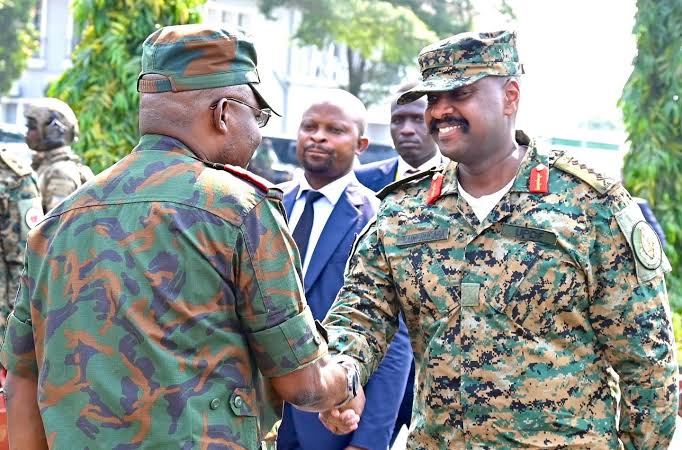
What is clear is that Uganda’s position is becoming increasingly complicated. On one hand, Muhoozi is issuing threats that have provoked an official diplomatic protest from Kinshasa. On the other, Mwenda is suggesting that Uganda could recognise and engage a rebel movement fighting the same government with which the UPDF has maintained a joint military operation.
Magezi’s announcement of a withdrawal from Lubero introduces yet another dimension, with Uganda preparing to hand over a strategic town to the FARDC.
Museveni faces a delicate regional balancing act
The developments place President Museveni at the centre of a potentially damaging diplomatic and security dilemma.
Uganda has invested heavily in its military relationship with the DRC, particularly through Operation Shujja, which was designed to eliminate the ADF threat along the two countries’ shared security frontier.
The operation has also provided Uganda with an opportunity to project military influence into eastern Congo, a region of strategic importance because of its proximity to Uganda and its mineral resources.
But Muhoozi’s public threats against the Congolese government risk complicating that relationship and potentially undermining the joint military framework.
The possibility of Uganda engaging the FRN also carries regional implications, given the involvement of other countries and the competing interests surrounding the conflict.
Mwenda’s intervention is especially significant because of his position within Muhoozi’s political organisation. His suggestion that Kampala is reconsidering its relationship with Kinshasa is unlikely to be dismissed as ordinary political commentary, even though he has not produced evidence of a formal government decision.
Similarly, Magezi’s position as the UPDF’s acting director of defence public information makes his statement an official military communication rather than a personal opinion. The two men are therefore communicating from different but influential positions within the CDF’s political and military establishment.
For now, the biggest unanswered question is whether Uganda intends to remain a military partner of the Congolese government, withdraw from selected areas and pursue a political relationship with the FRN, or eventually become directly involved in the wider conflict.
With Bar Aviation’s alleged links to the aircraft controversy still unresolved, Muhoozi’s threats attracting diplomatic protests and his two closest associates communicating seemingly different military messages, Kampala faces growing pressure to clarify its intentions in eastern Congo.
The next two weeks, when the UPDF is expected to begin withdrawing from Lubero, could provide the first indication of whether Magezi’s announcement represents a limited military handover or part of a wider reassessment of Uganda’s presence in the DRC.
Author Profile
- Charles Gazza Kodili is a seasoned journalist with over 20 years of experience in the media industry. He holds a Bachelor of Arts degree in Mass Communication. He’s currently the Chief Editor at the Investigator.
Charles can also be reached via; Tel: +256 774 108978
Email: [email protected]
Latest entries
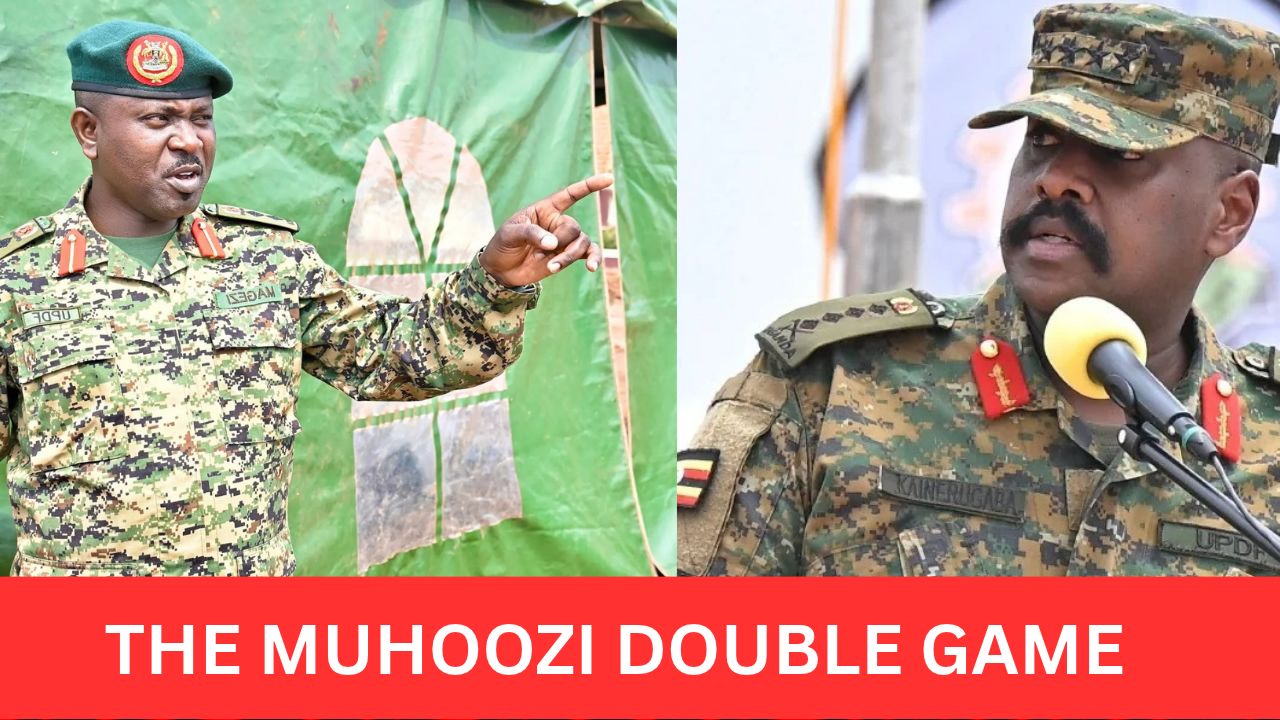 FeaturedNovember 27, 2026WITHDRAWING TROOPS OR PREPARING FOR WAR? INSIDE KAMPALA’S CONGO CONTRADICTIONS! Muhoozi’s Conflicting Messages as Mwenda Signals Rebel Alliance and Magezi Announces Troops Withdrawal
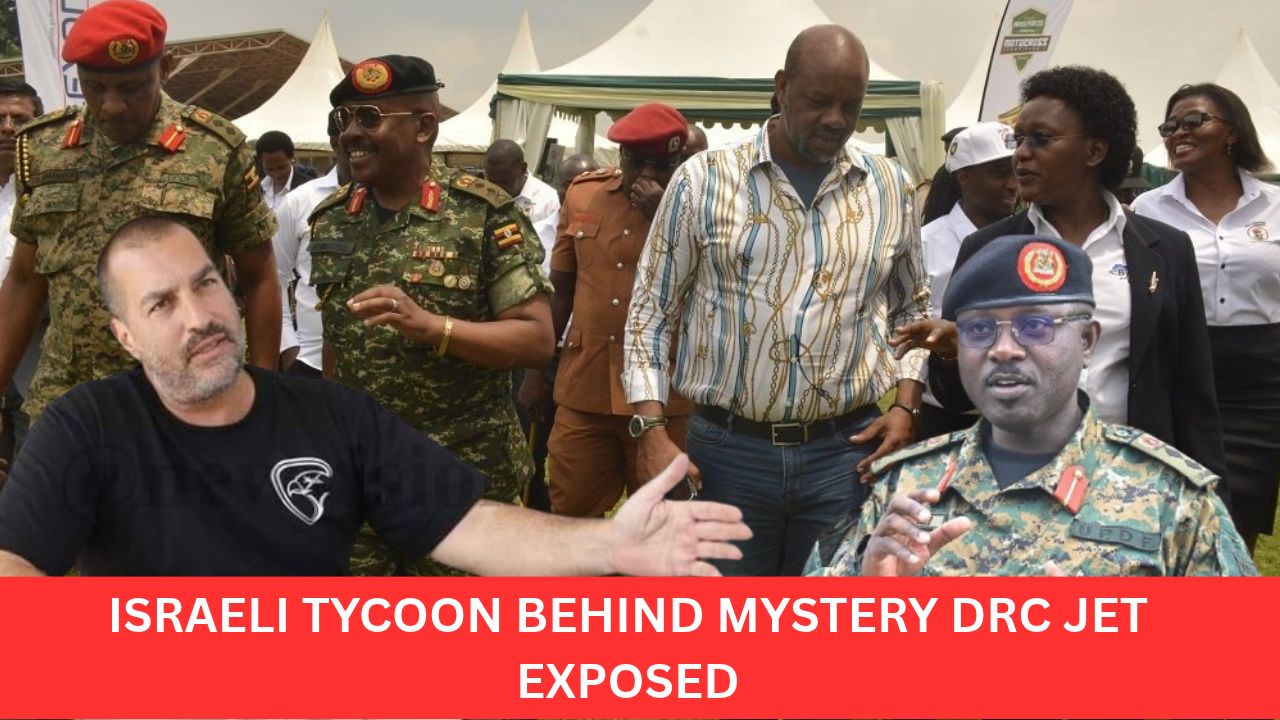 FeaturedNovember 26, 2026THE MAN BEHIND THE CONGO CRASH JET REVEALED: Inside Barak Orland’s Secretive Business Empire, The Israeli Businessman Who Has Reportedly Spent More Than 30 Years In Uganda Emerges As The Alleged Ultimate Owner Of Bar Aviation, With Links To Motorsport, The First Family, Military Supplies And Police Contracts
 FeaturedNovember 25, 2026INSIDE THE OTAFIIRE-MUHOOZI WAR: Otafiire Challenges The CDF’s Politics Of “Me And I” After Months Of Confrontations Over Muhoozi’s 2031 Ambitions, Military Credentials And The Future Of The NRM
 FeaturedNovember 25, 2026OCHEN, MOSES: TWO UGANDANS IDENTIFIED IN M23 PLANE SHOOT-DOWN: One Family Is Mourning A Pilot Whose Father Also Died In An Aircraft Crash, While Another Is Desperately Waiting For The Remains Of Moses, Who Reportedly Told Relatives He Had Gone To Work In Burundi