





















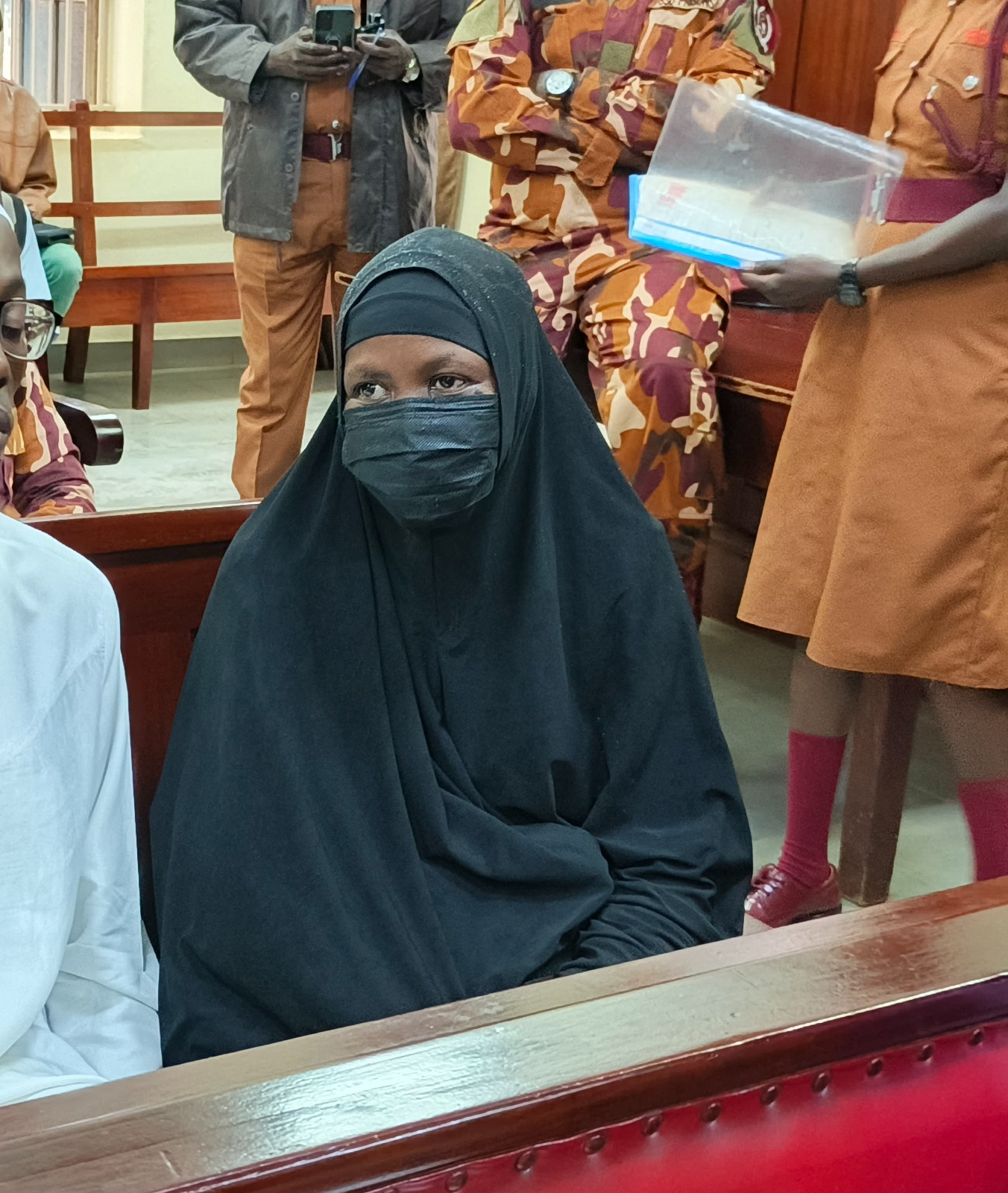
Justice has finally caught up with the people behind one of Uganda’s most chilling kidnapping and murder cases after the High Court sentenced Hajarah Nakandi and Abas Musa to death for their roles in the 2018 kidnap and murder of businesswoman Susan Magara.
The court also handed life imprisonment to seven other convicts after finding them guilty of participating in the kidnapping and murder conspiracy that ended with Magara’s brutal killing despite her family paying a substantial ransom in the hope of securing her freedom.
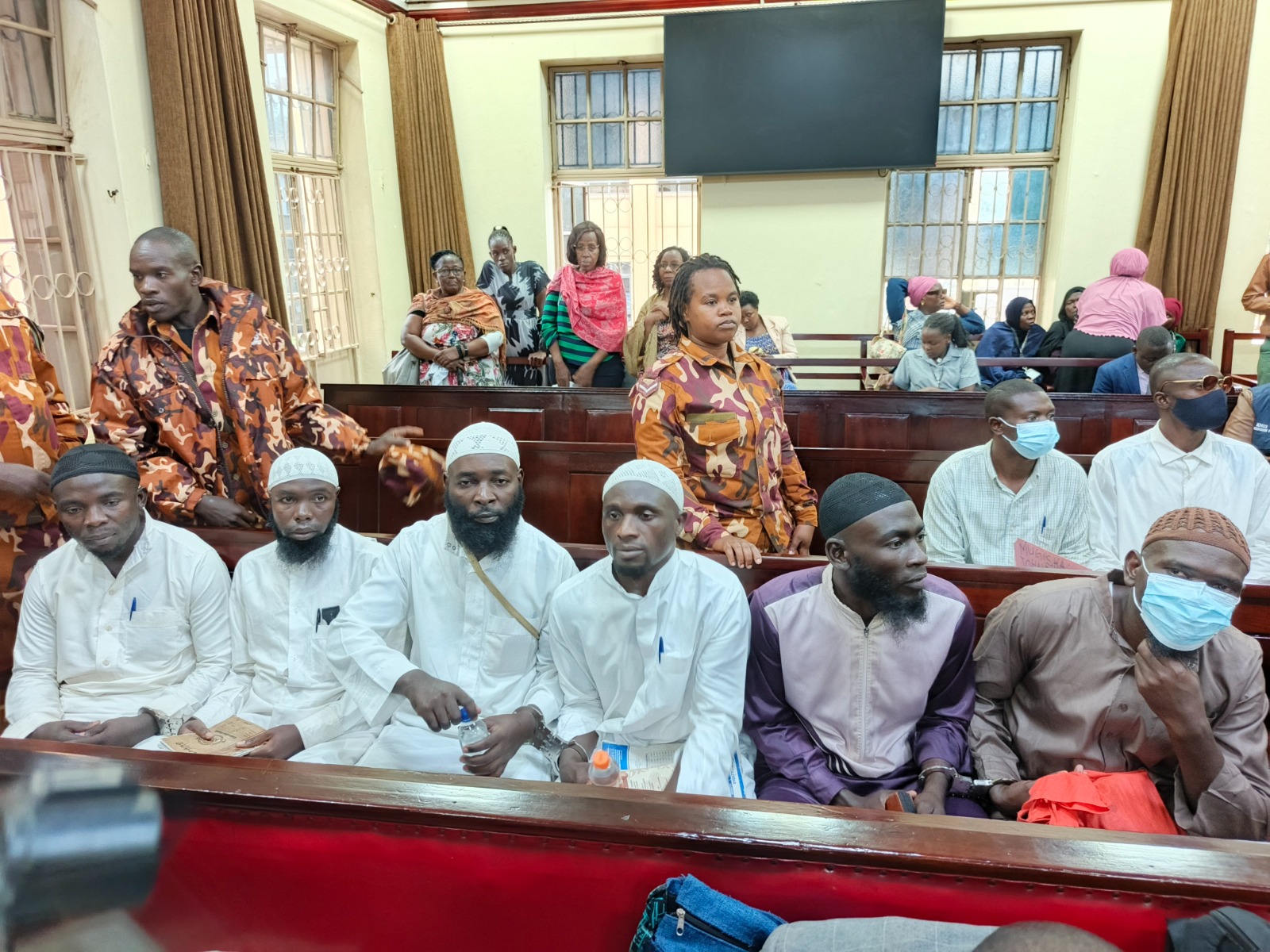
The judgment marks the culmination of a lengthy trial that has spanned years and brought to light the operations of a sophisticated kidnapping syndicate whose actions horrified the nation and prompted major reforms in Uganda’s security architecture.
Delivering the judgment, the trial judge held that the prosecution had proved beyond reasonable doubt that Nakandi and Musa played central roles in Magara’s abduction and murder, warranting the maximum punishment prescribed under the law.
The court described the crime as premeditated, cruel and driven by greed, noting that the kidnappers continued to extort money from the victim’s family even after deciding to end her life.
The judge further observed that the case demonstrated a complete disregard for human dignity and that severe punishment was necessary both to deliver justice to the victim’s family and to deter similar crimes.

Susan Magara, a cashier and administrator at her family’s business, was kidnapped on February 7, 2018, after armed assailants intercepted her vehicle in Kampala. Her captors later demanded a huge ransom, and although her family reportedly paid hundreds of millions of shillings, she was never released alive.
Her body was recovered weeks later in Kitiko, along Entebbe Road, with investigators concluding that she had been strangled.
The murder sparked nationwide outrage and became one of Uganda’s most notorious kidnapping cases, exposing the growing threat posed by organized criminal gangs targeting wealthy individuals for ransom.
The convictions of Nakandi, Musa and their accomplices followed years of investigations involving forensic evidence, mobile phone analysis, financial transactions and witness testimony that linked the accused to the planning and execution of the kidnapping.
The High Court’s decision is expected to bring some measure of closure to Magara’s family, who have spent more than eight years seeking justice for their daughter.
While the death sentences imposed on Nakandi and Musa represent the harshest punishment under Ugandan law, the seven life sentences underscore the court’s finding that every member of the criminal enterprise bore responsibility for the tragic outcome.
The judgment also sends a strong warning that kidnapping for ransom remains one of the gravest offences under Ugandan law and that those convicted of such crimes will face the full force of the justice system.
Complex Investigations
The murder triggered one of the country’s most intensive criminal investigations. Security agencies, led by the Criminal Investigations Directorate (CID), spent months piecing together evidence using forensic analysis, telecommunications data, surveillance footage and witness testimony.

Investigators traced ransom phone calls, recovered communication records and established movements of the suspects before and after the kidnapping.
The prosecution told court that the evidence formed an unbroken chain linking the accused to the planning, execution and cover-up of the crime.
State prosecutors argued that the kidnapping was not spontaneous but part of a carefully coordinated criminal enterprise whose objective was to extort money before eliminating the victim. Throughout the lengthy trial, numerous witnesses testified about the planning of the abduction, ransom negotiations and the recovery of Magara’s body.
Family Finally Gets Closure
Although no sentence can restore Susan Magara’s life, the judgment offers a measure of closure to a family that has endured years of grief and court proceedings.
For years, relatives attended court hearings while hoping those responsible would eventually be held accountable. Legal observers noted that the conviction demonstrates the importance of painstaking investigations in handling complex kidnapping cases involving multiple suspects and extensive forensic evidence. The ruling also sends a strong warning that perpetrators of violent crimes cannot evade justice indefinitely.
Security Lessons
Magara’s murder became a turning point for Uganda’s security agencies. The case exposed weaknesses in surveillance systems, emergency response mechanisms and the ability of police to quickly track organized criminal networks.
Following the murder, government accelerated the installation of Closed Circuit Television (CCTV) cameras across Kampala and major highways. Authorities also expanded digital vehicle registration systems, strengthened forensic capabilities and increased monitoring of telecommunications used in criminal investigations.
Police argued that many of the technological investments made after 2018 have significantly improved their ability to solve serious crimes. Security experts have since credited integrated surveillance systems with helping investigators crack numerous kidnappings, robberies and murders.
Rise of Kidnapping Cases
At the time of Magara’s murder, Uganda was experiencing a worrying rise in kidnappings targeting businesspeople, professionals and children. The criminals often demanded huge sums of money while using disposable mobile phones and rented vehicles to conceal their identities.
Several victims were rescued after police operations, while others tragically lost their lives even after ransom payments. The Magara case became the most prominent example of the growing threat, prompting both public fear and political pressure for decisive government action.
Security agencies subsequently dismantled several kidnapping rings and arrested dozens of suspects linked to similar crimes.
Significance of the Judgment
Legal analysts say the death sentences underscore the gravity with which courts continue to treat aggravated murder involving kidnapping for ransom.
The judgment reinforces the principle that crimes involving calculated abduction, extortion and intentional killing attract the highest penalties available under Ugandan law.
Although Uganda has maintained a moratorium on carrying out executions for many years, courts continue to impose death sentences in capital offences as provided for under the law, with many later commuted to life imprisonment after prolonged periods on death row or through the exercise of the prerogative of mercy.
The ruling therefore represents both legal accountability and a powerful denunciation of violent organized crime.
Legacy of the Susan Magara Case
Even years after her death, Susan Magara’s name remains synonymous with one of Uganda’s darkest criminal episodes. Her murder transformed the national conversation on urban security, surveillance technology and organized crime.
The investigation reshaped policing strategies, accelerated investments in forensic science and strengthened cooperation between intelligence agencies in tackling sophisticated criminal networks. For many Ugandans, the High Court’s judgment marks the end of a painful chapter that began with hope for a safe return but ended in tragedy.
While nothing can erase the suffering endured by Susan Magara and her family, the convictions affirm that persistent investigations and due process can eventually deliver justice.
As the convicted killers begin their sentences, the case stands as a lasting reminder that kidnapping for ransom remains among the gravest offences under Ugandan law and that those who choose such crimes risk the most severe punishment available in the country’s justice system.
Author Profile

- Charles Gazza Kodili is a seasoned journalist with over 20 years of experience in the media industry. He holds a Bachelor of Arts degree in Mass Communication. He’s currently the Chief Editor at the Investigator.
Charles can also be reached via; Tel: +256 774 108978
Email: [email protected]
Latest entries
 FeaturedOctober 10, 2026MUHOOZI UNDER FIRE OVER DEATH THREATS New York Times article puts Muhoozi’s human rights record under fresh scrutiny as UPDF cries foul
 FeaturedOctober 9, 2026UGANDA ECONOMY TO HIT $73.96B: President Museveni Cites Decades Of Economic Growth As He Receives A Top National Honour During The 64th Independence Anniversary Celebrations At State House, Entebbe
 FeaturedOctober 9, 2026KABALEGA: THE KING WHO FOUGHT THE BRITISH: From Battles Against Sir Samuel Baker To Uganda’s Independence In 1962, The Bunyoro King Became A Symbol Of Resistance Against Foreign Domination
 FeaturedOctober 8, 2026UGANDA AT 64: From Obote Receiving the Instruments of Power in 1962 to Museveni Receiving a National Medal in 2026, Uganda’s Independence Story Remains Unfinished. We Journey With You the Thorney 6+ Decades of Uhuru