


















The Electoral Commission has ordered fresh elections for Local Council I chairpersons in villages and cells where the results of the July 28 polls could not be conclusively established, with the first batch of reruns scheduled for October 15 and 19. The Commission said the repeat elections are intended to resolve disputes and irregularities that prevented it from ascertaining, declaring and publishing the results in accordance with the law.
In a statement issued on Wednesday, Electoral Commission chairman Justice Simon Byabakama Mugenyi said the Commission had completed the determination of a number of complaints arising from the LC1 elections and had consequently taken decisions to repeat elections in the affected areas.
“After the conclusion of the said elections, the Electoral Commission received several complaints challenging the results declared in some villages/cells in various parts of the country,” Byabakama said. He said the Commission was acting under Article 61(1)(d) of the Constitution, which gives it the mandate to ascertain and declare election results.
Two dates for reruns
According to the Commission’s official list, the first batch covers dozens of villages and cells across different parts of the country. The elections will be held on Thursday, October 15, and Monday, October 19, 2026. The Commission said further batches would be announced after more complaints are determined. The affected areas include parts of Kampala, Wakiso, Mukono, Lwengo, Kayunga, Kagadi, Iganga, Mayuge, Jinja City, Lira City, Isingiro and Buikwe.
The Commission’s published list includes Kanyamunyu in Kagadi, Kirindi in Kayunga, several villages in Lwengo and a large number of villages and cells in Kampala and Wakiso. In Kampala, repeat elections are scheduled for areas including Kiyindi, Nkrumah, Kasaato, Mugalu, Lugoba, Nalwewuba, Soweto, Kakungulu, Ssembalanga, Diplomat, Katabira, Lusaze and Mbaawo.
Wakiso accounts for another large block of the affected areas, including Bulaga, Lugeye, Abayita Ababiri, Kitende A, Bulamu Deputy, Luteete A, Buwambo, Kabuuma, Kibiri A, Kasokoso, Nakiyesanja, Masajja-Kibira B, Ndikuttamadda, Bongole and Nakuwadde. Other affected areas include Buseyi B and Nampirika A in Iganga, Kiloowa in Jinja, Wankonge in Mayuge, Kaitabawala in Jinja City, Ogengo in Lira City and Kakyeka in Isingiro.
The EC’s published document, however, currently lists 53 administrative units, despite the broader announcement referring to 54 villages. The Commission may therefore have made a subsequent adjustment or one entry may be missing from the published list.
What went wrong?
The decision to conduct fresh elections comes after the July 28 nationwide LC1 elections, which were conducted in more than 71,000 villages. The polls were largely completed successfully, but the Commission earlier reported that voting could not take place or could not be completed in 1,135 villages. Byabakama attributed the disruptions to several factors, including interference, chaos and violence, destruction of election materials, tied results, disputes over voters’ registers and the death of nominated candidates.
In some places, voters whose names were not on the Village Residents Register presented national identity cards and demanded to vote. When they were turned away, the Commission said some of them disrupted the polling process. The latest reruns, however, are not limited to places where polling completely failed. They also involve areas where the Commission subsequently received complaints and was unable to ascertain the declared results.
Contestants demand justice
Some of the contestants affected by the disputed elections had complained of irregularities shortly after the July polls. In Abayita Ababiri, Wakiso, former LC1 chairperson Abbey Ssebowa challenged the manner in which the vote was counted and later welcomed scrutiny of the election. Ssebowa claimed that polling officials abandoned the physical counting of people lined up behind candidates and instead used entry slips to determine the result.
“We had three lines of people behind me while my opponent had only one line. We patiently waited for more than 20 minutes to be counted in line to no avail,” Ssebowa said after the July election. He alleged that officials subsequently collected the entry slips used by residents to access the polling area. “Losing an election is normal, but subverting the law is unacceptable,” Ssebowa said.
His allegations could not independently be verified at the time, but Abayita Ababiri has now been placed on the Commission’s official list for the October 15 repeat election. Another contestant, John Chrysestom Luboobi, a former chairperson of Nkumba–Bufulu village, also alleged interference during the July election. He claimed that non-residents were brought into the area to influence the vote.
In another affected contest, Stanley Nsubuga, the former chairperson of Kabale A, Tadeo Zone, claimed that officials failed to record the results he said he obtained on the official declaration form. Nsubuga said he had received 261 votes while his rivals Bosco and Balak Jjingo received 161 and 42 votes respectively. “We were very peaceful until the army came in and started disrupting voters,” he alleged.
The Electoral Commission did not endorse the allegations. At the time, EC spokesperson Julius Mucunguzi urged aggrieved candidates to use the formal complaints process. “It is within the rights of anybody—whether a voter or a candidate—if they have reason to believe that whatever was done was not consistent with the law, to raise that complaint formally in writing to the commission,” Mucunguzi said.
Byabakama warns candidates
Byabakama has now urged candidates, voters and other stakeholders in the affected villages to prepare for the fresh elections and respect the electoral laws. “The Electoral Commission calls upon all stakeholders, including candidates, voters and other interested parties in the affected villages/cells, to take note of these arrangements and comply with the applicable electoral laws and guidelines,” he said.
The chairman said the Commission would continue handling complaints from other villages and communicate its decisions as they are made. He also stressed that where the Commission had already examined a complaint and upheld the original election outcome, the decision had been communicated to the relevant parties and returning officers. The reruns are therefore not a general reopening of all LC1 elections, but a targeted intervention in villages where the Commission says the electoral outcome could not be lawfully established.
Open voting remains
The rerun elections will follow the same LC1 voting system used during the July polls. Unlike presidential and parliamentary elections, LC1 chairpersons are elected through the lining-up method, in which voters physically position themselves behind their preferred candidates or their representatives. The Commission had earlier reminded stakeholders that polling at village level is conducted in a public or open place, with voters lining up behind nominated candidates, their representatives, portraits or symbols, in accordance with the Local Governments Act.
This method has repeatedly generated disputes because candidates and their supporters can see where voters have lined up. The October reruns will therefore be closely watched, particularly in Kampala and Wakiso, where several of the disputed elections have attracted complaints. For residents in the affected villages, the repeat polls provide another opportunity to choose their local leaders and give the Commission an opportunity to produce results that can withstand scrutiny.
For the EC, the challenge will be to ensure that the second round is conducted peacefully, transparently and strictly according to the law. The Commission said subsequent repeat elections would be announced after it concludes consideration of the remaining complaints.
Author Profile
- Mr. Stephen Kasozi Muwambi is a seasoned crime investigative writer, majoring in judicial-based stories. His two decades’ experience as a senior investigative journalist has made him one of the best to reckon on in Uganda. He can also be reached via [email protected]
Latest entries
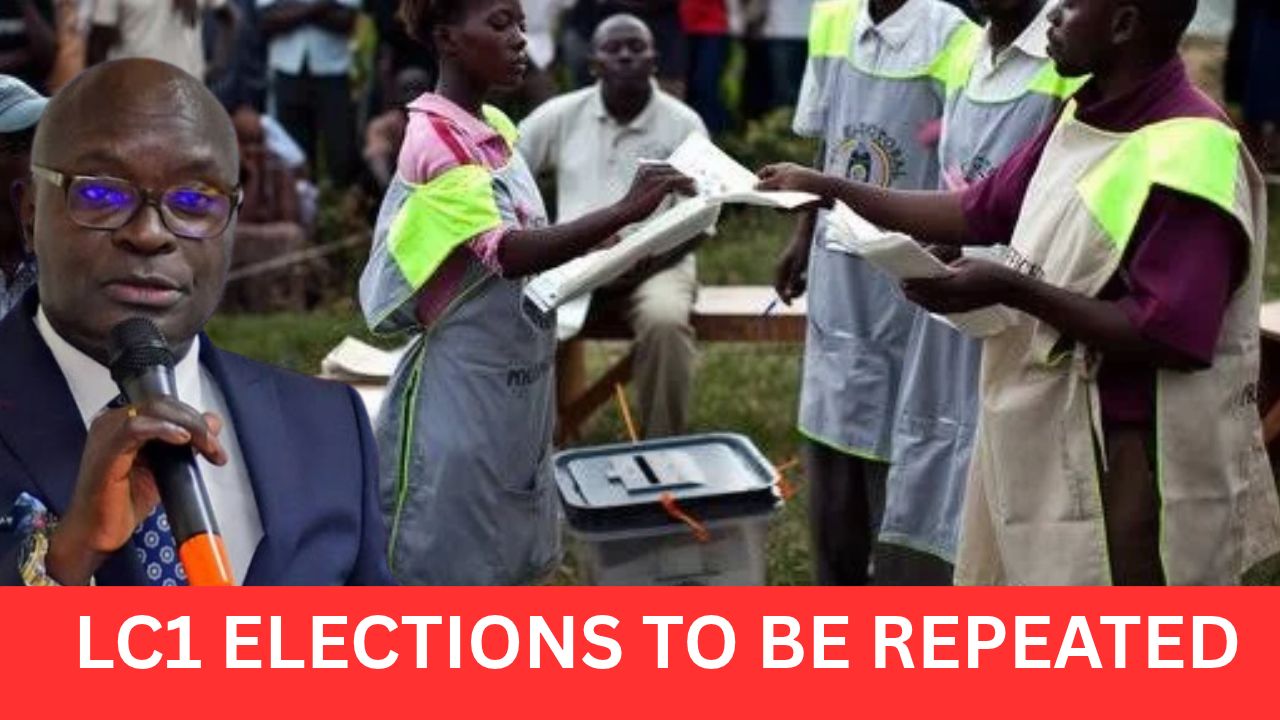 FeaturedOctober 8, 2026INTO WHY EC ORDERED FRESH LC1 POLLS IN 54 VILLAGES: Justice Simon Byabakama Cites Complaints, Disputed Results and Irregularities as the Commission Orders for Fresh Voting in the Affected Villages
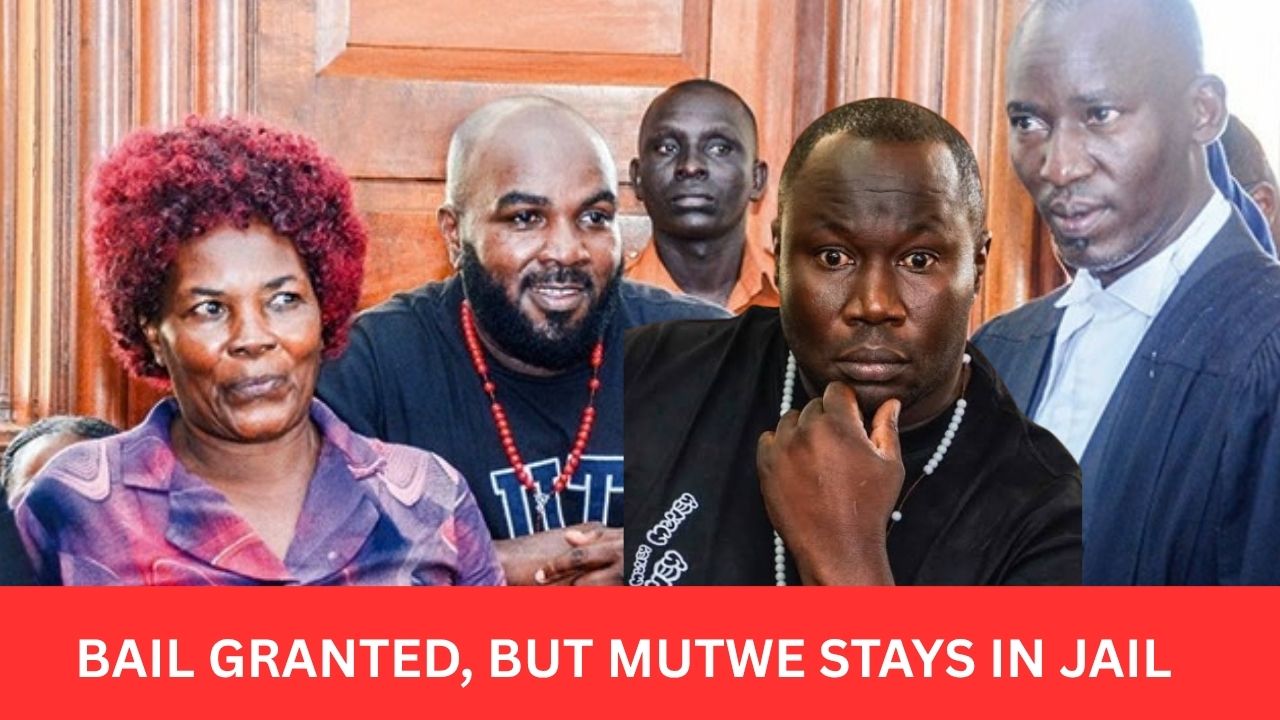 FeaturedOctober 7, 2026EDDIE MUTWE WINS BAIL, BUT REMAINS IN LUZIRA: Bobi Wine’s NUP Bodyguard’s Freedom Blocked By Second Case As Court Orders Sh5m Cash Bail And Sh50m Surety Bond
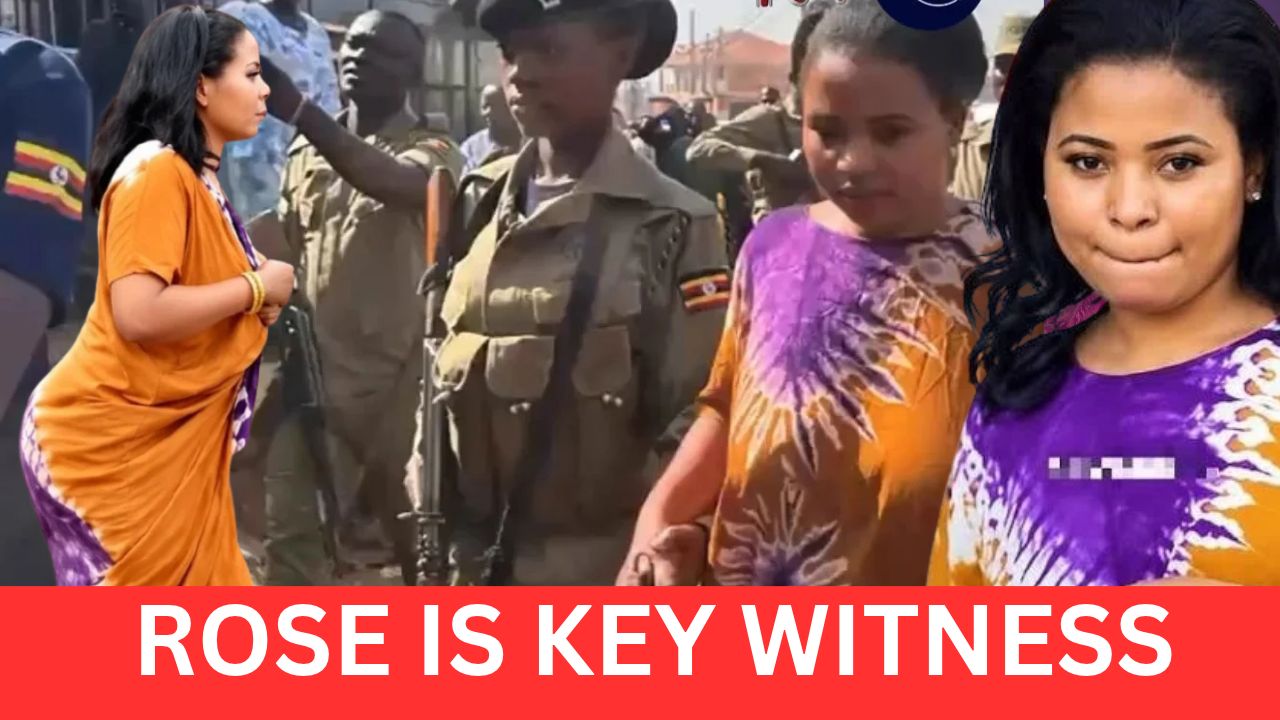 FeaturedOctober 6, 2026WITNESS, NOT SUSPECT: In A Dramatic Twist, The DPP Has Cleared Mose Matovu’s Female Companion Of Prosecution. Investigators Will Now Rely On Tumusiime’s Testimony As The State Tightens Its Case Against Nsamba
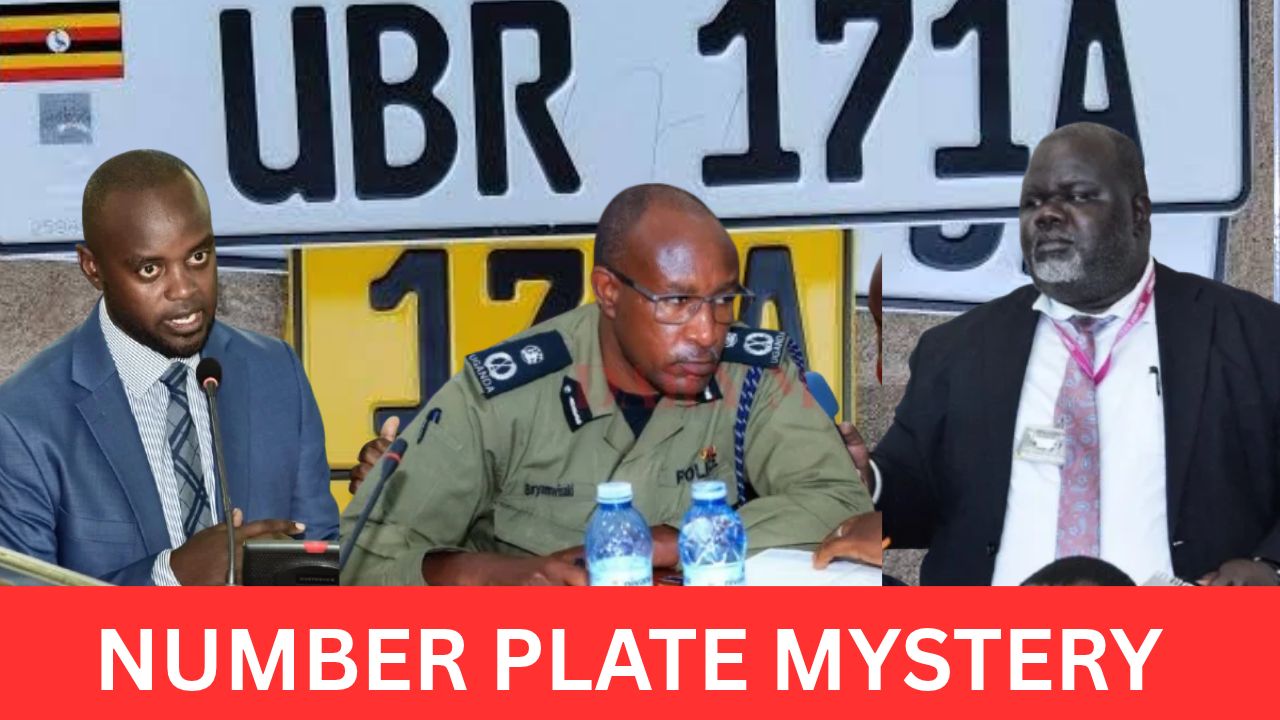 FeaturedOctober 5, 2026INSIDE THE DIGITAL PLATES SCANDAL: Why Angry MPs Sent Ministry Officials To Coolers As Investigations Closes In On A Top Minister Whose Arrest Is Imminent