










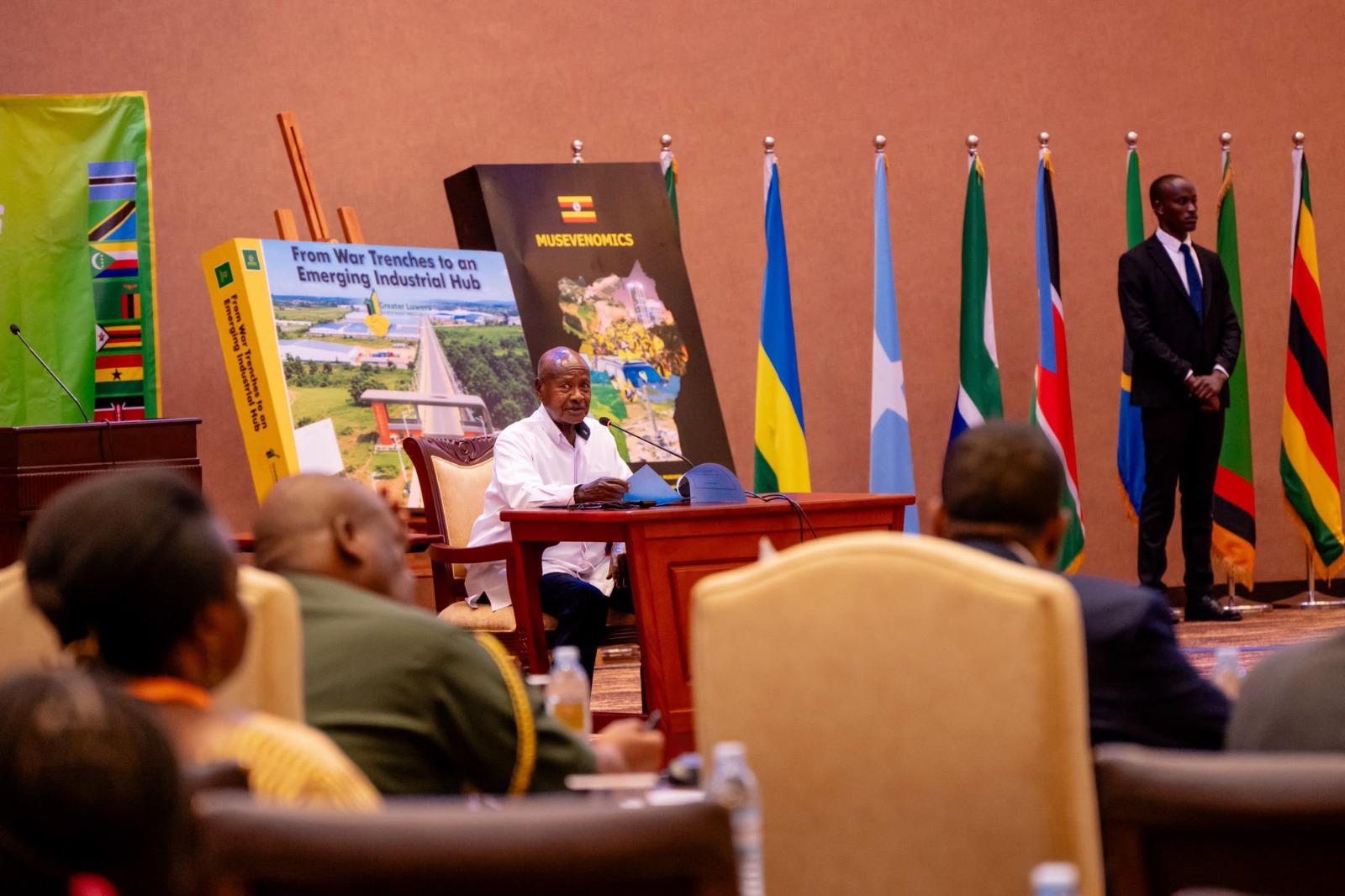
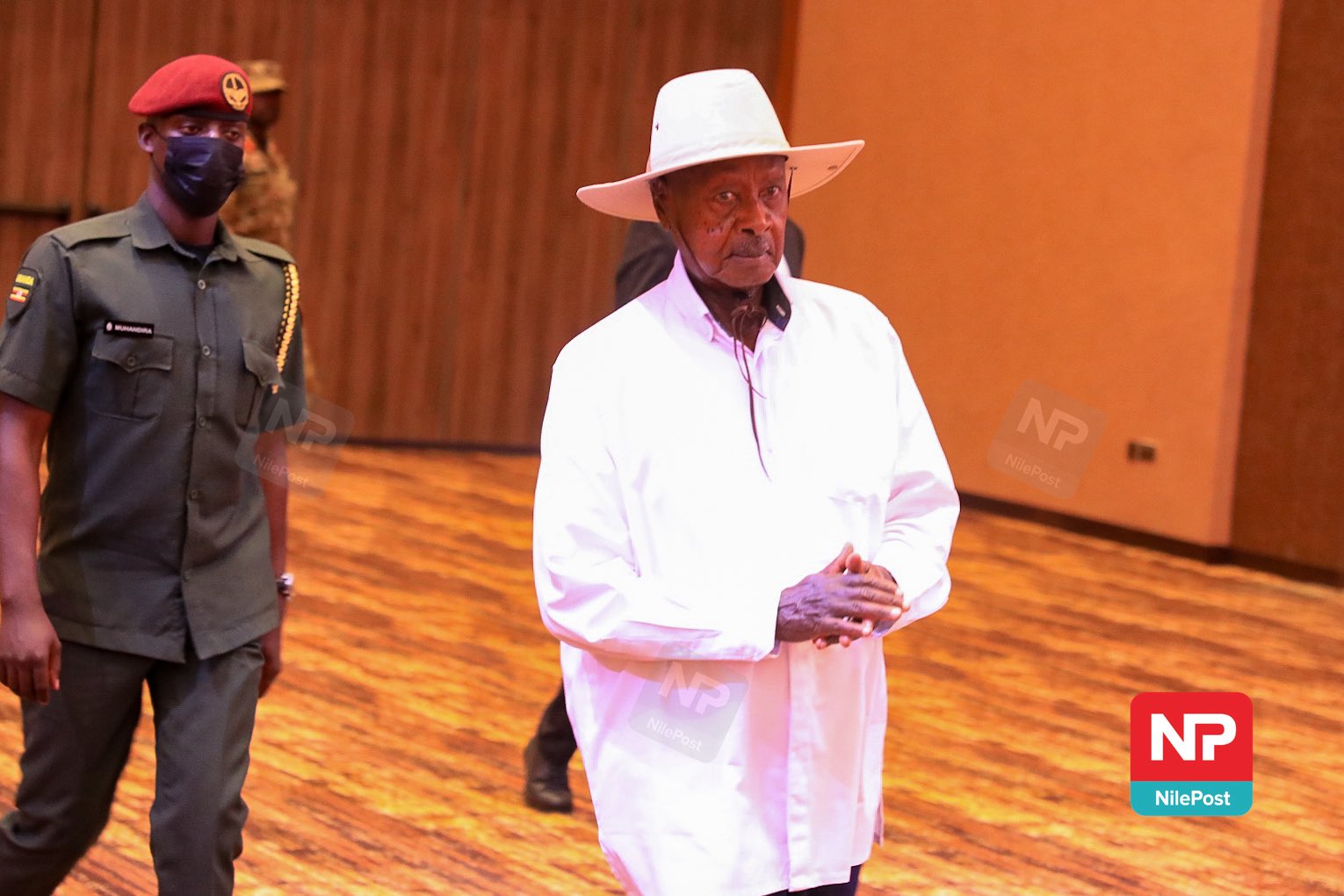
President Yoweri Museveni has challenged African defence chiefs to rethink the traditional role of the military, saying security on the continent can no longer be separated from economic strength, political stability and regional cooperation. Museveni made the call while closing the inaugural Conference of African Chiefs of Defence Forces on Military Operations Other Than War (MOOTW) at Speke Resort Munyonyo in Kampala.
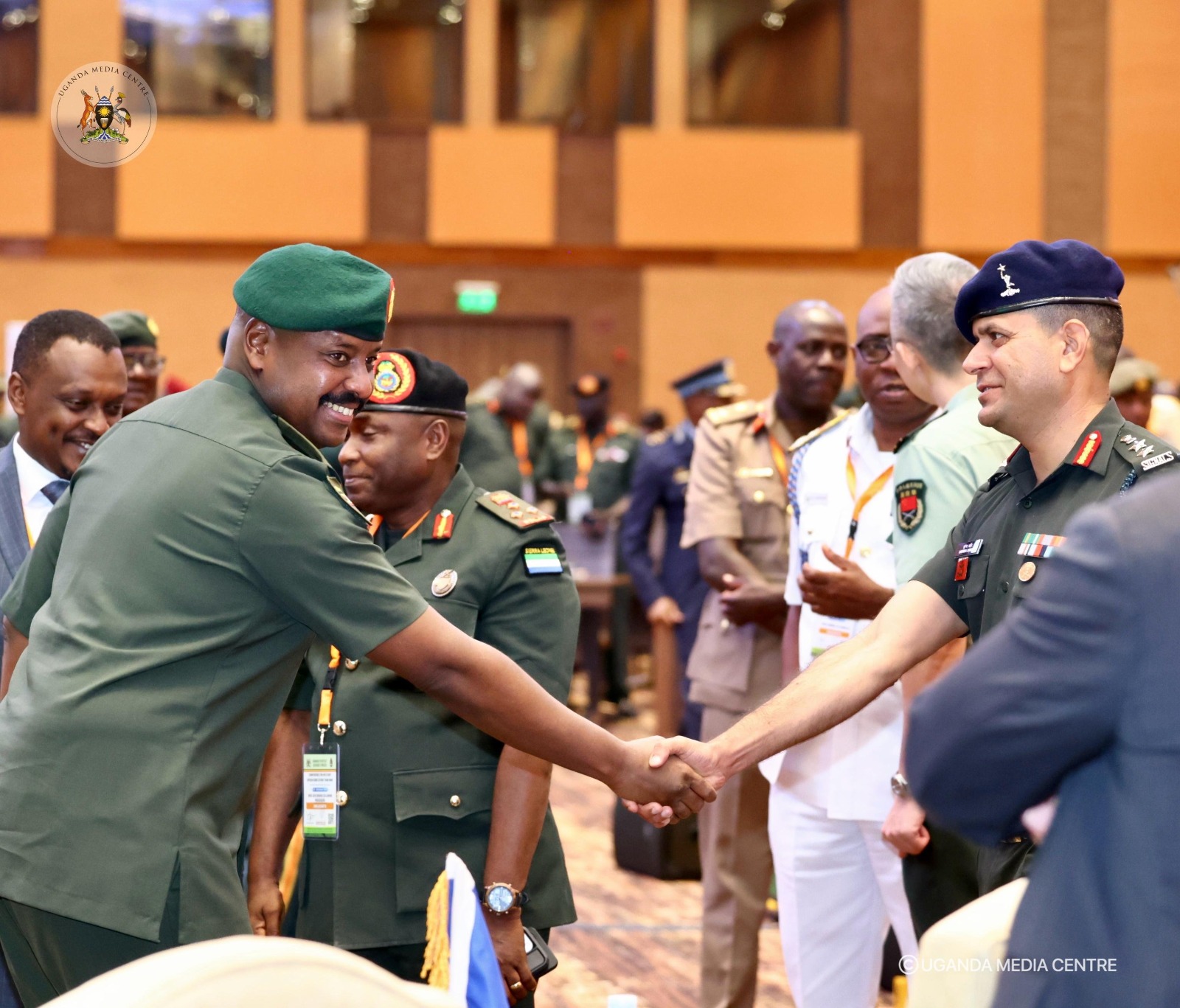
The four-day conference, which ran from October 5 to 8, brought together defence chiefs and senior military leaders from across Africa, as well as representatives of the African Union, regional security organisations and commanders of United Nations and African Union peace support missions.
 The meeting was convened against the backdrop of a rapidly changing security environment in which African militaries are increasingly being called upon to respond to threats that do not necessarily involve conventional warfare. These include terrorism, organised crime, cyber warfare, climate-related emergencies, pandemics, natural disasters, border insecurity, piracy, attacks on critical infrastructure and the growing use of artificial intelligence and unmanned systems.
Security and economy
Museveni told the defence leaders that military strength must be supported by a strong economy and a stable political environment. “A country cannot have a strong and safe defence force without a strong economy,” he said. He urged African countries to concentrate on wealth creation through commercial agriculture, industry, services and information and communication technology, while expanding markets through the African Continental Free Trade Area (AfCFTA) and regional integration.
 For Museveni, the message was that military solutions alone cannot guarantee lasting security. He said security and prosperity were mutually reinforcing, arguing that countries with stronger economies and integrated regional markets are better positioned to finance capable defence forces while reducing conditions that fuel instability.
The President also told the military leaders that African defence forces must adapt to emerging, non-traditional security threats and contribute to peace and national development. He thanked the visiting defence chiefs, intelligence chiefs and force commanders for attending the conference in Uganda and wished them a pleasant stay.
Why the army chiefs met
The conference was designed to address a growing gap between the traditional military doctrine of preparing for conventional war and the realities confronting African states. Lt Gen Jack Bakasumba, the UPDF Chief of Joint Staff, said Africa’s security environment had shifted from predominantly state-to-state warfare to a complex mixture of conventional and non-conventional threats.
He listed terrorism and violent extremism, organised crime, cyber warfare, climate-related insecurity, competition over natural resources, economic sabotage, illicit financial flows, public health emergencies, artificial intelligence, unmanned systems, piracy and attacks on critical infrastructure among the threats confronting the continent.
The conference therefore sought to establish how African militaries can operate more effectively when crises require military support but do not amount to conventional war. Such operations can include peace support, disaster response, humanitarian assistance, protection of critical infrastructure, counter-terrorism, border security, support to civil authorities and responses to epidemics.
 Uganda has itself used the UPDF in several such situations, including peace support operations, disaster management and responses to epidemics.
From talking to action
Bakasumba warned that Africa’s biggest challenge was no longer simply identifying the threats but developing a coordinated response. He called for standardisation of military procedures, joint training, coordinated procurement, improved intelligence sharing, common communications systems and rapidly deployable capabilities.
“We gather here today with a shared belief that Africa must strengthen African-led, practical and coordinated responses to these emerging threats,” Bakasumba said. The organisers said the conference was intended to go beyond speeches and policy discussions by producing mechanisms that can be incorporated into military doctrines and standard operating procedures.
The proposed areas include early-warning systems, joint communications, intelligence sharing and deployable capabilities. The conference was attended by representatives from more than 18 countries, according to the organisers, while the original programme had anticipated defence chiefs from 14 African countries, alongside peace support mission commanders and continental and regional security bodies.
Muhoozi pushes military adaptation
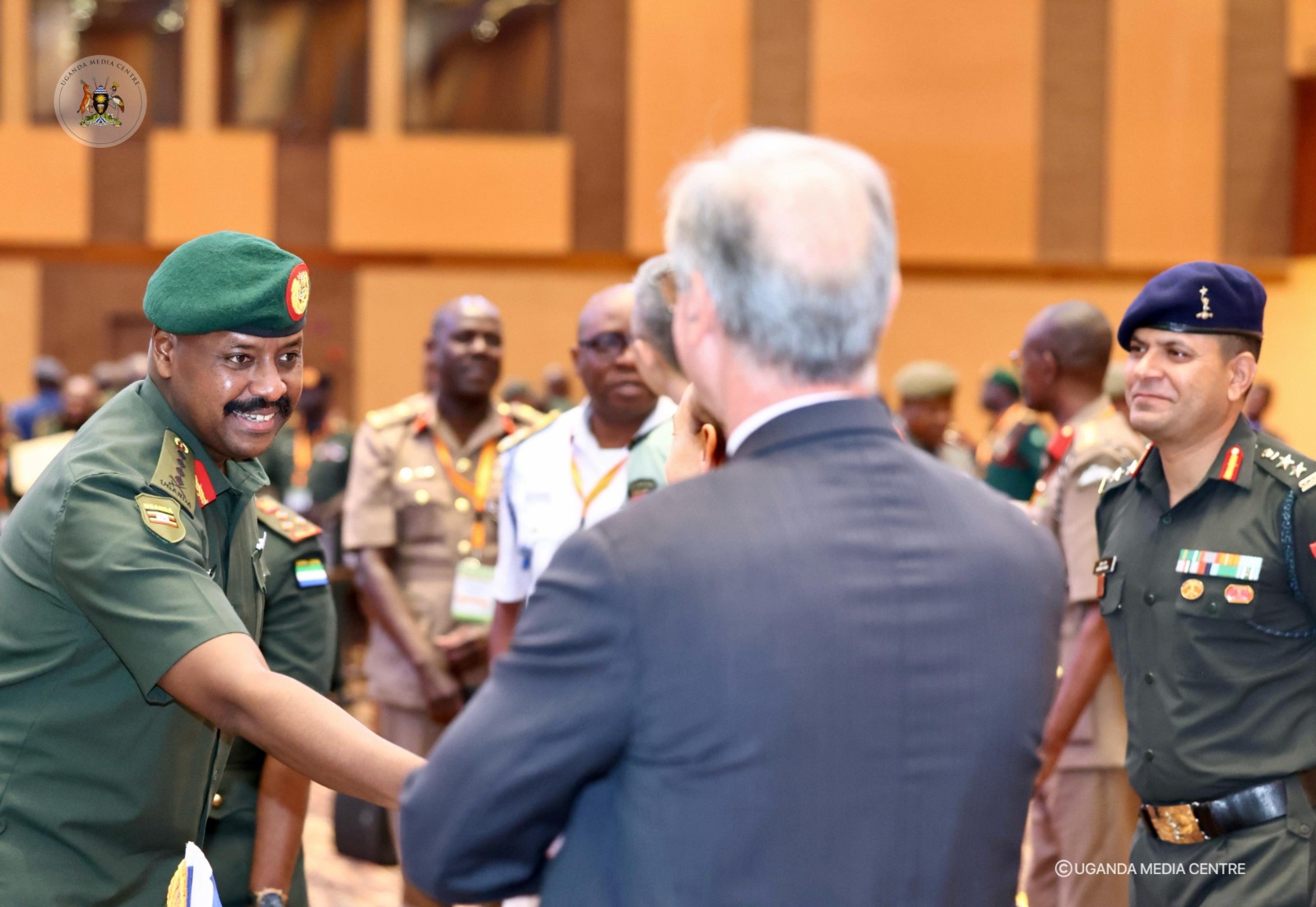
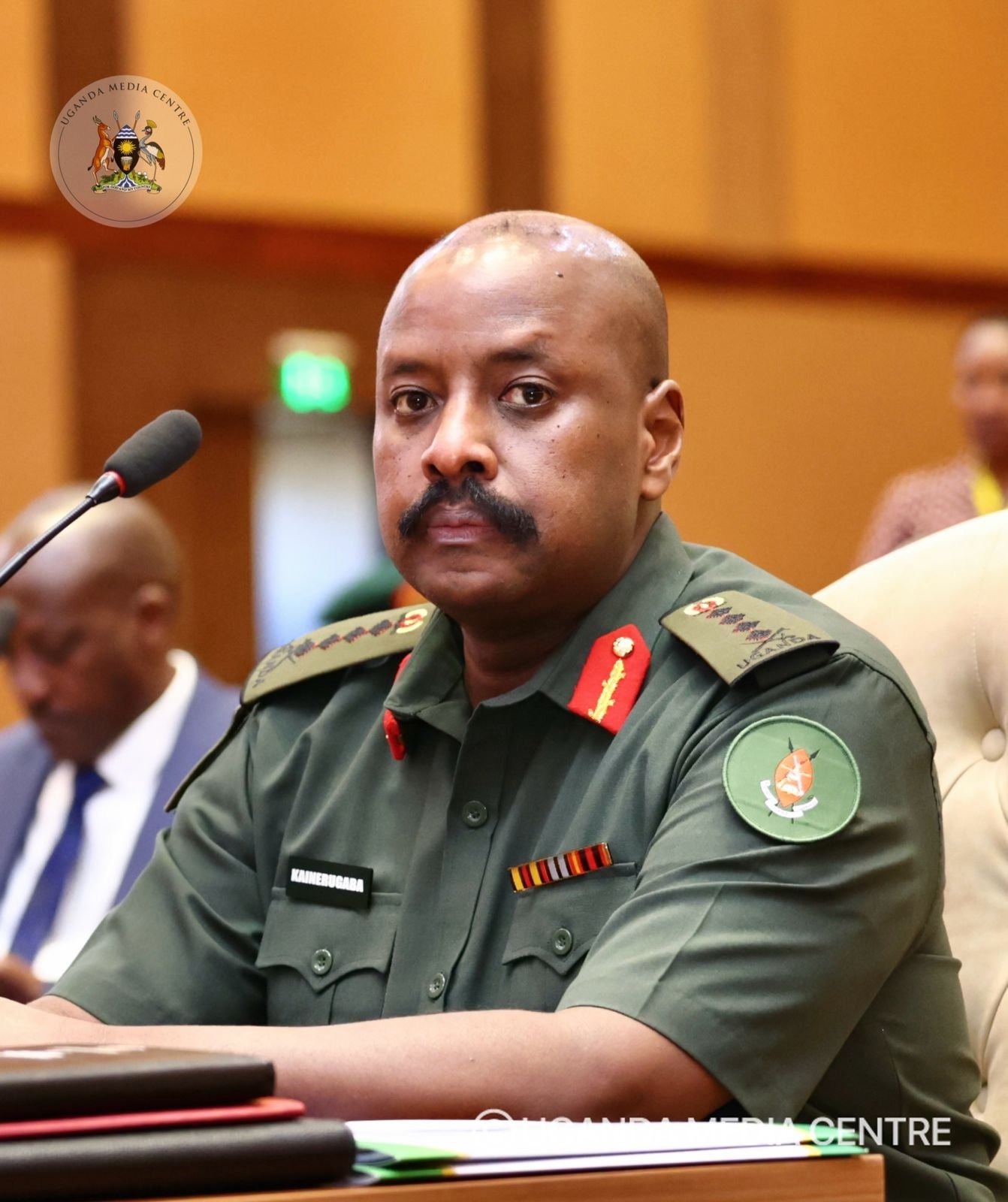
UPDF Chief of Defence Forces Gen Muhoozi Kainerugaba, who hosted the conference, also called on African militaries to adjust their structures, training and equipment to meet the changing nature of warfare and security threats. For Uganda, he said, the broader objective is to develop professional, adaptable and technologically capable armed forces capable of protecting national sovereignty while contributing to peace, stability, prosperity and human security.
 The conference was also an opportunity for military chiefs to exchange experiences and examine how individual countries have handled operations outside conventional warfare. The UPDF said the gathering was intended as a continental platform for institutional introspection and practical discussions on military operations other than war. Maj Gen Richard Otto, the Chief of Defence Intelligence and Security, said the changing strategic environment required African countries to learn from one another and synchronise their responses.
Intelligence takes centre stage
The importance of intelligence was also emphasised during the conference. Deputy CDF Lt Gen Sam Okiding said intelligence-led operations were increasingly central to responding to terrorism, transnational organised crime, irregular migration, humanitarian crises and climate-related threats.
He called for African militaries to modernise their equipment, revise training approaches and fundamentally rethink how they prepare for operations beyond conventional warfare. Okiding said the conference should not end with resolutions but should produce practical measures that can be implemented nationally, regionally and continentally.
Technology and new threats
Technology emerged as another major area of concern. The conference examined cybersecurity, artificial intelligence and unmanned aerial systems, reflecting the growing role of technology in both military and non-military security operations. African militaries are increasingly required to deal with cyber-attacks, misinformation, surveillance, drone technology and attacks on critical infrastructure alongside conventional security threats.
 The agenda also covered climate change, disaster management, natural resource management, maritime and border security, disease pandemics, environmental security, external influence and legal and ethical accountability. The involvement of commanders from missions such as the African Union Support and Stabilisation Mission in Somalia, the UN peacekeeping mission in the Democratic Republic of Congo and UNISFA in Abyei provided an opportunity for countries to draw lessons from ongoing African peace and security operations.
Strengthening African cooperation
Beyond the technical military discussions, the summit provided an opportunity for bilateral engagements between defence chiefs. On the sidelines of the conference, Gen Kainerugaba held talks with his South African counterpart, Gen Rudzani Maphwanya, focusing on strengthening military relations between Uganda and South Africa, including training and exchange programmes.
The wider objective, however, was to build a common African approach to security. The organisers argued that many of the threats confronting African countries do not respect national borders and therefore cannot be effectively addressed by individual countries acting alone. Terrorist networks, organised crime, cyber threats, epidemics, climate emergencies and illegal movement across borders can quickly spread from one country to another.
The conference therefore sought to strengthen African-led cooperation while supporting existing mechanisms under the African Union, regional economic communities and United Nations peace support structures. For Museveni, however, the military response must remain part of a broader national and continental development strategy.
His closing message placed economic development, political cohesion, regional integration and military preparedness within the same security equation. The inaugural conference thus ended with a challenge to African militaries: prepare not only for the wars of yesterday, but also for the complex crises of tomorrow—and ensure that military power contributes to a more secure and prosperous continent.
Author Profile
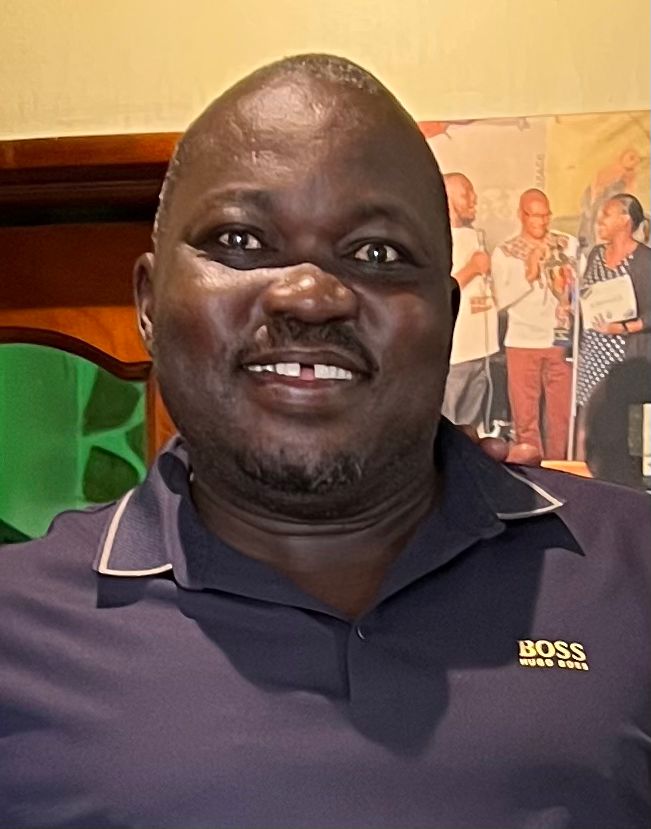
- Charles Gazza Kodili is a seasoned journalist with over 20 years of experience in the media industry. He holds a Bachelor of Arts degree in Mass Communication. He’s currently the Chief Editor at the Investigator.
Charles can also be reached via; Tel: +256 774 108978
Email: [email protected]
Latest entries
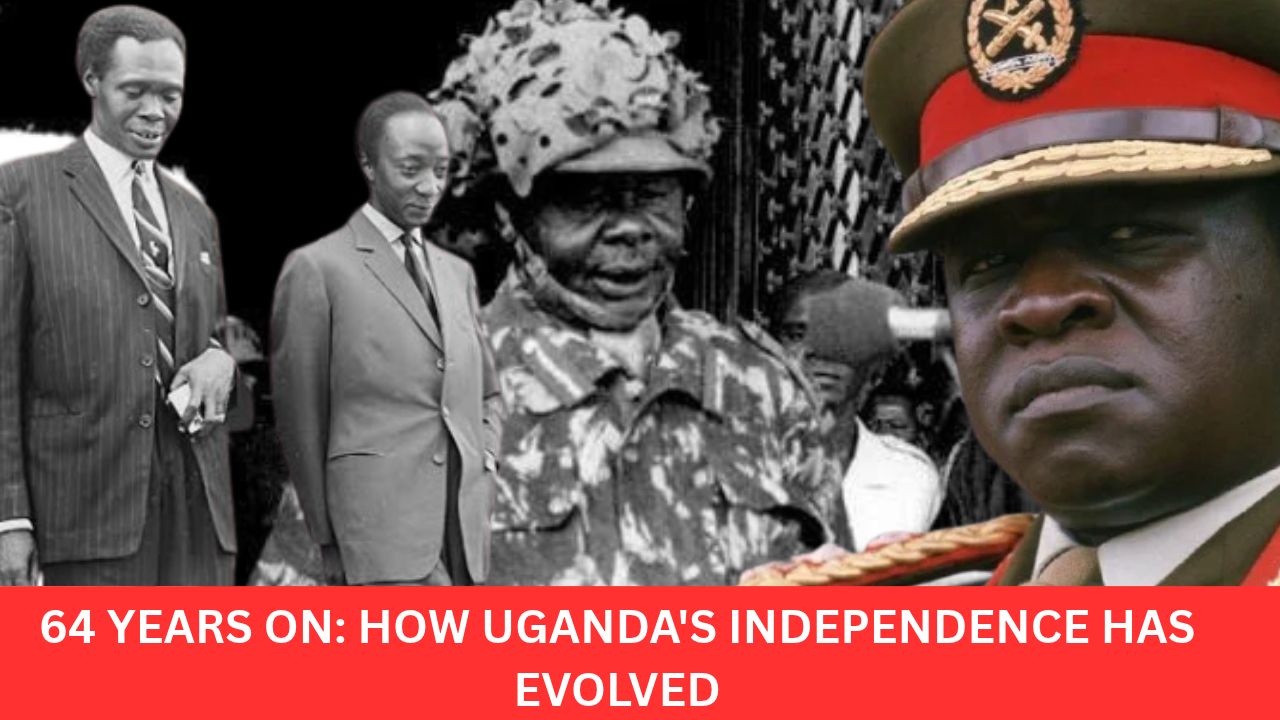 FeaturedOctober 8, 2026UGANDA AT 64: From Obote Receiving the Instruments of Power in 1962 to Museveni Receiving a National Medal in 2026, Uganda’s Independence Story Remains Unfinished. We Journey With You the Thorney 6+ Decades of Uhuru
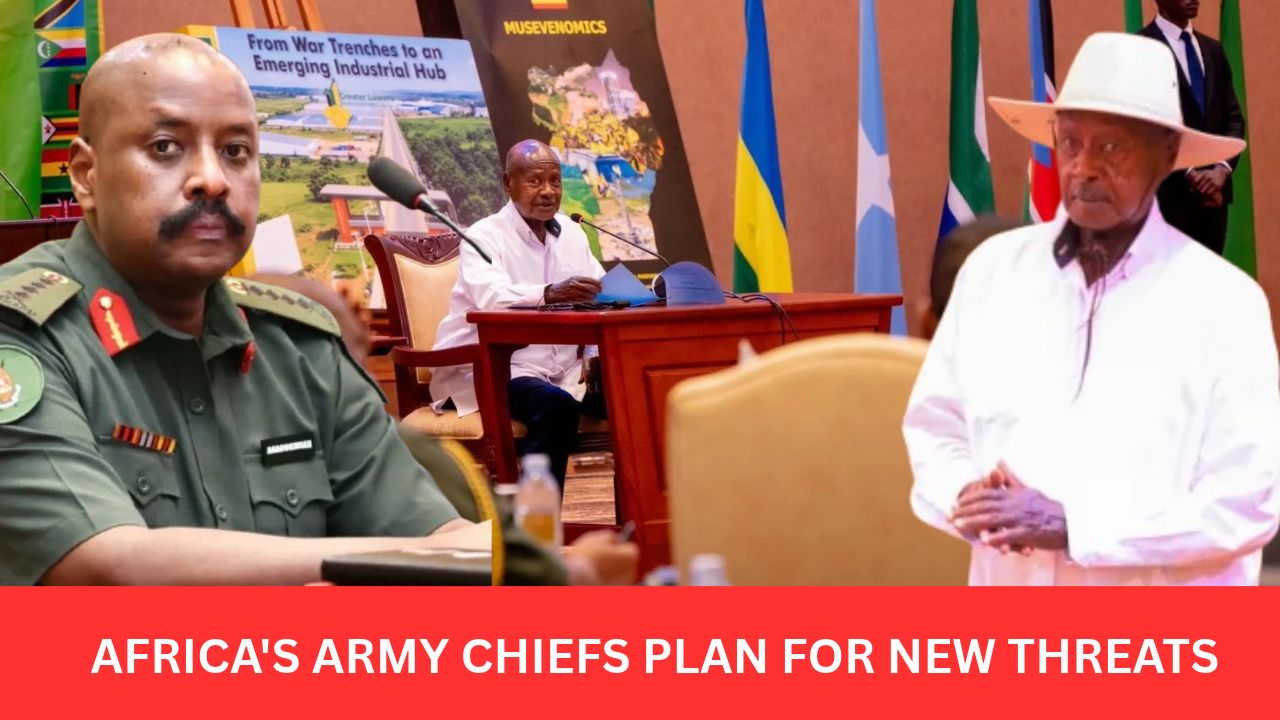 FeaturedOctober 8, 2026AFRICA MUST PREPARE FOR NEW WARS – MUSEVENI: The President Challenges Defence Chiefs to Link Military Strength With Economic Power, Political Stability and Regional Integration as African Armies Rethink Security Beyond Conventional Warfare
 FeaturedOctober 7, 2026DIGITAL NUMBER PLATE SCANDAL: No Feasibility Study. No Financial Clearance. No Proper Value-For-Money Assessment. Parliament Now Wants Answers Over Who Authorised The Troubled Digital Number Plate Venture
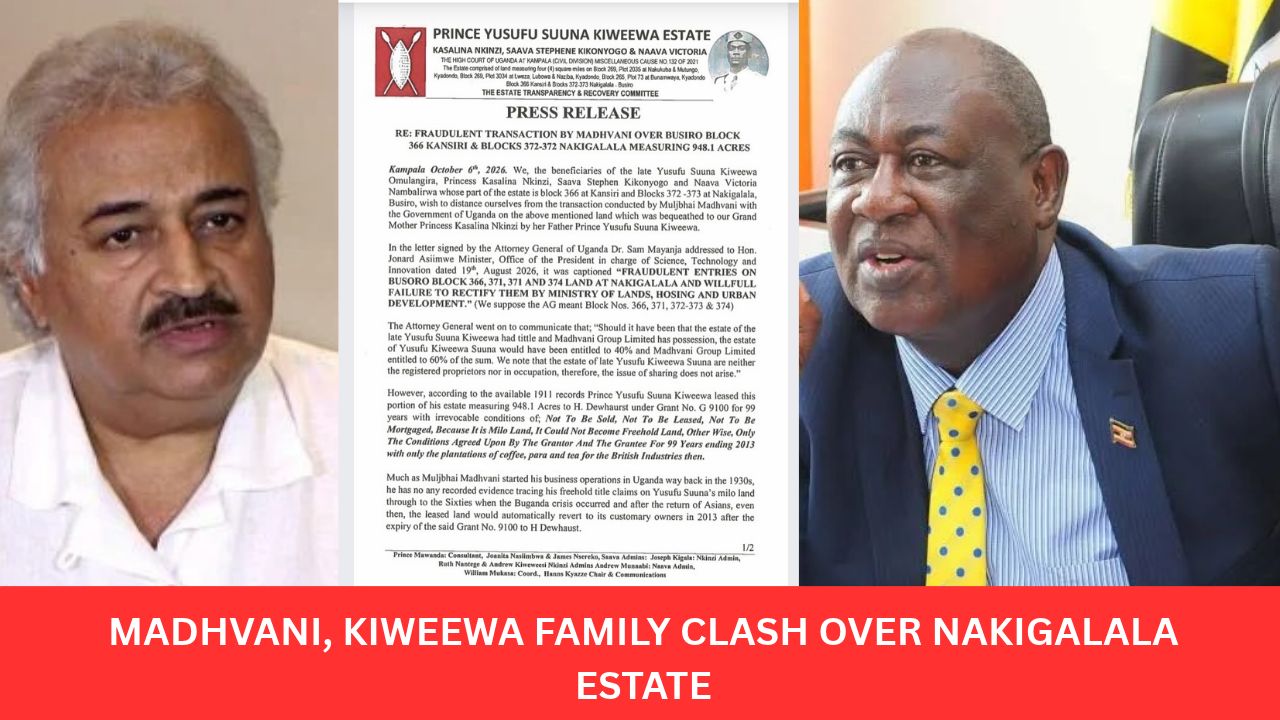 FeaturedOctober 7, 2026MADHVANI ON SPOT OVER A LAND BATTLE WITH PRINCE KIWEEWA FAMILY: Family Challenges UGX170b Government Deal, Says 948-Acre Estate Was Buganda `Milo Land` That Should Have Reverted To Customary Owners In 2013